
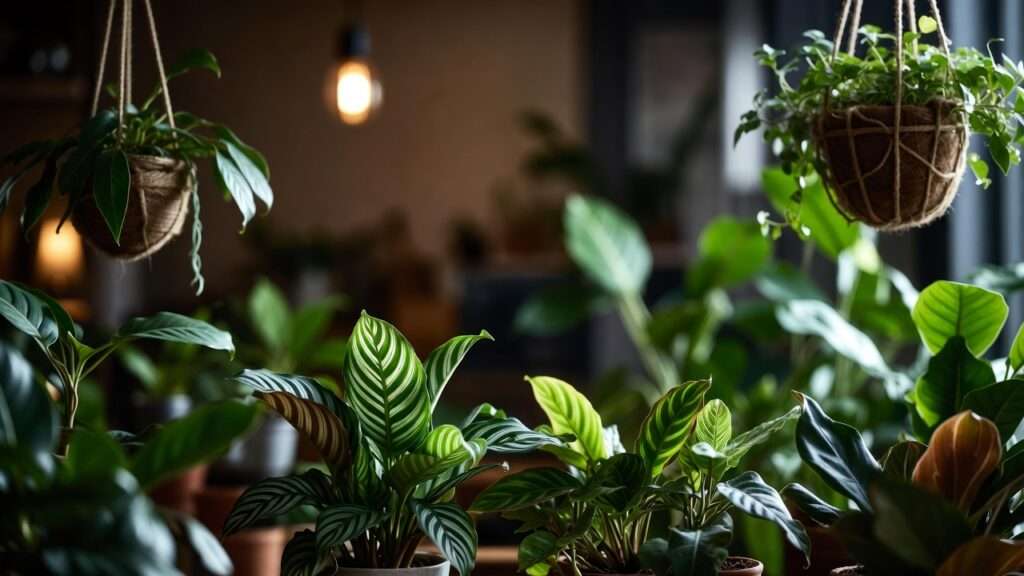
Imagine walking into your cozy apartment after a long day, only to be greeted by slightly stuffy air from lingering cooking smells, furniture off-gassing, or that faint mustiness in dim corners. Your north-facing bedroom or windowless office feels a bit lifeless, and you’re wondering: Can I really add greenery here without it dying in weeks? 😔 You’re not alone—millions of people in modern homes, apartments, and workspaces face the same challenge: low natural light combined with indoor air quality concerns from volatile organic compounds (VOCs) like formaldehyde, benzene, toluene, xylene, trichloroethylene, and ammonia.
The good news? Low-light air-purifying plant species exist that not only survive but genuinely thrive in shady spots while helping filter these common pollutants. Drawing from the landmark 1989 NASA Clean Air Study (and ongoing research into plant-soil microbe interactions), certain resilient houseplants absorb toxins through their leaves and root zones, where beneficial bacteria break them down. While no plant replaces proper ventilation or HEPA filters for dramatic air cleaning, a cluster of these green companions can noticeably freshen your space, boost humidity, reduce stress, and add natural beauty. 🌱💨
In this comprehensive guide, we’ll explore the top 10 low-light air-purifying plant species that deliver real value for beginners and seasoned plant lovers alike. You’ll get detailed profiles, practical care tips, expert insights, and solutions to common problems—so you can confidently bring cleaner, greener life to even the dimmest rooms. Let’s dive in! 🚀
Understanding Low-Light Conditions & Air Purification Power 🌑🪴
First, let’s clarify what “low light” really means for houseplants. Low-light conditions typically involve indirect, filtered light (under 100–200 foot-candles), such as from north-facing windows, fluorescent office lighting, or a few feet away from brighter sources. Direct sun is out—no scorching southern exposures here!
These plants excel indoors because many evolved in shaded forest floors. The famous NASA Clean Air Study tested low-light-tolerant species in sealed chambers (mimicking energy-efficient, poorly ventilated spaces) and found they remove VOCs effectively, often with soil microbes playing a bigger role than leaves alone.
Key benefits go beyond air:
- Toxin removal — Targeting formaldehyde (from plywood, carpets), benzene (smoke, plastics), and more.
- Humidity boost — Many transpire moisture, combating dry indoor air.
- Mood & health perks — Studies link indoor plants to reduced stress, better focus, and even lower sick days.
- Aesthetic & acoustic value — Softens harsh spaces and absorbs minor noise.
Realistic expectations: For noticeable effects, aim for 1–2 medium/large plants per 100 sq ft, combined with good airflow. They’re a wonderful, natural supplement—not a miracle cure. ❤️
Top 10 Low-Light Air-Purifying Plant Species: Detailed Profiles 🌟
Here are the standout performers, selected for proven low-light tolerance, air-cleaning ability (backed by NASA and recent observations), ease of care, and visual appeal.
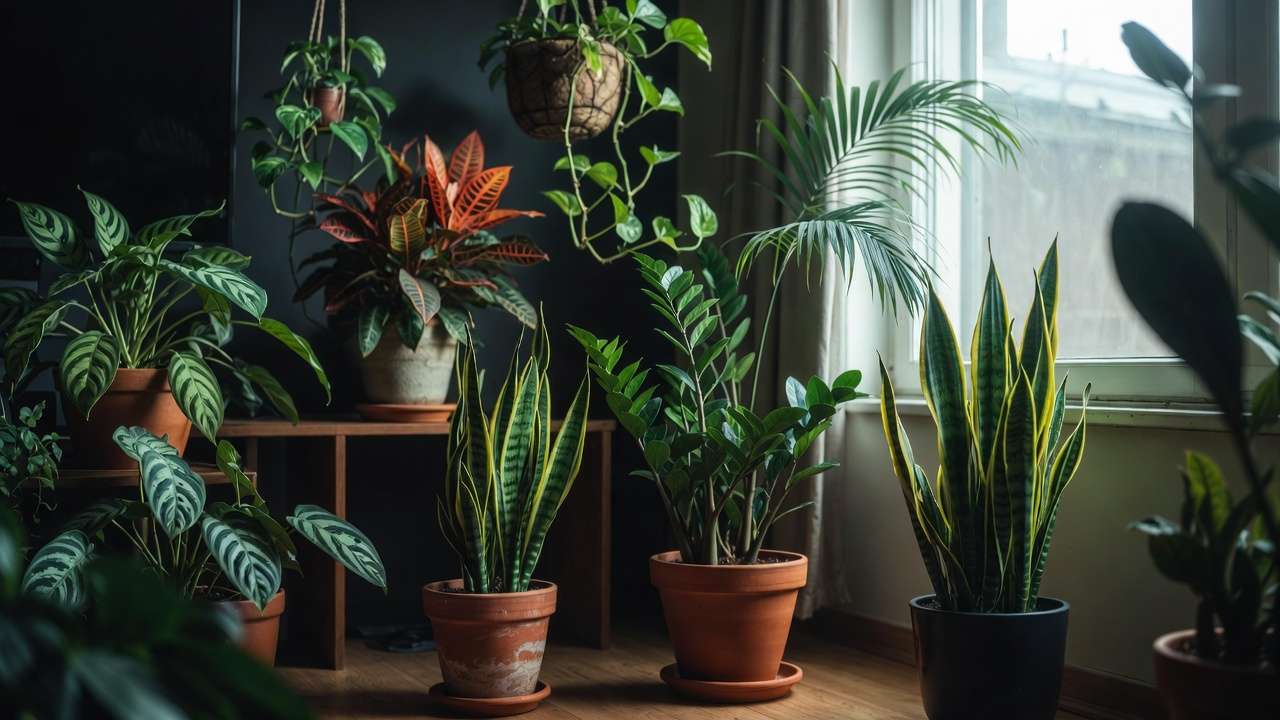
Snake Plant (Dracaena trifasciata, formerly Sansevieria) 🐍 The undisputed king of tough indoor plants! Sword-like upright leaves in green, variegated, or cylindrical forms make it a modern sculptural statement. It removes formaldehyde, benzene, xylene, toluene, and trichloroethylene—plus, uniquely, it releases oxygen at night (ideal for bedrooms). Extremely low-maintenance: survives neglect, low light, and infrequent watering. Grows slowly to 2–4 ft. Mildly toxic to pets if ingested (keep out of reach). Pro tip: Varieties like ‘Laurentii’ or ‘Moonshine’ add contrast. 🌙
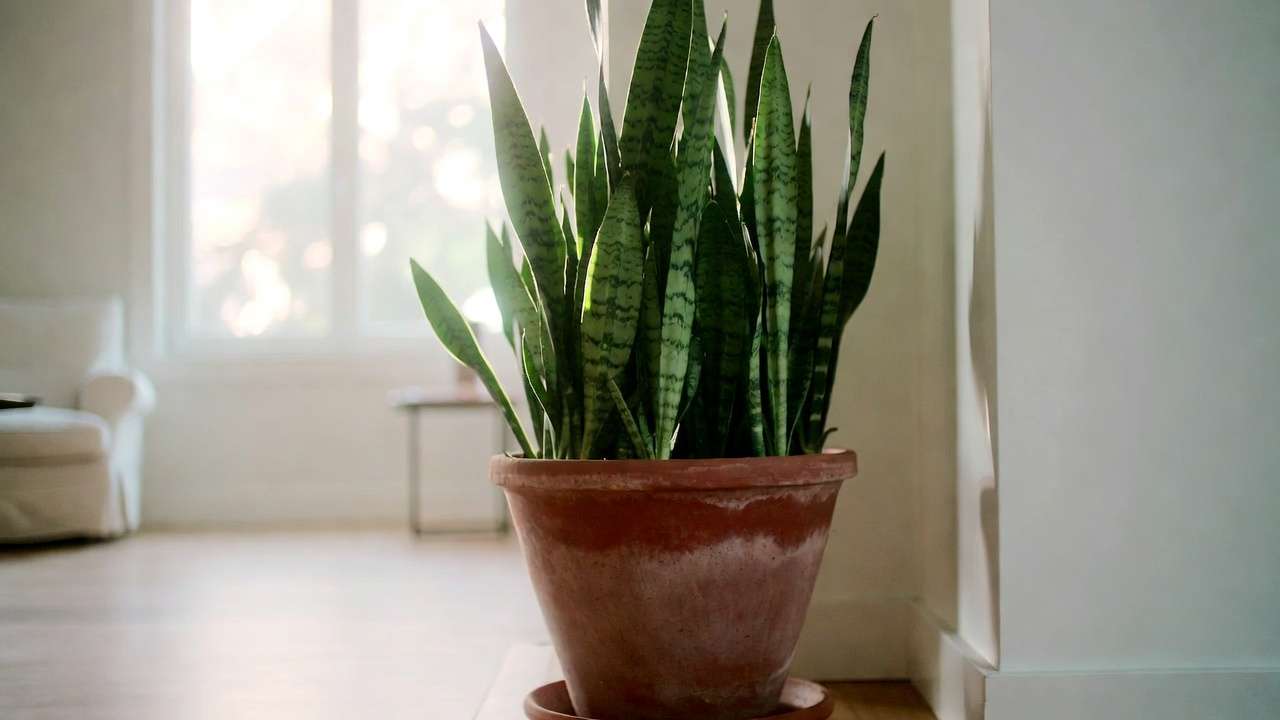
ZZ Plant (Zamioculcas zamiifolia) 💪 Virtually indestructible—perfect for forgetful plant parents! Glossy, dark green, waxy leaves on arching stems thrive in very low light (even fluorescent bulbs). Filters toluene, xylene, and other VOCs. Slow-growing to 2–3 ft, drought-tolerant. Pet-safe in moderation (mild toxicity if large amounts eaten). Ideal for offices or corners. Clean leaves occasionally for best performance. ✨
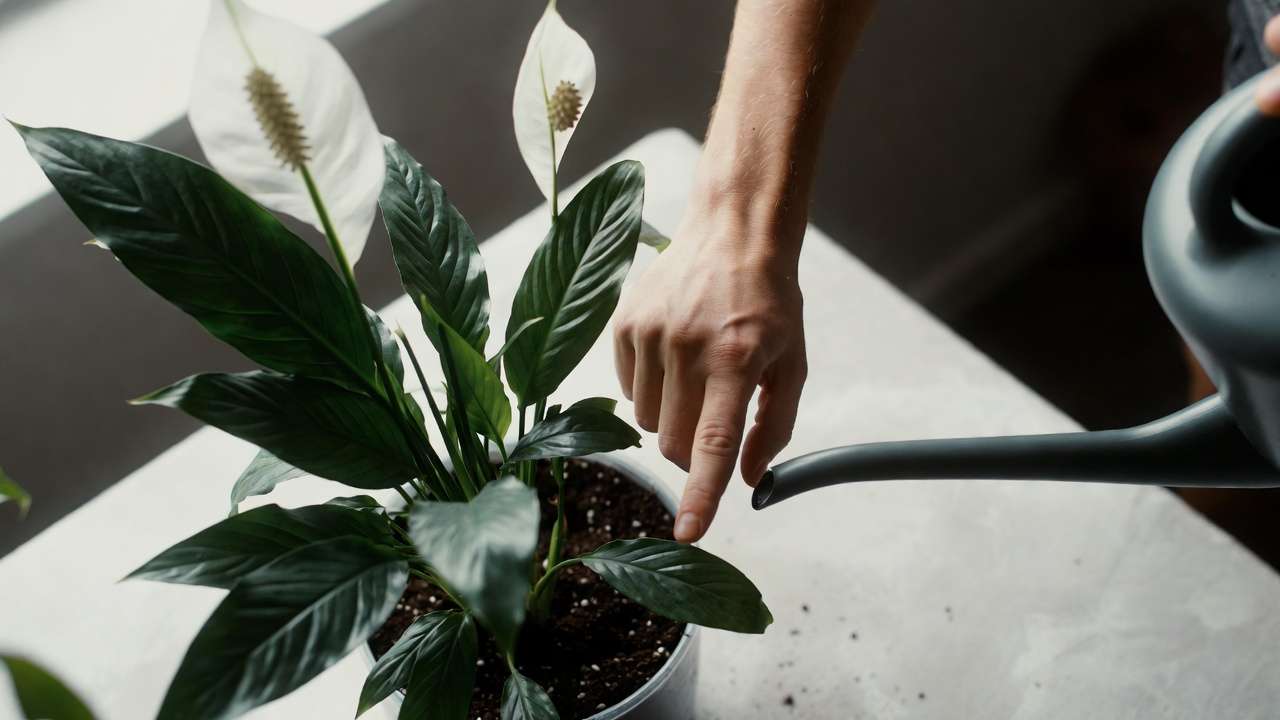
Peace Lily (Spathiphyllum spp.) ⚪ Elegant white “flowers” (actually spathes) bloom reliably even in shade, signaling when thirsty by dramatically drooping—nature’s built-in reminder! Excels at removing ammonia, benzene, formaldehyde, and trichloroethylene. Prefers medium-low light; increases humidity. Grows 1–3 ft. Toxic to pets (causes mouth irritation). Great for bathrooms or humid spots. Wipe leaves to prevent dust buildup. 🌸
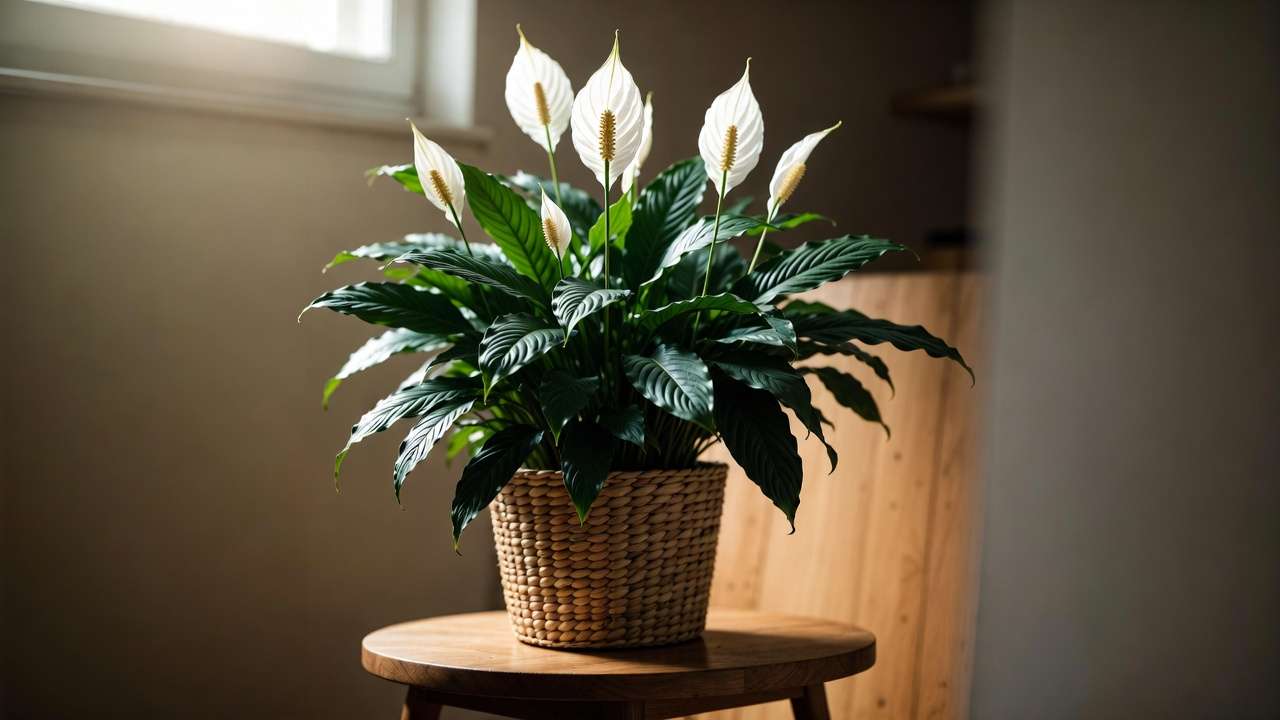
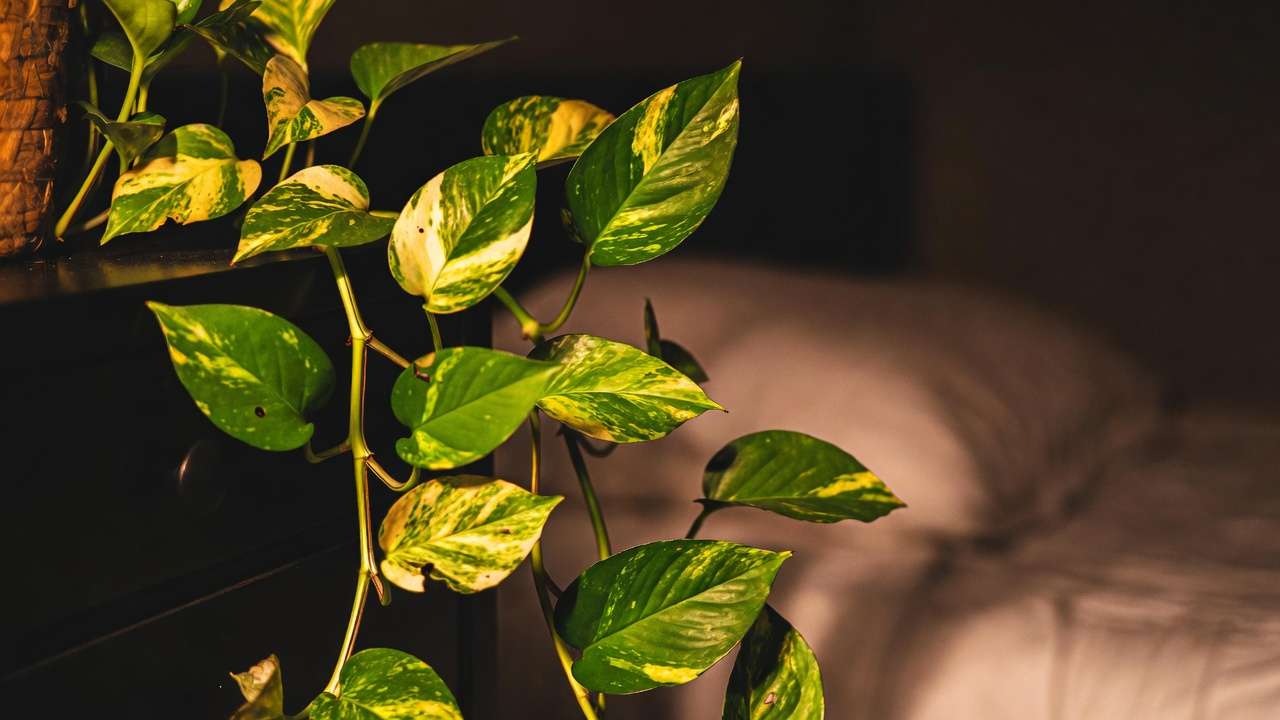
Pothos / Devil’s Ivy (Epipremnum aureum) 💛 Trailing vines with heart-shaped leaves in golden, marble, or neon varieties—perfect for shelves or hanging. Removes formaldehyde, benzene, toluene. Super adaptable, fast-growing, propagates easily in water. Thrives in low light; forgiving of irregular watering. Mildly toxic to pets. Beginner favorite—start with ‘Golden Pothos’ or ‘Marble Queen’. ✂️
- Chinese Evergreen (Aglaonema spp.) 🎨 Stunning variegated foliage in silver, red, or pink tones brightens dim rooms. Tolerates very low light; purifies benzene and formaldehyde. Compact to medium size (1–3 ft). Low-maintenance, colorful varieties like ‘Red Anjamani’ add pop. Mildly toxic to pets. Excellent office plant. 🌈
- Cast Iron Plant (Aspidistra elatior) 🛡️ True to its name—handles neglect, low light, dust, and temperature swings like a champ! Broad, dark green leaves; good general VOC remover. Grows slowly to 2–3 ft. Pet-safe. Victorian classic revived for modern homes. Dust leaves regularly. 💪
- Philodendron (Heartleaf, Brasil, or Selloum varieties) ❤️ Classic vining (Heartleaf) or upright (Selloum) forms; excellent formaldehyde removal. Easy to propagate; tolerates low light. Mildly toxic to pets. ‘Brasil’ adds yellow variegation. Great for trailing over shelves. 🌿
- Spider Plant (Chlorophytum comosum) 🕸️ Produces adorable baby “spiderettes” for easy sharing! Removes up to 95% formaldehyde in studies; combats xylene, toluene. Arching variegated leaves; very pet-safe. Thrives in low-medium light. Fun, forgiving, and prolific! 👶
- Dracaena Varieties (Janet Craig, Warneckei, Marginata) 🌴 Tall, architectural canes with striped or edged leaves. Strong against trichloroethylene, benzene. Low-light tolerant classics from NASA. Grows 3–6+ ft. Mildly toxic to pets. ‘Janet Craig’ is especially shade-loving. 🏛️
- Parlor Palm / Bamboo Palm (Chamaedorea seifrizii) 🌴 Feathery, tropical fronds add elegance to corners. Filters formaldehyde, benzene; increases humidity. Slow-growing to 3–6 ft. Pet-safe. Thrives in low light; great for adding softness. Mist occasionally in dry air. 🏝️
How to Choose the Right Low-Light Air-Purifying Plant for Your Space 🏡🔍
- Bedroom: Snake Plant (night oxygen) or Peace Lily (humidity + blooms).
- Office/Cubicle: ZZ Plant or Chinese Evergreen (compact, modern look).
- Hanging/Shelves: Pothos or Spider Plant (trailing beauty).
- Corners: Parlor Palm or Dracaena (height without width).
Consider room size (more/larger plants = better coverage), pet/kid safety, and style. Start small—2–3 forgiving ones—and expand!
Essential Care Guide for Low-Light Success 🌱💧
These low-light air-purifying plant species are famously forgiving, but giving them the right basics ensures they stay lush and maximize their air-cleaning potential. Here’s a practical, expert-backed routine.
Light Placement Tips Aim for bright indirect light where possible—think a few feet from an east- or north-facing window, or under standard office fluorescents/LEDs. Avoid direct midday sun, which can scorch leaves. If your space is very dim (<50 foot-candles), consider affordable full-spectrum grow lights (10–12 hours/day) to boost health and toxin removal. Rotate plants every 2–4 weeks for even growth. ✨
Watering Wisdom Overwatering kills more houseplants than underwatering! Use the finger-test: Stick your finger 1–2 inches into soil—if dry, water thoroughly until it drains out the bottom. Empty saucers to prevent root rot. Most of these prefer to dry out between waterings (every 1–3 weeks, depending on humidity and season). Snake Plant, ZZ, and Cast Iron are especially drought-tolerant—err on the dry side. Peace Lily and Spider Plant like consistently moist (but not soggy) soil. Pro tip: Use room-temperature filtered or rainwater to avoid fluoride/chlorine buildup. 💦
Soil & Potting Choose a well-draining potting mix—add perlite, orchid bark, or pumice for extra aeration. Repot every 1–2 years in spring when roots circle the pot. Terracotta pots help wick excess moisture; plastic retains it longer (good for thirstier plants like Peace Lily). Always use pots with drainage holes! 🪴
Humidity & Temperature Most thrive at 60–80°F (15–27°C) and average home humidity (40–60%). In dry winter months or air-conditioned spaces, group plants together, use a pebble tray with water, or run a small humidifier. Parlor Palm and Peace Lily especially appreciate 50%+ humidity. Avoid cold drafts or heaters. 🌡️
Fertilizing Go easy—over-fertilizing causes salt buildup. Use a balanced, diluted houseplant fertilizer (e.g., 10-10-10 or organic seaweed) at half strength every 4–6 weeks during spring/summer growing season. Skip in fall/winter when growth slows. Flush soil monthly with plain water to clear salts. 🌿
Common Problems & Quick Fixes 🛠️
- Yellow leaves: Usually overwatering/root rot—let dry out, trim affected roots, repot if needed.
- Brown tips: Low humidity or fluoride—mist leaves, use filtered water.
- Leggy growth: Too little light—move closer to a light source or add grow light.
- Pests (spider mites, mealybugs): Wipe leaves with neem oil solution or insecticidal soap weekly until gone. Inspect new plants!
- Drooping: Peace Lily’s dramatic wilt means “water me now!”—it bounces back fast.
With these habits, your plants will not only survive but actively contribute to fresher indoor air.
Expert Tips to Maximize Air-Purifying Benefits 🚀
Want to level up the impact? Here’s insider advice from years of working with indoor greenery:
- Cluster for synergy — Group 3–5 plants together to create a mini “green zone.” This boosts local humidity and filtration through combined leaf surface area and root microbes.
- Mix species — Combine broad toxin coverage: Snake Plant (night oxygen + VOCs) + Peace Lily (ammonia) + Spider Plant (formaldehyde).
- Clean those leaves — Dust blocks stomata—gently wipe with a damp microfiber cloth monthly to keep air exchange efficient.
- Ventilation combo — Open windows periodically or use a fan to circulate air; plants work best alongside good airflow (not in sealed rooms). Pair with a HEPA filter for heavy-pollutant spaces.
- Propagation power — Multiply for free! Pothos, Spider Plant, and Philodendron root easily in water—share babies with friends or expand your collection. ✂️
- Seasonal tweaks — In cooler months (lower light), reduce watering and skip fertilizer. Watch for slower growth—it’s normal!
Studies (including updates inspired by NASA’s work) show clustered plants with ventilation can reduce VOCs, CO₂, and particulates noticeably in real homes.
Pet & Child Safety Considerations 🐶👶
Safety first—while many are mild or non-toxic, know the risks:
Safer picks (ASPCA-listed non-toxic or low-risk):
- Spider Plant 🕸️
- Parlor Palm 🌴
- Cast Iron Plant 🛡️
- ZZ Plant (mild if large amounts ingested) 💪
Mildly toxic (can cause mouth irritation, drooling, vomiting if chewed—keep elevated/out of reach):
- Snake Plant 🐍
- Peace Lily ⚪
- Pothos 💛
- Philodendron ❤️
- Chinese Evergreen 🎨
- Dracaena varieties 🌴
Place on high shelves, use hanging baskets, or opt for pet-safe alternatives if curious pets/kids are around. Always supervise introductions and consult a vet if ingestion occurs. ❤️
Frequently Asked Questions (FAQs) ❓
Do low-light air-purifying plants really work? Yes—backed by NASA’s Clean Air Study and follow-up research—they absorb VOCs via leaves and soil microbes. Recent studies confirm reductions in formaldehyde, benzene, etc., especially clustered with ventilation. They’re a helpful supplement, not a standalone solution (expect gradual, noticeable freshness rather than instant dramatic change).
How many plants do I need for noticeable air improvement? Aim for 1–2 medium/large plants per 100 sq ft (roughly one per small room). More = better coverage. NASA suggested 15–18 plants for a typical home.
Can these plants survive with only artificial light? Absolutely—ZZ, Snake, Chinese Evergreen, and Pothos do great under office LEDs or grow lights. Supplement if growth stalls.
Which is the absolute easiest for total beginners? ZZ Plant or Snake Plant—almost impossible to kill!
Are there any flowering options in low light? Yes! Peace Lily blooms reliably in shade—elegant white spathes year-round with good care.
How do I revive a struggling plant? Assess: Yellow = overwater/drainage issue; brown tips = low humidity; leggy = more light. Trim dead parts, repot if root-bound, adjust care, and give time—most bounce back!
Conclusion: Bring Life & Fresh Air to Your Dim Spaces Today 🌈
Low-light corners don’t have to stay dull or stuffy. These top 10 low-light air-purifying plant species offer resilient, beautiful solutions that clean your air naturally while adding calm greenery to bedrooms, offices, apartments, and beyond.
Start simple: Grab a Snake Plant for night oxygen or a Pothos for easy trailing vibes. Watch your space transform—healthier air, lower stress, and a touch of nature indoors. 🌿
Which one will you try first? Share in the comments, tag a friend who needs greener vibes, and subscribe for more plant care guides tailored to real homes. Your fresher, happier indoor world awaits!











