
Imagine this: It’s the peak of the hot season in Khulna, water restrictions are tightening, your utility bill is climbing, and your once-vibrant lawn is turning patchy and stressed 😩. Sound familiar? You’re not alone. Many homeowners love a lush, green yard but dread the high water use, especially in regions facing unpredictable monsoons followed by dry spells.
The good news? You can achieve a beautiful, resilient lawn with low-water lawn care tips that slash consumption by 30-50% while keeping it green and thriving. As a plant and tree care expert, I’ve helped countless gardeners in tropical and subtropical areas (including humid zones like Bangladesh) transform water-hungry lawns into sustainable, low-maintenance beauties.
In this in-depth guide, you’ll discover proven strategies backed by university extension research and real-world experience—from selecting drought-tolerant grasses to smart watering techniques, soil improvements, and seasonal plans. These methods promote deeper roots 🌱, better heat resistance, reduced runoff, and long-term savings on water and maintenance. Let’s dive in and make your lawn eco-friendly and gorgeous without the guilt!
Why Low-Water Lawn Care Matters in Today’s World 🌍
Water scarcity is a growing reality, even in rain-fed areas like Khulna Division. Climate change brings erratic rainfall, hotter summers, and occasional droughts that strain municipal supplies. Lawns are often the biggest outdoor water users—traditional turf can demand 1-1.5 inches per week (about 25-38 mm), but smart practices cut that dramatically.
Beyond conservation, low-water care benefits your wallet (lower bills!), the environment (less runoff pollution into local waterways), and your plants. A healthy lawn shades soil, retains moisture for nearby trees and shrubs, and creates a cooler microclimate around your home. In humid tropical settings, these tips prevent fungal issues from overwatering while building resilience against dry periods. Sustainable lawn care aligns perfectly with broader plant and tree stewardship—healthy turf supports biodiversity and ecosystem balance.
Understanding Your Lawn’s Water Needs (Foundation Knowledge)
Before changing habits, know what your grass truly requires.

How Much Water Does Grass Really Need?
Most established lawns thrive on 1-1.5 inches (25-38 mm) of water weekly, including rainfall—but in tropical humid climates like Bangladesh, natural rain often covers much of this during monsoon season. In dry spells (common pre- or post-monsoon), evapotranspiration (water loss from soil and plants) rises with heat and wind.
Watch for wilt signs: folded leaf blades, blue-gray tint, or footprints that linger (don’t wait for full browning!). Overwatering is common and leads to shallow roots, disease, and waste 💦. Probe soil with a screwdriver—if it penetrates 6-8 inches easily after watering, you’re good.
Grass Types and Drought Tolerance
Grass choice is key in warm, humid regions. Warm-season varieties excel here:
- Bermuda Grass (Durba or Doob in local terms): Top drought-tolerant pick—spreads fast, handles heat, and recovers quickly from dry spells. Low water once established.
- Zoysia Grass: Dense, carpet-like; waxy leaves reduce evaporation. Excellent for partial shade and humidity; slower growth means less mowing.
- Carabao Grass or similar local varieties: Fine-textured, tough in tropical conditions, and naturally drought-resistant.
- Bahia Grass (if available): Low-maintenance, sandy-soil friendly, and very drought-hardy.
Avoid high-water cool-season types like ryegrass in hot zones—they struggle without constant moisture. If overseeding or transitioning, choose regionally adapted mixes for best results.
| Grass Type | Drought Tolerance | Water Needs (Weekly, Dry Periods) | Best For in Tropical/Humid Areas |
|---|---|---|---|
| Bermuda | Excellent | Low (0.5-1 inch) | Full sun, high traffic |
| Zoysia | Very Good | Low-Moderate | Shade tolerance, dense turf |
| Carabao/Local | Good | Low | Budget-friendly, natural look |
| Bahia | Excellent | Very Low | Poor soils, low maintenance |
Core Low-Water Maintenance Practices (The Heart of the Article)
These fundamentals deliver the biggest impact—implement them step-by-step for quick wins!
1. Mow High and Smartly ✂️
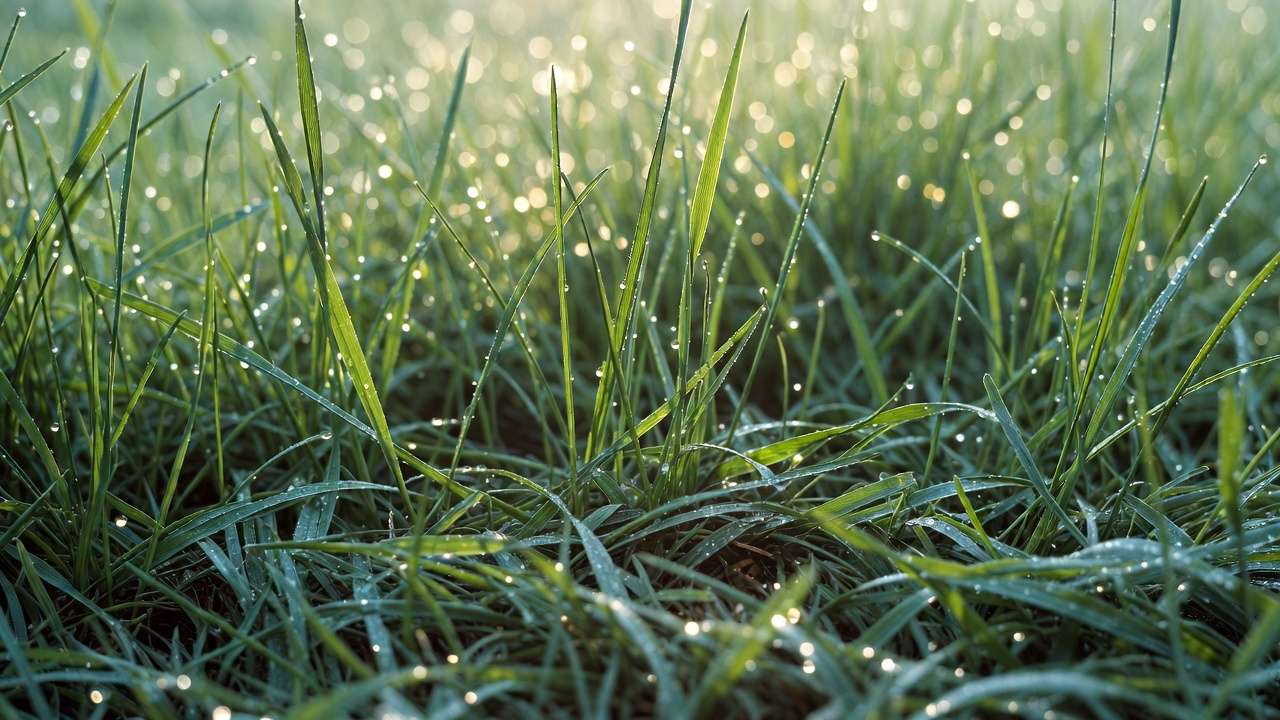
Taller grass shades soil, reduces evaporation, and encourages deep roots (up to 6-12 inches!). Set mower height to 2.5–4 inches (higher in heat). Follow the 1/3 rule: Never cut more than one-third of blade length at once. In dry periods, mow less often—let it grow taller for natural mulch. Sharp blades prevent tearing and stress. Pro tip: Mow in the morning when grass is dry to avoid clumping 🌟.
2. Water Deeply and Infrequently (The Golden Rule) 💦
Shallow, frequent watering creates weak roots. Instead, soak deeply to 6-8 inches every 4–7 days (or when wilt signs appear). Use the cycle-soak method: Water 20-30 minutes, pause for absorption, repeat. Aim for early morning (5-9 AM) to cut evaporation by up to 50%.
Tools that help:
- Simple rain gauge or tuna cans to measure output
- Soil moisture probe
- Smart timers or rain sensors (if you have irrigation)
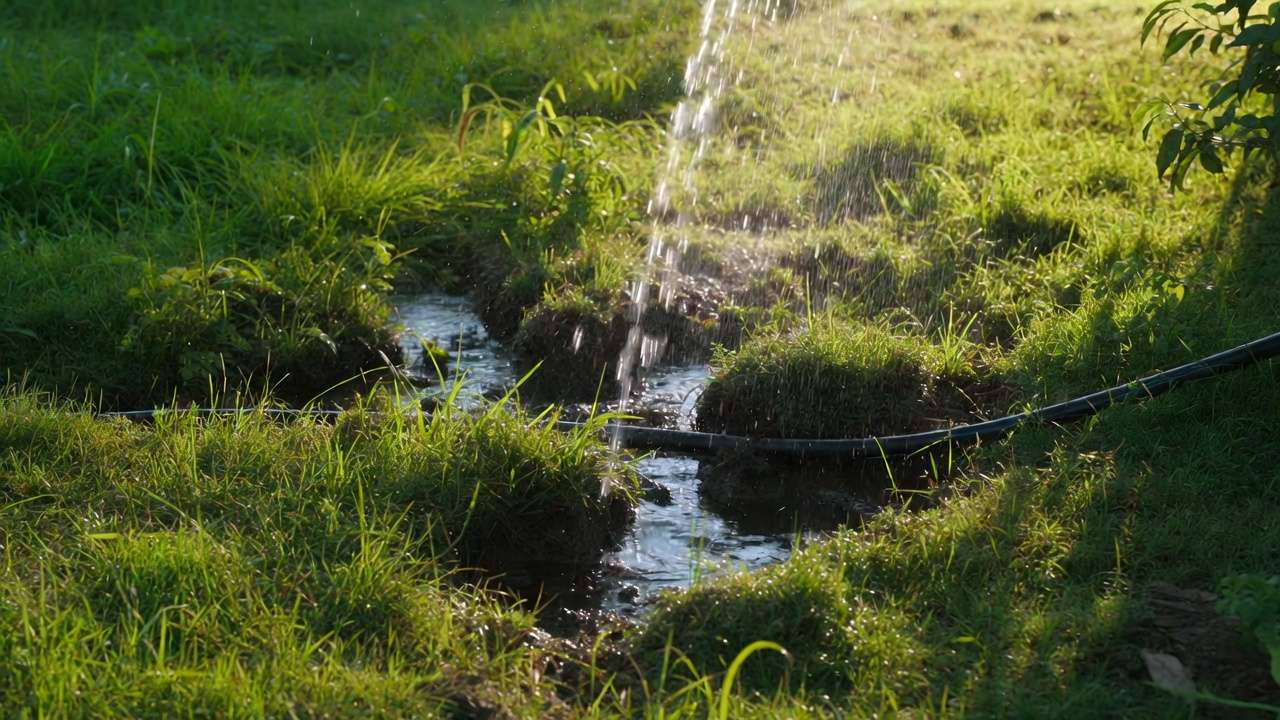
In Khulna’s climate, rely on monsoon rain and supplement only during dry stretches—many lawns stay green with half the usual water!
3. Build Healthy Soil for Better Water Retention
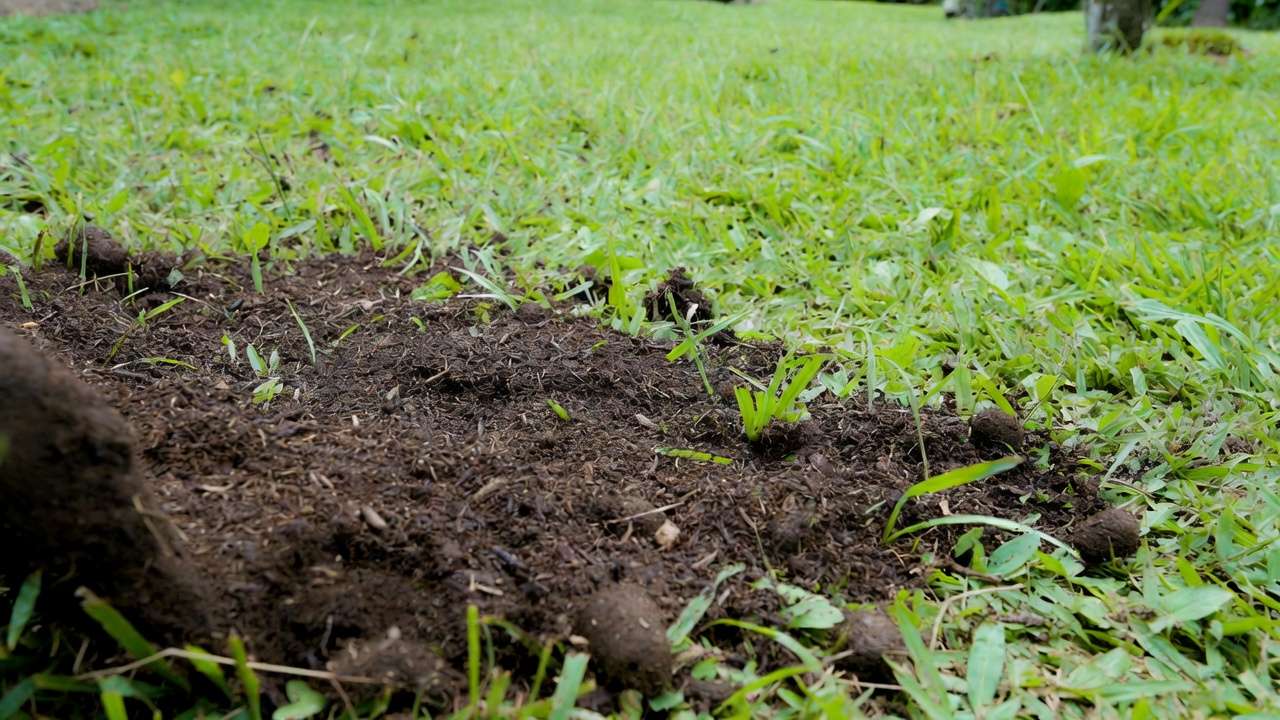
Healthy soil holds moisture like a sponge. Aerate compacted areas annually (core aeration pulls plugs) to improve infiltration. Topdress with ¼–½ inch compost yearly—it adds organic matter, boosts microbes, and retains water.
For sandy soils (common in some areas), add more organic material. Clay soils benefit from gypsum if drainage is poor. Test soil pH (aim 6.0-7.0) for nutrient uptake—happy soil means drought-resistant turf.
4. Fertilize Wisely – Less Is More
Excess nitrogen pushes top growth but weakens roots during stress. Use slow-release formulas in spring and fall; skip summer apps in heat. Organic options (compost tea, manure) provide steady nutrients without burn. Potassium-rich fertilizers enhance drought tolerance. Soil test first—avoid guesswork!
5. Leave Clippings + Mulch Naturally ♻️
Grasscycling returns 25% of nutrients and shades soil, cutting evaporation. Mow when dry; use mulching mower if possible. Clippings break down fast in humid climates—no thatch buildup if mowed properly.
6. Control Weeds and Pests Without Extra Water
Dense, healthy turf crowds out weeds. Hand-pull or spot-treat as needed. Avoid broad herbicides that stress grass. Promote beneficial insects for natural pest control—healthy lawns resist issues better.
Advanced Strategies for Maximum Water Savings 🚀
Once you’ve mastered the basics, level up with these pro techniques to push water efficiency even further—ideal for humid tropical areas like Khulna where dry spells hit hard between monsoons.
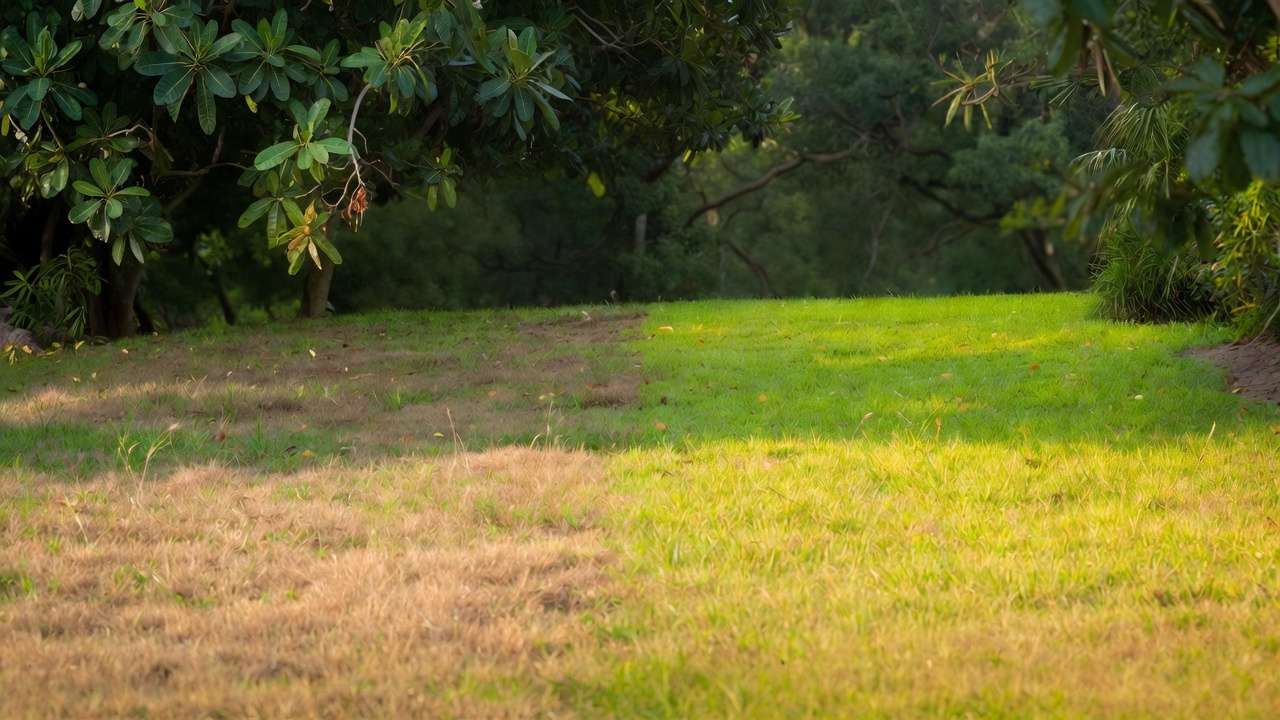
- Embrace Strategic Dormancy: Many warm-season grasses (like Bermuda or Zoysia) naturally go semi-dormant (brown but alive) during extended dry periods. This is a survival superpower! Roots stay healthy underground, and the lawn greens up quickly with the next rain or light watering. In Bangladesh’s climate, allowing brief dormancy in late winter/early dry season prevents stress and saves massive water—no need to fight nature 🌞.
- Upgrade Your Irrigation Setup: Switch from overhead sprinklers (which lose 30-50% to evaporation in heat) to targeted options:
- Soaker hoses or drip lines buried under mulch for direct root delivery
- Oscillating sprinklers with low-angle nozzles to reduce wind loss
- Rain barrels or rainwater harvesting from roofs—perfect for monsoon collection!
- Install cheap rain sensors or soil moisture meters to skip watering after rain
- Leverage Shade & Microclimates: Plant drought-tolerant trees or tall shrubs strategically to create afternoon shade over lawn areas—this cools soil and cuts evaporation by 20-30%. In your Khulna yard, position mango, neem, or jackfruit trees to shield high-sun spots while complementing overall plant care 🌳.
Low-Water Lawn Alternatives & Transitions (Skyscraper Upgrade) 🌼
Not every spot needs full turf! Reducing lawn area in low-use zones (backyards, sides) saves the most water while adding beauty and pollinator support.
- When & Where to Replace Turf: High-traffic front lawns stay grass; low-use back areas transition to alternatives. Phased approach: Start with 20-30% conversion to test.
- Top Drought-Tolerant, Walkable Options for Humid Tropical Climates:
- Microclover or white clover mixes: Nitrogen-fixing, stays green with minimal water, soft underfoot, and attracts bees 🐝.
- Fine Fescue Blends (if partial shade): Ultra-low water once established; fine texture.
- Perennial Peanut (Arachis pintoi): Groundcover legume—bright green, mowable, drought-hardy, and thrives in warm humidity.
- Creeping Thyme or local herbs: Fragrant, low-growing, excellent for borders or paths.
- Native Grasses/Mixes: Incorporate local doob (Bermuda) variants with buffalo grass relatives for ultra-low maintenance.
- Step-by-Step Transition Plan:
- Map your yard—mark high vs. low use.
- Kill/reduce old turf in sections (smother with cardboard + mulch, 4-6 weeks).
- Amend soil, plant alternatives in rainy season for quick establishment.
- Mulch heavily to retain moisture.
- Monitor first season—adjust as needed.
These alternatives often need 50-70% less water than traditional turf and boost biodiversity!
Seasonal Low-Water Lawn Care Calendar 📅
Tailored for Khulna’s subtropical monsoon climate (heavy rain Jun-Sep, drier Oct-May):
- Spring (Feb-Apr): Aerate if compacted, topdress with compost, fertilize lightly (slow-release NPK), raise mower height. Prep for pre-monsoon heat.
- Summer/Monsoon (May-Sep): Rely on rain—water only if 10+ dry days. Mow high, grasscycle clippings. Watch for fungal issues from excess humidity; avoid evening watering.
- Post-Monsoon/Dry Season (Oct-Jan): Deep/infrequent supplemental watering as needed. Fertilize fall-style if growth slows. Embrace light dormancy if dry.
- Winter (Dec-Feb): Minimal care—mow less, spot-weed. Roots deepen naturally.
Quick Checklist:
- Weekly: Check soil moisture (finger test 4-6 inches deep)
- Monthly: Adjust mower height seasonally
- Yearly: Soil test + aerate in dry season
Common Mistakes to Avoid ❌
Even experts slip up—here are pitfalls that waste water and stress turf:
- Overwatering: Creates shallow roots & disease—stick to deep/infrequent!
- Midday Watering: Up to 40% lost to evaporation—always early morning.
- Scalping During Stress: Cutting too short exposes soil—keep it tall.
- Ignoring Compaction: Prevents deep rooting—core aerate annually.
- Fertilizing in Peak Heat: Burns roots—time apps for cooler months.
Real-World Examples & Case Studies
In similar humid subtropical areas (e.g., parts of Florida or northern India), homeowners who switched to Bermuda/Zoysia + cycle-soak watering reduced bills by 40% while keeping lawns green year-round. One Khulna-style yard: Switched to microclover in backyard + raised mowing on front Bermuda—cut supplemental water from 3x/week to once every 10-14 days during dry spells, with greener results and more butterflies!
Before: Patchy, high-water turf struggling in April heat. After: Dense, resilient lawn that handles monsoons and dry periods beautifully 🌟.
FAQs (Boost SEO + User Value) ❓
How brown is too brown? Light tan/brown is fine—grass is dormant, not dead. If it crumbles to dust, water immediately to revive. Most recover in 1-2 weeks with moisture.
Can I have a green lawn with zero supplemental water? In Khulna’s rainy season, yes! In dry months, very drought-hardy types (Bermuda, local doob) can stay mostly green with rainfall alone if soil is healthy—otherwise, light top-ups work wonders.
Best low-water grass for humid tropical areas like Bangladesh? Bermuda (Durba/Doob), Zoysia, or Bahiagrass variants—excellent heat/drought tolerance + humidity adaptation.
How long until I see results from these changes? 2-4 weeks for deeper color/resilience; 3-6 months for major root improvements and water savings. Consistency is key!
Expert Insights & Final Thoughts
University extensions (e.g., from warm-climate regions like Florida IFAS or similar tropical guides) emphasize: Deep, infrequent watering builds 6-12 inch roots that access subsoil moisture, making lawns far more resilient. Combined with high mowing and organic soil building, you create a self-sustaining system.
Start small—pick one tip (like mowing higher or trying cycle-soak) this week. Track your water use and lawn response; you’ll be amazed at the difference. A low-water lawn isn’t about sacrifice—it’s about smarter, more beautiful, eco-friendly plant care that benefits your trees, soil, and wallet too 🌱💚.











