
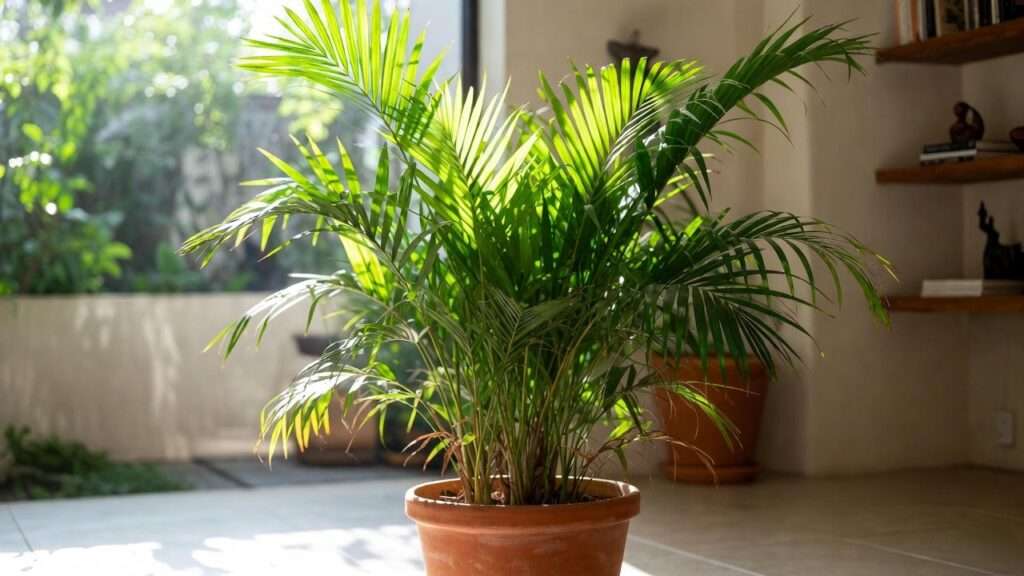
Imagine a plant that looks like it stepped straight out of a prehistoric jungle or a desert oasis—tall, spiny trunk towering dramatically, crowned with a burst of lush green leaves that sway gently in your living room breeze. That’s the magic of the Madagascar palm plant (Pachypodium lamerei), a show-stopping houseplant that’s capturing the hearts of indoor gardeners everywhere 🏜️🌵. But here’s the twist: despite its palm-like allure, it’s not a palm at all—it’s a resilient stem succulent that thrives on neglect rather than pampering. If you’ve ever killed a finicky houseplant or struggled with high-maintenance greenery, this stunning succulent could be your perfect match.
In this ultimate guide, we’ll dive deep into everything you need to know about Madagascar palm plant care indoors. From decoding its unique needs to troubleshooting common pitfalls, I’ll share proven strategies based on years of hands-on experience growing succulents and exotic houseplants. Whether you’re a beginner eyeing your first dramatic statement plant or a seasoned collector aiming for that rare bloom, this comprehensive resource will help you cultivate a thriving, eye-catching specimen that elevates your home decor for years to come. Let’s unlock the secrets to success! 🌱💚

What Is the Madagascar Palm Plant? A Closer Look 🌴❓
The Madagascar palm plant, scientifically known as Pachypodium lamerei, is one of the most iconic succulents in the houseplant world. Native to the arid regions of southern Madagascar, this plant has adapted brilliantly to harsh, dry environments—making it an ideal low-maintenance choice for modern indoor living.
Botanical Background and Origins
Endemic to Madagascar’s rocky, limestone-rich landscapes, Pachypodium lamerei belongs to the Apocynaceae family (related to oleanders and plumerias, not true palms). In the wild, it’s sadly classified as vulnerable due to habitat destruction and overcollection, so always source your plants from reputable, ethically propagated nurseries to support conservation efforts.
The name “Pachypodium” comes from Greek roots meaning “thick foot,” referring to its swollen, water-storing base. This adaptation allows it to survive long droughts in its native habitat, where rainfall is sporadic and intense.
Key Characteristics
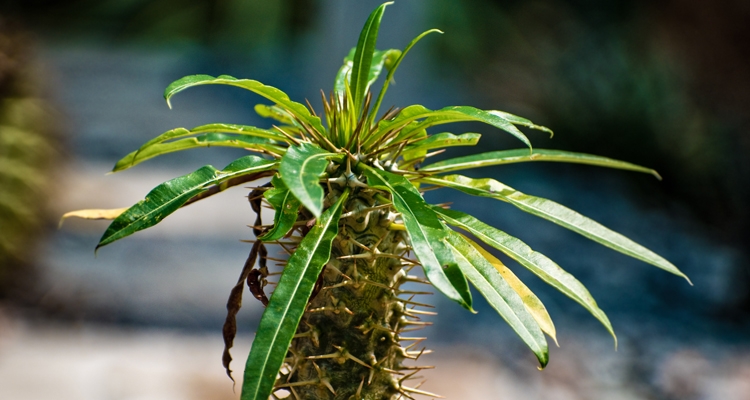
Visually, the Madagascar palm is unforgettable: a thick, silvery-gray trunk covered in sharp spines acts as both water reservoir and defense mechanism. At the top sits a rosette of long, narrow, glossy dark-green leaves that can reach up to 12-18 inches long.
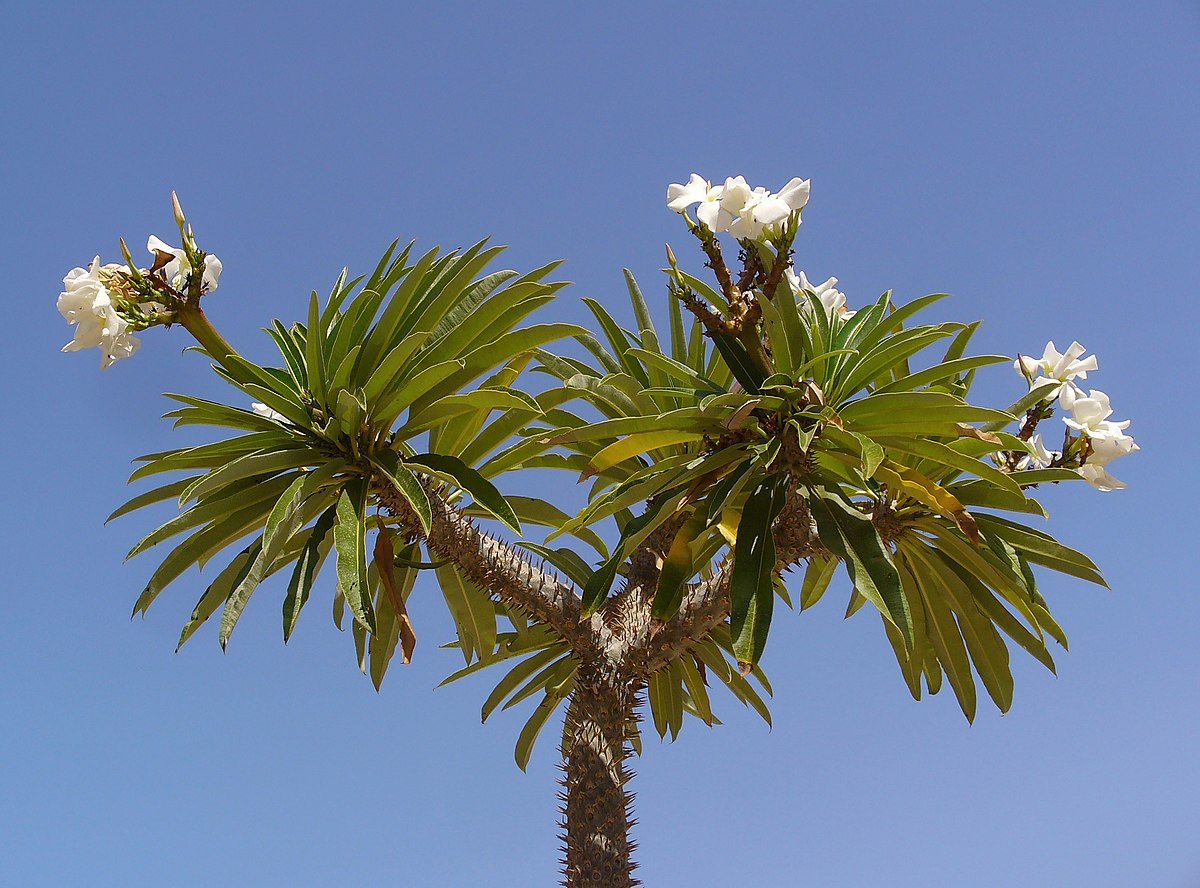
Mature specimens (often 10+ years old) can produce stunning clusters of fragrant, white, trumpet-shaped flowers with yellow centers— a rare treat indoors but absolutely possible with optimal care 🌸. Indoors, expect slow growth: about 6-12 inches per year, reaching 3-6 feet tall in a pot (much taller in ideal outdoor conditions in USDA zones 9-11).

Common Confusions and Similar Plants
One of the biggest newbie mistakes? Confusing the Madagascar palm with actual palms like the ponytail palm (Beaucarnea recurvata) or the money tree (Pachira aquatica).
- Vs. Ponytail Palm: Both have bulbous bases and long leaves, but ponytail palms lack spines, have softer, curly foliage, and tolerate lower light.
- Vs. Money Tree: Braided trunks, broader leaves, no spines, and much higher water requirements.
Quick ID tip: If it has sharp thorns along the trunk, it’s likely a true Madagascar palm! This distinction is crucial because care routines differ dramatically—treating a succulent like a tropical palm often leads to disaster.
Ideal Light Requirements for Vibrant Growth ☀️
Light is the #1 factor determining your Madagascar palm’s health and appearance. As a sun-loving succulent from bright, exposed habitats, it craves intense illumination to maintain its compact, robust form.
Best Indoor Placement
Aim for 6-8 hours of direct sunlight daily. A south- or west-facing window is perfect—think bright, unobstructed light where other plants might scorch. If natural light is limited, supplement with a full-spectrum grow light (10-14 hours/day) positioned 12-18 inches above the plant.
In my experience with dozens of specimens, plants in bright spots develop thicker trunks and richer green leaves, while those in dim corners stretch awkwardly (etiolation) and weaken over time.

Signs of Light Issues and Fixes
- Too little light: Leggy growth, pale leaves, leaf drop, reduced spine development.
- Too much direct sun (sudden exposure): Sunburned patches or bleached areas.
Expert Tip 🌟: Rotate your plant every 2-3 months for symmetrical growth. In summer, it can vacation outdoors in full sun (acclimate gradually over 1-2 weeks to prevent shock). Bring indoors before temperatures drop below 55°F.
Watering Your Madagascar Palm Plant the Right Way 💧
Overwatering is the silent killer of most Madagascar palms—far more plants die from too much love than neglect. Remember: it’s a drought-tolerant succulent, not a thirsty tropical.
Succulent-Style Watering Schedule
The golden rule: Water deeply but infrequently. Let the soil dry out completely (probe 4-6 inches down) before watering again.
- Growing season (spring/summer): Every 2-4 weeks, depending on heat, humidity, and pot size.
- Winter dormancy: Every 4-8 weeks or less—many plants drop leaves entirely (totally normal!).
Factors like terracotta pots (faster drying) or high indoor heat speed up the cycle.
How to Water Properly
Soak thoroughly until water drains freely from the bottom, then empty the saucer to avoid soggy roots. Use room-temperature, preferably rainwater or distilled to prevent mineral buildup.
Overwatering vs. Underwatering Signs
- Overwatering: Soft, mushy trunk base (caudex rot—often fatal), yellowing lower leaves, foul soil smell.
- Underwatering: Wrinkled trunk, drooping leaves that perk up quickly after watering.
Pro Tip 🛠️: Invest in a moisture meter or the classic finger test. I’ve saved countless plants by erring on the dry side—when in doubt, wait a week!
Soil, Potting, and Repotting Essentials 🪴
The foundation of a healthy Madagascar palm plant lies in its growing medium and container. Succulents like this one demand excellent drainage to prevent waterlogging, which is the fastest path to root or caudex rot.
Best Soil Mix for Drainage
Use a well-draining cactus or succulent potting mix as your base—never standard houseplant soil, which retains too much moisture. To supercharge drainage and aeration, amend with 30-50% inorganic materials like perlite, pumice, coarse sand, or lava rock.
My go-to recipe (proven on hundreds of Pachypodium specimens):
- 50% commercial cactus/succulent mix
- 30% perlite or pumice
- 20% coarse sand or gravel
This blend mimics the gritty, rocky soils of Madagascar, allowing roots to breathe and water to flow freely. Aim for a slightly acidic to neutral pH (6.0-7.0).

Choosing the Right Pot
Terracotta or unglazed clay pots are ideal—they’re porous, promoting evaporation and preventing soggy soil. Ensure multiple drainage holes and pair with a saucer. As the plant grows top-heavy, choose a sturdy, wide-base pot for stability (or add weights at the bottom).
Size tip: Go only 1-2 inches larger in diameter than the current root ball—too much space encourages moisture retention and rot risk.
Repotting Guide
Repot every 2-3 years or when roots circle the pot (check in spring). Best time: Early growing season (spring/early summer) when the plant is actively recovering.
Step-by-Step Repotting Process:
- Prepare: Wear thick gloves and wrap the trunk in newspaper or towel to protect from spines.
- Remove: Gently tip the pot and slide out the plant. Shake off old soil and inspect roots—trim any black/mushy ones with sterilized scissors.
- New pot: Add a layer of fresh mix at the bottom.
- Position: Place the plant at the same depth (don’t bury the caudex deeper).
- Fill: Add soil around roots, tapping to settle without compacting.
- Wait to water: Hold off watering for 1-2 weeks to let any damaged roots heal.
After repotting, place in bright indirect light for recovery.

Expert Insight: Young plants may need annual repotting for faster growth, while mature ones prefer being slightly rootbound for sturdier trunks.
Temperature, Humidity, and Indoor Environment 🌡️
Replicating Madagascar’s hot, arid climate indoors is key to preventing stress and promoting robust growth.
Optimal Temperature Range
Daytime: 65-85°F (18-29°C)—warmer is better during active growth. Nighttime/Minimum: Never below 55°F (13°C); cold drafts can cause leaf drop or damage.
Protect from air conditioning vents, heaters, or chilly windows in winter. In my collections, plants exposed to below 60°F often sulk with blackened tips.
Humidity Needs
Low to average household humidity (30-50%) is perfect—this succulent thrives in dry air. High humidity (>60%) invites fungal issues.
If your home is very dry (common in winter heating), occasional misting is fine but unnecessary. A pebble tray with water can gently boost local humidity without risking rot.
Pro Tip 🌟: Good airflow is crucial—use a small fan on low to mimic natural breezes and deter pests.
Fertilizing for Healthy Growth 🍽️
Madagascar palms are light feeders; over-fertilizing leads to weak, leggy growth or salt buildup.
When and How to Feed
Fertilize only during the active growing season (spring through summer). Use a balanced, diluted cactus/succulent fertilizer (e.g., 10-10-10 or 5-10-10) at half strength.
Schedule: Once a month after watering. Always apply to moist soil to avoid root burn.
Stop completely in fall/winter when the plant rests.
Signs of Nutrient Deficiency
- Slow or stalled growth
- Pale new leaves
- Smaller leaf size
If spotted, resume gentle feeding—but rule out light/water issues first!
Pruning, Propagation, and Encouraging Branching ✂️🌱
These plants require minimal pruning, but strategic interventions can enhance shape and multiply your collection.
Safe Pruning Techniques
Pruning is rarely needed beyond removing dead/damaged leaves at the base (pull gently or snip with clean tools). To encourage branching on a single-trunk specimen:
- On mature plants (>4 feet), decapitate the top (cut cleanly just above a node).
- The stump often produces multiple offsets for a bushier look.
Sap is milky and irritating—wear gloves and wash tools.
Propagation Methods
Easiest: Offsets/Pups Many plants produce basal pups. Separate when 3-6 inches tall:
- Carefully remove from parent.
- Let cut dry/callous 3-7 days.
- Pot in dry succulent mix.
- Wait 2-4 weeks before first light watering.
Success rate: High with patience.
Seeds: More challenging—fresh seeds germinate in warm, moist conditions but take years to mature.
Bonus Expert Technique: For a branched “tree” form, top the main trunk early and let side shoots develop. This creates stunning, architectural specimens.
Common Problems and Troubleshooting 🛠️
Even with perfect care, issues arise. Early detection saves plants!
Pests (Mealybugs, Spider Mites)
Dry indoor air invites these sap-suckers.
- Mealybugs: White cottony masses in leaf axils.
- Spider mites: Fine webbing, stippled leaves.
Treatment: Isolate, rinse with strong water jet, then apply neem oil or insecticidal soap weekly until clear. Prevent with regular leaf wiping and humidity checks.

Diseases (Root Rot, Basal Rot)
Caused by overwatering/poor drainage. Signs: Soft, mushy caudex, collapsing trunk.
Recovery:
- Unpot immediately.
- Cut away rotted tissue with sterile knife until firm.
- Dust with cinnamon or sulfur.
- Repot in fresh dry mix; withhold water 2-4 weeks.
Advanced rot may be fatal, but many rebound dramatically.
Other Issues
- Winter leaf drop: Normal dormancy—resume care in spring.
- Leggy growth: Increase light.
- Yellow leaves: Usually overwatering or cold stress.
- Toxicity: Sap mildly toxic—keep away from pets/kids (causes irritation).
Advanced Tips for Long-Term Success and Blooming 🌸
To elevate your Madagascar palm from survivor to showpiece:
- Seasonal adjustments: Brighter light and slightly more water in summer; cooler, drier winter rest mimics native cycles.
- Encouraging flowers: Rare indoors, but mature plants (10+ years) in perfect conditions—intense light, slight root constriction, and phosphorus boost—may reward you with fragrant white blooms.
- Styling: Perfect for minimalist, boho, or modern decor—pair with neutral pots for maximum impact.
- Sustainability: Choose nursery-propagated plants to protect wild populations.
Frequently Asked Questions (FAQs) ❔
Is the Madagascar palm plant pet-safe? 🐶🐱 No—mildly toxic if ingested (sap irritates mouth/skin). Keep elevated out of reach.
How fast does it grow indoors? Slow: 6-12 inches per year with optimal care. Patience pays off!
Can it live outdoors year-round? Only in USDA zones 9-11. Elsewhere, summer outdoors, winter indoors.
Why is my plant dropping leaves? Common in winter (dormancy) or due to overwatering/cold. Assess care and wait.
What’s the difference between Madagascar palm and ponytail palm? Madagascar has sharp spines and is a true succulent; ponytail has no spines, bulbous base, curly leaves.
Additional FAQs:
- Can I grow it from seed? Yes, but slow—offsets are faster.
- Why is the trunk soft? Likely rot—act fast!
- Does it need direct sun? Yes, plenty for best form.
- How tall can it get indoors? 4-8 feet typically.
- Is misting necessary? No—prefers dry air.
- Can it branch naturally? Rarely; topping encourages it.
- Best fertilizer? Low-nitrogen cactus formula.
- Signs of underwatering? Wrinkled/shriveled trunk.
- How to clean leaves? Soft damp cloth gently.
- Lifespan? Decades with good care—some live 50+ years!
Conclusion
With the right balance of bright light, sparse watering, gritty soil, and minimal fuss, your Madagascar palm plant will thrive as a dramatic, low-maintenance centerpiece for years—even decades. This stunning succulent rewards patient growers with architectural beauty, air purification, and the occasional floral surprise. Embrace its desert origins, avoid common overcare pitfalls, and enjoy watching it slowly sculpt into a living masterpiece 🏜️🌟.











