
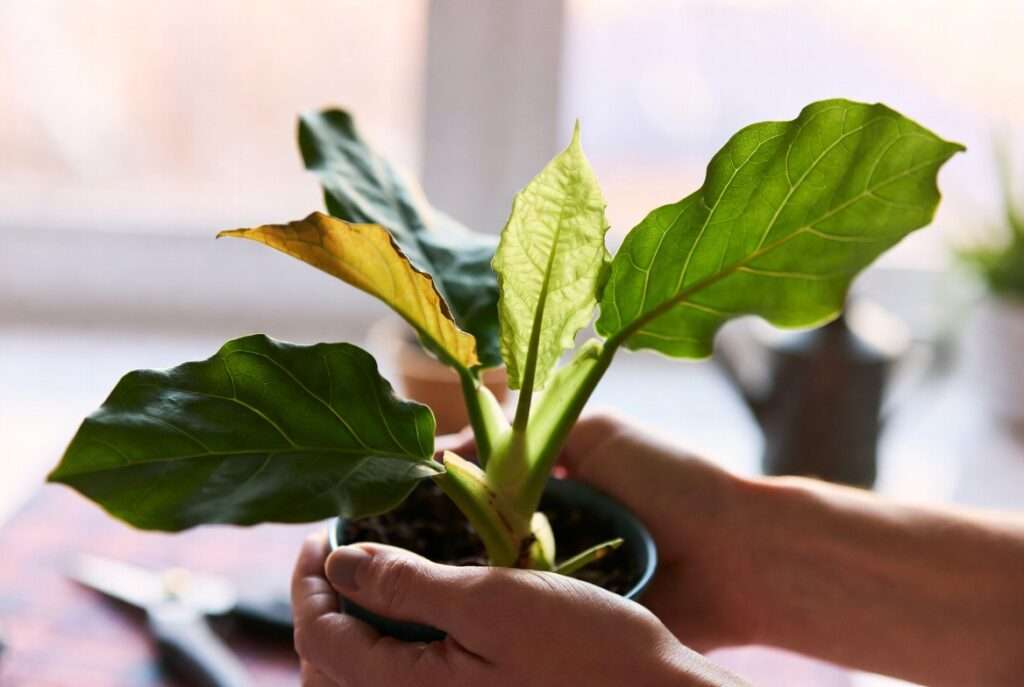
You walk into your living room, heart sinking as you spot your once-vibrant Monstera or beloved Fiddle Leaf Fig looking droopy, yellowed, and defeated. Leaves curl at the edges, soil smells off, and that familiar wave of guilt hits: “Am I a bad plant parent?”
Maintaining optimism while nursing plants back to health is one of the biggest unspoken challenges for plant lovers. It’s not just about fixing the technical issues — it’s about staying hopeful and consistent when your green friends seem to be giving up. Many plant parents quietly struggle with this emotional rollercoaster, wondering if their struggling houseplants can ever recover or if it’s time to toss them out.
As a plant care expert with over a decade of hands-on experience reviving hundreds of clearance-bin rescues, neglected tropicals, and even sentimental heirloom plants, I’ve learned one powerful truth: most plants are far more resilient than they appear. With the right diagnosis, gentle techniques, and a resilient mindset, you can turn “plant hospice” situations into thriving success stories. This comprehensive guide blends proven horticultural strategies for plant recovery with practical mindset tools for maintaining optimism during the process.
You’ll discover how to identify root causes like overwatering or poor lighting, follow step-by-step revival methods, nurture your own emotional well-being, and prevent future setbacks. Whether you’re dealing with root rot, leaf drop, or a sad succulent, this skyscraper-level resource goes deeper than typical quick fixes — offering detailed, actionable advice tailored for real homes and real emotions. 🌿✨
By the end, you’ll feel empowered, hopeful, and equipped to nurse your plants back to lush health while protecting your joy in the hobby. Let’s begin this gentle recovery journey together. 💪❤️
Why Plants Struggle: Understanding the Root Causes 🌿
Before you can effectively nurse a plant back to health, you need to understand why it declined in the first place. Plants don’t “fail” randomly — they send clear signals when their basic needs (light, water, soil, nutrients, and environment) aren’t being met. Recognizing these early prevents small issues from becoming major rescues.
Common Signs Your Plant Needs Help 🌱
Struggling houseplants often display one or more of these visible distress signals:
- Yellowing leaves (especially lower or older ones)
- Brown tips or edges (crispy or soft)
- Drooping or wilting despite moist soil
- Leaf drop (sudden or gradual)
- Leggy, stretched growth reaching toward light
- Black or mushy stems/roots with a foul smell
- Pests like spider mites (tiny webs), aphids, or fungus gnats
- Slow or no new growth during the active season
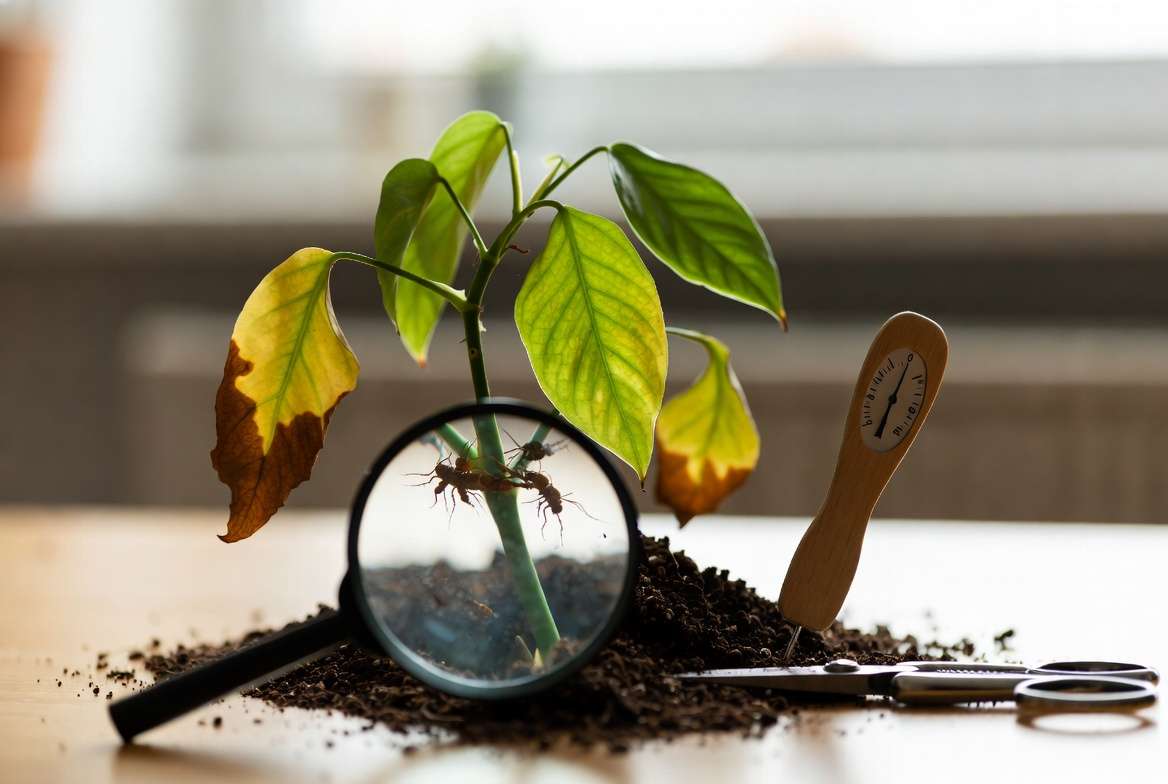
Differentiating reversible damage from severe cases is key. A plant with a few yellow leaves and healthy roots has excellent recovery potential. One with completely rotted roots and no green tissue may need propagation attempts or compassionate release. Always inspect gently — your plant is already stressed. 🕵️♀️
Top Reasons Plants Decline
Here are the most common culprits behind plant struggles, based on years of diagnosing thousands of cases:
Overwatering vs. Underwatering (The #1 Killer) 💧 Overwatering is far more dangerous than underwatering for most houseplants. It leads to root rot, where roots suffocate in soggy soil and fungal pathogens take over. Signs include yellowing lower leaves, soft mushy stems, and soil that stays wet for days. Underwatering causes crispy brown tips, wilting, and dry, pulling-away soil. The fix? Always check soil moisture 2–3 inches deep with your finger or a moisture meter before watering. “When in doubt, wait it out” is a lifesaving rule for beginners.
Incorrect Lighting ☀️ Too little light causes leggy growth and pale leaves; too much direct sun scorches foliage (especially on Fiddle Leaf Figs and Monsteras). Most tropical houseplants thrive in bright, indirect light. South-facing windows with sheer curtains or grow lights can make a huge difference during low-light seasons.
Poor Soil Quality, Root-Bound Conditions, or Wrong Pot Size Old, compacted soil loses nutrients and drainage over time. Root-bound plants (roots circling tightly) struggle to absorb water and oxygen. Always choose pots with drainage holes and repot every 1–2 years for most species.
Nutrient Deficiencies or Over-Fertilization Yellowing between veins often signals nitrogen or magnesium shortage. However, too much fertilizer burns roots. Hold off on feeding stressed plants until they show new growth.
Pests and Diseases 🐛 Spider mites, mealybugs, scale, and fungal issues thrive on stressed plants. Early detection with a magnifying glass and neem oil or insecticidal soap treatments can save them.
Environmental Stress Sudden temperature swings, low humidity (<40%), cold drafts from AC/windows, or recent moves (even from store to home) shock plants. Winter heating and summer dryness exacerbate issues for humidity-loving tropicals.
Seasonal Changes and Dormancy Many plants slow down in fall/winter. Reduced watering and no fertilizer during this period prevent unnecessary stress.
Quick Self-Diagnosis Checklist
Use this simple checklist when you notice problems:
- Soil moisture: Wet/dry/soggy?
- Light exposure: Bright indirect, low, or harsh direct?
- Roots (if repotting): White/firm (healthy) vs. brown/mushy (rot)?
- New growth? Any signs of recovery?
- Pests? Check undersides of leaves.
- Recent changes? New location, pot, or season?
Documenting these details helps track progress and builds your expertise over time. Many plant parents create a simple journal or use apps for reminders — turning diagnosis into a mindful, optimistic ritual. 📝
The Mindset Shift: Maintaining Optimism During Plant Recovery 💪❤️
Maintaining optimism while nursing plants back to health goes far beyond technical fixes — it’s the emotional fuel that keeps you consistent when progress feels slow. Plants don’t recover overnight. It can take weeks or months for new leaves to unfurl, and that waiting period tests even seasoned plant parents.
Research consistently shows that interacting with plants reduces stress, anxiety, and depression while boosting mood and life satisfaction. Gardening and houseplant care promote mindfulness, release feel-good chemicals like serotonin and dopamine, and provide a tangible sense of accomplishment. One study found that just 15–30 minutes with indoor plants can lower physiological stress markers compared to other mental tasks. Another large review highlighted gardening’s positive impact on well-being, including reduced fatigue and enhanced self-esteem.
Why does optimism matter so much here? Stressed plants need steady, patient care. Giving up too early often dooms salvageable plants. A hopeful mindset encourages you to show up consistently — checking soil, adjusting light, and celebrating tiny wins like one new leaf or firmer roots.
Practical Mindset Tips for Struggling Plant Parents
- Reframe “failure” as data: Every yellow leaf or dropped stem teaches you something valuable about your specific environment and that plant’s preferences. You’re not a bad plant parent — you’re a learning one.
- Celebrate micro-wins: New root growth (even unseen), a single healthy leaf, or soil drying at the right pace — these are victories worth noting. Keep a “Plant Recovery Journal” with dated photos.
- Practice self-compassion: Speak to yourself kindly, the same way you’d encourage a friend. “I’m doing my best with the knowledge I have right now.”
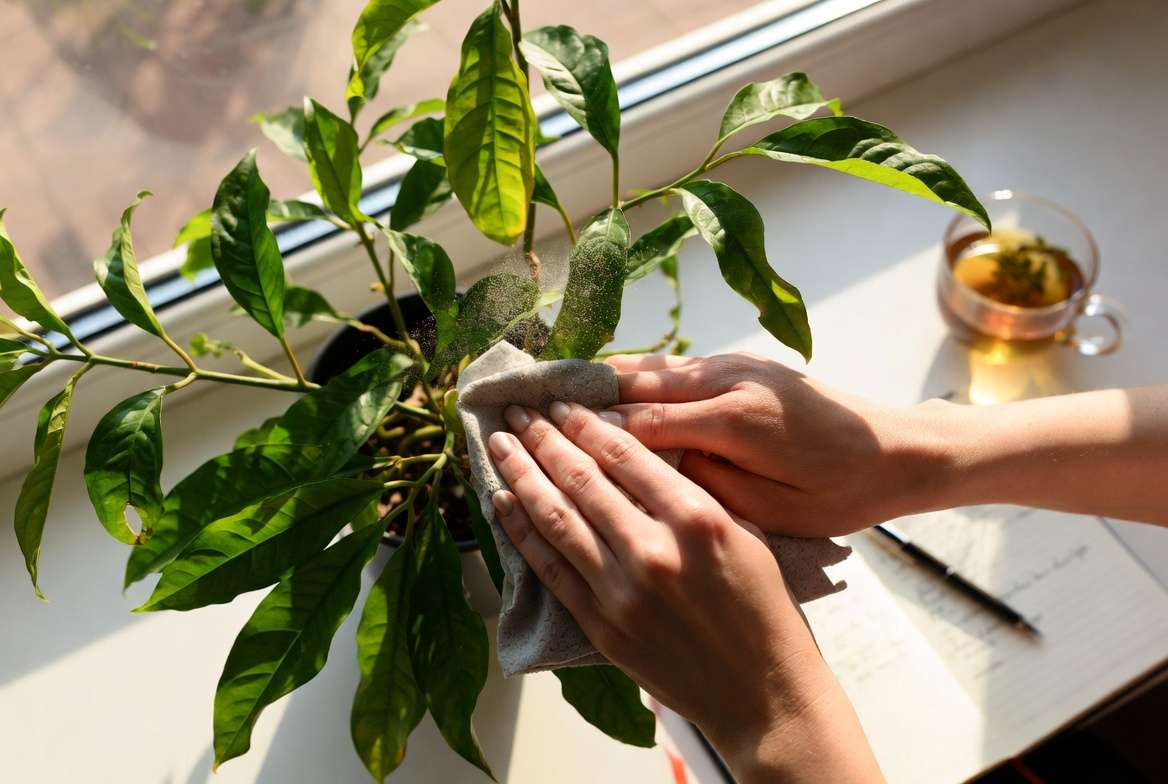
- Create a nurturing routine: Turn care into a calming ritual — soft music, a favorite drink, gentle inspection. This shifts the experience from stressful obligation to joyful connection.
- Use positive affirmations: Try gentle ones like “My care is helping this plant heal,” or “Progress takes time, and that’s okay.” 🌟
- Build community: Join plant groups (online or local) to share stories. Seeing others’ comeback tales reinforces that recovery is possible.
Remember: Caring for plants mirrors self-care. The patience and gentleness you offer your plants can spill over into how you treat yourself. Many find that maintaining optimism during plant recovery becomes a beautiful metaphor for personal growth. ❤️🪴
Step-by-Step Guide to Nursing Plants Back to Health 🌱🛠️
This is the heart of the guide — a detailed, comprehensive protocol that goes beyond basic advice. Follow these steps in order for the best results. Work gently and patiently; rushing can cause more stress.
Step 1: Assess and Isolate the Plant
Move the struggling plant away from healthy ones to prevent pest or disease spread. Place it in a bright but indirect light spot with good airflow (not direct sun or drafts). Inspect thoroughly:
- Check soil moisture and smell.
- Examine leaves, stems, and (if possible) roots for pests or rot.
- Note any recent changes in location, watering, or season.
Take “before” photos for motivation later. This assessment builds confidence and prevents guesswork. 🧐
Step 2: Prune Strategically ✂️
Pruning redirects the plant’s energy from dying tissue to healthy recovery. Use clean, sharp shears sterilized with alcohol.
- Remove all dead, yellow, or heavily damaged leaves and stems.
- Cut back to just above a node (where leaves emerge) at a 45-degree angle.
- For severe cases, you can remove up to 1/3 of foliage if roots are healthy — the plant will focus on regrowth.
- Never prune more than necessary during active stress.
Pruning also improves airflow and reduces disease risk. Many revived plants look “naked” at first but explode with new growth afterward. Don’t fear the haircut!
Step 3: Address Watering Issues 💧
Correct watering is often the fastest path to recovery.
For Overwatering and Root Rot (most common):
- Stop watering immediately.
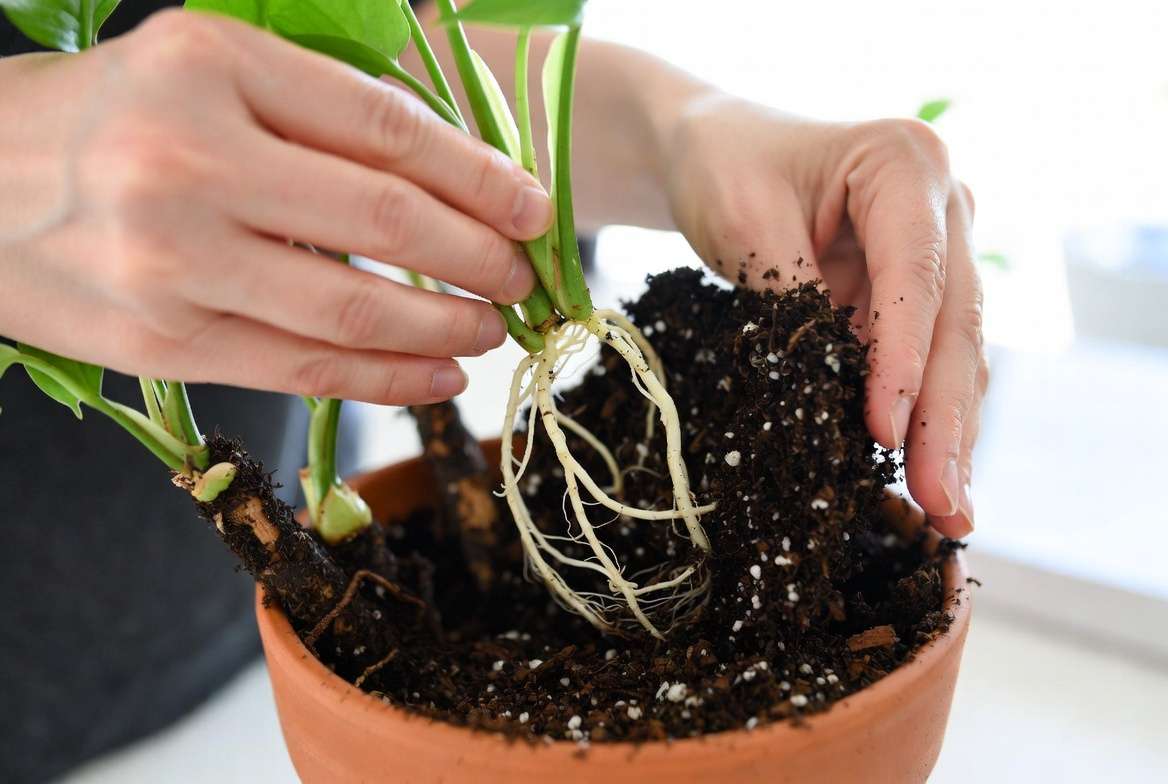
- Gently remove the plant from the pot.
- Rinse roots under lukewarm water and trim all mushy, brown, or smelly roots with sterilized scissors.
- Treat remaining roots with a diluted hydrogen peroxide solution (1 part 3% H2O2 to 4 parts water) to kill pathogens.
- Let the root ball dry for several hours in a shaded spot.
- Repot in fresh, well-draining soil (more on this below).
For Underwatering:
- Soak the pot in a basin of room-temperature water for 30–60 minutes until soil is fully saturated.
- Allow excess to drain completely.
- Resume a consistent schedule: Water thoroughly when the top 2 inches of soil are dry.
Use a moisture meter for precision, especially with larger pots. Create a sustainable schedule based on your home’s conditions — factors like humidity, temperature, and pot material all influence drying time.
Step 4: Optimize Light and Environment ☀️
Move the plant to bright, indirect light suited to its species (research specific needs — e.g., Monsteras and Fiddle Leaf Figs prefer medium-bright spots).
- Supplement with full-spectrum grow lights if natural light is insufficient, especially in winter.
- Increase humidity with pebble trays, grouping plants, or a humidifier (aim for 50–60% for tropicals).
- Ensure good airflow without cold drafts or heaters blowing directly on foliage.
Stable temperatures (65–75°F / 18–24°C daytime) support faster recovery.
Step 5: Repotting for Recovery 🪴
Repotting is often the turning point in a plant’s comeback story, but only when done correctly and at the right time. Never repot a severely stressed plant unless root rot is present — the shock can worsen the situation.
When to Repot:
- Confirmed root rot or mushy roots
- Roots circling tightly at the bottom (root-bound)
- Soil that no longer drains properly or smells sour
- Plant hasn’t been repotted in 2+ years
How to Repot Successfully:
- Choose a new pot only 1–2 inches larger in diameter than the current one. Terracotta or plastic with multiple drainage holes works best.
- Use fresh, well-aerated potting mix. For most tropical houseplants, a blend of 50% high-quality potting soil + 30% perlite + 20% orchid bark or coco coir provides excellent drainage and aeration.
- Gently remove the plant, shake off old soil, and inspect roots again. Trim any remaining damaged roots.
- Place fresh soil at the bottom, position the plant at the same depth it was growing before (don’t bury the stem), and fill around the sides, pressing lightly.
- Water lightly after repotting and place in bright indirect light. Hold off on fertilizing for 4–6 weeks to let roots settle.
For succulents and cacti, use a specialized gritty cactus mix and water even more sparingly after repotting. This step alone has saved countless plants that looked hopeless just days earlier. 🌵
Step 6: Tackle Pests and Diseases Naturally 🐛
Pests and fungal issues love weakened plants. Acting quickly with gentle, organic methods protects both your plant and your home environment.
Common Pests & Identification:
- Spider mites: Fine webbing, stippled yellow leaves, tiny moving dots on undersides.
- Aphids: Clusters of small green, black, or white insects on new growth.
- Mealybugs: White cottony spots in leaf axils.
- Fungus gnats: Tiny flies hovering over soil (sign of overwatering).
Gentle Treatment Protocol:
- Isolate the plant immediately.
- Wipe leaves with a damp cloth or spray with lukewarm water to dislodge pests.
- Apply neem oil solution (2 tsp neem oil + 1 tsp castile soap + 1 quart warm water) every 5–7 days for 3 weeks. Cover both sides of leaves thoroughly.
- For severe infestations, use insecticidal soap or introduce beneficial insects like ladybugs (outdoors) or predatory mites.
- For root rot or fungal issues, the hydrogen peroxide root drench mentioned earlier is highly effective.
Prevention is always better: Quarantine new plants for 2 weeks, maintain good airflow, and avoid overwatering. Healthy, unstressed plants rarely suffer major pest problems.
Step 7: Support New Growth with Gentle Nutrition 🌱
Once your plant shows signs of stabilization (firmer leaves, new buds forming), it’s time to support recovery with careful feeding.
- Wait until you see healthy new growth before fertilizing.
- Use a diluted, balanced liquid fertilizer (half or quarter strength) every 4–6 weeks during the growing season (spring through early fall).
- Organic options like compost tea, worm castings, or fish emulsion are gentler on recovering roots.
- Avoid high-nitrogen fertilizers initially — they push leafy growth before roots are strong enough to support it.
- For flowering plants, switch to a bloom booster once recovery is well underway.
Monitor closely: If new leaves emerge distorted or burned, flush the soil with plain water and pause feeding.
Pro Tip: Many revived plants experience a dramatic “comeback flush” of new leaves once all conditions are optimized. That moment when the first perfect new leaf unfurls makes every bit of effort worthwhile. ✨
Plant-Specific Revival Tips 🌿
Different plants have unique personalities and recovery needs. Here’s tailored advice for popular varieties:
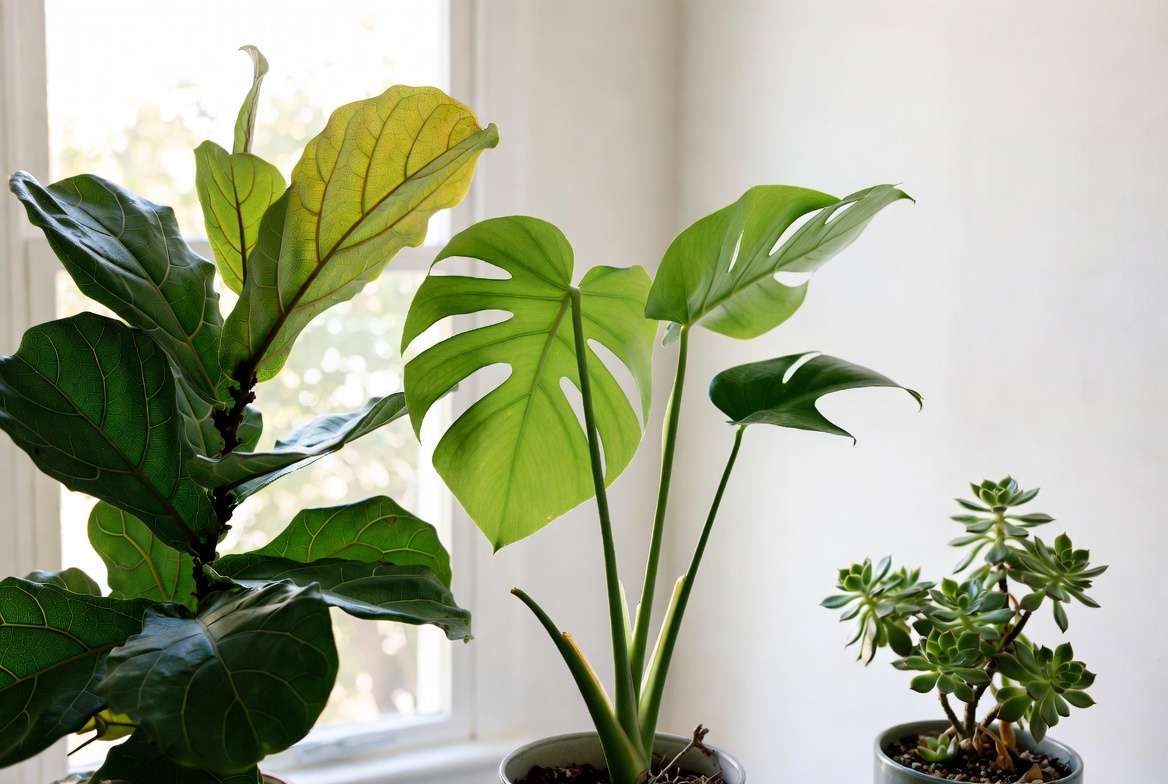
Fiddle Leaf Fig, Monstera, and Other Tropicals These dramatic beauties often suffer from overwatering or sudden light changes. After pruning and correcting roots, provide consistent bright indirect light and high humidity. Monsteras recover especially well from propagation — even a single node can become a new plant while the mother recovers. Be patient; new leaves may look small at first but will grow larger with proper care.
Succulents and Cacti 🪴 Usually victims of overwatering and poor drainage. Remove all rotten tissue, let cuttings or the plant callus for several days, then plant in gritty, fast-draining mix. Water only when completely dry (sometimes every 2–4 weeks). Many succulents can be propagated from healthy leaves or stems as a backup plan.
Pothos, Snake Plant, and Low-Light Heroes These forgiving plants bounce back remarkably well. Pothos can regrow from almost nothing if one healthy node remains. Snake plants tolerate neglect better than most but hate wet feet. Place them in medium to low light and water sparingly.
Flowering Plants and Ferns Ferns need consistently moist (but not soggy) soil and high humidity. Many flowering plants drop buds when stressed — focus on stabilizing roots and light first before expecting blooms again. Boston ferns and peace lilies are surprisingly resilient once humidity and watering are corrected.
Outdoor Trees and Shrubs (if applicable to your garden) For landscape plants, focus on deep root watering, mulching, and addressing soil compaction or nutrient issues. Pruning dead branches encourages new growth in spring.
Preventing Future Struggles: Building Long-Term Plant Resilience 🛡️
The best plant rescue ends with prevention. Turn one-time recovery into lifelong thriving with these habits:
- Create a personalized care routine based on your home’s unique microclimates.
- Adjust watering and feeding seasonally — less in winter, more in spring/summer.
- Choose plants that match your lifestyle and lighting conditions (start with easy ones like ZZ plant or pothos if you’re building confidence).
- Keep a simple plant journal or use apps like Planta or Greg to track watering, fertilizing, and observations.
- Build a supportive community — share your journey on plant forums or local groups. Seeing others’ successes reinforces your own optimism.
Regularly rotating plants for even light exposure and dusting leaves to improve photosynthesis also prevents many common issues.
Real-Life Success Stories and Case Studies 🌟
Story 1: The Clearance-Bin Monstera A reader brought home a sad Monstera with only three leaves and severe root rot. After root trimming, repotting in fresh chunky mix, and consistent bright indirect light, it produced seven new fenestrated leaves within four months. The key? Maintaining optimism through weekly “progress photos” and celebrating each new unfurling.
Story 2: The Overwatered Fiddle Leaf Fig This classic case involved yellowing leaves and a mushy base. Strategic pruning (removing 40% of foliage), root treatment with hydrogen peroxide, and moving to a brighter spot led to a full recovery and new growth within 8 weeks. The owner learned to trust the “finger test” and now has a thriving 6-foot specimen.
Story 3: The Sentimental Snake Plant A beloved snake plant inherited from a grandparent stopped growing for over a year. Repotting into better-draining soil and placing it near an east window sparked new pups within weeks. Sometimes the emotional connection makes maintaining optimism even more powerful.
These real recoveries prove that with patience and the right approach, even the most discouraging situations can turn around beautifully.
Essential Tools and Resources for Plant Parents 🛒
Equip yourself for success with these affordable, highly recommended items:
- Moisture meter (essential for accurate watering)
- Sharp, sterilized pruning shears
- Neem oil and insecticidal soap
- Well-draining potting mixes (pre-mixed or DIY ingredients)
- Full-spectrum grow lights for low-light seasons
- Pebble trays or small humidifier for tropicals
- Plant journal or tracking app
Quality tools and materials make maintaining optimism much easier because you see faster, more reliable results.
Frequently Asked Questions (FAQs) ❓
Can a plant with no leaves come back? Yes, in many cases! If the roots and stem are still healthy, new growth can emerge from nodes. Provide optimal conditions and be patient — some plants surprise us after months.
How long does it usually take for a plant to recover? It varies: minor issues may resolve in 2–4 weeks, while severe root rot or light stress can take 2–6 months for full recovery. New leaves are the best sign of progress.
Is it normal to feel sad when a plant struggles? Absolutely. Many plant parents form deep emotional bonds with their greenery. Feeling grief or guilt is common and valid — it shows how much you care.
Should I talk to my plants? While plants don’t understand words, gentle attention, consistent care, and even soft talking can benefit both you (reducing stress) and the plant (through increased CO₂ and mindful observation).
What if nothing works — when is it time to let go? If after 3–4 months of dedicated care there are no signs of life (no new growth, completely rotted roots), it may be kinder to propagate any remaining healthy parts or compost with gratitude. Every attempt teaches valuable lessons for the next plant.
Conclusion: Your Journey as a Hopeful Plant Parent 💚
Maintaining optimism while nursing plants back to health is both an act of love for your plants and a beautiful practice of self-compassion. Every yellow leaf you learn from, every new sprout you celebrate, and every small adjustment you make builds your confidence as a plant parent.
Remember: Plants are incredibly forgiving and resilient when given the right conditions and consistent, gentle care. The techniques in this guide — from proper diagnosis and root rescue to mindset shifts and prevention — have helped countless plant lovers transform struggling houseplants into lush, thriving companions.
Start today with just one plant that needs your attention. Take before photos, follow the steps patiently, and keep that hopeful spark alive. The first healthy new leaf that unfurls will remind you why this journey is so rewarding.
Your plants don’t need perfection — they need persistence and kindness. And so do you.
You’ve got this. The next chapter of your plant parent story is going to be beautifully green. 🌿✨
Share your current rescue story in the comments below — I’d love to hear how you’re maintaining optimism with your own struggling plants. For more in-depth guides on specific species, soil mixes, and propagation, explore the rest of the site.
Thank you for caring so deeply. Happy growing! 🪴💕











