
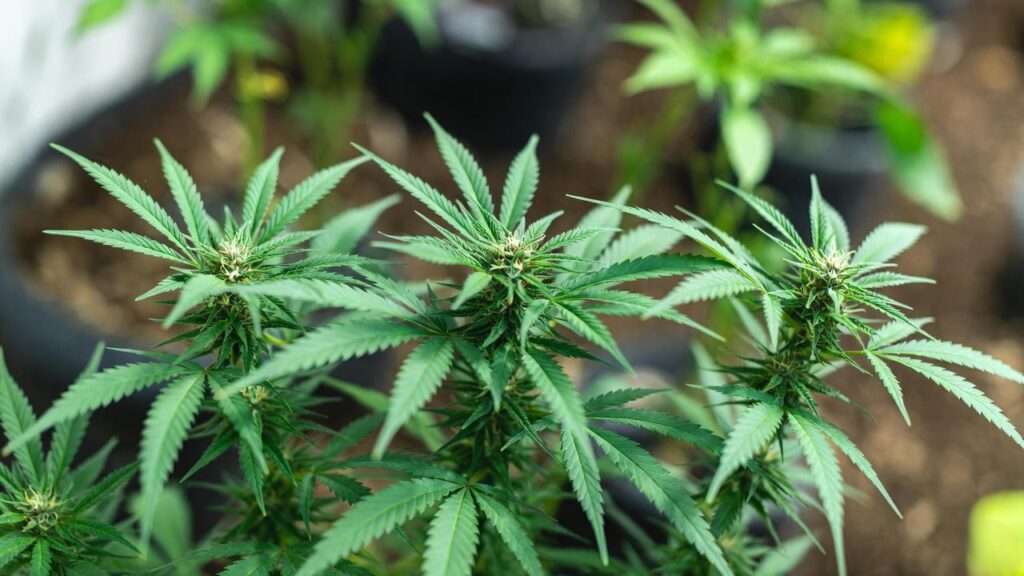
Picture this: You’ve nurtured your cannabis plants for weeks—perfect lighting, precise nutrients, endless care—only to watch your dream harvest turn into a seedy disappointment because a single male marijuana plant slipped through undetected. 😩 This heartbreaking scenario happens to countless growers every season, resulting in pollinated females that produce low-potency buds packed with seeds instead of sticky, trichome-rich flowers.
As a plant care specialist with over 15 years of hands-on experience cultivating cannabis both indoors and outdoors, I’ve witnessed this disaster firsthand—and helped dozens of growers avoid it. Studies, such as those published in the Journal of the International Hemp Association, show that unwanted pollination can reduce cannabinoid yields by more than 50%, diverting the plant’s energy from resin production to seed development. The good news? Spotting a male marijuana plant early is a straightforward skill that can save your entire crop and ensure premium, seedless (sinsemilla) buds bursting with THC, CBD, and terpenes. 🌟
In this ultimate guide, we’ll dive deep into cannabis sex determination, pre-flowering signs, step-by-step identification techniques, and proven prevention strategies. Whether you’re a novice home grower or managing a larger operation, mastering these methods will elevate your cultivation game and deliver consistently high-quality results. Let’s get your garden on track for success! 🚀
Understanding Cannabis Plant Sex: The Basics Every Grower Should Know 🌱
Cannabis sativa is predominantly a dioecious species, meaning plants are typically either male or female, with separate individuals handling reproduction. (Monoecious varieties exist but are less common in modern cultivation.) Understanding these differences is foundational for anyone serious about plant care in the cannabis niche.
Why Female Plants Are Prized for Bud Production 💚
Female cannabis plants are the stars of recreational and medicinal grows because they produce the dense, resinous flower clusters (buds) rich in cannabinoids like THC and CBD, along with aromatic terpenes and flavonoids. When kept unpollinated—known as sinsemilla (Spanish for “without seeds”)—females channel all their energy into developing trichomes, leading to bigger, frostier, and far more potent buds.
In contrast, pollinated females prioritize seed production, resulting in smaller yields, harsher smoke, and significantly lower cannabinoid concentrations. Research from sources like the American Journal of Botany confirms that seeded buds can have up to 5-10 times less THC content.
The Role of Male Marijuana Plants in the Grow Cycle 🟡
Male plants play a crucial reproductive role by producing pollen sacs that release pollen to fertilize females, enabling seed production. They’re taller, lankier, with fewer fan leaves and no significant bud development. Males contain trace cannabinoids but lack the resin glands that make females valuable for consumption.
For breeders creating new strains or stabilizing genetics, strong males are essential. However, in flower-focused grows aiming for high-THC buds, males are culled early to prevent accidental pollination.
Hermaphrodites: The Hidden Threat to Watch For ⚠️
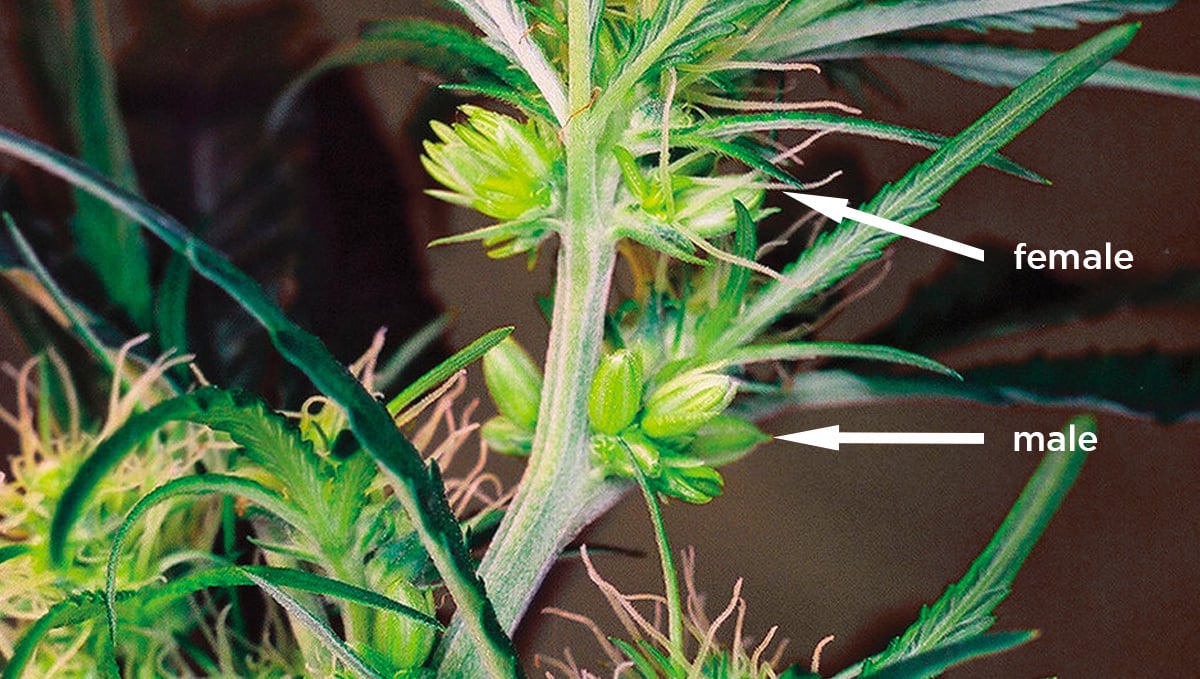
Hermaphroditism occurs when a plant develops both male and female sex organs, often triggered by environmental stress (e.g., light leaks, extreme temperatures, or nutrient imbalances) or poor genetics. These “hermies” can self-pollinate or spread pollen to nearby females, causing widespread seeding.
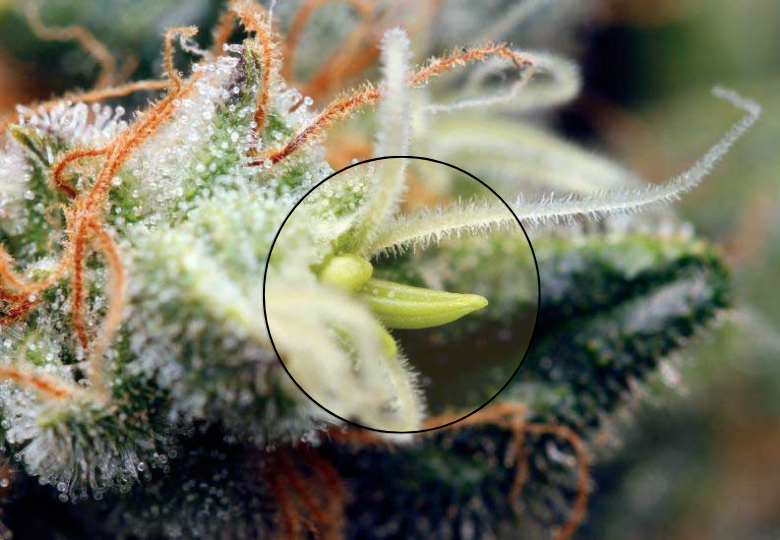
Late-stage hermaphrodites often produce “bananas”—yellow, banana-shaped pollen sacs emerging from buds. Catching them early is critical, as even one can ruin a room.
Expert Insight: In my experience consulting for commercial grows, hermaphrodites account for more surprise pollination events than overlooked pure males. Always source stable, feminized genetics from reputable breeders to minimize risks.
When Do Cannabis Plants Reveal Their Sex? Timing Your Inspections ⏰
Cannabis plants remain in a sexually neutral phase during germination, seedling, and early vegetative growth. Sex expression kicks in during the transition to flowering.
Vegetative Stage Timeline
- Photoperiod Strains: Sex pre-flowers typically appear 3-6 weeks into vegetative growth, but become unmistakable after flipping to a 12/12 light cycle (12 hours light, 12 hours dark) to induce flowering.
- Autoflowering Strains: These reveal sex earlier, often 3-4 weeks from seed, as they flower based on age rather than light changes.
Males usually show pre-flowers first, giving vigilant growers a head start on identification.
Best Time for Early Detection
Begin daily inspections at the plant nodes (where branches meet the main stem) starting week 3-4 of veg. Pre-flowers are tiny (1-5mm), so magnification is key. Top nodes under strong light often show signs first.
Pro Tip: Males tend to stretch taller faster with thinner stems and fewer leaves—a subtle vegetative clue before pre-flowers emerge. Keep records of each plant’s growth patterns for easier tracking in larger gardens. 📝

Step-by-Step Guide: How to Spot a Male Marijuana Plant Early 🔍
Accurate sexing relies on examining pre-flowers at the internodes. Here’s a detailed, foolproof process.
Key Differences in Pre-Flowers
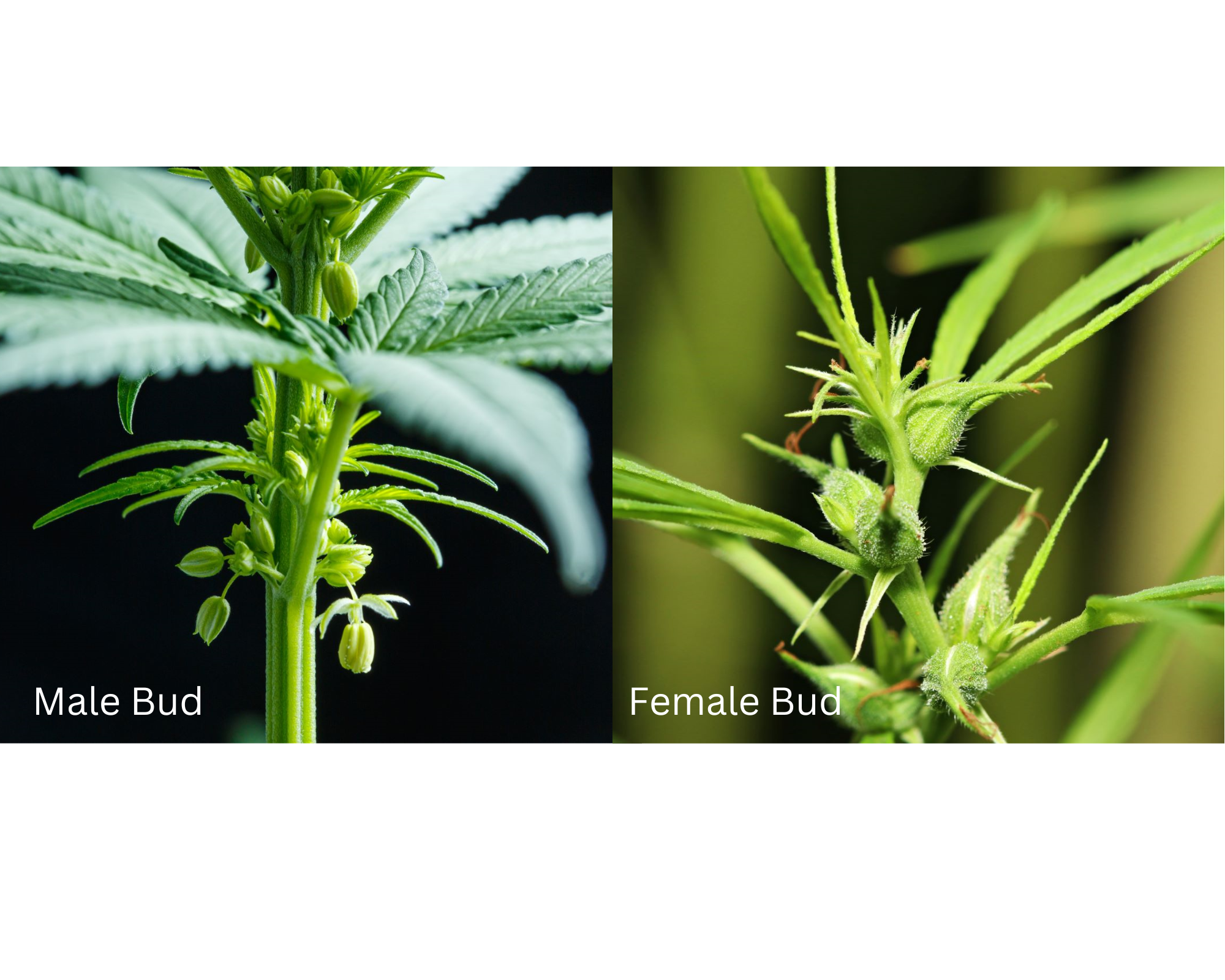
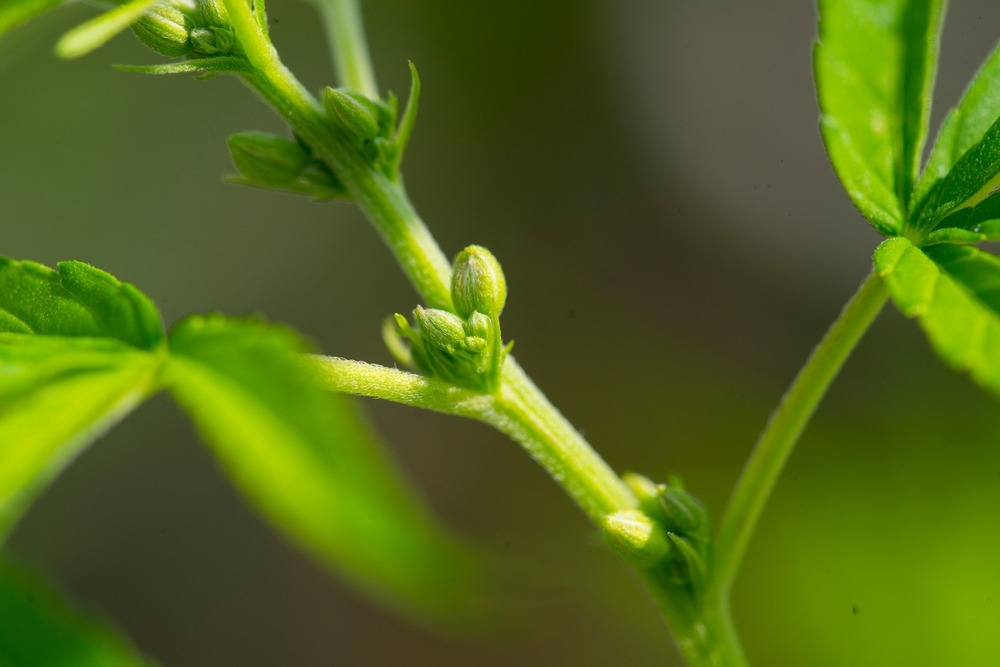
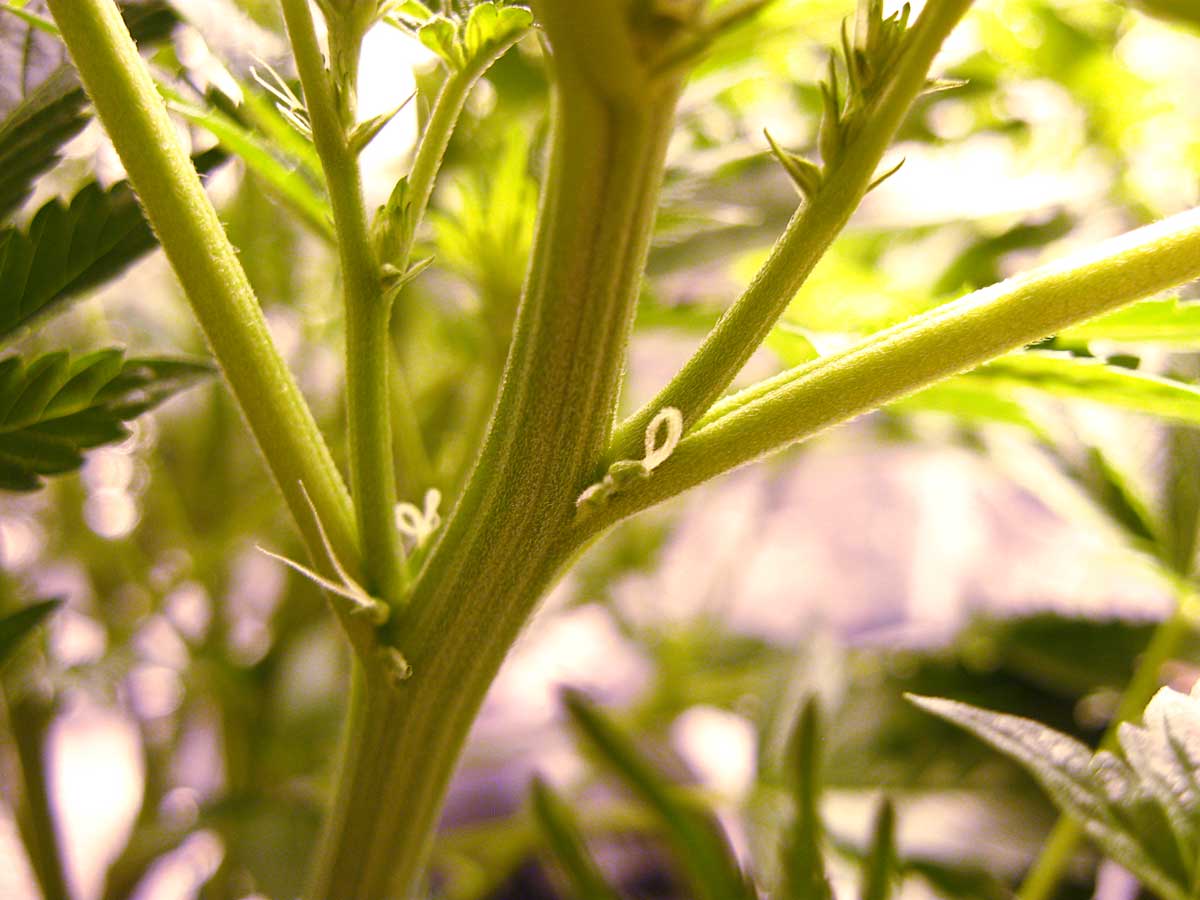
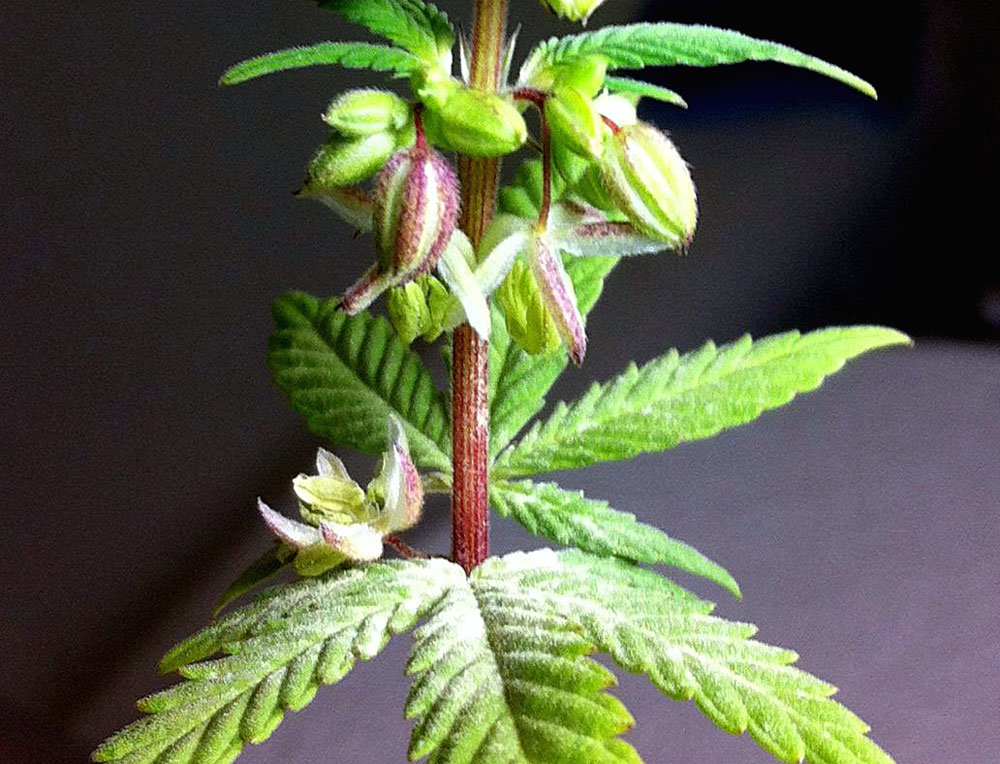
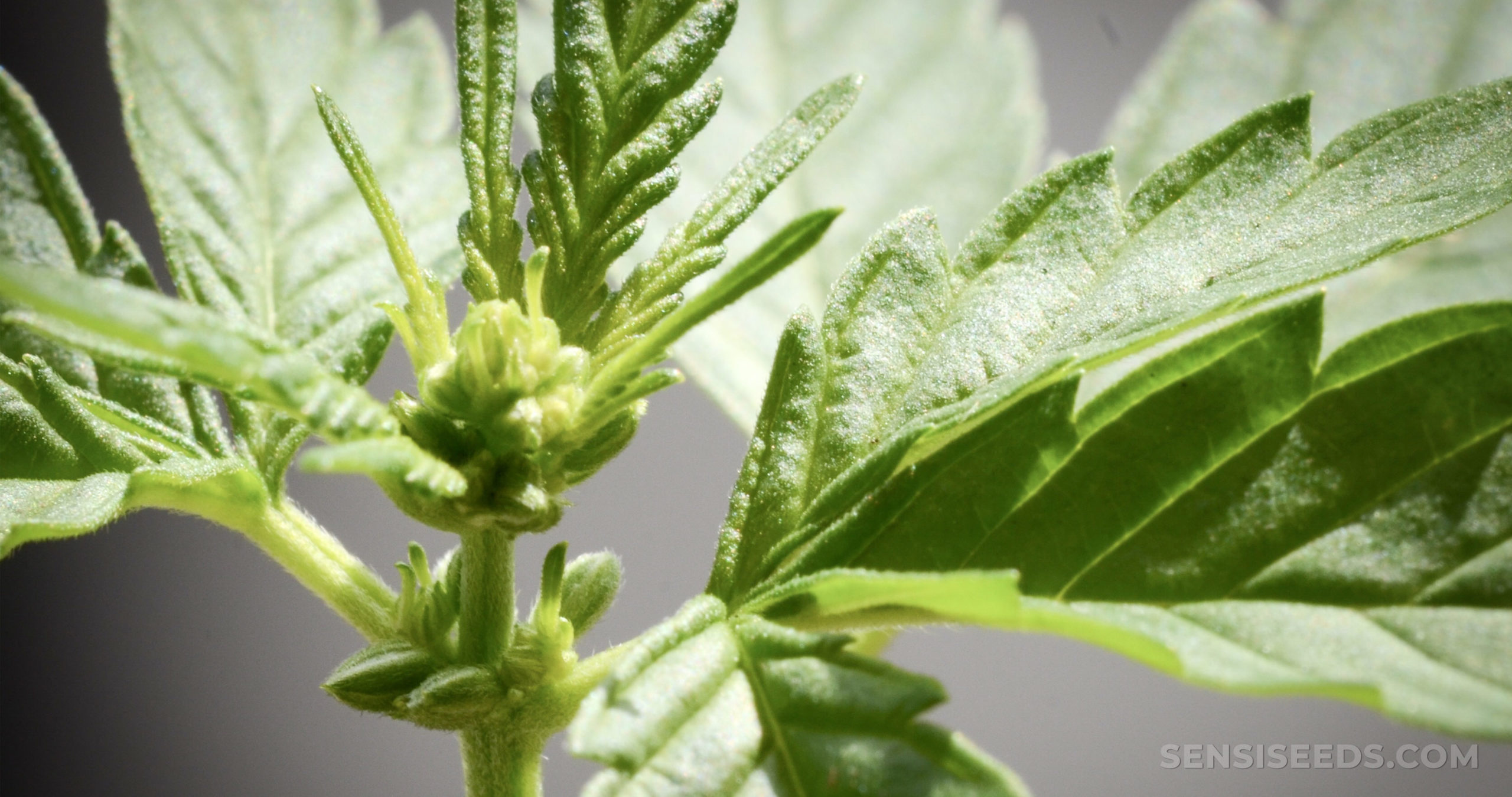
- Male Pre-Flowers: Small, round, ball-like pollen sacs on short stalks, resembling tiny grapes or clusters. They develop without white hairs and eventually open to release pollen.
- Female Pre-Flowers: Pear- or teardrop-shaped calyxes with 1-2 (or more) white, wispy pistils (hairs) emerging in a V-shape. These hairs catch pollen in nature.
- Hermaphrodite Indicators: Combination of pollen sacs and pistils on the same node, or bananas protruding from female buds later in flower.
Visual Identification Tips
- Gently part leaves at the top 3-5 nodes.
- Look for clusters: Males form grape-like bunches; females show single calyxes with hairs.
- Texture and shape: Male sacs are smooth and hang loosely; female calyxes are firmer with upright hairs.
- If ambiguous (early calyxes can look bulbous), wait 3-7 days and recheck—males develop faster.
Expert Tip: Always inspect in good lighting. Avoid touching pre-flowers excessively to prevent stress-induced herming.
Tools for Accurate Sexing
- Jeweler’s Loupe (30x-60x): Affordable and portable; my go-to for daily checks.
- Digital USB Microscope: Great for photos and sharing with fellow growers.
- Genetic Sex Testing Kits: Lab-based PCR tests detect sex from leaf samples as early as seedlings—100% accurate, ideal for valuable seeds or large-scale ops.
The Dangers of Unwanted Pollination: What Happens If You Miss a Male? 🚫
Missing even one male marijuana plant—or worse, a late-emerging hermaphrodite—can spell disaster for your carefully tended garden. Once pollen sacs mature and open, they release millions of lightweight pollen grains that can travel far and fertilize female plants rapidly.
Immediate Consequences
When a female cannabis plant gets pollinated:
- Seed Production Takes Priority: The plant diverts energy from trichome and resin development to forming seeds. This results in buds that are smaller, less dense, and filled with hard seeds.
- Drastic Drop in Potency: Cannabinoid levels plummet. Scientific studies, including those from the University of Mississippi’s cannabis potency monitoring program, show seeded buds often contain 50-70% less THC compared to sinsemilla counterparts.
- Poorer Smoking/Extraction Experience: Seeded buds burn harsher, pop during smoking, and yield less when processed into concentrates.
Long-Term Risks
- Pollen Travel Distance: Cannabis pollen is extremely viable and can be carried by wind up to 10 miles (16 km) or more under the right conditions. Outdoor growers risk pollinating neighboring crops unknowingly.
- Hermaphrodite Self-Pollination: A single stressed plant can produce enough pollen to seed an entire grow room.
- Genetic Contamination for Breeders: Uncontrolled pollination ruins breeding projects by introducing unwanted genetics.
Real Grower Story: During my early years managing a small commercial indoor facility, one overlooked male in a veg room released pollen through an air exchange flaw. It seeded over 50 female plants in flower, costing thousands in lost premium yield. That lesson reinforced the mantra: Vigilance from week 3 onward is non-negotiable. 😤
Prevention Strategies: How to Avoid Pollination and Keep Males Out 🛡️
The best defense is a multi-layered approach combining smart sourcing, early detection, and environmental control.
Best Practices for Safe Cultivation
- Start with Reliable Genetics: Use feminized seeds from trusted breeders—these are chemically or stress-induced to produce nearly 99% female plants by eliminating male chromosomes.
- Work with Clones: Take cuttings only from confirmed female mother plants for 100% genetic consistency.
- Quarantine New Plants: Isolate seedlings or clones for 1-2 weeks while monitoring for pre-flowers before introducing to the main grow.
Safe Removal of Males
Once identified:
- Isolate Immediately: Move the plant to a separate space to prevent accidental pollen release.
- Bag Before Cutting: Gently place a plastic bag over the entire plant (or pollen sac clusters) and seal it at the base.
- Cut and Seal: Sever the stem, tie the bag tightly, and dispose far from your grow area.
- Deep Clean: Wipe tools, floors, and fans with isopropyl alcohol; change clothes to avoid tracking pollen.
Stress Reduction to Prevent Hermaphrodites
Hermaphroditism is largely environmental. Maintain optimal conditions:
- Light Discipline: Zero light leaks during the dark cycle—use light-proof tents and timers.
- Stable Climate: Temperatures 70-80°F (21-27°C) day, slightly cooler at night; humidity 40-60%.
- Nutrient Balance: Avoid overfeeding nitrogen late in veg or deficiencies that stress plants.
- Minimal Disturbance: Limit pruning/topping in early flower and avoid physical damage.

Bonus Tip: For outdoor grows, plant females later in the season or use light deprivation techniques to control flowering and reduce male pollen exposure from wild hemp. 🌤️
Advanced Tips for Pro Growers and Breeders 🔬
Once you’ve mastered basic sexing, these strategies take your cultivation to the next level.
- Ultra-Early Genetic Testing: Companies offer leaf-sample DNA tests that determine sex within days of germination—perfect for expensive seeds or large batches.
- Selective Male Use in Breeding: Vigorous males with desirable traits (terpene profile, structure) are gold for creating new hybrids. Collect pollen carefully for controlled application.

- Alternative Uses for Males: Juice fresh stems/leaves for cannabinoids, extract for low-THC concentrates, or compost for nutrient recycling. In hemp cultivation, males are harvested for fiber.
Frequently Asked Questions (FAQs) ❓
Q: Can I reliably tell plant sex from seeds or very young seedlings? A: No visual method is foolproof at that stage. Pre-flowers are the earliest reliable indicator, or use lab genetic testing for certainty. 🌱
Q: Are male plants completely useless if I’m growing for buds? A: For bud production, yes—remove them. But they’re essential for breeding, and can be used for juice, fiber (hemp), or companion planting in some setups.
Q: How far can cannabis pollen really travel? A: Documented cases show viable pollen traveling 5-10 miles via wind, especially in open areas. Indoor growers are safer, but ventilation filters are crucial.
Q: What should I do if I spot a hermaphrodite late in flowering? A: Remove the plant immediately. Inspect all buds for seeds and consider an early harvest if pollination is widespread.
Q: Do autoflowering plants show sex differently than photoperiod strains? A: The pre-flowers look identical, but autos often reveal sex slightly earlier (week 3-4) under 18/6 or 20/4 light schedules.
Q: Is there any way to reverse pollination once it happens? A: Unfortunately, no. Focus on prevention—early detection and stable conditions are your best tools.
Conclusion: Master Early Identification for Bumper Harvests 🎉
Identifying a male marijuana plant early isn’t just a skill—it’s the cornerstone of successful cannabis cultivation that separates mediocre yields from frosty, potent harvests. By understanding pre-flowers, timing your inspections, using the right tools, and implementing rock-solid prevention strategies, you’ll eliminate the risk of unwanted pollination and unlock the full potential of your female plants.
From my 15+ years in plant care and cannabis growing, I can promise: The effort you put into daily checks pays off exponentially in quality, potency, and peace of mind. Stay vigilant, keep your environment dialed in, and enjoy the rewards of pristine sinsemilla buds. Happy growing—may your garden thrive with nothing but beautiful females! 💪🌿✨











