

Picture this: Your garden awakens with vibrant spring bulbs pushing through fresh mulch, explodes into a riot of summer color that lasts for months, glows with warm autumn textures, and still offers quiet beauty under a blanket of winter frost—all from the same perennial plants year after year. Sounds like garden magic, right?
Yet many gardeners face fading blooms, leggy plants, winter losses, or beds that look tired by mid-season. The secret? Managing perennial beds through the seasons with intentional, timed care.
As a passionate horticulturist with over 15 years tending diverse perennial gardens (from humid subtropical zones like yours in Dhaka to colder temperate ones), I’ve learned that perennials thrive when we work with the seasons, not against them. This in-depth guide covers every step—from early spring cleanup to winter protection—plus checklists, pro tips, troubleshooting, and wildlife-friendly practices. By the end, you’ll have the tools to create a low-maintenance, four-season showstopper that supports pollinators and brings joy every month. Let’s dive in! 🌿✨
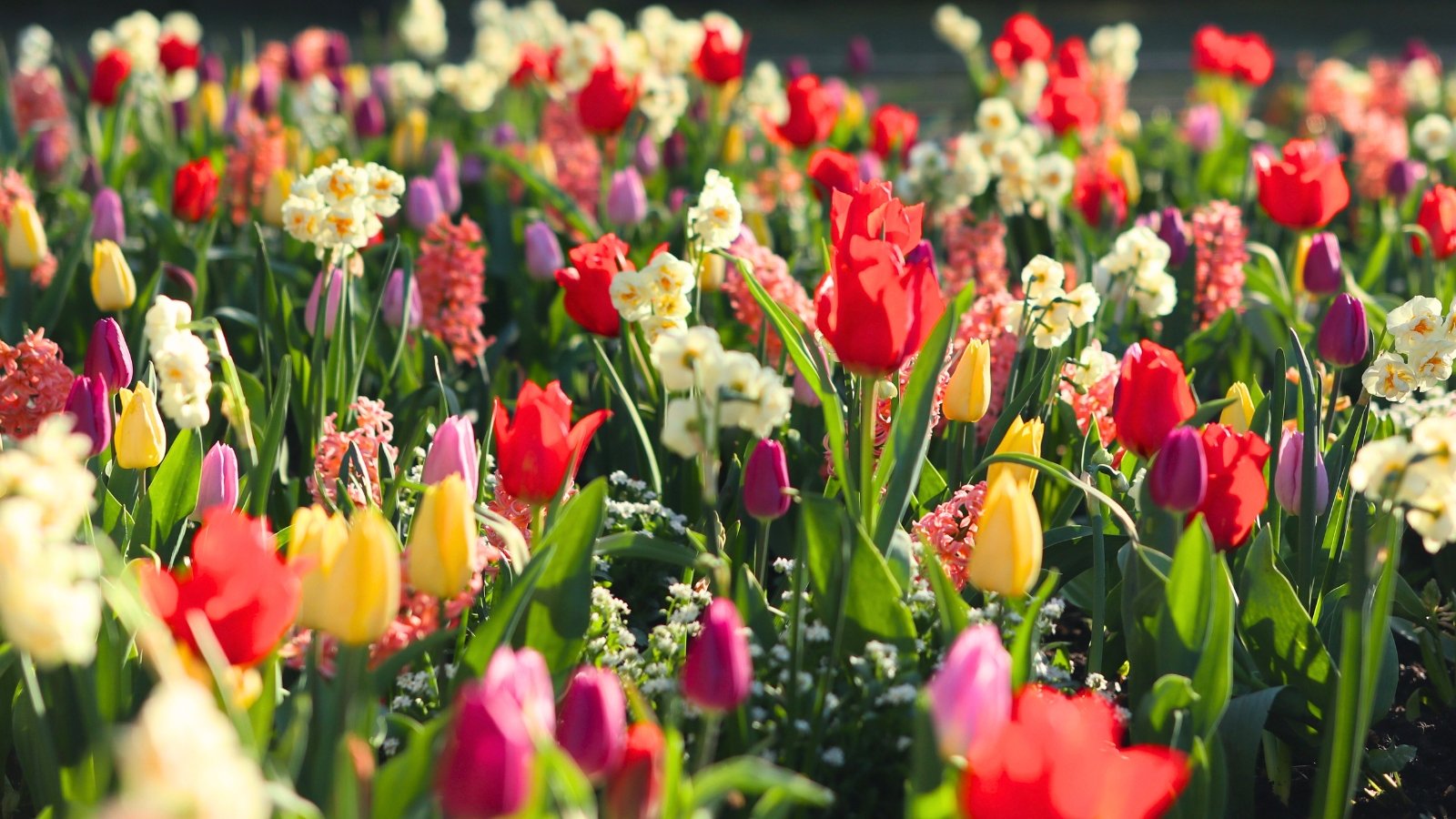
Why Perennials Are Worth the Seasonal Effort 🌼
Perennials return reliably each year, often growing stronger and fuller with time. Unlike annuals that demand replanting every season, established perennial beds offer:
- Long-term rewards — Many last 10–20+ years with proper care, saving money and effort.
- Eco-benefits — Deep roots improve soil structure, prevent erosion, sequester carbon, and provide essential habitat for bees, butterflies, and birds.
- Cost & time savings — After the first 2–3 years, they require far less watering, fertilizing, and replacement than annual beds.
- Four-season interest — Strategic planting delivers blooms, foliage color, seed heads, and structural form year-round.
Common pitfalls include over-pruning in fall (removing wildlife habitat), neglecting division (leading to overcrowding and poor flowering), improper mulching (causing rot), or ignoring soil health. Avoid these, and your beds will reward you abundantly.
Understanding Your Perennial Bed Basics Before Diving In 🧑🌾
Success starts with strong foundations.
- Soil preparation and testing — Aim for pH 6.0–7.0 (slightly acidic to neutral). Test annually; amend with compost or organic matter for drainage and fertility. In clay-heavy soils common in many regions, add grit or raised beds if needed.
- Choosing the right perennials — Match plants to your USDA zone (or equivalent), sunlight (full sun = 6+ hours), and moisture. For continuous interest, layer early bloomers (e.g., bleeding heart, peony), mid-season stars (coreopsis, salvia), and late performers (aster, sedum) with structural elements like ornamental grasses.
- Design tips — Group in drifts of 3–5+ for impact; include evergreens or woody perennials for winter bones; plan for heights (tall at back, short at front).
- Essential tools — Sharp bypass pruners, hori-hori knife, garden fork, mulch rake, gloves, and a soil thermometer for timing tasks.

Spring: Wake Up & Refresh Your Perennial Beds 🌷 (March–May)
Spring is renewal time—clear debris, feed the soil, and set plants up for success.
Goal: Encourage vigorous growth while preventing diseases from overwintered dampness.
- Early spring cleanup — Wait until new growth appears (soil temps ~10°C/50°F) before cutting back ornamental grasses and perennials. Snip old stems to 4–6 inches to avoid damaging emerging crowns. Remove blackened foliage carefully to prevent fungal spread.
- Gradual winter protection removal — Peel back heavy mulch slowly as temperatures rise to avoid shocking plants.
- Soil testing & amendments — Top-dress with 1–2 inches of compost or well-rotted manure for nutrients without burning roots.
- Dividing & transplanting — Ideal for overcrowded clumps (hostas, daylilies, iris). Dig, split with sharp spade, replant immediately, and water deeply.
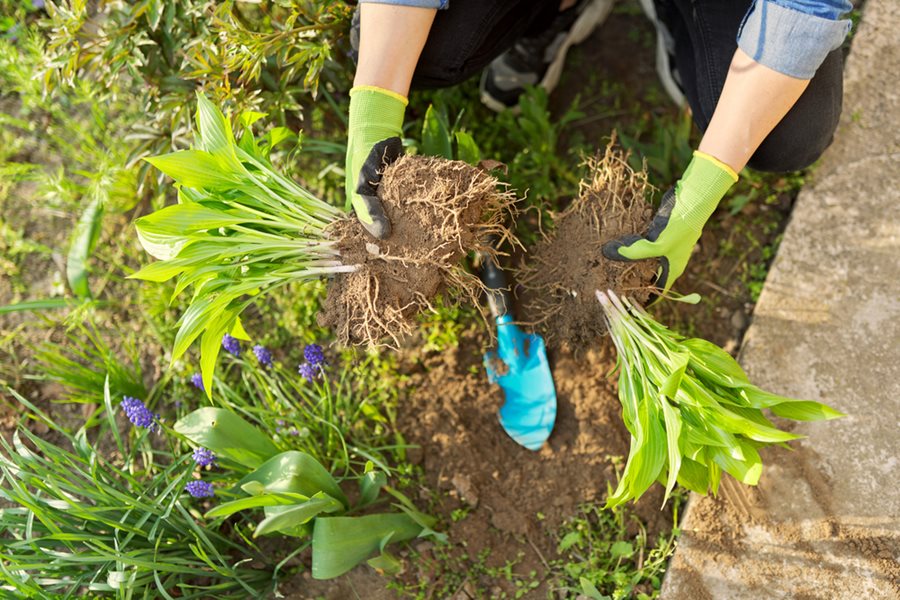
- Mulching & edging — Apply 2–3 inches fresh organic mulch (e.g., shredded bark, leaf mold) after soil warms; keep it away from crowns to prevent rot. Refresh edges for tidy look and weed barrier.
- Staking & support — Insert stakes or cages early for peonies, delphiniums, etc.
- Watering & fertilizing — Provide consistent moisture for emerging plants; use balanced organic fertilizer sparingly.
Spring Checklist ✅
- Cut back last year’s growth
- Divide spring bloomers
- Top-dress with compost
- Mulch & edge beds
- Stake tall varieties
- Monitor for slugs/snails
Summer: Peak Bloom & Maintenance Magic ☀️ (June–August)
Summer is when your perennial beds shine brightest—but heat, drought, pests, and heavy blooming can stress plants if not managed carefully.
Goal: Sustain vigorous growth and flowering through the hottest months while preventing exhaustion, disease, and weed takeover.
- Consistent deep watering techniques — Provide about 1 inch (2.5 cm) of water per week, more during heatwaves or in sandy soils. Water deeply at the base early in the morning to reduce evaporation and fungal issues. Use soaker hoses or drip irrigation for efficiency—avoid overhead sprinkling which promotes powdery mildew. In humid climates like many parts of South Asia, ensure good air circulation to prevent rot.
- Deadheading for extended blooms — Regularly remove spent flowers (just above a leaf node or new bud) on rebloomers like coreopsis, salvia, gaura, catmint, and echinacea. This redirects energy from seed production back to more flowers. For single-bloomers like peonies or iris, remove only the flower stalk after blooming to tidy up.

- Pinching & pruning for bushier growth — Early summer pinch tips of chrysanthemums, asters, and sedum to encourage branching and more blooms later. Lightly shear back early bloomers like geraniums or veronica after first flush for a second wave.
- Weed patrol & mulch refresh — Pull weeds before they seed; refresh mulch if it thins out (keep 2–3 inches deep, pulled back from stems). Organic mulches like straw or composted leaves also feed soil microbes.
- Pest & disease monitoring — Watch for aphids (blast with water or use neem/insecticidal soap), Japanese beetles (hand-pick into soapy water), spider mites (increase humidity), and fungal issues like powdery mildew (improve airflow, avoid evening watering). Encourage beneficial insects with companion plants like yarrow, dill, and fennel.
- Fertilizing dos and don’ts — Avoid high-nitrogen feeds in summer (they promote weak, leggy growth). If needed, apply a light dose of balanced organic fertilizer (e.g., compost tea or fish emulsion) in early summer only. Most established perennials get enough from spring top-dressing.
- Supporting pollinators — Include nectar-rich plants like coneflowers (Echinacea), black-eyed Susans (Rudbeckia), bee balm (Monarda), and lavender. These not only attract bees and butterflies but extend your garden’s beauty.

Summer Pro Tips — Beat the heat strategies 🌡️
- Mulch heavily to retain moisture and cool roots
- Group thirsty plants together for targeted watering
- Provide afternoon shade for delicate varieties if possible
- Rotate plant supports as growth surges
Summer Checklist ✅
- Water deeply weekly
- Deadhead regularly
- Monitor & treat pests early
- Weed & refresh mulch
- Pinch back fall bloomers
- Enjoy pollinator activity! 🐝
Fall: Prepare for Rest & Next Year’s Success 🍂 (September–November)
Fall is the most important season for building resilience—plants store energy in roots now for next year’s performance.
Goal: Clean thoughtfully, enrich soil, plant new additions, and protect roots without over-cleaning.
- Late-season cleanup — Remove diseased or mildewed foliage, but leave healthy seed heads (coneflowers, rudbeckia, alliums) and stems for winter interest and wildlife food/shelter. Cut back only after frost kills tops or when they look tatty.
- Cutting back vs. leaving structure — Ornamental grasses, sedum, and asters provide beautiful winter texture and habitat for birds/insects. Cut back aggressive spreaders or messy plants (hostas, daylilies) to 4–6 inches.
- Dividing & planting — Fall is prime for dividing spring/summer bloomers (peonies, iris, daylilies) and planting new perennials—roots establish before winter. Water new plants well.
- Fall mulching & soil amendments — Apply 2–4 inches of mulch after first hard frost to insulate roots and suppress weeds. Add compost or leaf mold to boost soil organic matter.
- Protecting tender perennials — In cooler zones, mound extra mulch or use evergreen boughs over borderline-hardy plants (e.g., some salvias or gaura).
- Collecting seeds & planning — Harvest ripe seeds from favorites; sketch your beds and note gaps for spring shopping.

Fall Wildlife-Friendly Practices 🦋🐦 Leave seed heads for finches and goldfinches; hollow stems shelter overwintering beneficial insects.
Fall Maintenance Checklist ✅
- Selective cleanup
- Divide & plant new perennials
- Mulch after frost
- Protect tender plants
- Collect seeds & plan
Winter: Protect & Plan While Beds Sleep ❄️ (December–February)
Winter feels quiet in the garden, but it’s actually a critical time for protection and preparation. The ground may freeze and thaw repeatedly (even in milder climates like Dhaka’s occasional cool spells), causing heaving that can expose roots and kill plants.
Goal: Prevent root damage from freeze-thaw cycles, protect borderline-hardy perennials, and use the downtime to plan for a spectacular next year.
- Minimal intervention — let nature take its course Resist the urge to tidy excessively. Standing stems, seed heads, and dried foliage insulate crowns, trap snow (which acts as natural mulch), and provide food and shelter for birds and overwintering beneficial insects. Only remove obviously diseased or broken material.
- Checking for heaving & gently pressing plants back After freeze-thaw cycles, roots can push upward, exposing crowns. On mild days, gently press heaved plants back into the soil and add a light layer of soil or compost around them. Never walk on frozen beds—compaction damages roots.
- Applying winter mulch only when the ground freezes In regions with hard freezes, wait until the soil surface freezes (usually late December or January) before adding an extra 2–4 inches of loose mulch (straw, pine needles, shredded leaves, or evergreen boughs). This insulates without trapping too much moisture that could cause rot. Pull mulch away from stems in early spring to prevent fungal issues.
- Protecting roses & semi-tender perennials For hybrid tea roses, mound soil or compost 8–12 inches high around the base after the first hard frost (the “rose cone” method). In warmer zones (like USDA 8–10 or equivalent in Bangladesh during mild winters), a thick mulch layer usually suffices. Tender salvias, gaura, and some agastache may need a breathable cover (horticultural fleece or burlap) during unusual cold snaps.
- Garden journaling & photo documentation Use winter to review the past season: Take notes (or scroll through phone photos) on what bloomed well, what flopped, where gaps appeared, and which plants attracted the most pollinators. Sketch next year’s additions or rearrangements.
- Ordering plants/seeds for spring Late winter is prime time to order bare-root perennials, seeds, and plugs. Nurseries often offer the widest selection and best pricing before the spring rush.
Winter Garden Inspiration — Enjoy structure & evergreens 🌲 Even in dormancy, perennial beds can be beautiful. Ornamental grasses sway in the wind, rudbeckia and echinacea seed heads catch frost like jewels, and structural evergreens (if included) provide year-round anchors. Add a bird feeder nearby to enjoy wildlife activity.
Winter Checklist ✅
- Check for heaving after thaws
- Add protective mulch only after ground freezes
- Protect tender perennials if needed
- Journal successes & failures
- Order new plants & seeds
- Enjoy the quiet beauty of structure
Year-Round Essential Techniques Every Perennial Gardener Needs 🔄
These core skills keep your beds healthy and beautiful no matter the month.
- Watering best practices across seasons Deep, infrequent watering encourages deep roots. Adjust frequency: heavy in summer heat, minimal in winter. Use rain barrels to collect natural water—great for Dhaka’s monsoon season.
- Organic fertilization schedule & soil building Spring: compost top-dressing + light balanced organic feed. Summer: compost tea if growth slows. Fall: leaf mold or aged manure. Avoid synthetic quick-release fertilizers—they burn roots and harm soil life.
- Mulching mastery Types: shredded bark (long-lasting), straw (light & weed-suppressing), leaf mold (soil-enriching). Timing: refresh spring/summer, add protective layer late fall/winter. Depth: 2–3 inches, never touching stems.
- Deadheading & pruning guide by plant type Rebloomers (salvia, coreopsis): deadhead to leaf node. Single bloomers (peony, iris): remove only flower stalk. Shear back early bloomers for second flush. Cut ornamental grasses back in late winter/early spring.
- Dividing perennials: When, how, and which ones Spring/fall for most (hostas, daylilies, asters). Every 3–5 years or when centers die out. Dig large clump, slice with spade, replant divisions quickly, water well.
- Integrated pest & disease management Prevention first: good spacing, airflow, healthy soil. Then cultural controls (hand-picking, water blasts), biological (ladybugs, neem), and finally organic sprays only as last resort.
- Companion planting for healthier beds Pair pest-repelling plants (alliums near roses), pollinator magnets (lavender with echinacea), and dynamic accumulators (comfrey for potassium) to create resilient, low-input ecosystems.
Troubleshooting Common Perennial Bed Problems 🛠️
- Leggy or floppy plants → Cause: Too much shade/nitrogen or overcrowding. Fix: Move to sunnier spot, divide, stake early, avoid late feeding.
- Poor blooming year after year → Cause: Overcrowding, excess nitrogen, old clumps, wrong light. Fix: Divide, fertilize lightly in spring only, ensure 6+ hours sun.
- Yellowing leaves or wilting → Cause: Over/underwatering, poor drainage, nutrient deficiency. Fix: Check soil moisture, improve drainage, test soil & amend accordingly.
- Invasive spreaders taking over → Cause: Aggressive varieties (e.g., mint family, some lamium). Fix: Contain with barriers, divide regularly, replace with better-behaved cultivars.
- Winter kill & crown rot → Cause: Wet winter soil, heaving, insufficient mulch. Fix: Improve drainage, mulch after freeze, choose zone-appropriate plants.
Expert Insights & Pro Tips from Years of Experience 🌟
- Regional adaptations — In warmer, humid climates (like Dhaka), prioritize excellent drainage, airflow, and mildew-resistant cultivars. Mulch lightly in winter to avoid rot.
- Sustainable & low-water strategies — Choose drought-tolerant natives (sedum, yarrow, Russian sage) once established. Layer deep mulch and group plants by water needs.
- Creating four-season interest — Combine bloom times + foliage color (purple heuchera, golden carex) + bark/seed heads + evergreens.
- Time-saving shortcuts — Use self-cleaning varieties (sterile coreopsis, reblooming daylilies), plant in larger drifts, install soaker hoses once.
Printable Seasonal Checklist & Calendar 📅
(Imagine a clean, downloadable one-page PDF here with monthly tasks at a glance—spring cleanup, summer deadheading, fall planting, winter protection.)
Frequently Asked Questions (FAQs) ❓
- When is the best time to divide perennials? Spring for fall bloomers, early fall or late spring for most others—avoid peak summer heat.
- Should I cut back all perennials in fall? No—leave healthy structure for wildlife, insulation, and beauty. Cut only diseased or very messy plants.
- How much mulch is too much? More than 4 inches can suffocate crowns and cause rot. Stick to 2–3 inches, refreshed annually.
- Why aren’t my perennials coming back? Common causes: winter heaving, crown rot from wet soil, vole damage, or planting too deep/shallow. Check roots in spring.
- Can I plant perennials in summer/fall? Yes—fall is often best (6–8 weeks before hard frost). Summer planting works if you water consistently and choose heat-tolerant varieties.
Conclusion: Your Path to Effortless, Beautiful Perennial Beds All Year 🌺
Managing perennial beds through the seasons isn’t about constant work—it’s about smart, timely actions that pay off with years of beauty and biodiversity. Start with one bed, apply these seasonal steps, observe what thrives in your unique microclimate, and watch your garden evolve into a resilient, joyful space.
You’ve got this! Happy gardening, season after season. 🌿💚











