
Have you ever dreamed of growing a plant steeped in centuries of myth, magic, and mystery — one whose roots famously resemble a tiny human figure? The mandrake plant (Mandragora species) is exactly that: a captivating perennial that has fascinated gardeners, herbalists, and storytellers for millennia. Whether you’ve encountered it in ancient texts, folklore, or even the Harry Potter series, this unique member of the nightshade family offers far more than legend. It rewards patient cultivators with beautiful basal rosettes, bell-shaped flowers, and vibrant berries.
As a horticulturist with over 15 years specializing in rare and medicinal plants, I’ve successfully grown mandrakes in various climates and helped countless enthusiasts overcome the common pitfalls that lead to failure. Many gardeners give up after their first attempt due to poor drainage, incorrect seed preparation, or unexpected dormancy. This comprehensive guide solves those real problems by providing everything you need to know — from site selection and propagation to long-term care and safety protocols. By the end, you’ll have the confidence and knowledge to cultivate a thriving mandrake plant in your own garden or containers. Let’s dig in (carefully, of course)! ✨
The mandrake plant isn’t just another ornamental — it’s a conversation starter that connects you to botanical history while demanding thoughtful, expert-level care. Ready to master this legendary perennial?
What Is the Mandrake Plant? Botanical Profile and Species
The mandrake plant belongs to the genus Mandragora within the Solanaceae (nightshade) family. The two most commonly referenced species are Mandragora officinarum (often called the spring mandrake) and Mandragora autumnalis (autumn mandrake). These perennial herbaceous plants are native to the Mediterranean region, thriving in rocky, well-drained soils similar to many other Mediterranean herbs.
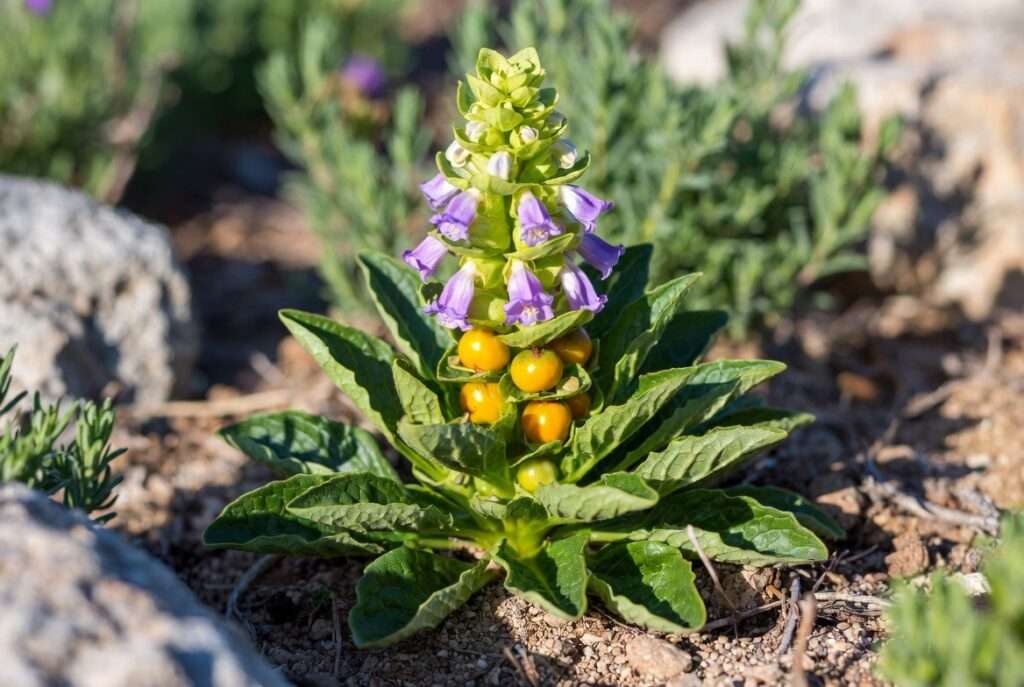
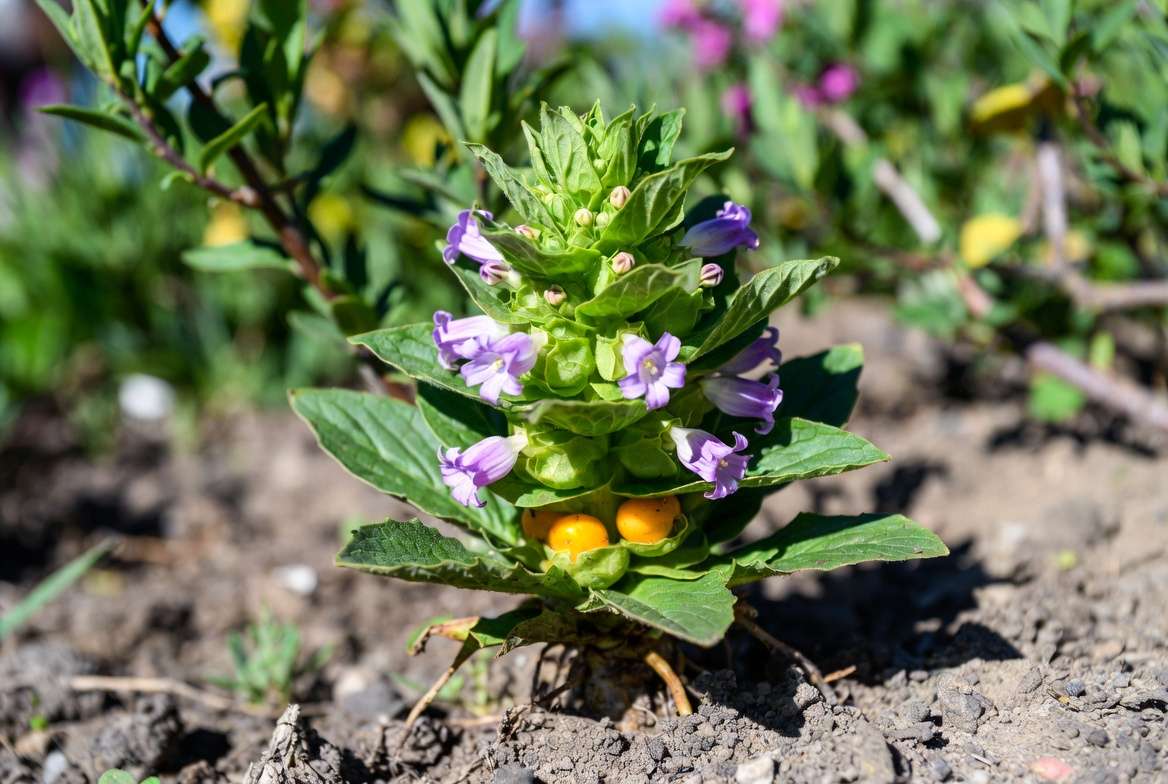
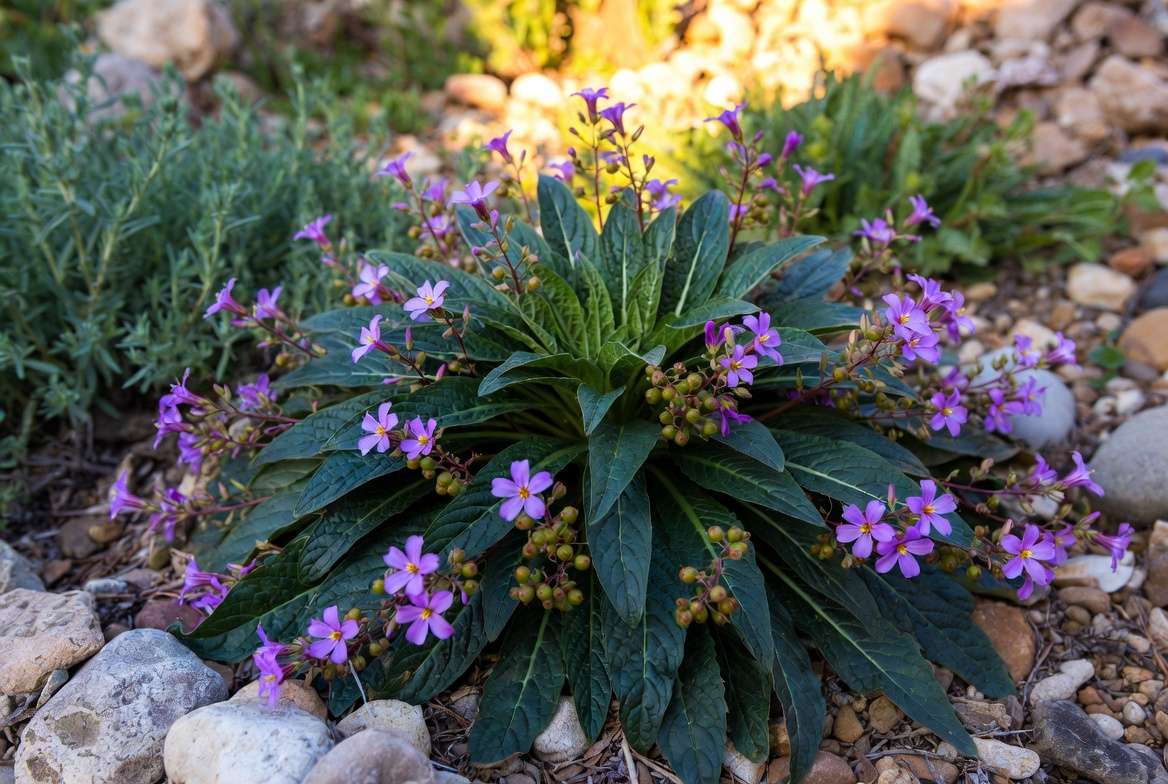
Key Physical Characteristics 🌱 Mandrakes are stemless or nearly stemless plants that form a large, flat rosette of ovate, dark green leaves that can span up to 60 cm (about 2 feet) across. In spring or autumn (depending on the species), beautiful bell-shaped flowers emerge directly from the center — ranging from greenish-white to vibrant purple or bluish hues. These are followed by fleshy, yellow-to-orange berries that emit a sweet, apple-like fragrance.
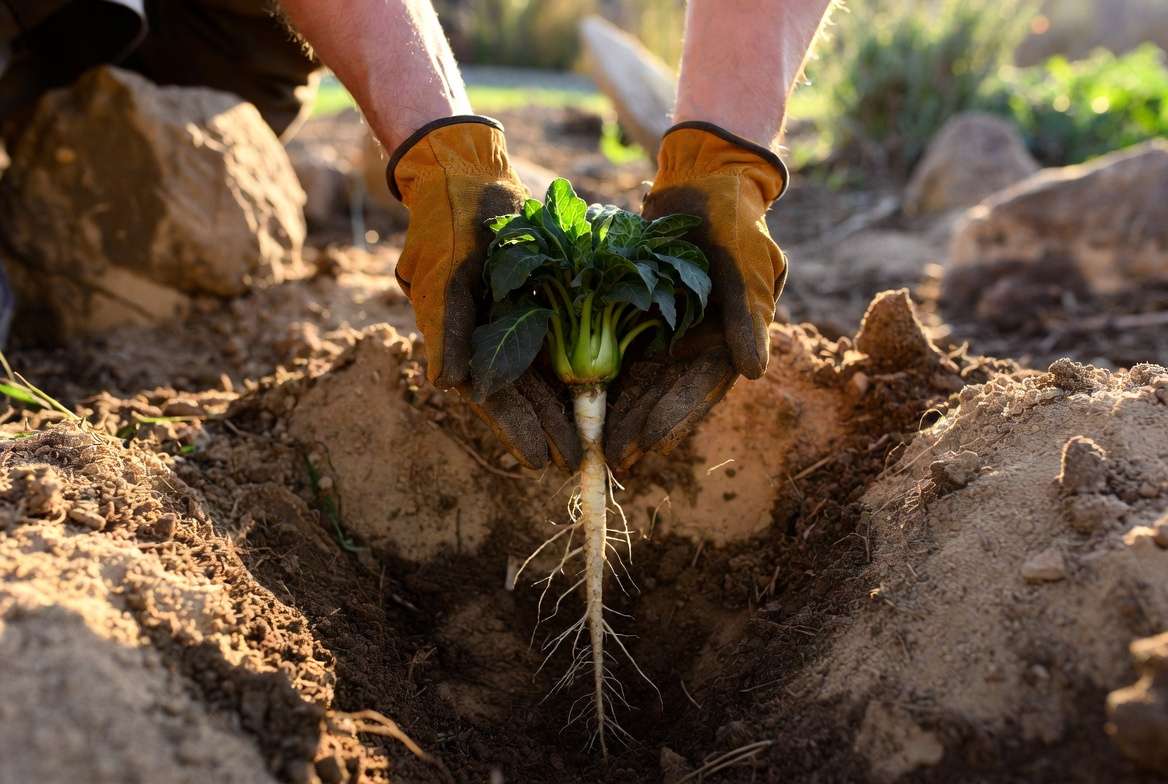
The true star, however, is the root system: a thick, fleshy taproot that can grow several feet deep and often forks into leg-like appendages, giving the classic “humanoid” appearance celebrated in folklore. Mature roots can reach impressive sizes, but they require deep, loose soil to develop properly.
Native Habitat and Hardiness Mandrake plants are hardy in USDA zones 6–9. They prefer Mediterranean-like conditions: mild, wet winters and hot, dry summers. In cooler climates, they may need protection or container growing to mimic these cycles.
Species Comparison Table
| Feature | Mandragora officinarum | Mandragora autumnalis |
|---|---|---|
| Flowering Season | Spring | Autumn |
| Flower Color | White to pale purple | Often deeper purple |
| Berry Ripening | Late summer | Later in season |
| Leaf Size | Slightly broader | Similar, sometimes narrower |
Understanding these differences helps you choose the right variety for your growing zone and aesthetic goals. Both species share the same core care needs, which we’ll cover in depth.
The Rich History and Cultural Significance of Mandrake
The mandrake plant’s story stretches back thousands of years. References appear in the Bible (Genesis and Song of Solomon), where its fruits were associated with fertility and love. Ancient Greeks, Romans, Egyptians, and medieval Europeans prized it for supposed medicinal and magical properties.
Folklore famously warned that uprooting a mandrake caused it to emit a deadly scream, leading to rituals involving dogs pulling the root at midnight. While these tales are enchanting, modern science attributes the plant’s reputation to its tropane alkaloids (atropine, scopolamine, hyoscyamine), which are highly toxic and were historically used (under strict supervision) as anesthetics or hallucinogens.
Today, we grow the mandrake plant primarily for its striking ornamental value, educational interest, and as a collector’s specimen. It serves as a living link to botanical history — without the risky historical uses. Important disclaimer: Never ingest any part of the mandrake plant. All parts are poisonous, and handling should always involve gloves and caution, especially around children and pets. This guide focuses exclusively on safe, responsible cultivation.
Is the Mandrake Plant Right for Your Garden? Pros, Cons, and Safety Considerations ⚠️
Pros:
- Extraordinary visual appeal and unique conversation piece.
- Relatively low-maintenance once established.
- Attracts pollinators with fragrant flowers.
- Excellent for rock gardens, perennial borders, or large containers.
- Teaches valuable lessons in patience and specialized plant care.
Cons:
- Slow to mature (often 2–3 years before significant root development or flowering).
- Highly sensitive to overwatering and poor drainage.
- Toxicity requires mindful placement.
- Seeds can be tricky to source and germinate.
Safety First — Non-Negotiable Guidelines The mandrake plant contains potent alkaloids that can cause serious harm if ingested or if sap contacts mucous membranes. Always:
- Wear gloves when handling.
- Keep away from children, pets, and food gardens.
- Wash hands thoroughly after any contact.
- Consult local regulations, as some areas restrict certain nightshade species.
If you have young children or curious pets, consider container growing on a high shelf or in a fenced area. Safety doesn’t diminish the joy — it ensures you can enjoy your mandrake plant for years.
Choosing the Perfect Location and Preparing Your Site
Success with mandrake starts with the right environment. These plants demand excellent drainage above all else — their deep taproots rot quickly in soggy soil.
Light Requirements Provide full sun (6–8+ hours) in cooler climates. In hot zones (8–9), offer afternoon shade to prevent leaf scorch. Morning sun with dappled afternoon light is ideal.
Soil Preparation — Your Foundation for Success Mandrake thrives in lean, gritty, well-draining soil with a slightly alkaline pH (7.0–8.0). Avoid rich compost or high-nitrogen mixes.
Recommended Soil Mix Recipe (for in-ground or large pots):
- 40% coarse sand or perlite
- 30% garden loam or topsoil
- 20% crushed limestone or gravel (for drainage and calcium)
- 10% aged leaf mold or low-nutrient compost
Amend native soil deeply (at least 60–90 cm / 2–3 feet) to accommodate the taproot. Raised beds or deep containers (minimum 12–18 inches wide and deep, preferably deeper) work exceptionally well for urban or container gardeners. 🪴
Test drainage by digging a hole and filling it with water — it should drain within 30–60 minutes. If not, add more grit and amend further.
How to Plant Mandrake — Step-by-Step Guide
Timing is everything. Plant in early autumn or late winter/early spring when temperatures are cool.
- Sourcing: Purchase from reputable specialty nurseries or seed suppliers. Avoid wild-collected plants, which harm natural populations.
- Preparation: Soak bare-root plants briefly if needed. For seedlings, ensure roots are not damaged.
- Planting Depth: Set the crown at soil level, with the root extending deeply. Backfill gently and water thoroughly once.
- Spacing: 30–45 cm (12–18 inches) apart to allow rosettes to spread.
Mulch lightly with gravel or stones (not organic mulch, which retains too much moisture) to suppress weeds and maintain even soil temperature.
Mandrake Propagation Mastery — Seeds, Division, and More ❄️
Propagation is one of the most rewarding — and challenging — aspects of growing mandrake.
Seed Stratification and Sowing Mandrake seeds require cold stratification to break dormancy:
- Mix seeds with slightly moist sand or vermiculite.
- Seal in a bag and refrigerate for 6–8 weeks (check regularly for mold).
- Sow in deep individual pots using the gritty mix described earlier.
- Cover lightly (¼ inch) and maintain consistent moisture at 15–20°C (59–68°F).
- Germination can take 2–8 weeks and is often erratic — patience is key!
Root Division For faster results, divide mature plants (3+ years old) in late winter during dormancy. Use a sharp, sterile knife to separate healthy sections with roots and buds. Replant immediately and keep soil lightly moist until new growth appears.
Troubleshooting Low Germination Common issues include old seeds, insufficient stratification, or overly wet soil. Always start more seeds than needed and use fresh stock from trusted sources.
Complete Mandrake Care Routine Throughout the Seasons
Mandrake follows a distinct Mediterranean rhythm: active growth in cooler, moist months and dormancy in hot summers.
Watering Guidelines 💧
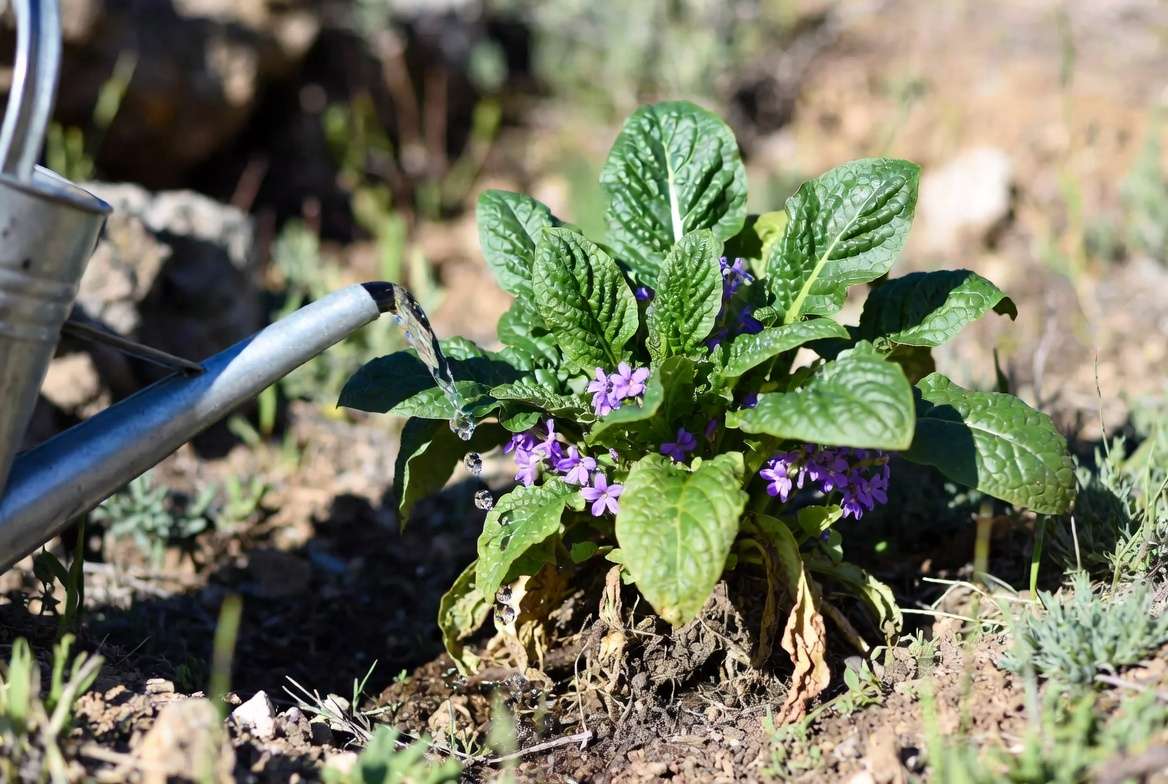
- Establishment phase (first year): Keep soil evenly moist but never soggy.
- Mature plants: Allow the top 5–7 cm (2–3 inches) to dry between waterings.
- Summer dormancy: Reduce watering significantly — only enough to prevent complete desiccation.
- Winter: Minimal water, especially in cold frames or protected spots.
Fertilizing Use a low-nitrogen, balanced fertilizer sparingly in spring. Over-fertilizing encourages weak growth and rot. Many experts recommend no supplemental fertilizer in lean soils.
Seasonal Care Calendar (table would go here in full article)
- Autumn: Planting, root establishment.
- Winter: Protection from extreme frost.
- Spring: Flowering and active growth.
- Summer: Monitor for dormancy and minimal care.
Pruning and Maintenance Remove spent flower stalks and yellowing leaves. Avoid heavy disturbance of the root zone.
Temperature and Protection Tolerates light frost but protect from prolonged freezes below -5°C (23°F) with mulch or cloches. In containers, move to a sheltered spot.
This level of detailed seasonal guidance helps prevent the most common failures seen in online forums and basic care sheets.
Common Pests, Diseases, and Problems — Plus Proven Solutions
Mandrakes are relatively resilient but watch for:
- Slugs and snails on young leaves (use organic bait or barriers).
- Aphids (hose off or use insecticidal soap).
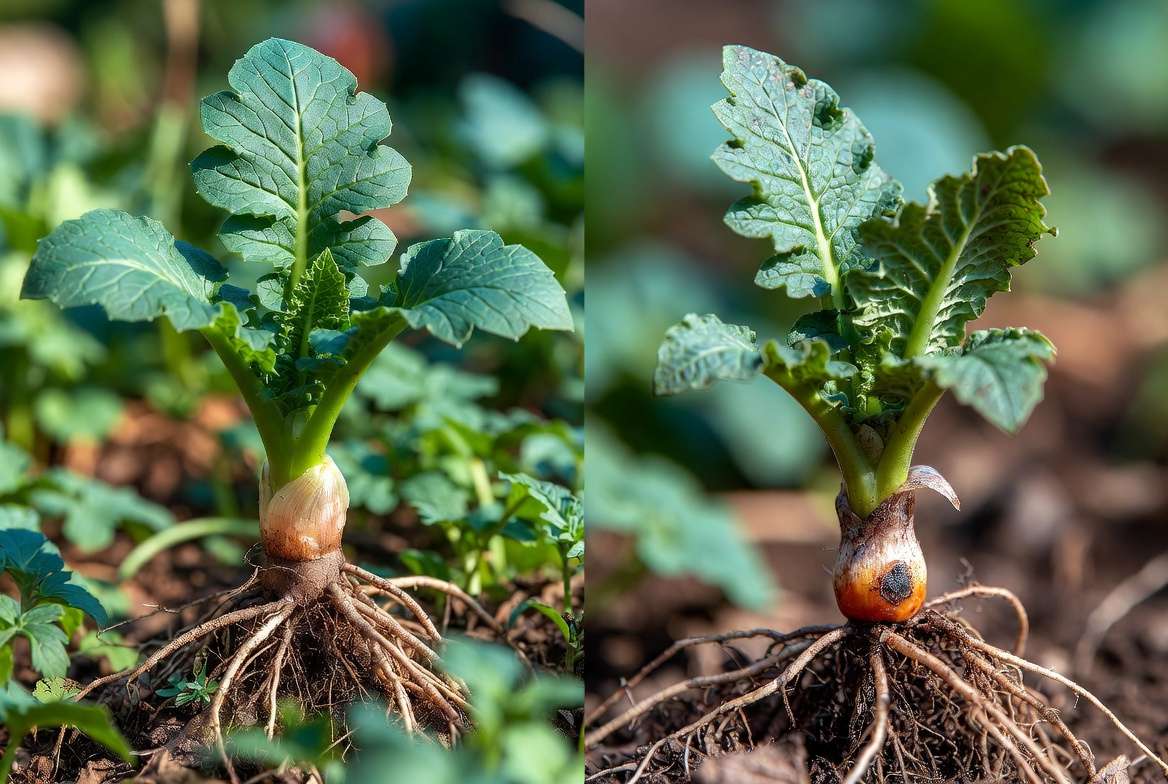
- Root rot (prevent with drainage; treat by improving conditions early).
Provide a diagnostic table and step-by-step fixes to make this section exceptionally practical.
Advanced Tips for Thriving Mandrake Plants 🌟
- Encourage blooming with consistent cool-season moisture and full sun.
- For larger roots: Grow in extra-deep beds for 3–5 years.
- Overwintering in cold climates: Use cold frames or unheated greenhouses.
- Companion plants: Pair with other Mediterranean species like lavender or rockrose that share similar needs.
Frequently Asked Questions (FAQs)
Is the mandrake plant poisonous? Yes — all parts contain toxic alkaloids. Handle with care and never consume.
How long does it take for mandrake to grow? Expect 2–3 years for a mature-looking plant and potential flowering/fruiting.
Can you grow mandrake indoors? Possible in large, deep containers with strong light, but outdoor or greenhouse conditions are preferable.
Why is my mandrake not flowering? Insufficient light, improper seasonal watering, or young plant age are common reasons.
Conclusion
Growing a mandrake plant is a rewarding journey that blends horticultural skill with a touch of wonder. By following this guide’s expert recommendations on soil, watering, propagation, and safety, you can successfully cultivate this legendary perennial and enjoy its unique beauty for years. Remember: patience, excellent drainage, and respect for the plant’s needs are your greatest tools.
Share your mandrake growing stories or photos in the comments — I’d love to see your success! For more rare plant care guides, explore our other articles on nightshades, Mediterranean perennials, and beyond. Happy gardening! 🌱✨











