
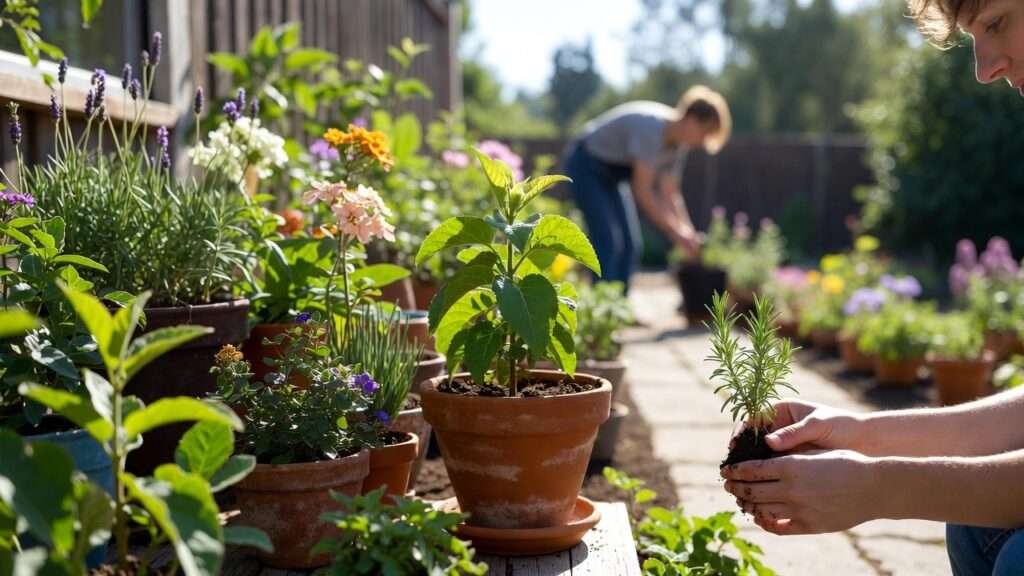
In our fast-paced world, finding moments of true calm can feel impossible — but what if the solution was waiting right outside your door (or on your balcony)? 🌱 Imagine stepping into your small home garden, balcony pots, or even a sunny windowsill, and instantly feeling your shoulders drop as you breathe in the earthy scent of soil and fresh leaves. This is the magic of mindful gardening techniques at home — intentional, present-focused practices that blend caring for plants with mindfulness to lower stress, boost mental clarity, and deepen your connection with nature.
As a dedicated plant and tree care specialist with over a decade of hands-on experience nurturing everything from urban container gardens to backyard orchards, I’ve witnessed firsthand how these simple techniques transform not just plants, but people’s daily lives. Whether you’re a complete beginner with just a few houseplants or someone tending a modest backyard, mindful gardening offers accessible ways to reduce anxiety, improve mood, and find grounding amid modern chaos. Science supports this too: studies show gardening lowers cortisol (the stress hormone), increases vitamin D levels from sunlight, and exposes us to beneficial soil microbes that enhance well-being and even serotonin production.
In this comprehensive guide, you’ll discover practical, beginner-friendly mindful gardening techniques at home tailored for any space — no fancy tools required. We’ll cover sensory engagement, daily rituals, science-backed benefits, setup tips, overcoming challenges, and more. By the end, you’ll have everything you need to start cultivating peace one mindful moment at a time. Ready to dig in? Let’s grow calmer together! 😊
What Is Mindful Gardening? Understanding the Basics 🧘♀️🌸
Mindful gardening is more than just watering plants or pulling weeds — it’s about bringing full, non-judgmental awareness to the present moment while tending your green space. Rooted in mindfulness principles (like those from Jon Kabat-Zinn’s work), it emphasizes engaging your senses, observing without rushing, and letting go of perfectionism.
Unlike traditional gardening, which often focuses on outcomes (perfect blooms, big harvests), mindful gardening shifts the priority to the experience itself. You’re not “getting chores done” — you’re savoring the cool dampness of soil between your fingers, noticing the subtle rustle of leaves in the breeze, or feeling gratitude as a tiny seedling emerges.
This approach is especially powerful for home gardeners because it requires zero special equipment — just your existing plants (or a few new ones) and your attention. It’s adaptable for tiny balconies in city apartments, windowsill herb gardens, or larger backyards with trees. The result? A gentle, ongoing practice that builds resilience against daily stress while nurturing both your plants and your inner peace.
Quick science note: Research from sources like the University of Florida and meta-analyses in journals such as PLOS ONE confirm that even short gardening sessions reduce anxiety, depression symptoms, and perceived stress while boosting overall mental well-being.
The Science-Backed Benefits of Mindful Gardening at Home 📊💚
The perks go far beyond feeling “nice.” Here’s what reliable studies reveal:
- Mental health wins 🌟: Gardening significantly lowers cortisol levels, easing stress and anxiety. A Japanese study showed viewing and interacting with plants reduced blood pressure, pulse rate, and negative emotions. Other research links regular gardening to decreased depression symptoms, enhanced mindfulness, emotional resilience, and better mood regulation through increased serotonin from soil bacteria like Mycobacterium vaccae.
- Physical perks 💪: Gentle movements provide low-impact exercise, while sunlight exposure boosts vitamin D — crucial for bone health, immune function, and mood. Soil contact introduces beneficial microbes that support gut health (linked to brain function via the gut-brain axis) and overall immunity.
- Long-term gains 🌈: Consistent practice improves sleep quality, self-esteem (from seeing plants thrive), sense of purpose, and connection to nature. One RHS study found daily gardeners had 6.6% higher well-being scores and 4.2% lower stress levels than non-gardeners.
From my experience, clients who commit to 15–30 minutes daily often report noticeable calm within weeks — less rumination, more presence, and a renewed appreciation for life’s small miracles.
Getting Started: Setting Up Your Mindful Home Garden Space 🏡🌿
No sprawling yard? No problem! Start small and intentional.
- Assess your space 📏: Balconies thrive with pots; windowsills suit herbs; backyards allow trees or raised beds. Observe light patterns — most mindful plants prefer 4–6 hours of sun.
- Choose mindful-friendly plants 🌱: Opt for sensory-rich varieties that invite engagement:
- Smell: Lavender, rosemary, mint, lemon balm (rub leaves for instant calm 👃).
- Touch: Lamb’s ear (velvety soft 🤲), scented geraniums.
- Sight: Colorful flowers like marigolds or coneflowers.
- Taste: Basil, oregano, strawberries (fresh harvest joy 👅).
- Easy starters: Herbs in pots, succulents indoors, or dwarf fruit trees for backyards.
- Create a calming zone 🪑: Add a small bench, wind chimes for gentle sounds, or a barefoot-friendly patch for grounding (earthing reduces inflammation).
- Essential tools 🛠️: Keep it minimal — trowel, watering can, optional gloves. Focus on natural connection.

Core Mindful Gardening Techniques: Engage Your Senses 🌼👃👂
The heart of mindful gardening lies in the five senses. Practice one or all during sessions.
1. Sight – Observing with Wonder 👀
Take slow “garden walks” — pause to notice leaf veins, dew drops, color shifts, or insect visitors. Try micro-observations: spend 2 minutes studying one leaf’s texture and patterns. Track seasonal changes weekly for deeper appreciation.
2. Touch – Grounding Through Texture 🤲
Dip hands (or feet!) into soil — feel its cool, crumbly richness. Gently stroke leaves: fuzzy lamb’s ear, smooth succulents, rough bark on small trees. Weeding becomes meditative — pull slowly, visualizing releasing mental clutter with each weed.

3. Smell – Aromatherapy from Nature 👃
Inhale deeply after rain (petrichor bliss!), crush herbs like rosemary or lavender between fingers, or lean close to blooming flowers. These natural scents lower heart rate and promote relaxation.
4. Sound – Listening to the Garden Symphony 👂
Close eyes and tune in: birds chirping, leaves rustling, bees buzzing, your steady breathing. Count 5 unique sounds in silence — a quick reset for a busy mind.
5. Taste – Mindful Harvesting (When Ready) 👅
Snip fresh basil or mint, chew slowly — notice flavors unfolding. This grounds you in gratitude for growth and abundance.
Daily Practices: Turning Routine Tasks into Mindfulness Rituals ⏰🌱
The beauty of mindful gardening lies in transforming everyday chores into peaceful, meditative moments. You don’t need hours — even 10–30 minutes of focused presence can create profound calm. Here’s how to weave mindfulness into the tasks you’re already doing (or starting to do) at home.
- Scheduling short, consistent sessions 🕒 Consistency beats intensity. Choose a realistic time — perhaps early morning with your coffee, late afternoon to unwind, or evening under soft outdoor lights. Set a gentle timer if it helps (many find phone timers jarring, so a small kitchen timer or wind chime works beautifully). Start with 10 minutes if your schedule is tight; most people naturally extend once they feel the calm settling in.
- Mindful watering — the daily anchor 💧 This is one of the most accessible entry points. Hold the watering can or hose, slow your movements, and notice:
- The weight of the water shifting in your hand
- The gentle stream soaking into soil
- Tiny bubbles rising as air escapes
- How leaves glisten when droplets catch light Watch the plant “drink” — imagine it drawing nourishment just as you draw a deep breath. This simple act becomes a moving meditation that grounds you instantly.

- Pruning, deadheading & gentle shaping ✂️ Approach each snip with intention. Pause before cutting: observe where the cut will happen, breathe, then make a clean, deliberate snip. Visualize releasing not just dead foliage, but any mental heaviness you’re carrying. Many gardeners describe this as symbolic “letting go” — a powerful emotional release disguised as plant care.
- Planting seeds or seedlings with intention 🌱 Before placing a seed or young plant in soil, hold it for a moment. Silently (or aloud) set a small personal intention: “May this seed grow strong… and may I grow patience.” Press soil around it mindfully, patting gently. Each time you check on it, you’re reminded of growth — both the plant’s and your own.
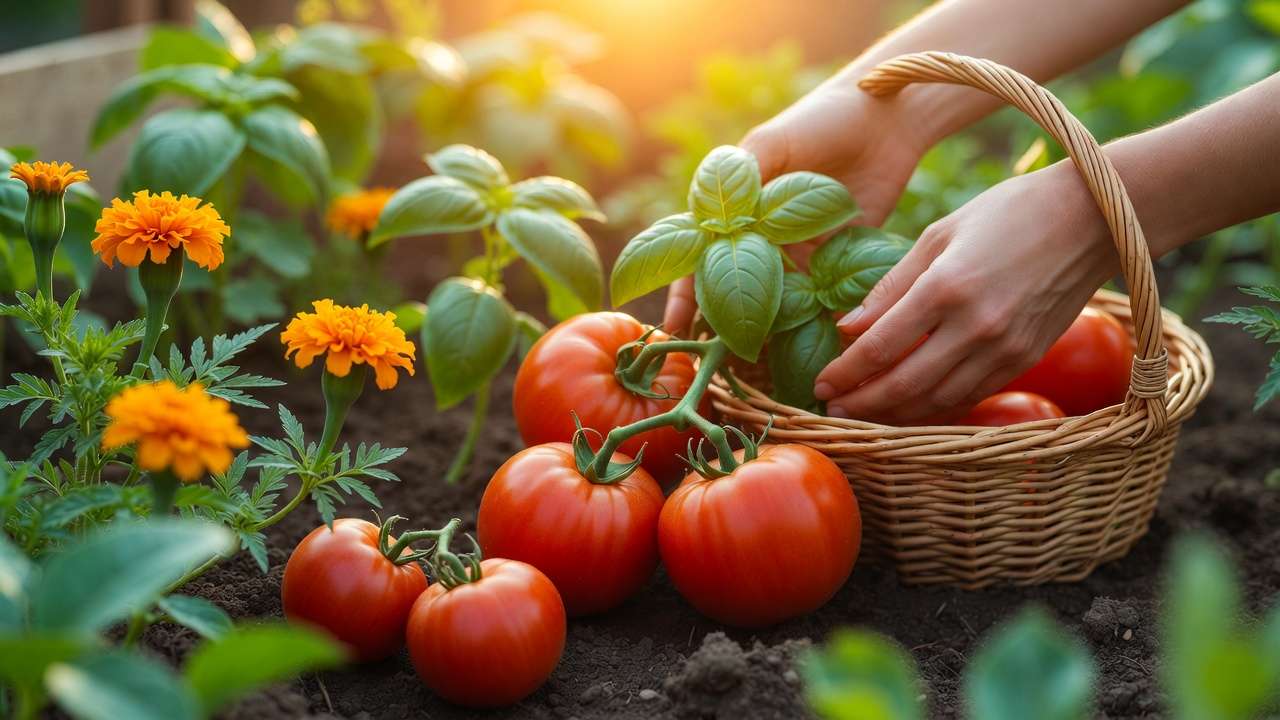
- Harvesting with gratitude 🧺 When your herbs, greens, tomatoes, or berries are ready, harvest slowly. Thank the plant (aloud or silently), notice the resistance as you pull or snip, feel the freshness in your palm. Bring your harvest inside and taste a small piece immediately — close your eyes, chew slowly, savor. This closes the loop of care → growth → reward in the most present way possible.
From years of guiding home gardeners, I’ve seen these small rituals become the most cherished part of people’s days. One client in a tiny apartment told me her 12-minute evening watering ritual was “the only time my mind actually stops racing.”
Advanced Tips for Deeper Connection & Home Adaptation 🌟
Once the basics feel natural, layer in these enhancements for richer experiences — all still simple and home-friendly.
- Sync breathing with movements 🌬️ Inhale as you reach to water a high pot, exhale as you lower the can. Inhale while lifting a handful of soil, exhale while pressing it down. This breath-movement connection (similar to yoga or tai chi) amplifies relaxation and focus.
- Barefoot grounding (earthing) 👣 If you have safe soil, grass, or a small patch, remove shoes and stand/sit barefoot for 5–10 minutes while gardening. Direct earth contact is shown in studies to reduce inflammation, improve sleep, and lower stress hormones. Even pressing palms into soil offers many of the same benefits.

- Garden journaling 📓 After each session, jot down:
- One thing you noticed with your senses
- How your body/mind felt before vs. after
- Any plant progress or surprises Over weeks, patterns emerge — both in your garden and your emotional landscape.
- Small-space adaptations 🪴 Balcony or windowsill gardeners: Rotate pots slowly while observing each plant. Use a tray of pebbles and water for a mini “zen garden” sound — the gentle trickle is soothing. Indoor plants respond beautifully to mindful misting and leaf wiping.
- Seasonal mindfulness variations 🍂 Summer → longer outdoor immersion, barefoot time, harvesting joy Winter → cozy indoor focus: repotting, pruning houseplants, observing subtle growth under grow lights Spring → seed-starting rituals Fall → gratitude harvests and preparing plants for rest
- Pairing with formal mindfulness 🧘 Begin with 2–3 minutes of seated breathing or body scan before stepping outside. End with a brief gratitude reflection: “Thank you for this moment of calm.”
Common Challenges & How to Overcome Them 🚧💡
Mindful gardening is gentle, but real life can interrupt. Here are the most common hurdles and kind, practical solutions:
- Mind keeps wandering → Totally normal! When you notice your thoughts drifting to to-do lists or worries, gently (without judgment) return attention to your senses: “Ah, there’s my mind wandering… back to the cool soil now.” Each return strengthens the mindfulness muscle.
- Too busy / no time → Start micro: 5 minutes of mindful watering counts. Many people find they naturally extend once they begin. Protect this pocket of time like an important appointment.
- Bad weather or no outdoor space → Shift indoors. Houseplants, herbs on a sunny sill, or even caring for a single peace lily with full attention delivers the same benefits. Open a window for fresh air and nature sounds.
- Perfectionism & plant guilt → Gardens are forgiving teachers. Yellow leaves? Overwatering? Observe curiously instead of criticizing yourself. Every “failure” is data — and part of the practice of acceptance.
- Feeling self-conscious at first → Most people do. Start when alone, or in early/late hours. Over time, the joy outweighs any awkwardness.
Expert Insights & Real Stories from the Garden 🌳🗣️
Over the years of working with home gardeners — from busy parents in urban apartments to retirees tending backyard trees — I’ve collected countless stories that show how powerful these practices can be.
One of my favorite examples is Maya, a 34-year-old software developer in a small city apartment with only a 4×6 ft balcony. She started with three potted herbs during a particularly stressful project deadline. At first she watered them absentmindedly while scrolling her phone. Then she tried the “mindful watering” ritual: no phone, eyes on the water flow, breath synced with each pour. Within two weeks she told me, “I look forward to those 8 minutes every evening more than anything else in my day. My anxiety doesn’t disappear, but it feels… smaller.”
Another gardener, Raj (a school teacher), used mindful pruning on his young mango tree as a way to process grief after losing his father. Each careful cut became a moment to acknowledge sadness, breathe, and let it go with the trimmed branch. “The tree kept growing despite imperfect cuts,” he said. “It taught me I can keep growing too.”
These aren’t rare outliers. In community gardening groups and my own workshops, people consistently report:
- Sharper focus during work after short sessions
- Fewer stress-eating episodes
- Deeper sleep when they garden mindfully in late afternoon
- A surprising sense of connection — to plants, to seasons, to something bigger than daily worries
Trees, in particular, offer a unique depth. Standing beneath (or beside) a mature tree while practicing slow observation or barefoot grounding often brings a profound sense of perspective — your problems feel smaller against something that has quietly witnessed decades.
The key insight from all these experiences? You don’t need a “perfect” garden or advanced skills. You just need presence. The garden meets you exactly where you are.
Conclusion: Grow Peace One Moment at a Time 🌱🙏
Mindful gardening techniques at home are deceptively simple yet deeply transformative. By engaging your senses, turning routine plant care into gentle rituals, and giving yourself permission to be present (imperfections and all), you create small pockets of calm that ripple into the rest of your life.
You don’t need more time, more space, or more “green thumb.” You just need to start — even with one potted basil plant on your kitchen counter or five minutes barefoot next to a backyard tree.
Pick one technique today:
- A slow, phone-free watering session
- A two-minute leaf-observation pause
- A single intentional seed planted with a quiet wish
Step outside (or to your windowsill), breathe, touch the soil, listen, notice. Your garden is already waiting to teach you patience, acceptance, resilience, and joy.
Thank you for joining me on this journey. May your hands stay a little dirty, your mind a little quieter, and your heart a little fuller. Happy mindful gardening — you’ve got this! 🌿💚
FAQ: Your Mindful Gardening Questions Answered ❓🌿
Can complete beginners do mindful gardening? Absolutely — no prior experience is needed. In fact, beginners often find it easier because they haven’t built up habits of rushing or judging their plants yet. Start with whatever plants you already have or love looking at.
What if I keep killing my plants? It’s part of the practice! Observe the yellow leaf or wilted stem with curiosity instead of guilt: “What happened here? Too much water? Not enough light?” Each “failure” is valuable feedback — and a chance to practice self-compassion. Most gardeners lose a few plants along the way; it’s how we learn.
How soon will I feel the stress-reducing benefits? Many people notice a shift after just one 10–15 minute session — a slower heart rate, softer shoulders, clearer head. Consistent daily practice (even short) builds cumulative effects: better mood regulation, lower baseline anxiety, and improved sleep often appear within 1–4 weeks.
Does this work if I only have indoor plants? Yes — houseplants are fantastic for mindful practice. Peace lilies, snake plants, pothos, herbs on a sunny sill, or even a single fiddle-leaf fig all invite sensory engagement. Misting leaves, wiping dust gently, rotating pots to observe growth — all become meditative acts.
Do I need any apps, music, or special equipment? Not at all. The beauty is in the simplicity. If you like, a basic timer (or just your phone on silent) can help at first. Some people enjoy soft nature sounds or gentle instrumental music, but silence or natural garden sounds usually work best.
Is mindful gardening suitable for children or families? Definitely! Kids naturally engage their senses. Invite them to name colors they see, textures they feel, or count sounds they hear. It becomes a shared, calming family ritual — and teaches emotional awareness early.











