
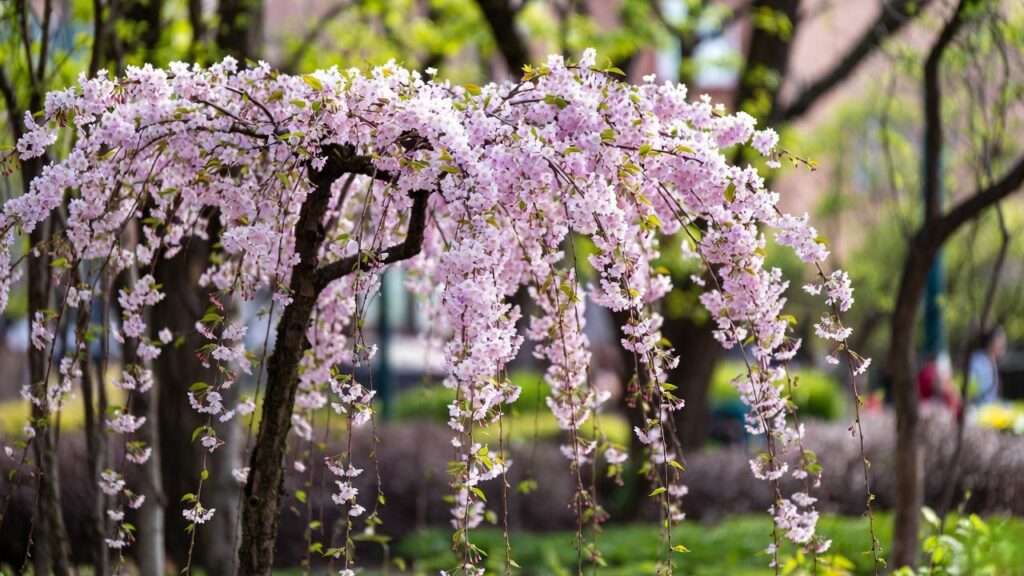
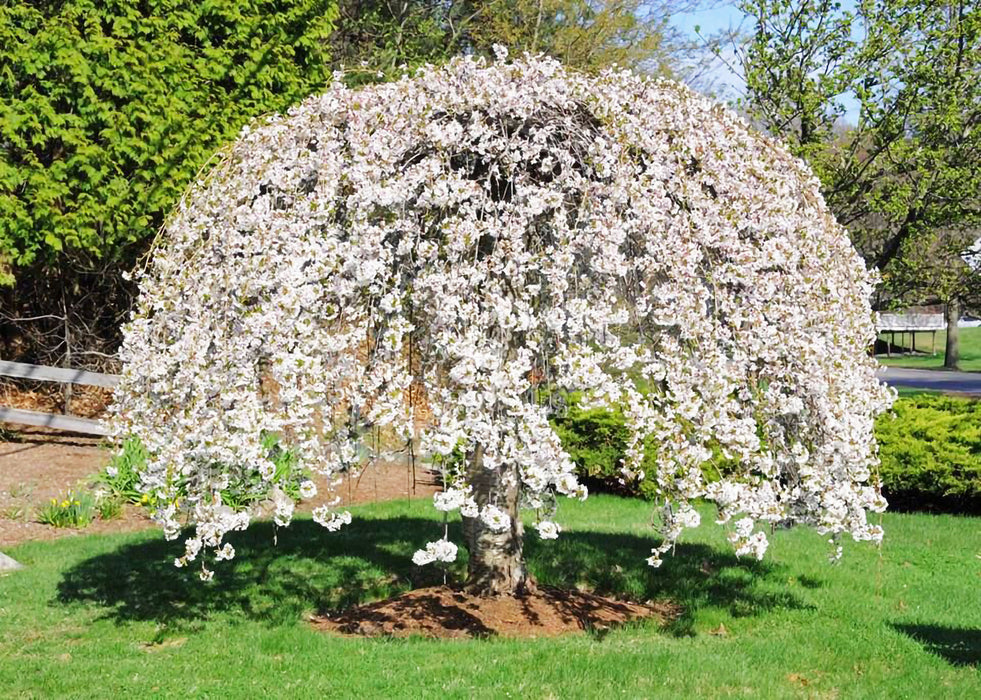
Picture this: A gentle cascade of delicate pink or white blossoms draping gracefully like a living waterfall in your compact garden, balcony, or patio—creating a breathtaking focal point that stops visitors in their tracks. That’s the enchanting magic of the miniature weeping cherry tree, a dwarf ornamental gem that brings the iconic beauty of Japanese cherry blossoms (sakura) right to small-space gardeners. Unlike their larger cousins that demand acres of room, these compact, grafted varieties stay manageably small while delivering explosive spring color and elegant, pendulous branches year-round.
As a horticulturist with over 15 years of hands-on experience cultivating ornamental trees in diverse climates—from urban containers to suburban landscapes—I’ve helped countless clients achieve that dreamy, serene vibe without the hassle of oversized maintenance. Whether you’re battling limited space, dreaming of prolific blooms, or seeking low-maintenance elegance, this ultimate guide to the miniature weeping cherry tree will equip you with expert strategies for success. We’ll cover everything from selection and planting to pruning, pest control, and seasonal care, ensuring your tree thrives for decades. Let’s unlock the secrets to stunning spring displays and effortless year-round beauty! 🍃
Understanding the Miniature Weeping Cherry Tree 🌳
What Makes It “Miniature” and Weeping?
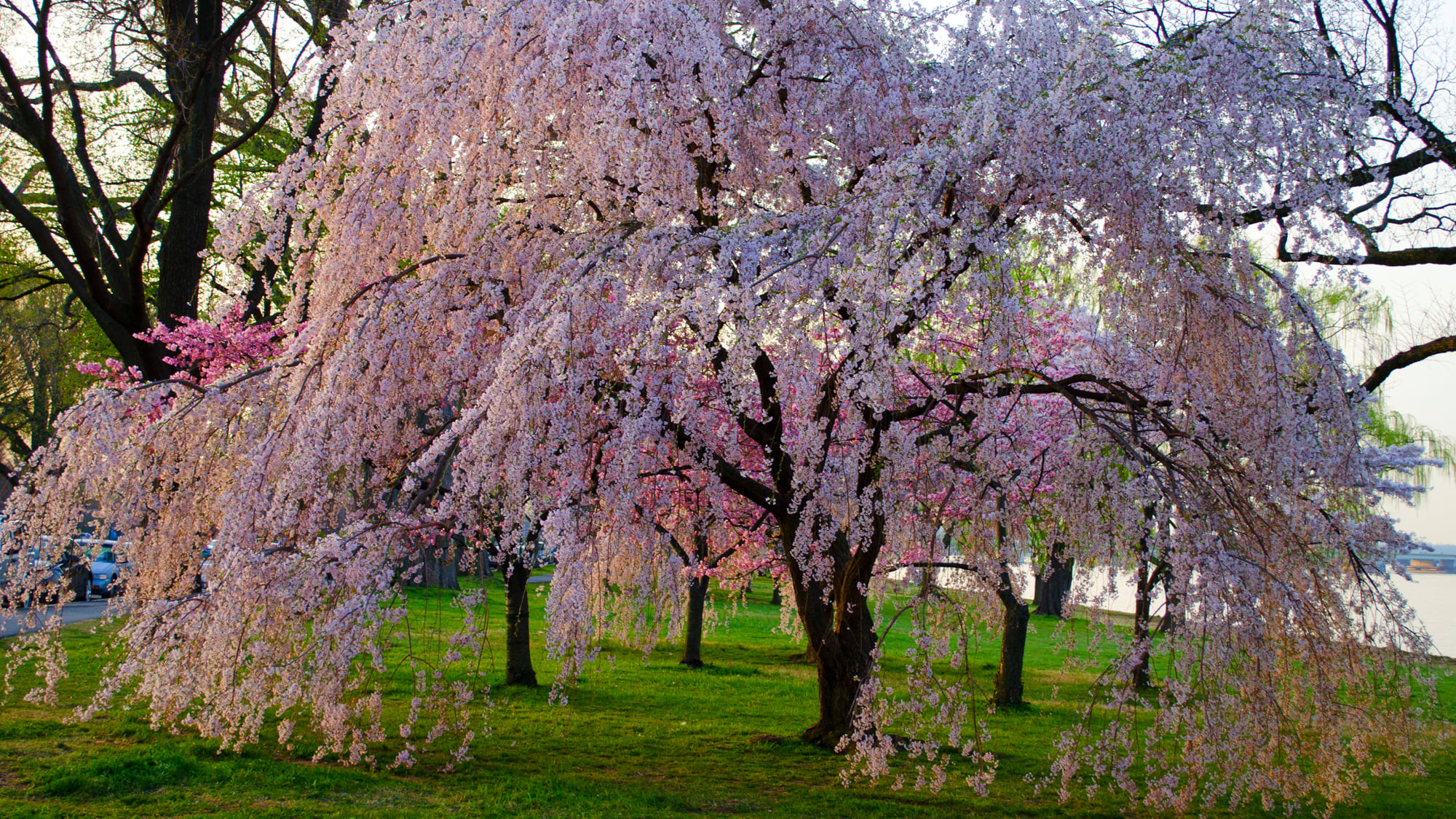
The miniature weeping cherry tree, botanically part of the Prunus genus (often Prunus pendula, Prunus subhirtella, or grafted cultivars), earns its name from two key traits: compact size and graceful drooping branches. Standard weeping cherries can soar to 20-30 feet, overwhelming small yards, but miniature (or dwarf) versions are expertly grafted onto dwarfing rootstock, capping growth at 8-15 feet tall and wide—sometimes even smaller.
The “weeping” form comes from pendulous branches that arc downward, forming an umbrella-like canopy that sways beautifully in the breeze. This grafted structure not only controls height but enhances disease resistance and bloom abundance. These trees are purely ornamental, focusing on flowers rather than edible fruit, making them ideal for decorative landscapes, patios, or as specimen plants in mixed borders.
Popular Varieties for Stunning Displays ✨
Choosing the right cultivar is crucial for matching your space, climate, and aesthetic preferences. Here are some top-performing miniature weeping cherry trees, backed by recommendations from university extensions and nursery trials:
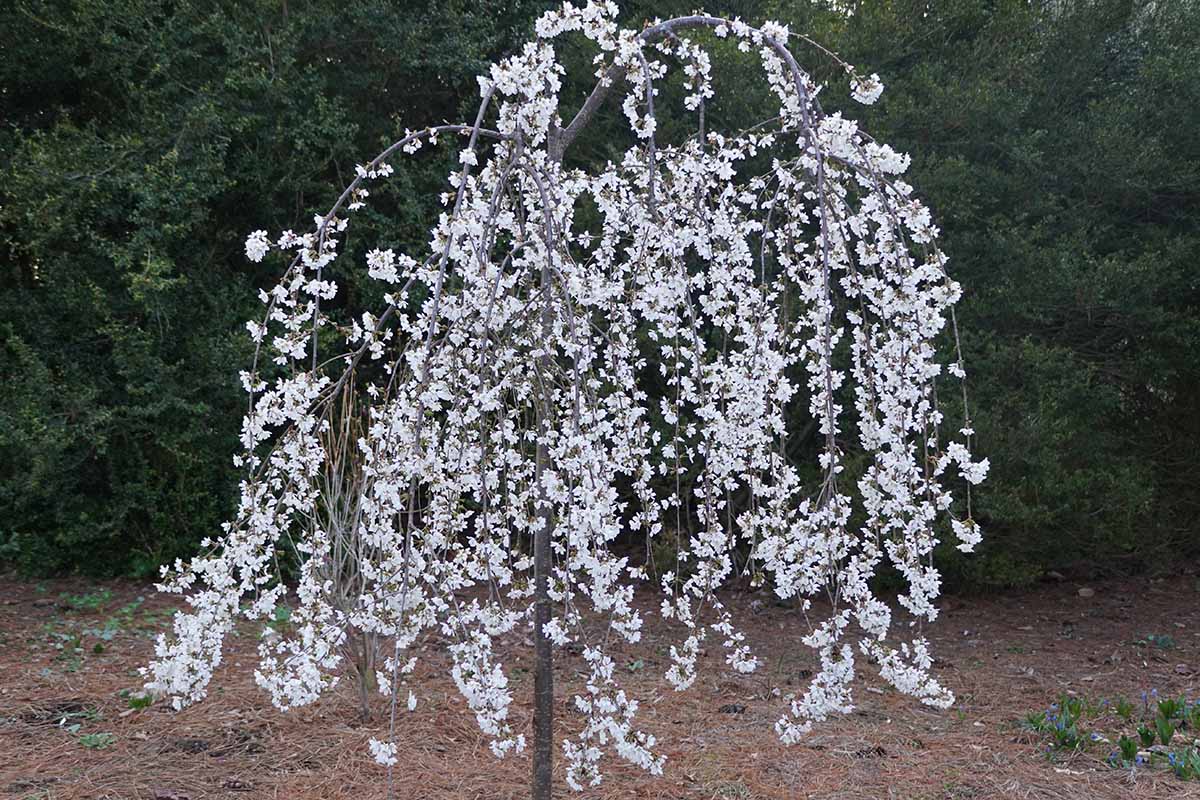
- Snow Fountains® (‘Snofozam’): A slow-growing superstar reaching 8-12 feet, with pure white, single blooms that resemble a snowy fountain in spring. Perfect for containers and cold-hardy to USDA Zone 5. ❄️
- Hiromi: The true pint-sized champion at just 4-7 feet, boasting vibrant pink flowers and a dense, bushy weeping habit. Ideal for tiny gardens or rockeries.
- Pink Snow Showers: Profuse, cascading pink blooms on a 10-15 foot frame—dramatic and reliable for warmer zones.
- Cheal’s Weeping (Kiku-shidare-zakura): Double-flowered ruffled pink petals for extra fluffiness and longer bloom time.
- Falling Snow: Symmetrical white weeping form with early spring flowers, excellent for formal settings.
Most thrive in USDA Zones 5-8, preferring full sun for maximum flowering. Always source from reputable nurseries to ensure true-to-type grafts—avoid big-box unknowns that may revert to upright growth.
Selecting and Planting Your Miniature Weeping Cherry Tree 🪴
Best Time and Location
Timing and site selection are foundational for long-term health. Plant your miniature weeping cherry tree in early spring or fall when temperatures are mild, allowing roots to establish before extreme weather. Full sun—at least 6-8 hours daily—is non-negotiable for abundant blooms; shade leads to sparse flowers and leggy growth.
Avoid low-lying frost pockets where cold air pools, as late frosts can damage emerging buds. These trees tolerate urban pollution well, making them great for city gardens.
Soil Requirements
Dwarf weeping cherries demand well-drained, slightly acidic to neutral soil (pH 6.0-7.0). Heavy clay or soggy conditions invite root rot, a common killer. Test your soil beforehand—amend with organic matter like compost to improve drainage and fertility.
Step-by-Step Planting Guide
Follow these expert steps for optimal establishment:
- Choose a healthy tree with a visible graft union (the bulge near the base) and no circling roots.
- Dig a hole twice as wide as the root ball but no deeper—keep the graft union 2-4 inches above soil level to prevent rot.
- Mix native soil with 30% compost for nutrients and drainage.
- Position the tree, spread roots gently, and backfill firmly.
- Water deeply to settle soil, then apply 2-3 inches of organic mulch (keep it away from the trunk to avoid pests).
- Stake if needed for the first year, especially top-heavy grafted specimens.
Growing in Containers: Perfect for Patios! 🪴
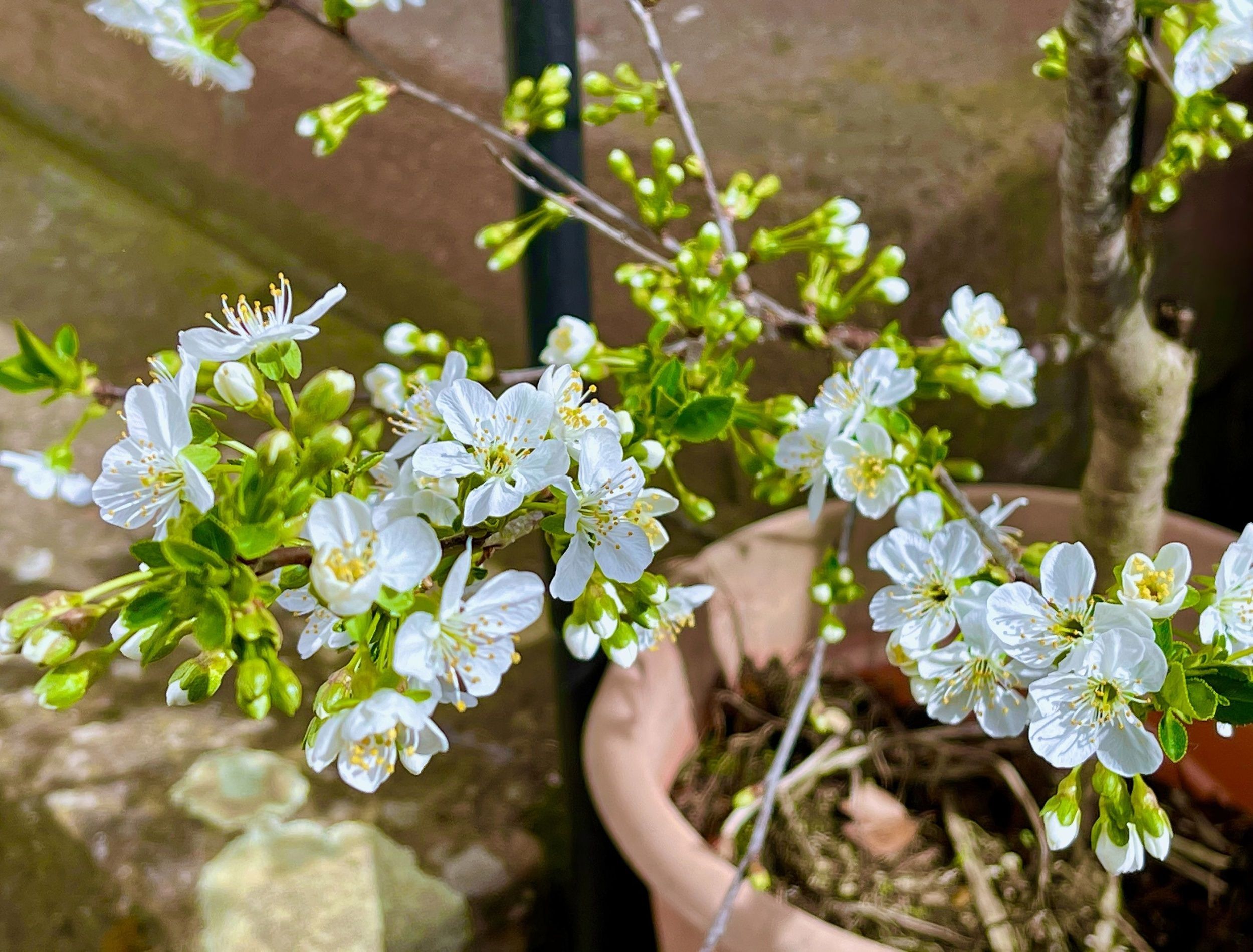
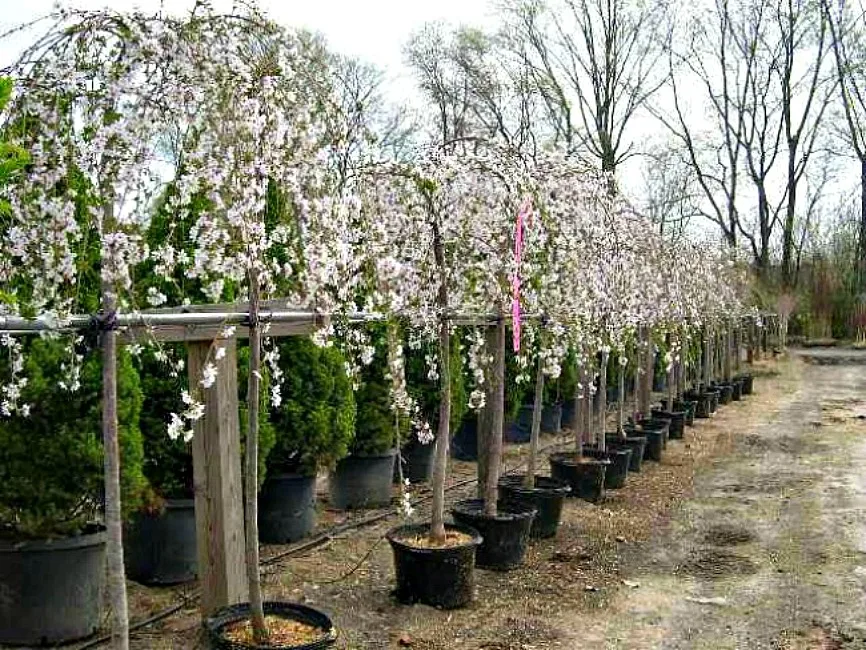
One of the biggest advantages of miniature weeping cherry trees is their container compatibility—transforming balconies or patios into blossom havens. Select ultra-dwarf varieties like Snow Fountains or Hiromi.
Use a large pot (minimum 24-36 inches wide and deep) with drainage holes. Fill with high-quality potting mix amended with perlite for aeration. Water more frequently (check soil moisture weekly), and fertilize regularly since nutrients leach out faster. Repot every 3-5 years or root-prune to maintain size.
Essential Care for Thriving Growth and Blooms 💧
Watering Wisely
Consistent moisture is key to a healthy miniature weeping cherry tree, especially during establishment and dry periods. In the first year, water deeply once or twice weekly, providing about 1-2 inches of water each time—enough to soak the root zone without causing runoff.
Once established (after 2-3 years), these trees become moderately drought-tolerant, but for optimal blooming and foliage health, maintain even soil moisture. Overwatering is a common mistake; always check the top 2-3 inches of soil—if dry, water thoroughly. In hot summers, increase frequency, and use drip irrigation or soaker hoses to deliver water directly to roots, avoiding wet foliage that invites fungal issues.
Pro Tip: In containers, pots dry out faster, so monitor daily in peak heat and ensure excellent drainage to prevent root rot. 🌧️
Fertilizing for Vibrant Health
Feed your dwarf weeping cherry sparingly—over-fertilization leads to excessive leafy growth at the expense of flowers. Apply a balanced, slow-release granular fertilizer (e.g., 10-10-10) in early spring just as buds swell. Use about 1/2 cup per tree, scattered around the drip line and watered in.
For organic options, top-dress with compost or well-rotted manure annually. Avoid late-summer feeding, as it encourages tender growth vulnerable to winter damage. Soil tests every 3 years help tailor nutrients; many cherries benefit from slight acidity.
Expert Insight: If blooms are lackluster despite good sun, a phosphorus boost (bone meal) can encourage flowering without promoting suckers from the rootstock.
Mulching and Winter Protection
Mulching is a game-changer for moisture retention, weed suppression, and temperature moderation. Apply 2-4 inches of organic mulch (bark chips, shredded leaves) in a ring around the base, extending to the drip line but keeping it 3-4 inches away from the trunk to deter rodents and disease.
Refresh mulch yearly in spring. In colder zones (5-6), add extra protection for young trees: wrap trunks with tree guards against sunscald and rodents, or mound soil/mulch over the graft union. For potted specimens, move to an unheated garage or insulate pots during deep freezes below -10°F. ❄️
Pruning Your Miniature Weeping Cherry Tree: Maintain That Graceful Shape ✂️
When and Why to Prune
Pruning is minimal for miniature weeping cherry trees—their natural form is the star. Over-pruning can ruin the cascade and reduce blooms, as flowers form on older wood. Prune primarily to remove dead, diseased, or damaged branches, improve airflow, and control size if needed.
Best timing: Late winter while dormant (before sap rises) or right after flowering in early summer. Avoid fall pruning, which invites infection through open wounds during wet weather.
Key Pruning Tips
- Preserve the Weep: Never cut the tips of pendulous branches unless removing deadwood—these are what create the fountain effect.
- Remove Suckers and Water Sprouts: Vigilantly cut any upright shoots emerging from below the graft union or roots—they’re vigorous rootstock growth that saps energy and can overtake the weeping top.
- Thin for Health: Remove crossing/rubbing branches and inward-growing ones to prevent fungal buildup.
- Shape Lightly: If too wide, selectively shorten side branches by no more than 25% in one season.
- Use clean, sharp tools; disinfect between cuts on diseased wood.
Real-World Example: In my experience with clients’ Snow Fountains trees, consistent sucker removal alone transformed leggy specimens into full, blooming beauties within two seasons.
Before and after visuals highlight the difference proper (minimal) pruning makes:
Common Problems and Expert Solutions 🛠️
Pests to Watch For
Though relatively pest-resistant, keep an eye out:
- Aphids: Curled leaves and sticky honeydew—blast with water or apply neem oil/insecticidal soap early.
- Spider Mites: Stippled foliage in hot/dry conditions—increase humidity and use miticides if severe.
- Cherry Borers: Wilting branches with sawdust-like frass—prevent with healthy practices; severe infestations may require professional removal.
- Tent Caterpillars: Webbed nests—hand-remove or use Bacillus thuringiensis (BT) spray.
Integrated pest management starts with strong cultural care—healthy trees resist better.
Diseases and Prevention
Fungal issues are the main threat in humid climates:
- Powdery Mildew: White coating on leaves—improve air circulation via spacing/pruning and apply fungicides preventively.
- Brown Rot/Blossom Blight: Browned flowers and mummified fruit—remove affected parts and use copper-based sprays in spring.
- Bacterial Canker: Sunken lesions on bark—prune in dry weather; avoid wounds.
- Root Rot: Yellowing/wilting from poor drainage—plant high and amend soil.
Expert Insight: Grafted trees are prone to issues at the union—inspect annually and protect from mechanical damage (lawnmowers!).
Additional Troubleshooting
Non-blooming? Check age (trees bloom reliably after 3-5 years), sun exposure, pruning errors, or nutrient imbalance. Frost damage on buds? Site in protected spots.
Year-Round Beauty and Seasonal Tips 📅
Your miniature weeping cherry tree shines across seasons:
- Spring: Peak bloom spectacle—deadhead spent flowers gently to tidy and encourage energy storage. Fertilize post-bloom if needed. 🌸
- Summer: Lush green canopy provides shade; monitor water/pests. Light trim after bloom if necessary.
- Fall: Subtle bronze or yellow foliage—reduce water as dormancy approaches. Clean fallen leaves to prevent disease carryover.
- Winter: Bare branches showcase elegant structure—minimal care beyond protection in harsh zones.
Companion Planting Idea: Underplant with spring bulbs (tulips, daffodils) or groundcovers like vinca for a layered look.

Frequently Asked Questions (FAQs) ❓
Q: How fast does a miniature weeping cherry tree grow? A: Expect slow to moderate growth of 6-18 inches annually, depending on variety and conditions. Most reach mature size in 10-15 years. 🌱
Q: Can it produce edible fruit? A: Occasionally small cherries appear, but they’re bitter and bird food—not for eating. These are ornamental, not fruiting cherries.
Q: Is my miniature weeping cherry tree deer-resistant? A: Moderately; young branches may be browsed. Use repellents, fencing, or plant deer-resistant companions nearby.
Q: Why isn’t my tree blooming profusely? A: Top causes: Insufficient sunlight (<6 hours), improper pruning (removing flower buds), young age, nutrient excess, or late frost damage. Address systematically.
Q: How long do these trees live? A: With good care, 30-50 years or more—I’ve maintained client trees thriving past 40!
Q: Can I bonsai a miniature weeping cherry? A: Yes, dwarf varieties adapt well to bonsai techniques for stunning miniature cascades.
Conclusion: Unlock Eternal Spring in Your Garden! 🌸
The miniature weeping cherry tree isn’t just a plant—it’s a living masterpiece that brings joy, tranquility, and seasonal wonder to even the smallest spaces. By following this comprehensive guide—rooted in proven horticultural practices from university extensions, nursery expertise, and my own decades of field experience—you’ll enjoy cascades of stunning blooms, graceful form, and minimal upkeep for years to come.
Whether in-ground or potted, these dwarf gems solve the challenge of big beauty in limited areas. Start planning your planting today, and watch your garden transform into a perennial sakura paradise. Happy gardening! 🍒✨











