
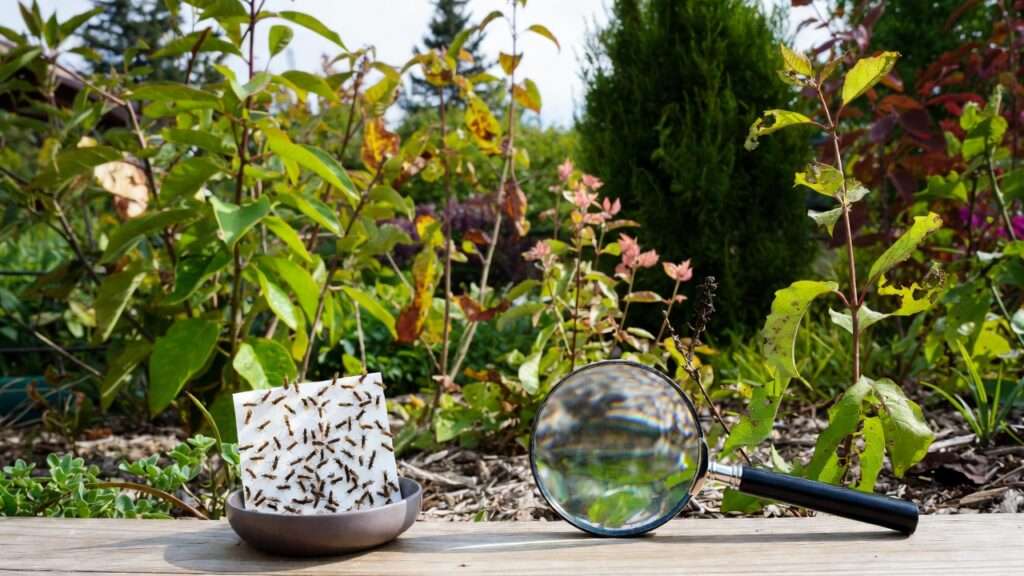
Imagine stepping into your garden on a crisp spring morning, only to find tender new shoots curled and distorted, or your prized fruit tree dotted with tiny crawling invaders that appeared seemingly overnight. 😱 Heartbreaking, right? These surprise attacks from pests can turn a thriving landscape into a battleground, leading to stunted growth, reduced yields, weakened trees, and even plant death if left unchecked.
The good news? Monitoring for pests each season is the single most powerful habit you can adopt to prevent these disasters. As a plant care expert with years of experience guiding home gardeners through seasonal challenges, I’ve seen firsthand how consistent, proactive scouting—rooted in Integrated Pest Management (IPM) principles—transforms vulnerable gardens into resilient, vibrant ecosystems. This isn’t about constant spraying or panic; it’s about smart observation, early detection, and gentle, eco-friendly interventions that protect your plants, beneficial insects, pollinators, and the environment. 🌍🐝
In this in-depth guide, we’ll cover everything you need to stay one step ahead: understanding pest life cycles by season, essential tools and inspection techniques, common threats to watch for, step-by-step IPM responses, record-keeping tips, and real-world strategies to make monitoring effortless and effective. Whether you’re tending a small backyard plot, a vegetable garden, ornamental shrubs, or mature landscape trees, these practices will help you achieve healthier plants, fewer headaches, and more enjoyment from your green space year-round. Let’s get started! 🌱
Why Monitoring for Pests Each Season Is Essential for Plant and Tree Health
Pests don’t wait for an invitation—they exploit vulnerabilities like stressed plants, poor airflow, or favorable weather. Ignoring early warning signs often leads to exponential damage: a few aphids in spring can explode into hundreds by summer, spreading viruses and weakening hosts. Over time, unchecked infestations invite secondary issues like sooty mold, fungal diseases, or borers entering through wounds. The economic toll? Reduced fruit/flower production, costly replacements, and increased pesticide reliance that harms beneficial wildlife. 😔
Monitoring for pests each season flips the script. By catching problems at low levels, you prevent outbreaks, minimize interventions, and promote natural balance. This aligns perfectly with IPM, a science-backed approach endorsed by university extensions worldwide (like NC State, UC IPM, and EPA guidelines). IPM prioritizes prevention over cure: healthy plants resist pests better, beneficial insects keep populations in check, and targeted actions only occur when thresholds are met.
Key benefits include:
- Healthier, more vigorous plants — Early detection stops nutrient drain and stress.
- Eco-friendly gardening — Reduced chemical use protects bees, ladybugs, birds, and soil life. 🐞
- Cost and time savings — Preventative scouting avoids expensive treatments or replanting.
- Long-term resilience — Spotting patterns helps you choose resistant varieties or adjust care.
University extension resources emphasize weekly checks during active growth and bi-weekly in dormant periods for best results. Start small—one plant or bed—and build the habit. Your garden will thank you with lush foliage and abundant blooms! 💚
Understanding Seasonal Pest Cycles: What to Expect Throughout the Year
Pests are seasonal opportunists, synced to temperature, plant growth stages, and weather patterns. Knowing what to expect helps you time inspections perfectly.
Spring: Awakening and Rapid Reproduction 🌸
As temperatures rise and buds swell, overwintered eggs hatch and adults emerge. New, succulent growth is irresistible!
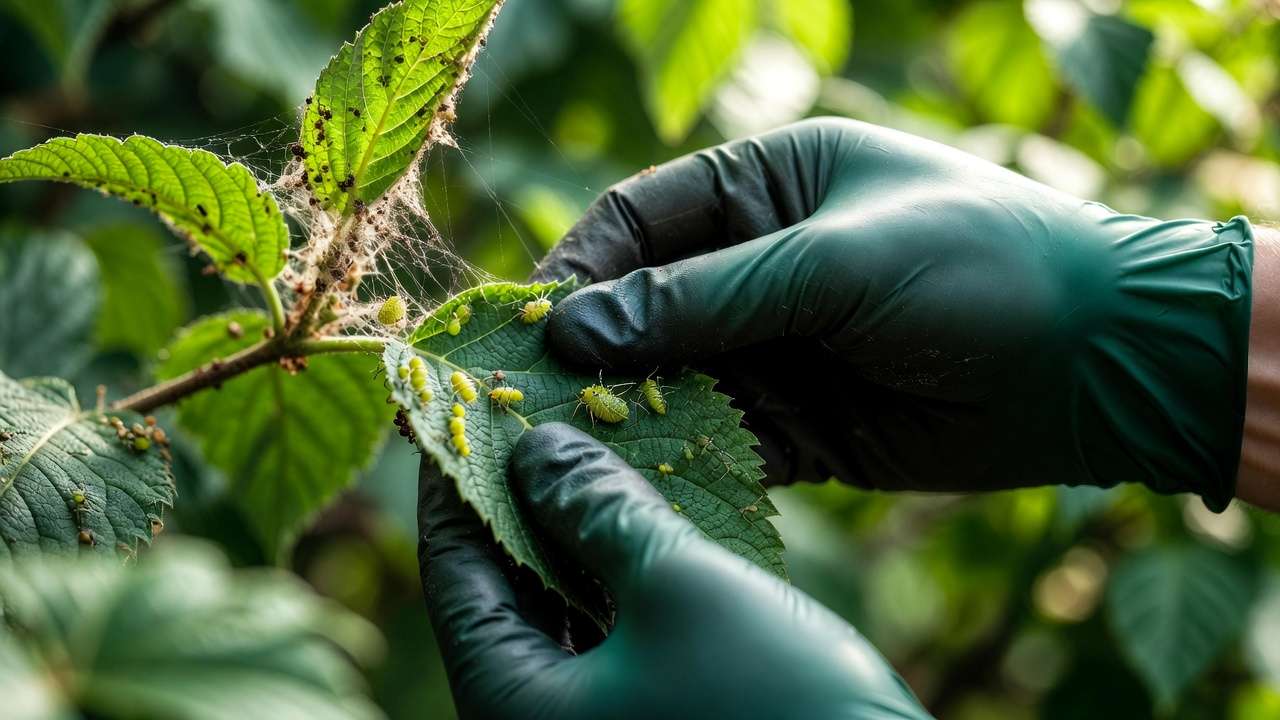
- Common threats: Aphids clustering on tips, cutworms severing seedlings at soil level, flea beetles riddling young leaves with tiny holes, scale crawlers on woody plants.
- Why early monitoring matters: Populations explode quickly—weekly checks in March-May catch them before they spread.
- Signs to watch: Sticky honeydew, curled leaves, black sooty mold, wilting seedlings.
Summer: Peak Activity and Heat-Driven Outbreaks ☀️
Hot, dry conditions stress plants while accelerating pest reproduction.
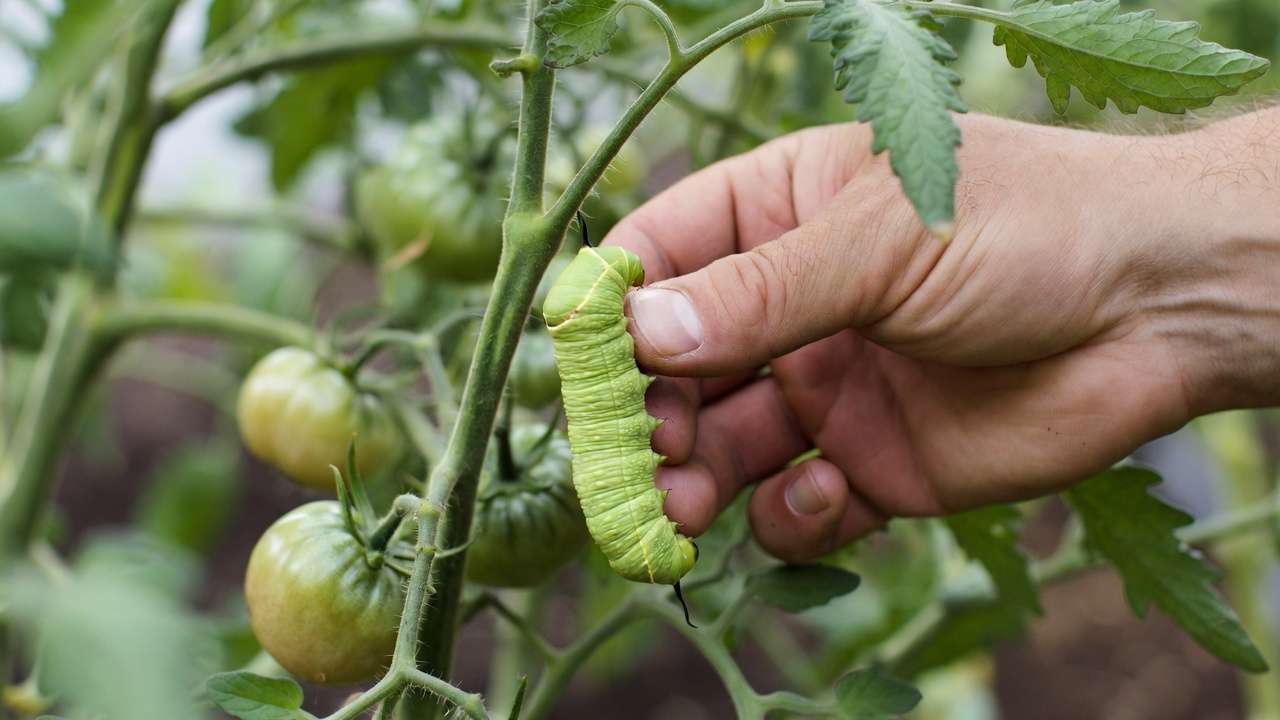
- Hotspots: Spider mites webbing undersides in drought, Japanese beetles skeletonizing leaves, tomato hornworms stripping foliage, squash bugs and stink bugs damaging fruits/veggies.
- Increased vigilance: Twice-weekly scouting needed as generations overlap.
- Pro tip: Afternoon heat drives mites; check undersides in morning dew for easier spotting.
Fall: Preparation for Survival and Late-Season Invaders 🍂
Pests seek overwintering sites; late invaders target maturing crops.
- Focus: Slugs/snails in damp mulch, root pests like grubs migrating down, overwintering scales/borers settling on bark.
- Sanitation scouting: Remove debris to deny hiding spots—prevents next year’s outbreaks.
Winter: Dormant but Not Defenseless ❄️
Even in cold months, some pests persist.
- Look for: Scale insects and mite eggs on branches, rodent girdling under snow, emerald ash borer exit holes or D-shaped marks on bark.
- Tree-specific checks: Inspect bark cracks, cankers, and trunk bases during mild days—winter monitoring prevents spring surprises.
By aligning your routine with these cycles, you intercept pests at vulnerable stages, often before damage shows. 🌳
Essential Tools and Techniques for Effective Pest Monitoring
Professional-level scouting starts with the right gear—simple, affordable, and game-changing! 🔍
Must-have tools:
- 10x hand lens or jeweler’s loupe — Reveals tiny aphids, mites, eggs, or beneficial larvae.
- Sticky traps (yellow for aphids/whiteflies/fungus gnats, blue for thrips) — Monitor flying pests passively.
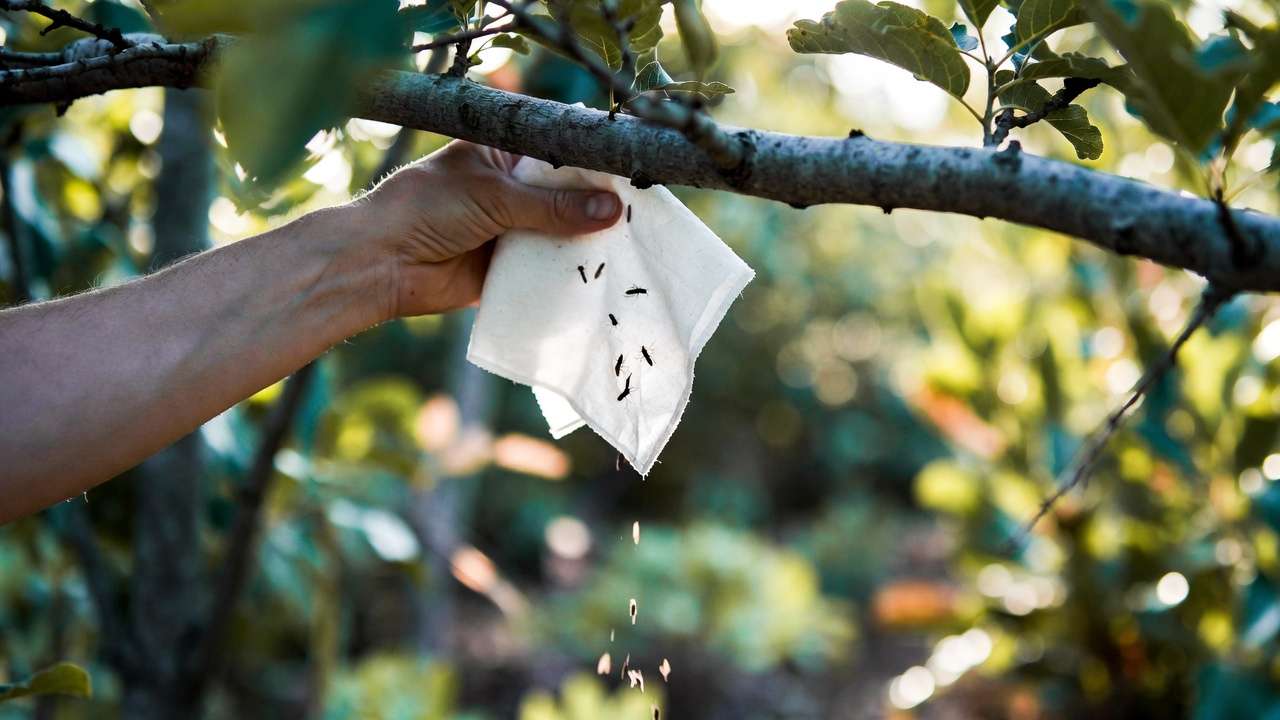
- Beating sheet (white cloth or paper) — Tap branches to dislodge insects for counting.
- Notebook or app (like Garden Journal or iNaturalist) — Log dates, pests, severity, weather, and photos.
- Pheromone traps — For specific threats like codling moth in fruit trees.
- Smartphone camera — Zoom in for ID help or share with experts.
How to Conduct a Thorough Plant Inspection (Step-by-Step Checklist):
- Start from a distance: Note overall vigor, discoloration, wilting, or unusual growth.
- Move close: Examine leaf tops, undersides (where mites/aphids hide), stems, buds, flowers, fruits, and soil line.
- Use the “tap test”: Hold white paper underneath and tap branches—count dislodged pests.
- Check trunks/bases: Look for borers, scales, or rodent damage.
- Best times: Early morning (pests active, dew highlights webbing) or evening.
- Frequency: Weekly in spring/summer, bi-weekly in fall/winter—or after weather events like rain/heat waves.
- Pro tip: Focus on “indicator plants” (pest-prone varieties) and “key plants” (high-value trees/shrubs).
With practice, a full garden scout takes 15-30 minutes but saves hours of crisis management! 📸
Common Pests to Watch For by Plant Type and Season
Targeted focus saves time—prioritize high-risk areas.
Vegetable Garden and Annual Plants 🥕
- Spring: Aphids on brassicas, flea beetles on seedlings.
- Summer: Caterpillars (loopers, hornworms), stink bugs, squash vine borers.
- Fall: Slugs in wet conditions, late blight carriers.
Ornamental Flowers and Shrubs 🌺
- Spider mites (hot/dry summers), lace bugs on azaleas/oaks, thrips on roses/gladioli.
Fruit Trees and Edibles 🍎
- Codling moth in apples/pears, apple maggot, borers at trunk bases.
- Monitor fruit clusters, new growth, and bark.
Landscape Trees and Woody Plants 🌲
- Scale insects, bagworms (evergreens), emerald ash borer signs, tent caterpillars in spring.
- Winter: Bark inspections for overwintering stages.
Use local extension resources for region-specific lists—pests vary by climate!
Integrated Pest Management: What to Do After Detection 🛠️🐛
The real power of monitoring for pests each season lies in what you do next. Spotting a problem early gives you the widest range of gentle, low-impact solutions before the situation spirals. Integrated Pest Management (IPM) follows a clear, stepped pyramid of control methods—always starting with the least toxic and most sustainable options.
Here’s the IPM decision-making hierarchy most university extension services recommend:
- Prevention & Cultural Controls (First & Most Important)
- Choose pest-resistant plant varieties when possible (e.g., ‘Celebrity’ tomatoes for better hornworm tolerance).
- Maintain plant health: proper watering (avoid overhead in evenings), balanced fertilization, good spacing for airflow, mulching to suppress weeds and retain moisture.
- Rotate annual crops yearly to disrupt pest life cycles.
- Remove and destroy infested plant debris in fall—don’t compost diseased material.
- Encourage biodiversity: plant pollen-rich flowers (marigolds, alyssum, dill) to attract predatory insects.
- Mechanical & Physical Controls (Quick, Non-Chemical Wins)
- Hand-pick larger pests (hornworms, Japanese beetles, bagworms) into soapy water—do this in early morning when insects move slowly.
- Blast aphids, spider mites, and whiteflies off plants with a strong jet of water (repeat every 2–3 days).
- Use row covers or fine insect netting on young vegetables to block egg-laying adults.
- Prune out heavily infested tips or branches and dispose of them far from the garden (seal in bags).
- Yellow sticky traps catch flying adults; blue traps target thrips.
- Biological Controls (Let Nature Do the Heavy Lifting) 🐞🦋
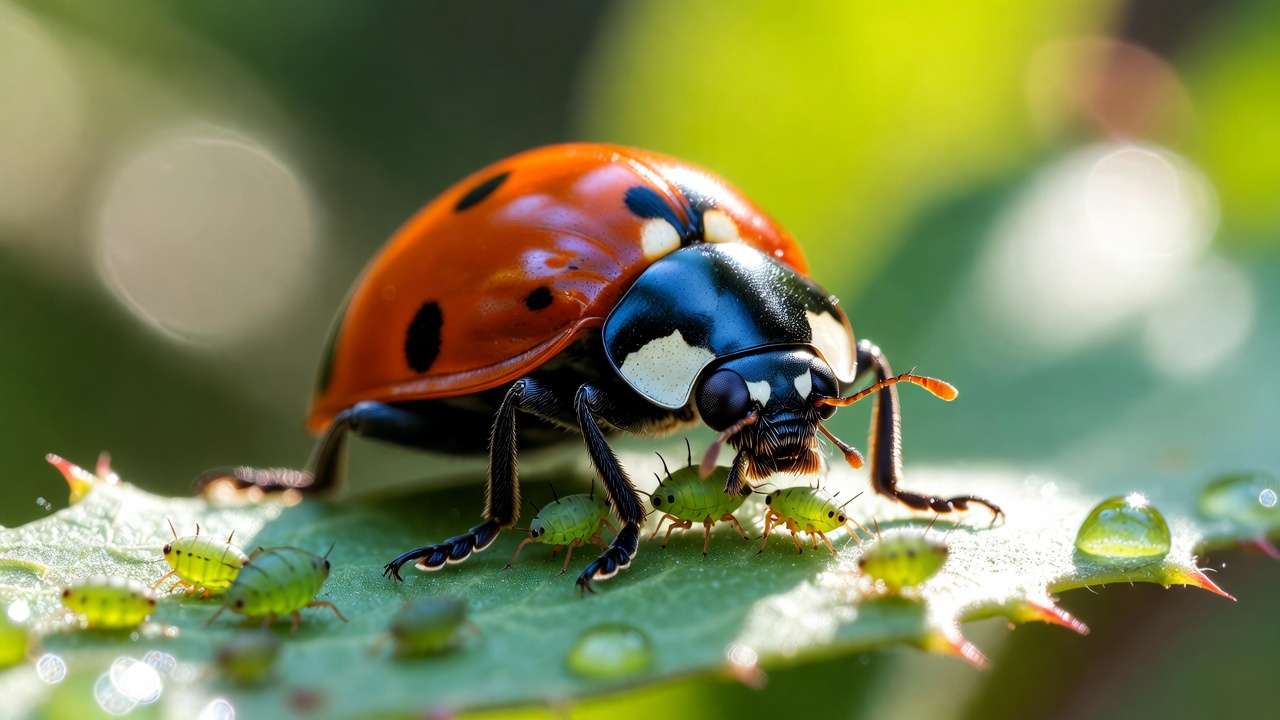
- Release or encourage natural enemies: ladybugs & lacewings devour aphids, parasitic wasps target caterpillars, predatory mites eat spider mites.
- Avoid broad-spectrum insecticides—they kill the good guys too.
- Provide habitat: shallow dishes of water with pebbles for beneficial insects, bundles of hollow stems for predatory wasps to overwinter.
- Organic & Least-Toxic Chemical Controls (Only When Thresholds Are Met)
- Insecticidal soap or neem oil — excellent for soft-bodied pests (aphids, mites, whiteflies). Apply in evening to avoid burning leaves and harming bees.
- Bacillus thuringiensis (Bt) subsp. kurstaki — targets caterpillars specifically; safe for most beneficials.
- Horticultural oils (dormant or summer oils) — smother scale, mite eggs, and overwintering stages on woody plants.
- Diatomaceous earth (food-grade) — creates a physical barrier against crawling insects like slugs and flea beetles.
Key IPM rule: Treat only when economic/aesthetic thresholds are reached. Examples:
- 10+ aphids per growing tip on roses
- 5+ Japanese beetles per small fruit tree
- Visible webbing or stippling on >20% of leaves from spider mites
Treating below threshold often does more harm than good by disrupting natural enemies.
Record-Keeping and Long-Term Strategies for Success 📓📅
Great monitoring becomes unstoppable when paired with good records. A simple pest journal turns random observations into powerful predictive intelligence.
What to record each inspection:
- Date & weather conditions (temperature, humidity, recent rain)
- Plant/species inspected
- Pests found (name or description + photo)
- Location on plant (buds, undersides, trunk, roots)
- Severity (light / moderate / heavy)
- Actions taken & results observed next visit
- Beneficial insects spotted (count ladybugs, lacewing eggs, etc.)
Tools to make it easy:
- Free apps: iNaturalist (great for ID help via community), PictureThis, or PlantNet
- Garden-specific journals: MyIPM (developed by Clemson & other extensions), GrowIt, or a simple Google Sheet
- Printed seasonal checklists from your local cooperative extension
Long-term payoffs:
- Spot recurring hot spots → target prevention there next year
- Identify patterns tied to weather → adjust scouting timing
- Discover which companion plants reduce pest pressure (e.g., nasturtiums trap aphids away from vegetables)
- Build a history that informs smarter plant selection and layout
After 2–3 seasons of consistent records, many gardeners report cutting pesticide use by 70–90% while enjoying healthier plants.

Expert Tips and Real-World Examples from Seasoned Gardeners 🌟
- “I used to dread Japanese beetle season until I started daily morning hand-picking for just 10 minutes. Numbers dropped dramatically by year two.” — Master Gardener, Zone 6
- In hot, humid regions: Check tomato undersides twice weekly in July–August; early hornworm removal prevents total defoliation.
- For trees: Winter is prime time to spot scale and borer entry holes when leaves aren’t hiding damage. A 5-minute walk around the trunk base in January can save a tree.
- Climate change reality: Warmer winters and earlier springs mean many pests (aphids, mites) now have an extra generation per year. Increase scouting frequency by 20–30% compared to 20 years ago.
- Bonus trick: Plant “trap crops” (radishes for flea beetles, nasturtiums for aphids) and monitor those first—they show problems before your main crops do.
Frequently Asked Questions (FAQs) ❓
Q: How often should I monitor in different seasons? A: Weekly during active growth (spring–early fall), every 10–14 days in cooler months. After storms, heat waves, or new transplants—check immediately.
Q: What if I spot damage but can’t identify the pest? A: Take close-up photos (top & underside), note plant type and symptoms, then submit to your local cooperative extension, a trusted ID app, or online gardening forums with regional experts.
Q: Can monitoring really eliminate all pests? A: No garden is pest-free, but consistent monitoring keeps damage below noticeable levels for most plants and drastically reduces the need for interventions.
Q: Are there good apps for pest monitoring and identification? A: Yes! iNaturalist and Seek (by iNaturalist) are excellent for community-verified IDs. MyIPM (Southeastern U.S. focused but useful broadly) provides thresholds, photos, and management options.
Q: Is it worth monitoring fruit trees in winter? A: Absolutely—scales, mite eggs, and early borer signs are easiest to see on bare branches. Dormant oil sprays timed correctly can prevent huge spring outbreaks.
Conclusion: Make Seasonal Monitoring Your Garden Superpower 🌳💪
Monitoring for pests each season isn’t glamorous, but it is the quiet secret behind the most beautiful, productive, and resilient gardens. By investing just a few minutes weekly (or bi-weekly in quieter months), you shift from reactive crisis management to calm, confident stewardship.
Start small this week: choose one high-value plant or tree, do a thorough inspection, record what you see, and commit to checking it again in seven days. That single habit will compound into healthier soil, stronger plants, thriving beneficial insects, fewer pest headaches, and far more joy in your garden.
Your trees and plants are counting on you—and they’ll reward you with lush growth, abundant blooms, and delicious harvests season after season. Here’s to pest-smart gardening and thriving green spaces all year long! 🌿✨











