
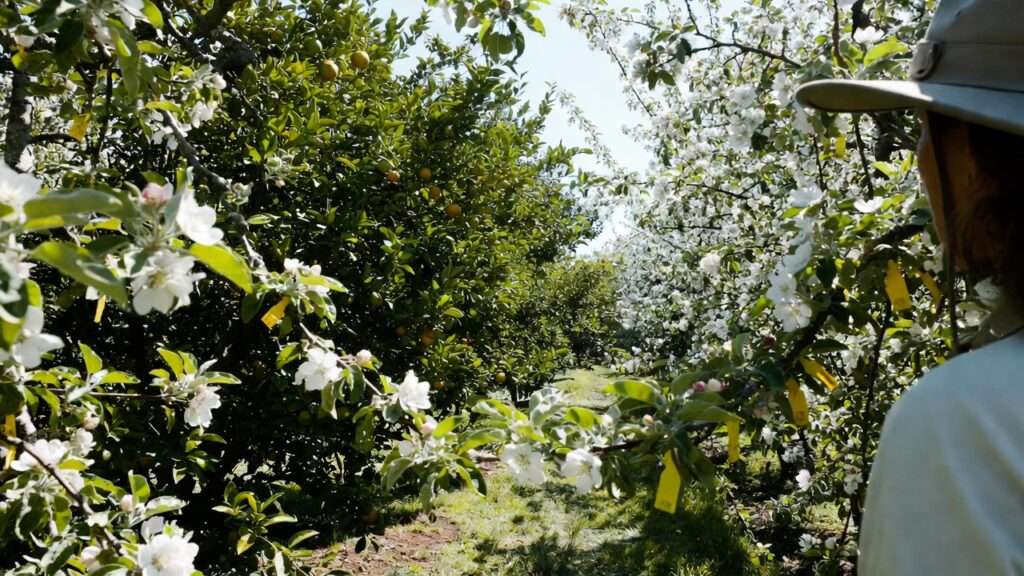
Have you ever watched your fruit tree explode with beautiful blossoms in spring, only to find most of those promising little fruits mysteriously disappearing by early summer? 😔 You’re standing under your apple, peach, or mango tree, staring at a carpet of tiny dropped fruitlets, wondering where your harvest went wrong. This heartbreaking scene is incredibly common — and the good news is, it’s often preventable.
Monitoring fruit set and drop is the key to turning potential disappointment into a bountiful, high-quality yield. Fruit set refers to the successful transition from flower to young fruitlet after pollination, while fruit drop is the natural or excessive shedding of those developing fruits at various stages. By systematically tracking these processes, you can spot problems early, understand what’s stressing your trees, and take targeted action to save more fruit — often boosting your final harvest by 20–50% or more. In this ultimate guide, we’ll walk you through everything from the science behind set and drop to practical, step-by-step monitoring methods, interpretation tips, and proven strategies to maximize yield. Whether you’re a home gardener in a backyard orchard or managing a small plot, these insights — drawn from university extension research (like Penn State, WSU, UF/IFAS, and MSU) and real-world grower experience — will help you grow healthier trees and enjoy bigger, better harvests. Let’s dive in! 🌟
Understanding Fruit Set and Drop: The Basics Every Grower Needs 📚
What Is Fruit Set? Fruit set is the critical phase where pollinated flowers develop into young fruitlets. Successful pollination (usually by bees 🐝 or wind) triggers hormone changes that prevent the flower from aborting and start fruit growth. In ideal conditions, 20–50% of flowers might set fruit, depending on the species — apples often aim for 20–30% final set after natural thinning, while mangoes or citrus can vary widely.
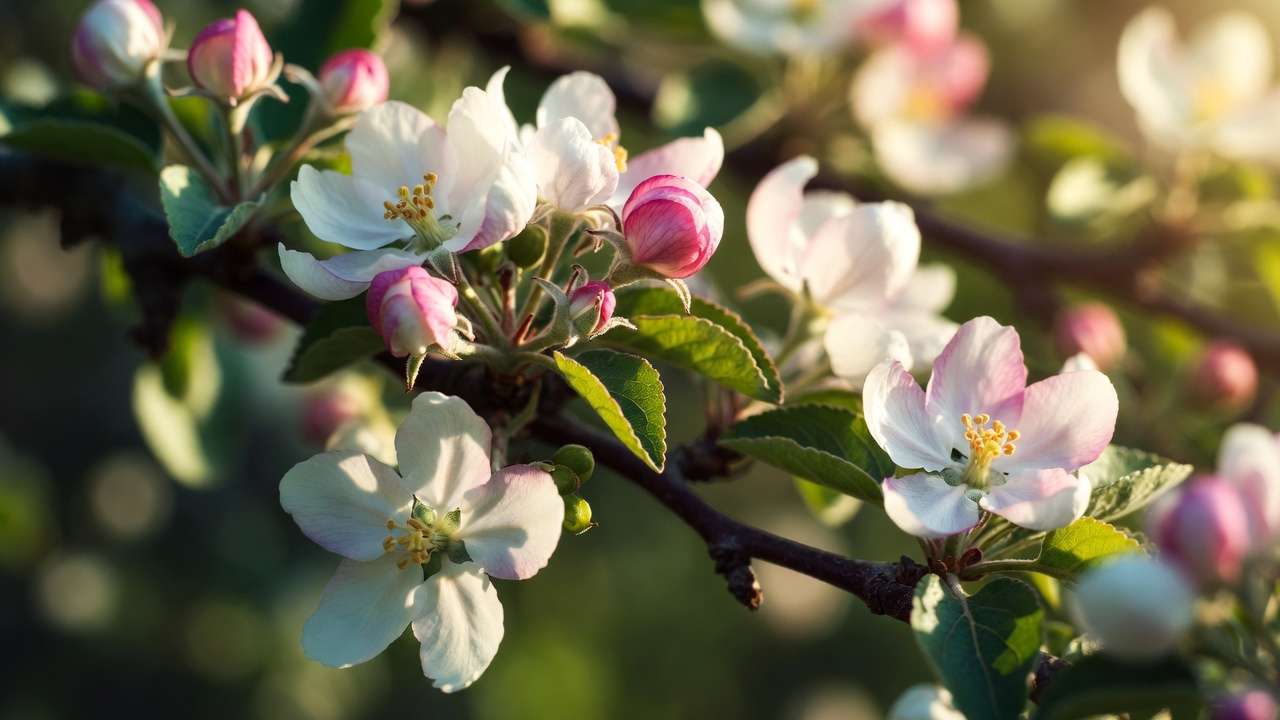
The Natural Phases of Fruit Drop Fruit drop isn’t always bad — it’s often nature’s way of balancing crop load so the tree doesn’t exhaust itself.
- Post-bloom drop (immediate after petal fall): Weak or unpollinated flowers abort.
- June drop (late spring/early summer, often May–July): The famous “physiological thinning” where trees shed excess fruitlets due to carbohydrate competition. This is especially common in apples, peaches, plums, and citrus.
- Pre-harvest drop (weeks before picking): Mature fruit loosens as ethylene rises and abscission zones form.
A simple timeline infographic would show: Bloom → Petal fall → Fruit set (4–10 days post-bloom) → June drop → Pre-harvest drop. Knowing these stages helps you distinguish normal from problematic drop. 📅
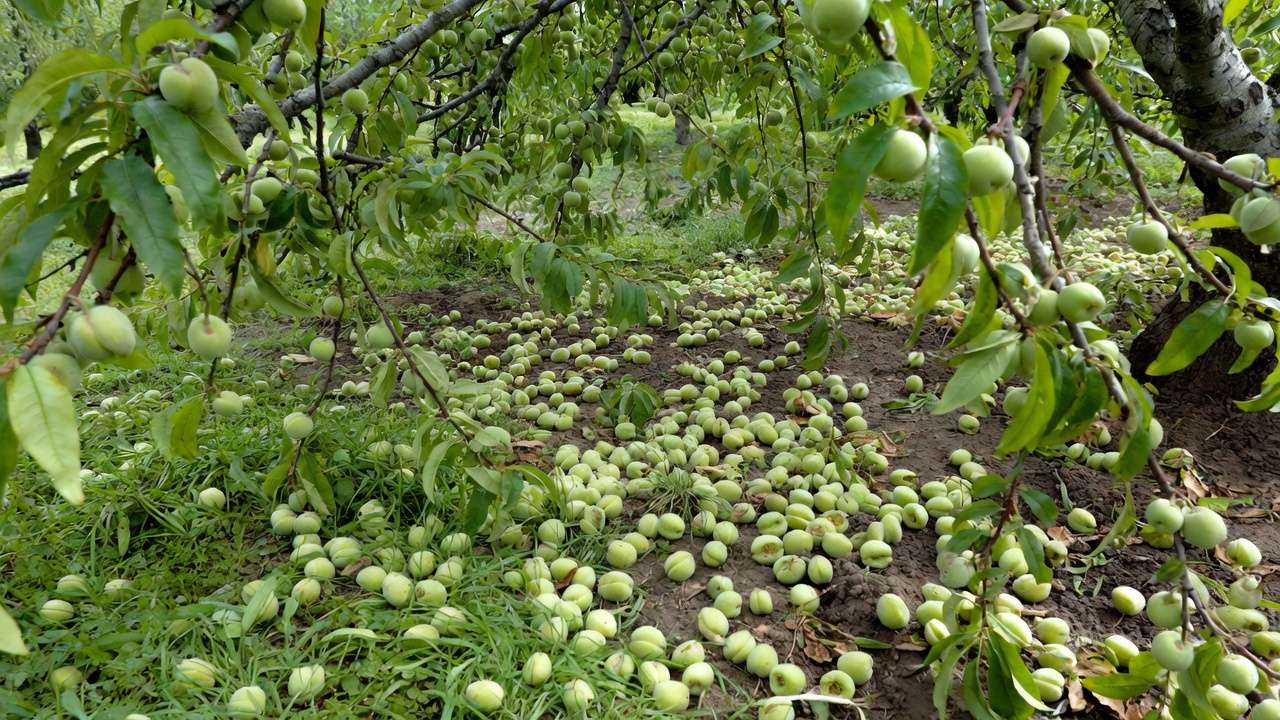
When Drop Becomes a Problem Excessive or untimely drop — like losing 70%+ of set fruitlets or heavy pre-harvest shedding — signals issues. This reduces yield, quality, and can trigger biennial bearing (heavy crop one year, light the next). Early monitoring catches these red flags before it’s too late.
Why Monitor Fruit Set and Drop? Real Benefits for Your Trees and Harvest 💪
Consistent monitoring delivers huge payoffs:
- Maximize yield quantity and quality 🍏 — Retain more healthy fruit for larger, tastier produce.
- Prevent biennial bearing — Balanced crops year after year.
- Optimize resources — Save water, nutrients, and labor by intervening only where needed.
- Early warning system — Detect pests, diseases, nutrient gaps, or weather stress fast.
- Data-driven decisions — Track progress season after season for smarter variety choices and management.
Growers who monitor regularly report fewer surprises and more consistent harvests — turning guesswork into strategy. 🚀
Key Causes of Poor Fruit Set and Excessive Fruit Drop 🕵️♂️
Understanding root causes is essential for effective fixes. Here’s a comprehensive breakdown backed by extension services:
Environmental Stressors 🌧️❄️
- Frost or cold snaps during bloom kill pollen or ovules.
- High winds, heavy rain, or hail damage flowers/fruitlets.
- Drought or heat waves post-set cause water stress, reducing carbohydrate supply.
Pollination Issues 🐝
- Insufficient bees or pollinators due to weather, pesticides, or lack of compatible varieties.
- Poor pollen viability from incompatible cultivars or extreme temperatures (<60°F or >100°F).
Nutritional Imbalances
- Deficiencies in boron, zinc, or calcium impair pollination and retention.
- Excess nitrogen promotes leafy growth over fruit set.
Water & Irrigation Problems 💧
- Inconsistent watering stresses trees, especially during fruit development — UF/IFAS research shows water stress spikes premature drop in citrus.
Pests and Diseases
- Aphids, mites, codling moth, or fungal issues (scab, brown rot) weaken trees and trigger drop.
- HLB in citrus dramatically increases pre-harvest drop.
Hormonal & Variety-Specific Factors
- Biennial-bearing cultivars overload one year.
- Over-cropping exhausts reserves.
Chemical Causes ⚠️
- Misapplied sprays or PGRs during bloom.
Quick Diagnostic Checklist ✅
- Sudden mass drop after bloom? → Pollination/weather issue.
- Gradual June drop? → Normal or carb shortage.
- Late-season drop? → Stress, pests, or ethylene surge.
Match your observations to these for fast troubleshooting.
Step-by-Step Guide to Monitoring Fruit Set and Drop 📊
This is the heart of the guide — practical, no-fuss methods for accurate tracking.
Preparing Your Monitoring Plan Select 3–5 representative trees (or branches) per variety. Tag branches with flagging tape or labels. Choose similar-sized limbs with good flower clusters. Avoid edge trees if possible.
Timing – Critical Windows by Fruit Type
- Apples/Peaches/Plums: Bloom → petal fall → fruit set (4–14 days) → June drop (May–July) → pre-harvest (2–4 weeks before pick).
- Citrus/Mangoes: Similar, but summer drop common; monitor post-set closely.
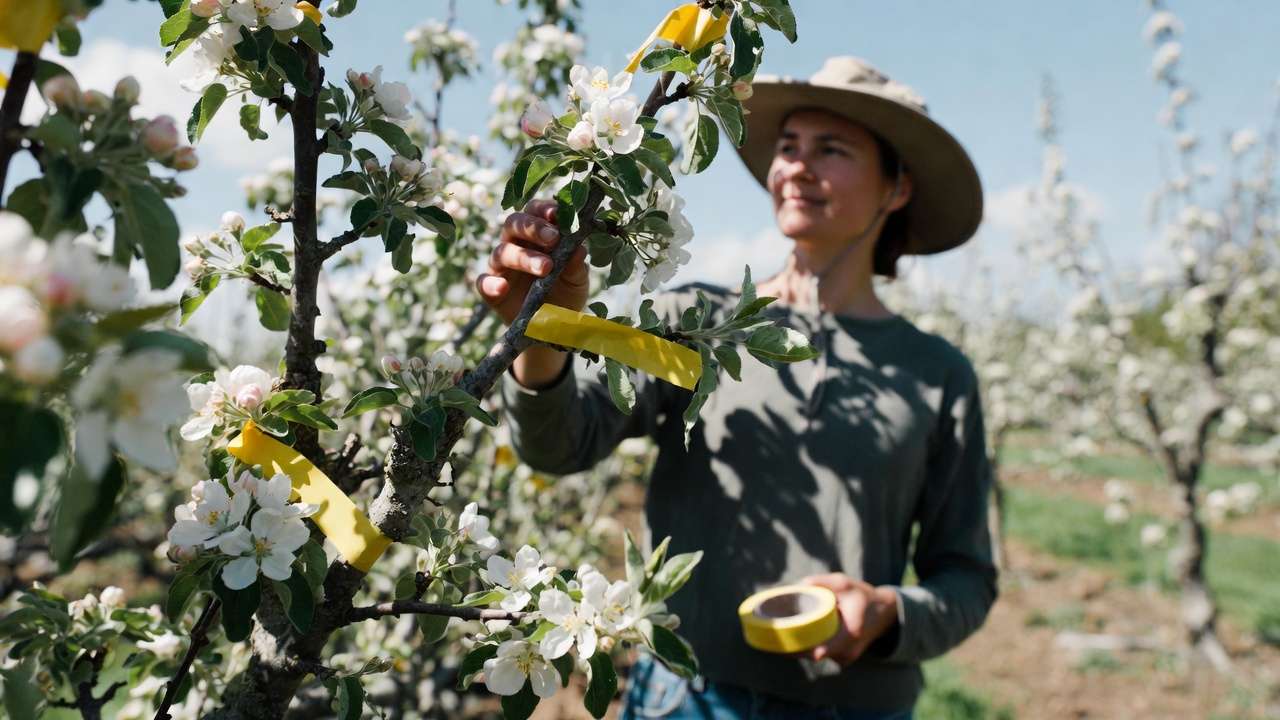
Simple Manual Methods (No Fancy Tools Needed)
- Flower/Fruitlet Counts: At full bloom, count flowers on tagged branches. Re-count fruitlets at set (pea-sized) and again during June drop.
- Percentage Set Calculation: Fruitlets ÷ flowers × 100 = % set. Example: 50 fruitlets from 200 flowers = 25% set. Aim for species-specific targets (e.g., apples 20–30% final).
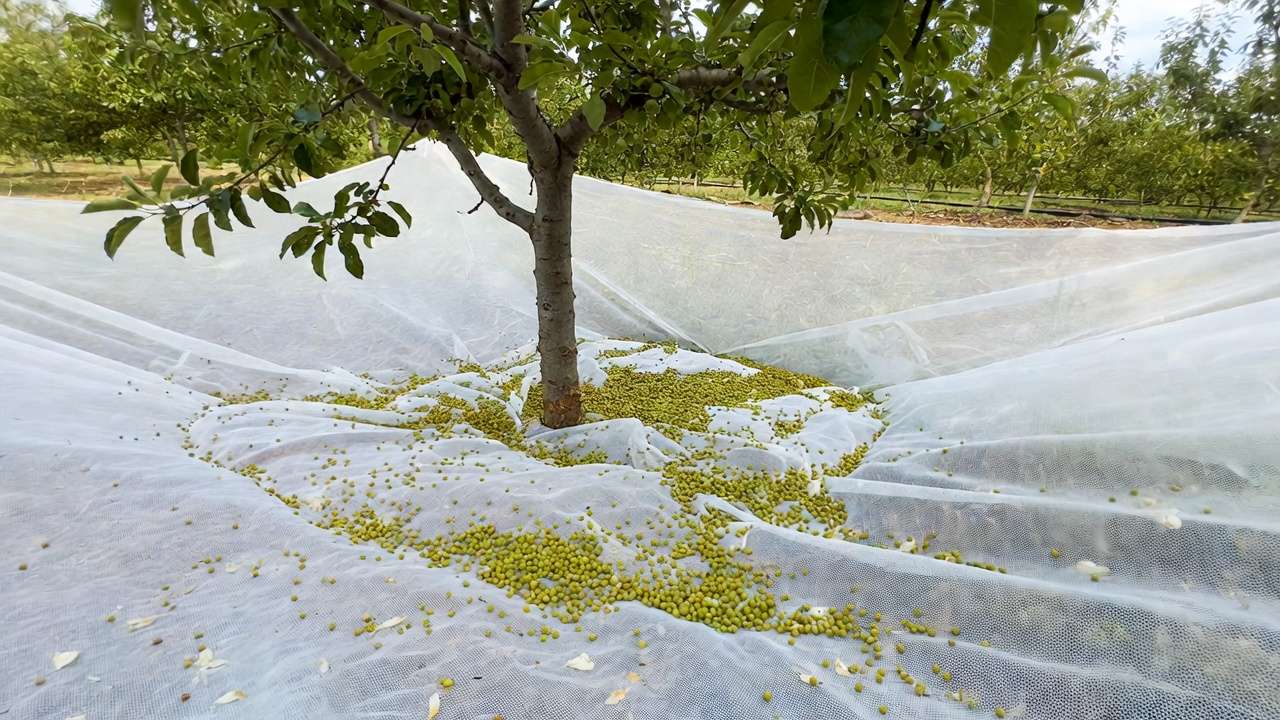
- Drop Traps: Spread cloth or netting under the canopy; count fallen fruit weekly to quantify loss.
- Limb Tapping: Gently tap branches pre-harvest; loose fruit indicates drop risk.
Advanced Monitoring Techniques
- Use phone apps for photo-based crop load estimates.
- Track degree-days and weather data for predictive models.
- Scout visually for pests/abnormalities.
Record-Keeping Template 🌱 Create a simple chart: Date | Stage | Flowers/Fruitlets Count | % Set | Dropped Count | Notes. Update weekly — patterns emerge quickly!
Examples: In apples, healthy set might hold 25–35% after June drop; below 15% signals trouble.
Interpreting Your Monitoring Data – What the Numbers Tell You 🔍
Once you’ve collected your counts and drop records, the real magic happens: turning raw numbers into actionable insights. Here’s how to read your data like a pro.
Healthy vs. Problematic Patterns
- Strong fruit set (good pollination): 25–60% initial set (depending on species) that stabilizes after natural thinning.
- Healthy June drop: Losing 40–70% of initial fruitlets is normal in many pome and stone fruits — the tree is self-regulating to match its carbohydrate reserves.
- Red flags:
- Initial set <15–20% → poor pollination, frost damage, or nutrient deficiency.
- Excessive June drop (>80% loss) → severe stress (drought, heat, nutrient imbalance).
- Little to no natural drop → risk of over-cropping, small fruit size, and biennial bearing next year.
- Sudden late-season drop spikes → pest pressure, water stress, or early ethylene production.
When to Act – Practical Thresholds
- Apples/peaches: If final set after June drop is below 15–20 fruit per 100 blossom clusters, consider hand-thinning lightly next season or addressing root causes.
- Citrus/mangoes: Aim to retain 1–3 fruit per panicle/cluster; heavier natural drop is common, but >80% loss warrants investigation.
- Pre-harvest drop >10–15% of remaining crop → start mitigation (see strategies below).
Real-World Case Study One home grower in a subtropical climate monitored their ‘Kent’ mango tree:
- Bloom: 320 flowers on tagged branches
- Fruit set (pea-size): 98 fruitlets (30.6%)
- After summer drop: only 14 mature fruit remained (14.3% retention) Diagnosis: High temperatures + inconsistent watering during early fruit development caused carbohydrate starvation. Fix applied next season: Improved drip irrigation + foliar boron/calcium sprays → retention jumped to 38%. Yield doubled! 🌟
Patterns like this become obvious after just one or two seasons of consistent records.
Actionable Strategies to Improve Fruit Set and Reduce Drop 🚀
Monitoring alone is powerful — but combining it with targeted interventions takes your results to the next level.
Boost Pollination Success 🐝
- Plant pollinator-attracting flowers nearby (clover, borage, lavender).
- Avoid insecticides during bloom.
- Introduce mason bees or rent bumblebee boxes for enclosed orchards.
- Choose compatible pollinizer varieties (e.g., plant a ‘Granny Smith’ near ‘Gala’ apples).
Optimize Nutrition & Foliar Sprays
- Apply boron (0.1–0.25%) at pink bud to full bloom for better pollen tube growth.
- Zinc sprays pre-bloom improve fruit set in many nut and fruit crops.
- Calcium foliar applications during early fruitlet stage strengthen cell walls and reduce drop (especially important in apples and citrus).
- Avoid high-nitrogen fertilizers in spring — save them for post-harvest recovery.
Smart Irrigation & Stress Management 💧
- Maintain consistent soil moisture (avoid dry-wet cycles).
- Use mulch to retain moisture and moderate root-zone temperature.
- Install tensiometers or simple soil probes to guide watering decisions.
Proper Thinning Techniques
- Hand thinning: Remove excess fruitlets 3–4 weeks after bloom, leaving ideal spacing (one fruit every 6–8 inches on apples/peaches).
- Chemical thinning: Use products like carbaryl, NAA, or BA at precise timings (consult local extension for safe rates and windows).
- Thin early — waiting too long wastes tree resources.
Plant Growth Regulators (PGRs) for Set & Retention ⚠️
- Gibberellic acid (GA4+7) sprays can increase set in some pear and apple varieties.
- Ethephon or NAA for pre-harvest drop control in apples (apply 2–3 weeks before expected harvest). Always follow label instructions, test on a few branches first, and check local regulations — overuse can backfire.
Variety Selection & Site Prep Tips
- Choose low-biennial-bearing cultivars when possible.
- Ensure good air circulation and full sun to reduce disease and stress.
Seasonal Monitoring Calendar for Common Fruit Trees 🗓️🍑
Here’s a handy visual timeline (imagine this as a colorful infographic):
- Apples/Pears Mar–Apr: Bloom → count flowers Apr–May: Fruit set → first count May–Jul: June drop → weekly drop traps + counts Aug–Sep: Pre-harvest → limb tap test
- Peaches/Nectarines/Plums Mar–Apr: Bloom Apr–May: Set May–Jun: Heavy physiological drop window Jul–Aug: Pre-harvest monitoring
- Citrus Feb–Apr (spring bloom): Set monitoring May–Jul: Summer drop (most critical) Sep–Dec: Pre-harvest drop watch
- Mangoes/Tropicals Jan–Mar: Bloom/set Apr–Jul: Main drop period (heat + monsoon stress) Aug–Oct: Late drop
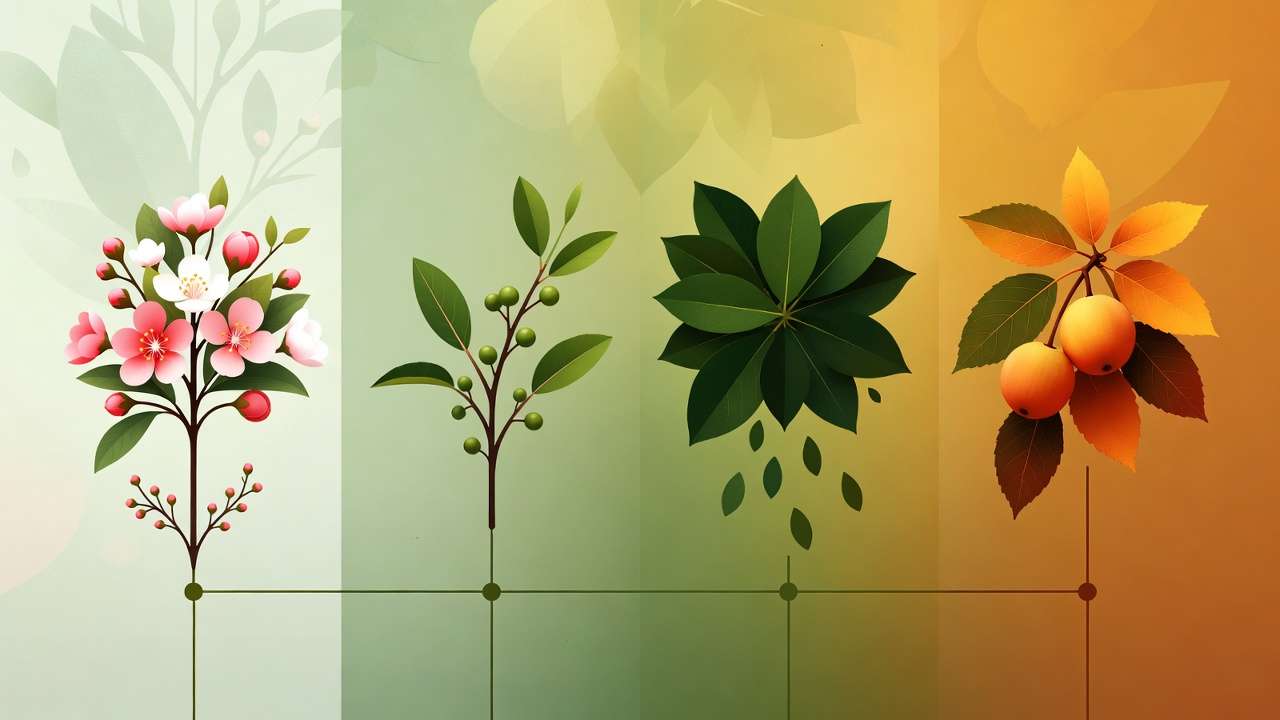
Use this as your seasonal checklist — set phone reminders! 📱
Common Mistakes to Avoid When Monitoring & Managing 🙅♂️
- Assuming all drop is bad — some is essential for quality.
- Skipping consistent weekly records — memory fails fast.
- Thinning too late or too aggressively.
- Ignoring microclimates — one branch may behave differently than another.
- Over-relying on chemical fixes without addressing root causes (water, nutrition).
Expert Insights & Real-World Examples 📖
According to Washington State University Extension: “Weekly fruit counts on tagged limbs remain one of the most reliable, low-cost methods to assess crop potential and thinning needs.” University of Florida IFAS notes that consistent irrigation during fruit development can reduce premature drop in citrus by up to 40%.
Real success story from a small orchardist: After two years of drop trap monitoring and targeted boron sprays, their ‘Honeycrisp’ apple yield increased 45% while achieving excellent fruit size and color — all without excessive chemical use.
Frequently Asked Questions (FAQs) ❓
Is fruit drop normal in fruit trees? Yes! Natural physiological drop (especially June drop) helps the tree balance its load. Only excessive or poorly timed drop is concerning.
How do I know if my tree has poor fruit set? If fewer than 15–25% of flowers develop into pea-sized fruitlets (varies by species), investigate pollination, weather, or nutrient issues.
What causes June drop in peaches? Primarily competition for carbohydrates among too many fruitlets, compounded by water stress, heat, or nutrient shortages.
Can I stop pre-harvest fruit drop completely? Not entirely — it’s a natural ripening process. But you can reduce excessive drop with proper calcium nutrition, consistent moisture, and timely PGRs.
How often should I monitor? Weekly during key windows (bloom to June drop), then every 10–14 days until harvest.
Do all fruit trees have a June drop? Most temperate fruits (apples, peaches, pears) do. Tropicals like mangoes and citrus have analogous heavy-drop periods tied to seasonal stress.
Is hand-thinning better than chemical? Hand-thinning gives precise control and is safer for home growers. Chemical thinning is efficient for larger operations but requires exact timing.
And more — feel free to ask your specific questions in the comments! 💬
Conclusion 🎉
Monitoring fruit set and drop isn’t just busywork — it’s your secret weapon for transforming average harvests into exceptional ones. By understanding the natural rhythms, tracking data diligently, diagnosing issues early, and applying smart interventions, you gain control over factors that once felt unpredictable. Start small this season: tag a few branches, keep a simple notebook (or spreadsheet), and watch how quickly you start making better decisions. Your trees will reward you with fuller branches, tastier fruit, and more consistent yields year after year. 🌳🍎
Ready to get started? Grab some flagging tape and begin counting today — and share your progress or questions below. We’d love to hear how your monitoring journey goes! Happy growing! 🚀🌱











