
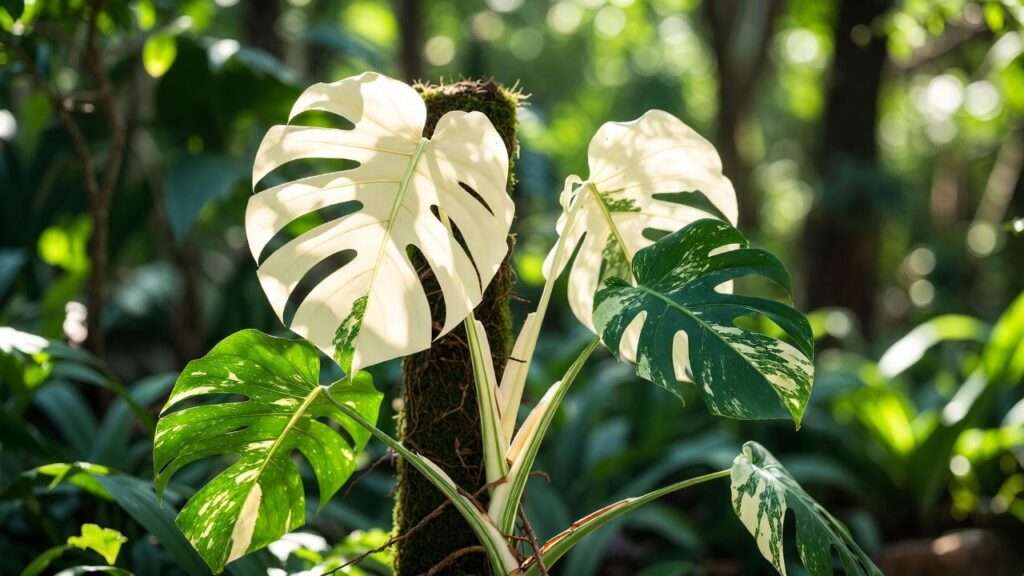
Imagine watching a new leaf slowly unfurl on your prized houseplant—those creamy white and green swirls emerging like a work of art, only to realize weeks later that the once-vibrant variegation is fading to plain green, or worse, the delicate white sections are turning crispy brown. 😩 If you’ve ever experienced this heartbreak with your Monstera deliciosa variegated plant, you’re not alone. These stunning aroids, with their split leaves and dramatic marbling, are among the most sought-after indoor plants, but their beauty comes with unique challenges.
As a plant care specialist with over a decade of hands-on experience growing rare variegated Monsteras—from high-end Albo Borsigiana cuttings to stable Thai Constellations—I’ve helped hundreds of enthusiasts keep their plants thriving and variegated. In this comprehensive guide, we’ll dive deep into proven strategies to preserve that jaw-dropping variegation, promote healthy fenestration, and avoid common pitfalls that lead to reversion or decline. Whether you’re a new owner or a seasoned collector, these expert tips will help your Monstera deliciosa variegated plant become the envy of your indoor jungle. 🌱
What Makes the Variegated Monstera Deliciosa So Special? 🍃
Understanding Variegation in Monstera Plants
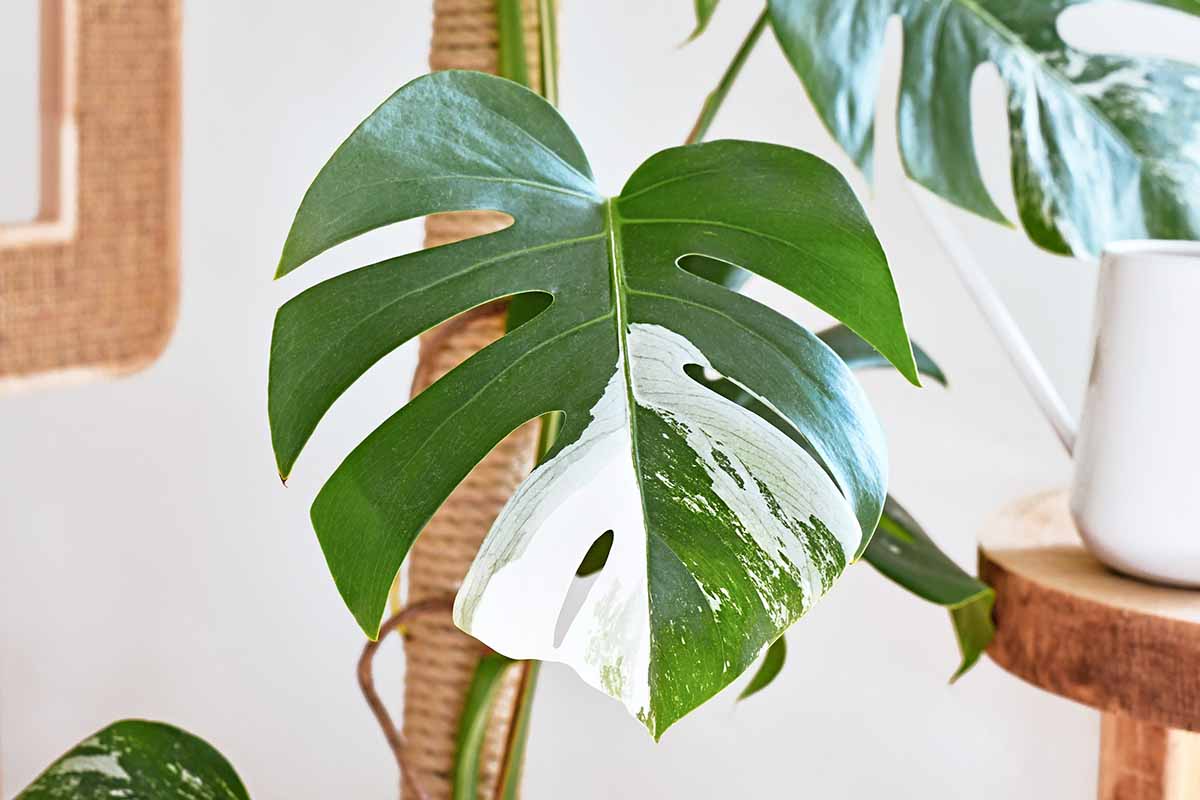
Variegation in plants like the Monstera deliciosa occurs due to a genetic mutation that reduces chlorophyll production in certain leaf sections. This results in those beautiful white, cream, yellow, or mint patches—but it also means the plant has less energy for photosynthesis. Highly variegated leaves (especially half-moon or full white) rely heavily on the green parts to support them, making proper care essential for survival and new growth.
In my experience propagating and rehabilitating dozens of variegated Monsteras, I’ve seen firsthand how environmental stress can trigger reversion (new leaves emerging all green) as the plant’s survival mechanism. But with the right conditions, you can encourage stable, stunning patterns that hold over time.
Popular Variegated Cultivars
The world of variegated Monstera deliciosa is diverse, with several standout cultivars:
- Monstera Deliciosa ‘Albo Borsigiana’: Known for bold, sectorial white variegation that can cover large portions of the leaf. It’s unstable, prone to reversion, but produces some of the most dramatic “half-moon” leaves. Growth is slower than green Monsteras.
- ‘Thai Constellation’: Tissue-culture stabilized with fine, creamy speckles resembling stars. More reliable variegation and faster growth make it a favorite for beginners in the variegated world.
- ‘Aurea’ (or Yellow Variegated): Features golden-yellow marbling instead of white. It’s rarer and even more light-sensitive, as yellow sections produce minimal chlorophyll.
- ‘Mint’: A newer cultivar with soft mint-green variegation blended into the deep green base. It’s highly sought after for its unique pastel tones and relative stability.
Each cultivar has subtle care differences—Albo needs more vigilance against reversion, while Thai Constellation tolerates slightly lower light.

Why Variegated Monsteras Are Harder (But Worth It!)
These plants grow 2-3 times slower than their all-green counterparts because of reduced photosynthesis. They demand higher light, precise watering, and stable humidity to maintain variegation. The investment—often hundreds or thousands of dollars—makes mistakes costly. But the reward? A living sculpture with fenestrated, marbled leaves that elevate any space. In my collection, my healthiest specimens have become statement pieces, unfurling massive leaves year after year with consistent care.
Essential Care Requirements for Thriving Variegation 🏡
Light – The #1 Key to Maintaining Stunning Variegation ☀️
Light is non-negotiable for variegated Monstera care. Without enough bright, indirect light, the plant reverts to producing more green tissue for energy.
Ideal Light Conditions
Place your plant near an east- or west-facing window, or 2-3 feet from a south-facing one. Aim for 8-12 hours of bright indirect light daily. Signs of insufficient light: leggy stems, small new leaves, and reversion to all-green. Too much direct sun? Burnt white patches turning brown or translucent.
In my greenhouse setups, I’ve found sheer curtains diffuse harsh rays perfectly while maintaining intensity.
Using Grow Lights Effectively
For low-natural-light homes (common in winter), full-spectrum LED grow lights are a game-changer. Position them 12-18 inches above the plant for 12-14 hours daily. I recommend brands like Spider Farmer or Sansi—affordable and effective for aroids.
Pro tip: Rotate your plant every 1-2 weeks to ensure even light exposure and balanced variegation on all sides.

Watering Your Variegated Monstera Properly 💧
Overwatering is the #1 killer of variegated Monsteras, leading to root rot that stresses the plant and causes variegation loss.
Best Watering Practices
Water only when the top 2-3 inches of soil are completely dry—typically every 7-14 days, depending on your environment. Use filtered, distilled, or rainwater to prevent mineral buildup on sensitive white leaf sections (tap water salts can cause brown tips).
Bottom watering encourages even moisture and healthier roots, but top watering works if you avoid wetting the leaves.
Seasonal Adjustments
In winter dormancy, reduce frequency as growth slows. Highly variegated plants (with more white) transpire less water, so they dry out slower—always check soil moisture with your finger or a meter.
Expert insight from years of observation: Variegated leaves are more prone to edema (blister-like spots) from inconsistent watering, so aim for steady cycles.
Soil and Potting Mix for Optimal Drainage 🌱
Variegated Monsteras are semi-epiphytic in nature, meaning they need airy, well-draining soil to mimic their tropical tree-climbing roots.
Recommended DIY Mix
My go-to aroid mix for flawless drainage:
- 40% high-quality potting soil
- 30% orchid bark
- 20% perlite or pumice
- 10% coco coir or sphagnum moss for slight moisture retention
This chunky blend prevents soggy roots while holding just enough water.
Repotting Guide
Repot every 1-2 years in spring, or when roots circle the pot. Choose a pot only 1-2 inches larger—terracotta is ideal for breathability and reducing rot risk. During repotting, inspect roots and trim any black/mushy ones.
Pro tip: Add a layer of moss on top to boost humidity and aesthetics.
Humidity and Temperature Needs 😎
Tropical origins mean high humidity is crucial for crisp, healthy leaves.
Boosting Humidity
Aim for 60-80% humidity. Use a humidifier, pebble tray with water, or group with other plants. Low humidity causes crispy edges, especially on white variegated sections that lose water faster.
Temperature Warnings
Keep between 65-85°F (18-29°C). Avoid cold drafts or temperatures below 60°F, which can cause yellowing and stunted growth. Sudden changes stress the plant, risking reversion.
Fertilizing for Healthy Growth Without Burning Leaves 🌿
Variegated Monsteras need nutrients but are sensitive to over-fertilization, which causes salt buildup and tip burn.
Best Fertilizer Choices
Use a balanced, water-soluble fertilizer (e.g., 20-20-20) at half strength during the growing season (spring-summer), every 4-6 weeks. Switch to organic options like fish emulsion for gentler feeding.
Expert insight: Flush the soil with plain water monthly to prevent buildup. Stop fertilizing in fall/winter.
Support and Pruning for Larger, Fenestrated Leaves 🪴
To achieve those iconic Swiss cheese holes (fenestrations) and massive leaves, provide support.
Use a moss pole or coco coir totem—train aerial roots into it for climbing. This mimics natural habitat and encourages bigger, more split leaves.
Pruning to Encourage Variegation
Prune all-green reversions back to the last variegated node immediately—this redirects energy to variegated growth. Shape for bushiness by topping the main stem.
Advanced Tips for Maximum Variegation and Growth 🚀
How to Prevent and Fix Loss of Variegation
Variegation loss, or reversion, is the most common heartbreak for owners of Monstera deliciosa variegated plants. It happens when the plant prioritizes survival by producing more chlorophyll-rich green tissue. Prevention is always easier than reversal, but both are possible with targeted care.
Key prevention strategies:
- Maximize bright indirect light: As discussed, this encourages the plant to “afford” luxury variegation.
- Maintain stable conditions: Avoid temperature swings, drafts, or sudden repotting stress.
- Prune promptly: Remove any all-green stems or leaves early to prevent them from dominating energy allocation.
- Select stable cultivars: Thai Constellation and Mint are less prone to heavy reversion than Albo.
To fix reversion:
- Increase light gradually (avoid burn).
- Prune back to the highest variegated node.
- Boost humidity and provide consistent watering/fertilizing.
- Be patient—new growth may take 1-3 months to show improved patterns.
In my experience rehabilitating reverted Albos, about 70% recover high variegation with these steps, especially if caught early.

Propagation: Multiplying Your Precious Plant 🔪
Propagating your variegated Monstera deliciosa is rewarding but requires care to preserve those beautiful patterns.
Step-by-Step Propagation Guide
- Choose the cutting: Select a stem with at least one node (the bump where roots and leaves emerge) and preferably high variegation. Include an aerial root if possible.
- Make the cut: Use sterilized scissors to cut just below the node.
- Rooting medium: Water propagation is easiest for beginners—place in filtered water, changing weekly. For faster results, use damp sphagnum moss in a propagation box.
- Environment: Bright indirect light, high humidity (cover with a bag for greenhouse effect), and 75-80°F temperatures.
- Wait for roots: 4-8 weeks typically; pot up once roots are 2-3 inches long.
Common mistakes: Taking cuttings with no node (won’t root) or too much white tissue (may not survive independently).
:max_bytes(150000):strip_icc()/SPR-how-to-propagate-monstera-04-bd6b8ebc682f4a03baa6ece4fd8a75e9.jpg)
Maintaining Variegation in New Plants
Offspring variegation depends on the parent cutting—highly variegated nodes produce similar patterns, but instability (especially in Albo) can lead to greener babies. Thai Constellation is more predictable due to tissue culture origins. Pro tip: Use rooting hormone sparingly on white-heavy cuttings for better success rates.
Common Problems and Solutions 🛠️
Troubleshooting Yellow Leaves, Brown Tips, and More
Even with perfect care, issues arise. Here’s how to diagnose and fix:
- Yellow leaves: Usually overwatering/root rot or nutrient deficiency. Check roots—if mushy/black, repot in fresh mix and trim damage.
- Brown tips/edges: Low humidity, inconsistent watering, or salt buildup. Increase humidity and flush soil.
- No new growth: Dormancy (normal in winter) or insufficient light/fertilizer.
- Leggy stems/small leaves: Too little light—move closer to window or add grow light.
- No fenestrations: Immature plant or low light/support. Mature climbing Monsteras develop splits naturally on a pole.
Pest Prevention and Treatment
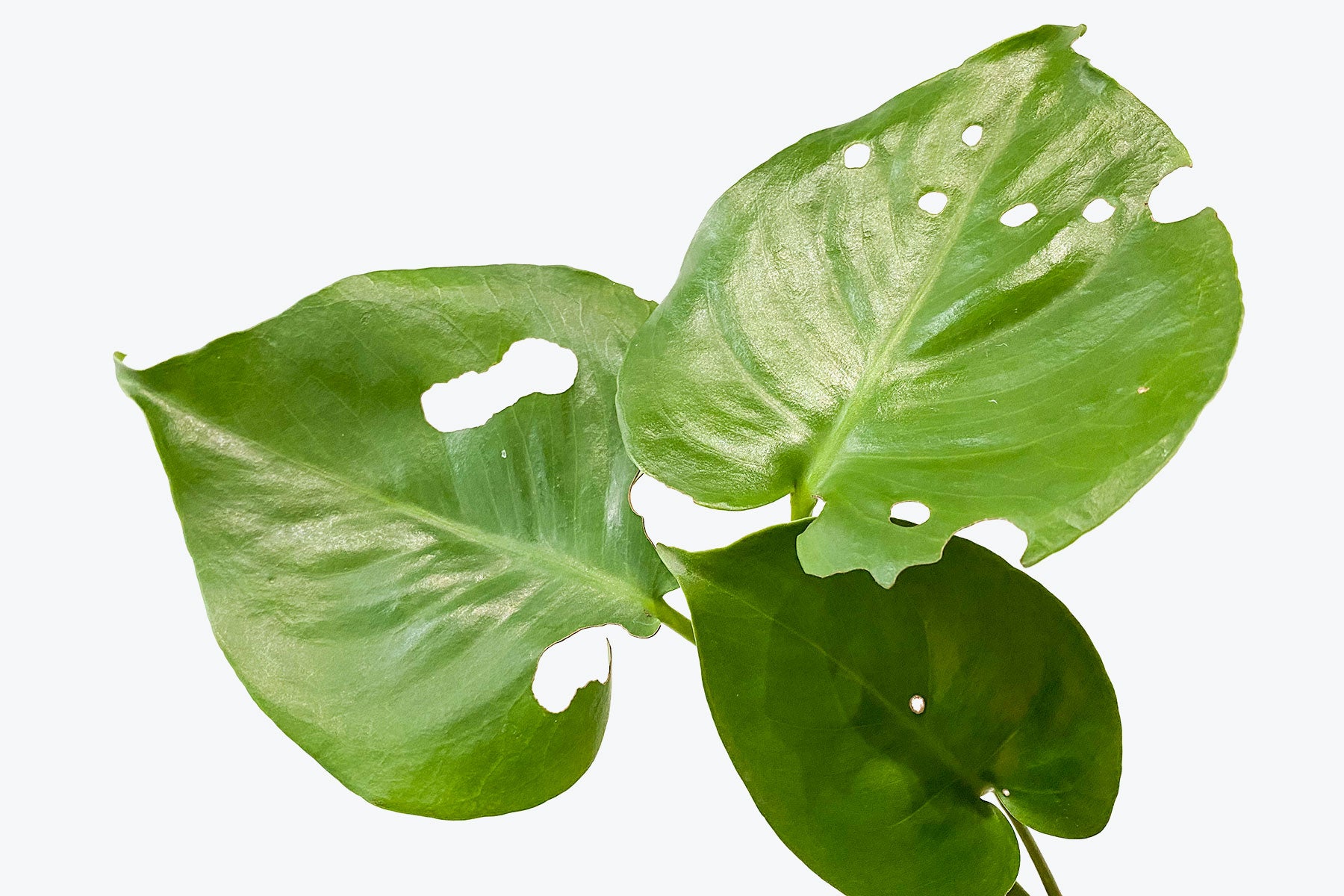
Variegated sections are pest magnets—white areas show damage clearly and attract thrips/spider mites.
Common culprits:
- Thrips: Tiny black insects leaving silvery streaks and black frass.
- Spider mites: Fine webbing, stippled yellowing.
- Mealybugs/scale: Cottony white spots.
Prevention: Quarantine new plants, inspect regularly (especially undersides), and maintain high humidity.
Treatment routine I’ve used successfully:
- Isolate the plant.
- Shower leaves to dislodge pests.
- Apply neem oil or insecticidal soap weekly for 4-6 weeks.
- For stubborn infestations, use systemic granules.
Early detection is key—I’ve saved heavily infested plants by acting fast.
Other Issues
- Edema: Blister-like bumps from overwatering in low light.
- Crispy white sections: Sunburn—shade immediately.
- Slow overall growth: Normal for variegated types, but boost with optimal conditions.
Expert Insights and Pro Tips from Years of Experience ⭐
After growing hundreds of variegated Monsteras:
- Winter care: Reduce watering dramatically and skip fertilizer—many go dormant.
- Pair with companions: Group with philodendrons or pothos for mutual humidity benefits.
- Ethical note: Source from reputable growers to avoid supporting unsustainable harvesting.
- Long-term goal: Mature plants (5+ years) can reach ceiling height with 2-3 foot fenestrated leaves if supported properly.
My favorite setup: South-facing sheer-curtained window + supplemental LED in winter, moss pole, and auto-humidifier.
Frequently Asked Questions (FAQs) ❓
How much light does a variegated Monstera need exactly? 8-12 hours of bright indirect light daily. Too little causes reversion; too much burns white sections.
Can I revive a fully reverted Monstera? Partially—prune green growth and optimize conditions. Some variegation usually returns, but not always to original levels.
Is Thai Constellation easier to care for than Albo? Yes—more stable variegation, faster growth, and better tolerance for average home conditions.
How often should I repot my variegated Monstera? Every 1-2 years in spring, or when roots fill the pot. Don’t oversize the new pot.
Are variegated Monsteras toxic to pets? Yes—all Monsteras contain calcium oxalate crystals, causing oral irritation. Keep out of reach of cats, dogs, and children.
Why are my new leaves not variegated? Stress from low light, recent propagation, or seasonal changes. Improve conditions and wait.
Can I grow a variegated Monstera outdoors? In USDA zones 10-12 with filtered shade and protection from direct sun/wind.
How do I encourage bigger leaves and more fenestrations? Provide a sturdy moss pole, ample light, and consistent climbing support.
What’s the best way to clean dusty leaves? Wipe gently with a damp microfiber cloth or shower monthly—clean leaves photosynthesize better.
Do variegated Monsteras produce fruit indoors? Rarely—needs perfect conditions and maturity (10+ years). Fruit is edible when ripe but toxic unripe.
How can I tell if my plant is root-bound? Roots circling the drainage holes, slow drainage, or stunted growth.
Is it normal for older leaves to yellow and die? Yes—as the plant climbs, lower leaves naturally senesce. Remove them cleanly.
Can I use tap water? If low in minerals, yes. Otherwise, filtered/rainwater prevents buildup on variegated areas.
What’s the maximum size indoors? With support, 10-15 feet tall and leaves up to 3 feet wide.
Should I mist my Monstera? Occasionally yes, but a humidifier or pebble tray is more effective long-term.
Conclusion 🌟
Caring for a Monstera deliciosa variegated plant is a labor of love that rewards you with ever-evolving, artistic foliage. By prioritizing bright indirect light, well-draining soil, consistent humidity, and proactive pruning/pest management, you’ll maintain those stunning marbled patterns and promote vigorous, fenestrated growth.
Remember: Patience and observation are your best tools. Your plant will communicate its needs—respond quickly, and it’ll thrive for decades. Here’s to your Monstera becoming the breathtaking centerpiece it deserves to be! 🪴✨
Share your variegated Monstera journey in the comments, or subscribe for more in-depth houseplant care guides.











