

Imagine stepping into your home after a long day and breathing in air that feels noticeably fresher, cleaner, and more invigorating. 😌 No strange chemical odors from new furniture, no lingering fumes from cleaning products, and no subtle haze that makes your head feel foggy. Sounds dreamy, right? Yet for many of us—especially in busy cities like Dhaka where outdoor pollution often seeps indoors—the reality is that indoor air can be 2–5 times more polluted than the air outside, according to the EPA and WHO guidelines.
Common culprits include volatile organic compounds (VOCs) like formaldehyde (from pressed-wood furniture and carpets), benzene (from paints and tobacco smoke), trichloroethylene (from dry-cleaned clothes and adhesives), xylene, toluene, and ammonia (from household cleaners). These sneaky pollutants contribute to headaches, eye irritation, respiratory issues, fatigue, and even long-term health concerns.
The good news? You don’t need expensive air purifiers or complex gadgets. Nature offers an elegant, beautiful solution: houseplants. 🌱 Back in 1989, NASA’s groundbreaking Clean Air Study (led by Dr. B.C. Wolverton) tested common houseplants in sealed chambers and discovered many excel at absorbing these toxins through their leaves and—most importantly—their roots and associated soil microbes.
While recent research (including reviews from 2019 onward) has tempered expectations, noting that massive numbers of plants (hundreds per room) would be needed for dramatic VOC reduction in real-world ventilated spaces, plants still provide meaningful benefits: gradual toxin removal, increased humidity, oxygen production (some even at night!), stress reduction via biophilia, and a gorgeous natural aesthetic.
In this comprehensive guide, we dive deep into the most effective plants for indoor pollution—updated with insights from NASA’s original findings, modern studies (2023–2025), and practical real-home experience. Whether you’re a beginner in a small apartment or a seasoned plant parent, you’ll find proven picks, care tips, realistic expectations, and strategies to maximize their air-purifying power. Let’s turn your home into a greener, healthier sanctuary! 💚
What Makes a Plant Effective at Removing Indoor Pollution? The Science Explained 🔬
NASA’s 1989 Clean Air Study remains foundational. Researchers placed plants in sealed test chambers simulating spacecraft environments and measured their ability to remove VOCs over 24 hours. Key takeaway: Plants don’t just photosynthesize—they act as living filters. Leaves absorb gases, while roots and soil microorganisms break down pollutants (a process called phytoremediation).
Top pollutants targeted:
- Formaldehyde — Linked to eye/nose/throat irritation; common in plywood, insulation.
- Benzene — From paints, plastics, smoke; carcinogenic in high exposure.
- Trichloroethylene — From solvents, adhesives.
- Xylene & Toluene — In paints, thinners, markers.
- Ammonia — From cleaners.
Modern context (post-2019 reviews): A key 2019 analysis in the Journal of Exposure Science & Environmental Epidemiology found that while plants remove VOCs in lab settings, realistic home impact requires ventilation + plants (not plants alone). Estimates vary—some suggest 10–1,000 plants per square meter for major effects—but even modest numbers (1–2 per 100 sq ft) help incrementally, boost humidity, and support mental well-being.
Realistic expectations: Plants complement (not replace) good habits like opening windows, using low-VOC products, and avoiding smoking indoors. They shine in low-ventilation spaces like bedrooms or offices.
Top 12 Most Effective Plants for Indoor Pollution (Ranked by Overall Effectiveness + Ease) 🌟
Ranked by toxin removal breadth (NASA data), modern endorsements, low-maintenance appeal, and suitability for typical homes. (Pet safety noted—always check for your pets!)
1. Snake Plant (Dracaena trifasciata, formerly Sansevieria) 🐍
NASA ranked it highly for removing formaldehyde (up to ~52-70% in tests), benzene (~52%), trichloroethylene, xylene, and toluene. Its standout feature: Crassulacean Acid Metabolism (CAM) photosynthesis means it releases oxygen at night while absorbing CO₂—perfect for bedrooms 🌙.

- Care in Dhaka: Thrives in low to bright indirect light; water every 2-4 weeks (let soil dry completely—overwatering is the #1 killer). Drought-tolerant.
- Pet safety: Mildly toxic (may cause nausea if chewed—keep elevated).
- Placement: Bedroom corners, offices, low-light spots.
- Pro tip: Wipe leaves monthly to remove dust for better gas exchange. Varieties like ‘Moonshine’ or ‘Black Gold’ add style!
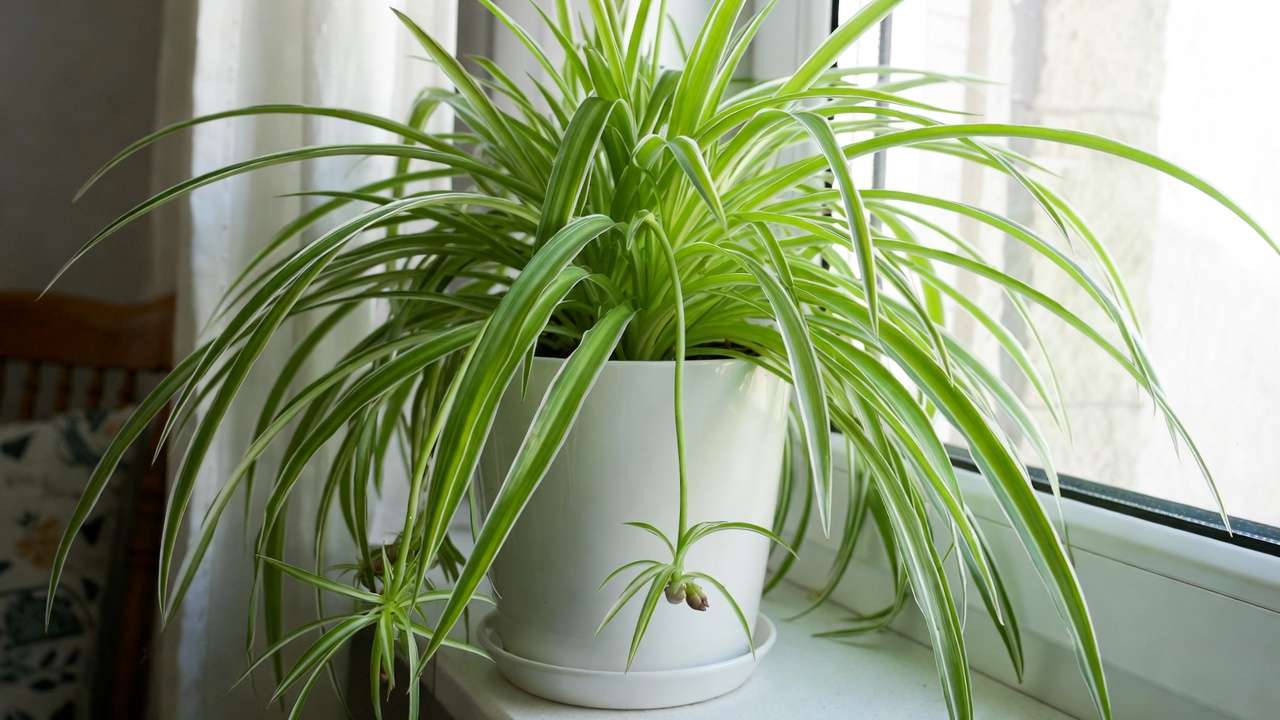
2. Spider Plant (Chlorophytum comosum) 🌿
Removed formaldehyde, xylene, toluene, and even carbon monoxide in NASA tests; often cited for 95%+ efficiency on some VOCs in follow-up reviews. Produces baby “pups” for free propagation!
- Care: Bright indirect to low light; keep soil moist but not soggy; mist occasionally in dry AC rooms.
- Pet safety: Completely safe for cats and dogs 🐶🐱.
- Placement: Hanging baskets in living rooms or kitchens.
- Pro tip: Great starter plant—grows fast and forgives neglect.
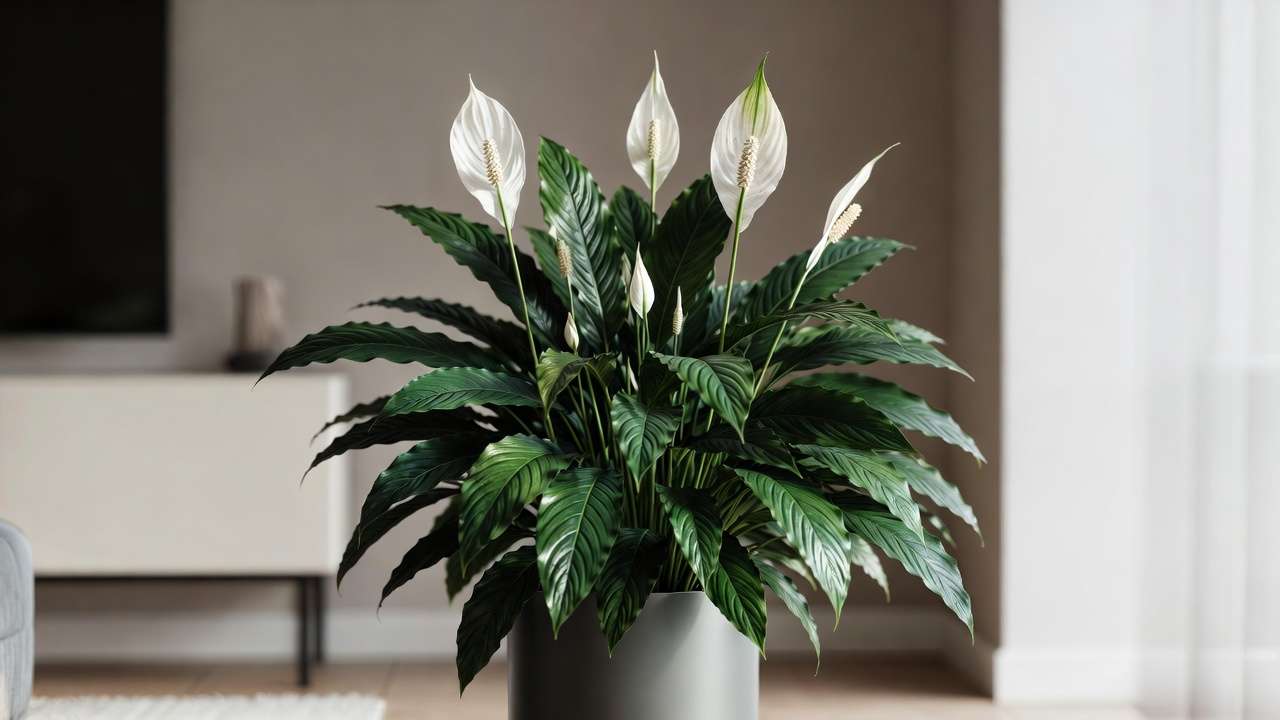
3. Peace Lily (Spathiphyllum) ☮️
Top NASA performer for benzene, formaldehyde, trichloroethylene, ammonia, and xylene. Also boosts humidity naturally (ideal for dry winter AC air).
- Care: Medium indirect light; keep soil consistently moist (droopy leaves = thirsty). Blooms white elegantly.
- Pet safety: Toxic if ingested (causes mouth irritation).
- Placement: Living areas, bathrooms (loves humidity).
- Pro tip: Cut spent blooms to encourage more; excellent mold reducer.
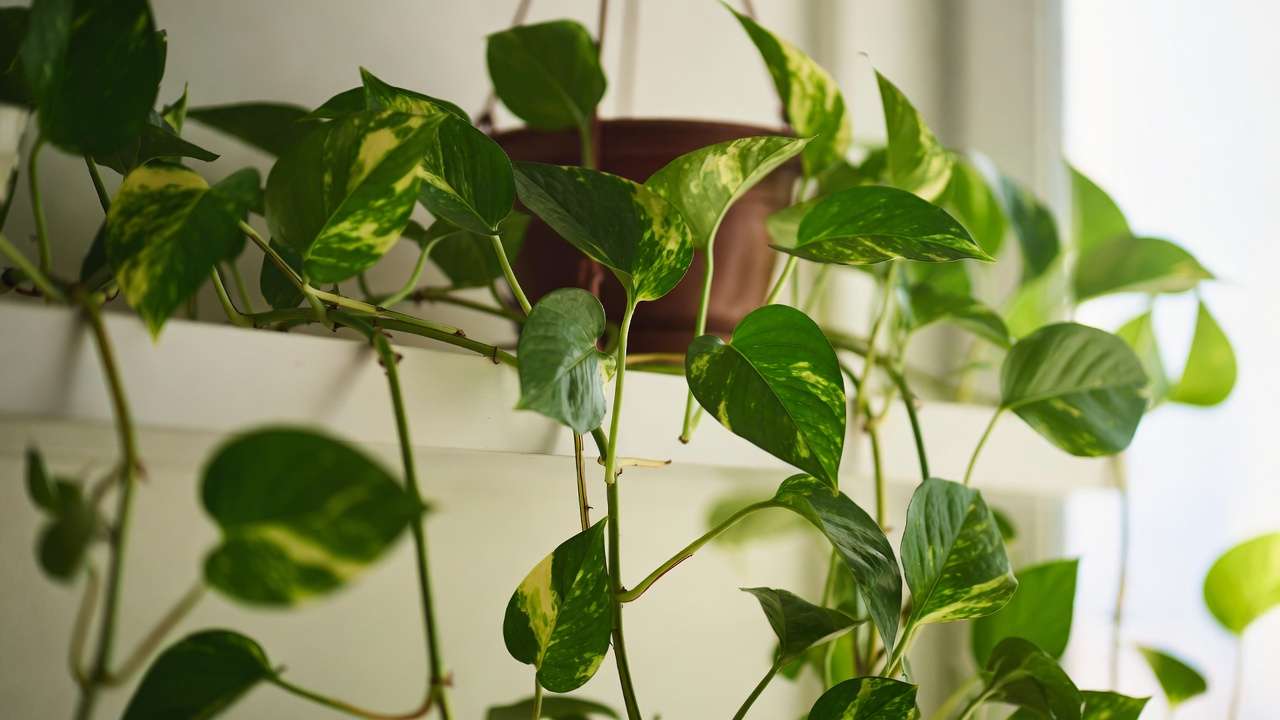
4. Pothos (Epipremnum aureum, aka Devil’s Ivy or Money Plant) 💰
Excellent at formaldehyde, benzene, xylene, toluene; NASA tests showed strong results (~73% benzene removal in some trials). Extremely adaptable.
- Care: Low to bright indirect light; water when top soil is dry; grows in water too!
- Pet safety: Toxic (keep out of reach).
- Placement: Trailing over shelves, desks—perfect for small Dhaka apartments.
- Pro tip: Trim vines to propagate in water for more plants.
5. Areca Palm (Dypsis lutescens, aka Butterfly Palm) 🌴
High removal of formaldehyde, xylene, toluene; one of NASA’s best humidifiers. Adds tropical vibe.
- Care: Bright indirect light; regular watering (keep soil lightly moist); mist fronds.
- Pet safety: Safe for pets.
- Placement: Corners of living rooms or near windows.
- Pro tip: Prune brown tips; great for countering dry AC.
6. Boston Fern (Nephrolepis exaltata) 🌸
Outstanding formaldehyde and xylene remover; legendary humidity booster.
- Care: Indirect light, high humidity (mist daily or use pebble tray); keep soil damp.
- Pet safety: Safe.
- Placement: Bathrooms, shaded porches.
- Pro tip: Loves Dhaka’s natural humidity—thrives outdoors in monsoon!
7. Rubber Plant (Ficus elastica) 🪴
Strong formaldehyde absorber; bold glossy leaves.
- Care: Medium light; water when top inch dry; wipe leaves.
- Pet safety: Sap irritating/toxic if ingested.
- Placement: Statement plant for entryways.
- Pro tip: Rotate for even growth.
8. Aloe Vera 🌵
Filters formaldehyde, benzene; gel soothes burns too!
- Care: Bright light; water sparingly (succulent rules).
- Pet safety: Mildly toxic (sap can cause vomiting).
- Placement: Sunny windowsills.
- Pro tip: Use gel for minor cuts—double duty!
9. English Ivy (Hedera helix) 🍃
Benzene, formaldehyde, mold reducer.
- Care: Medium to low light; moist soil.
- Pet safety: Toxic.
- Placement: Trailing in bathrooms (mold fighter).
- Pro tip: Prune regularly.
10. Bamboo Palm (Chamaedorea seifrizii) 🌺
Formaldehyde, benzene, trichloroethylene remover; pet-safe tropical look.
- Care: Indirect light; consistent moisture.
- Pet safety: Safe.
- Placement: Living rooms.
11–12. Dracaena varieties (e.g., Janet Craig, Marginata) & Chinese Evergreen (Aglaonema)
Dracaena: Benzene, xylene (~77-79% in tests). Chinese Evergreen: Low-light champ, multiple toxins.
- Care: Low-medium light; moderate water.
- Pet safety: Toxic (Dracaena); Chinese Evergreen mildly toxic.
- Pro tip: Great for shaded Dhaka flats.
How Many Plants Do You Really Need? Practical Recommendations 📏
NASA originally suggested ~1 plant per 100 sq ft for noticeable effects in sealed spaces. Modern reviews (e.g., 2019 Journal of Exposure Science) clarify: for meaningful VOC reduction in ventilated homes, you’d need 10–1,000 plants per square meter—impractical!
Realistic take: Start with 2–10 well-chosen plants per average room (e.g., 1–2 snake plants + 1 spider in a bedroom). Benefits compound: gradual toxin filtering, 5–10% humidity increase, better mood. In Dhaka apartments (often 500–1,000 sq ft), aim for 5–15 total plants. Focus on quality over quantity + open windows daily!
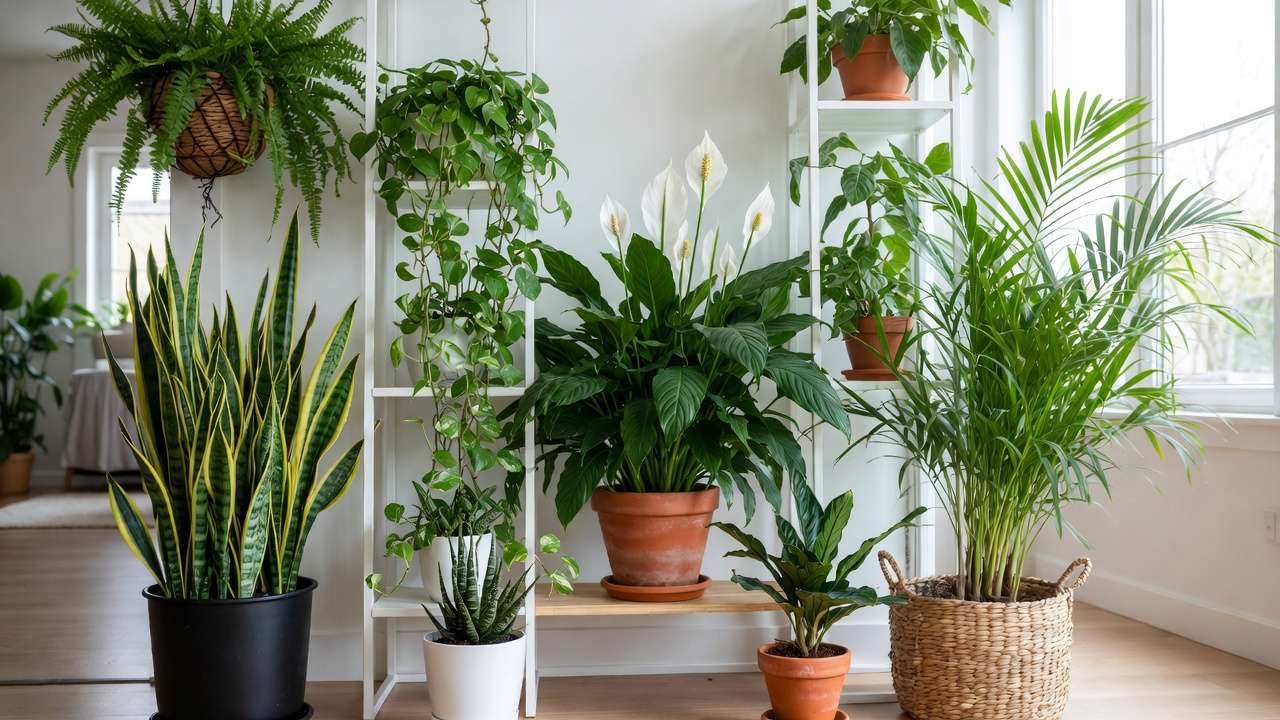
Room-by-room:
- Bedroom: 2–3 (Snake Plant top pick 🌙).
- Living room: 4–6 (Areca/Bamboo Palm + trailing Pothos).
- Office: 2–4 low-light (Pothos, Chinese Evergreen).
- Kitchen/Bathroom: Ferns for humidity.
Best Low-Light & Beginner-Friendly Picks from the List 🌑
Dhaka homes often have limited direct sun—perfect for:
- Snake Plant
- Pothos
- ZZ Plant (bonus durable pick)
- Chinese Evergreen
- Spider Plant
Start with these—forgiving and effective!
Additional Benefits Beyond Air Purification ❤️
Plants reduce stress (studies show 20–30% cortisol drop), improve focus/productivity, regulate humidity (less dry skin), and produce oxygen. Biophilia effect: greener spaces = happier homes!
Common Mistakes to Avoid When Using Air-Purifying Plants ⚠️
- Overwatering → root rot.
- Dust buildup → blocks stomata.
- Wrong light → leggy growth.
- Ignoring pets → choose safe ones (Spider, Areca, Bamboo top).
- Myths: Plants aren’t magic—pair with ventilation!
Expert Tips to Maximize Air-Purifying Power ✨
- Clean leaves bi-weekly with damp cloth.
- Use well-draining soil + perlite/charcoal.
- Group plants (creates micro-humidity).
- Add low-VOC paints/cleaners.
- Fertilize sparingly in growing season (monsoon-spring).
Frequently Asked Questions (FAQs) ❓
Do houseplants really clean air enough to matter? Yes incrementally—best with ventilation. Mental/ humidity benefits are huge!
Which removes the most formaldehyde? Snake Plant, Pothos, Peace Lily top contenders.
Are these safe for cats/dogs? Safe picks: Spider, Areca, Bamboo, Boston Fern. Avoid Peace Lily, Pothos if pets chew.
How long until cleaner air? Weeks to months—consistent care + numbers help.
Can I use these in small apartments? Absolutely! Start small—hanging/compact plants maximize impact.
Conclusion: Breathe Easier with Nature’s Best Helpers 🌬️
The most effective plants for indoor pollution—Snake Plant, Spider Plant, Peace Lily, Pothos, and more—offer a natural, beautiful way to fight hidden toxins in your Dhaka home. Start with 2–3 forgiving picks today, care for them lovingly, and enjoy fresher air, calmer vibes, and a greener space. Your lungs (and plants!) will thank you 💚.











