
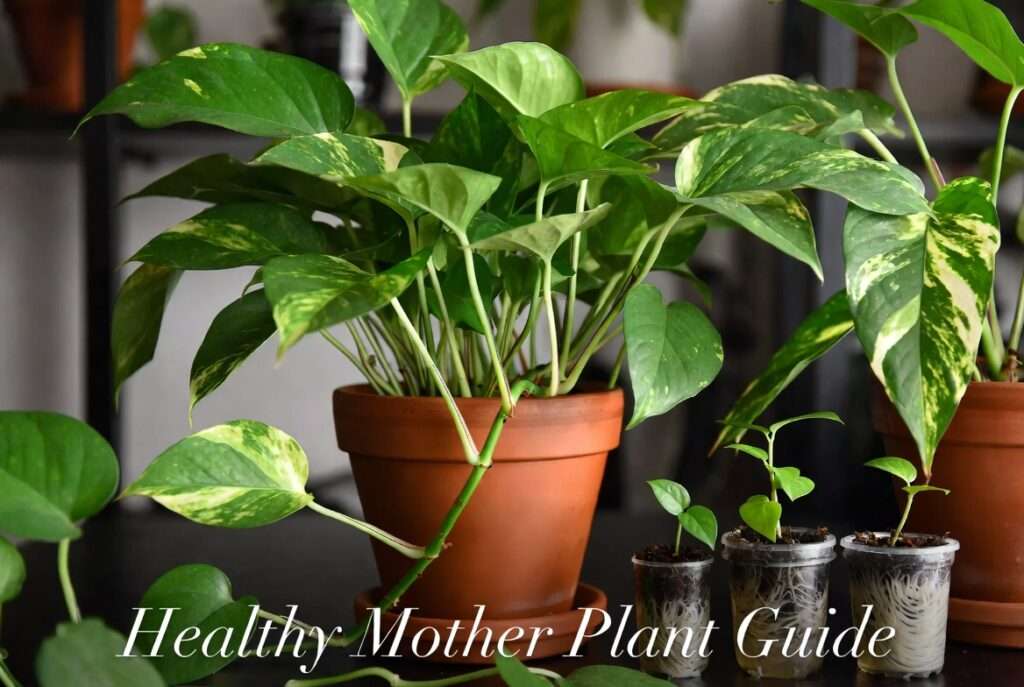
Imagine turning one beloved houseplant into dozens of identical, thriving babies — all while keeping the original stronger and more productive than ever. That’s the rewarding magic of nurturing a healthy mother plant! 🌿 Whether you’re a beginner plant parent or an experienced propagator, maintaining a dedicated mother plant (also called a stock plant) is the smartest way to achieve consistent propagation success without constantly buying new plants.
A mother plant is a vigorous, healthy specimen kept primarily in vegetative growth specifically for taking stem cuttings or clones. Unlike your display plants, she serves as the reliable source for genetically identical new plants. This approach saves money, preserves desirable traits (like stunning variegation or compact growth), and gives you an endless supply for gifting, expanding your collection, or even selling. 🪴
Many gardeners struggle with weak or declining mother plants, resulting in failed cuttings, leggy growth, pest invasions, or stressed originals that never recover. The good news? With the right knowledge, anyone can grow and care for a thriving mother plant that produces high-quality cuttings season after season.
In this comprehensive guide, you’ll discover everything needed — from selecting the perfect candidate and setting up the ideal environment to daily care routines, safe cutting techniques, troubleshooting common issues, and advanced tips for scaling up. Backed by proven horticultural practices used by professional propagators and home enthusiasts alike, this resource will help you solve the real problem of inconsistent propagation and turn your favorite plants into a flourishing, self-sustaining collection. Let’s get started! 💚
(Table of Contents for easy navigation — recommended for better user experience and SEO.)
What Is a Mother Plant and Why Do You Need One? 🌟
Understanding the Role of a Mother Plant in Propagation
A mother plant is essentially your propagation powerhouse — a strong, healthy plant maintained in active vegetative growth from which you regularly harvest cuttings. These cuttings then root to become clones that are genetically identical to the parent. This asexual propagation method ensures you replicate the exact traits you love, whether it’s the fenestrated leaves of a monstera or the cascading vines of a pothos.
Unlike ordinary houseplants focused on aesthetics, a true mother plant (or stock plant) prioritizes vigor and recovery. Professional growers and serious hobbyists rely on them because healthy mother plants produce superior cuttings with higher rooting success rates compared to taking snips from stressed or flowering display plants.
Key Benefits of Maintaining a Healthy Mother Plant
- Genetic Consistency: Every clone inherits the exact characteristics of the original — perfect for preserving rare variegated varieties or high-performing cultivars.
- Cost Savings and Sustainability: Stop buying the same plant repeatedly. One healthy mother plant can yield dozens (or hundreds) of new plants over time.
- Faster and More Reliable Propagation: Cuttings from well-cared-for mothers root quicker and grow stronger, reducing failure rates that frustrate beginners.
- Endless Supply for Gifting or Expanding: Share plant babies with friends or build your own indoor jungle without guilt.
- Educational Joy: Watching the cycle of pruning, rooting, and regrowth deepens your connection to plant care.
Real-life example: One enthusiastic grower started with a single golden pothos mother plant and, over two years of consistent care, propagated over 50 healthy clones — enough to fill an entire living room and gift to family. The original mother remains compact and bushy thanks to regular pruning! 🥰
Common Myths About Mother Plants Debunked
Many believe mother plants inevitably become huge monsters or are only suitable for specialized grows like cannabis. In reality, with proper pruning and container management, they stay manageable even in small apartments. They work wonderfully for common houseplants — no special setup required beyond basic vegetative conditions. Another myth: “Taking cuttings weakens the mother forever.” When done sustainably (removing no more than 20-30% of growth at once), the mother plant actually benefits from pruning, which encourages bushier, fresher growth.
How to Choose the Perfect Mother Plant Candidate 🏆
Selecting a Strong Starting Plant for Long-Term Success
The foundation of propagation success starts with choosing the right mother plant candidate. Look for a specimen that is pest- and disease-free, showing vigorous new growth, and displaying the desirable traits you want to replicate (e.g., strong variegation, compact habit, or abundant nodes).
Ideal traits include:
- Bright, healthy foliage without yellowing, spots, or wilting
- Sturdy stems with multiple nodes (the points where leaves emerge — essential for rooting)
- Active growth rather than dormant or flowering state
- Overall balanced, non-leggy structure
Best Plants for Mother Plant Setup
Not every plant makes an equally good mother, but many popular houseplants excel:
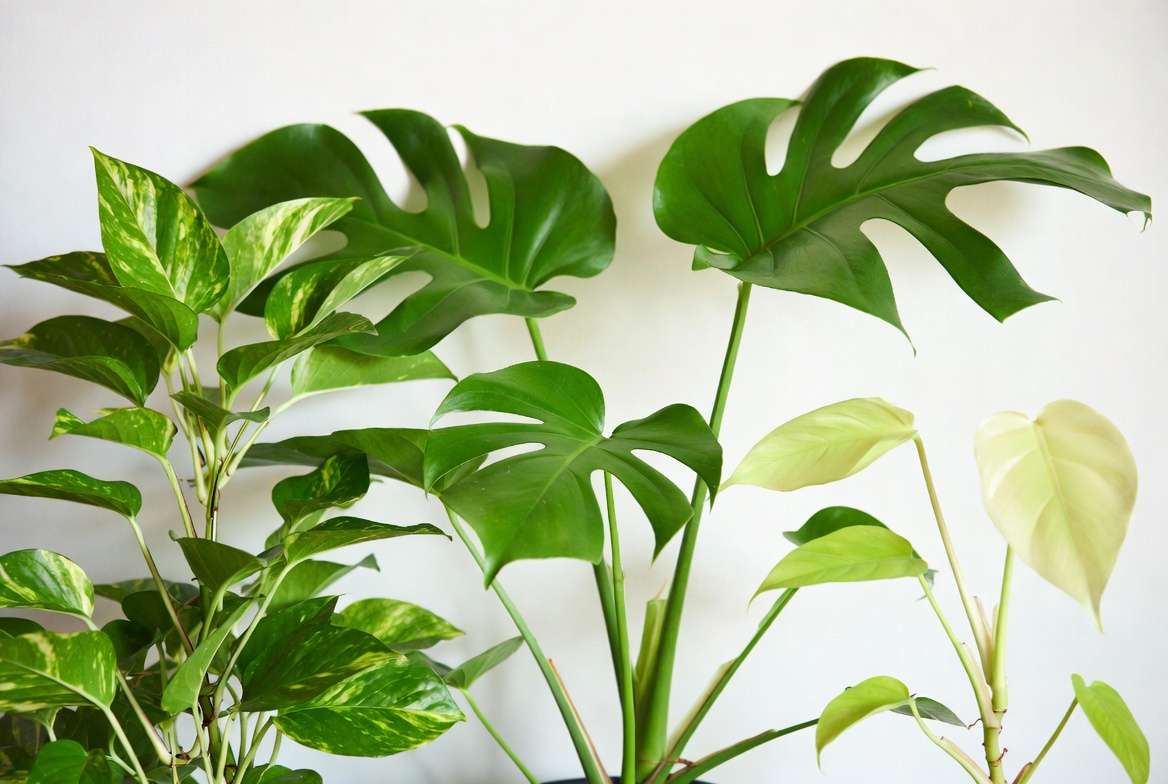
- Pothos and Philodendron: Extremely forgiving, fast-rooting in water or soil — perfect for beginners.
- Monstera (Deliciosa or Adansonii): Produces beautiful clones; take stem cuttings with nodes.
- Fiddle Leaf Fig and Rubber Plant: Slower but rewarding with proper care.
- Herbs like Basil, Mint, or Rosemary: Great for kitchen gardens and continuous harvest.
- Succulents and Snake Plants: Leaf or stem propagation with high success.
Here’s a quick suitability table:
| Plant Type | Ease of Propagation | Care Level | Best Cutting Method |
|---|---|---|---|
| Pothos/Philodendron | Very Easy | Low | Stem cuttings in water |
| Monstera | Easy | Medium | Stem with node |
| Herbs (Mint/Basil) | Very Easy | Low | Stem cuttings |
| Succulents | Easy | Low | Leaf or stem |
| Fiddle Leaf Fig | Moderate | Medium | Stem cuttings |
Expert Tip on Genetics and Vigor
Always start with the healthiest, most vigorous specimen you can find or afford. A premium mother plant sets the pace for all future clones. Weak genetics or hidden stress will show up repeatedly in offspring. If buying, inspect thoroughly for pests like spider mites or mealybugs hiding under leaves.
Setting Up Your Mother Plant: Environment and Basics 🌡️
Creating the Ideal Home for Your Mother Plant
Success depends on mimicking stable vegetative conditions that encourage lush growth without pushing into flowering or stress.
Light Requirements for Vegetative Growth
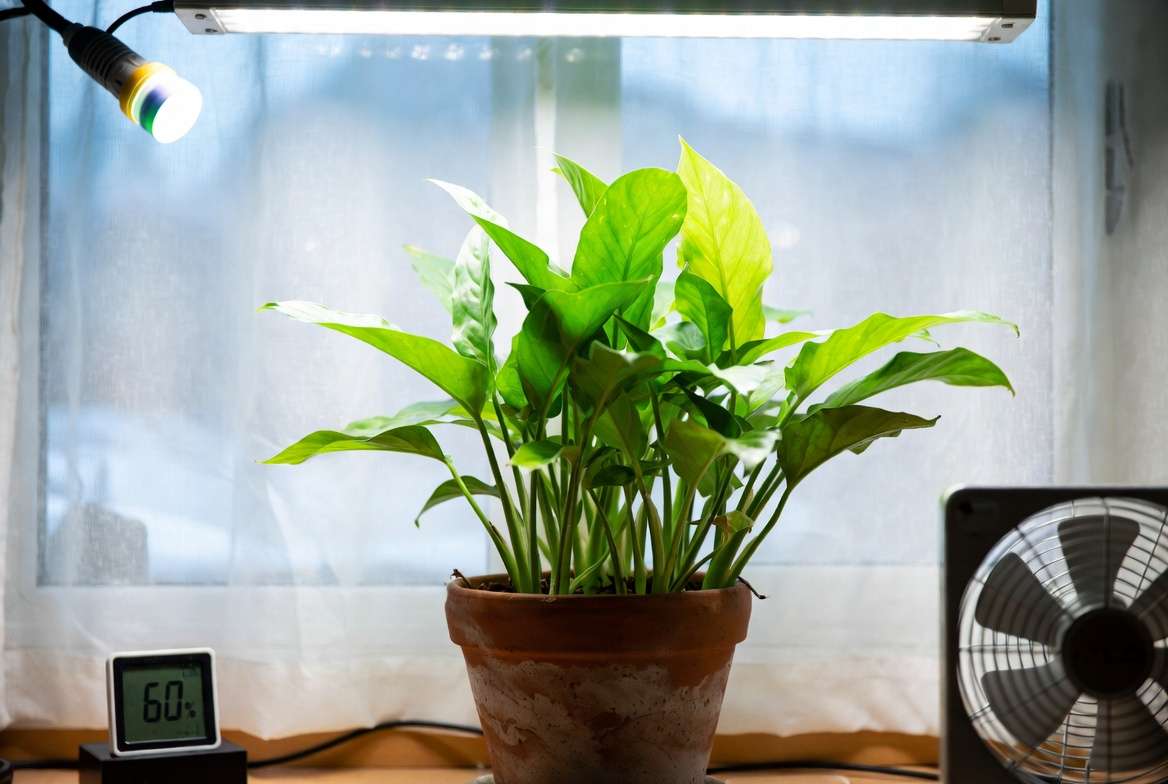
Provide bright, indirect light or supplemental grow lights. For most tropical houseplants, aim for 12–18 hours of light daily (18/6 schedule works well to keep vegetative state). Avoid direct scorching sun, which can burn leaves. Low light leads to leggy, weak growth unsuitable for quality cuttings. Consider full-spectrum LED grow lights if natural light is limited — position them 12–24 inches above the plant depending on intensity.
Signs of insufficient light: Stretched stems, small pale leaves, slow growth. Fix by moving closer to a window or adding artificial lighting.
Temperature, Humidity, and Airflow
Optimal range: 65–80°F (18–27°C) during the day, with a slight drop at night. Stable temperatures prevent shock. Aim for 50–70% relative humidity — use a pebble tray, humidifier, or group plants together for a microclimate. Good airflow reduces fungal risks but avoid strong drafts. 💧
Choosing the Right Pot and Soil Mix
Select a pot with excellent drainage holes — fabric pots (smart pots) are excellent for long-term use as they promote air pruning and prevent root circling. Use a well-draining potting mix: Combine standard houseplant soil with perlite, orchid bark, or coco coir for aeration. Repot every 12–18 months or when roots fill the container to avoid binding, which stresses the mother and reduces cutting quality.
Daily and Weekly Care Routine for a Thriving Mother Plant 💧
Essential Care Practices to Keep Her Healthy and Productive
Consistency is key. Treat your mother plant like a cherished athlete in training — she needs the right fuel and recovery to perform.
Watering Best Practices
Water thoroughly when the top 1–2 inches of soil feel dry (use your finger or a moisture meter). Avoid overwatering, the most common killer leading to root rot. Allow soil to dry slightly between waterings. In warmer months or under grow lights, check more frequently. Always use room-temperature water and ensure excellent drainage.
Fertilizing for Vigorous Growth
During active growth, feed with a balanced, nitrogen-rich fertilizer (higher first number in N-P-K) every 2–4 weeks at half to full strength. Organic options like compost tea or fish emulsion build soil health over time, while synthetic liquids offer quick boosts. Pros/cons:
- Organic: Improves microbiome, slower release, less burn risk
- Synthetic: Faster results, precise control
Flush soil occasionally with plain water to prevent salt buildup. Reduce or stop fertilizing in cooler months when growth slows.
Pruning and Shaping Techniques
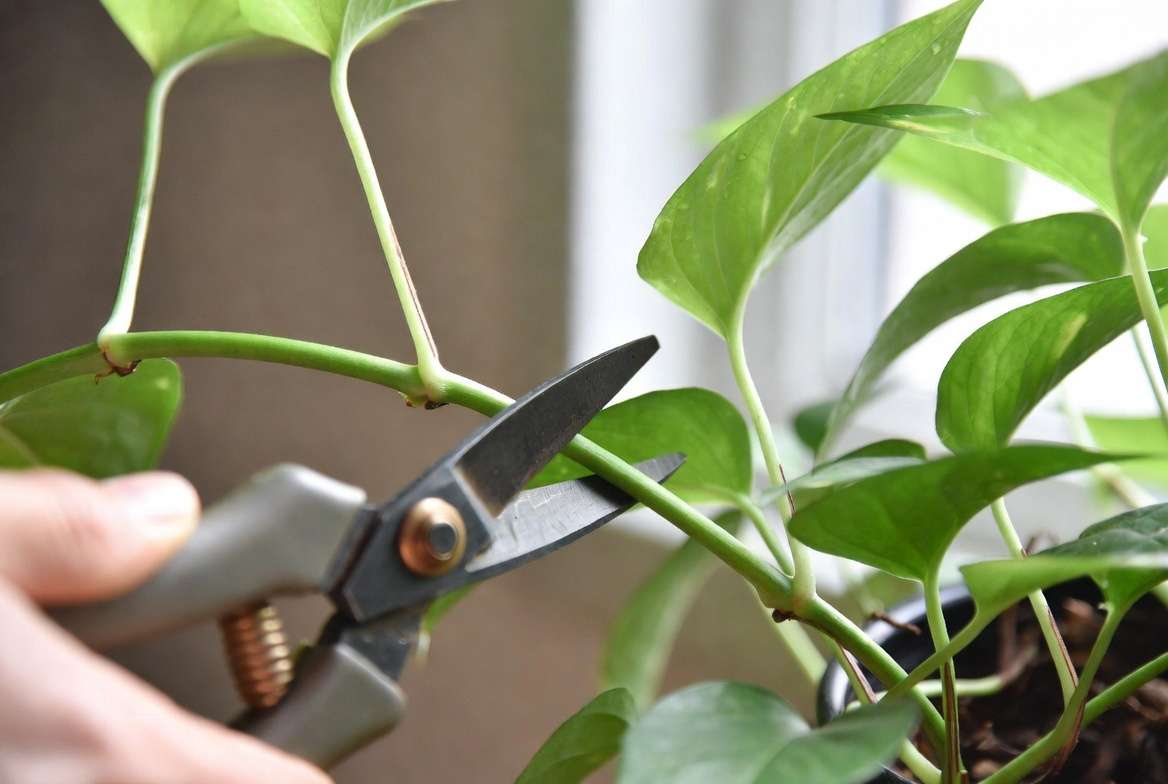
Regular pruning keeps the mother compact, encourages bushy new growth rich in nodes for future cuttings, and improves airflow. Use clean, sharp shears to make angled cuts just above a node. Remove dead or yellow leaves promptly. Prune no more than 20–30% at a time to avoid shocking the plant. Step-by-step: Identify leggy stems → Cut above a healthy node → Dispose of debris away from the plant to prevent disease.
Cleaning and Grooming
Wipe leaves gently with a damp cloth to remove dust, which blocks photosynthesis. This simple step improves health and makes your mother plant look vibrant. 🧼
Step-by-Step Guide to Successful Propagation
Now that your mother plant is healthy and vigorous, it’s time to harvest cuttings responsibly. The goal is simple: produce strong clones while keeping the mother plant thriving and ready for the next round. Proper technique dramatically increases rooting success rates and prevents long-term stress.
When and How Often to Take Cuttings
The best time is during the active growing season (spring through early fall for most tropical houseplants), when the mother is producing fresh, energetic growth. Avoid taking cuttings during winter dormancy or when the plant shows signs of stress.
Sustainable rule of thumb: Never remove more than 20–30% of the foliage or stems at once. This allows the mother plant to recover quickly through new growth stimulated by pruning. For frequent propagators, take small batches every 4–8 weeks rather than one big harvest. Healthy, well-fed mothers can support this rhythm for years. 🌿
Tools and Techniques for Clean Cuts
Always use sharp, sterilized tools — rubbing alcohol or a flame works well between cuts to prevent spreading disease. Make angled cuts just below a node (the bump where leaves or roots emerge), as nodes contain the cells responsible for rooting.
- Select semi-hardwood or softwood stems that are healthy, not woody or too tender.
- Choose stems with at least 2–4 nodes.
- Remove lower leaves, leaving 2–3 at the top to reduce transpiration stress.
- Optional but highly recommended: Dip the cut end in rooting hormone powder or gel. This contains auxins that speed up root formation and improve success, especially for slower-rooting species.
Expert insight: Clean cuts heal faster and reduce infection risk. Dull blades crush tissues, inviting pathogens.
Rooting Methods Compared
Different methods suit different plants and grower preferences. Here’s a practical comparison based on real-world results:
| Rooting Method | Success Rate | Best For | Pros | Cons | Time to Roots |
|---|---|---|---|---|---|
| Water Propagation | High | Pothos, Philodendron, Monstera | Easy monitoring, no soil mess | Risk of rot if water not changed | 7–21 days |
| Soil Propagation | Very High | Most houseplants, herbs | Direct transition to pot | Harder to check root progress | 14–30 days |
| Sphagnum Moss | Highest | Finicky varieties | Excellent humidity & aeration | Requires more attention | 10–25 days |
| Rockwool Cubes | High | Advanced setups | Sterile, consistent moisture | Needs pH adjustment | 7–20 days |
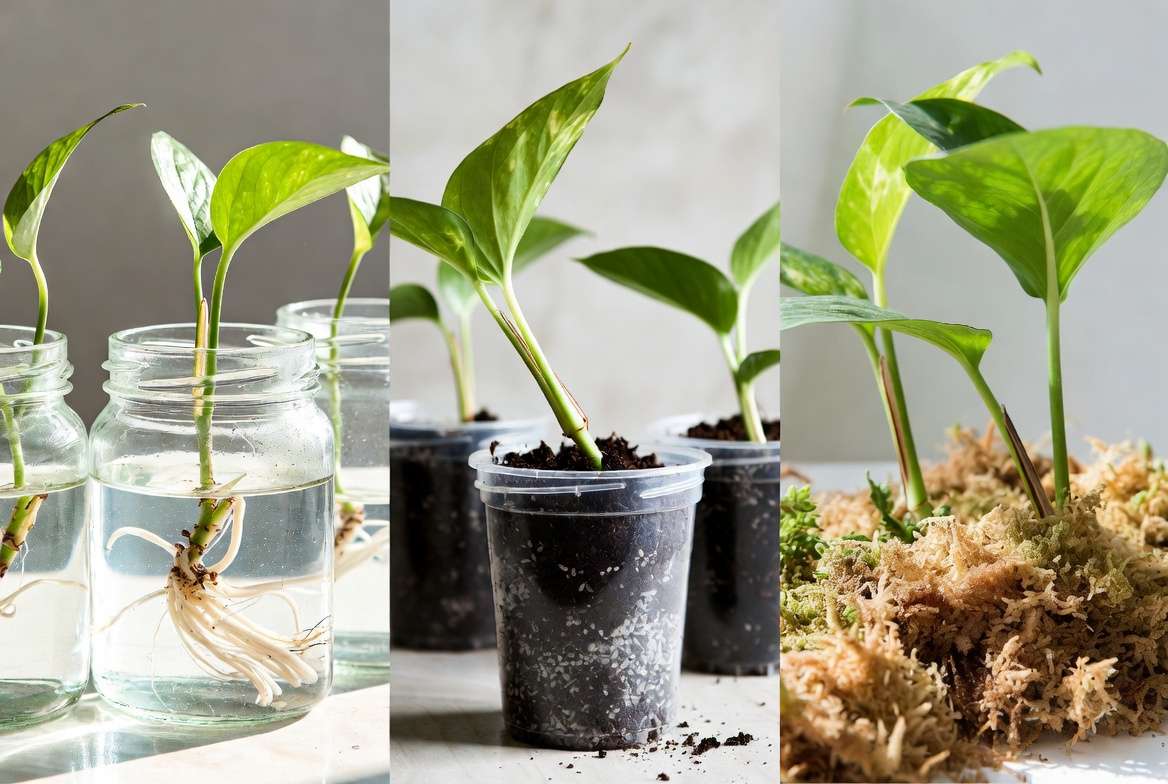
For water: Place cuttings in a clean jar with filtered or distilled water (change every 3–5 days). Keep in bright indirect light. Once roots reach 1–2 inches, transplant gently into soil.
For soil: Use a well-draining mix (50% perlite + potting soil or specialized propagation mix). Keep soil consistently moist but not soggy. Cover with a clear plastic bag or dome for humidity, venting daily to prevent mold.
Caring for the Mother Plant Post-Harvest
After taking cuttings, give your mother extra TLC for 1–2 weeks:
- Move her to slightly shadier spot temporarily if needed.
- Water normally but avoid fertilizing immediately — let her focus on recovery.
- Increase humidity and ensure good airflow.
- Monitor for wilting; prune any damaged areas cleanly.
Most healthy mothers bounce back within days, often pushing out new growth faster thanks to the pruning stimulus. This regenerative cycle is one of the beautiful benefits of maintaining a dedicated mother plant.
Troubleshooting Common Mother Plant Problems and Solutions 🛠️
Diagnosing and Fixing Issues Before They Spread
Even the best-cared-for mother plant can face challenges. Early detection and targeted fixes keep her productive for propagation. Here’s a symptom-based guide drawn from extensive grower experience and common horticultural issues.
Yellowing Leaves, Leggy Growth, and Nutrient Deficiencies
Yellow leaves are one of the most frequent complaints. Causes and solutions:
- Overwatering: Lower leaves turn yellow and feel soft/mushy. Fix: Allow soil to dry more between waterings, improve drainage, and repot if root rot is suspected (trim affected roots and use fresh mix).
- Underwatering or Low Humidity: Leaves yellow and crisp. Solution: Water more consistently and boost humidity with a tray or humidifier.
- Nutrient Deficiency (especially Nitrogen): Older leaves yellow first while new growth stays green but pale. Apply balanced nitrogen-rich fertilizer at half strength and flush soil if salts have built up.
- Leggy Growth: Long, weak stems with small leaves signal insufficient light. Move to brighter indirect light or add grow lights. Combine with pruning to encourage bushiness.
Pro tip: Always check the roots when yellowing appears — healthy white roots mean the issue is likely above ground; brown/black mushy roots point to rot.
Pests and Diseases (Spider Mites, Fungus Gnats, Root Rot) 🐛
Pests love stressed plants, and a mother plant under frequent harvesting can become vulnerable if care slips.
- Spider Mites: Tiny webs and stippled yellow leaves. Treat with neem oil spray or insecticidal soap weekly; increase humidity (mites hate it). Isolate the plant during treatment.
- Fungus Gnats: Tiny flies from overly moist soil. Reduce watering, add a sand or perlite top layer, or use beneficial nematodes/BTI (Bacillus thuringiensis israelensis).
- Root Rot: Caused by overwatering + poor drainage. Symptoms include wilting despite wet soil and foul smell. Action: Remove from pot, trim rotten roots, treat with hydrogen peroxide solution, and repot in fresh, airy mix. Reduce watering significantly afterward.
- Mealybugs or Scale: White cottony spots or hard bumps. Wipe with alcohol-dipped cotton and follow with neem or horticultural oil.
Prevention is best: Quarantine new plants, maintain good airflow, avoid overhead watering, and inspect weekly — especially under leaves and at soil line.
Slow Growth or Declining Vigor Over Time
If your mother plant slows despite good care, possible reasons include:
- Pot-bound roots restricting nutrients and water.
- Accumulated fertilizer salts (flush thoroughly).
- Aging genetics or repeated heavy harvesting without recovery periods.
- Seasonal light/temperature changes.
Solution: Repot into a slightly larger container with fresh mix every 12–18 months. Rotate mothers by growing out strong clones to become the next generation stock plant. This prevents genetic weakening and keeps vigor high.
Expert Insights on Long-Term Maintenance
From years of working with propagators, the secret to a long-lived mother plant (many last 3–10+ years) is balance: consistent vegetative conditions, never over-harvesting, and periodic “rest” phases with reduced pruning. Some growers rotate mothers every 6–12 months, using the best clones as replacements. This maintains youthful energy and reduces disease accumulation.
Always prioritize prevention over cure — a proactive routine with proper light, balanced nutrition, and hygiene creates resilient plants that deliver reliable cuttings.
Advanced Tips for Propagation Success and Scaling Up 🚀
Level Up Your Mother Plant Game
Once basics are mastered, these strategies take your setup to professional levels.
Creating a Dedicated Propagation Station
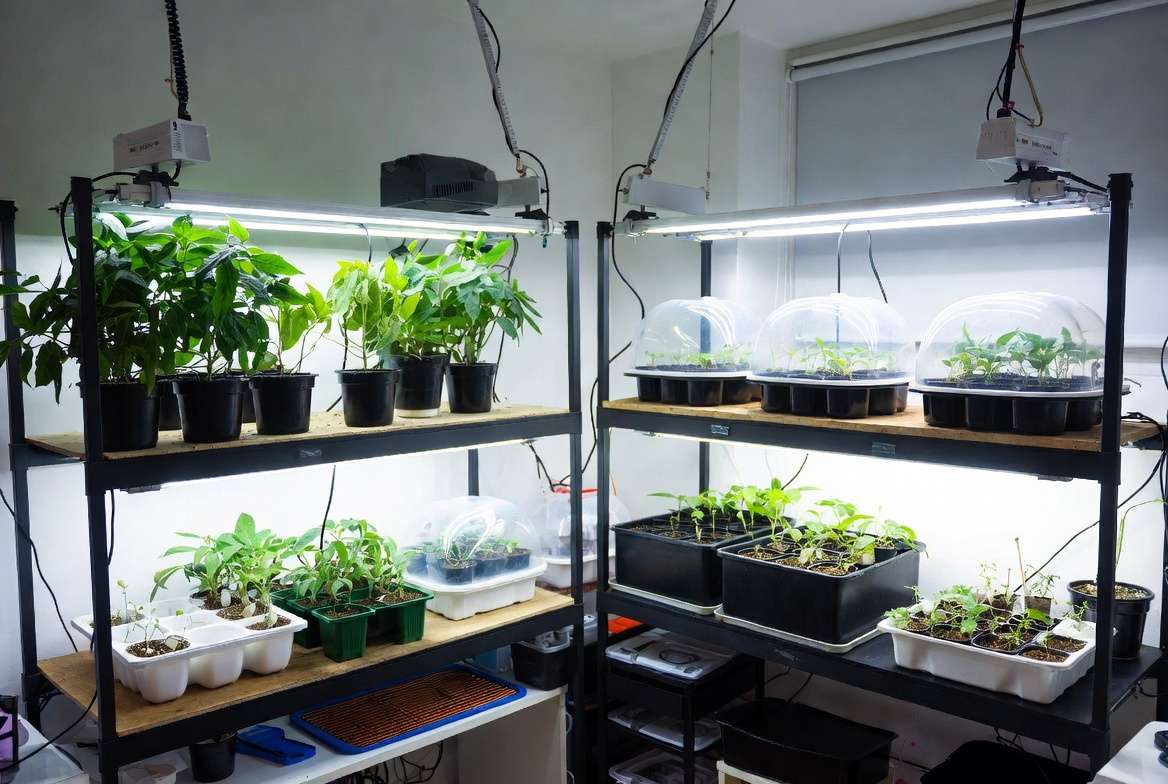
Designate a shelf, windowsill, or small grow tent for your mother and babies. Use adjustable LED grow lights on timers (18/6 schedule), humidity domes for cuttings, and heat mats for faster rooting in cooler climates. A simple DIY station with shelving and reflective mylar can dramatically boost success in small spaces.
Seasonal Adjustments and Climate Considerations
In winter (lower light), reduce harvesting and fertilizing while maintaining warmth. In hot summers, increase watering frequency and provide shade from intense sun. For dry climates like many indoor setups, group plants or use humidifiers consistently.
Companion Planting and Beneficial Practices
Place mother plants near beneficial companions (e.g., herbs that deter pests) or use them in living walls for natural humidity. Some growers integrate mothers into larger ecosystems with air-purifying plants for mutual benefits.
Sustainable and Eco-Friendly Approaches
Use rainwater or dechlorinated water, opt for organic fertilizers to build soil microbiome, and reuse propagation materials responsibly. Compost pruned debris (away from the mother to avoid disease). This creates a closed-loop system that’s kinder to the planet and often results in healthier plants long-term.
Frequently Asked Questions (FAQs) ❓
Mother Plant Care FAQs
Can any plant be a mother plant? Most houseplants that root from stem cuttings can, but fast-rooting, vigorous growers like pothos, philodendron, and monstera make the best candidates. Slow or finicky plants require more patience.
How long can a mother plant live? With excellent care and periodic rotation using clones, many thrive for 5–10 years or longer. Regular repotting and balanced nutrition are key.
Do I need special lights or nutrients? Supplemental grow lights help in low-light homes, and nitrogen-rich fertilizer supports vegetative growth. Basic houseplant food works well when used correctly — no “special” products required for most setups.
What if my cuttings fail to root? Common causes: no node on cutting, too much/too little light, dirty water/soil, or stressed mother. Try again with fresh cuts, rooting hormone, and stable humidity. Most failures improve with practice.
How do I transition clones back with the mother plant? Once rooted (1–2 inch roots), gently plant them in the same pot if space allows, or start a new cluster. Ensure good soil contact and keep moist during establishment. This creates fuller displays quickly.
Is it safe to take cuttings from a flowering plant? Prefer vegetative (non-flowering) growth for best rooting. Flowering stems often root slower as energy goes to blooms. Prune flowers first to redirect energy.
How do I prevent pests on my mother plant? Weekly inspections, good airflow, proper watering, and occasional neem oil preventives work wonders. Quarantine new additions.
Should I use rooting hormone every time? It’s optional for easy rooters like pothos but boosts success for woody or slower species. Use as directed to avoid burning tender cuts.
What’s the best soil for a long-term mother plant? A chunky, well-aerated mix (potting soil + perlite + orchid bark) promotes healthy roots and prevents compaction over time.
Can I keep a mother plant outdoors? Yes, in warm seasons with protection from direct sun and pests. Bring indoors before temperatures drop below 50°F (10°C) for most tropicals.
Conclusion: Start Your Propagation Journey Today 🌿
Maintaining a healthy mother plant transforms casual plant parenting into a rewarding, sustainable cycle of growth and sharing. By providing bright indirect light, consistent care, thoughtful pruning, and prompt troubleshooting, you’ll enjoy reliable propagation success and a steady supply of beautiful clones.
Remember: The strongest mothers come from attentive, patient care — not perfection. Start small with one or two favorite plants, apply these principles, and watch your collection (and confidence) grow. Whether you’re filling your home with pothos cascades or gifting monsteras to friends, a well-tended mother plant is your secret weapon.
Ready to begin? Pick your strongest specimen today, set up its ideal spot, and take that first sustainable cutting. Your future plant babies will thank you! 💚











