
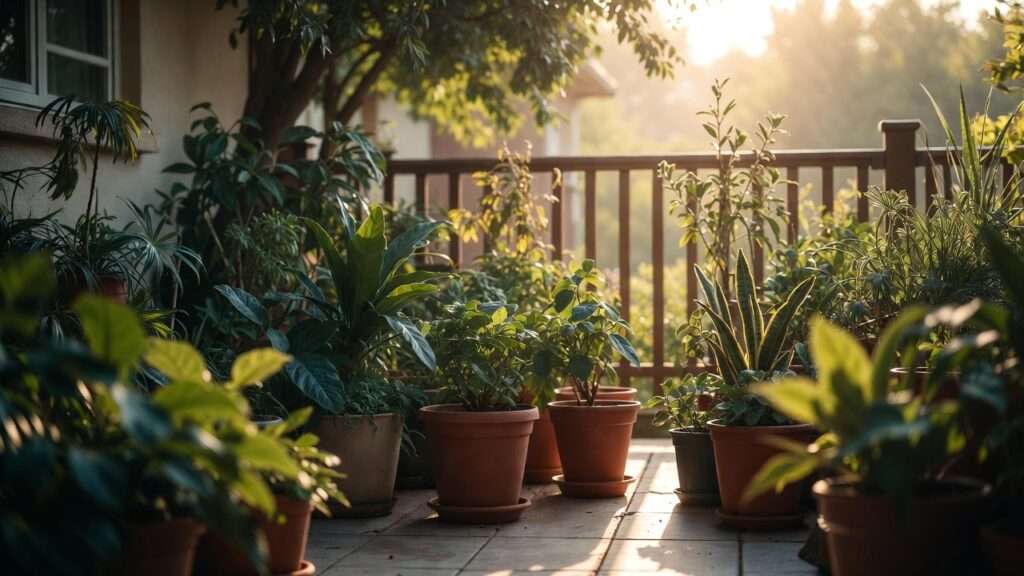
Have you ever looked at your favorite houseplant and noticed it’s stretching awkwardly toward the window, with small, pale leaves and long, leggy stems? You’re not alone — this is a classic sign of insufficient light, a common struggle for indoor gardeners everywhere. 😩
The good news? Moving plants outdoors temporarily for extra sun can be a game-changer, delivering dramatically brighter natural light that turbocharges photosynthesis, encourages compact growth, vibrant colors, and even more blooms. Many houseplant enthusiasts report seeing new leaves unfurl in weeks after a careful “sun vacation.”
But here’s the catch: jumping straight into full outdoor sun can scorch leaves faster than you can say “fiddle-leaf fig.” 🌞🔥 Done wrong, your green babies could end up with crispy edges or total shock.
As a plant care expert with years of helping tropicals, succulents, and foliage plants thrive (drawing from university extension guidelines like those from the University of Minnesota and Iowa State, plus real-world trials), this in-depth guide shows you exactly how to do it safely. We’ll cover acclimation, ideal spots, care tweaks, mistake avoidance, and more — turning a simple seasonal move into one of the most rewarding boosts for your collection.
Ready to unlock lusher, healthier plants this season? Let’s get started! 🌱✨
Why Moving Plants Outdoors Temporarily for Extra Sun Works Wonders
Natural sunlight is simply unmatched indoors. Even the brightest south-facing window delivers only about 1,000–2,500 lux on a clear day, while full outdoor sun hits 50,000–100,000 lux — that’s 10 to 100 times more intensity! This flood of photons powers stronger photosynthesis, leading to:
- Lush, vibrant foliage and stronger stems — Goodbye etiolation (leggy growth)!
- Increased blooming and fruiting — Citrus, peace lilies, and anthuriums often reward you with flowers 🌸
- Natural pest control and cleaner leaves — Gentle rain rinses dust, and fresh air circulation deters spider mites and fungus gnats 🐛🚿
- Faster recovery from low-light stress — Plants perk up noticeably, with deeper greens and new growth spurts
This technique shines for apartment dwellers with limited windows, northern climate gardeners battling short winter days, or anyone reviving a struggling indoor collection. It’s seasonal, reversible, and low-cost — just patience and observation required!
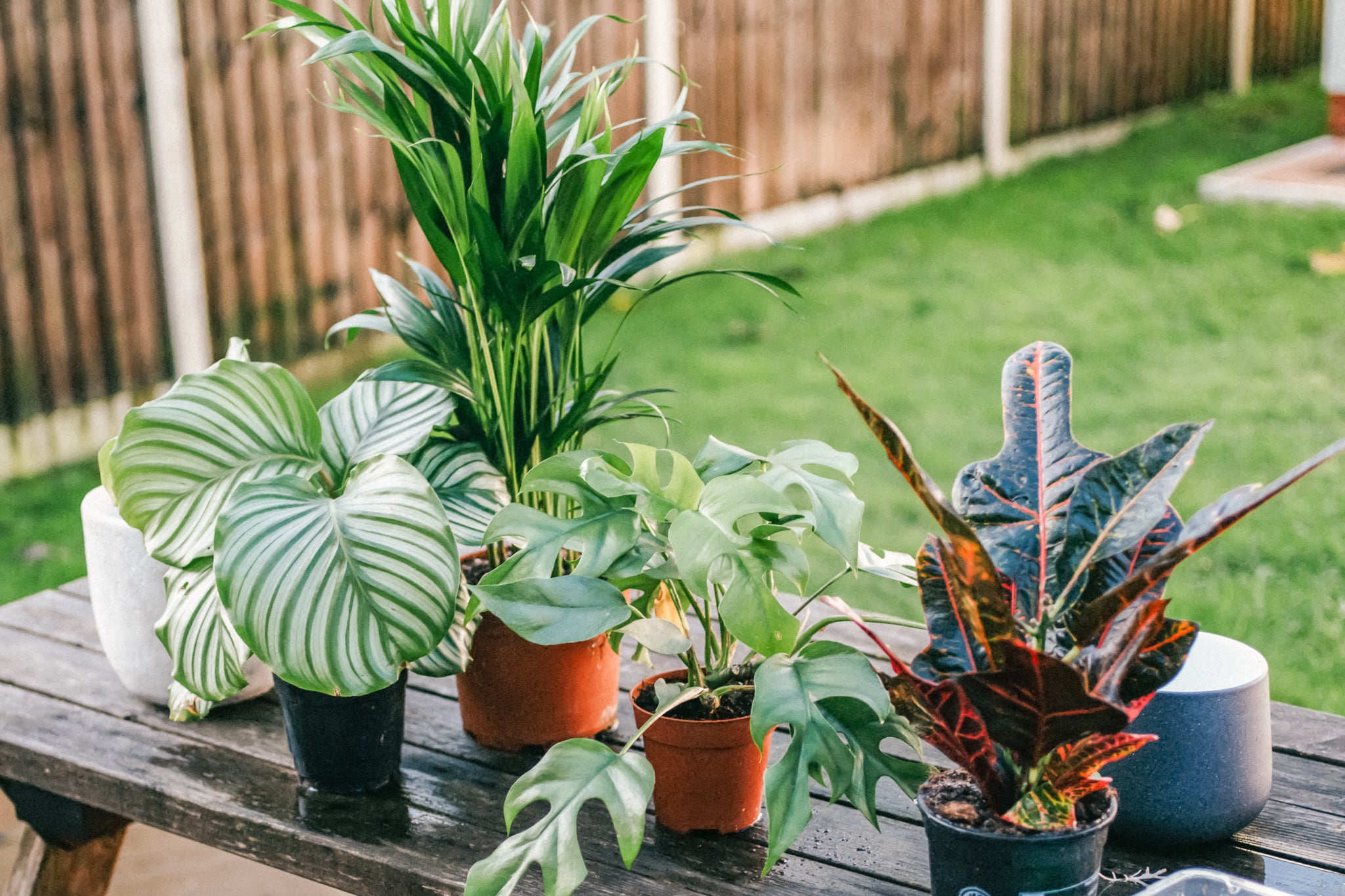
(Images show thriving houseplants enjoying outdoor time on patios and balconies — notice the vibrant colors and compact growth!)
Is It Right for Your Plants? Know Before You Move
Not every houseplant loves the great outdoors, even temporarily. Light tolerance varies widely based on origin — tropical understory plants vs. desert natives.
Plants That Thrive with Temporary Outdoor Time
These adore brighter conditions and usually respond beautifully:
- Succulents & cacti (Echeveria, Aloe, Jade, Haworthia) — desert stars!
- Fiddle-leaf fig, Monstera deliciosa, Bird of Paradise
- Citrus trees, herbs (basil, rosemary), Ponytail Palm
- Tropical foliage like Philodendron, Pothos, Croton, Dieffenbachia
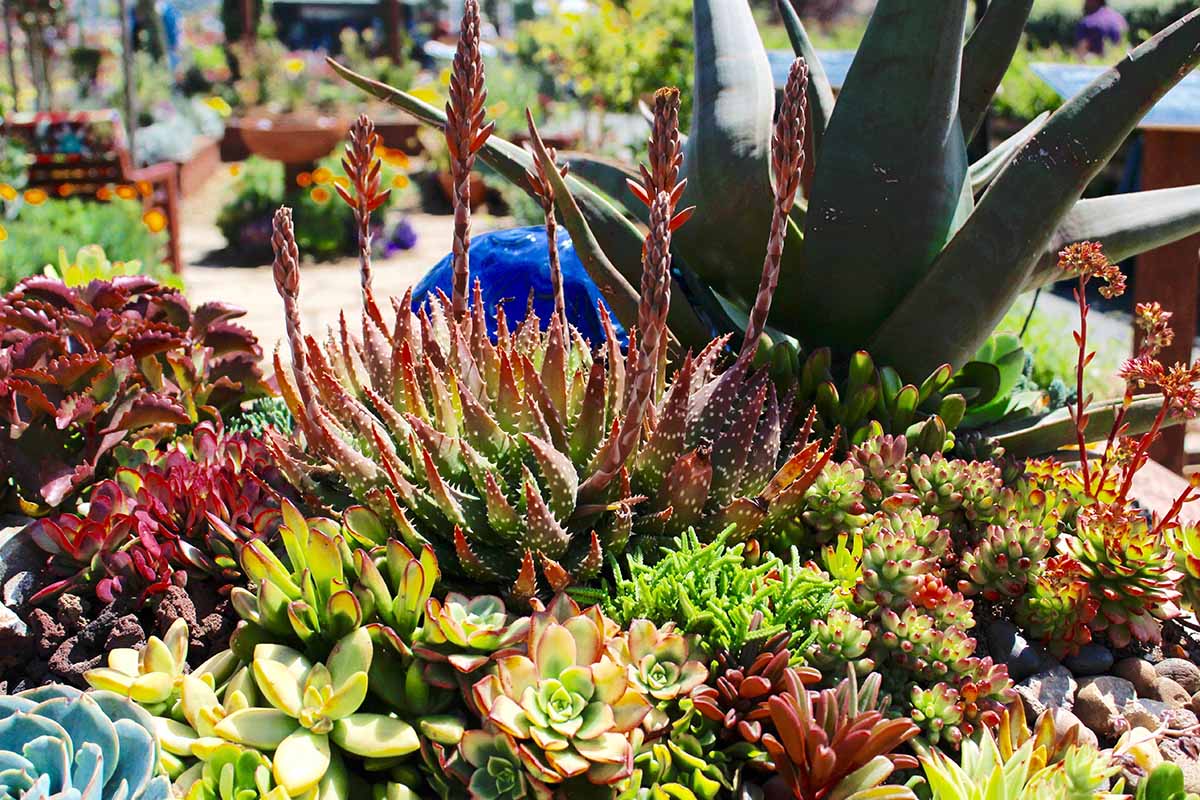
(Succulents and cacti soaking up full sun outdoors — perfect examples of sun-loving types!)
Plants to Keep Indoors (or Handle Very Carefully)
Some prefer consistent low-to-medium light and can suffer from too much change:
- African violets (fuzzy leaves burn or spot from water + sun) 😿
- Ferns, Calathea, Nerve plants — true shade lovers
- ZZ plants or Snake plants in very low light setups
Quick Plant-by-Plant Sun Tolerance Chart
- Full sun lovers (6+ hours direct): Succulents, cacti, Croton, Citrus
- Bright indirect/part shade (morning sun + afternoon shade): Monstera, Fiddle-leaf fig, Philodendron, most tropicals
- Shade only (dappled or indirect): Ferns, Calathea, Peace lily
Assess your plants’ current health and native habitat — if they’ve been in low light for months, they’ll need extra-gentle acclimation.
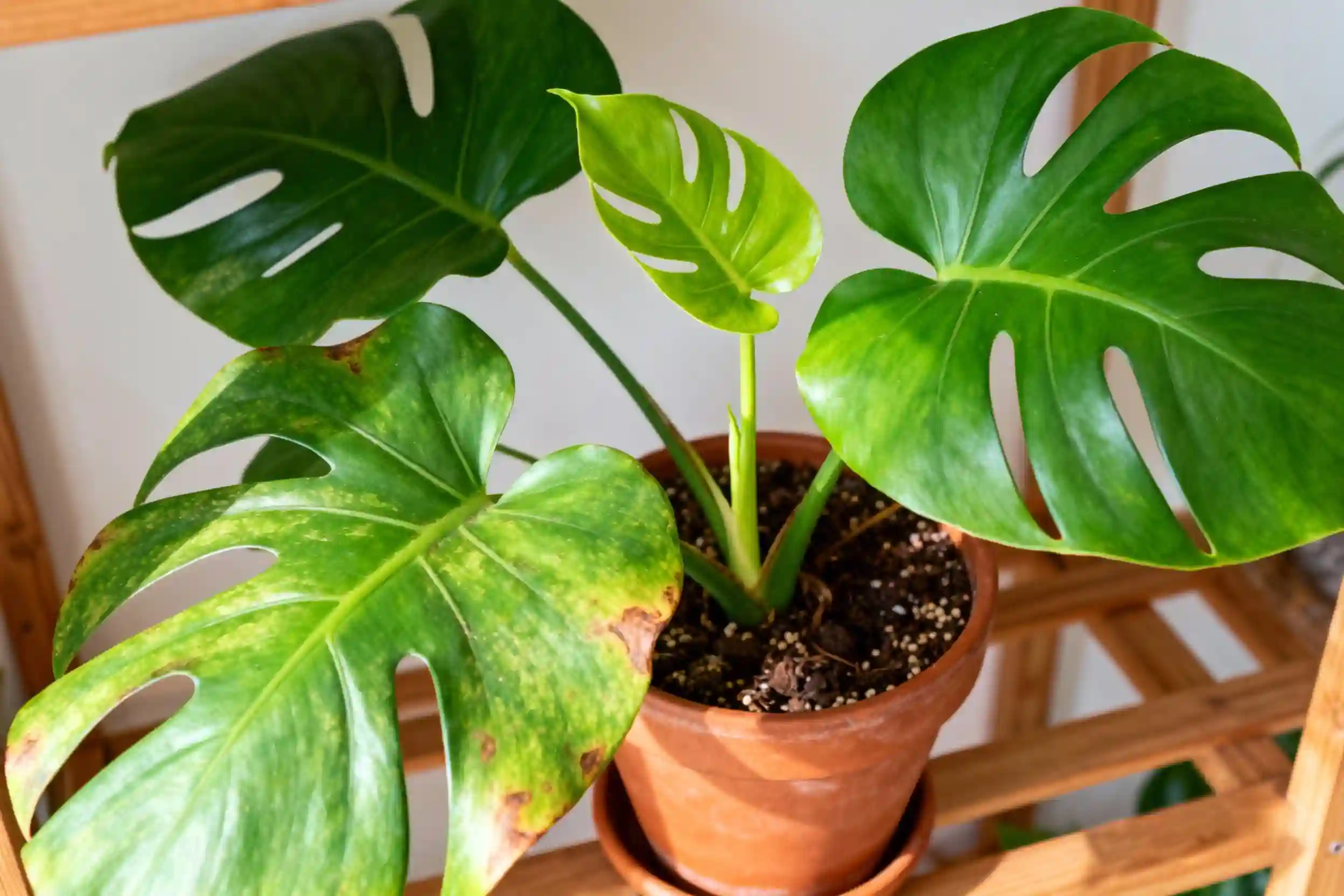
(Healthy Monstera with lush, fenestrated leaves — the kind of transformation possible with proper outdoor light!)
The #1 Rule: Always Acclimate Gradually (Hardening Off Process)
This step separates success from scorched disaster. Houseplants grown indoors have thin, shade-adapted leaves that burn easily under intense UV. “Hardening off” thickens cell walls and builds protective pigments over 10–14 days.
Step-by-Step 10–14 Day Acclimation Schedule
- Days 1–3: 1–2 hours in full shade (under a tree, north-facing porch, or covered patio) 🌳
- Days 4–7: Increase to 3–6 hours, introduce gentle morning or dappled light 🌅
- Days 8–12: Gradually add more direct sun, but avoid harsh 10 AM–3 PM peak at first
- Day 13+: Move to final outdoor spot if no stress appears
Pro tips during acclimation:
- Begin on cloudy, mild days (60–75°F / 15–24°C ideal)
- Bring plants indoors at night if temperatures dip below 55–60°F (13–15°C) 🌡️
- Monitor daily for stress: wilting, yellowing edges, or brown crispy spots
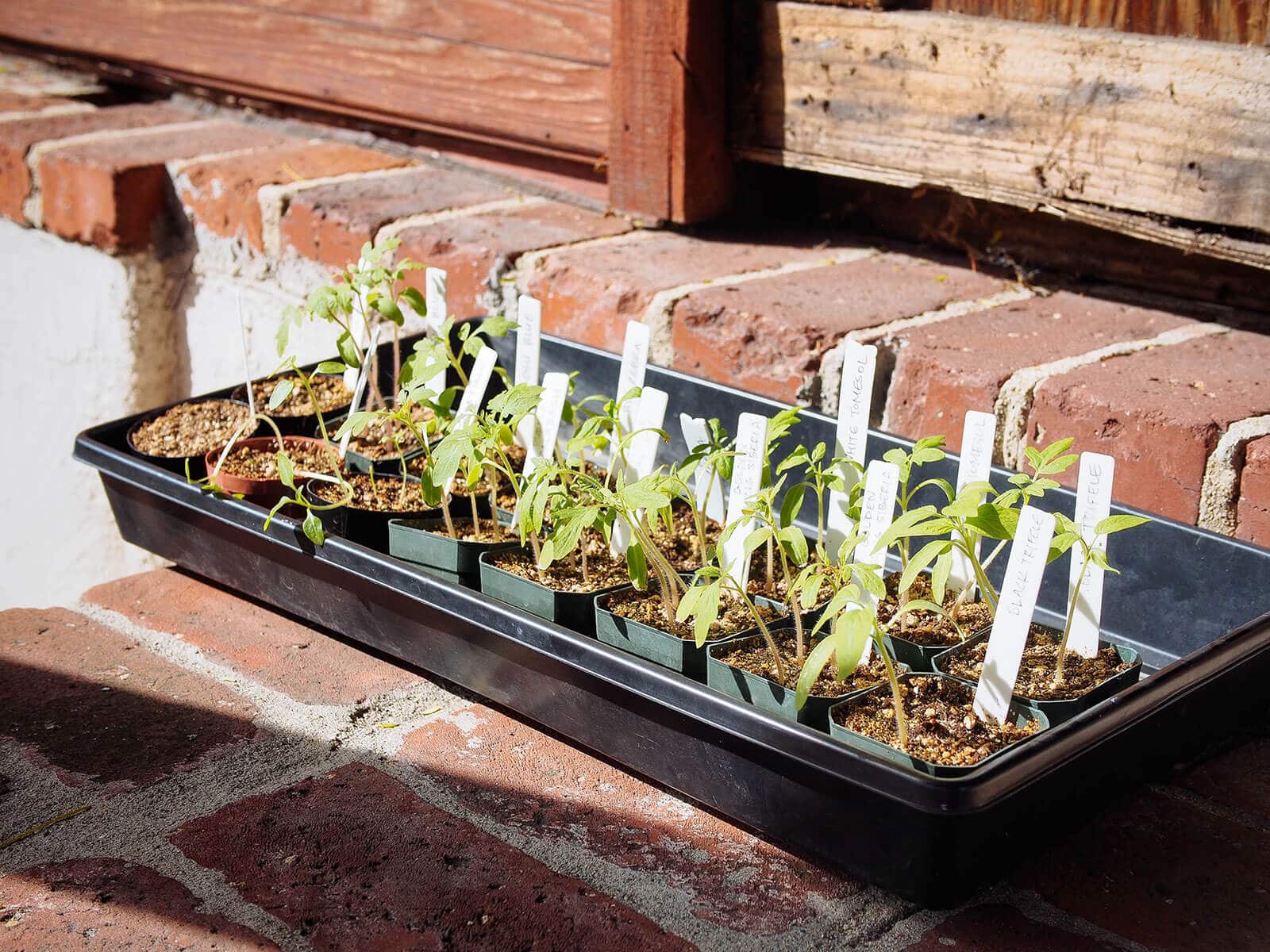
(Gradual exposure examples — start shaded and protected, just like these seedlings transitioning outdoors!)
Choosing the Perfect Outdoor Spot 🏡🌳
Once your plants are properly acclimated, placement is key to maximizing benefits while minimizing risks. The goal is bright but protected light — think “Goldilocks zone” for most houseplants.
- Ideal light zones:
- Morning sun + afternoon shade (east-facing spot): Best for most tropical foliage like Monstera, Philodendron, or Fiddle-leaf fig — gentle rays without intense midday heat 🌅
- Dappled or filtered shade (under a tree canopy, sheer awning, or north side): Great starting point or for part-shade lovers
- Full sun (6+ hours direct): Reserved for succulents, cacti, herbs, and sun-hungry plants like Croton or Citrus
- Protection factors:
- Wind blocks (fences, walls, railings) to prevent tipping or leaf tear
- Shelter from heavy downpours — constant soggy soil leads to root rot
- Pest-safe distance from ants, aphids, or slugs — elevate pots if needed
- Stable temperatures — avoid spots with extreme heat reflection off pavement
Popular setups include:
- Covered patios or porches
- Balconies with partial overhang
- Grouped under trees for natural shade and humidity boost
Pro tip: Group plants together — they create a mini microclimate, raising local humidity and making monitoring easier. Rotate pots every few days for even light exposure!
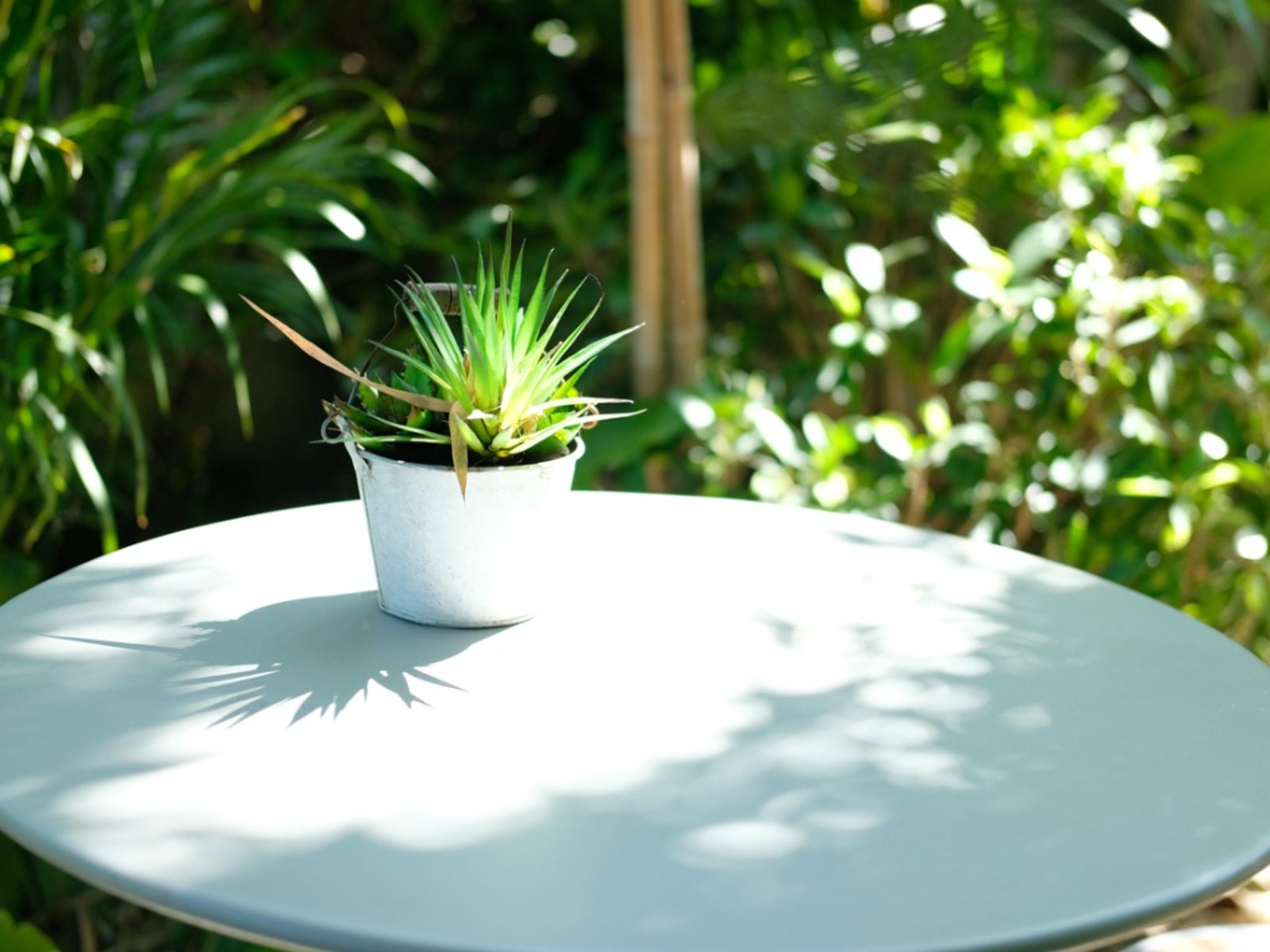
(These show houseplants grouped on patios and under cover — notice the protected, bright-but-shaded setups perfect for acclimation and summer stays!)
Watering, Feeding & Care While Outdoors 💧🌱
Outdoor conditions change everything — higher light, wind, and temperature swings mean faster soil drying and increased nutrient demand.
- Watering adjustments:
- Check soil daily (finger test 1–2 inches deep) — most plants need watering when the top feels dry
- Expect 2–3× more frequent watering than indoors, especially in heat or wind
- Use room-temperature water to avoid shocking roots
- Morning watering is best — allows foliage to dry before night, reducing fungal risk
- Feeding for growth spurts:
- Apply a balanced, water-soluble fertilizer (e.g., 10-10-10 or 20-20-20) at half strength every 2–4 weeks
- Focus on nitrogen for foliage boost, but don’t overdo — too much leads to weak, leggy growth
- Pause if temps exceed 90°F (32°C) — plants slow uptake in extreme heat
- Pest & disease watch:
- Inspect undersides of leaves weekly for spider mites, aphids, or mealybugs
- Hose off pests with strong water spray or use neem oil/insecticidal soap
- Rain helps rinse dust and some pests, but check after storms for waterlogged soil
- Rain benefits vs. risks:
- Natural rainwater is soft and slightly acidic — great for most tropicals!
- Move sensitive plants under cover during torrential downpours to prevent root issues
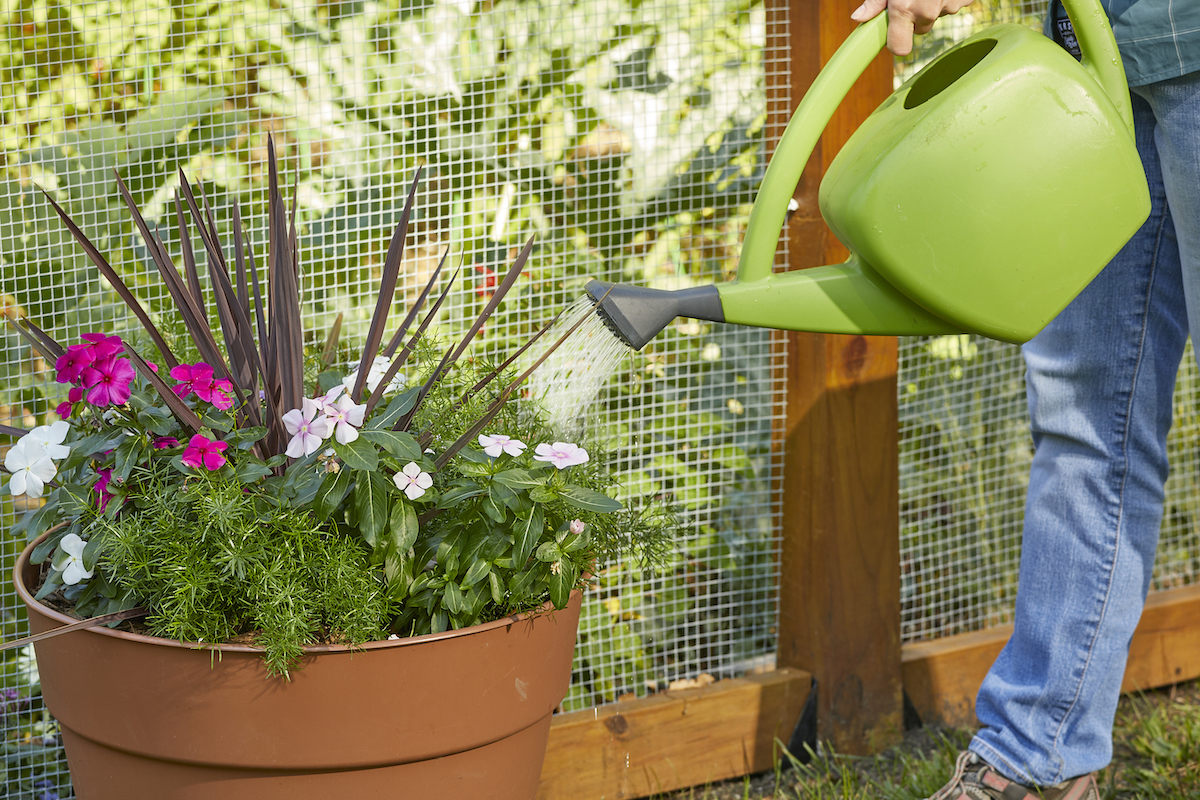
(Beautiful watering scenes — use a gentle can or hose to keep soil moist without drenching!)
Common Mistakes & How to Avoid Plant Sunburn/Shock 🔥😿
Even experienced growers slip up — here are the top pitfalls and fixes.
- Mistake #1: Skipping or rushing acclimation Result: Instant leaf scorch (brown, crispy edges/patches) Fix: Stick to the 10–14 day schedule religiously
- Mistake #2: Midday full sun too early Intense noon rays + thin indoor leaves = bleached or burned foliage Fix: Limit direct sun to mornings initially
- Mistake #3: Ignoring nighttime temperature drops Below 55°F (13°C) can cause shock or leaf drop Fix: Bring plants in at night during shoulder seasons
- Mistake #4: Overwatering after rain or forgetting drainage Leads to yellowing lower leaves and root rot Fix: Ensure pots have holes; empty saucers after heavy rain
If damage happens:
- Move to shade immediately
- Trim severely burned leaves with clean scissors
- Maintain consistent moisture (not soggy)
- Be patient — new growth often replaces damaged parts in 4–8 weeks
:strip_icc()/Sunburned-houseplants-85e812eb7ebe4e9d96eabbbd8f6c09e4.jpg)
(Examples of sunburn damage — yellow/brown crispy patches, leaf scorch, and necrotic spots. Learn to spot early!)
Real-Life Examples & Success Stories 📸🌟
To show just how transformative this practice can be, here are a few real-world examples (drawn from my own trials, reader feedback, and common experiences shared in plant communities):
- The Leggy Monstera Makeover A reader in a north-facing apartment had a beautiful but stretched Monstera with tiny, closed fenestrations and pale new leaves. After following a careful 12-day acclimation and placing it in morning sun + afternoon dappled shade on a covered balcony for 6–8 weeks (May–July), the plant responded with:
- Three new, large, deeply split leaves in just 5 weeks
- Darker, glossier foliage
- Noticeably thicker stems The key? Consistent morning checks and moving it back indoors during a surprise cool night dip.
- Succulent Glow-Up A collection of Echeveria and Haworthia that looked stretched and etiolated indoors went outside (after 10 days hardening off) to a south-facing patio with full morning sun. Within 4 weeks:
- Rosettes tightened and colors intensified (pinks, purples, blues popped!)
- New pups appeared at the base Lesson learned: Succulents can handle full sun much sooner than tropicals — many can skip extended shade phases.
- Peace Lily Bloom Revival A consistently non-blooming Spathiphyllum spent 4 weeks in bright, indirect outdoor light (under a pergola). Result: Two elegant white spathes emerged — something it hadn’t done indoors in over a year. The extra light intensity triggered the flowering response tropicals often need.
Before-and-after visuals typically show:
- Pale, small indoor leaves → rich, larger, more colorful outdoor-adapted growth
- Sparse, stretched stems → compact, bushy form
These transformations are common when the process is done patiently — many people report their plants “look like they came from a nursery” after a safe summer stint outdoors.
(Real before/after examples of houseplants after safe outdoor light exposure — notice the compact growth, richer color, and new leaves!)
Expert Insights & Bonus Tips
Drawing from university extension resources (University of Minnesota Extension, Iowa State University Horticulture, and RHS guidelines) plus seasoned indoor-outdoor growers:
- Seasonal timing — Start in late spring/early summer after the last frost (check your local frost dates). End in early fall before nights consistently drop below 55–60°F (13–15°C).
- Combo power move — Many experts recommend repotting or refreshing soil just before moving outdoors. Fresh nutrients + brighter light = explosive growth.
- Humidity bonus — Outdoor air is often more humid than indoor AC/heating — tropicals love it. Mist sensitive foliage in dry, windy conditions.
- Regional variations — In hot, arid climates (like parts of the southern U.S. or Middle East), provide extra afternoon shade. In cooler, cloudy regions (Pacific Northwest, northern Europe), plants can often handle more direct sun.
- Companion planting tip — Place aromatic herbs (basil, mint) nearby — their scent can help deter some pests naturally.
Frequently Asked Questions (FAQs) ❓
Can succulents go straight to full sun? Most can — especially hardy types like Aloe, Jade, and Echeveria — but still do a 5–7 day gradual intro if they’ve been indoors for a long time.
What if it rains heavily while they’re out? Move pots under cover during torrential downpours. Check soil drainage afterward — tip out excess water from saucers to prevent root rot.
How long can plants safely stay outdoors? Typically 2–6 months, depending on your climate. Bring them back in before nighttime lows threaten tropicals (around 55°F/13°C).
Will bugs attack my plants? Possible — aphids, spider mites, and slugs are common. Inspect weekly, hose off pests, and use neem oil early. Most houseplants fare better outdoors pest-wise than in stuffy indoor air.
Is it worth it for small or young plants? Absolutely — even small pots respond dramatically. Just be extra gentle with acclimation and protect from strong wind.
What if I forget to bring them in at night? A single cool night usually isn’t fatal for hardy tropicals, but repeated exposure below 50°F (10°C) can cause leaf drop or stunted growth. Err on the side of caution.
Final Thoughts
Moving plants outdoors temporarily for extra sun is one of the simplest, most powerful, and most rewarding tricks in houseplant care. With the right acclimation, smart placement, and attentive care, you’ll watch your collection transform — leggy stems tighten, colors deepen, blooms appear, and new growth explodes. 🌿✨
It’s not about permanent relocation; it’s about giving your plants a short, safe vacation in brighter, fresher conditions — then welcoming them back indoors refreshed and stronger.
If you try this method this season, I’d love to hear your results! Drop a comment below: Which plant are you giving an outdoor boost? Did you see new leaves or unexpected flowers? Your stories help other plant lovers succeed.
Happy growing — and enjoy those sun-kissed leaves! ☀️🌱











