
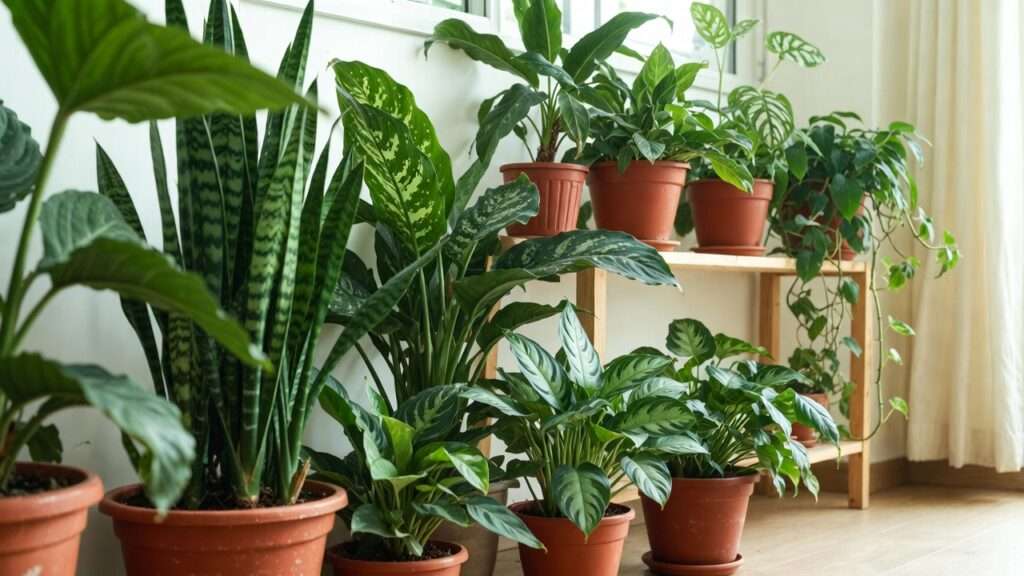
Imagine stepping into your Dhaka apartment after a long, dusty day on the roads—traffic fumes lingering in the air, new furniture off-gassing that faint chemical smell, and the AC running non-stop, sealing everything in. 😷 Your head starts to ache, your throat feels scratchy, and you just can’t shake that tired feeling. Sound familiar? You’re not alone. In our modern, urban homes—especially in bustling cities like Dhaka—indoor air can be 2–5 times more polluted than outdoor air, thanks to volatile organic compounds (VOCs) from paints, cleaners, carpets, and even everyday items like printers and fabrics.
The good news? NASA-approved indoor air-purifying plants offer a natural, beautiful, and surprisingly effective way to fight back. Back in 1989, NASA’s Clean Air Study (led by Dr. B.C. Wolverton) tested common houseplants in sealed chambers—similar to space stations—and discovered they could remove harmful toxins like formaldehyde, benzene, trichloroethylene, xylene, toluene, and even ammonia. 🌱 These plants don’t just look pretty; their leaves, roots, and the beneficial microbes in the soil act as living filters, absorbing pollutants and releasing cleaner oxygen.
Fast-forward to 2026, and while some critics note that you’d need many plants for dramatic effects in large, ventilated spaces (a valid point from recent reviews), the consensus from ongoing research—including studies on tropical climates—shows these green allies still provide meaningful benefits: better humidity control in our humid monsoons, reduced allergens, lower stress levels, and a fresher feel in sealed rooms. No fancy HEPA filters required—just some easy-care greenery that thrives in Bangladesh’s warm, humid conditions. In this comprehensive guide, we’ll dive deep into the science, share the top NASA-backed picks with practical care tips tailored for Dhaka homes, and show you how to start breathing easier today. Ready to turn your space into a natural sanctuary? Let’s grow! 💚
Understanding Indoor Air Pollution – Why Plants Matter More Than Ever in 2026
Indoor air pollution isn’t just a “big city” problem—it’s hiding in plain sight in our homes. Common culprits include:
- Formaldehyde — Released from pressed-wood furniture, plywood, adhesives, carpets, and even some fabrics.
- Benzene — Found in paints, varnishes, plastics, detergents, and cigarette smoke.
- Trichloroethylene — Common in dry-cleaning solutions, inks, paints, and varnishes.
- Xylene and toluene — From glues, paints, lacquers, and nail polish.
- Ammonia — From household cleaners and pet areas.
In Dhaka’s tightly sealed apartments with AC blasting during hot summers or humid monsoons, ventilation is limited, allowing these VOCs to build up. The World Health Organization links poor indoor air to headaches, dizziness, eye irritation, respiratory issues, and long-term risks like asthma aggravation or even certain cancers.
That’s where houseplants shine. NASA’s pioneering research showed plants remove VOCs through a process called phytoremediation: leaves absorb gases, while roots and soil microbes break them down. Recent studies (including 2020s reviews) confirm soil bacteria do much of the heavy lifting—up to 90% in some cases—making potted plants surprisingly powerful.
Beyond toxin removal, these plants boost humidity (crucial in dry winter AC rooms), lower CO₂ levels, produce oxygen (some even at night!), and tap into “biophilia”—reducing stress and improving mood. In tropical climates like ours, humidity-loving varieties thrive naturally, turning potential problems into perks. 🌴 Plants aren’t a complete replacement for ventilation or air purifiers, but as an affordable, eco-friendly supplement? They’re game-changers for healthier living.
The Science Behind NASA’s Clean Air Study – What the Research Really Says
The 1989 NASA Clean Air Study, conducted with the Associated Landscape Contractors of America (ALCA), tested over a dozen common houseplants in sealed Plexiglas chambers. Researchers exposed them to high levels of VOCs and measured removal rates over 24 hours.
Key takeaways:
- Many plants removed 50–90% of targeted toxins (e.g., peace lilies excelled at benzene, snake plants at nighttime oxygen release).
- The roots and associated soil microbes were the primary filters—not just the leaves.
- Low-light-tolerant species performed well, ideal for indoor spaces.
Dr. Bill Wolverton emphasized combining plants with ventilation for best results. The study linked to “sick building syndrome” relief in energy-efficient structures.
In 2026, the original findings hold up as foundational, though scaled critiques (e.g., needing 10–1000 plants per square meter for massive impact) highlight real-world limits. Newer research shows benefits in smaller doses: reduced airborne microbes, ultrafine particles, and VOCs in occupied spaces—especially when grouped. For tropical homes, humidity aids microbial activity, enhancing purification.
Credible sources like NASA’s technical reports, EPA guidelines, and recent peer-reviewed papers back this: plants are a proven, natural boost to indoor air quality. 🚀
Top NASA-Approved Indoor Air-Purifying Plants – Our Expert-Curated List 🌱
From the original 1989 NASA Clean Air Study and its enduring influence (still cited in 2025–2026 guides from sources like CO2 Meter, EPA-linked discussions, and horticultural updates), here are the standout performers. I’ve curated the top 10–12 based on toxin removal rates, ease of care in tropical/humid climates like Dhaka’s (high humidity, variable light from apartments, monsoon challenges), availability in local nurseries, and proven real-world benefits. These plants excel at removing VOCs such as formaldehyde (from furniture/plywood), benzene (paints/smoke), trichloroethylene (cleaners), xylene/toluene (glues), and ammonia.
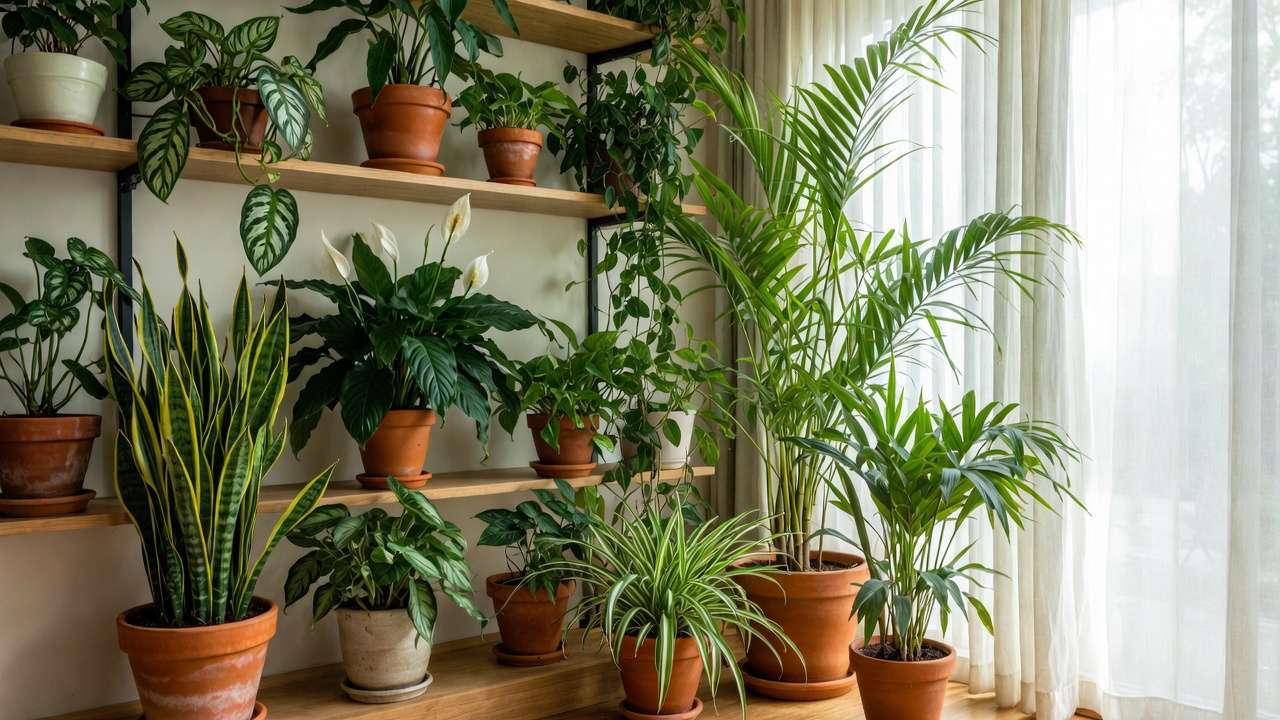
For each, I’ll cover key toxins removed, care tailored to Bangladesh homes, pros/cons, ideal placement, and why it’s a winner in 2026. Pair them for broad coverage—nature’s multi-tool team! 🏆
H3: Snake Plant (Sansevieria trifasciata / Mother-in-Law’s Tongue / Dracaena trifasciata) 🐍 One of NASA’s top all-rounders—removes formaldehyde, benzene, trichloroethylene, xylene, and toluene. Unique superpower: Uses Crassulacean Acid Metabolism (CAM) photosynthesis, releasing oxygen at night while absorbing CO₂—ideal for bedrooms! Recent reviews highlight its resilience and soil microbe activity boosting purification.
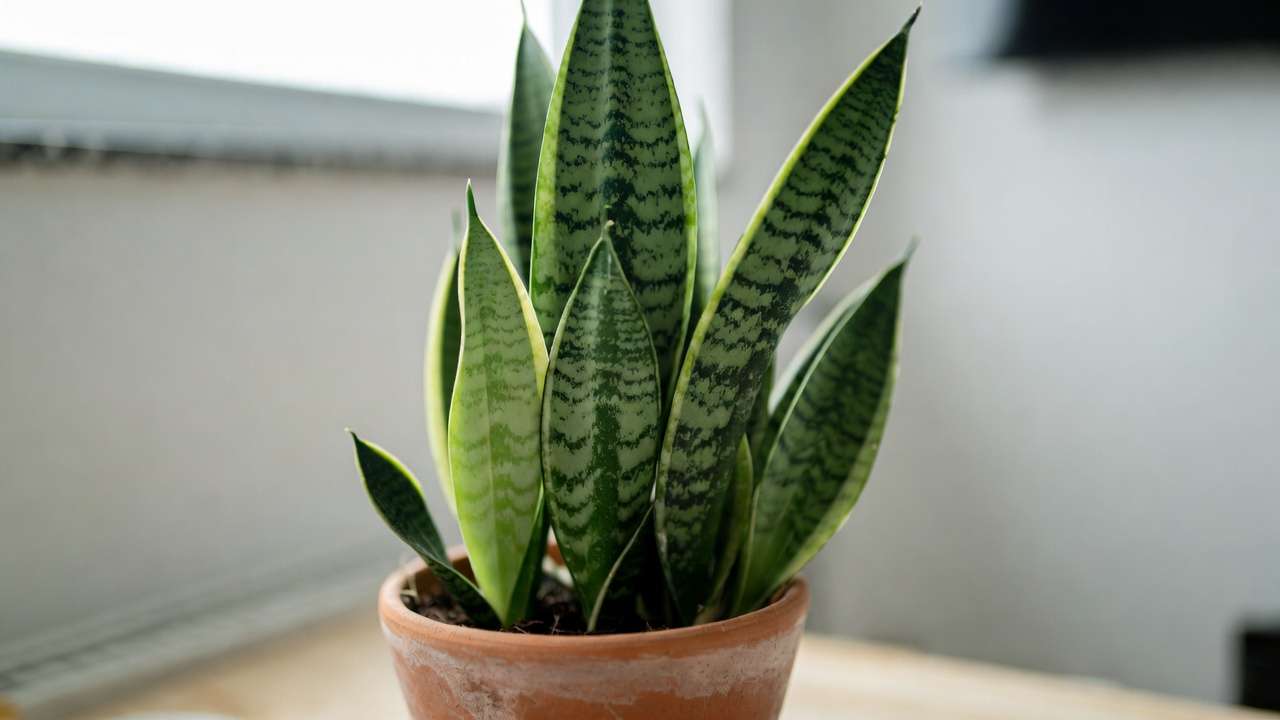
Care in Dhaka: Thrives in low to bright indirect light (perfect for north-facing windows or shaded corners). Water sparingly—every 2–4 weeks; let soil dry completely to avoid root rot in humid monsoons. Well-draining cactus/succulent mix works best. Fertilize lightly during spring/summer.
Pros: Extremely low-maintenance, drought-tolerant, pet-safe-ish (mildly toxic if chewed a lot), architectural upright leaves add modern vibe. Cons: Sharp edges—keep away from kids/pets who might play rough. Best placement: Bedroom nightstand or living room corner. Start here if you’re a beginner!
H3: Peace Lily (Spathiphyllum ‘Mauna Loa’) ☮️🌸 NASA star for ammonia, benzene, formaldehyde, and trichloroethylene removal. Its elegant white “flowers” (actually spathes) bloom reliably indoors, signaling when it needs water by drooping dramatically—super helpful!
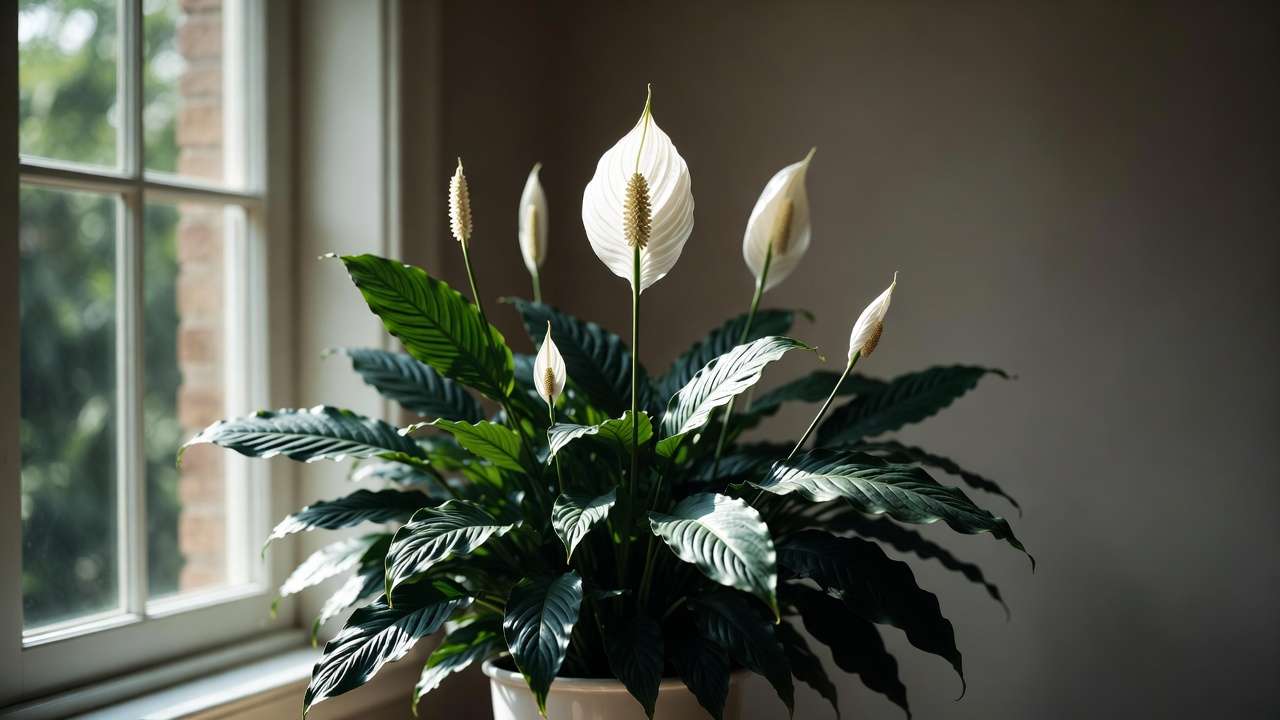
Care in Dhaka: Medium indirect light (avoid direct sun to prevent leaf scorch). Keep soil consistently moist but not soggy—loves Dhaka’s humidity; mist leaves during dry winters. Use peat-based potting mix. Wipe leaves to remove dust for better air exchange.
Pros: Beautiful blooms, excellent humidifier, removes mold spores indirectly. Cons: Toxic to pets/kids if ingested (keep elevated). Best placement: Bathrooms (high humidity), living rooms, or shaded offices—great for allergy relief.
H3: Spider Plant (Chlorophytum comosum) 🕷️ Top NASA performer against formaldehyde, xylene, and carbon monoxide. Produces adorable “spiderettes” (baby plants) that dangle and root easily—free propagation!

Care in Dhaka: Bright indirect to medium light; tolerates low light but grows slower. Water when top inch of soil dries—forgiving of occasional neglect. Loves humidity; hang in bathrooms or kitchens.
Pros: Super easy, pet-safe, air-purifying champ, fun trailing growth for shelves. Cons: Can get leggy in very low light. Best placement: Hanging baskets in living areas or kitchens—filters cooking fumes nicely.
H3: Bamboo Palm (Chamaedorea seifrizii) 🌴 NASA favorite for formaldehyde, benzene, and trichloroethylene. Adds lush tropical height and naturally increases humidity—counteracts dry AC air in winter.
Care in Dhaka: Low to medium indirect light. Keep soil evenly moist (don’t let dry out completely). Use rich, well-draining soil. Prune brown tips from low humidity.
Pros: Elegant fronds, pet-safe, excellent humidifier for dry seasons. Cons: Slower grower; needs space to spread. Best placement: Corners of living/dining rooms—creates a green screen.
H3: English Ivy (Hedera helix) 🍃 Outstanding for benzene and formaldehyde; also reduces airborne mold—great for damp Dhaka homes during monsoons.
Care in Dhaka: Low to medium light; trailing habit perfect for shelves. Moderate water—let top soil dry. Pinch tips for bushier growth.
Pros: Dense foliage, mold fighter, trails beautifully. Cons: Toxic to pets; invasive outdoors (keep indoors). Best placement: Hanging or shelves near windows.
H3: Pothos / Money Plant (Epipremnum aureum) 💰 Removes formaldehyde, benzene, and CO. Extremely adaptable—often called “indestructible” in tropical setups.
Care in Dhaka: Thrives in low light (ideal for dim apartments). Water when soil dries; tolerates neglect. Can grow in water or soil—propagate cuttings easily.
Pros: Fast-growing vines, low-light champ, pet-safe-ish (mild toxicity). Cons: Can become leggy; trim regularly. Best placement: Trailing from shelves or in water vases—filters air in tight spaces.
H3: Aloe Vera 🌵 Filters formaldehyde and benzene; bonus: gel soothes burns and skin issues!
Care in Dhaka: Bright indirect to direct morning light. Water deeply but infrequently—succulent style. Well-draining soil crucial.
Pros: Medicinal uses, compact, low-maintenance. Cons: Sharp edges; overwatering kills fast. Best placement: Sunny windowsills or kitchen counters.
H3: Areca Palm / Golden Cane Palm (Dypsis lutescens) 🏝️ NASA’s high performer for formaldehyde, xylene, toluene. Excellent natural humidifier.
Care in Dhaka: Bright indirect light; regular watering (keep moist). Mist fronds in dry air.
Pros: Feathery fronds, adds height and humidity. Cons: Needs more light/space than others. Best placement: Bright living room spots.
H3: Additional Strong Contenders
- Chinese Evergreen (Aglaonema) — Low-light tolerant, removes multiple VOCs.
- Boston Fern — Humidity booster, filters formaldehyde (loves Dhaka monsoons).
- Dracaena varieties (e.g., Janet Craig, Marginata) — Versatile toxin removers.
These picks cover a wide toxin spectrum when grouped—aim for variety!
How Many Plants Do You Really Need? Placement & Quantity Tips 📏
NASA’s original guideline: About 1 good-sized plant per 100 square feet for noticeable VOC reduction in sealed spaces. For a typical 800–1000 sq ft Dhaka apartment, 8–15 plants make a meaningful difference—especially grouped together (clustering boosts microbe activity and humidity).
Strategic placement maximizes impact:
- Bedrooms: Snake Plant or Peace Lily (nighttime O₂, toxin removal during sleep).
- Living rooms: Bamboo Palm or Areca Palm (height + broad coverage).
- Kitchens/bathrooms: Spider Plant or Pothos (handle moisture, fumes).
- Low-light corners: Pothos, Snake Plant, Chinese Evergreen.
In humid monsoons, humidity-loving ones (Peace Lily, ferns) thrive; in dry winters with AC, add palms for moisture. Combine types for comprehensive filtration—don’t rely on one alone!
Essential Care Tips for Thriving Air-Purifying Plants in Tropical Climates 🌡️
Dhaka’s climate—hot, humid monsoons followed by drier, cooler winters with heavy AC use—creates unique conditions for houseplants. These NASA-approved picks are generally forgiving, but following these tailored tips will keep them healthy, lush, and actively purifying your air.
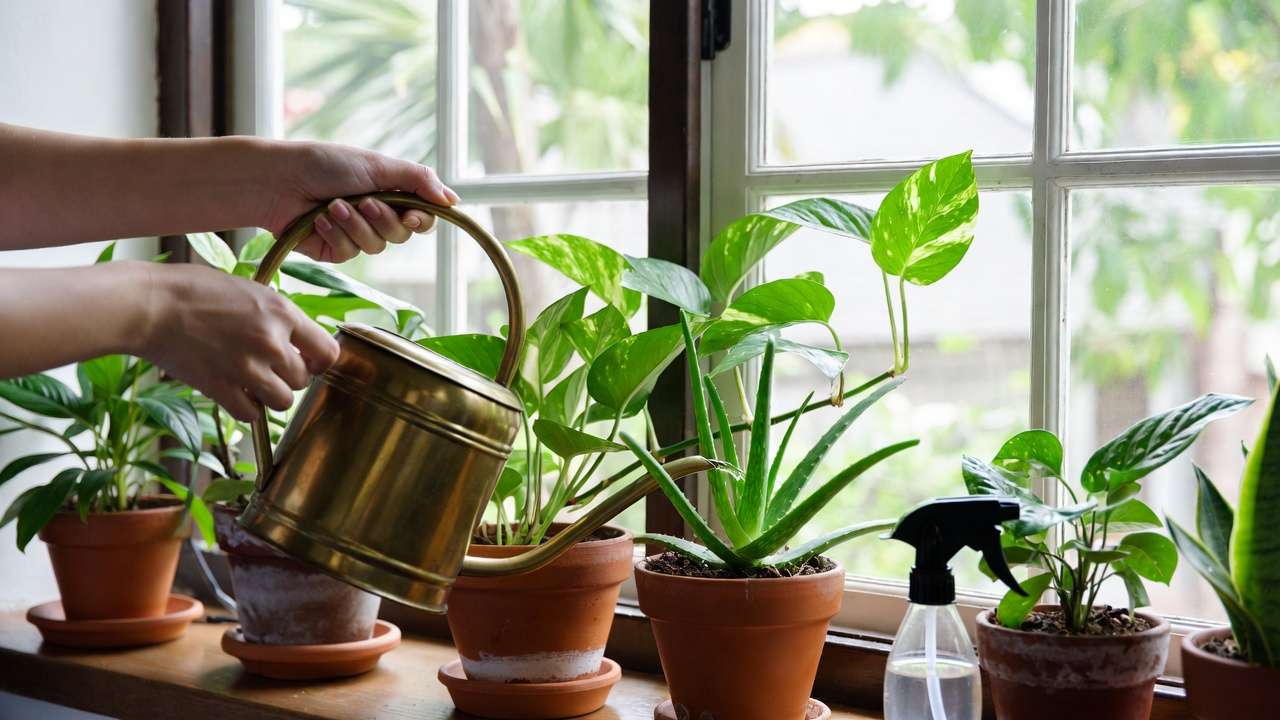
Light Management Most of these plants prefer bright, indirect light (east/west-facing windows work best). In low-light Dhaka apartments:
- Use Snake Plant, Pothos, Chinese Evergreen, or ZZ Plant (bonus low-light contender) in dim corners.
- Supplement with affordable full-spectrum LED grow lights (10–12 hours/day) during cloudy monsoon stretches or north-facing rooms. Avoid direct midday sun to prevent leaf burn.
Watering Wisdom Overwatering is the #1 killer in humid climates—always check the top 2–5 cm of soil with your finger.
- Drought-tolerant picks (Snake Plant, Aloe Vera, ZZ): Water every 2–4 weeks; let dry completely.
- Moisture lovers (Peace Lily, Bamboo Palm, Ferns): Keep soil evenly moist but never soggy—use pots with drainage holes.
- During monsoons: Reduce frequency; high ambient humidity means less evaporation. In dry winter AC rooms: Mist leaves or use pebble trays with water.
Soil, Pots & Fertilizer
- Use well-draining potting mix (add perlite, orchid bark, or coco coir for aeration).
- Terracotta or ceramic pots with holes prevent root rot in humid weather.
- Fertilize lightly (half-strength balanced liquid fertilizer) every 4–6 weeks in spring/summer; skip in winter when growth slows.
Pest & Disease Prevention Common in humid Dhaka: spider mites (fine webbing), mealybugs (white cottony spots), scale.
- Inspect weekly; wipe leaves with neem oil solution or soapy water.
- Good airflow (small fan) reduces fungal issues like leaf spot during monsoons.
Pruning & Propagation Trim yellow/brown tips (low humidity sign) and propagate easily:
- Pothos/Spider Plant cuttings root in water within 2 weeks.
- Snake Plant leaf cuttings or divisions multiply fast—free new air purifiers!
With these habits, your plants will stay vibrant and effective year-round. 🌱
Bonus Benefits & Expert Insights – Beyond Air Purification
These green companions deliver far more than cleaner air:
- Mental Health Boost — Studies show houseplants reduce stress, anxiety, and fatigue via biophilia (our natural affinity for nature). Even 5–10 minutes near greenery lowers cortisol.
- Humidity Regulation — Palms, Peace Lily, and ferns act as natural humidifiers—perfect counter to dry AC air in winter, helping dry skin, sinuses, and throat irritation.
- Pet & Child Safety — Safe top picks: Spider Plant, Boston Fern, Areca Palm, Bamboo Palm, Snake Plant (mildly toxic but rarely serious). Avoid Peace Lily, English Ivy, Pothos if you have curious cats/dogs/kids—place high or choose alternatives.
- Expert Insight — As a plant care enthusiast who’s helped many Dhaka homes go green, I recommend starting small (3–5 plants) and observing. Combine with better ventilation (open windows when possible) and occasional activated charcoal sachets for maximum effect. Plants + fresh air = unbeatable duo! 💨
Common Myths & FAQs About NASA-Approved Plants ❓
Myth 1: Plants completely replace air purifiers. Reality: They supplement—not substitute. NASA noted meaningful VOC reduction in sealed chambers; in ventilated homes, 10–20 plants make a noticeable difference, especially for localized air quality.
Myth 2: More plants = dramatically better air instantly. Reality: Benefits build gradually (weeks to months) and are strongest when plants are healthy and grouped.
FAQs
- How fast do they purify air? Noticeable effects in days to weeks with good numbers; soil microbes ramp up over time.
- Are they safe for pets/kids? Most are low-risk; check ASPCA lists. Snake Plant and Spider Plant are among the safest.
- Best low-light options for Dhaka apartments? Snake Plant, Pothos, ZZ Plant (bonus), Chinese Evergreen—thriving even in fluorescent light.
- How much maintenance? Low: 10–20 minutes/week total for watering, wiping, checking.
- Do they work in air-conditioned rooms? Yes—especially humidity boosters like palms help balance dry air.
Conclusion – Take Action for Cleaner Air Today! (~200 words) 🏡💚
NASA-approved indoor air-purifying plants are one of the simplest, most beautiful ways to fight indoor pollution naturally. From the ultra-tough Snake Plant releasing oxygen at night, to the elegant Peace Lily brightening your space, to trailing Pothos quietly filtering toxins—these green allies improve air, humidity, mood, and even aesthetics without high costs or complicated setups.
Start small: Pick 3–5 easy winners (Snake Plant for bedrooms, Pothos for low light, Spider Plant for fun propagation). Place them strategically, follow the tropical care tips above, and watch your Dhaka home transform into a fresher, greener, healthier sanctuary.
Small green steps lead to big breathing wins. Your lungs (and your plants) will thank you! 🌿✨
Ready to get started? Head to your nearest nursery or online plant shop in Dhaka—your cleaner air journey begins today.











