
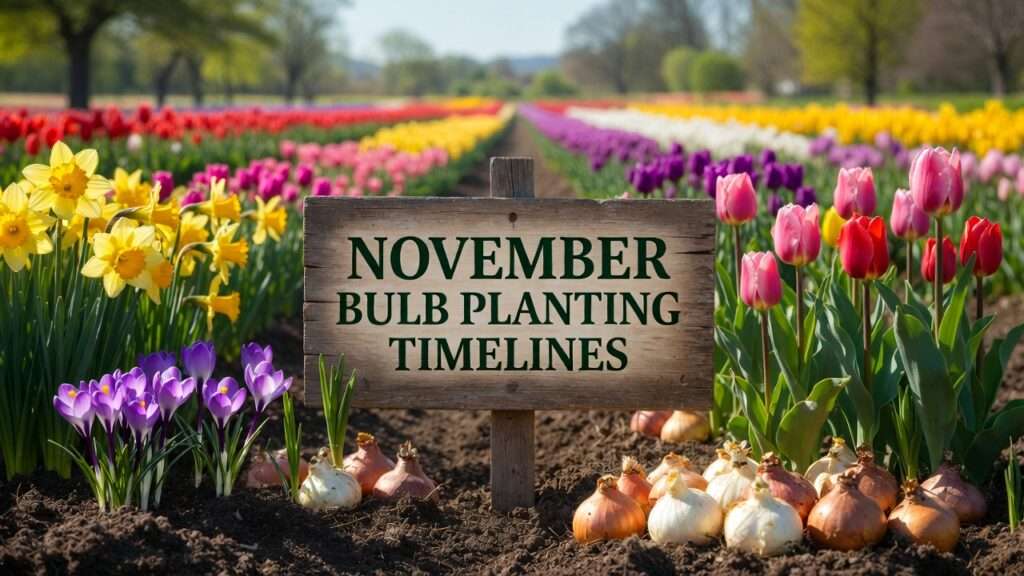
Picture this: After months of gray winter skies, your garden suddenly bursts into life with vibrant tulips swaying in the breeze, cheerful daffodils nodding hello, and delicate crocuses peeking through the last patches of snow. 🌸 It’s the kind of spring spectacle that makes every chilly fall gardening session worth it. But here’s the secret many gardeners miss—November bulb planting timelines often hit the sweet spot for success in most regions.
Why? As soil temperatures drop below 60°F (around 15°C), bulbs focus energy on strong root development rather than premature sprouting, while still getting the crucial 12–16 weeks of chilling (vernalization) needed for those glorious blooms. 🍂 Planting too early risks rot or weak growth; too late, and roots may not establish before freeze-up. November strikes the perfect balance for cooler soil, reduced disease pressure (especially for tulips), and often better weather for digging.
As a horticulturist with over 15 years helping home gardeners—from northern prairies to milder southern zones—I’ve witnessed November plantings deliver some of the most reliable, vibrant spring displays. This in-depth guide covers everything: regional timelines, top bulbs, precise planting steps, pro tips, and pitfalls to avoid. Whether you’re a beginner dreaming of your first colorful border or a seasoned grower planning succession blooms, you’ll walk away ready to create a show-stopping spring garden. Let’s dig in! 🌱
Why November Is Prime Time for Bulb Planting ⏰
The magic of fall bulb planting lies in nature’s timing. Spring-flowering bulbs (also called hardy bulbs or fall-planted bulbs) require a cold period to trigger flower bud formation inside the bulb—a process called vernalization. Most need 12–16 weeks below 45–50°F (7–10°C) to bloom properly; shorter chills lead to stubby stems or ground-level flowers. ❄️
November often delivers ideal conditions: daytime highs in the 50s°F or lower, nighttime lows dipping into the 40s or 30s, and soil cooling to the sweet spot of 50–60°F at planting depth. This encourages robust roots without top growth, reducing risks like fungal diseases that thrive in warmer, wetter soil. Planting in November also minimizes squirrel and rodent damage—critters are less active as food sources dwindle. 🐿️
It’s rarely “too late” in November unless your ground is frozen solid. Even late-month plantings succeed if you mulch well and water thoroughly. In many areas (about 75% of the U.S.), November is statistically the best month for healthy establishment and spectacular spring results.
Understanding Regional November Bulb Planting Timelines 🗺️
Your USDA Hardiness Zone determines the ideal window—plant when soil is consistently below 60°F but before hard freeze. Use a soil thermometer (inexpensive and essential!) inserted 4–6 inches deep for accuracy. Check local frost dates too. Here’s a breakdown:
- Zones 3–5 (Northern/Cold Climates, e.g., Minnesota, Wisconsin, northern New England): Prime window is often September–October, but early to mid-November works perfectly if soil isn’t frozen. Roots establish quickly in cool conditions. Example cities: Minneapolis, Chicago—aim for soil ~55°F or lower.
- Zones 6–7 (Transitional, e.g., Midwest, Mid-Atlantic, Pacific Northwest): November is golden! Mid-to-late month is ideal as soil cools gradually. This extended window gives flexibility for busy gardeners. Example: Washington D.C., Portland—plant when nights hit 40–50°F consistently.
- Zones 8–10 (Southern/Milder Winters, e.g., Southeast, Texas, California): November through December shines. Soil stays workable longer; pre-chill tulips/hyacinths in the fridge (40–45°F for 10–14 weeks) if winters lack chill hours. Example: Atlanta, Dallas—late November often perfect.
For very warm zones (9+), focus on pre-chilling heat-sensitive varieties. Quick reference table:
| USDA Zone | Ideal November Planting Window | Key Tip | Example Locations |
|---|---|---|---|
| 3–5 | Early–mid November | Before ground freezes | Minneapolis, Denver |
| 6–7 | Mid–late November | Soil thermometer check | St. Louis, Philadelphia |
| 8–10 | Mid-November–December | Pre-chill some bulbs | Atlanta, Austin, San Francisco |
Pro tip: Search your zip code + “average first frost date” for precision. 🌡️
(Image: A colorful USDA Hardiness Zone map highlighting fall planting regions for spring bulbs)
Best Spring-Flowering Bulbs to Plant in November 🌷🥀
November timing suits most hardy bulbs beautifully. Focus on these reliable performers:
- Tulips 🎨: Plant late November to reduce tulip fire (fungus). Favorites: Darwin hybrids (sturdy, vibrant), single-late (great for cutting), species tulips (perennialize well). Colors galore except true blue!
- Daffodils/Narcissus 💛: Deer-resistant, multiply over years. Early, mid, late varieties for extended bloom. Fragrant and carefree.
- Crocus 🐝: Earliest bloomers (February–March). Plant in clusters for impact—purple, yellow, white.
- Hyacinths: Intensely fragrant; force indoors too. Grape hyacinths (Muscari) naturalize nicely.
- Alliums (ornamental onions): Tall, globe-shaped blooms for structure and late-spring drama.
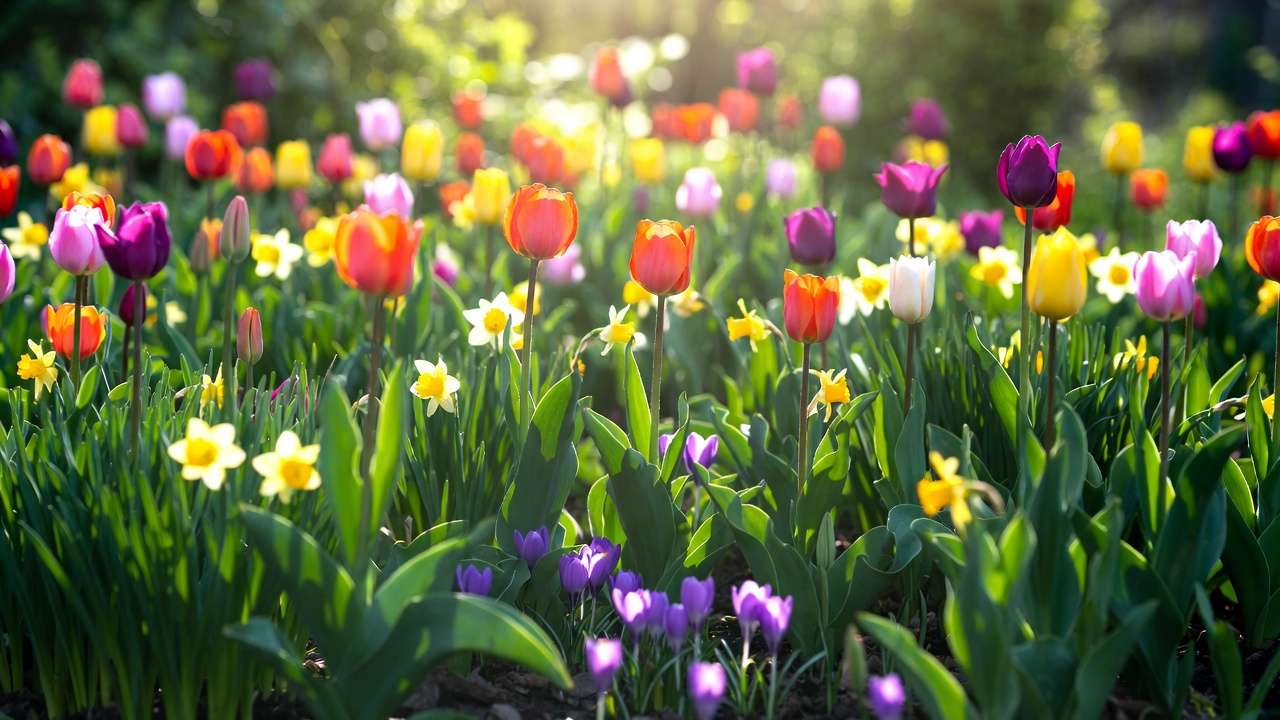
Bonus early birds: Snowdrops (Galanthus), Winter Aconite, Scilla for woodland edges.
Bloom sequence for succession:
- Early spring: Crocus, snowdrops
- Mid-spring: Daffodils, hyacinths
- Late spring: Tulips, alliums
Plant a mix for 8+ weeks of color! 📅
(Image: Close-up of mixed spring bulbs blooming—tulips, daffodils, and crocus in a colorful garden bed)
Step-by-Step Guide: How to Plant Bulbs in November 🛠️
-
Select Healthy Bulbs 🛒: Firm, plump, no mold/soft spots/bruises. Buy early for best selection.
-
Choose the Site ☀️: Full sun (6+ hours), well-drained soil. Avoid low spots where water pools.
-
Prepare Soil 🌱: Loosen to 12 inches, amend with compost. Aim for pH 6.0–7.0. Add bulb fertilizer (high phosphorus).
-
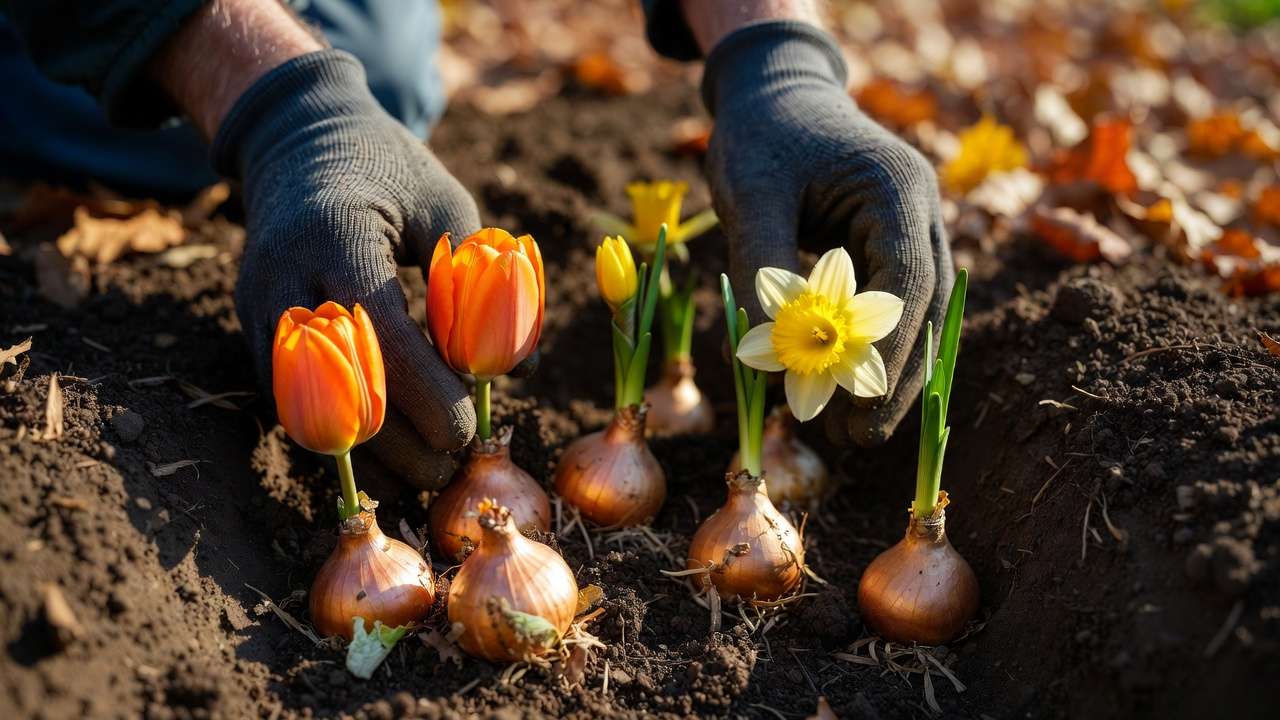
Planting Depth & Spacing: Rule of thumb—2–3x bulb height deep (e.g., tulips/daffodils 6–8 inches, crocus 3–4 inches). Space 4–6 inches apart for impact; deeper in sandy/warm zones.
Pointy end up! Dig trenches or individual holes, place bulbs, cover, firm soil.
-
Group for Drama: Plant 10–20+ in clusters for natural drifts, not straight lines.
-
Water & Finish: Soak deeply after planting. Mulch 2–4 inches with leaves/straw for insulation.
After-Planting Care & Winter Protection 🛡️
Once your bulbs are snug in the ground, the real winter prep begins. Proper post-planting care ensures they emerge strong and healthy come spring.
First, mulch generously. Apply a 2–4 inch layer of organic mulch—shredded leaves, straw, pine needles, or bark—over the planting area after the soil surface lightly freezes (usually late fall/early winter in most zones). This insulates against temperature swings, prevents frost heave (which can push bulbs upward and expose roots), and retains moisture. Avoid piling mulch against stems of nearby perennials to prevent rot.

Rodent and pest protection is crucial—voles, mice, and squirrels love tulip bulbs especially. Bury bulbs in wire mesh baskets (chicken wire or hardware cloth with ½-inch holes) shaped like open-top cylinders or domes. Place the basket in the hole, add bulbs, then backfill. Natural repellents like crushed garlic, cayenne pepper mixed into soil, or commercial critter repellents can help too. For severe issues, plant more deer- and rodent-resistant options like daffodils or alliums.

If an early hard freeze hits before roots establish (common in Zones 3–5), add extra mulch or even a temporary tarp for insulation during extreme cold snaps. In milder zones, no extra steps are usually needed—just let winter do its chilling work.
Come early spring, gradually pull back heavy mulch as soil warms (around March–April depending on zone) to let shoots emerge easily. Apply a light balanced fertilizer or compost top-dressing after blooming to feed next year’s flowers. Deadhead spent blooms but leave foliage to photosynthesize until it yellows naturally—this recharges the bulb for future seasons. With these steps, your November-planted bulbs will reward you with vigorous, long-lasting displays. 🌼
Common November Bulb Planting Mistakes (and How to Avoid Them) ⚠️
Even experienced gardeners slip up—here are the top pitfalls I’ve seen repeatedly, plus fixes:
- Planting too shallow: Bulbs emerge weak, floppy, or get dug up by animals. Always follow the 2–3x height rule; err deeper in warm/sandy soils.
- Upside-down bulbs: Growth fails or twists awkwardly. Look for the pointed tip (stem end) and flat basal plate (root end)—tip up!
- Poor drainage: Waterlogged soil causes rot. Test by digging a hole; if it holds water > few hours, amend with grit/compost or choose raised beds.
- Skipping pre-chilling in mild zones: Tulips/hyacinths may produce leaves but no flowers. Refrigerate 10–14 weeks at 40–45°F if your winter lacks sufficient chill hours.
- Planting singly or too sparsely: Looks sparse; plant in generous groups (10–25+) for impact.
- Forgetting initial watering: Dry soil hinders root growth. Always soak deeply right after planting.
- Buying poor-quality or late bulbs: Soft, moldy, or shriveled bulbs rarely succeed. Shop reputable sources early in fall for firm, plump specimens.
Avoid these, and your success rate skyrockets!
Expert Tips & Design Ideas for Maximum Impact ✨
To elevate your spring garden from nice to jaw-dropping, try these pro strategies:
- Bulb layering (bulb lasagna): Plant in layers for succession blooming in one spot. Bottom layer (deepest): late tulips/alliums; middle: mid-season daffodils/hyacinths; top: early crocus/snowdrops. Space vertically by depth requirements. Perfect for borders, containers, or small spaces.

- Companion planting: Surround bulbs with early perennials (hostas, ferns, hellebores) that hide dying foliage later. Add low annuals like pansies for instant winter interest.
- Containers for patios/balconies: Use large pots with drainage; layer bulbs as above, top with violas or ivy for winter greenery. Move to protected spot if extreme cold threatens.
- Cutting garden: Dedicate a sunny row to long-stem varieties (Darwin tulips, large-cup daffodils) for gorgeous indoor bouquets.
- Eco-friendly focus: Choose pollinator-friendly bulbs like species crocus, snowdrops, and early daffodils. Naturalizing types (daffodils, muscari) spread over years, reducing replanting needs and supporting bees emerging in late winter/early spring.

These ideas turn simple plantings into dynamic, sustainable features.
Frequently Asked Questions (FAQs) ❓
Is it too late to plant bulbs in late November? Not usually! As long as soil is workable (not frozen), late November works well in most zones. Mulch extra for insulation.
Do I need to pre-chill bulbs in warmer zones? Yes, for tulips, hyacinths, and some crocus in Zones 8+. Refrigerate 10–14 weeks at 40–45°F before planting.
How deep should I plant specific bulbs? Tulips/daffodils: 6–8 inches; hyacinths: 6 inches; crocus/snowdrops: 3–4 inches; alliums: 6–8 inches. Deeper in warm/sandy soil.
Will bulbs planted in November still bloom next spring? Absolutely—November timing often gives excellent results due to ideal root establishment.
What are the best deer-resistant bulbs? Daffodils, alliums, fritillaria, snowdrops, and muscari—most animals avoid their toxic or strong-scented compounds.
Can I plant bulbs in pots indoors? Yes! For forcing: Plant in fall, chill 12–16 weeks (fridge or cold frame), then bring to light for winter/early spring blooms.
Conclusion
November bulb planting timelines offer one of the most forgiving and rewarding windows of the gardening year. With cooler soil promoting strong roots, reduced disease risk, and ample chilling time, your efforts now translate to a breathtaking spring explosion of color and fragrance. 🌟
Whether you’re in a cold northern zone squeezing in before freeze-up or a milder southern area enjoying an extended season, follow the regional timelines, plant deeply and in groups, protect from critters, and mulch well. The payoff? A garden that buzzes with pollinators, delights the eye, and brings joy after winter’s quiet.
Grab those bulbs before they’re gone, check your soil temp, and get planting—your future spring self will thank you! Have you tried November planting before? Share your tips or dream bloom combos in the comments below, and subscribe for more seasonal plant care guides. Happy gardening! 💚🌱











