
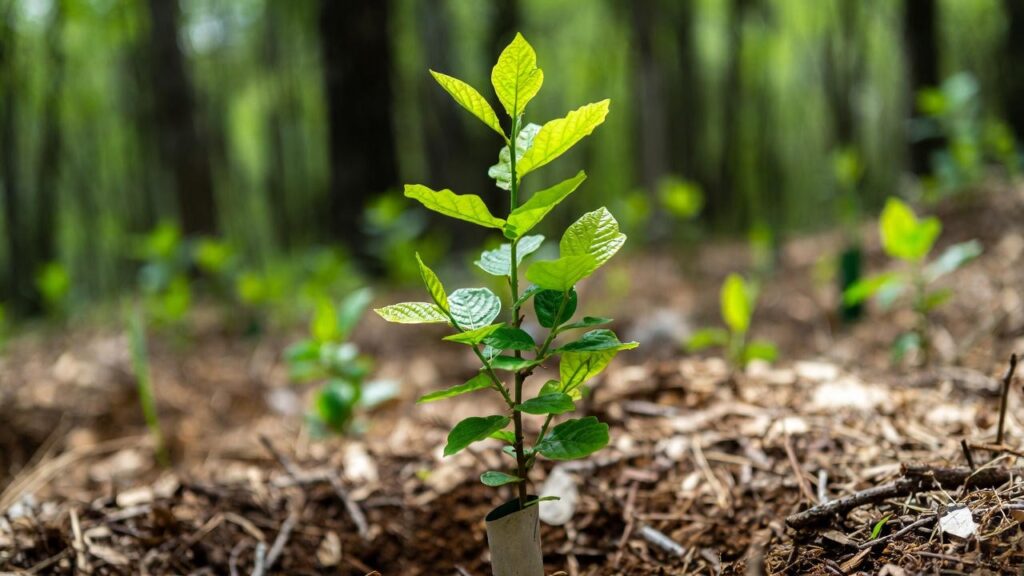
Imagine holding a tiny oak tree seedling in your hands—a fragile sprout with the potential to become a towering giant that lives for centuries, providing cooling shade, habitat for wildlife, and a living legacy for generations. Yet, countless enthusiasts watch their young oaks wither away due to simple, avoidable errors. As a tree care specialist with years of experience guiding homeowners and restoration projects, I’ve seen success rates soar from under 30% to over 90% with the right techniques. This in-depth guide, informed by university extension services like Mississippi State and Penn State, plus arborist best practices, will equip you to nurture your oak tree seedling into a thriving masterpiece. 🌳
Whether you’re transplanting a nursery-grown sapling or starting from an acorn-germinated plant, these proven steps—timed perfectly for the current season (December 21, 2025)—will help you sidestep pitfalls and foster robust growth. Let’s turn that delicate oak tree seedling into an enduring natural wonder! 🍃
:max_bytes(150000):strip_icc()/plant-acorns-grow-oaks-5203188-Hero-99e12c9297304a3bba2d360ce1d3b53d.jpg)
Understanding Oak Tree Seedlings: Basics and Benefits 🐿️
What Is an Oak Tree Seedling?
An oak tree seedling is a young oak plant, typically 6–24 inches tall, that has developed from an acorn with an established taproot, stem, and initial leaves. It represents the critical early stage after germination, where the plant transitions from relying on acorn nutrients to independent photosynthesis and root expansion.
Key developmental phases include:
- Germination (radicle emergence)
- Sapling establishment (first true leaves)
- Juvenile growth (focus on deep taproot development)
Proper care during this vulnerable period determines long-term health, as oaks invest heavily in roots before rapid height growth.
Why Grow an Oak from a Seedling? 🌍
Oaks are keystone species, supporting more biodiversity than almost any other tree. A single mature oak can host over 500 species of insects, birds, and mammals—far more than non-native alternatives.
Environmental benefits include:
- Exceptional carbon sequestration
- Soil erosion prevention
- Air purification
- Stunning autumn foliage
Planting native oaks creates ecological corridors and leaves a multi-generational legacy. According to the U.S. Forest Service, protected and properly planted oak seedlings achieve 80–90% survival rates, compared to just 20–30% for unprotected ones.
Expert Insight: University extensions emphasize that native oaks adapted to local conditions outperform exotic species in resilience and ecosystem support.
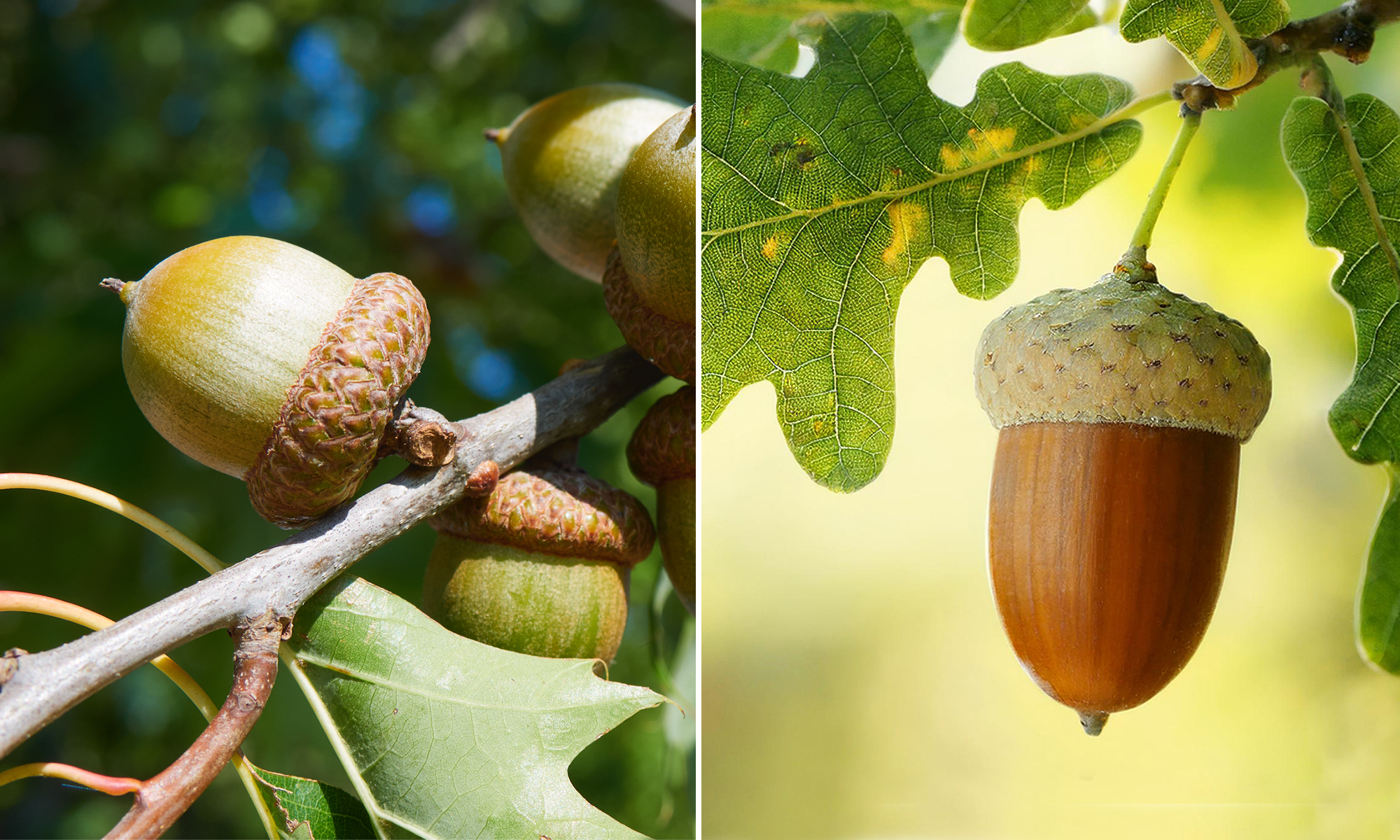
Red Oak vs. White Oak Groups: Key Differences 📊
Oaks divide into two primary groups with distinct traits affecting planting and care:
| Feature | Red Oak Group (e.g., Northern Red, Pin, Black) | White Oak Group (e.g., White, Bur, Swamp White, Live) |
|---|---|---|
| Acorn Maturation | 2 years (higher tannins, bitter) | 1 year (lower tannins, sweeter for wildlife) |
| Germination | Requires cold stratification; sprouts spring | Often fall germination |
| Leaf Shape | Pointed lobes with bristle tips | Rounded lobes without bristles |
| Growth Rate | Faster initial height | Slower but often longer-lived (500–600+ years) |
| Site Preference | Well-drained, slightly acidic soils | Tolerates wetter or poorer soils |
| Wood/Wildlife Value | Good, but acorns less preferred | Premium wildlife food; rot-resistant wood |
Choose based on your USDA zone and soil—white oaks often suit broader conditions, while red oaks excel in drier sites.
Choosing the Right Oak Tree Seedling 🛒
Sourcing Healthy Seedlings
Opt for reputable sources like the Arbor Day Foundation, state forestry nurseries, or local extensions for disease-free, native stock. Avoid big-box stores with potentially root-bound or stressed plants.
Signs of a vigorous seedling:
- Straight central leader
- Fibrous, non-circling roots
- Vibrant green leaves without spots
- No signs of pests or damage
Bareroot seedlings (dormant, inexpensive) work well for winter planting, while container-grown offer flexibility.
Starting Your Own from Acorns (Bonus Section) 🌰
Growing from acorns ensures genetic diversity and local adaptation.
Steps:
- Collect mature acorns in fall from healthy trees.
- Float test: Viable ones sink.
- Cold stratify red oak group acorns (refrigerate 90–120 days); plant white oak group immediately.
- Use deep pots (at least 12–18 inches) to accommodate taproots—avoid shallow containers that cause spiraling.
Mississippi State Extension recommends deep pots with ribbed sides to promote straight roots.
Best Species Recommendations for Common Regions
- Northern/Cold climates (Zones 3–6): Bur Oak, Northern Red Oak ❄️
- Southern/Humid (Zones 7–9): Live Oak, Willow Oak ☀️
- Wet or clay soils: Swamp White Oak, Pin Oak 💧
- Dry or urban: Chinkapin Oak for compactness
Always verify native status via your local extension for optimal adaptation.
When to Plant Your Oak Tree Seedling 📅
Timing is everything when transplanting an oak tree seedling. Plant at the wrong time, and you risk transplant shock, stunted growth, or even death. As of December 2025, with many regions entering the dormant season, now is an ideal window for much of the U.S.
Optimal Timing (Current 2025 Guidelines)
The best periods are:
- Late fall to early winter (November–February): Dormant planting allows roots to establish without top-growth stress. Perfect for bareroot seedlings.
- Early spring (March–April): Just before bud break, after the last hard frost.
Avoid:
- Mid-summer heat (June–August): High evaporation causes wilting.
- Deep frozen ground: Impossible to dig properly.
Pro Tip 🌟: In zones 6–9, December–February planting (like right now on December 21, 2025) is excellent—roots grow mildly while the tree sleeps, leading to explosive spring growth. Penn State Extension reports 15–20% better establishment rates with dormant-season planting.

Site Preparation: Setting Up for Success 🕳️
Oaks demand the right location to thrive for centuries.
Key requirements:
- Sunlight: Full sun (minimum 6–8 hours daily) for strong structure and acorn production.
- Soil: Well-drained loam or sandy loam; pH 5.5–7.5. Oaks tolerate poor soils but hate “wet feet.”
- Space: Account for mature size—50–80 feet tall and wide for most species. Plant at least 30–50 feet from structures.
- Drainage test: Dig a hole 12 inches deep, fill with water—if it doesn’t drain in 24 hours, choose a better spot or create a mound.
Amendments:
- Minimal! Incorporate organic matter only if soil is extremely compacted.
- Avoid heavy fertilizers—young oaks prefer native soil to develop tough roots.
Expert Insight: Soil tests from your local cooperative extension (free or low-cost) provide precise pH and nutrient data, preventing guesswork.
Step-by-Step Planting Guide 🔧
Follow these arborist-approved steps for 90%+ survival.
- Dig the hole: Twice as wide as the root ball (18–36 inches), but exactly as deep. Wider holes encourage lateral root spread.
- Prepare the seedling: For container-grown, gently score or tease circling roots. For bareroot, soak roots 2–4 hours.
- Position correctly: Place so the root flare (where roots meet trunk) sits at or slightly above ground level—never bury it!
- Backfill: Use only excavated native soil. Firm gently to eliminate air pockets.
- Water thoroughly: 5–10 gallons slowly to settle soil and hydrate roots.
- Mulch: Apply 2–4 inches of organic mulch (shredded bark or leaves) in a 3-foot ring, keeping it 2–3 inches away from the trunk to prevent rot.
Visual Tip: Build a small soil berm around the edge to create a watering basin in dry climates.
:max_bytes(150000):strip_icc()/how-to-plant-an-acord-1343543__FINAL-3ed2267abf1944378291868490e2f6f8.png)
Ongoing Care for Your Oak Tree Seedling 💧
Watering Schedule
First two years are critical for deep root establishment.
- Year 1: 1–2 inches weekly during dry periods (equivalent to 10–15 gallons for a 3-foot mulch ring). Deep, infrequent watering beats shallow daily sprinkles.
- Year 2–3: Reduce to bi-weekly or during drought.
- After year 3: Most oaks become drought-tolerant; supplemental water only in extreme dry spells.
Pro Tip: Use a soaker hose or slow drip for efficient deep watering. Check soil 4–6 inches down—if dry, water.
Mulching and Weed Control
- Maintain a 3–4 foot mulch ring (refresh annually in fall).
- Benefits: Retains moisture, moderates soil temperature, suppresses weeds.
- Avoid “volcano mulching” against the trunk—causes bark rot and girdling.
Hand-pull competing grass/weeds within the drip line; chemical herbicides risk root damage.
Fertilizing: Less Is More
Young oaks rarely need fertilizer—excess promotes weak, pest-prone growth.
- Wait until year 2 or signs of deficiency (pale leaves).
- Use slow-release, balanced formula (e.g., 10-10-10) sparingly in early spring.
- Expert Warning: High nitrogen encourages foliage over roots, increasing winter injury risk.
Soil tests guide precise needs.
Pruning Basics ✂️
Minimal intervention early on preserves natural form.
- Years 1–5: Remove only dead, broken, or crossing branches in late winter.
- Never top or lion’s-tail—oaks compartmentalize wounds poorly.
- After year 5: Light structural pruning for strong scaffold branches.
Consult a certified arborist for larger cuts.
Protecting Your Seedling from Threats 🛡️
Young oak tree seedlings are delicious targets for wildlife and vulnerable to environmental stresses. Without protection, survival rates plummet—often to below 30% in areas with deer or rabbits.
Wildlife Protection (Top Priority!) 🦌🐇
Deer browse tender shoots, rabbits girdle bark, and squirrels can dig up or chew new plantings overnight. These “cute but deadly” critters cause the majority of seedling failures.
Solutions:
- Tree tubes/shelters: Ventilated plastic tubes (4–5 feet tall) accelerate growth by 200–400% while protecting from browsing and herbicide drift. Stake securely.
- Wire cages or fencing: Hardware cloth cylinders (at least 4 feet high) deter rabbits and voles.
- Repellents: As a supplement, use scent-based deterrents, but physical barriers are most reliable.
Remove protectors after 3–5 years once the tree outgrows browsing height (typically 6–8 feet).

Common Pests and Diseases 🔍
Oaks are generally resilient, but seedlings face specific threats.
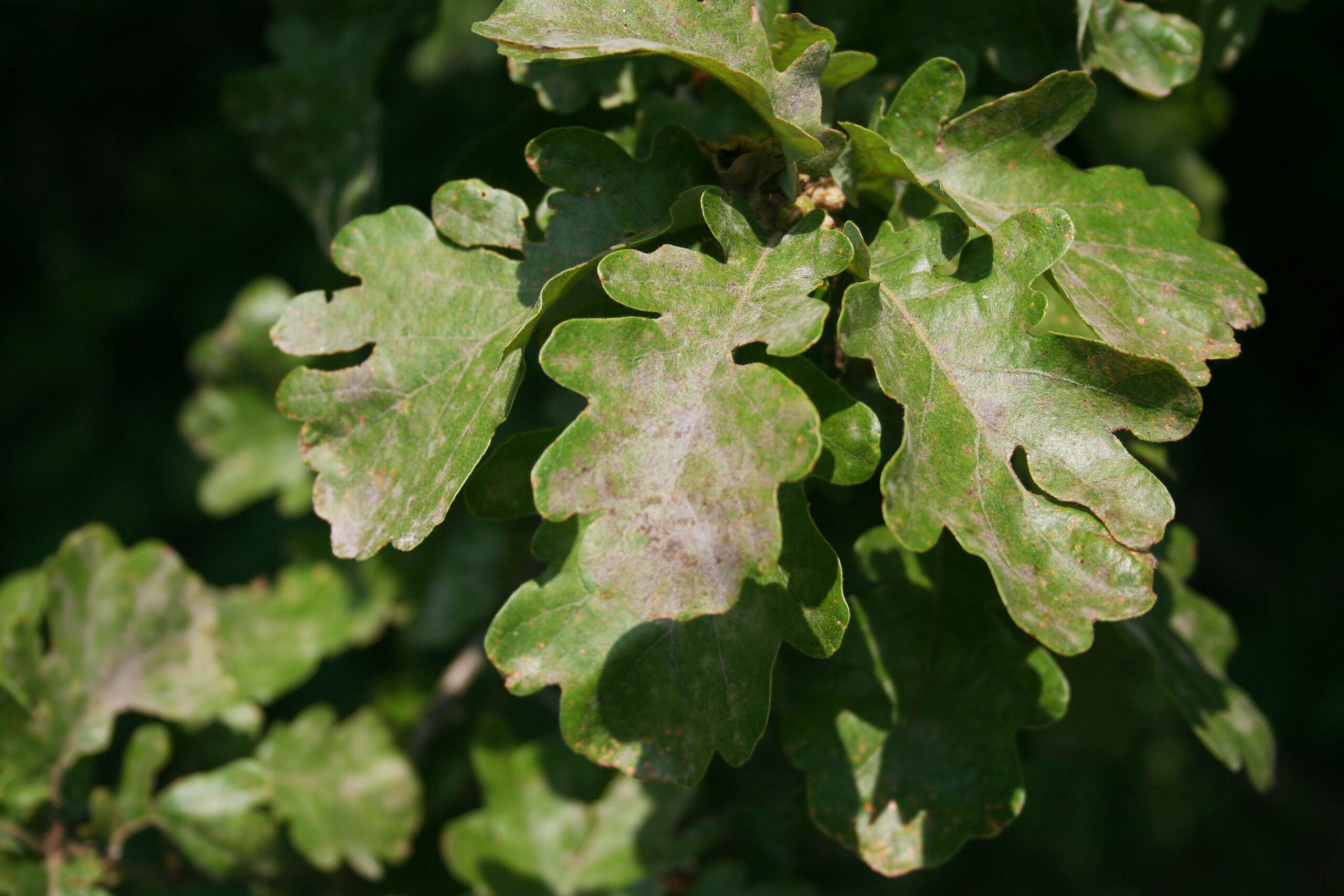
- Anthracnose: Fungal leaf spots in wet springs—causes defoliation but rarely fatal. Promote airflow; rake fallen leaves.
- Oak wilt: Deadly vascular disease spread by beetles or root grafts. Avoid pruning February–June; trench between trees if infected nearby.
- Borers and defoliators: Gypsy moths or two-lined chestnut borers attack stressed trees. Maintain health through proper care.
Prevention beats cure: Plant resistant species, ensure good drainage, and monitor weekly.
Weather Protection ☀️❄️
- Staking: Only if windy—use loose ties; remove after 1–2 years to build trunk strength.
- Sunscald: Wrap trunk in winter for young trees in cold climates.
- Heat stress: Temporary shade cloth during extreme first summers.
Common Mistakes to Avoid (And How to Fix Them) ⚠️
Even experienced gardeners slip up—here are the top culprits:
- Planting too deep → Buried root flare leads to rot and girdling roots. Fix: Carefully expose flare by removing excess soil.
- Volcano mulching → Piled mulch against trunk invites pests and decay. Fix: Pull mulch back 2–4 inches from trunk.
- Overwatering → Soggy soil causes root rot. Fix: Improve drainage; water deeply but infrequently.
- No protection → Animal damage wipes out 70–80% of unprotected seedlings.
- Root-bound neglect → Circling roots stunt growth permanently. Fix: Tease or score roots before planting.
- Early fertilizing → Burns tender roots. Wait until established.
Real-world data from restoration projects shows proper techniques boost survival to 85–95%.

Long-Term Growth and Maintenance 🌿
Expected Growth Timeline 📈
Oaks are slow but steady—patience is key.
- Years 1–3: 1–2 feet height/year; primary focus on deep taproot (often 3–5 feet down).
- Years 4–10: 2–3 feet/year as canopy develops.
- Years 10–20: Faster growth; begins providing meaningful shade.
- 20–50 years: Acorn production starts; tree reaches 30–50 feet.
- 50–200+ years: Full maturity; some species live 600+ years.

Seasonal Care Tips 🗓️
- Spring: Inspect for winter damage; deep water if dry.
- Summer: Monitor for drought stress and pests.
- Fall: Refresh mulch; collect acorns if desired.
- Winter: Protect trunk from rodents/sunscald in harsh climates.
Troubleshooting Common Problems 🔧
- Yellow leaves: Overwatering, poor drainage, or nutrient imbalance—check soil moisture.
- Wilting despite watering: Root damage or rot—examine planting depth.
- Slow/no growth: Competition from grass, compacted soil, or root issues.
- Leaf spots/scorch: Fungal (anthracnose) or environmental—improve conditions.
- Dieback: Possible oak wilt or borers—consult local extension immediately.
When in doubt, submit photos to your cooperative extension service for free diagnosis.
Frequently Asked Questions (FAQs) ❓
Q: How long until my oak seedling becomes a full tree? A: True maturity takes 50–100+ years, but you’ll enjoy shade and beauty starting around year 20–30. The wait is worth it! 😊
Q: Can I grow an oak in a pot long-term? A: Not recommended—taproot demands space. Keep potted only 1–3 years max before transplanting.
Q: Is winter planting safe as of December 2025? A: Absolutely! Dormant-season planting (now through February in most zones) allows excellent root establishment before spring.
Q: What if my seedling wilts after planting? A: Common transplant shock. Provide consistent moisture, temporary shade, and patience—most recover within weeks.
Q: When should I remove tree tubes? A: Once the leader grows above the tube and bark is tough (usually 3–5 years).
Q: Are oaks high-maintenance? A: No—once established (3–5 years), they’re remarkably low-care and drought-tolerant.
Conclusion: Your Legacy Starts Now 🌱❤️
You’ve now got everything needed to successfully plant and care for your oak tree seedling—from site selection and proper planting depth to long-term protection and troubleshooting. By avoiding common pitfalls and following these expert-backed practices, you’re setting the stage for a magnificent tree that will outlive us all, supporting wildlife, sequestering carbon, and beautifying your landscape.
Oaks aren’t just plants—they’re habitats, history, and hope for the future. Start today (especially with winter planting windows open now), and watch your efforts grow into something extraordinary. For personalized advice, reach out to your local university extension or certified arborist. Happy planting! 🍃🌳











