
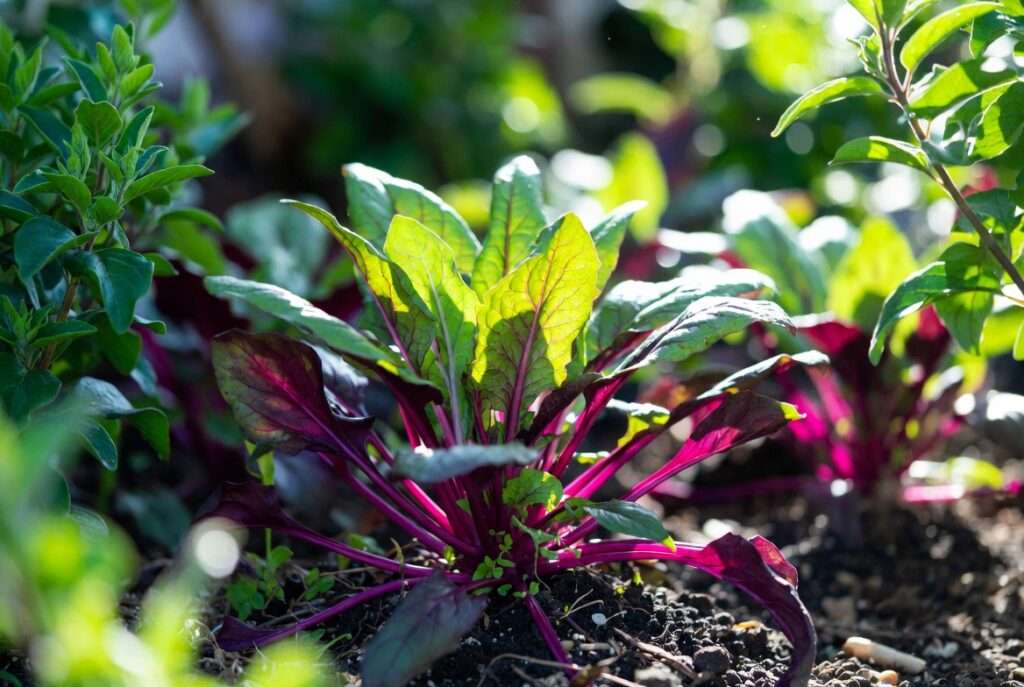
Imagine harvesting fresh, vibrant greens straight from your garden even during the hottest months when traditional spinach bolts and withers. The okinawa spinach plant makes this dream a reality for home gardeners worldwide. With its stunning two-toned leaves — deep green on top and vibrant purple underneath — this resilient perennial delivers both beauty and bounty with minimal effort. ✨
Also known as Gynura bicolor, Hong Tsoi, or Cholesterol Spinach, this heat-loving edible is a game-changer for tropical, subtropical, and warm-climate gardeners. In my years of growing and experimenting with edible perennials, I’ve found the Okinawa spinach plant to be one of the most rewarding, low-maintenance crops for consistent harvests. Whether you’re a beginner with a small balcony or an experienced gardener building a food forest, this guide will equip you with everything needed for success.
In this comprehensive guide, you’ll discover how to propagate, plant, care for, and harvest your own Okinawa spinach plant for abundant yields. We’ll cover troubleshooting, creative uses, and expert tips that go far beyond basic care instructions. By the end, you’ll be confident growing this nutritious superfood that not only looks gorgeous but supports your health and self-sufficiency goals. Let’s dive in! 🌿
What Is the Okinawa Spinach Plant?
Botanical Profile and Identification
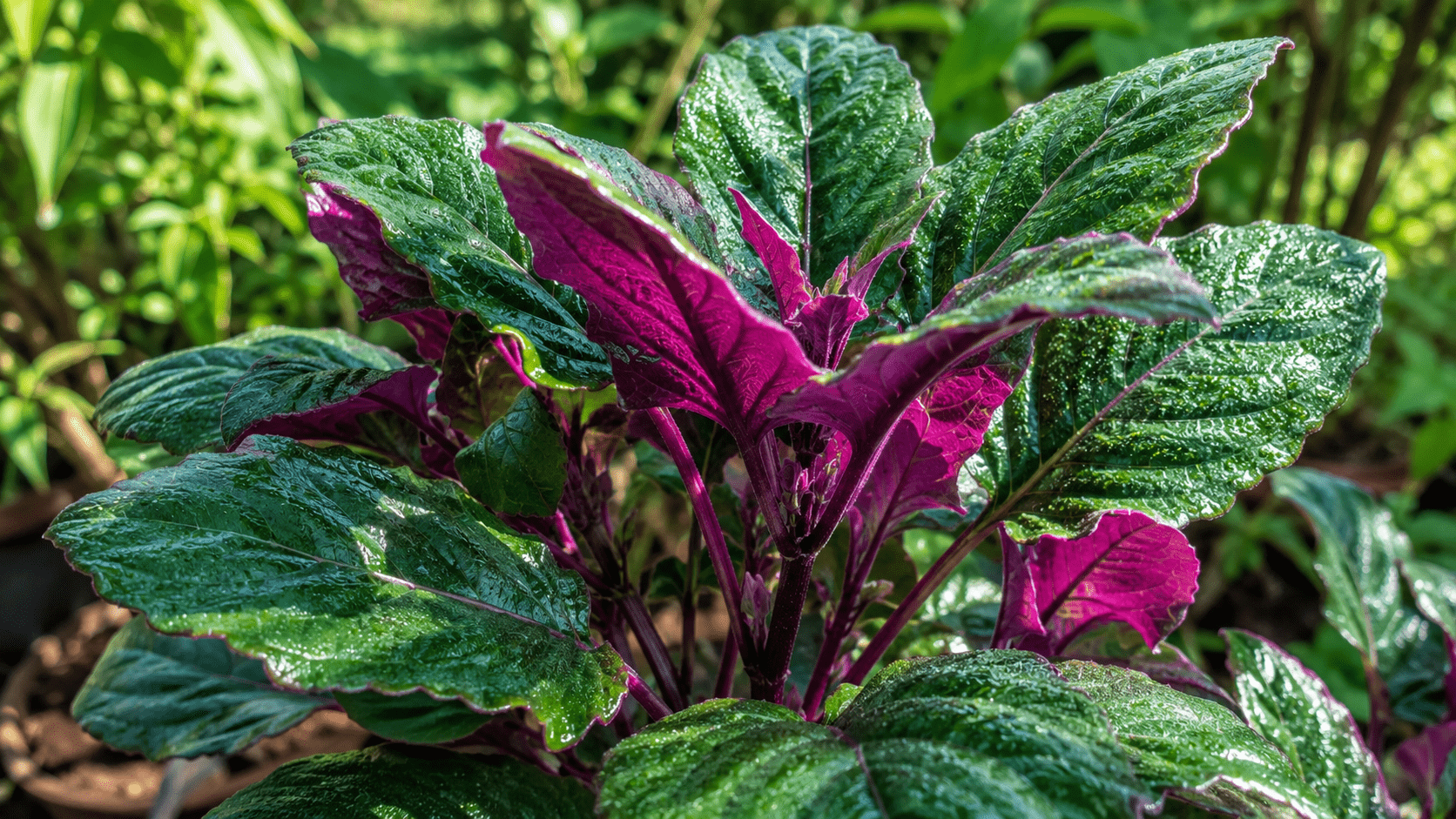
The Okinawa spinach plant (scientific name: Gynura bicolor) belongs to the Asteraceae family. It features distinctive bicolor foliage: rich emerald-green upper surfaces contrasting with striking magenta-purple undersides. Mature plants typically reach 1–3 feet tall and spread into a bushy mound, making them excellent for borders, containers, or ground cover.
Its leaves are slightly succulent with a mild, spinach-like flavor that becomes pleasantly mucilaginous when cooked. Small yellow flowers may appear, but most growers pinch them off to direct energy toward leaf production. This plant is often confused with Longevity Spinach (Gynura procumbens), but Okinawa spinach usually has broader leaves and more pronounced purple coloring underneath. 🌈
Native to Southeast Asia and popularized in Okinawa, Japan, it thrives in warm, humid environments and has become a favorite in permaculture and edible landscaping projects globally.
Nutritional Benefits and Health Perks
One reason for its popularity is the impressive nutrient profile. Okinawa spinach is rich in vitamins A, C, and K, plus iron, calcium, potassium, and antioxidants. It’s traditionally called “Cholesterol Spinach” due to its reputation for supporting heart health and helping manage cholesterol levels — though it’s best enjoyed as part of a balanced diet.
The leaves offer anti-inflammatory and antioxidant properties, making them a valuable addition to smoothies, salads, and cooked dishes. Many gardeners grow it specifically for its role in promoting longevity and vitality, aligning beautifully with the famous Okinawa diet philosophy. 🥗
Why Grow Okinawa Spinach Plant at Home?
Growing your own Okinawa spinach plant solves several common gardening frustrations. Unlike regular spinach, which struggles in heat above 75–80°F (24–27°C), this tropical green thrives in warm weather and provides continuous harvests for months or even years as a perennial in USDA Zones 9–11.
Key benefits include:
- Heat and humidity tolerance — Perfect for southern gardens or summer growing.
- Ornamental value — The purple-green leaves add striking color to landscapes.
- Low maintenance — Once established, it needs little care beyond occasional watering and pruning.
- High yield from small space — Ideal for containers, vertical gardens, or small urban plots.
- Pest resistance — Generally less bothered by insects than many leafy greens.
- Economic and environmental wins — Reduce grocery bills and enjoy fresher, chemical-free produce. 💰
For families seeking nutritious homegrown food or gardeners wanting reliable edibles, the Okinawa spinach plant is an outstanding choice.
How to Propagate Okinawa Spinach Plant
Propagation is remarkably easy and one of the joys of growing this plant. Stem cuttings are by far the most successful and fastest method. ✂️
Best Propagation Methods
Stem Cuttings (Recommended):
- Select a healthy, non-flowering stem about 4–6 inches long with several leaf nodes.
- Cut at a 45-degree angle just below a node using clean, sharp scissors.
- Remove lower leaves, leaving 2–3 at the top.
- Optional: Place in a glass of clean water for 7–14 days until roots develop, changing water every few days.
- Plant directly into moist, well-draining soil. Keep soil consistently damp until new growth appears (usually 1–2 weeks).
Water vs. Soil Rooting: Both work well, but water rooting lets you monitor progress easily. Direct soil planting is simpler for larger batches.
From Seeds: Possible but less common and slower. Seeds need warm soil (70°F+) and consistent moisture. Cuttings are preferred for reliability and speed.
Best Time to Propagate
Spring through early fall in warm climates gives the best results. In cooler regions, propagate indoors or during warm seasons for strong establishment before winter. 🌞
Choosing the Right Location and Soil
Light Requirements
The Okinawa spinach plant performs beautifully in full sun to partial shade. In hotter climates (like parts of Bangladesh or southern US), afternoon shade prevents leaf scorch while maintaining vibrant purple undersides. More direct sun often intensifies leaf color and flavor concentration.
Soil Preparation
Use rich, well-draining loamy soil with a pH of 6.0–7.0. Poor drainage leads to root rot, so amend heavy clay with compost, perlite, or sand. Adding organic matter improves fertility and moisture retention without waterlogging. 🌍
Pro Tip: Mulch around plants with straw or leaves to conserve moisture and suppress weeds.
Container Growing Tips
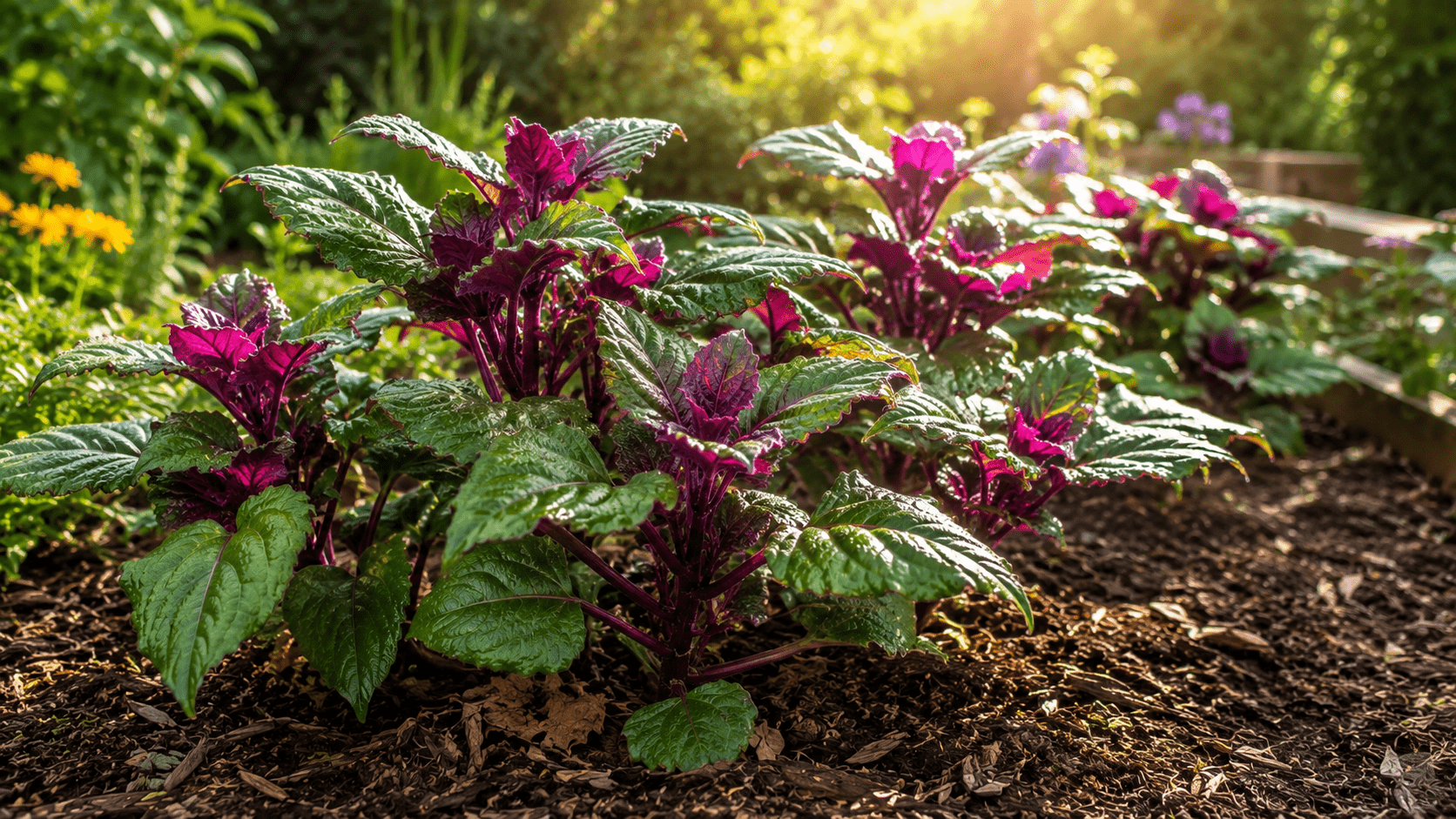
Excellent for patios and balconies! Choose pots at least 10–12 inches wide with drainage holes. Use high-quality potting mix enriched with compost. Containers dry out faster, so monitor moisture closely. Hanging baskets showcase the cascading habit beautifully. 🪴
Planting Okinawa Spinach Plant Step-by-Step 🌱
Once you have healthy cuttings or young plants ready, proper planting sets the foundation for vigorous growth. The Okinawa spinach plant responds wonderfully to thoughtful planting, rewarding you with rapid establishment.
- Prepare the Site: Choose a spot with appropriate light (full sun to partial shade). Loosen the soil to 8–10 inches deep and mix in 2–3 inches of mature compost or well-rotted manure for nutrients.
- Spacing: Plant individual specimens 18–24 inches apart. This allows the bushy habit to develop fully without overcrowding, improving air circulation and reducing disease risk.
- Planting Depth: Set plants at the same depth they were growing in their previous container or rooting medium. Firm the soil gently around the base to eliminate air pockets.
- Water Thoroughly: Give a deep watering immediately after planting to settle the soil and encourage root growth. A layer of organic mulch (2–3 inches) helps retain moisture and regulate soil temperature.
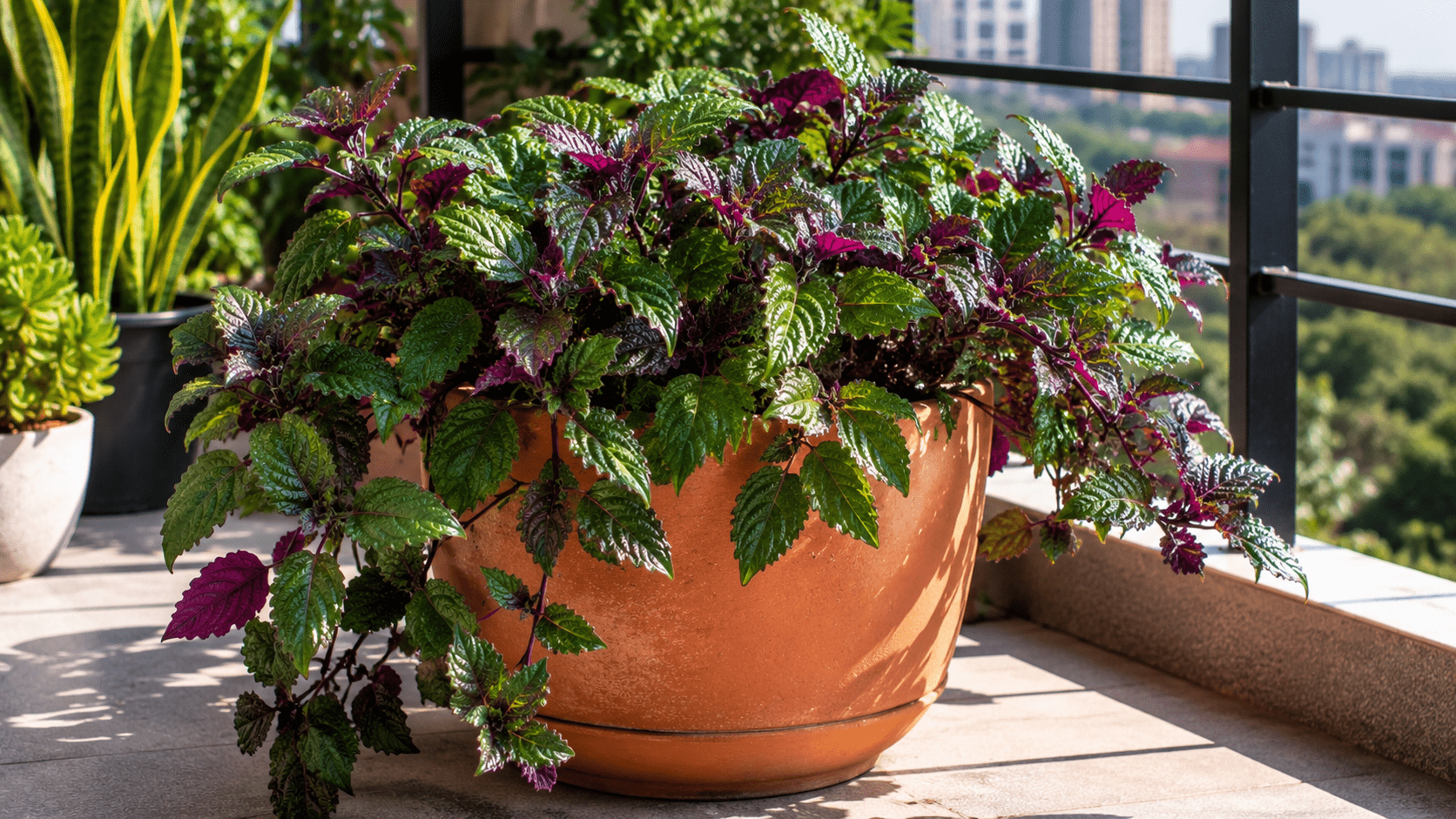
Companion Planting Ideas: Pair Okinawa spinach with basil, marigolds, or other heat-loving herbs. These companions deter pests and create a beautiful, productive polyculture. In food forests, it works well as a lower-story plant under taller fruit trees.
For transplanting purchased nursery plants, acclimate them gradually over 5–7 days by increasing outdoor exposure time daily. This hardening-off process prevents transplant shock in your okinawa spinach plant.
Essential Care Tips for Thriving Okinawa Spinach 🪴
Consistent care transforms a good plant into an abundant producer. Here’s the expert-recommended routine I’ve refined over years of cultivation.
Watering Guidelines 💧
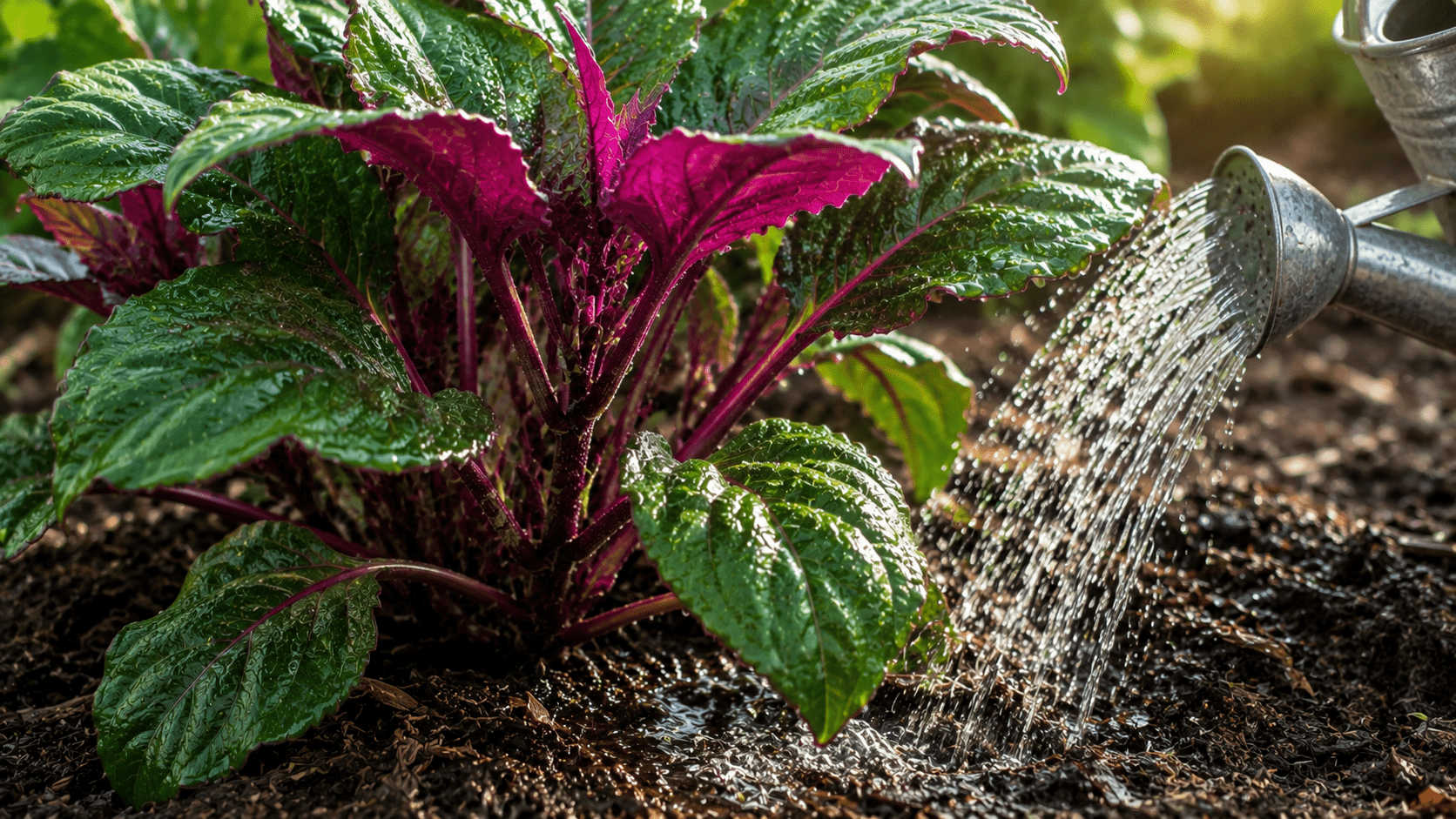
The Okinawa spinach plant prefers consistently moist but never soggy soil. Water deeply when the top 1–2 inches of soil feel dry — typically every 2–3 days in hot weather, less frequently in cooler or rainy periods.
Established plants show good drought tolerance once rooted, but young plants need more attention. Use rainwater or room-temperature water when possible. Mulching is essential as it reduces evaporation and prevents soil compaction. Watch for wilting leaves as an early sign of underwatering, and yellowing lower leaves often indicate overwatering.
Fertilizing for Healthy Growth 🌿
Feed your plants monthly during the growing season with a balanced organic fertilizer (such as compost tea, fish emulsion, or diluted seaweed extract). Okinawa spinach responds especially well to nitrogen-rich feeds for lush foliage, but avoid high-nitrogen chemical fertilizers that can cause weak, leggy growth.
In containers, fertilize every 3–4 weeks at half strength. Always water before and after feeding to prevent root burn. Over time, side-dressing with compost keeps the soil biologically active and fertile.
Pruning and Maintenance ✂️
Regular pruning promotes bushier growth and higher yields. Pinch growing tips every 4–6 weeks when plants reach 8–10 inches tall. Remove any flower buds promptly — the small yellow blooms divert energy from delicious leaf production.
Keep the plant tidy by removing damaged or older yellow leaves at the base. This improves airflow and appearance while preventing potential pest harborage.
Temperature and Climate Considerations ☀️
This tropical beauty excels in temperatures between 70–95°F (21–35°C) and high humidity. It can tolerate brief dips to 50°F (10°C) but suffers below that. In cooler regions (below USDA Zone 9), grow it as an annual or bring containers indoors near a sunny window during winter.
In hot, dry climates like parts of Bangladesh, provide afternoon shade and extra mulch to maintain leaf quality and vibrant purple undersides.
Common Problems and Solutions 🐛
Even resilient plants face occasional challenges. Early detection makes solutions straightforward.
Pests to Watch For
- Aphids and Whiteflies: These sap-suckers cluster on new growth. Blast them off with a strong water spray or use neem oil/insecticidal soap. Ladybugs are excellent natural predators.
- Slugs and Snails: More common in damp, shaded areas. Use beer traps or crushed eggshells as barriers.
- Spider Mites: Appear as fine webbing and stippled leaves in very dry conditions. Increase humidity and apply horticultural oil.
Diseases and Prevention
Root rot is the most common issue, caused by poor drainage and overwatering. Prevention is key: always use well-draining soil and pots with holes. Fungal leaf spots can occur in overly humid, stagnant air — improve circulation and avoid wetting foliage late in the day.
Troubleshooting Guide
- Yellowing Leaves: Usually overwatering or nutrient deficiency. Check soil moisture and feed appropriately.
- Leggy Growth: Insufficient light. Move to brighter location.
- Loss of Purple Color: Too much shade or heat stress. Adjust light exposure.
- Slow Growth: Often due to cold temperatures or poor soil nutrition.
With these solutions, most issues resolve quickly, keeping your okinawa spinach plant productive.
Harvesting Okinawa Spinach Plant for Maximum Yield ✂️
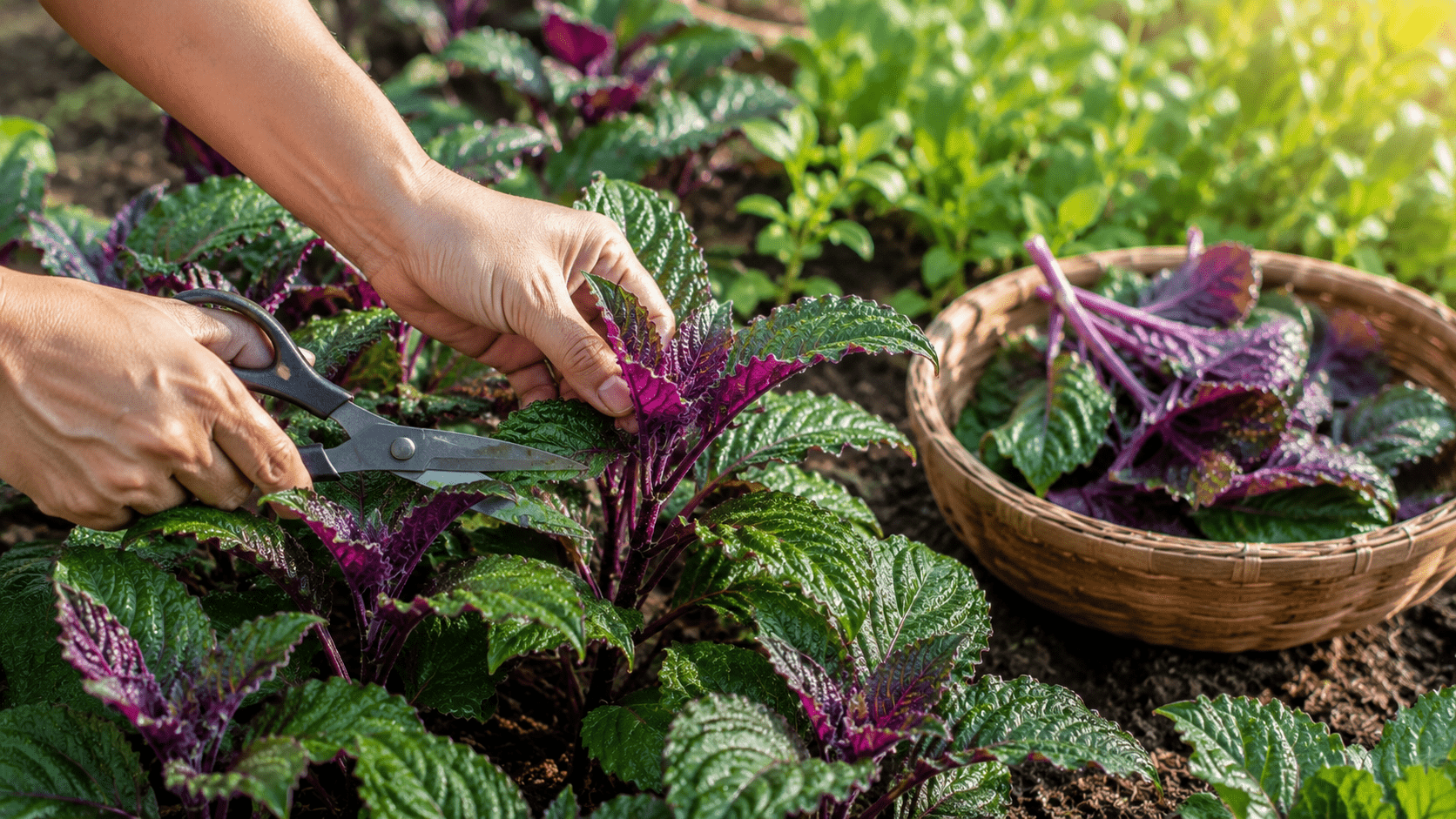
Harvesting begins 4–6 weeks after planting when stems have several sets of leaves. Cut tender young shoots and leaves with clean scissors, taking no more than one-third of the plant at once. This “cut-and-come-again” method encourages continuous new growth.
Harvest in the morning when leaves are crisp. Regular picking prevents flowering and keeps the plant compact and leafy. Leaves taste best when young and tender — older leaves become slightly tougher but remain nutritious when cooked.
Storage Tips: Use fresh leaves within 3–5 days. Store in the refrigerator wrapped in a damp paper towel inside a perforated bag. For longer preservation, blanch and freeze for smoothies or soups.
Creative Ways to Use and Enjoy Your Harvest 🥗
The mild, slightly sweet flavor with a gentle mucilaginous texture makes Okinawa spinach versatile:
- Raw: Add young leaves to salads or green smoothies for vibrant color and nutrition.
- Cooked: Stir-fry with garlic and ginger, add to soups, curries, or omelets. The purple underside creates beautiful color contrast in dishes.
- Traditional Recipes: In Southeast Asian and Okinawan cuisine, it’s used in clear broths or lightly steamed with sesame oil.
- Medicinal Uses: Many enjoy it as a daily tea or juice for its reputed health-supporting properties.
Experiment freely — its gentle flavor pairs well with most ingredients.
Okinawa Spinach Plant in Different Growing Systems
This adaptable plant shines in various setups:
- Permaculture: Excellent ground cover that suppresses weeds and builds soil.
- Vertical Gardening: Cascades beautifully from hanging planters or wall pockets.
- Hydroponics/Aquaponics: Grows rapidly in nutrient-rich water systems.
- Edible Landscaping: Combines ornamental beauty with food production.
Seasonal Care Calendar 📅
Spring: Focus on propagation and planting. Summer: Increase watering and harvest frequently. Fall: Continue harvests; prepare for cooler weather in marginal climates. Winter: Protect from frost or grow indoors; reduce watering and feeding.
Expert Tips for Bountiful Harvests ✨
From my experience, the biggest secret is consistent light harvesting and tip pinching. Avoid over-fertilizing, which can reduce flavor. Rotate planting locations yearly in garden beds to maintain soil health. For maximum nutrition, harvest leaves at peak vibrancy under morning sun.
Common mistakes to avoid: Planting in heavy, compacted soil and neglecting drainage.
Frequently Asked Questions (FAQs)
Is Okinawa spinach the same as Longevity Spinach? No. While both are Gynura species, Okinawa spinach (Gynura bicolor) has broader, bicolor leaves compared to the narrower leaves of Longevity Spinach.
Can it survive winter? In Zones 9–11 yes, as a perennial. In colder areas, grow as annual or overwinter indoors.
Is it safe for pets and kids? Generally considered non-toxic, but as with any plant, supervise young children and pets.
How fast does it grow? Very quickly in warm conditions — you can harvest within 4–6 weeks of planting cuttings.
Why are my leaves losing purple color? Usually insufficient direct sunlight. Move to a brighter spot.
Conclusion
The okinawa spinach plant stands out as one of the most rewarding edibles for modern gardeners seeking beauty, nutrition, and resilience. Its heat tolerance, striking appearance, and generous harvests make it far superior to traditional spinach in warm climates. 🌟
By following this complete guide — from easy propagation to expert care and creative harvesting — you’re now equipped to grow thriving Okinawa spinach at home. Whether you have a spacious garden in Barisal or a sunny balcony, this plant will deliver fresh, homegrown superfoods with minimal fuss.
Start with just a few cuttings today. You’ll soon enjoy the satisfaction of picking your own nutritious greens while adding ornamental charm to your space. Share your growing journey in the comments below, and explore more tropical plant guides on our site for continued inspiration.
Happy gardening! Your journey to abundant, healthy harvests begins with this wonderful okinawa spinach plant. 🥬✨











