
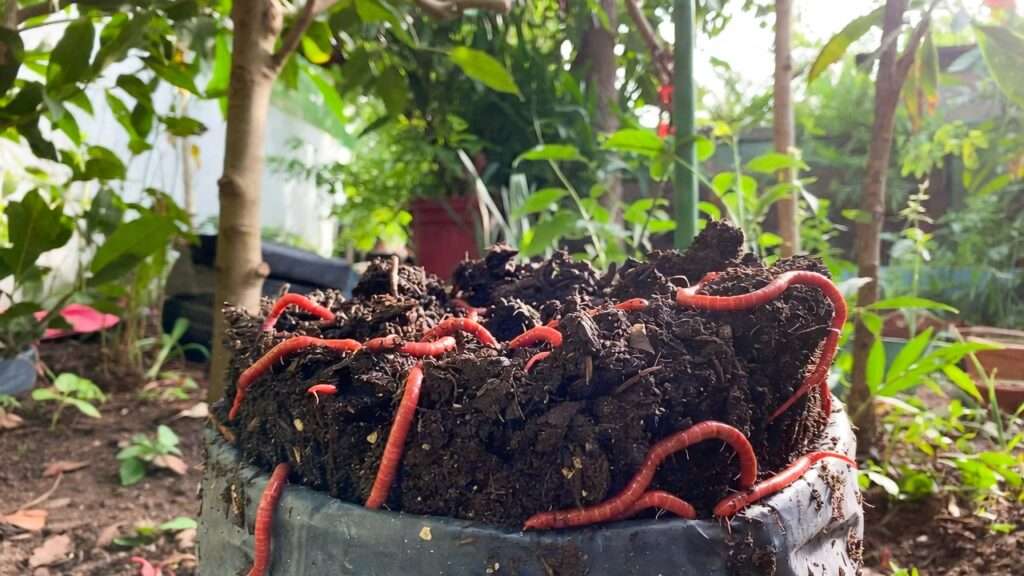
Imagine this: You eagerly check your worm bin after a week of adding kitchen scraps, only to find your once-busy red wigglers clustered near the surface, looking sluggish, or worse — escaping through tiny gaps. A faint sour, vinegary smell hits you, and decomposition has slowed to a crawl 😟. This heartbreaking scene is all too common for beginner (and even experienced) vermicomposters — and the culprit is often an imbalanced pH level.
If you’re passionate about plant care, tree health, and sustainable gardening, worm composting (vermicomposting) is one of the best ways to create nutrient-dense, microbe-rich castings that supercharge soil fertility, improve root development, and boost plant resilience. But worms are picky about their environment — especially pH. Getting the optimal pH level for worm composting right is the secret to happy, productive worms and premium-quality castings that truly benefit your houseplants, vegetable garden, fruit trees, and ornamentals.
In this comprehensive guide, we’ll dive deep into the science, share proven expert-recommended ranges, walk you through testing and maintenance step-by-step, troubleshoot common issues, and show exactly how to harness those balanced castings for healthier plants and trees. By the end, you’ll have the knowledge to keep your bin thriving and your garden flourishing 🌱.
Why pH Is Critical in Vermicomposting 🧪
pH measures acidity or alkalinity on a scale from 0 (extremely acidic) to 14 (extremely alkaline), with 7 being neutral. In a worm bin, pH influences microbial activity (the bacteria and fungi that break down organics), worm feeding behavior, reproduction rates, and overall bin health.
How Worms and Microbes Interact with pH
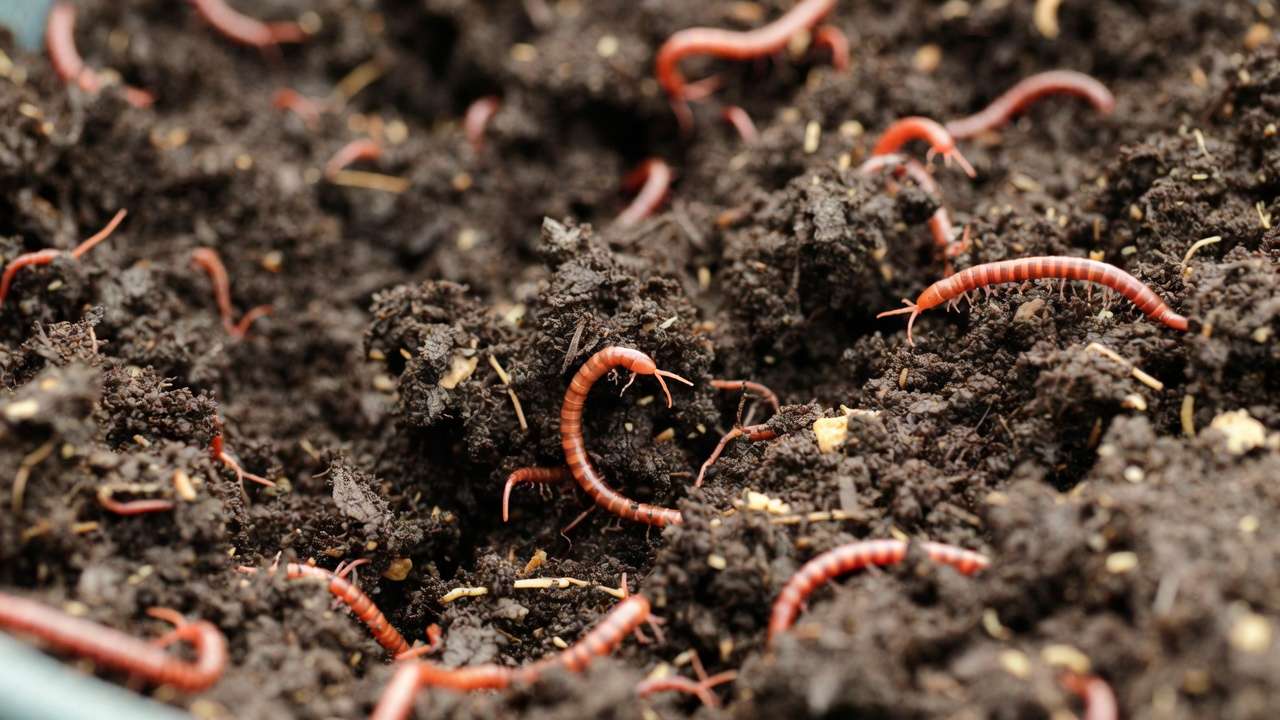
Red wigglers (Eisenia fetida/andrei), the stars of home vermicomposting, rely on a symbiotic relationship with beneficial microbes. These microbes thrive in slightly acidic to neutral conditions, efficiently decomposing food scraps into humus-like castings. When pH drifts too far, microbial communities shift — favoring acid-tolerant or alkali-loving species that produce byproducts harmful to worms.
University extension services (like Oklahoma State, Oregon State, and University of Alaska Fairbanks) consistently highlight that composting worms perform best when the bin environment supports diverse, balanced microbial life.
What Happens When pH Goes Too Low (Acidic <6.0) or Too High (Alkaline >7.5–8.0)
- Acidic conditions (<6.0, often dropping to 4–5): Organic acids from fruit/veggie scraps accumulate faster than microbes neutralize them. Worms become stressed, stop eating, migrate upward, or die off. Reproduction halts, and castings become less nutrient-rich.
- Alkaline conditions (>8.0): Rare in home bins but possible from excessive lime or ash. Worms experience skin irritation, reduced activity, and potential mortality.
Most problems stem from acidity — bins naturally trend acidic over time due to anaerobic pockets, overfeeding, or acidic inputs like citrus peels.
Signs Your Bin Is Out of Balance 🚨
Watch for these red flags:
- Worms clustering on lid/sides or escaping
- Strong ammonia/vinegar odors
- Slow decomposition (food sits unchanged for weeks)
- Slimy, matted bedding
- Pale, stringy, or lethargic worms
- Low cocoon (egg case) production
Catching these early and adjusting pH can save your colony!
The Optimal pH Range for Worm Composting – Backed by Experts
The consensus from authoritative sources — university cooperative extensions, vermiculture researchers, and experienced worm farmers — is clear: the optimal pH level for worm composting is 6.0 to 7.0 (slightly acidic to neutral).
- Oklahoma State University Extension: Worms grow and reproduce best at neutral pH ~7; they won’t survive below 5 or above 9.
- University of Alaska Fairbanks & others: Recommend 6–7, with lime additions to prevent acidity.
- Oregon State University & practical guides: Tolerance 4–9, but thriving range 6–7 (or 5.5–7.5 in some).
- Commercial worm farms (Uncle Jim’s, Wiggly Wigglers): Ideal 6.0–7.0 for peak activity and casting quality.
Red wigglers tolerate wider swings (down to ~4.2 or up to ~8–9), but they thrive, breed prolifically, and produce superior castings in the 6.0–7.0 sweet spot.
How Castings pH Influences Your Plants and Trees
Finished worm castings from a balanced bin are near-neutral (~6.8–7.2) and act as a gentle buffer in soil. They improve nutrient availability (especially micronutrients like iron in slightly acidic conditions), enhance soil structure, suppress pathogens, and promote beneficial microbes — perfect for acid-loving plants (blueberries, azaleas) and general use on veggies, houseplants, and trees.
How to Test pH in Your Worm Bin (Step-by-Step Guide) 🔍
Regular testing prevents problems before they start.
Best Tools
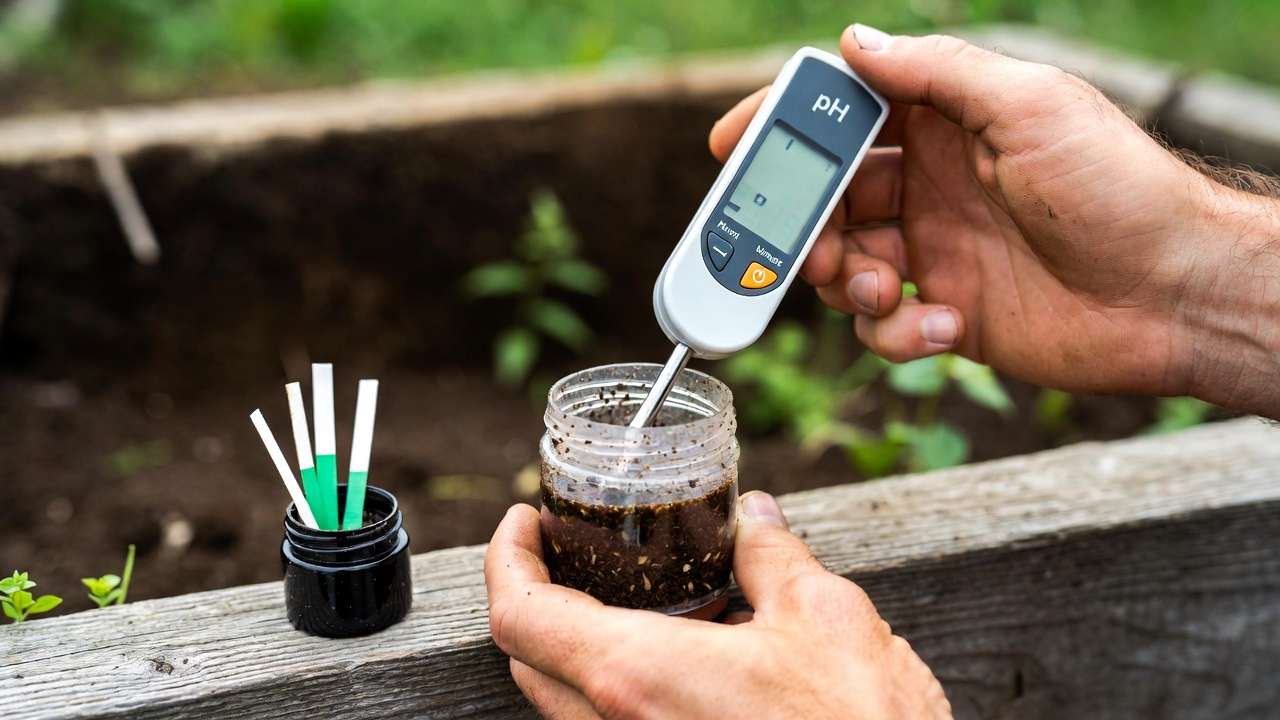
- pH test strips (cheap, easy; accuracy ±0.5–1.0)
- Digital pH meter (more precise; calibrate regularly)
- Slurry method (mix 1 part bin material + 2 parts distilled water; let settle 30 min, test liquid)
Avoid cheap garden soil kits — they’re less accurate for moist, organic bins.
When and How Often to Test
- New bins: Weekly for first 4–6 weeks
- Stable bins: Every 2–4 weeks, or after heavy feeding/amendments
Simple DIY Slurry Test Instructions 📏
- Collect a small handful of bedding/castings from several spots.
- Mix with distilled water (avoid tap if chlorinated/highly buffered).
- Stir, let sit 20–30 minutes.
- Test supernatant liquid.
- Record and compare to 6.0–7.0 target.
(Pro tip: Test bedding moisture at the same time — 60–80% is ideal.)
Preventing and Correcting pH Problems – Practical Maintenance Tips 🛡️
The good news? Most pH issues in home worm bins are preventable and fixable with simple, natural adjustments. Bins almost always trend acidic over time, so proactive steps keep things in the optimal 6.0–7.0 range.
Why Bins Naturally Trend Acidic
Decomposition produces organic acids (acetic, lactic, etc.) from fruits, vegetables, coffee grounds, and overfeeding. Anaerobic spots (too wet, compacted, or buried food) speed up acid buildup. Acidic inputs like citrus peels, tomatoes, onions, or pineapple accelerate the drop.
Natural Ways to Raise pH (Lower Acidity)
Here are proven, worm-safe methods backed by extension services and experienced vermicomposters:
- Crushed eggshells 🥚: One of the gentlest, most popular options. Rinse, dry, crush (or blend into powder), and sprinkle 1–2 tablespoons per square foot of bin surface every 2–4 weeks, or whenever pH dips below 6.0. Eggshells provide slow-release calcium carbonate (natural lime), grit for worm digestion, and microbial buffering. Many worm keepers report stable pH for months with regular eggshell additions.
- Garden lime (calcium carbonate): University of Alaska Fairbanks recommends about 1 teaspoon per standard plastic bin (≈18–20 gallons) to prevent acidity. Use agricultural/garden lime (not quicklime or hydrated lime, which can burn worms). Lightly dust over the surface, mix gently into top layer, then mist with water. Start small — ½–1 tsp — and retest after 3–5 days. Overuse can swing too alkaline.
- Dolomite lime: Contains magnesium too; useful if your bedding or water is magnesium-deficient. Apply similarly to garden lime but even more sparingly.
- Oyster shell flour or crushed seashells: Excellent long-term buffer; add 1–2 tbsp periodically.
- Other gentle buffers: Aged horse/cow manure (well-composted), wood ash (sparingly — very alkaline), or crushed limestone.
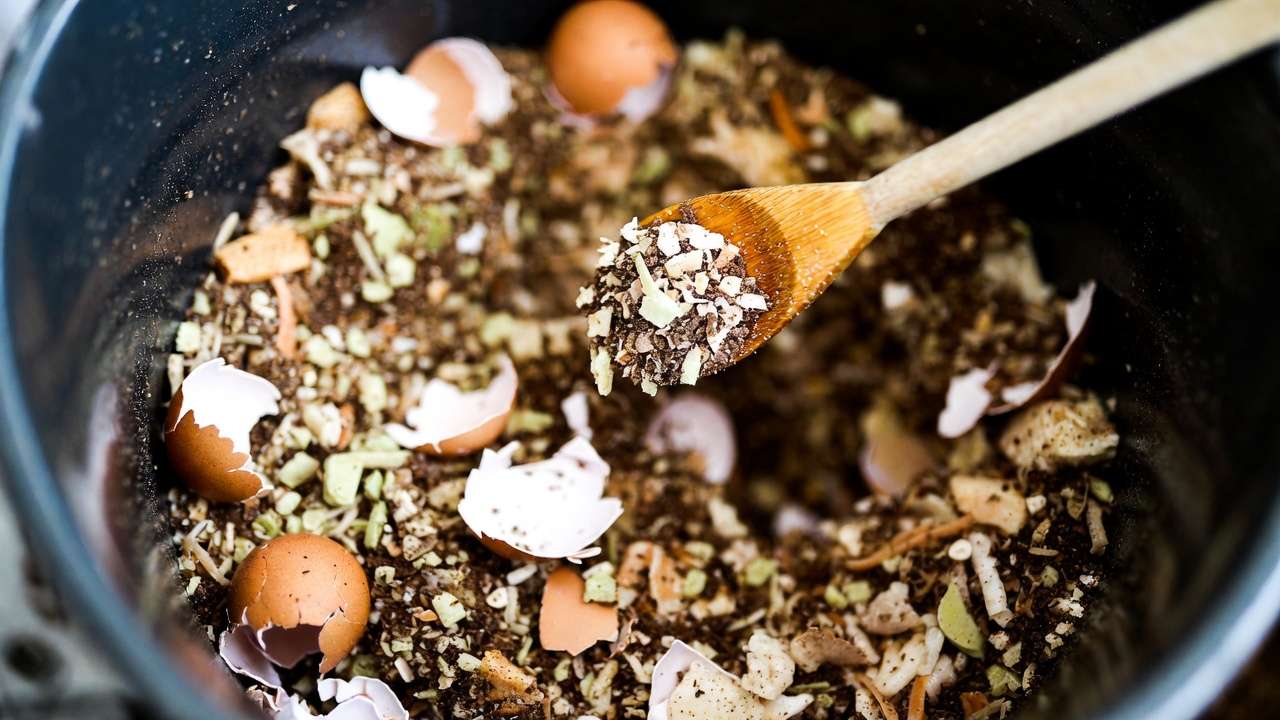
Always add amendments gradually, mix lightly to avoid disturbing worms, and retest pH after 48–72 hours.
Ways to Avoid Alkaline Spikes (Rare but Possible)
Over-liming or adding too much ash can push pH above 8.0. Symptoms include worms avoiding areas, skin irritation, or slowed activity. Flush with plain water (distilled if possible) and add acidic bedding (peat-free coconut coir or cardboard) to correct.
Feeding Strategies to Stabilize pH
- Bury food scraps 4–6 inches deep to encourage aerobic breakdown.
- Balance “greens” (nitrogen-rich scraps) with “browns” (carbon-rich bedding like shredded paper, cardboard, dry leaves).
- Chop scraps small for faster processing.
- Limit highly acidic foods: citrus ≤10% of total feed, avoid excess pineapple/tomatoes.
- Feed in small amounts (worms eat ~½ their weight daily) to prevent overload.
Advanced Tips for Maintaining Perfect pH Long-Term
Master these for a low-maintenance, thriving bin.
Bedding Choices That Buffer pH
- Coconut coir: Near-neutral, excellent moisture retention, buffers mildly.
- Aged cardboard/shredded office paper: Slightly acidic initially but breaks down neutrally; avoid glossy or colored inks.
- Avoid peat moss (very acidic) unless pre-buffered.
- Pre-soak and pH-test new bedding to start near 7.0.
Moisture & Aeration’s Role in pH Stability
Maintain 60–80% moisture (like a wrung-out sponge). Too dry slows microbes → acid buildup; too wet creates anaerobic acid pockets. Fluff bedding weekly for oxygen flow — aerobic conditions favor pH-neutral microbes.
Temperature Connection
Keep bin at 55–77°F (13–25°C). Below 50°F worms slow down, acids accumulate; above 85°F stress increases mortality and imbalance.
Monitoring Worm Population as a pH Indicator
Healthy reproduction (cocoons every few days) and active, plump worms signal good pH. Declining numbers or escape attempts = check pH first!
Using Your pH-Optimized Worm Castings for Plant & Tree Care 🌳
The ultimate reward: dark, crumbly, earthy-smelling castings with near-neutral pH (~6.8–7.2) that act as a gentle soil conditioner.
Benefits of Properly Balanced Castings
- pH buffering: Helps plants in extreme soils (high/low pH) access nutrients better.
- Slow-release nutrients: N-P-K around 1-0.5-0.5 plus micronutrients, humic acids.
- Microbial boost: Introduces beneficial bacteria/fungi for disease suppression and root health.
- Improved soil structure: Enhances water retention, aeration, and tilth — great for clay-heavy or sandy soils around trees.
Application Rates & Methods
- Houseplants: Mix 10–30% castings into potting soil or top-dress ½–1 inch every 2–3 months.
- Vegetable/flower gardens: 1–2 inches worked into top 6 inches of soil pre-planting.
- Trees & shrubs: Apply 1–3 inches as mulch around drip line (avoid trunk contact), or brew compost tea for root drench.
- Start conservatively — castings are potent!
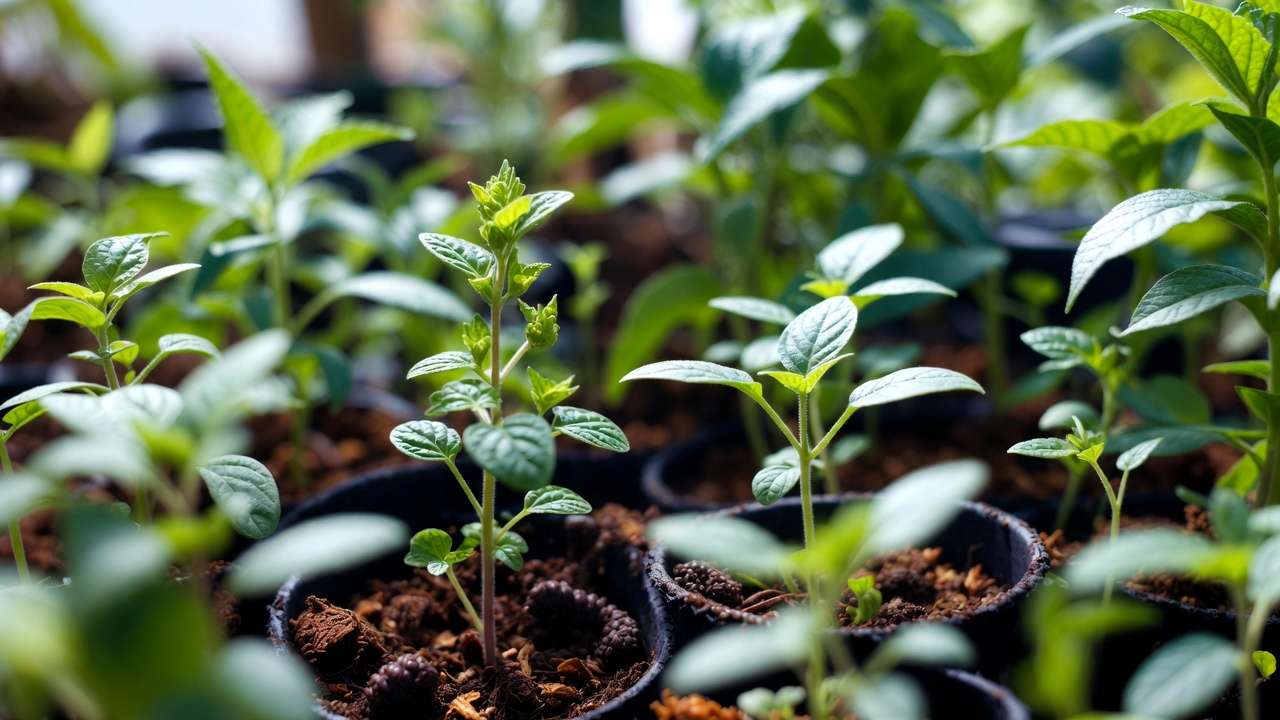
Real Examples: Boosting Results
- Tomato plants show faster fruit set and resistance to blossom-end rot.
- Indoor foliage (pothos, monstera) gets deeper green leaves, fewer yellow tips.
- Fruit trees (mango, citrus in pots) develop stronger roots and better yields with regular casting top-dressing.
Troubleshooting Plant Issues Tied to Casting pH
If plants show nutrient lockout (yellowing between veins), test soil pH — castings help buffer but won’t override severely imbalanced garden soil.
Common Mistakes & Expert Troubleshooting Checklist
Here’s a quick-reference guide to the top issues:
- Mistake: Adding too much citrus → Fix: Remove excess, add eggshells/lime, aerate.
- Mistake: Overfeeding → Fix: Reduce to ¼–½ lb scraps per lb worms/week.
- Mistake: No testing → Fix: Start weekly checks.
- Mistake: Using chlorinated tap water → Fix: Let sit 24 hrs or use rainwater/distilled.
- Mistake: Ignoring moisture → Fix: Squeeze test; add dry bedding if soggy.
- And more… (e.g., wrong worm species, extreme temps, poor bedding).
Quick Table (imagine this as formatted in your CMS):
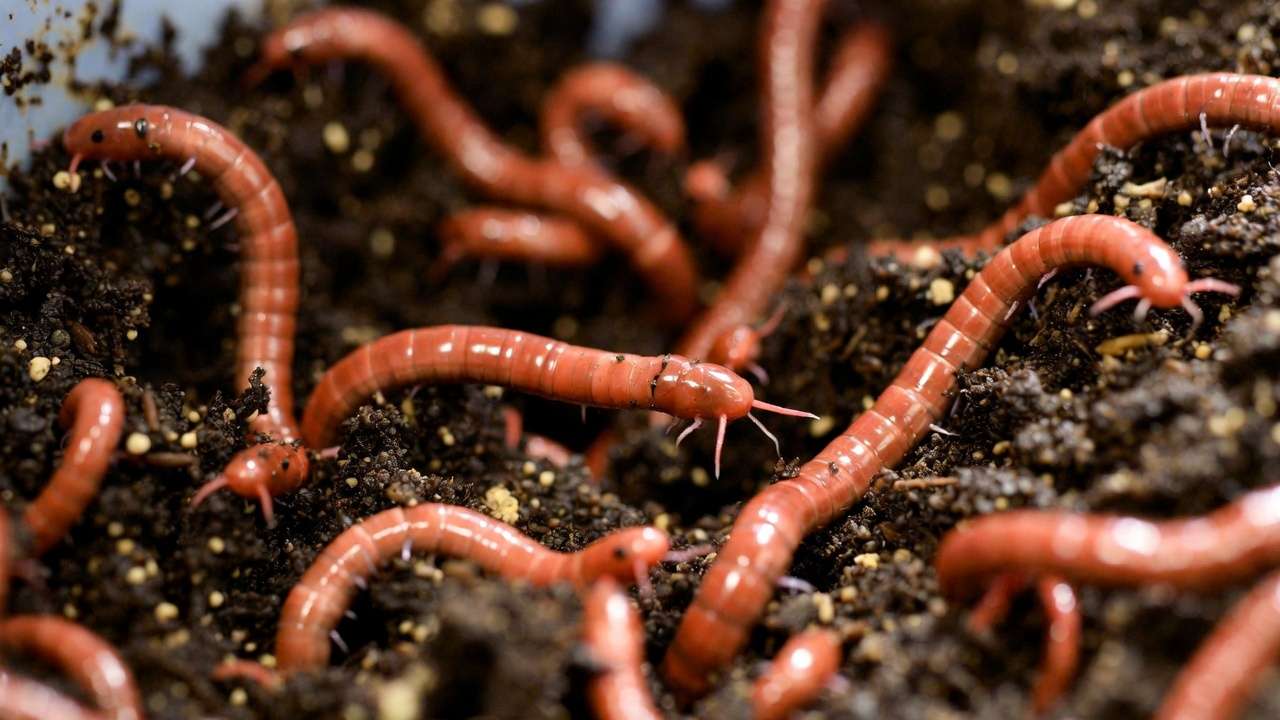
| pH Level | Symptoms | Immediate Fixes |
|---|---|---|
| <5.5 | Sour smell, worm escape, die-off | Add lime/eggshells, aerate, reduce feed |
| 5.5–6.0 | Slow activity, fewer cocoons | Sprinkle eggshells, bury food deeper |
| 6.0–7.0 | Thriving worms, fast breakdown | Maintain — monitor monthly |
| >7.5 | Worms avoid areas, irritation | Flush with water, add acidic bedding |
Frequently Asked Questions (FAQ) – Quick Answers for Readers
What’s the fastest way to fix an acidic worm bin? ⚡ Add 1–2 tsp garden lime or a handful of crushed eggshells, mix lightly, aerate, and retest in 3 days.
Can I use baking soda to raise pH? Avoid it — it can create sodium buildup harmful over time. Stick to calcium-based buffers.
Is worm bin pH the same as soil pH for plants? No, but balanced castings (near 7) gently moderate soil extremes without drastic swings.
How long does it take for lime to work? 24–72 hours for noticeable change; full stabilization in 1–2 weeks.
Do all worm species need the same pH? Red wigglers are most forgiving; European nightcrawlers prefer slightly higher (6.5–7.5).
Can worm castings burn plants? Rarely — they’re mild and pH-neutral. Over-application may cause temporary nutrient imbalance.
Should I pH-test finished castings? Yes — aim for 6.5–7.5 before using on sensitive plants.
Is it normal for pH to fluctuate slightly? Yes — small swings are fine as long as worms stay active.
Conclusion
Mastering the optimal pH level for worm composting — that reliable 6.0–7.0 sweet spot — transforms a potential headache into one of the most rewarding parts of sustainable plant and tree care. Happy worms mean faster, richer castings that feed your soil microbiome, buffer pH naturally, and help your houseplants thrive indoors or your garden trees bear fruit abundantly.
Start small: Test your bin this week, add a sprinkle of eggshells if needed, and watch the magic happen. Your plants (and worms) will thank you! 🌱🪱
Have you battled pH in your worm bin? Share your tips or current readings in the comments below — I’d love to hear your experiences. For more eco-friendly gardening guides, subscribe or check out our articles on best worm bedding, compost tea recipes, and using castings for indoor plants.
Happy composting! 💚











