
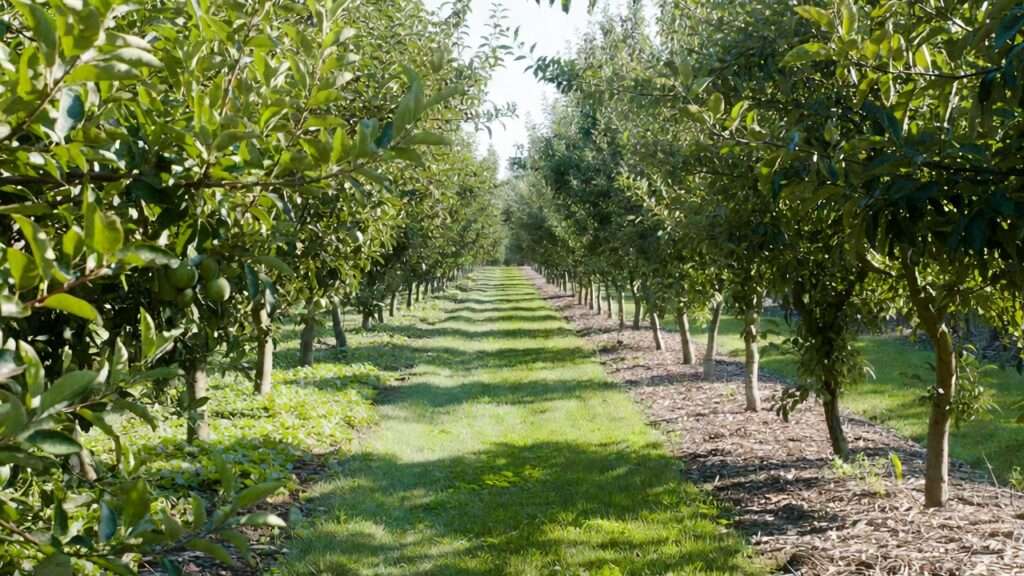
Imagine stepping into your orchard during harvest season and seeing rows of vigorous trees heavy with plump, high-quality fruit—while your soil stays rich, erosion is minimal, and you’re using less water and fertilizer than ever before. That’s not a dream; it’s the real result of effective orchard floor management tips put into practice.
For many fruit growers—whether you’re tending a small backyard orchard with apples and pears or managing a larger plot of stone fruits—the orchard floor often gets overlooked. Yet poor management leads to sneaky problems: aggressive weeds stealing water and nutrients, soil washing away on slopes, compacted ground limiting root growth, rodent damage gnawing at trunks, and overall reduced tree vigor that cuts yields by 20-30% in severe cases (based on university extension trials).
The good news? Smart orchard floor strategies fix these issues and deliver big wins: healthier trees, better fruit size and flavor, improved soil biology, natural erosion control, and even frost protection in spring. In this in-depth guide, we’ll cover proven, actionable orchard floor management tips drawn from horticultural research (like WSU, Penn State, and NC State Extension), real grower experiences, and sustainable practices. Whether you’re organic, conventional, or somewhere in between, you’ll find tailored advice to transform your orchard floor into a powerhouse for long-term success. Let’s dive in! 🍏
Understanding Orchard Floor Management: The Basics Every Grower Needs to Know 📚
Orchard floor management refers to how you handle the ground beneath and between your fruit trees—everything from weed control and cover crops to mulching, mowing, and soil amendments. It’s not just about aesthetics; it’s a core part of integrated orchard care that directly impacts tree health, productivity, and sustainability.
Key goals include:
- Reducing competition for water, nutrients, and light from weeds and grass
- Preventing soil erosion, especially on sloped land
- Supporting beneficial soil microbes and structure for better nutrient cycling
- Providing firm access for equipment and foot traffic
- Minimizing habitats for pests like rodents and certain insects
- Regulating soil temperature and moisture for root health and frost mitigation
Your approach depends on several factors:
- Orchard age — Young trees need maximum protection from competition during establishment; mature trees benefit from soil-building practices.
- Soil type and slope — Sandy soils drain fast and need moisture conservation; clay soils compact easily; slopes demand erosion control.
- Climate/region — In humid areas, focus on drainage and disease prevention; in arid zones, prioritize water retention.
- Irrigation method — Drip systems pair well with mulches; overhead might influence cover crop choices.
- Preferences — Organic growers lean toward living mulches and regenerative techniques ♻️.
Common systems include:
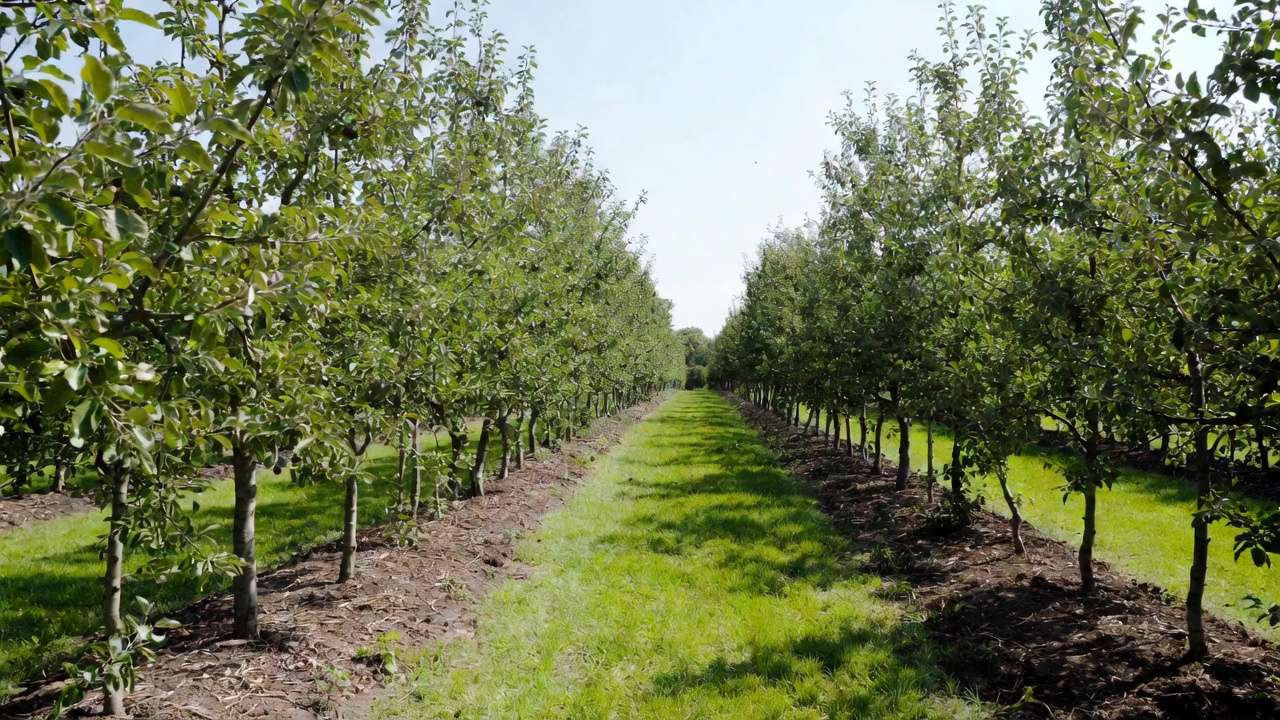
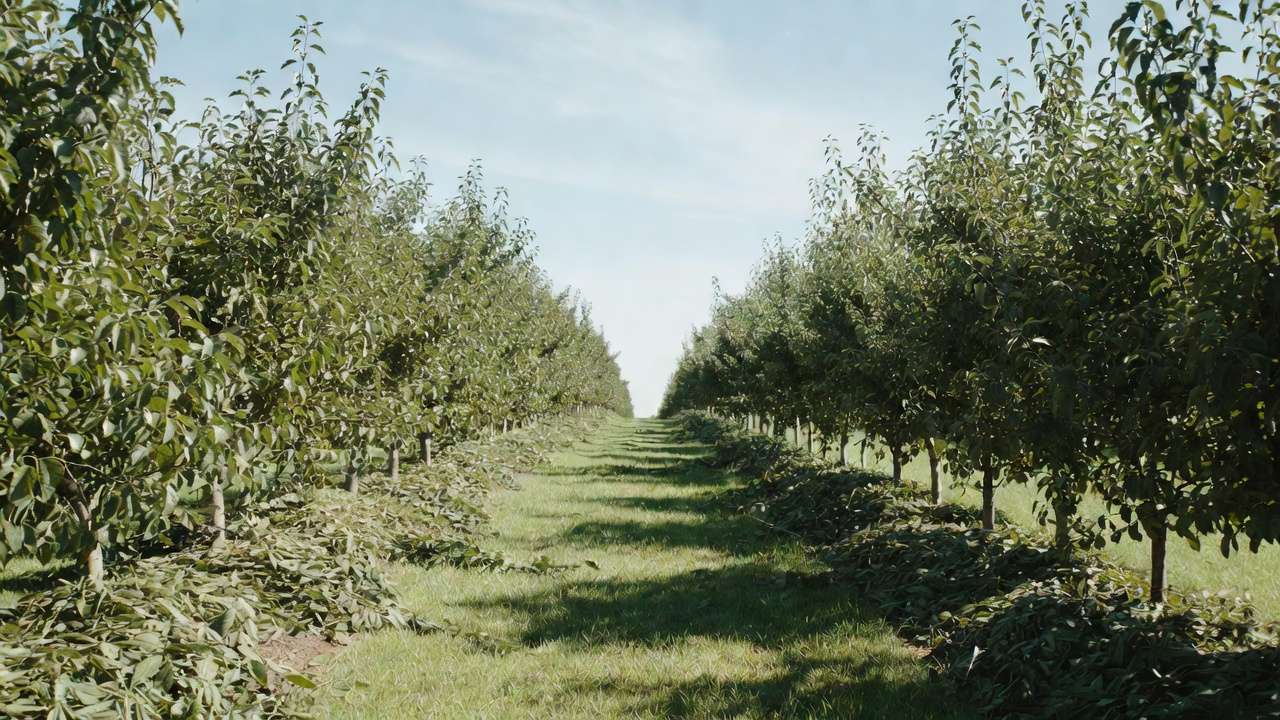
- Grass sod alleys + vegetation-free tree rows (the gold standard hybrid for most setups) 🌿 — Balances access, erosion control, and low competition.
- Solid cover crops/living mulches — Great for soil health and biodiversity.
- Mulching in tree rows — Excellent for moisture and weeds.
- Bare earth/herbicide strips — Quick control but risks erosion ⚠️.
- Regenerative approaches (mow-and-blow, diverse covers) — Building long-term fertility.
Choosing the Right Orchard Floor System for Your Setup 🛠️
No one-size-fits-all solution exists—pick based on your goals and constraints. Here’s a quick pros/cons comparison to help:
- Grass alleys + herbicide/mulch strips 🚜 Pros: Reliable weed control under trees, good traffic surface, erosion prevention in alleys, minimal rodent habitat if strips are narrow. Cons: Herbicide reliance (if chemical); needs regular mowing. Best for: Most commercial and home orchards, especially sloped land.
- Living mulches/cover crops 🐝 Pros: Nitrogen fixation (legumes), pollinator support, organic matter buildup, reduced erosion. Cons: Potential competition if not managed; establishment time. Best for: Organic or regenerative growers focused on soil biology.
- Mulches (wood chips, straw, compost) 🌱 Pros: Superior moisture retention (cut irrigation 20-30%), weed suppression, temperature moderation. Cons: Annual reapplication, possible nitrogen tie-up with fresh wood. Best for: Young orchards or water-limited areas.
- Bare cultivation ⚠️ Pros: Fast weed knockdown, potential frost protection from bare soil heat radiation. Cons: High erosion risk, damages roots, compacts soil over time. Best for: Short-term in arid regions only.
Tailor to your situation:
- Young orchards: Prioritize wide vegetation-free zones for fast establishment.
- Mature orchards: Shift to regenerative for sustained yields.
- Sloped sites: Sod alleys or dense covers are must-haves.
- Organic/home setups: Combine mulches with diverse legumes and grasses for sustainability.
(Pro tip: Start small—test one system in a section of your orchard and monitor tree growth, soil tests, and yields for 2-3 seasons before scaling up!)
Essential Orchard Floor Management Tips: Step-by-Step Actionable Advice 🔧
1. Weed Control Strategies That Actually Work (Without Over-Reliance on Chemicals) 🌿
Weeds are public enemy #1 in young orchards—they compete fiercely during the critical first 3-5 years, stunting growth and delaying bearing. Focus on the “critical weed-free period” around bloom and fruit set.
Integrated methods:
- Maintain narrow herbicide strips (4-6 ft wide under trees) for low competition without wide bare areas causing erosion.
- Organic alternatives: Apply thick organic mulches (3-4+ inches), flame weeding for seedlings, or acetic acid/vinegar sprays on young weeds.
- Mechanical: Shallow cultivation or string trimmers—avoid deep tillage that harms roots.
- Timing: Hit weeds early in spring; spot-treat escapes.
Avoid mistakes: Don’t let strips get too wide (erosion/rodent risk) or too narrow (competition spikes) 🐀.
2. Cover Crops and Living Mulches: Building Soil Health from the Ground Up 🌼
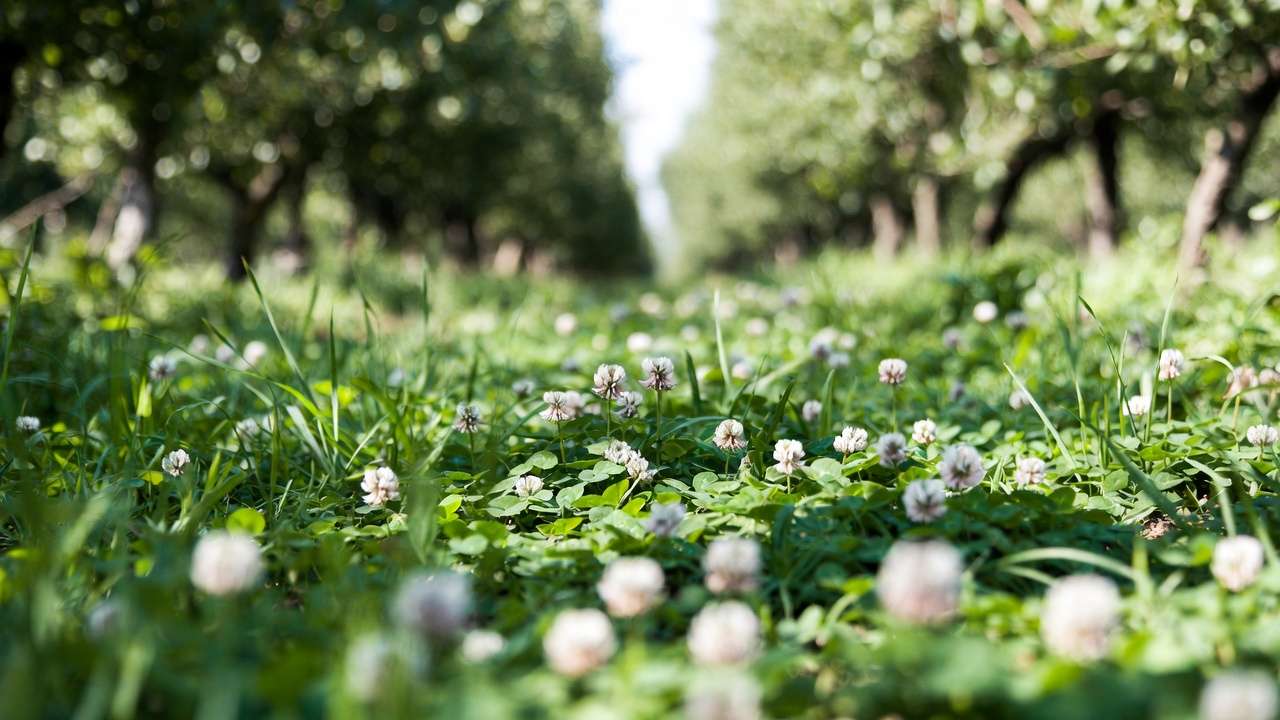
Cover crops turn your orchard floor into a living system. Fine fescues for low-maintenance sod, clovers/legumes for nitrogen (up to 100+ lbs/acre), or diverse mixes for pollinators and microbes.
Establishment tips:
- Seed in fall for spring coverage.
- Mow regularly to build density without seeding weeds.
- Use “mow-and-blow” — cut alleys and blow clippings under trees for free mulch and nutrients 🍂.
Benefits backed by research: Increased organic matter, better infiltration (reducing runoff), beneficial insects, and yield boosts in mature systems.
3. Mulching Mastery: Organic and Inorganic Options Compared 🪵
Mulch is a game-changer for moisture and weeds.
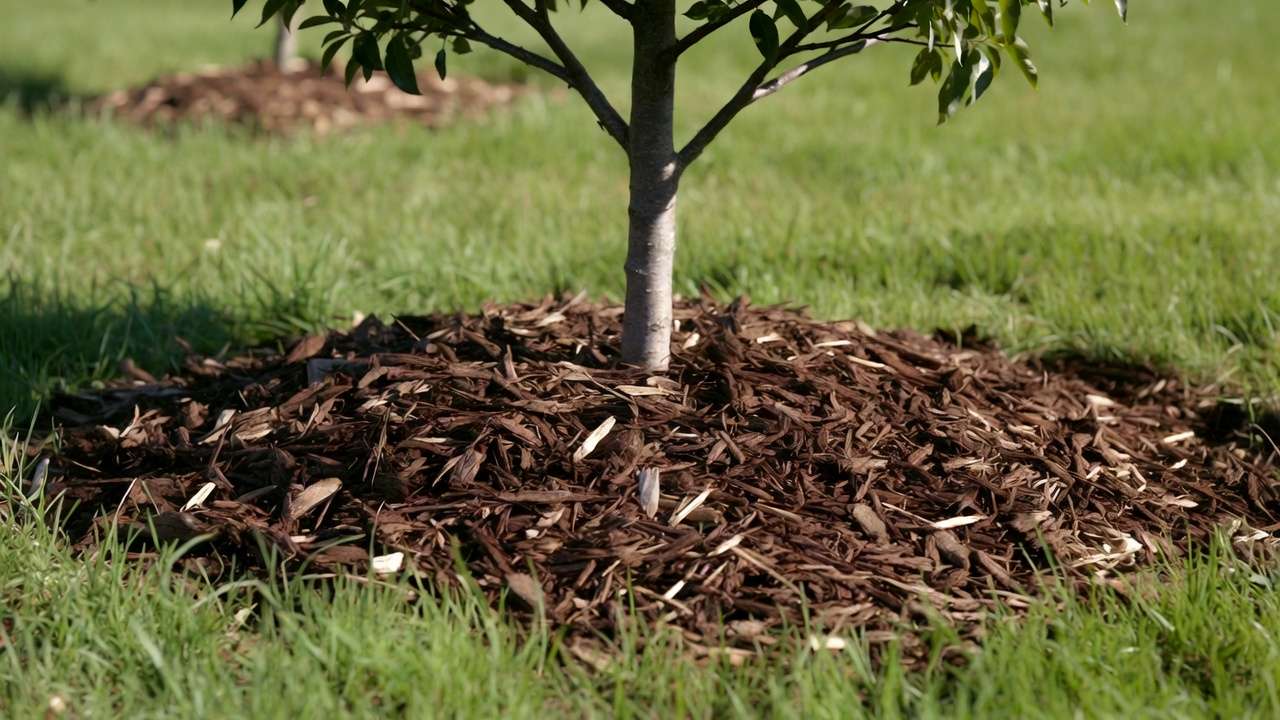
- Wood chips, shredded prunings, straw, or compost.
- Apply 3-4 inches deep, keeping away from trunks to prevent rot.
- Renew annually in spring.
Pros: Conserves water (huge in dry spells), moderates soil temps, suppresses weeds. Challenges: Fresh wood can temporarily tie up nitrogen—counter with compost or legume covers.
Inorganic like woven fabrics work for organics but remove in winter for rodents.
4. Mowing and Vegetation Management Schedules ⏰
Less frequent is often better—let grass grow taller for biomass before cutting.
- Keep alleys 4-6 inches high for traffic and erosion control.
- Spring: Suppress for frost protection (bare soil radiates heat).
- Summer: Allow growth for cooling and water infiltration.
- Fall: Let build for winter cover.
5. Soil Health Boosters: Compost, Amendments, and Biology Focus 🦠
Test soil yearly—aim for 3-5% organic matter.
- Add compost/manure in fall.
- Use cover residues for natural fertility.
- Reduce compaction with minimal tillage and covers.
Regenerative tip: Maintain living roots year-round for microbial feeding.
6. Pest and Rodent Prevention on the Orchard Floor 🐝🦔
- Keep grass short near trunks—no vole highways.
- Encourage flowering covers for beneficials.
- Use tree guards + clean strips for rodents.
7. Water and Nutrient Efficiency Gains 💧
Good management cuts irrigation needs by retaining moisture and cycling nutrients from covers/mulches.
Common Mistakes to Avoid in Orchard Floor Management (And How to Fix Them) ❌
Even experienced growers slip up on floor management—here are the most frequent pitfalls I see in consultations and extension reports, plus straightforward fixes:
- Letting weeds dominate the critical early years Young trees lose the battle fast when weeds get a head start. Fix: Commit to a strict weed-free zone (at least 4 ft radius) around trunks for the first 3–5 years. Use mulch or approved strips religiously during establishment.
- Over-mowing or scalping the alleys Cutting grass too short (<3 inches) exposes soil, increases erosion, and stresses the sod cover. Fix: Maintain 4–6 inches in alleys. Mow only when growth reaches 8–10 inches to build biomass and root depth.
- Creating wide bare strips that invite erosion and rodents Strips wider than 6–8 ft on slopes wash away topsoil and become vole superhighways 🐀. Fix: Keep strips narrow (4–6 ft max) and transition smoothly to dense sod. Add tree guards for extra protection.
- Ignoring soil compaction and biology Heavy equipment traffic year after year turns soil into concrete, starving roots of oxygen. Fix: Limit traffic to designated lanes, use low-pressure tires, and grow deep-rooted covers (e.g., chicory, radish) to naturally aerate.
- One-size-fits-all mentality Copying a neighbor’s system without considering your soil, slope, or climate often backfires. Fix: Start with a soil test + site assessment. Trial small test plots for 2 seasons before full commitment.
- Neglecting seasonal timing Spring weed explosions or fall bare soil before heavy rains cause preventable damage. Fix: Follow a calendar (see below) and adjust based on your local weather patterns.
Avoiding these traps alone can save hundreds of dollars in lost yield and inputs annually.
Case Studies and Real-World Examples 🌍
Let’s look at practical success stories that prove these tips work:
- Washington State University (WSU) apple orchard trials — Researchers compared grass alleys + 6-ft herbicide strips vs. solid cover crops. The hybrid system reduced irrigation needs by ~25% and maintained or increased yields while keeping rodent pressure low. Mature ‘Gala’ and ‘Fuji’ blocks showed the biggest soil organic matter gains after 5 years.
- Regenerative walnut orchard in California — A grower switched from bare cultivation to diverse cover crops (clover, vetch, oats) + mow-and-blow. Within 4 seasons, soil organic matter rose from 1.8% to 4.2%, irrigation frequency dropped 30%, and nut quality improved noticeably (larger kernels, better fill).
- Small backyard setup in the Northeast U.S. — A home grower used comfrey borders (dynamic accumulator) + daffodils around tree bases for natural weed suppression, paired with wood-chip mulch. Result: Virtually no hand-weeding needed after year 2, healthier trees, and bonus pollinator habitat 🐝.
These examples show that thoughtful, adaptive management pays dividends at any scale.
Seasonal Orchard Floor Management Calendar 📅
Here’s a flexible, region-agnostic schedule you can tweak for your climate:
Spring (March–May)
- Mow alleys early to suppress height before bloom
- Apply fresh mulch layer (3–4 inches) around trees
- Seed or overseed cover crops if needed
- Spot-treat emerging weeds
- Goal: Keep competition low during bloom & fruit set
Summer (June–August)
- Mow alleys every 3–5 weeks (keep 4–6 inches)
- Refresh mulch where it thins
- Monitor for vole activity—clear grass near trunks
- Allow some flowering in covers for beneficial insects
Fall (September–November)
- Seed winter cover crops (rye, clover, vetch) in alleys
- Spread compost or aged manure under trees
- Final mowing—leave clippings as mulch
- Goal: Build soil reserves for winter
Winter (December–February)
- Minimize traffic to prevent compaction
- Check tree guards & rodent activity
- Plan next season: order seeds, mulch, soil test
- Rest and observe
Adjust dates ±4 weeks based on your growing zone.
Expert Insights and Advanced Tips from Horticulturists 👨🌾
From university extension specialists and seasoned orchardists:
- “Narrow strips + vigorous sod alleys remain the most reliable system for balancing yield, soil health, and economics.” — WSU Tree Fruit Research & Extension Center
- “Mow-and-blow is one of the simplest regenerative practices—free fertilizer delivered exactly where trees need it.” — Organic grower in Oregon
- Advanced trend: Inter-row flowering strips (e.g., buckwheat, phacelia) every few rows to boost natural enemies of codling moth and aphids. Early data shows reduced pesticide sprays.
- Future outlook: Precision mowing robots and drone-monitored cover crop mixes are emerging for larger operations.
Frequently Asked Questions (FAQs) ❓
How wide should my weed-free strip be? 4–6 feet is ideal for most situations—wide enough to minimize competition, narrow enough to avoid erosion and rodent issues.
Are cover crops worth it for small/home orchards? Yes! Even in a backyard, a simple clover-fescue mix builds soil, attracts pollinators, and reduces mulch costs over time.
What’s the best mulch for beginners? Aged wood chips or shredded bark—widely available, long-lasting, and effective at 3–4 inches deep. Avoid fresh arborist chips directly against trunks.
How can I control rodents organically? Keep vegetation short near trunks, use hardware cloth guards (18–24 inches high, buried 6 inches), and encourage owls/hawks with perches. Mow-and-blow helps by removing habitat.
Can I go completely no-mow? Possible with low-growing fine fescues or white clover, but most growers find occasional mowing (3–4 times/year) prevents tall, rank growth and maintains access.
Conclusion: Transform Your Orchard Floor and Reap the Rewards 🍏
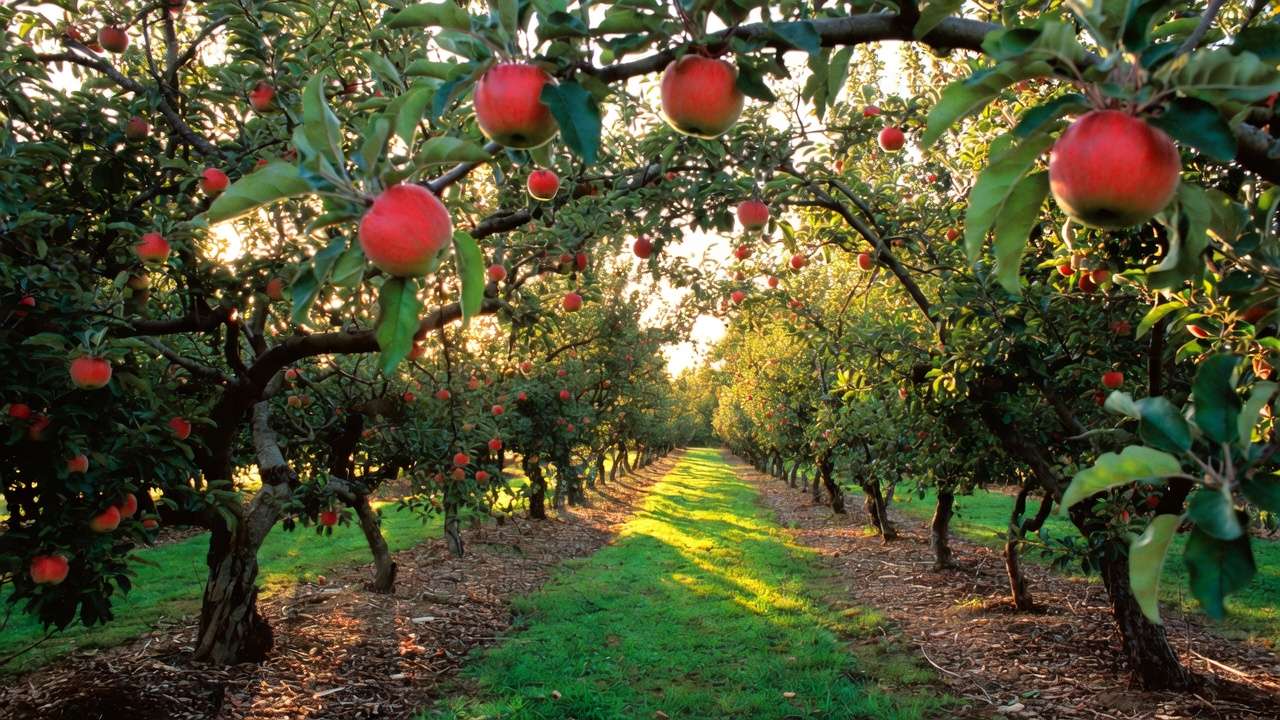
Mastering orchard floor management tips isn’t flashy work, but it’s some of the highest-ROI time you can spend in your orchard. By reducing competition, building living soil, preventing erosion, and creating a balanced ecosystem, you set the stage for healthier trees, bigger harvests, tastier fruit, and lower long-term costs.
Start small: Pick one or two tips from this guide (maybe mulch refresh + better mowing timing), implement them this season, and track the difference in tree vigor and fruit quality. Over time, these small changes compound into major improvements.
Your orchard floor is the foundation—treat it right, and your trees will thank you with abundance year after year. 🌟











