
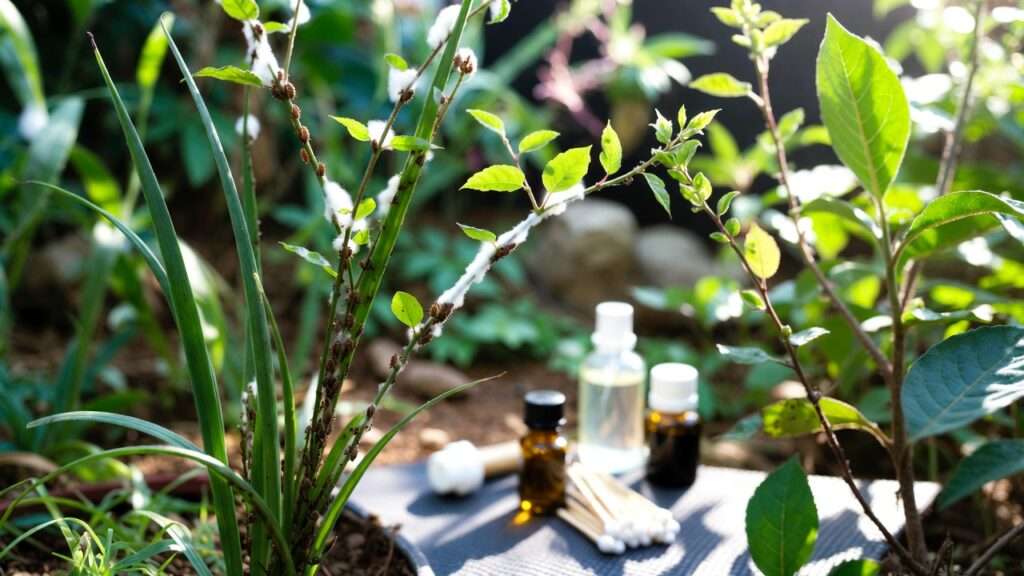
Picture this: You’re lovingly watering your favorite fiddle-leaf fig or prized citrus tree when you spot them — tiny white, cottony clumps tucked in leaf joints, crawling slowly like miniature marshmallows with legs. 😱 Mealybugs have invaded!
These resilient pests can quickly turn a thriving indoor jungle or beautiful garden tree into a sticky, yellowing mess. The worst part? They multiply fast and love hiding where sprays can’t easily reach.
The great news is you don’t need toxic pesticides to win this battle. Organic solutions for mealybugs are not only highly effective but also safer for your family, pets, beneficial insects, and Mother Earth herself. 🌍
As a plant care specialist who has helped hundreds of indoor gardeners and outdoor tree enthusiasts eradicate mealybug infestations naturally over the past decade, I’m excited to share with you the 7 most proven organic methods that actually work — complete with step-by-step instructions, real gardener results, pro tips, and prevention strategies so these pests never return.
Let’s reclaim your beautiful plants together — naturally! ✨
What Are Mealybugs and Why Are They Such a Problem? 🐛
Mealybugs are soft-bodied, sap-sucking insects belonging to the family Pseudococcidae. They get their name from the white, waxy, meal-like coating that protects their bodies and makes them look like tiny pieces of cotton.
Quick life cycle overview Females lay 300–600 eggs in cottony sacs. Eggs hatch into tiny mobile “crawlers” (the most vulnerable stage) within 1–2 weeks. Crawlers then settle, feed, and mature into adults in 1–2 months depending on temperature. Adults can live several months, and in warm indoor conditions, multiple generations can overlap year-round.
Favorite plants Mealybugs especially love:
- Succulents & cacti
- Orchids
- Ficus species
- Citrus trees
- Hibiscus
- Crotons
- Jade plants
- Ivy
- Many tropical houseplants
Signs of infestation
- White cottony clusters in leaf axils, under leaves, on stems, or even at the soil line
- Sticky honeydew residue (which attracts ants and leads to black sooty mold)
- Yellowing, curling, or dropping leaves
- Stunted new growth
- General plant weakness and decline
How they spread New plants from stores or friends, ants “farming” them for honeydew, wind-blown crawlers, and even your clothing can unknowingly transport them from plant to plant.
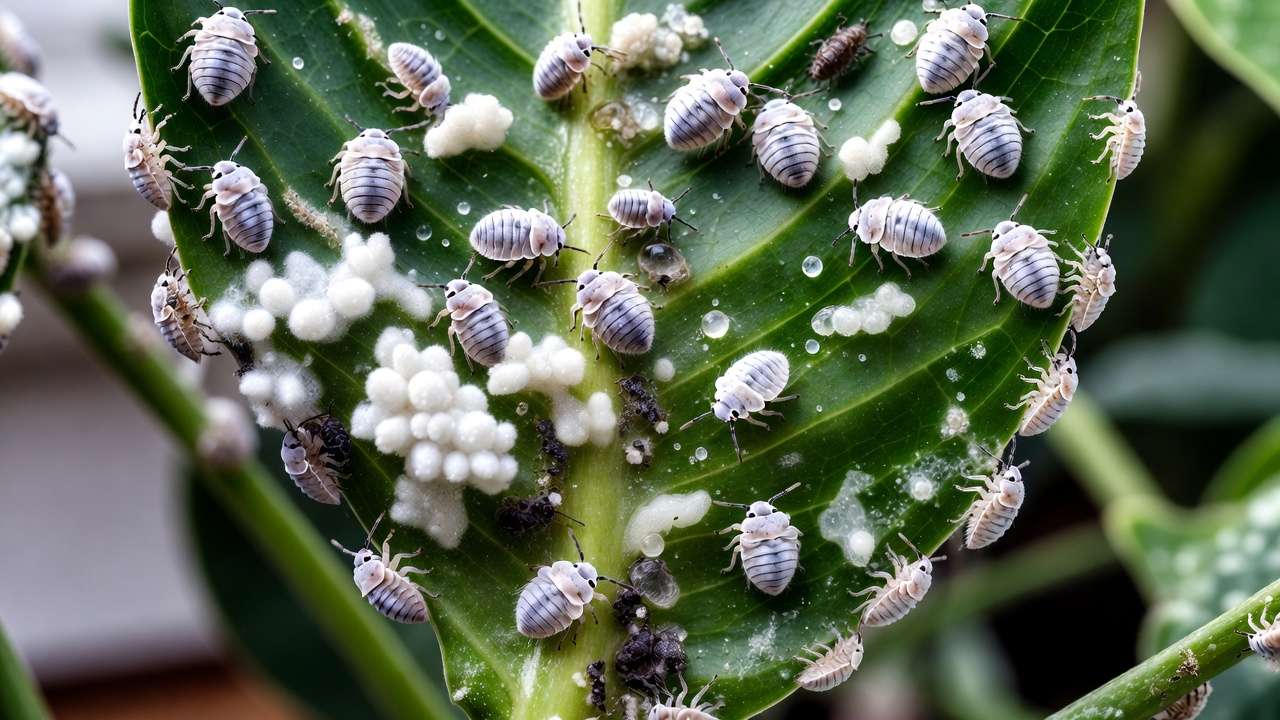
Early detection is your greatest weapon — waiting too long can turn a small problem into a nightmare. 😓
Why Choose Organic Solutions Over Chemical Pesticides? 🌱
Here’s why thousands of conscious plant parents are moving away from synthetic pesticides:
- Safety first No risk of harmful residues on plants you touch daily, safer around children, cats, dogs, and pollinators.
- No resistance buildup Mealybugs can develop resistance to chemical sprays after repeated use. Organic methods (especially rotating several) make resistance much less likely.
- Better for long-term plant health Harsh chemicals can burn leaves, stress roots, and disrupt natural plant defenses. Organic treatments support overall vitality.
- Eco-conscious gardening Protecting beneficial insects (ladybugs, lacewings, predatory mites) creates a balanced mini-ecosystem that helps control pests naturally.
- Peace of mind Knowing you’re using ingredients you can pronounce — like neem oil, alcohol, and mild soap — feels so much better!
Organic solutions shine brightest on mild to moderate infestations and as part of an integrated pest management (IPM) approach. Let’s get into the battle plan! 💪
Step 1: Immediate Action – Isolate & Inspect Thoroughly 🔍
Before treating, stop the spread!
Action checklist
- Immediately move infested plants away from others (preferably to a separate room or shaded outdoor spot)
- Gather supplies:
- Bright flashlight or natural daylight
- Magnifying glass or jeweler’s loupe
- Nitrile gloves
- White paper towels (to spot crawlers)
- Trash bags for heavily infested debris
Thorough inspection routine
- Flip every leaf and check undersides
- Look deep into leaf axils (where leaf meets stem)
- Examine stems, new growth tips, flower buds
- Gently scrape soil surface and check root zone (root mealybugs are sneakier!)
- Inspect nearby plants — mealybugs crawl slowly but can travel several feet
Pro tip Place white paper under the plant and gently shake/tap it. Crawlers will fall and be easy to spot. Early, thorough inspection can reduce treatment time by weeks! 🌟
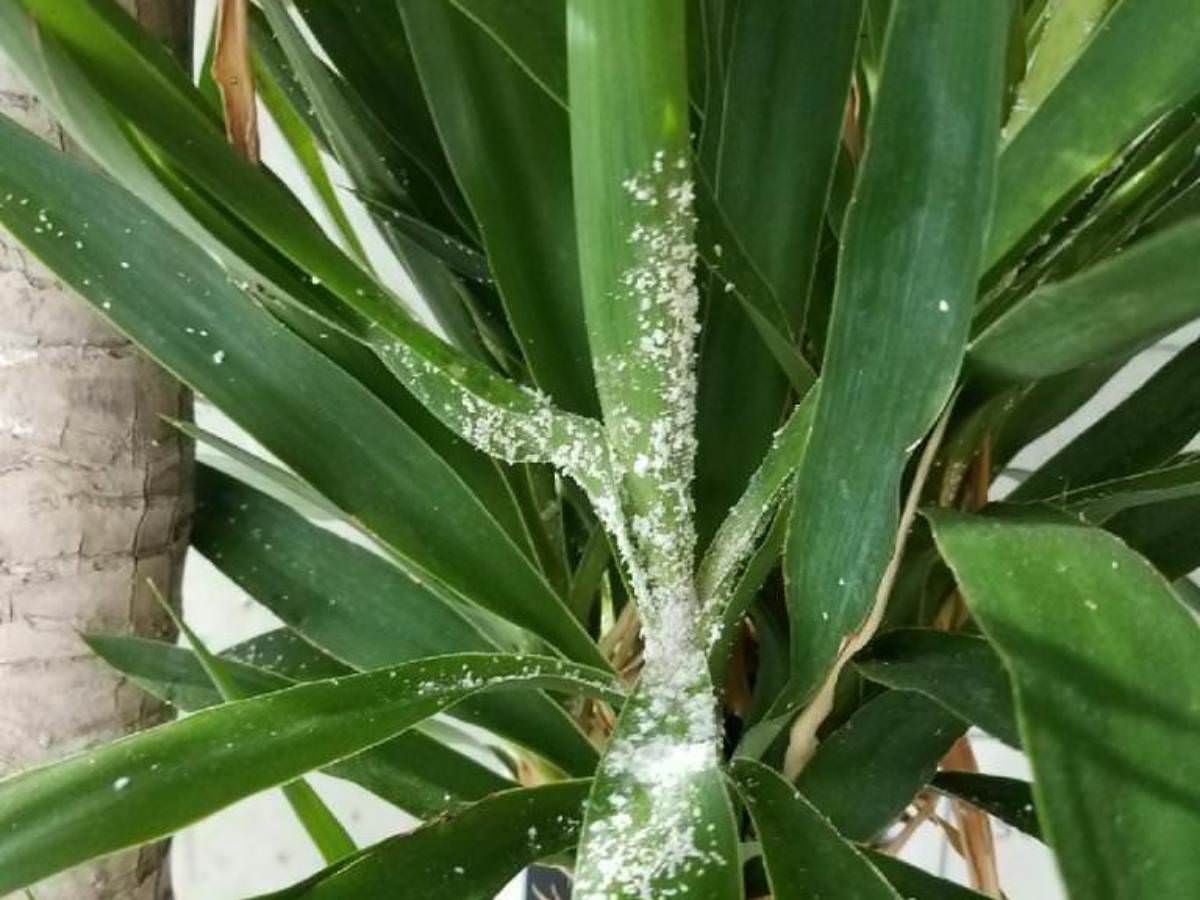
Here are some real-life visual examples of what mealybugs actually look like on plants — spotting them early makes all the difference!
Here are a few clear close-ups of mealybug infestations:

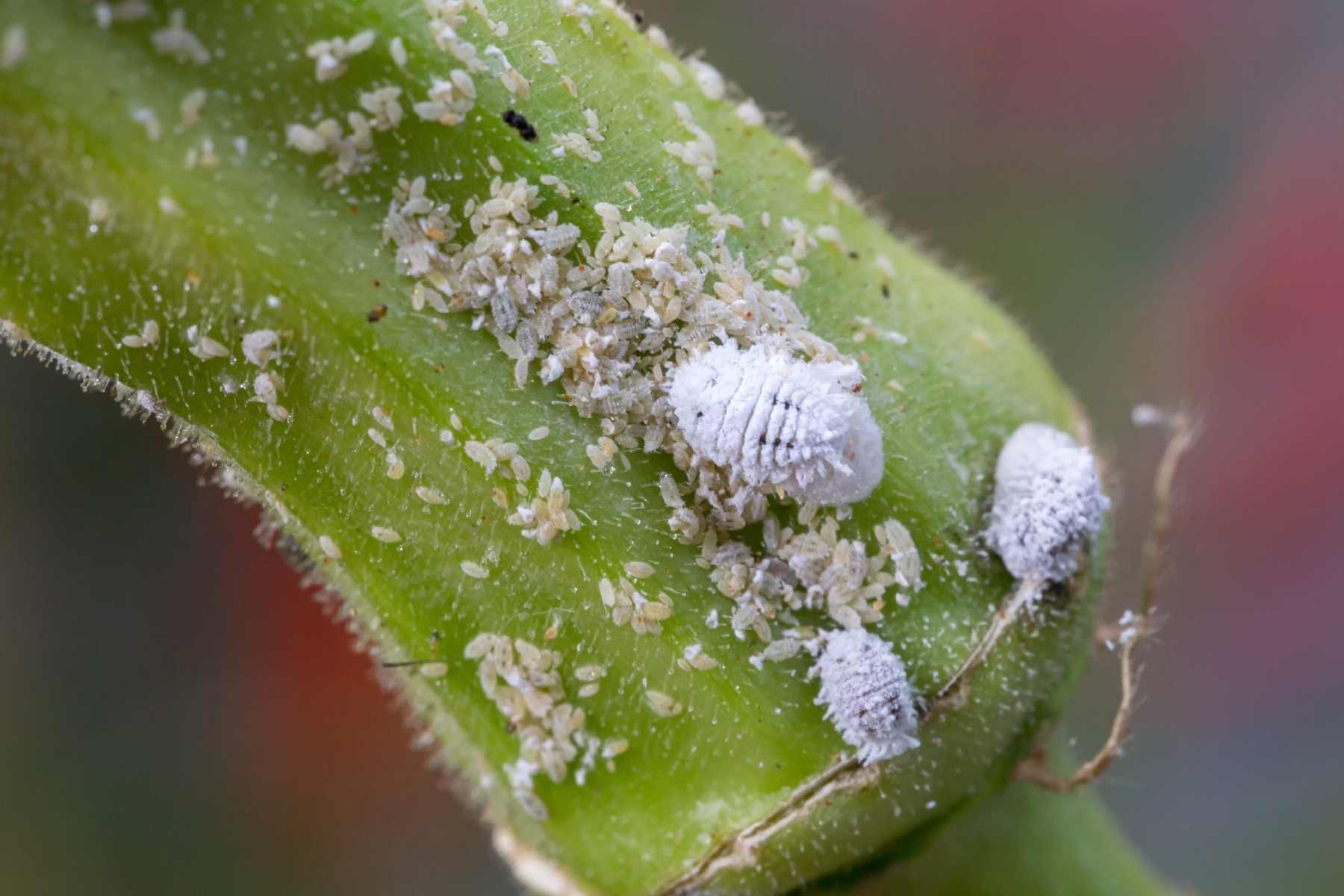

These cottony white clusters are the classic giveaway — often hiding in those sneaky leaf joints! 😓
Step 2: Physical Removal Methods (The First Strike!) 💪
Physical removal is your immediate, no-fuss first line of defense. It provides instant reduction in pest numbers and works beautifully in combination with the other organic methods below.
Manual Removal with Rubbing Alcohol (The #1 Fast-Kill Favorite) 🧴
Hands-down, this is the method most experienced houseplant owners swear by for quick results.
Why it works so well 70% isopropyl alcohol (rubbing alcohol) instantly dissolves the protective waxy coating of mealybugs on contact, causing them to dehydrate and die within seconds. It also penetrates cottony egg sacs, killing future generations.
- Put on gloves (alcohol can dry out skin).
- Pour 70% isopropyl alcohol into a small bowl or use a spray bottle.
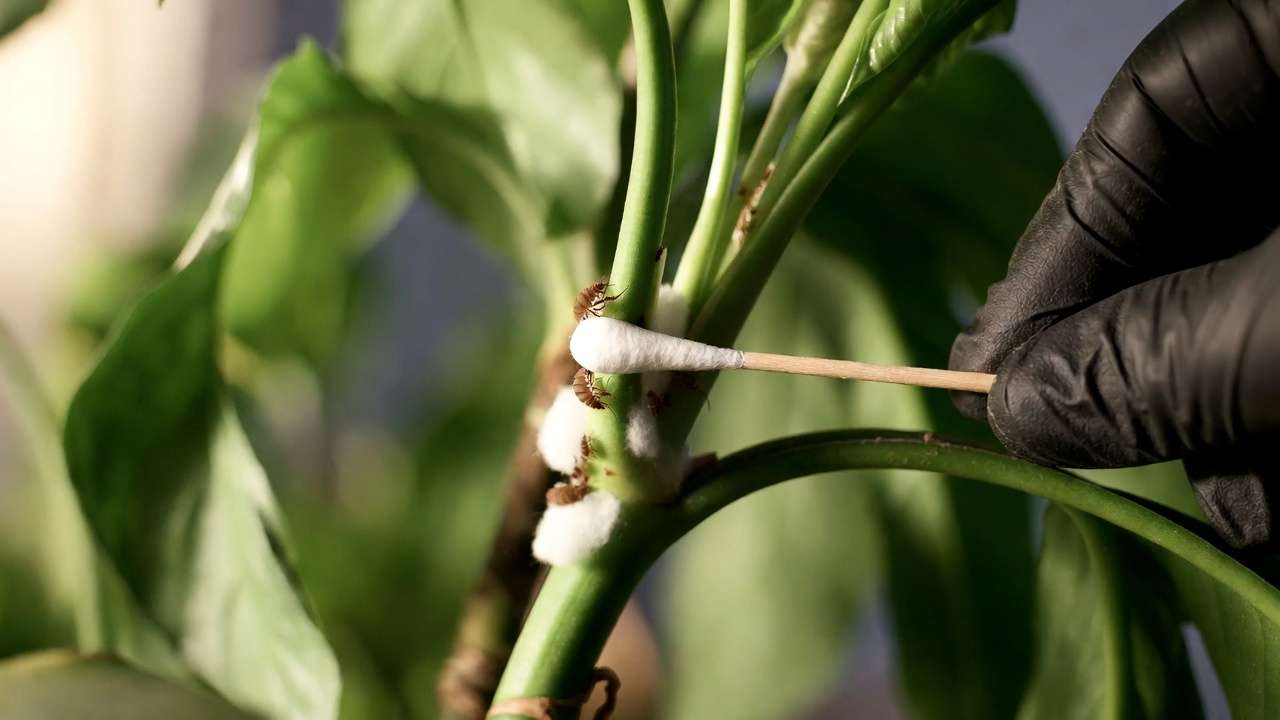
- Dip a cotton swab, Q-tip, or small paintbrush into the alcohol.
- Gently dab directly onto every visible mealybug, egg sac, and crawler you can find — be thorough!
- For larger clusters, you can lightly mist the area (test first — see below).
- Wipe away dead bugs and residue with a clean, damp cloth.
- Repeat inspection + treatment every 3–5 days for 2–3 weeks to catch newly hatched crawlers.
Safety tips for sensitive plants Always do a small test spot (one leaf underside) and wait 24 hours. Most houseplants tolerate it well, but some delicate varieties (like certain ferns or new growth) may show slight tip burn. If concerned, dilute to 50% with water.
Here are some practical photos showing the Q-tip technique in action:
Real gardener results Many report 80–90% population reduction after just one thorough session, with follow-ups finishing the job. It’s fast, cheap, and deeply satisfying! 🌟
Strong Water Blast & Pruning ✂️
For hardy houseplants or outdoor trees:
- Take the plant outside (or to the shower/bathtub).
- Use a strong jet of water from a hose or showerhead to blast mealybugs off leaves and stems.
- Focus on undersides and crevices.
- Follow up by pruning away heavily infested leaves/stems with clean, sterilized scissors. Dispose of clippings in a sealed bag — never compost them!
This method is excellent for initial knockdown on tougher plants like citrus trees or robust succulents.
Step 3: The Power of Organic Sprays & Soaps 🧴
After physical removal, follow up with smothering sprays that target remaining bugs and prevent reinfestation.
Homemade & Commercial Insecticidal Soap
How it works Soap breaks down the waxy outer layer and suffocates soft-bodied insects like mealybugs on contact.
Simple homemade recipe (safe & effective):
- 1–2 teaspoons of pure, mild liquid dish soap (unscented, no antibacterial types — castile soap like Dr. Bronner’s is ideal)
- 1 quart (about 1 liter) of lukewarm water
- Optional: 1 teaspoon of vegetable oil for extra sticking power
Shake well, spray thoroughly (especially undersides), and let sit for 10–15 minutes before rinsing if desired. Apply every 5–7 days for 3–4 weeks.
Commercial organic insecticidal soaps (like Safer Brand) work similarly and are pre-mixed for convenience.
Neem Oil – The Organic Superstar 🌱
Neem oil is one of nature’s most powerful pest fighters — extracted from the neem tree, it acts as a repellent, growth regulator, and feeding deterrent.
Why gardeners love it
- Disrupts the insect life cycle (prevents molting, reproduction)
- Has residual activity (lasts 7–14 days)
- Safe for most beneficial insects when used properly
Perfect DIY neem oil spray recipe
- 1–2 teaspoons pure, cold-pressed neem oil
- 1 teaspoon mild dish soap (emulsifier)
- 1 quart warm water
Mix vigorously (shake often while using), apply in the evening or low light to avoid leaf burn, and cover all surfaces. Repeat every 7–14 days for 4–6 weeks.
Pro tip Combine alcohol spot treatment with weekly neem sprays for maximum impact — many experts call this combo the “dynamic duo” for stubborn infestations!
Here are some beautiful examples of neem oil application in action:
:strip_icc()/BHG-gardening-pests-neem-oil-for-plants-Hero-351e9a537e704fdfad83a6e55b7e9d3b.jpg)
Important notes
- Neem has a strong nutty smell that fades quickly.
- Avoid strong sun after application (can cause temporary spotting).
- Not for use on very young seedlings or certain sensitive plants — always test first.
Step 4: Biological & Eco-Friendly Warriors 🐞
Once you’ve knocked down the visible population with physical removal and sprays, it’s time to bring in nature’s own pest control team. Biological controls are one of the most sustainable long-term solutions — and they become especially powerful for outdoor trees and larger indoor collections.
Beneficial Insects – Nature’s Tiny Superheroes
Several predator species specialize in devouring mealybugs:
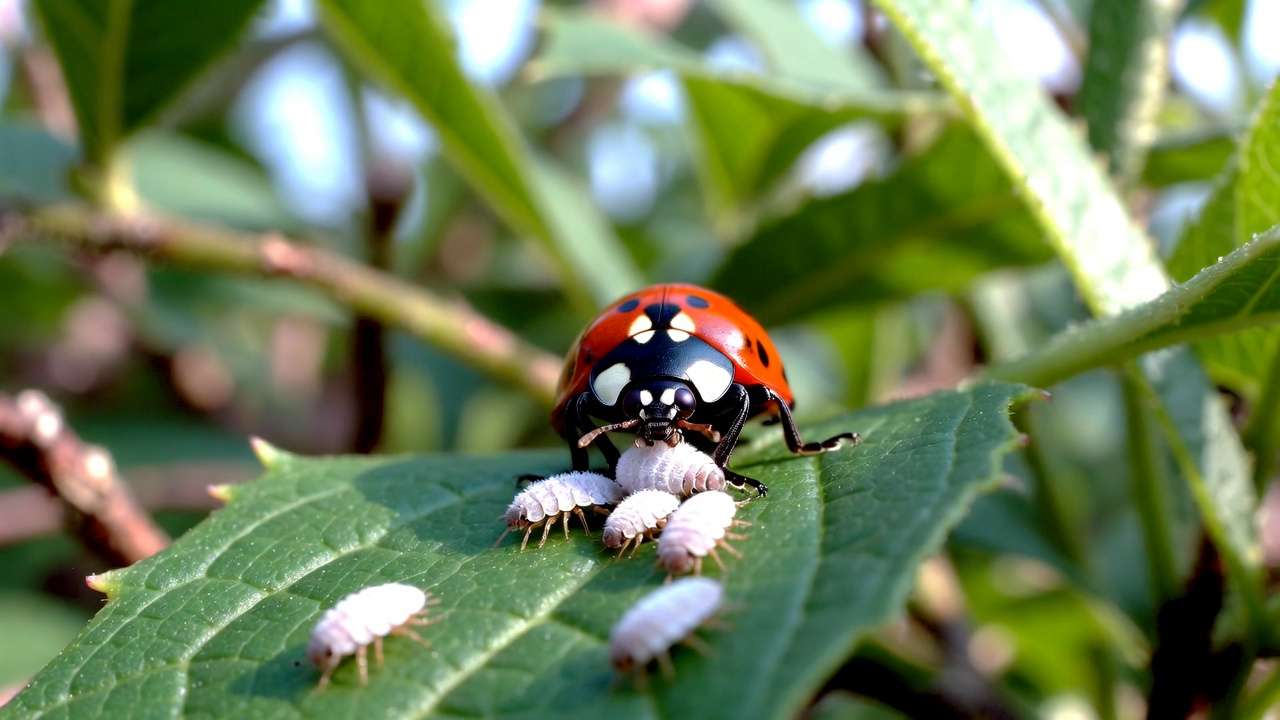
- Ladybugs (especially the Mealybug Destroyer – Cryptolaemus montrouzieri) These are the #1 biological control for mealybugs. Both adults and larvae are voracious feeders. One Cryptolaemus larva can consume hundreds of mealybugs during its development!
- Green Lacewings Their larvae (often called “aphid lions”) also attack mealybugs, along with aphids, spider mites, and other soft pests.
- Predatory lady beetle species (various) and tiny parasitic wasps (e.g., Leptomastix dactylopii)
How to use them effectively
- Indoors: Purchase live beneficial insects from reputable suppliers (many are available online year-round). Release them directly onto infested plants in the evening. Keep humidity moderate and avoid sprays for 48 hours after release.
- Outdoors: Plant nectar-rich flowers (marigolds, alyssum, dill, fennel) to attract and keep natural predators in your garden.
- Tip: Biological controls work best after you’ve reduced the heavy infestation — they’re not instant, but they provide ongoing protection.
Food-Grade Diatomaceous Earth (DE) – A Natural Abrasive Barrier
DE is made from fossilized diatoms and works by scratching the waxy coating of mealybugs, causing them to dehydrate.
How to apply safely
- Use food-grade DE only (pool-grade is dangerous to breathe).
- Lightly dust dry leaves, stems, and soil surface with a small duster or powder puff.
- Reapply after watering or rain.
- Excellent as a preventive barrier around the base of indoor plants or around tree trunks.
Caution: Avoid inhaling the dust and keep it away from flowers where pollinators visit.
Step 5: Soil & Root Treatments (Don’t Forget Below the Surface!) 🌱
Many people stop at the leaves and miss the sneaky root mealybugs (especially on succulents, cacti, and some tropicals).
Signs of root mealybugs
- White cottony masses around roots when you unpot
- Stunted growth despite good care
- Yellowing lower leaves
Organic treatment steps
- Gently unpot the plant and rinse roots with lukewarm water.
- Remove visible mealybugs with a soft brush dipped in 70% alcohol solution.
- Repot in fresh, well-draining sterile soil mix.
- Apply a soil drench:
- Mix 1–2 tsp neem oil + 1 tsp mild soap in 1 liter of water
- Water the soil thoroughly (let excess drain)
- Repeat every 10–14 days for 3 cycles
- Bonus advanced option: Beneficial nematodes (Steinernema feltiae or Heterorhabditis bacteriophora) can be watered into soil — they parasitize soil-dwelling pests including root mealybugs.
This step is often the missing piece that explains why infestations “keep coming back” even after leaf treatments.
Step 6: Prevention – Keep Mealybugs Away Forever! 🛡️
The best treatment is prevention. Here’s your bulletproof routine:
- New plant quarantine — Isolate every new plant for at least 3–4 weeks. Inspect weekly.
- Regular check-ups — Make it a Sunday ritual: 5 minutes per plant with a magnifying glass.
- Optimal plant health — Strong plants resist pests better: → Proper light → Correct watering (avoid overwatering) → Balanced, not excessive fertilization (high nitrogen attracts sap-suckers) → Good airflow & moderate humidity
- Ant management — Ants farm mealybugs for honeydew. Use cinnamon powder, diatomaceous earth, or sticky barriers around pots/trunks.
- Essential oil barriers (preventive only) — Lightly mist plant bases with diluted peppermint, tea tree, or cedarwood oil weekly.
- Sticky traps — Yellow sticky cards near plants catch flying adult males and help monitor populations.
Expert Tips & Common Mistakes to Avoid
Top 5 mistakes I see all the time
- Treating only the top leaves → miss hidden spots and eggs
- Stopping too soon → newly hatched crawlers restart the cycle
- Using dish soap with additives → burns leaves
- Spraying neem in bright sun → causes leaf scorch
- Ignoring ants → they protect and relocate mealybugs
My personal story A few years back, my 12-year-old Monstera deliciosa got a massive mealybug outbreak after I brought home an infected cutting. After 6 weeks of consistent alcohol + neem + quarantine, she bounced back stronger than ever — and now she’s a gorgeous 8-foot monster! Patience really does pay off. 💚
FAQs About Organic Mealybug Control
How long does it take to get rid of mealybugs organically? Most mild-moderate cases clear up in 4–8 weeks with consistent effort. Severe infestations may take 2–3 months.
Can I use these methods on edible plants/fruits? Yes! All the methods in this guide (especially soap, neem, alcohol spot treatment, and beneficial insects) are safe for edible plants when used as directed. Just rinse fruit well before eating.
What if mealybugs keep coming back? You’re likely missing root mealybugs, ants, or reinfestation from new plants. Revisit quarantine + soil treatment.
Is neem oil safe for pets & humans? Generally yes when used diluted and in well-ventilated areas. Keep pets away from freshly sprayed plants until dry. Never use pure neem oil internally.
Alcohol vs. neem vs. soap — which is best for beginners? Start with alcohol spot treatment + insecticidal soap — they’re fast, visible, and forgiving. Add neem once you’re comfortable.
Final Thoughts: Reclaim Your Plants with Patience & Persistence
You now have a complete, battle-tested organic toolkit to defeat mealybugs for good — without ever reaching for harsh chemicals. The combination of immediate physical removal, smothering sprays, biological allies, root care, and rock-solid prevention is what separates successful plant parents from those who keep fighting the same battle.
Your plants deserve to thrive — and with consistency and love, they will. You’ve got this! 🌱✨
Which method are you trying first? Drop a comment below — I love hearing your success stories and answering any extra questions!
Happy (and pest-free) gardening! 🪴💚











