
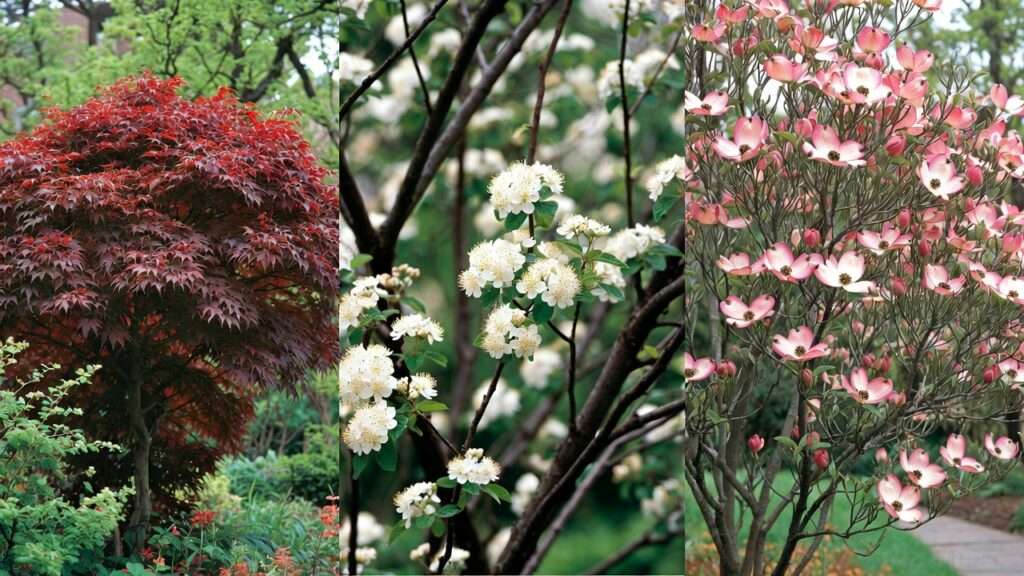
What if your small garden could feel magical, full of color, texture, fragrance, and seasonal drama — without ever feeling crowded or out of control? 🌸
Many homeowners with tiny yards, narrow side gardens, patios, balconies or small urban plots believe they must choose between beauty and space. The good news? You don’t have to compromise. The right ornamental trees suitable for small gardens can deliver exactly the wow-factor you’re dreaming of, while staying perfectly proportioned to modest spaces.
In over a decade of working with gardeners, landscape designers, and homeowners in space-constrained environments, I’ve seen time and time again how a single, thoughtfully chosen small ornamental tree can completely transform a garden’s personality — adding privacy, structure, wildlife value, seasonal interest and genuine joy.
In this in-depth guide, we’ll explore the very best compact ornamental trees (generally maturing at 10–25 feet tall or less) that consistently perform beautifully in small gardens. You’ll find detailed profiles, honest pros & cons, precise care guidance, placement tips, and real-world solutions to common small-space challenges.
Whether you’re starting with bare soil or upgrading an existing tiny garden, these recommendations will help you choose trees that give maximum beauty with minimum footprint. Let’s discover which compact trees can bring big personality to your small garden! 🌿
Why Ornamental Trees Are Perfect for Small Gardens
Small spaces benefit enormously from vertical elements. Here’s why a well-chosen ornamental tree is often the single most impactful plant you can add:
- Creates a focal point — Instantly gives the eye a place to rest and adds a sense of intention and completeness
- Adds height without spreading widely — Brings the third dimension (vertical interest) that most small gardens desperately need
- Provides multi-season interest — Flowers, colorful foliage, autumn color, attractive bark, winter structure, berries or fruit
- Improves privacy & screening — Even a small tree can block an undesirable view when positioned correctly
- Supports pollinators and birds — Even in urban areas, one tree can make a meaningful difference 🐝🐦
- Increases property value & curb appeal — Well-placed specimen trees are among the highest-ROI landscape investments
- Works beautifully in containers — Many of the best small-garden trees thrive long-term in large pots
The key is selecting varieties that naturally stay compact or have been carefully bred for smaller stature — and then planting and caring for them correctly.
Key Factors to Consider Before Choosing an Ornamental Tree for a Small Garden
Before falling in love with a beautiful photo, run through this practical checklist:
1. Realistic Mature Size (the most common mistake)
Look for trees that stay under 25 ft tall and under 20 ft wide in your climate. Dwarf cultivars and grafted varieties are often your best friends.
2. Ultimate Width vs Your Available Space
Measure carefully. Remember to leave at least 50–60% of the mature width between the trunk and any structure, fence or path.
3. Root Behavior & Location Safety
Avoid trees known for aggressive surface roots near paving, pipes, or shallow foundations. Many compact ornamentals are surprisingly well-behaved.
4. Light Requirements
Be honest about how much direct sun your space actually receives year-round (not just in summer).
5. Soil & Drainage
Most ornamental trees hate wet feet. Good drainage is non-negotiable in small gardens where water can’t easily spread out.
6. Maintenance Comfort Level
Some trees need almost no pruning; others look best with light, regular shaping.
7. What You Want to Experience Each Season
Make a short list: spring flowers? Summer fragrance? Fall color? Winter structure? Wildlife?
The Best Ornamental Trees Suitable for Small Gardens – Expert Picks
Here are the top-performing, truly compact ornamental trees that consistently impress in small gardens around the world.
1. Japanese Maple (Acer palmatum & Acer shirasawanum cultivars) 🍁
No list of small-garden ornamentals is complete without Japanese maples.
Best qualities:
- Exquisite leaf shapes and colors (red, purple, orange, green, variegated, dissected)
- Stunning fall color — often spectacular even in partial shade
- Graceful, layered branching pattern
- Extremely slow growth rate
Top small-garden varieties:
- ‘Bloodgood’ (classic deep red)
- ‘Emperor 1’ (holds color well in heat)
- ‘Sango-kaku’ (coral bark)
- ‘Viridis’ (bright green lace-leaf)
- ‘Orange Dream’ (glowing spring & fall)
- ‘Baby Lace’ (very dwarf lace-leaf)
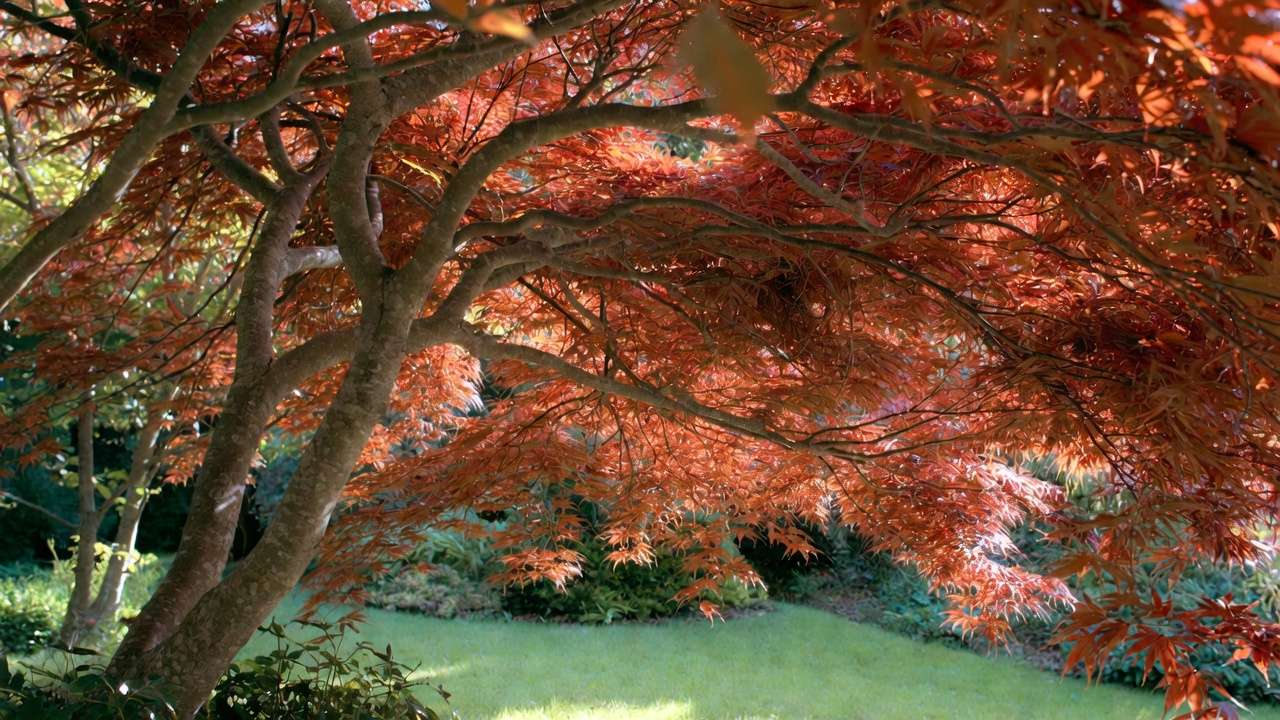
Mature size: 8–18 ft (most stay 10–15 ft in gardens) Best light: Morning sun + afternoon shade or dappled light Soil: Rich, well-drained, slightly acidic Water needs: Consistent moisture (not wet) Special tip: Protect from hot afternoon sun in warmer climates to prevent leaf scorch.
2. Serviceberry / Juneberry (Amelanchier alnifolia, laevis, × grandiflora) 🌸🫐
The ultimate four-season small tree — and often underrated.
Seasonal highlights:
- Clouds of white spring flowers
- Delicious early-summer edible berries (birds love them too)
- Brilliant orange-red fall color
- Attractive smooth gray bark in winter
Best varieties:
- ‘Robin Hill’ (pink buds opening white)
- ‘Autumn Brilliance’
- ‘Standing Ovation’ (narrow upright form)
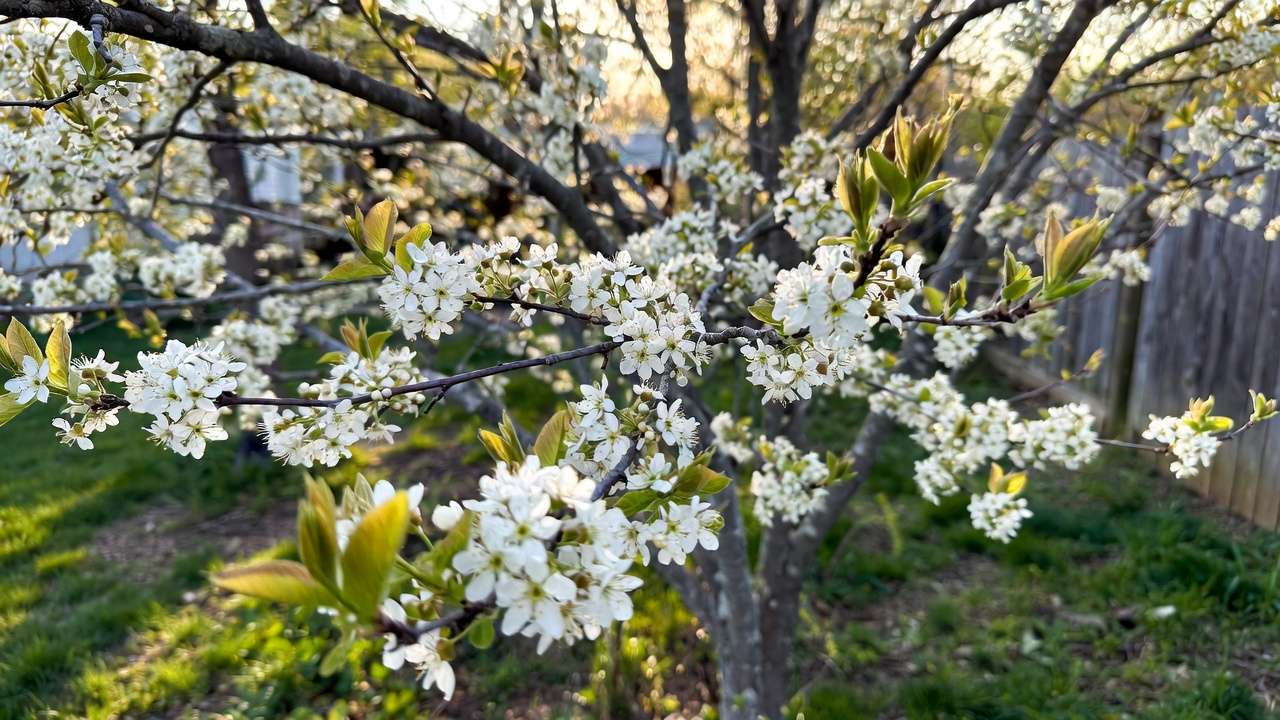
Mature size: 12–20 ft tall × 8–15 ft wide Best light: Full sun to partial shade Soil: Adaptable — even tolerates clay if drainage is decent Water needs: Average to moist Why it’s perfect: Multi-stem forms look naturally graceful in small spaces.
3. Dwarf Crabapple (Malus spp.) 🌸🍎
Modern disease-resistant varieties have made crabapples one of the best small-garden choices.
Standout varieties:
- ‘Sargentii’ (very dwarf, spreading)
- ‘Royal Raindrops’ (purple foliage)
- ‘Evereste’ / ‘Everest’ (excellent disease resistance)
- ‘Adirondack’ (very narrow form)
- ‘Prairifire’ (deep pink flowers)
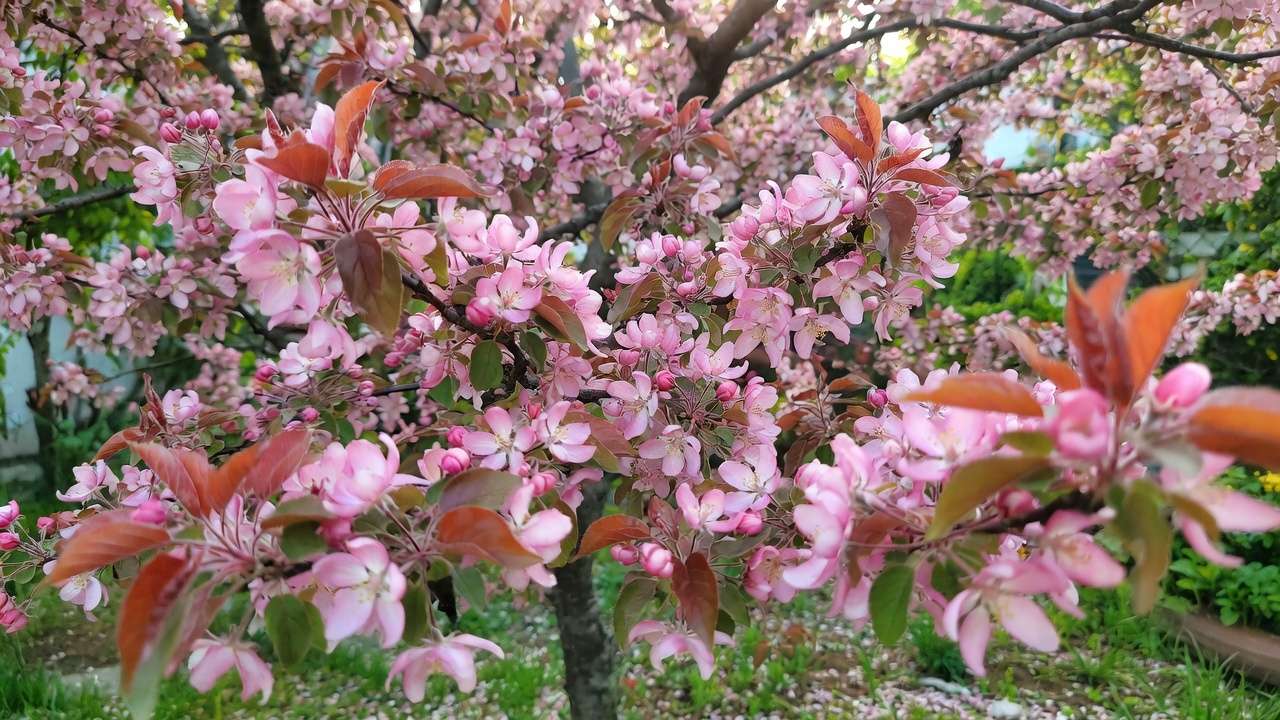
Mature size: 12–20 ft Best light: Full sun Special value: Long-lasting fruit attracts birds all winter Pro tip: Choose scab-resistant varieties if you want low maintenance.
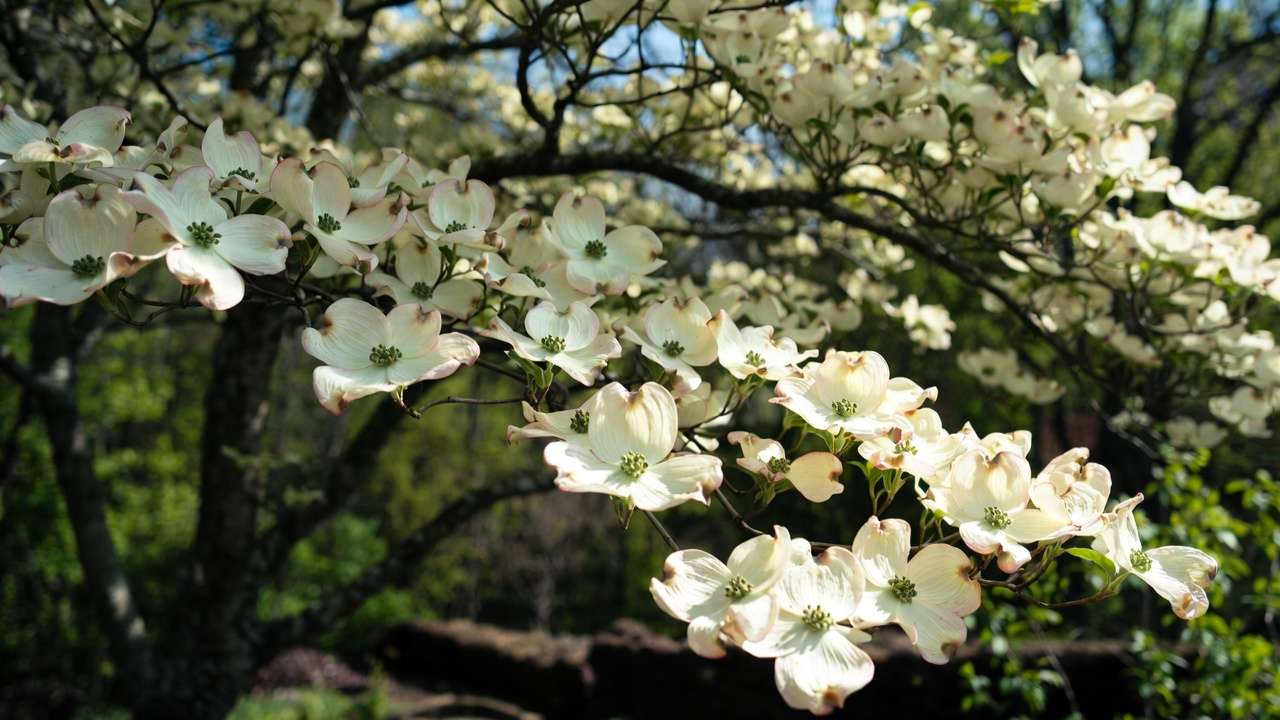
4. Flowering Dogwood (Cornus florida & Cornus kousa) 🌷 (continued)
Mature size: 12–25 ft tall × 10–20 ft wide (kousa often stays more compact in garden settings) Best light: Morning sun with afternoon shade is ideal; tolerates full sun in cooler climates Soil: Well-drained, organically rich, slightly acidic to neutral Water needs: Consistent moisture, especially in the first few years Why it’s great for small gardens: The horizontal branching creates a layered, elegant look that doesn’t feel bulky. Kousa dogwood is particularly reliable — more resistant to anthracnose than native flowering dogwood (Cornus florida), longer bloom period (often into early summer), and striking red raspberry-like fruit that birds adore. Fall color can be brilliant reds, purples, and oranges. Pro tip: In warmer zones (7+), prioritize kousa or hybrids like ‘Stellar Pink’ for better heat tolerance and disease resistance.
5. Eastern Redbud (Cercis canadensis cultivars) 💜
A native North American favorite that’s become even more garden-friendly with compact cultivars.
Seasonal highlights:
- Pea-like lavender-pink flowers erupt directly on bare branches in early spring
- Heart-shaped leaves (green or deep purple in varieties like ‘Forest Pansy’)
- Yellow fall color in many types
Top compact picks:
- ‘Forest Pansy’ (purple foliage)
- ‘Ruby Falls’ (weeping form, deep purple leaves)
- ‘Rising Sun’ (golden new growth turning green)
- ‘Merlot’ (glossy burgundy leaves)
Mature size: 15–25 ft tall × 12–20 ft wide (dwarf weeping types often stay 8–12 ft) Best light: Full sun to partial shade Soil: Adaptable — tolerates clay, average to dry once established Special value: Early-season pollinator magnet 🐝; young pods are edible in some cultures Why perfect for small spaces: The vase-shaped or weeping forms add graceful architecture without wide spreading.
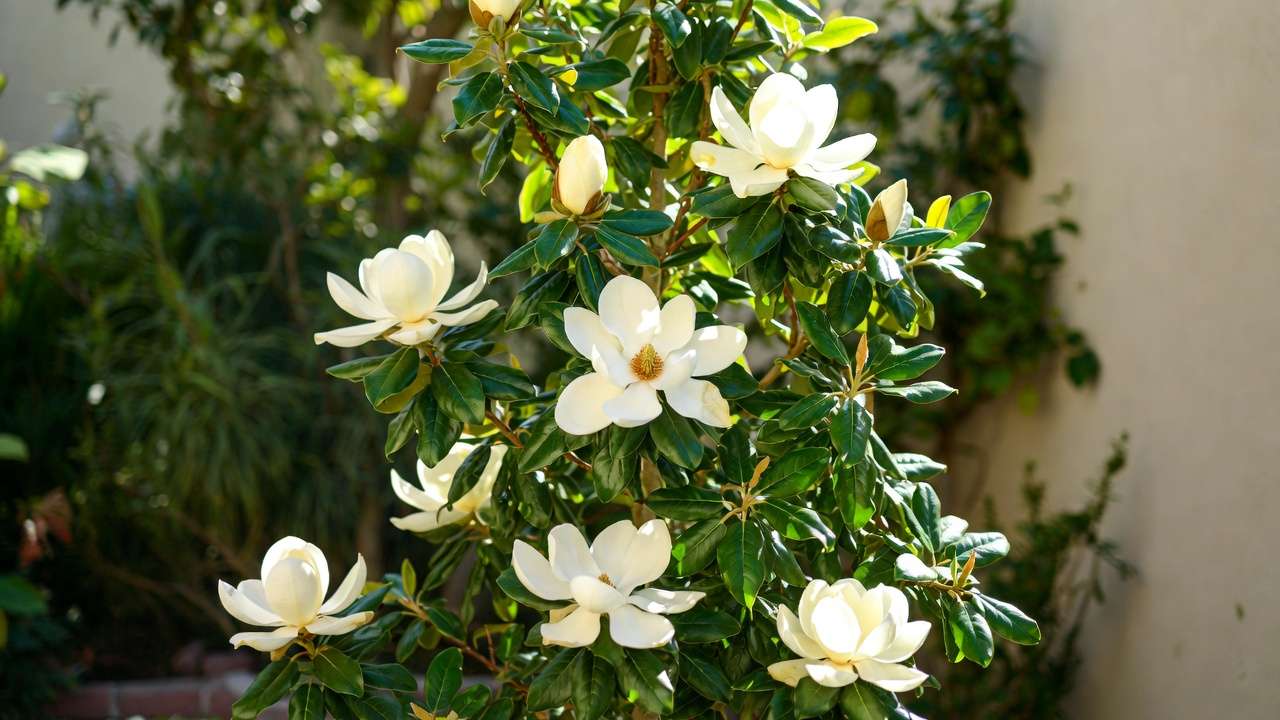
6. Dwarf Magnolia (Magnolia grandiflora ‘Little Gem’ or deciduous hybrids like ‘Jane’, ‘Ann’) 🌺
Big Southern-magnolia glamour in a petite package.
Highlights:
- Fragrant, creamy-white (or pink/purple in deciduous types) cup-shaped flowers up to 8–12 inches across
- Glossy evergreen leaves (‘Little Gem’) or attractive fall color in deciduous kinds
- Upright, pyramidal form
Mature size: 10–20 ft tall × 8–15 ft wide Best light: Full sun to partial shade Soil: Rich, moist but well-drained Water needs: Regular during establishment; moderately drought-tolerant later Best for: Fragrance enthusiasts, patios, or as a living privacy screen in tight spots.
7. Dwarf Flowering Cherry (Prunus spp. – weeping or compact forms) 🌸
Iconic spring spectacle without the massive size of traditional cherries.
Popular compact varieties:
- ‘Snow Fountain’ (weeping white)
- ‘Pink Snow Fountain’ (soft pink)
- ‘Okame’ (upright, pink blooms)
- ‘Amanogawa’ (columnar form)
Mature size: 10–20 ft tall (weeping types often 8–12 ft) Best light: Full sun Soil: Well-drained, average fertility Special note: Short but intense bloom period — plant where you can enjoy the show up close!
8. Crape Myrtle (Lagerstroemia indica – dwarf cultivars) 🌺
Summer-long color in hot climates.
Standout dwarf varieties:
- ‘Pocomoke’ (deep pink, 8–10 ft)
- ‘Chickasaw’ (purple, very compact)
- ‘Acoma’ (white, weeping)
- ‘Delta Jazz’ (red foliage)
Mature size: 8–15 ft (many stay under 12 ft) Best light: Full sun Soil: Well-drained; tolerates heat and drought once established Highlights: Vibrant flower clusters, exfoliating bark revealing cinnamon tones, excellent fall color.
9. Witch Hazel (Hamamelis virginiana or × intermedia cultivars) ❄️
Winter magic when most gardens are quiet.
Highlights:
- Fragrant, spidery yellow/orange/red flowers in late winter to early spring
- Good fall leaf color
Mature size: 10–20 ft (many stay 12–15 ft) Best light: Full sun to partial shade Soil: Moist, well-drained Why ideal: Provides interest during the “off” season — perfect for small gardens needing year-round appeal.
10. Paperbark Maple (Acer griseum) 🟤
Quietly stunning with cinnamon-red peeling bark that glows in winter light.
Highlights:
- Trifoliate leaves turn brilliant scarlet in fall
- Exfoliating bark is the star — no other small tree matches it
Mature size: 20–30 ft tall × 15–25 ft wide (slow-growing; often stays smaller in gardens) Best light: Full sun to partial shade Soil: Well-drained, adaptable Pro tip: Plant where the bark can be admired up close — near a path or window.
(Additional strong contenders for certain climates: Dwarf Alberta Spruce for evergreen structure, Fringe Tree (Chionanthus virginicus) for fluffy white spring blooms, or Strawberry Tree (Arbutus unedo ‘Compacta’) for year-round interest with red fruit.)
Planting and Care Guide: Set Your Tree Up for Long-Term Success 🌱
Follow these expert steps to give your ornamental tree the best possible start in a small space:
- Choose the Right Time — Plant in early spring or fall when soil is workable and temperatures are mild.
- Site Preparation — Test soil pH and drainage. Amend with compost or aged manure — never heavy clay or pure topsoil.
- Dig Smart — Hole should be 2–3× wider than the root ball, same depth or slightly higher to prevent settling.
- Plant High — Keep the root flare (where trunk widens at base) at or slightly above soil level.
- Water Deeply — Soak thoroughly after planting; continue weekly deep watering for the first 1–2 seasons.
- Mulch Generously — 2–4 inches of organic mulch (keep it away from trunk) to retain moisture and suppress weeds.
- Staking (Only if Needed) — Use flexible ties for windy sites; remove after 1 year.
- Fertilizing — Minimal needed — slow-release balanced fertilizer in spring for first 2–3 years only.
Pruning Basics for Ornamentals — Most need little. Remove dead/crossing branches in late winter. Shape lightly after flowering for spring bloomers.
Pest & Disease Prevention — Choose resistant cultivars (e.g., disease-resistant crabapples). Good air circulation and proper watering reduce most issues.
Growing Ornamental Trees in Containers – Perfect for Patios & Balconies 🪴
Many of these trees thrive in large pots (minimum 20–30 gallons):
- Best candidates: Japanese maple, dwarf magnolia, crabapple, dwarf crape myrtle, serviceberry
- Use well-draining potting mix with added perlite or bark
- Water more frequently than in-ground; fertilize lightly in growing season
- Move to protected spot in extreme winter (if in borderline hardiness zone)
- Repot every 3–5 years or top-dress with fresh soil
Common Mistakes to Avoid in Small Gardens
- Ignoring mature size → leads to crowding or removal later
- Planting too deep → causes girdling roots and decline
- Overwatering established trees → root rot in poor drainage
- Skipping mulch → moisture stress and weed competition
- Heavy annual pruning → encourages weak growth
- Choosing sun-lovers for deep shade (or vice versa)
Expert Insights & Personal Recommendations
From years of observing these trees in real gardens (urban plots, suburban backyards, rooftop terraces), my top three “can’t-go-wrong” picks for most small spaces are:
- Japanese Maple — unmatched foliage beauty and grace
- Serviceberry — best all-season performer with edible bonus
- Kousa Dogwood — reliable blooms, fruit, and fall color with low disease issues
If your garden gets hot summers, lean toward crape myrtle or redbud. For cooler, shadier spots, Japanese maple or witch hazel shine.
Frequently Asked Questions (FAQs) ❓
Q: Which ornamental tree is best for attracting birds and pollinators? A: Serviceberry and crabapple top the list — berries and flowers draw birds 🐦 and bees 🐝 year after year.
Q: Can these trees really stay small forever? A: Yes, with proper variety selection. Dwarf cultivars are bred to mature compactly; avoid standard-size species sold young.
Q: What’s the easiest low-maintenance option? A: Once established, serviceberry, redbud, and kousa dogwood require almost no care beyond occasional watering in drought.
Q: Best tree for fragrance in a small garden? A: Dwarf magnolias (‘Little Gem’ or ‘Jane’) offer intoxicating summer scent right at nose level.
Q: How do I prevent root damage to nearby paths or foundations? A: Choose well-behaved roots like Japanese maple or serviceberry. Install root barriers if concerned, and always plant at least 6–8 ft from hard surfaces.
Conclusion
Small gardens aren’t limited — they’re opportunities for thoughtful, high-impact choices. The ornamental trees suitable for small gardens in this guide prove you can enjoy dramatic spring blooms 🌸, fiery fall foliage 🍁, fragrant summers 🌺, interesting winter bark 🟤, and wildlife support 🐝 without sacrificing precious square footage.
Pick one that matches your climate, light, and personal style — plant it thoughtfully — and nurture it through the first couple of years. Soon, your compact space will feel richer, more alive, and truly beautiful.
Which of these compact beauties are you most excited to try? Drop a comment below — I’d love to hear your plans or questions! Happy planting! 🌿💚











