
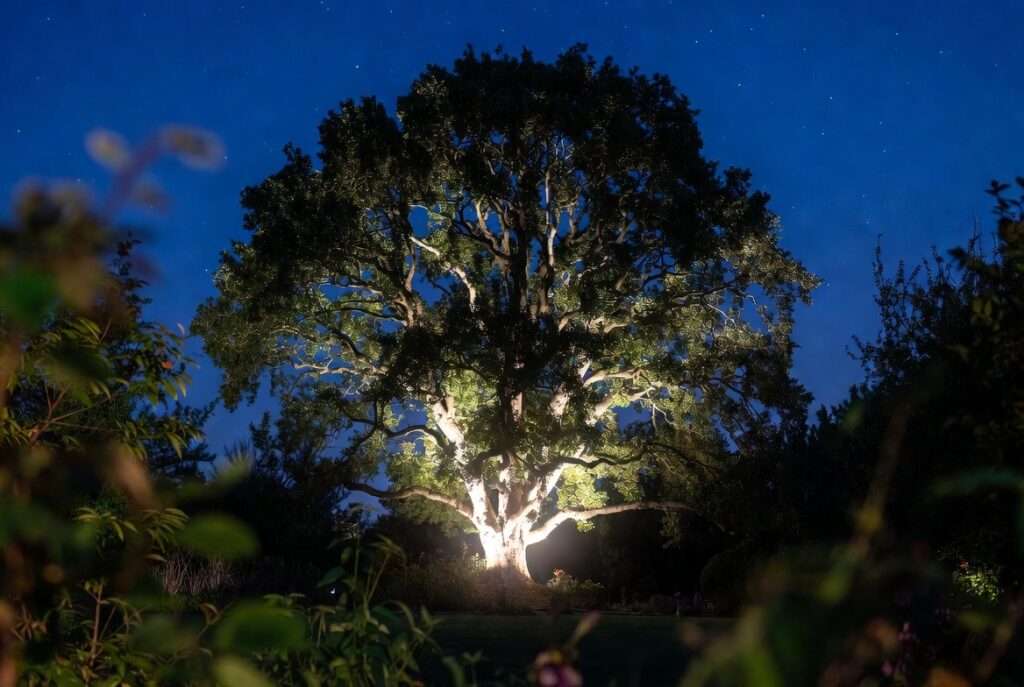
Imagine stepping into your backyard at dusk and watching your favorite oak or maple transform into a glowing nighttime masterpiece — soft, warm light dancing across the branches while the tree itself stays strong, healthy, and thriving for decades to come. 🌟 That magical scene is exactly what proper outdoor tree illumination can create. But here’s the catch many homeowners discover too late: the wrong lights or installation methods can silently damage bark, stress roots, disrupt natural dormancy cycles, and even invite pests or disease.
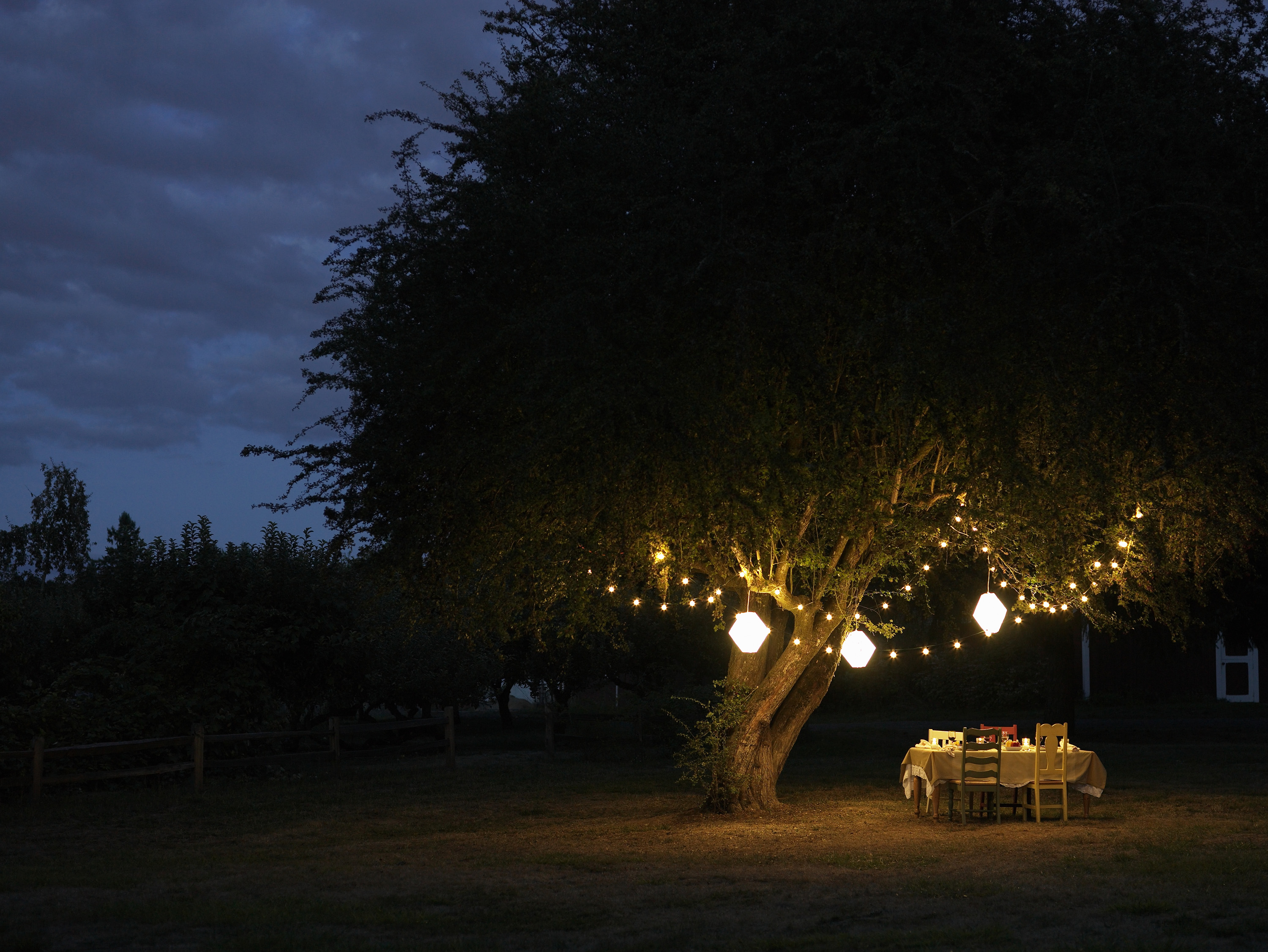
As a plant-care specialist and certified arborist with more than 15 years helping families create stunning illuminated gardens, I’ve seen both the breathtaking results and the heartbreaking mistakes. In this comprehensive guide, you’ll discover exactly how to achieve beautiful outdoor tree illumination without harming a single leaf or root. Whether you’re planning permanent landscape lighting, holiday displays, or eco-friendly solar setups, these expert tips will protect your trees while turning your garden into an enchanting nighttime oasis. Let’s light up your trees the safe way! 💡🌿
Why Outdoor Tree Illumination Is Worth Doing Right 💡🌳
Outdoor tree illumination isn’t just about pretty lights — it’s a smart investment in your garden’s beauty, safety, and value. When done correctly with tree-friendly techniques, it creates a warm, welcoming atmosphere that makes evenings in the yard feel like a private paradise. Families linger longer, kids chase fireflies under the glow, and guests can’t stop snapping photos. ✨
The Aesthetic & Emotional Benefits for Your Garden Properly lit trees add depth, drama, and dimension to any landscape. Uplighting highlights the majestic trunk and canopy of a mature oak, while downlighting creates gentle shadows that mimic moonlight. The result? A garden that feels alive even after sunset. Homeowners often tell me it turns an ordinary yard into their favorite “room” of the house.
Practical Advantages (Security, Property Value, Nighttime Enjoyment) Well-placed lights improve visibility, deter intruders, and make pathways safer for late-night strolls. According to real estate experts and studies on landscape enhancements, high-quality outdoor lighting can boost perceived home value by up to 20% and deliver strong returns on investment — sometimes as high as 50% for professionally designed systems. Your illuminated trees become a standout feature that buyers remember!
Environmental & Wildlife Considerations (Pollinator-Friendly Lighting) Smart outdoor tree illumination also supports local ecosystems. Choosing warm-white LEDs (2700K–3000K) and timers reduces light pollution that confuses nocturnal pollinators, birds, and mammals. Trees stay happier too — no forced late-season growth or skipped dormancy. 🌍
Expert Insight: Landscape lighting designers consistently note that thoughtfully illuminated trees can increase property appeal dramatically while respecting nature. Your trees deserve the same care you give their daytime pruning and watering!
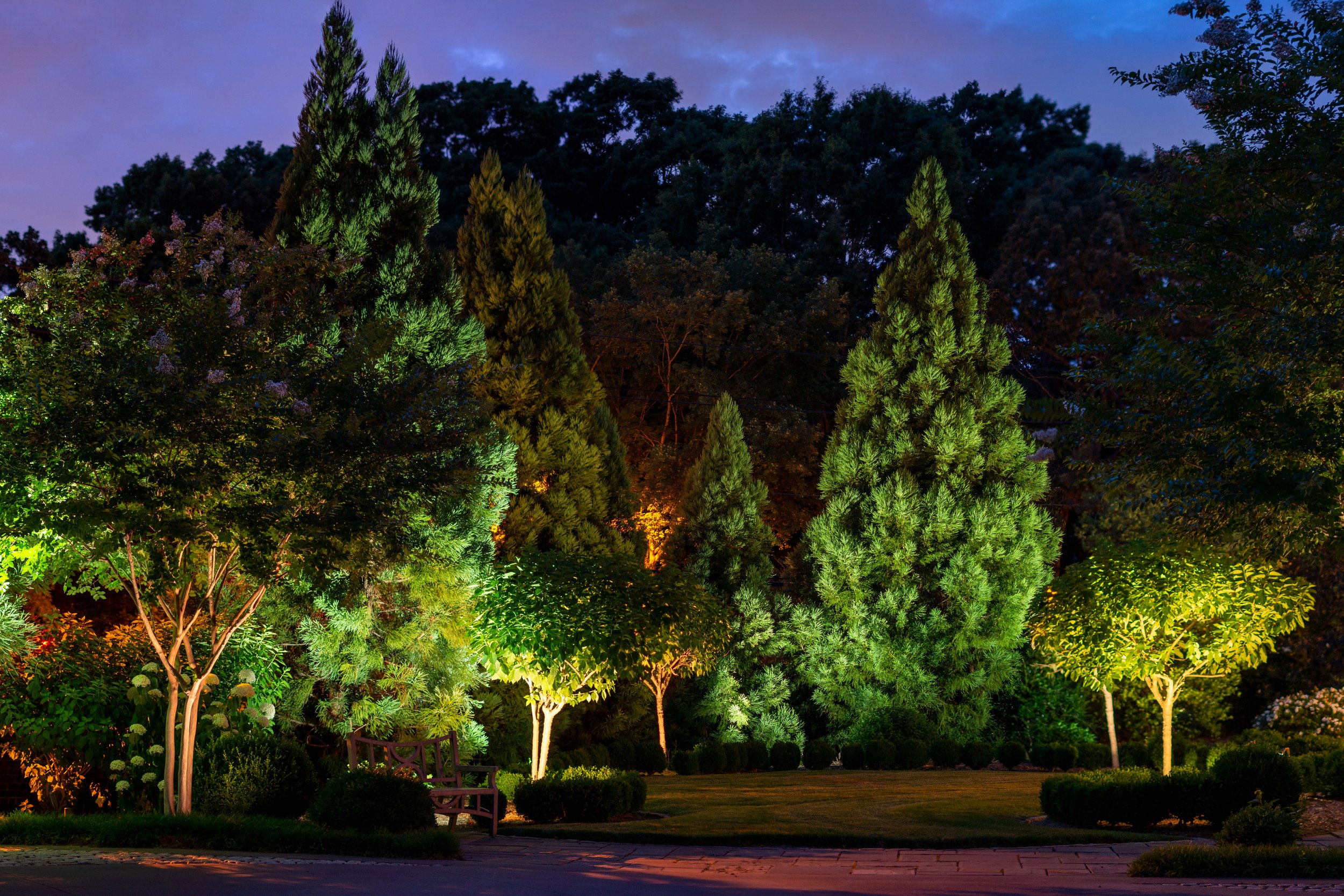
Hidden Dangers: How Wrong Lighting Harms Trees ⚠️
Many well-meaning gardeners accidentally harm their trees with beautiful-but-bad lighting choices. Understanding these risks is the first step to truly safe outdoor tree illumination.
Heat Damage from Incandescent & Halogen Lights Traditional bulbs get scorching hot and can literally bake bark or dry out tender twigs. Research from university extension services shows high infrared output from incandescent and high-pressure sodium lights disrupts tree physiology more than cooler LEDs.

Girdling & Bark Injury from Tight Wires Wrapping strings too snugly (or using zip ties) is a common mistake. As the trunk or branches grow, wires cut into the cambium layer — the tree’s lifeline for water and nutrients. Over time this “girdling” can kill branches or the entire tree. The Morton Arboretum strongly advises against any tight attachments and recommends removing lights promptly after holidays.
Root Compaction & Soil Moisture Issues from Buried Cables Digging trenches for permanent wiring compacts soil and damages shallow feeder roots. Poor drainage around cables can lead to rot or fungal issues.
Light Pollution Effects on Tree Dormancy & Wildlife Excessive nighttime light, especially red/infrared-rich sources, tricks trees into thinking it’s still summer. They skip dormancy, become more vulnerable to winter injury, and produce larger, weaker leaves that struggle with pests and pollution. Purdue Extension research confirms this photoperiod disruption can harm long-term tree health. Wildlife suffers too — bats, insects, and migrating birds get confused by constant glow. 🦋
Visual Tip: Healthy illuminated trees glow softly without stress signs like scorched bark or early leaf drop. Spotting problems early saves your trees!
Choosing the Safest Lights for Outdoor Tree Illumination 🔦🌿
Not all lights are created equal when it comes to protecting your trees. Here’s your expert buying guide for outdoor tree illumination that looks gorgeous and keeps trees thriving.
LED vs. Solar vs. Low-Voltage Systems — Pros, Cons & Tree Safety
- LEDs are the clear winner: They run cool (minimal heat), sip energy, last 50,000+ hours, and come in weatherproof options. Arborists across the industry recommend them for minimal stress on bark and branches.
- Solar-powered lights are eco-superstars — zero wiring, no electricity bills, and perfect for temporary or low-maintenance setups. Great for smaller trees or accent lighting.
- Low-voltage systems offer the most control and brightness for larger landscapes but require professional planning to avoid root damage.
Color Temperature & Brightness Levels That Trees Love Stick to warm whites (2700K–3000K). Cooler blue-toned lights (5000K+) can disrupt dormancy more and feel harsh in a garden. Dim, diffused light is always kinder to both trees and wildlife than bright spotlights.
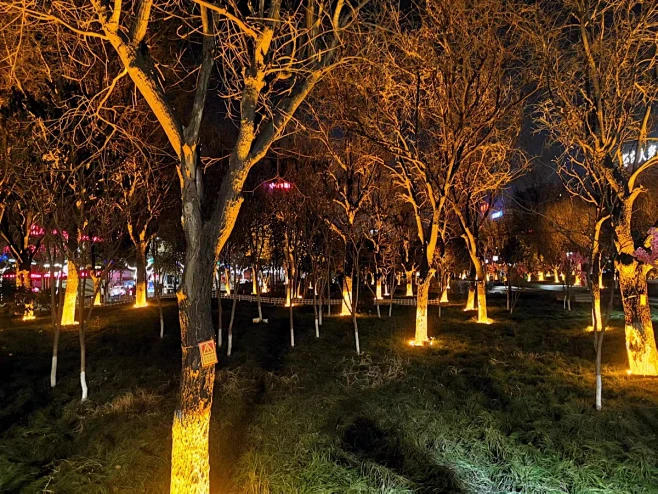
Weatherproof Ratings & Energy Efficiency Guide Look for IP65+ ratings (dust-tight and protected against water jets) and ENERGY STAR certification. Timers or smart controls that turn lights off by 11 p.m. dramatically reduce light pollution.
Quick Comparison Table (for your reference):
| Lighting Type | Tree Safety | Cost | Longevity | Best For |
|---|---|---|---|---|
| LED Low-Voltage | Excellent | Medium | 10+ years | Permanent garden lighting |
| Solar LED | Excellent | Low | 3–5 years | Easy, eco setups |
| Incandescent | Poor | Low | 1 season | Avoid! |
| High-Pressure Sodium | Poor | High | 2–3 years | Avoid! |
(Pro tip: Always choose lights specifically rated for outdoor/tree use!) 🌲
Step-by-Step Safe Installation Guide for Beautiful Results 🛠️ Ready to install? Follow these professional techniques and your trees will thank you.
Planning Your Tree Illumination Layout Decide on uplighting (from base upward for dramatic trunk glow), downlighting (from branches for canopy highlights), silhouetting, or grazing. Sketch your garden at night — one well-placed fixture often does more than a dozen scattered bulbs.
Tools & Materials You’ll Need
- Soft tree-friendly clips or fabric ties (never metal wires or zip ties!)
- Sturdy ground stakes
- Outdoor-rated extension cables with waterproof connectors
- Automatic timer or smart plug
- Ladder and gentle hands
Professional-Grade Techniques to Avoid Bark Damage Never wrap lights tighter than a loose bracelet around the trunk or branches. Use breathable fabric strips or specialized tree clips that allow growth. Work on a warm day so branches are flexible. Keep lights at least 6–12 inches away from the bark surface for airflow.
Wiring Secrets That Keep Roots Happy Avoid digging near the root zone. Use above-ground conduits or surface-laid cables hidden under mulch. For permanent systems, consult a licensed landscape electrician who understands tree root protection.
Pro Tip Box: “Never wrap lights tighter than a loose bracelet around the trunk!” — this simple rule prevents 90% of common damage. 💖
Tree Species-Specific Outdoor Tree Illumination Tips 🌲🍃
Every tree is unique, and the best outdoor tree illumination respects its natural growth habits, bark texture, and canopy shape. Here’s expert guidance tailored to common species in home gardens.
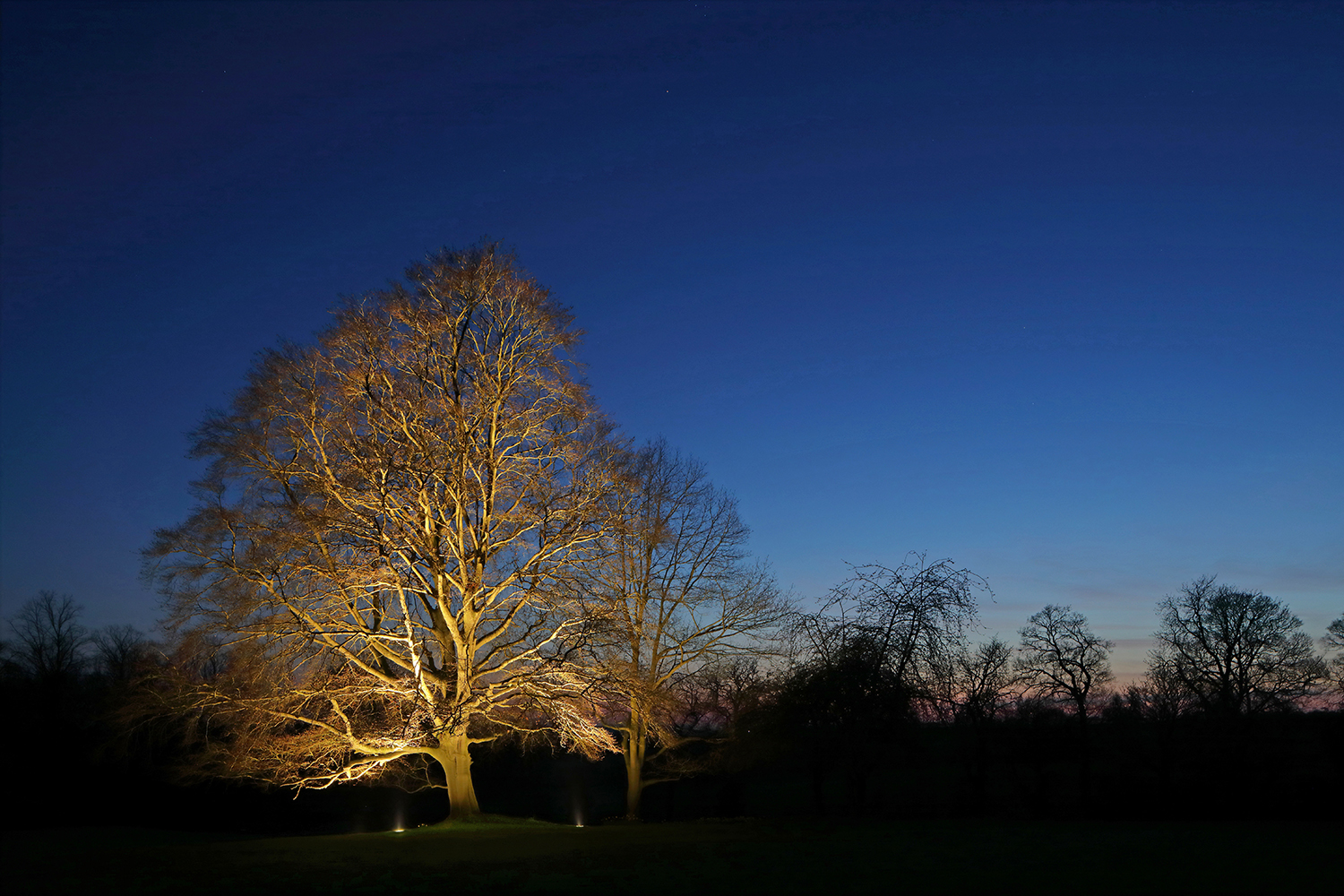
Best Practices for Deciduous Trees (Oaks, Maples, Cherries) Deciduous trees like majestic oaks and colorful maples look stunning with uplighting that highlights their strong trunks and spreading branches in winter when bare. Use 2700K warm LEDs placed 3–6 feet from the base, angled upward at 15–30 degrees. For maples and cherries in spring and summer, add subtle grazing lights along the trunk to emphasize beautiful bark without overwhelming the foliage. Avoid heavy wrapping — let the natural form shine through. These trees benefit from lights that turn off by midnight to support proper dormancy in fall and winter.
Evergreen & Conifer Lighting Strategies Evergreens and conifers (pines, spruces, firs) keep their needles year-round, so they create dramatic silhouettes. Use downlighting from within the canopy or multiple low ground fixtures for soft, even illumination. Keep fixtures farther away (8–12 feet) to prevent heat buildup on dense foliage. Warm white or soft amber tones prevent the “Christmas tree overload” effect and look natural. Conifers are more tolerant of year-round lighting but still need timers to reduce stress.
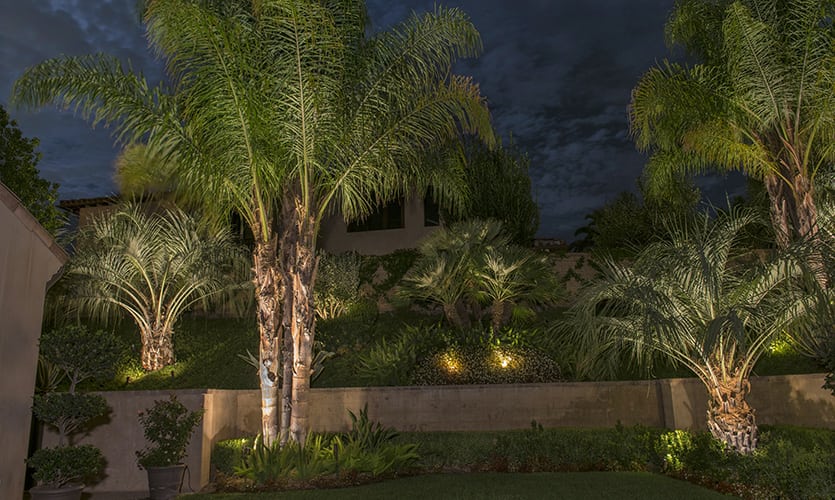
Palm, Citrus & Tropical Trees — Special Care Palms and citrus trees have sensitive bark and shallow roots. Use silhouetting or distant uplighting rather than wrapping lights directly on trunks. Solar stake lights work wonderfully for accenting palm fronds without any wiring near roots. For citrus, choose very low-wattage LEDs (under 5 watts per fixture) and ensure excellent airflow around the trunk to avoid fungal issues in humid climates. These tropical beauties thrive with shorter lighting durations — 4–6 hours max per night.
Young vs. Mature Trees: Scaling Your Approach Young trees need gentler treatment. Use only lightweight solar or clip-on LED strings and remove them after one season so the tree can grow freely. Mature trees can handle more permanent low-voltage systems, but always monitor for girdling as the trunk expands. A good rule: the older and larger the tree, the more fixtures you can use — but the gentler the installation must be.
Seasonal & Holiday Outdoor Tree Illumination Done Right 🎄❄️
Many homeowners search for outdoor tree illumination specifically for holidays, but temporary displays can cause long-term harm if not handled carefully.
Year-Round Lighting vs. Temporary Holiday Displays Permanent warm LED systems provide subtle beauty every night with minimal risk. Holiday lights, however, are often brighter and left up too long. The key difference? Permanent lights are installed professionally with tree-safe hardware, while holiday strings are usually wrapped tightly and forgotten until January.
Safe Festive Lighting Without Sacrificing Tree Health
- Choose commercial-grade outdoor LED holiday lights (not cheap indoor versions).
- Use soft clips or fabric ties instead of nails or tight wire.
- Limit wrapping to main branches only — never girdle the trunk.
- Opt for warm white or multi-color warm tones rather than harsh cool whites or blinking patterns.
- Remove all lights by mid-January at the latest to let the tree rest.
Studies from arborist associations show that trees left with lights past February often show delayed budding and weaker spring growth.
:max_bytes(150000):strip_icc()/illuminatedChristmastreeswiththeThreeSisterspeaksnearbyAlberta-017180d2af124f3b8df4892d33d4269d.jpg)
Removing Lights Promptly — Why Timing Matters Prompt removal prevents moisture buildup under lights (which encourages fungi) and allows the tree to enter natural dormancy. Mark your calendar and make it a family tradition!
Maintenance & Long-Term Tree Care for Illuminated Gardens 🧼🌳
Beautiful outdoor tree illumination requires ongoing care — just like watering and fertilizing your trees.
Monthly & Seasonal Checklist
- Spring: Inspect all fixtures for winter damage, clean lenses, and check timers.
- Summer: Monitor for pest attraction (extra lights can draw insects). Prune lightly if branches block light.
- Fall: Test all connections before holiday season and adjust angles as foliage drops.
- Winter: Remove snow buildup from fixtures and ensure lights aren’t buried under heavy snow.
Troubleshooting Common Issues (Fungal Growth, Pest Attraction) If you notice moss or algae near lights, reduce watering nearby and improve airflow. For pests, switch to motion-sensor or timer-controlled lights that stay off most of the night. Yellow sticky traps near the base can help monitor issues early.
Upgrading & Expanding Your System Safely When adding more lights, never overload circuits. Hire a certified landscape lighting professional for permanent expansions to protect roots. Always re-evaluate placement as trees grow — what worked five years ago may need adjustment today.
Expert Tip: A quick monthly walk-around with a flashlight at dusk helps you spot loose fixtures or early signs of bark stress before they become problems. 🌿
Eco-Friendly & Sustainable Outdoor Tree Illumination Ideas ♻️
Modern gardeners want lights that are beautiful and kind to the planet.
Solar-Powered Solutions That Save Energy & Money Solar tree lights have improved dramatically. High-quality models with efficient panels and lithium batteries provide 6–8 hours of glow even on cloudy days. Perfect for accenting smaller trees or areas without easy power access. They eliminate wiring risks entirely!
Smart Lighting with Timers & Motion Sensors Smart plugs and Wi-Fi timers let you schedule lights to turn off automatically (e.g., 10 p.m. to 6 a.m.). Motion sensors add security while minimizing unnecessary runtime. Many systems now integrate with home assistants for easy control.
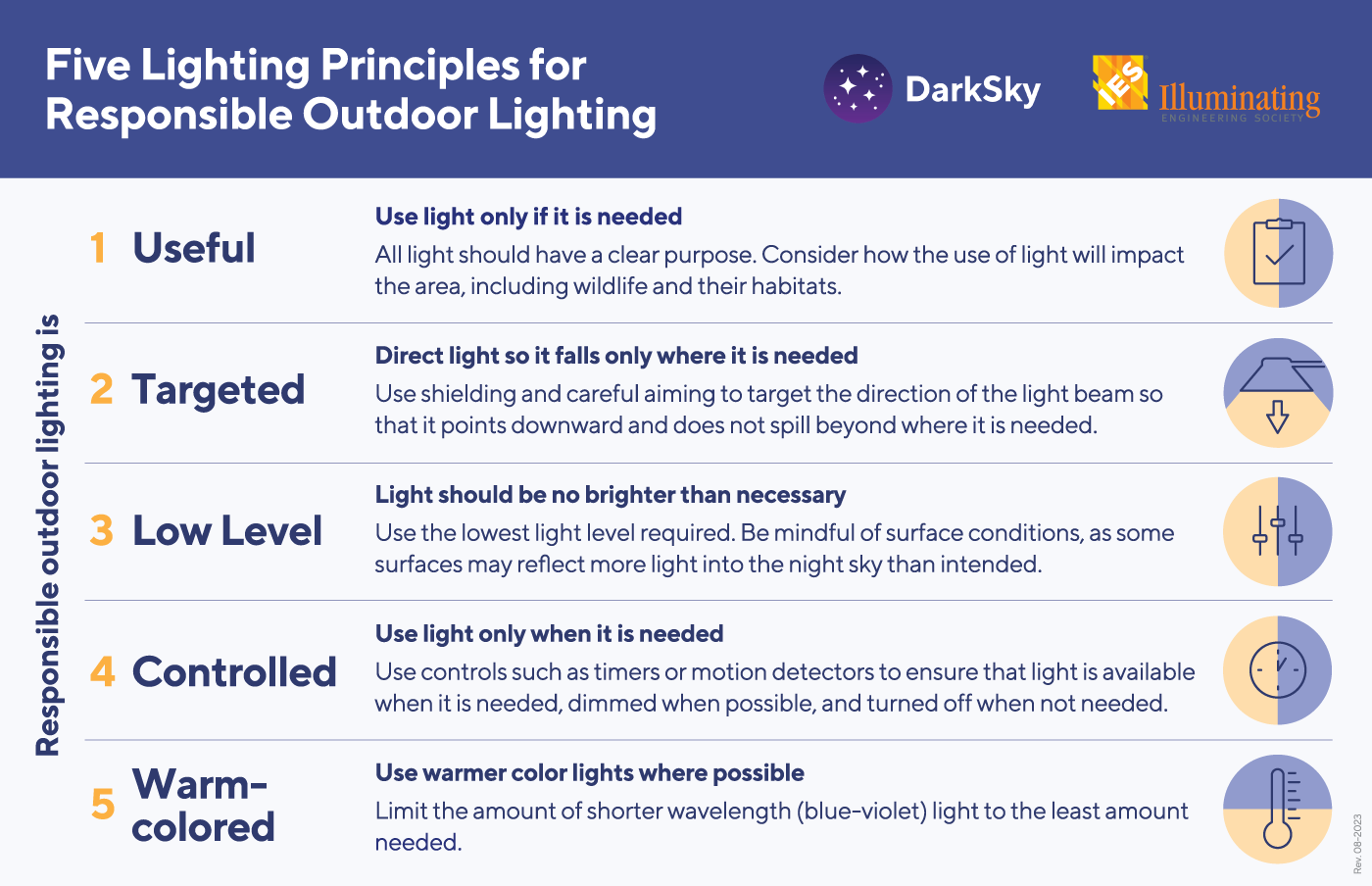
Supporting Local Wildlife & Reducing Light Pollution Follow the Five Principles of Responsible Outdoor Lighting (useful, targeted, low level, controlled, warm-colored). Shield fixtures so light points only at the tree, not upward into the sky. This protects migrating birds, bats, and nocturnal insects while keeping your trees healthy.
Common Mistakes to Avoid (And How to Fix Them) 🚫
Even experienced gardeners make these errors. Here are the top 8 with quick fixes:
- Using hot incandescent bulbs → Switch to cool-running LEDs immediately.
- Tight wrapping around trunks → Replace with loose clips or remove entirely.
- Leaving lights up year-round without timers → Install automatic controls this weekend.
- Digging trenches near roots → Use surface-mounted or solar options instead.
- Choosing cool blue-white lights → Stick to 2700K–3000K warm tones.
- Over-lighting small trees → One or two well-placed fixtures are enough.
- Ignoring tree growth → Revisit installation every 2–3 years.
- Skipping seasonal removal → Set a firm calendar reminder for January 15.
Fix these and your illuminated garden will stay gorgeous and healthy for years.
Real-Life Success Stories & Case Studies 📸
Nothing inspires like real transformations!
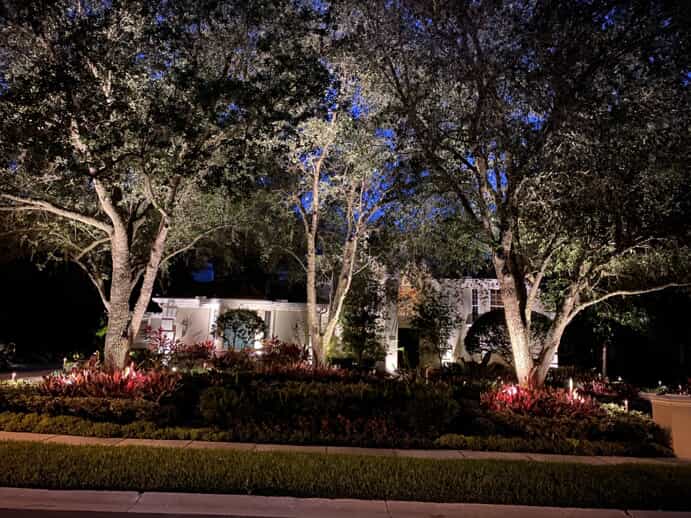
Before-and-After Transformations One family in a suburban neighborhood replaced harsh holiday strings on their 40-year-old oak with professional warm LED uplights. The tree looked magical every night, showed zero bark damage after three seasons, and their property value appraisal mentioned the “stunning landscape lighting” as a major plus.
Another homeowner with young citrus trees used solar stake lights for subtle trunk grazing. The trees grew vigorously, produced more fruit, and required almost zero maintenance.
Community Garden & Public Park Illuminations That Inspire Many botanical gardens now use fully shielded, warm LED systems on specimen trees. These installations prove that large-scale outdoor tree illumination can enhance visitor experience while protecting valuable historic trees. You can achieve the same professional results at home.
Conclusion
Creating safe, stunning outdoor tree illumination is one of the most rewarding ways to enjoy your garden after dark. By choosing the right cool-running lights, installing them gently, respecting each tree’s unique needs, and maintaining the system thoughtfully, you can enjoy breathtaking nighttime beauty while keeping your trees strong and healthy for generations.
Your trees have spent years growing — now give them lighting that celebrates them instead of stressing them. Start small this season: pick one favorite tree, add a couple of warm LED uplights with proper clips, and watch the magic happen. You’ll wonder why you waited so long!
Ready to transform your garden? Assess your trees today and begin with tree-safe techniques. Share your illuminated tree photos in the comments — I’d love to see your results and offer personalized tips! 🌟
For more expert plant care advice, explore our guides on spring tree pruning, best organic fertilizers, and creating pollinator-friendly gardens.
FAQ Section ❓
Does outdoor tree illumination hurt the tree? Not when done correctly! Safe practices using cool LEDs, loose attachments, and timers cause no harm and can even highlight tree beauty without stress.
What is the safest type of light for trees? Warm-white LED lights (2700K–3000K) in weatherproof fixtures. They run cool, use little energy, and minimize disruption to tree cycles.
How do I install lights without damaging bark? Use soft tree clips or fabric ties, never wrap tighter than a loose bracelet, and keep lights slightly away from the bark for airflow.
Can I leave lights on trees year-round? Yes, with proper warm LEDs and automatic timers that turn them off for several hours each night. Monitor for any signs of stress.
How much does professional outdoor tree illumination cost? DIY solar setups start under $100 per tree. Professional low-voltage systems range from $300–$1,500+ per tree depending on size and complexity.
Are solar lights effective for large trees? They work beautifully for accent and lower lighting on large trees. For full dramatic canopy illumination, combine with low-voltage LEDs.
Thank you for reading this complete guide! Your trees will thank you with years of healthy growth and magical nighttime displays. ✨🌳











