
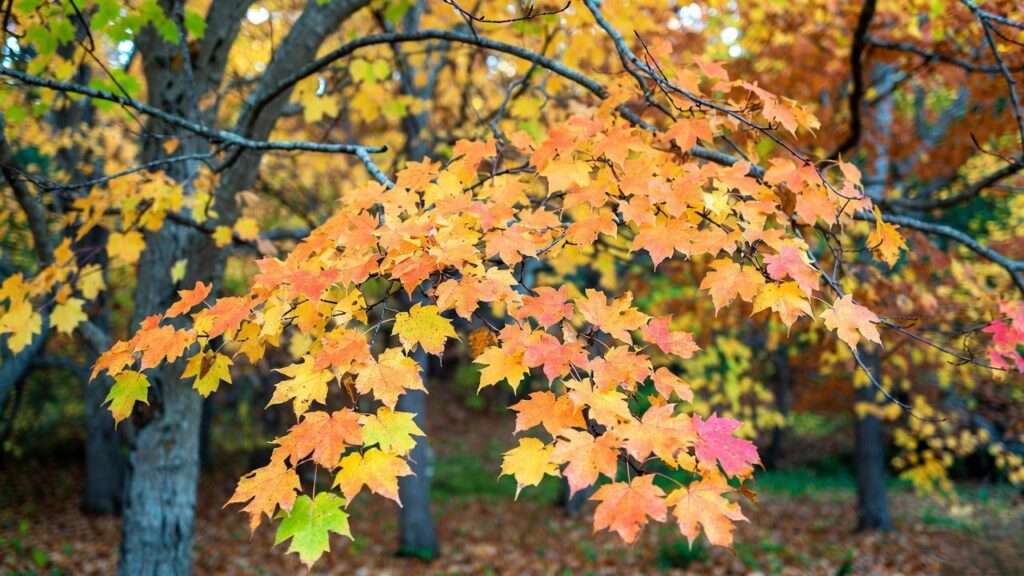
Picture this: A crisp autumn morning in your backyard, where the Pacific Sunset Maple tree stands as the centerpiece, its glossy leaves exploding into a breathtaking palette of yellow, orange, and fiery red—like a living sunset painted across the sky. If you’ve been searching for a reliable, low-maintenance shade tree that delivers jaw-dropping fall color year after year, even in challenging conditions, the Pacific Sunset Maple (Acer truncatum × Acer platanoides ‘Warrenred’) is your answer.
This hybrid masterpiece, developed by renowned arborist Keith Warren at J. Frank Schmidt & Son Co., combines the drought tolerance and vibrant hues of the Shantung Maple with the urban toughness and growth habit of the Norway Maple. Whether you’re a novice homeowner tackling your first landscape project or a seasoned gardener seeking a resilient specimen for hot, dry climates or alkaline soils, this guide will equip you with expert-level knowledge to grow a thriving Pacific Sunset Maple tree that turns heads every fall.
In the sections ahead, we’ll dive deep into its origins, ideal conditions, step-by-step planting and care, troubleshooting tips, and design ideas—all backed by horticultural best practices and real-world insights from nurseries and arborists across North America.
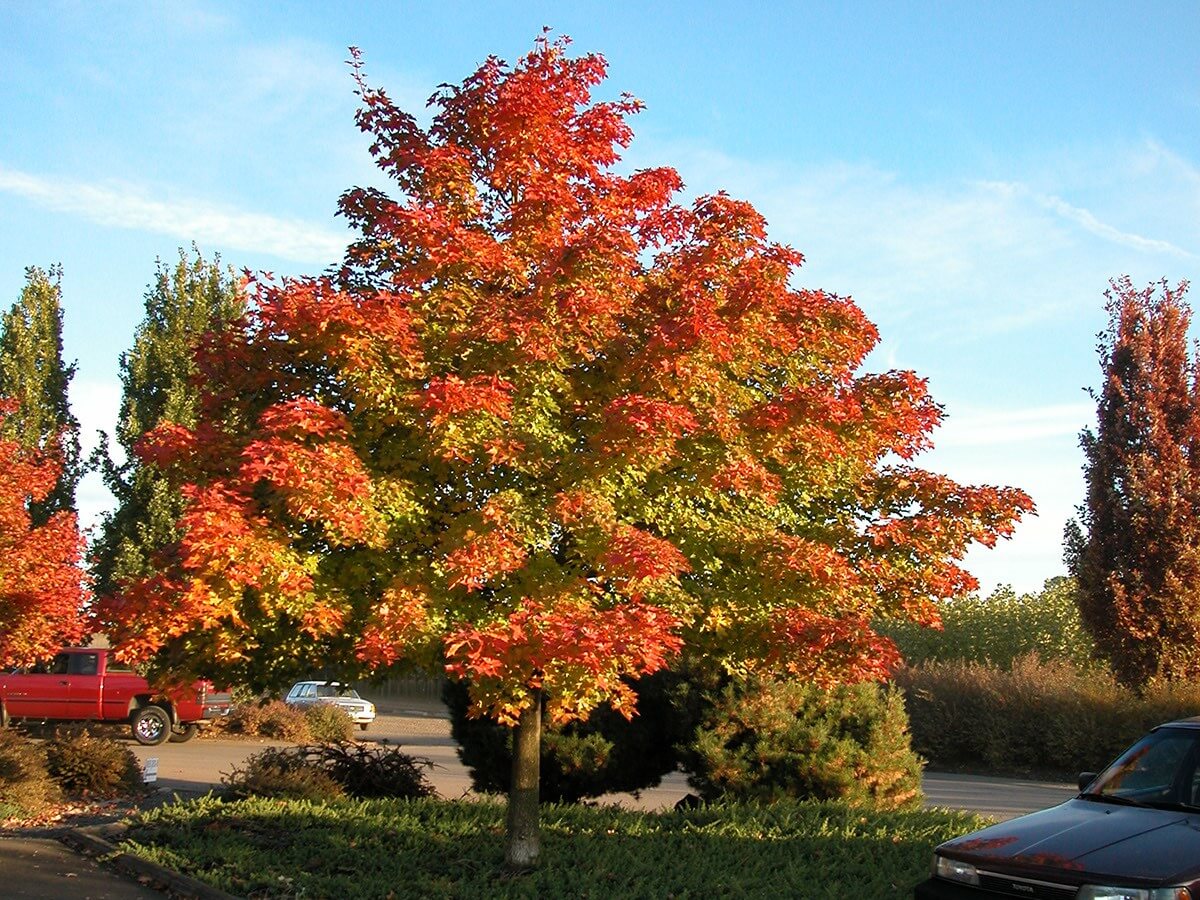
What Is the Pacific Sunset Maple Tree? 🧬
Origins and Hybrid Background
The Pacific Sunset Maple, botanically known as Acer truncatum × Acer platanoides ‘Warrenred’, is a cultivated hybrid introduced by J. Frank Schmidt & Son Co. in the late 20th century. Arborist Keith Warren carefully crossed the Shantung Maple (Acer truncatum), native to northern China and known for its heat and drought resistance, with the Norway Maple (Acer platanoides), prized for its fast growth and adaptability to urban environments.
This intentional breeding resulted in a tree that inherits the finest qualities from both parents: the finer leaf texture, early and intense fall coloration, and leathery drought-tolerant foliage from the Shantung side, plus the stronger branching structure and pollution tolerance from the Norway parent. Unlike pure Norway Maples, which can be invasive in some regions due to prolific seeding, Pacific Sunset produces fewer viable seeds and is not considered invasive.
Expert Insight: As a certified arborist with years of experience recommending maples for diverse landscapes, I’ve seen Pacific Sunset outperform many popular cultivars like Autumn Blaze in hotter, drier zones—thanks to its superior heat tolerance without sacrificing that spectacular autumn display.
Key Characteristics 🍃
- Mature Size: Typically reaches 30 feet in height with a 25-foot spread, forming a rounded to upright-spreading crown—ideal for smaller yards or street plantings without overwhelming the space.
- Growth Rate: Moderate to fast, adding 1-2 feet per year once established, faster than many pure Shantung Maples but more controlled than some Norway hybrids.
- Foliage: Glossy, dark green leaves with a leathery texture and pale undersides; palmate with 5-7 lobes, providing dense summer shade.
- Fall Color: One of its standout features—early coloration shifting from yellow-orange to bright red, often brighter and more consistent than its sibling cultivar, Norwegian Sunset Maple.
- Flowers and Fruit: Small, inconspicuous yellow-green flowers in spring; winged samaras (helicopter seeds) that are not overly prolific or messy.
Compared to similar hybrids like Norwegian Sunset (more upright, slightly taller) or Autumn Blaze (faster growth but less drought-tolerant), Pacific Sunset offers a finer branch texture and more spreading habit, making it exceptionally versatile.
Why Choose Pacific Sunset Maple? Pros and Benefits ✅
In a world of maple options, why does the Pacific Sunset stand out? Here’s why it’s a top pick for modern landscapes:
- Exceptional Drought and Heat Tolerance: Thrives in hot summers and dry conditions where Red Maples or Sugar Maples might struggle with leaf scorch.
- Urban Resilience: Handles pollution, compacted soil, alkaline pH, and even inner-city heat islands with ease—perfect for street trees or parking lots.
- Pest and Disease Resistance: Highly resistant to common maple woes like Japanese beetles, verticillium wilt, and anthracnose.
- Compact and Manageable Size: Won’t outgrow small lots like larger oaks or silver maples.
- Reliable, Vibrant Fall Color: Consistent yellow-orange-red display that often peaks earlier than other maples, extending your autumn enjoyment.
- Low Maintenance Overall: Minimal pruning needs and non-aggressive roots (though surface roots can appear in lawns if overwatered).
Real-world reviews from nurseries and homeowners highlight its toughness: In regions like the Midwest and Pacific Northwest, it’s praised for thriving in challenging soils without the chlorosis issues plaguing some Freeman Maples.
Comparison Table (for quick reference):
| Feature | Pacific Sunset Maple | Norwegian Sunset Maple | Autumn Blaze Maple |
|---|---|---|---|
| Fall Color Intensity | Bright yellow-orange-red | Yellow-orange-red (slightly less bright) | Brilliant red |
| Drought Tolerance | Excellent | Very Good | Moderate |
| Mature Height/Spread | 30 ft / 25 ft | 35 ft / 25 ft | 50 ft / 40 ft |
| Branch Structure | Finer, more spreading | Upright oval | Broad, pyramidal |
| Urban Tolerance | Outstanding | Outstanding | Good |
Ideal Growing Conditions ☀️💧
USDA Hardiness Zones
Pacific Sunset Maple excels in USDA Zones 4-9 (some sources extend to 4b-8), hardy to -30°F in winter and tolerant of summer highs in warmer zones.
Sunlight Requirements
Full sun (6+ hours daily) is essential for the most intense fall color. It tolerates partial shade, but reduced light can lead to leggy growth and muted autumn hues.
Soil Preferences
Highly adaptable—prefers well-draining, slightly acidic to neutral soil but performs exceptionally in clay, alkaline, or compacted urban soils where other maples falter. Avoid constantly waterlogged sites to prevent root issues.
Climate Adaptability
From cold Midwest winters to hot, dry Southwest summers, this tree shines. Its Shantung heritage makes it a champion in changing climates with increasing heat and drought.
Pro Tip 🌟: In high-pH soils (common in western states), Pacific Sunset rarely shows iron chlorosis symptoms that plague Red Maples.
Planting Your Pacific Sunset Maple Tree 🌱
Successful establishment starts with proper planting—get this right, and your Pacific Sunset Maple will reward you with decades of beauty and shade. The best times to plant are early spring (after the last hard frost) or fall (6-8 weeks before the first freeze), when temperatures are mild and roots can focus on growth without heat stress.
Step-by-Step Planting Guide
- Site Selection: Choose a location with full sun for optimal fall color and at least 25 feet of spread space. Keep it 15-20 feet from buildings, sidewalks, or power lines to accommodate mature size and non-invasive roots.
- Hole Preparation: Dig a hole twice as wide as the root ball (or container) but no deeper than its height. Rough up the sides to encourage outward root growth.
- Soil Amendment: If your soil is heavy clay, mix in 20-30% organic compost. For sandy soils, add more to retain moisture. Pacific Sunset tolerates alkaline conditions well, so minimal pH adjustment is needed.
- Positioning the Tree: Place the tree so the root flare (where roots meet trunk) is at or slightly above ground level—never bury it deep, as this invites girdling roots and decay.
- Backfilling and Watering: Fill with native soil (amended if necessary), gently tamping to remove air pockets. Create a 3-4 inch soil berm around the edge for a watering basin, then soak deeply.
- Mulching: Apply 3-4 inches of organic mulch (bark chips or shredded leaves) in a 3-foot ring, keeping it 2-3 inches away from the trunk to prevent rot.
Pro Tip 🌟: For young trees (under 2-inch caliper), stake loosely for the first year if in a windy area, using flexible ties to allow natural movement and stronger trunk development.
Ongoing Care and Maintenance 🛠️
Once planted, consistent care in the early years builds a resilient tree that requires little intervention later.
Watering Schedule 💧
- Establishment Phase (First 1-2 Years): Water deeply (1-2 inches) once or twice weekly, depending on rainfall and soil drainage. Use a soaker hose or slow drip to encourage deep roots.
- Mature Trees: Highly drought-tolerant thanks to Shantung Maple genetics—supplemental watering only during prolonged dry spells (more than 2-3 weeks without rain).
- Signs of Stress: Wilting leaves or leaf scorch indicate underwatering; yellowing and drop can signal overwatering and poor drainage.
Expert Advice: In hot climates, a thick mulch layer conserves moisture and keeps roots cooler, reducing transpiration stress.
Fertilizing Tips 🌿
Pacific Sunset Maples rarely need heavy feeding if planted in decent soil. Over-fertilizing can lead to weak growth and reduced fall color.
- Apply a balanced, slow-release granular fertilizer (e.g., 10-10-10) in early spring, scattering around the drip line.
- If growth is slow or leaves pale, test soil—add nitrogen if deficient.
- Avoid late-summer feeding, as it promotes tender growth vulnerable to frost.
Pruning Best Practices ✂️
This hybrid has excellent natural form, requiring minimal pruning.
- Timing: Prune in mid-summer after full leaf-out to minimize sap bleeding (maples “bleed” heavily in winter/spring).
- Goals: Remove dead, damaged, or crossing branches; thin crowded areas for air circulation; maintain a strong central leader on young trees.
- Technique: Make clean cuts just outside the branch collar; never top the tree.
Common Mistake to Avoid: Excessive pruning can stress the tree and invite pests/disease.
Mulching and Winter Protection ❄️
Refresh mulch annually to suppress weeds and retain moisture. In harsh winter areas (Zone 4), wrap young trunks with tree guards to prevent sunscald and rodent damage.
Maximizing Stunning Fall Color 🍂🔥
The Pacific Sunset Maple’s claim to fame is its early, intense autumn display—here’s how to ensure it’s breathtaking every year:
- Sun Exposure: Full sun triggers maximum anthocyanin production for reds and oranges.
- Moderate Stress: Slight drought in late summer (not severe) intensifies colors; overwatering dilutes pigments.
- Nutrient Balance: Avoid excess nitrogen; a light application of phosphorus/potassium in late summer can enhance hues.
- Cool Nights: Ideal trigger is temperatures dropping to 40-50°F while days remain sunny.
Troubleshooting Dull Color: Common causes include too much shade, over-fertilization, root compaction, or young age (peak color develops after 5-10 years).

Common Problems and Solutions ⚠️
While remarkably trouble-free, no tree is immune. Here’s what to watch for:
Pests 🐛
- Aphids & Scale: Rare, but can cause honeydew and sooty mold. Treat with horticultural oil or insecticidal soap.
- Japanese Beetles: Generally resistant, but hand-pick if present.
Diseases 🦠
- Leaf Scorch: Brown edges from drought, heat, or wind—improve watering and mulch.
- Verticillium Wilt: Uncommon due to resistance; avoid planting in previously affected soil.
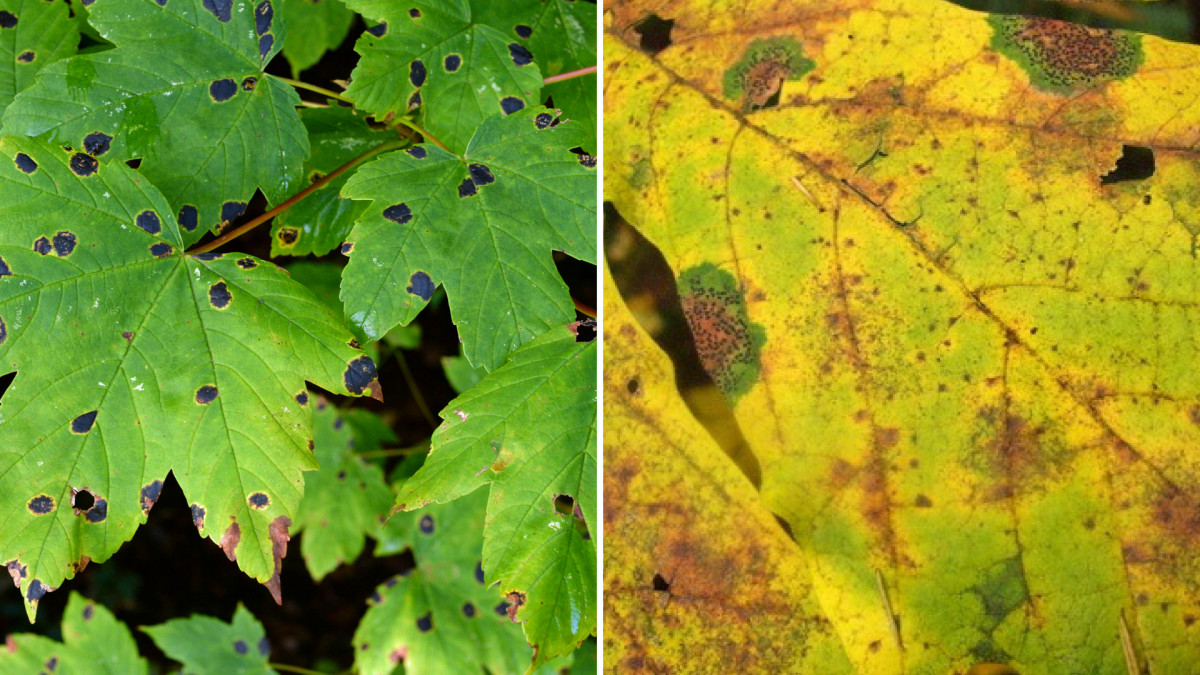
- Tar Spot/Anthracnose: Minor cosmetic issues; rake fallen leaves for sanitation.
Other Issues
- Surface Roots: In lawns, mulch heavily instead of mowing close.
- Chlorosis: Rare in this cultivar, but correct with chelated iron if pH is very high.
Prevention Strategy 🛡️: Annual inspections, proper watering, and good airflow keep most problems at bay.
Landscape Uses and Design Ideas 🏡
The Pacific Sunset Maple’s compact size, rounded spreading habit, and year-round appeal make it one of the most versatile shade trees for modern landscapes. Its glossy summer canopy provides cooling shade, while the early, fiery fall display creates seasonal drama that elevates any garden.
- Standalone Specimen Tree 🌟: Plant as a focal point in a front or backyard lawn. Its symmetrical crown and vibrant autumn tones make it a natural centerpiece that draws the eye from windows or patios.
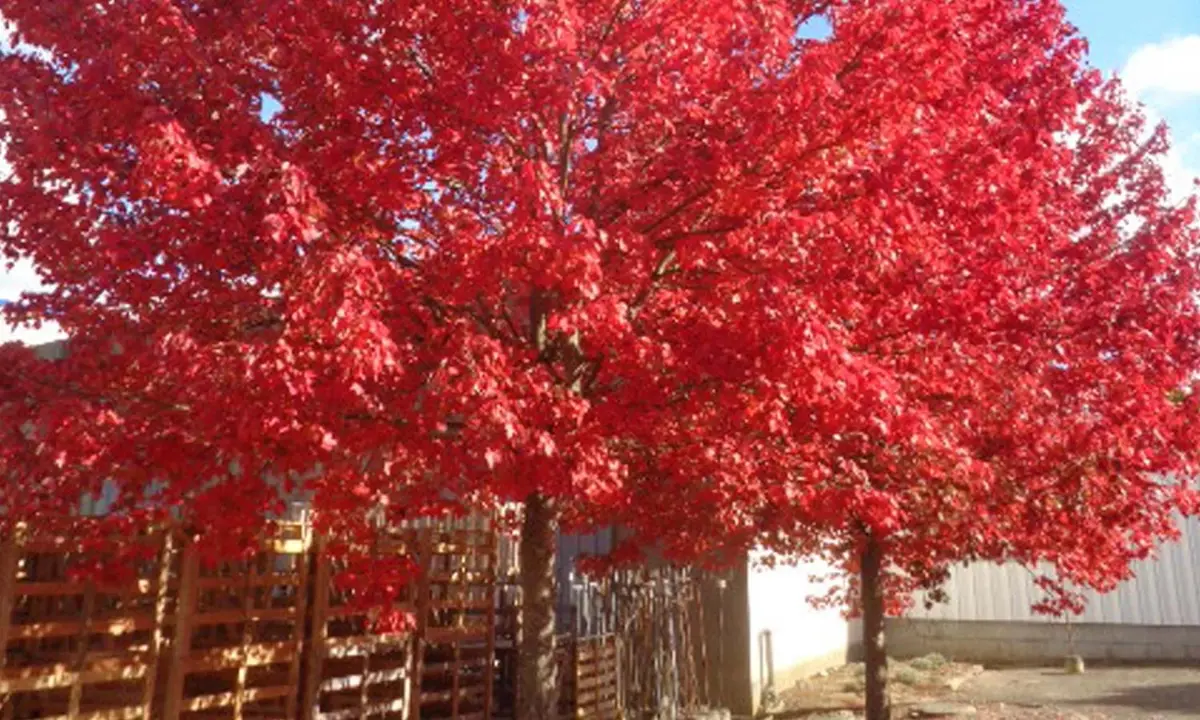
- Street or Urban Planting 🏙️: Excellent for boulevards, medians, or parking lot islands due to its tolerance of compacted soil, pollution, and heat reflection. Roots are relatively non-invasive, reducing sidewalk upheaval.
.webp)
- Shade Garden Anchor 🌿: Pair with evergreens like boxwood or hemlock for winter structure, then underplant with shade-tolerant perennials such as hostas, ferns, astilbe, or hellebores for layered interest.
- Patio or Container Feature 🪴: While best in-ground for full size, younger trees can thrive in large (minimum 24-inch) containers on decks or patios for 5-10 years before transplanting.
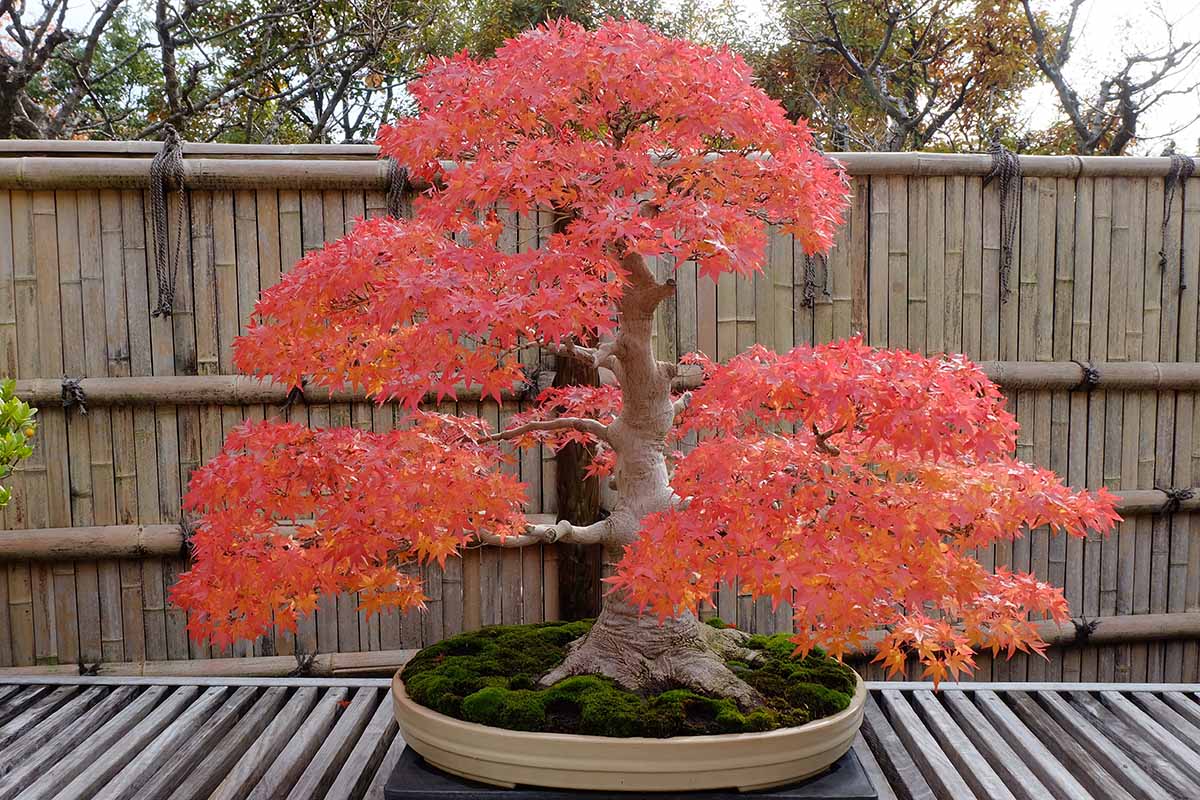
Design Tip 🎨: For maximum impact, group with contrasting foliage like purple smoke bush or golden conifers to amplify the fall sunset effect.
Propagation and Advanced Tips 🌿
Pacific Sunset Maple is a patented hybrid cultivar, so commercial propagation is typically done via grafting or budding by licensed nurseries to ensure true-to-type plants. Home gardeners should purchase from reputable sources rather than attempting seed propagation, as hybrids rarely come true from seed and variability is high.
- Nursery Stock Recommendation: Look for trees with a strong central leader and well-balanced root system (balled-and-burlapped or container-grown).
- Advanced Care for Longevity: In Zone 4, provide wind protection for young trees. Soil testing every 3-5 years ensures optimal pH and nutrients.
Expert Insight: With proper siting and minimal intervention, these trees often live 50+ years, outlasting many faster-growing but shorter-lived maples.
Frequently Asked Questions (FAQs) ❓
Q: How fast does the Pacific Sunset Maple grow? A: Expect 1-2 feet per year once established—moderate to fast, providing quick shade without the brittleness of ultra-fast growers like silver maple. 🌱
Q: Is it invasive like some Norway Maples? A: No. While it has Norway Maple parentage, Pacific Sunset produces limited viable seed and is not listed as invasive in any region. Safe for responsible planting! ✅
Q: Why isn’t my tree’s fall color as vibrant as expected? A: Common culprits are excessive shade, overwatering, or heavy nitrogen fertilization. Ensure full sun, allow slight late-summer drought, and avoid late feeding for the best yellow-orange-red show. 🍂
Q: Can it be planted near sidewalks or driveways? A: Yes—roots are adaptable and less aggressive than many maples, making it suitable for urban sites with proper spacing.
Q: What’s the expected lifespan? A: 30-50 years or more with good care; many specimens in landscapes are thriving decades after planting.
Q: Does it tolerate clay or alkaline soil? A: Exceptionally well—one of its strongest attributes, outperforming red or sugar maples in challenging western or midwestern soils.
Q: When does fall color peak? A: Often earlier than other maples (mid-to-late October in most zones), with colors intensifying over 2-3 weeks.
Conclusion: Your Path to a Spectacular Landscape 🌇
The Pacific Sunset Maple tree truly lives up to its name—delivering reliable, sunset-inspired autumn brilliance alongside unmatched toughness and ease of care. Whether you’re battling heat, drought, poor soil, or urban constraints, this hybrid offers a solution that combines beauty with practicality.
By following this comprehensive guide—from selecting the perfect site and planting correctly to fine-tuning care for maximum color—you’re set for decades of enjoyment. Watch as your tree matures into a living work of art, cooling your summers and igniting your falls.
Ready to add this gem to your landscape? Consult local nurseries for availability, and soon you’ll be basking in your own private sunset. Happy planting! 🌳❤️🍁











