
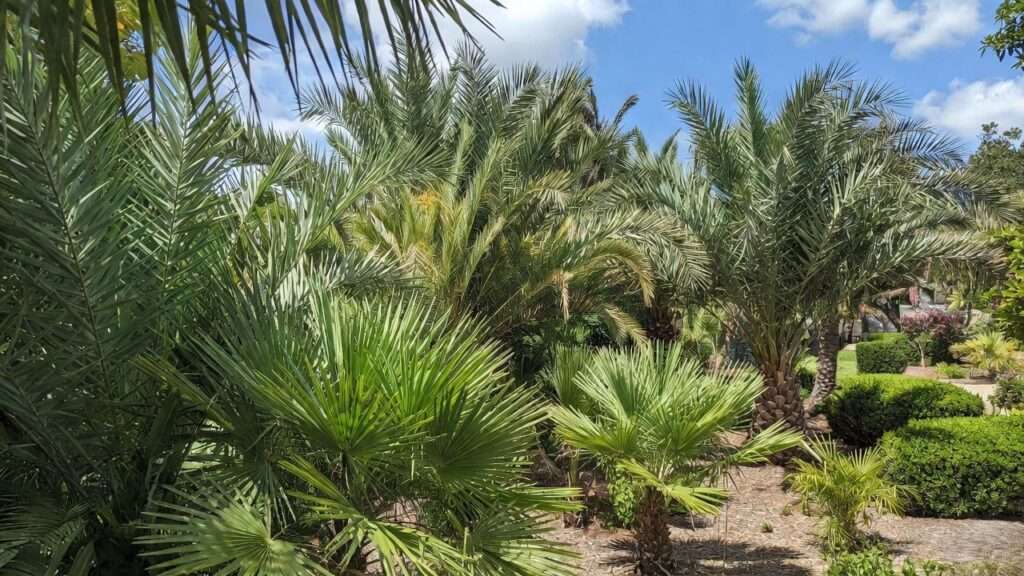
Picture this: It’s a crisp February morning in Dallas, and overnight temperatures dipped to 15°F. You rush outside, heart sinking, only to find your beautiful palm tree standing tall and unfazed. Yes, it’s possible in Texas! 🌟 With the right selection of palm plants for Texas, you can enjoy that lush, tropical vibe year-round, even when the Lone Star State throws an occasional Arctic blast your way.
Texas gardeners know the struggle: extreme temperature swings, alkaline clay soils, drought, and historic freezes like the 2021 Winter Storm Uri that devastated many landscapes. But choosing cold-hardy palm varieties changes everything. In this comprehensive guide—updated for 2025—we’ll explore the best palm plants for Texas, proven performers across USDA Zones 6b–10b, backed by real-world data from nurseries, the Texas Palm Society, and post-freeze survival reports. Whether you’re in the Panhandle, North Texas, Central Hill Country, or the humid Gulf Coast, you’ll find expert recommendations, planting tips, and care strategies to create a thriving palm paradise. ❄️🌴
Ready to transform your yard? Let’s dive in!
(Quick overview: We’ll cover Texas challenges, top 10 palms, regional picks, planting/care, winter protection, pests, and more.)
Why Most Palms Fail in Texas (And How to Avoid Common Mistakes) 🌡️
Texas spans an incredible range of climates—from Zone 6b in the Panhandle (average lows -5°F to 0°F) to Zone 10b along the southern coast (lows 35°F+). The 2023 USDA Plant Hardiness Zone Map (with minor 2025 confirmations) shows slight warming trends, but don’t be fooled: sudden freezes still happen.
The Unique Challenges of Growing Palms in the Lone Star State
Extreme Temperature Swings & Historic Freezes ❄️ The 2021 Winter Storm Uri dropped temperatures into single digits for days, killing thousands of non-hardy palms statewide. Queen palms and many Mexican fans succumbed, while cold-hardy species like Windmill and Sabal varieties bounced back. Data from Texas nurseries post-Uri shows 90%+ loss for tender types vs. near-100% survival for top hardy picks.
Soil Issues: Alkaline Clay, Poor Drainage, and Salinity 🏜️ Much of Texas has heavy clay or caliche soils with high pH (7.5–8.5+). Palms hate “wet feet”—poor drainage leads to root rot. Coastal areas add salt spray challenges.
Drought, Wind, and Intense Summer Heat ☀️ Scorching 100°F+ summers and dry winds stress palms, especially without established roots. Drought-tolerant varieties are essential.
Common Beginner Mistakes That Kill Palms Fast 🚫
- Planting non-hardy tropicals (e.g., true coconut palms—impossible outside deep South Texas).
- Skipping soil amendments or winter protection.
- Overwatering new plants or ignoring nutrient deficiencies.
The solution? Select proven cold-hardy palms and follow expert care. Let’s meet the champions.
:max_bytes(150000):strip_icc()/windmill-palm-in-the-home-garden-3269332-hero-b26d378360f642618be9faa1912227b5.jpg)
(Trachycarpus fortunei, the Windmill Palm, thriving in a North Texas garden—proof that palms can handle our winters!)
Top 10 Cold-Hardy Palm Plants for Texas (The Definitive List) 🏆
Based on 2025 nursery reports, Texas Palm Society insights, and post-freeze survival data, here are the best palm plants for Texas. Ranked by overall hardiness, versatility, and popularity. Each includes scientific name, zones, height, pros/cons, and regional fit.
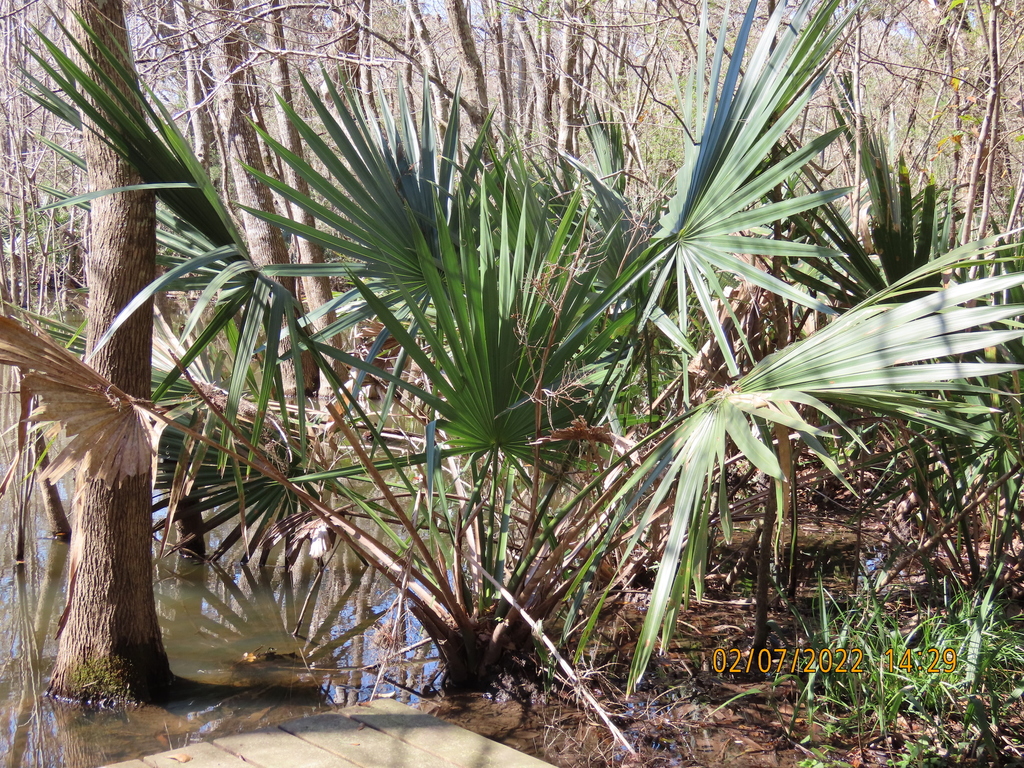
1. Sabal minor (Dwarf Palmetto) – The Toughest Native Champion 🇺🇸
Native to East Texas wetlands, this bushy palm stays low (3–6 ft) with fan-shaped leaves.
- Cold Hardiness: Zones 6b–11 (survives -10°F to -18°F documented).
- Growth: Slow; full sun to shade.
- Pros: Ultra-hardy (thrived through Uri), drought-tolerant once established, no trunk = easy protection.
- Cons: Slow growth, not tall for “tree” look.
- Best For: North Texas understory or containers.
2. Trachycarpus fortunei (Windmill Palm) – Best for North Texas & Panhandle 🌬️
Fan palm with hairy trunk and wind-resistant fronds.
- Hardiness: Zones 7b–11 (down to 5°F–10°F; some -15°F).
- Height: 20–40 ft.
- Pros: Fastest hardy grower for cold areas; textured trunk adds interest.
- Cons: Needs wind protection when young.
- Best For: Dallas-Fort Worth, Lubbock—top survivor in North Texas.
3. Washingtonia robusta (Mexican Fan Palm) – Fast-Growing Icon for Central & South Texas 🚀
Tall, slender skyscraper palm iconic in landscapes.
- Hardiness: Zones 8b–11 (15°F+; some survive lower with protection).
- Height: 50–80 ft.
- Pros: Rapid growth, drought/salt tolerant.
- Cons: Marginal in North/Central; many lost in Uri without cover.
- Best For: Austin, San Antonio, Houston.
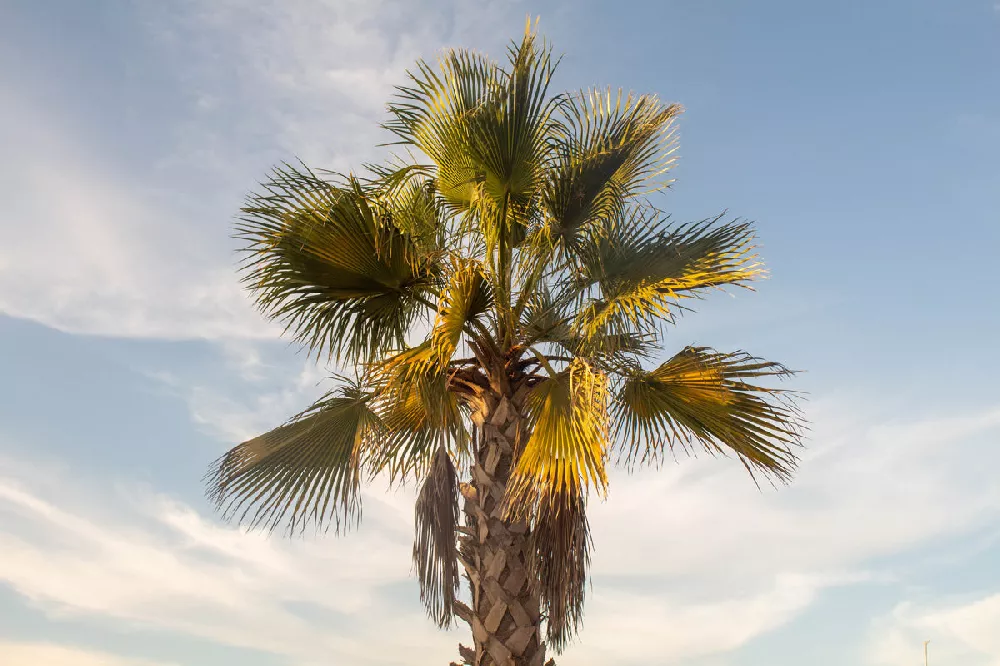
4. Sabal palmetto (Cabbage Palm) – Coastal Toughness Inland 🌊
Similar to Texas Sabal but more available.
- Hardiness: Zones 8–11 (10°F).
- Height: 30–50 ft.
- Pros: Salt/drought tolerant, hurricane-resistant.
- Cons: Slower in alkaline soils.
5. Butia capitata (Jelly/Pindo Palm) – Edible Fruit Bonus! 🍇
Feather palm with blue-green arching fronds and tasty fruit.
- Hardiness: Zones 8–11 (10°F–15°F).
- Height: 15–25 ft.
- Pros: Edible jelly from fruit; attractive curved trunk.
- Cons: Slow; fruit litter.
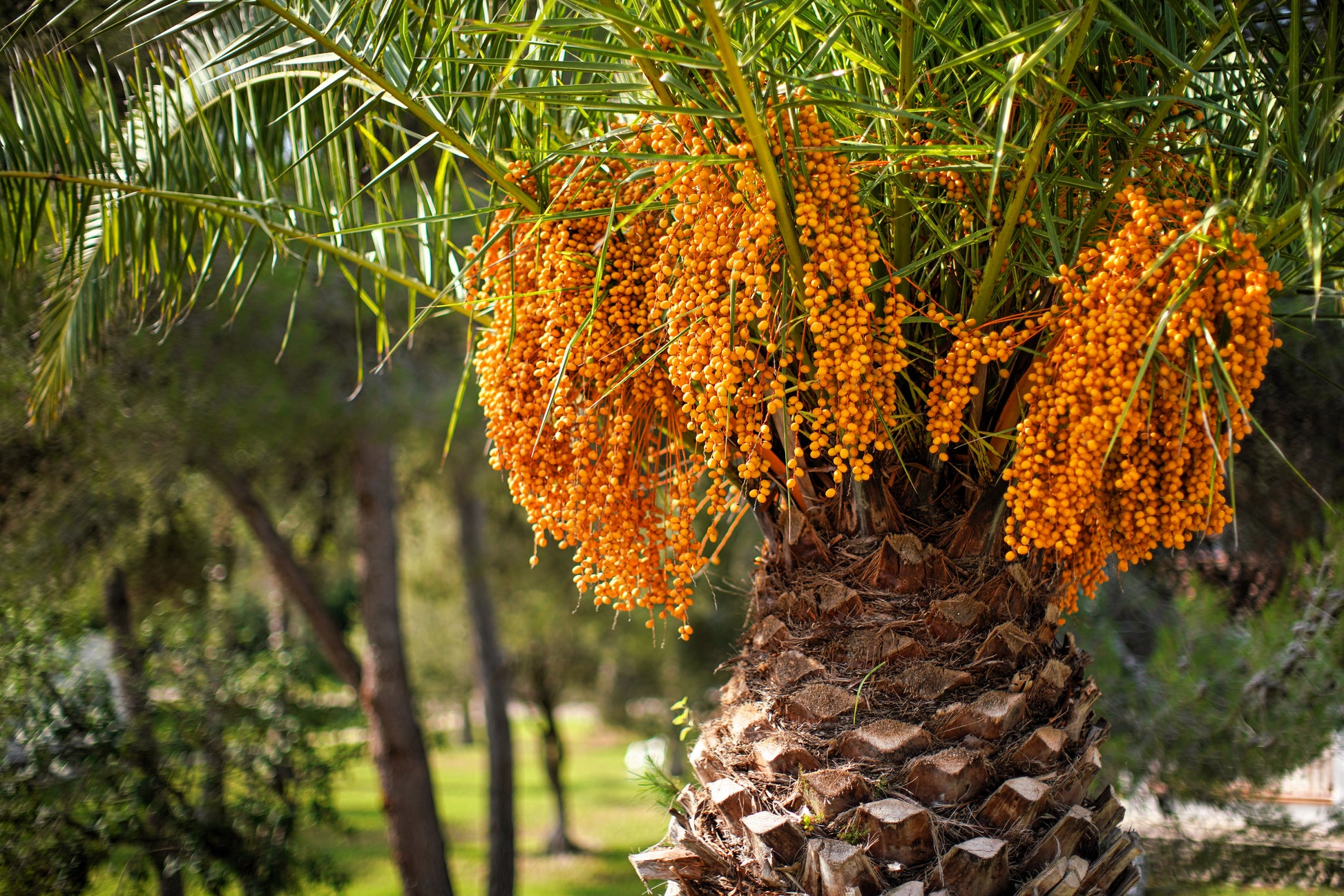
6. Phoenix canariensis (Canary Island Date Palm) – Dramatic Statement Palm 🌟
Massive pineapple-trunked feather palm.
- Hardiness: Zones 8b–11 (15°F).
- Height: 40–60 ft.
- Pros: Bold tropical look.
- Cons: Needs protection north of Zone 9.
7. Sabal mexicana (Texas Sabal Palm) – Rio Grande Valley Native 🏞️
Texas’ state palm—large fans, thick trunk.
- Hardiness: Zones 8–11 (10°F–15°F).
- Height: 30–50 ft.
- Pros: Native, low-maintenance.
- Best For: South Texas.
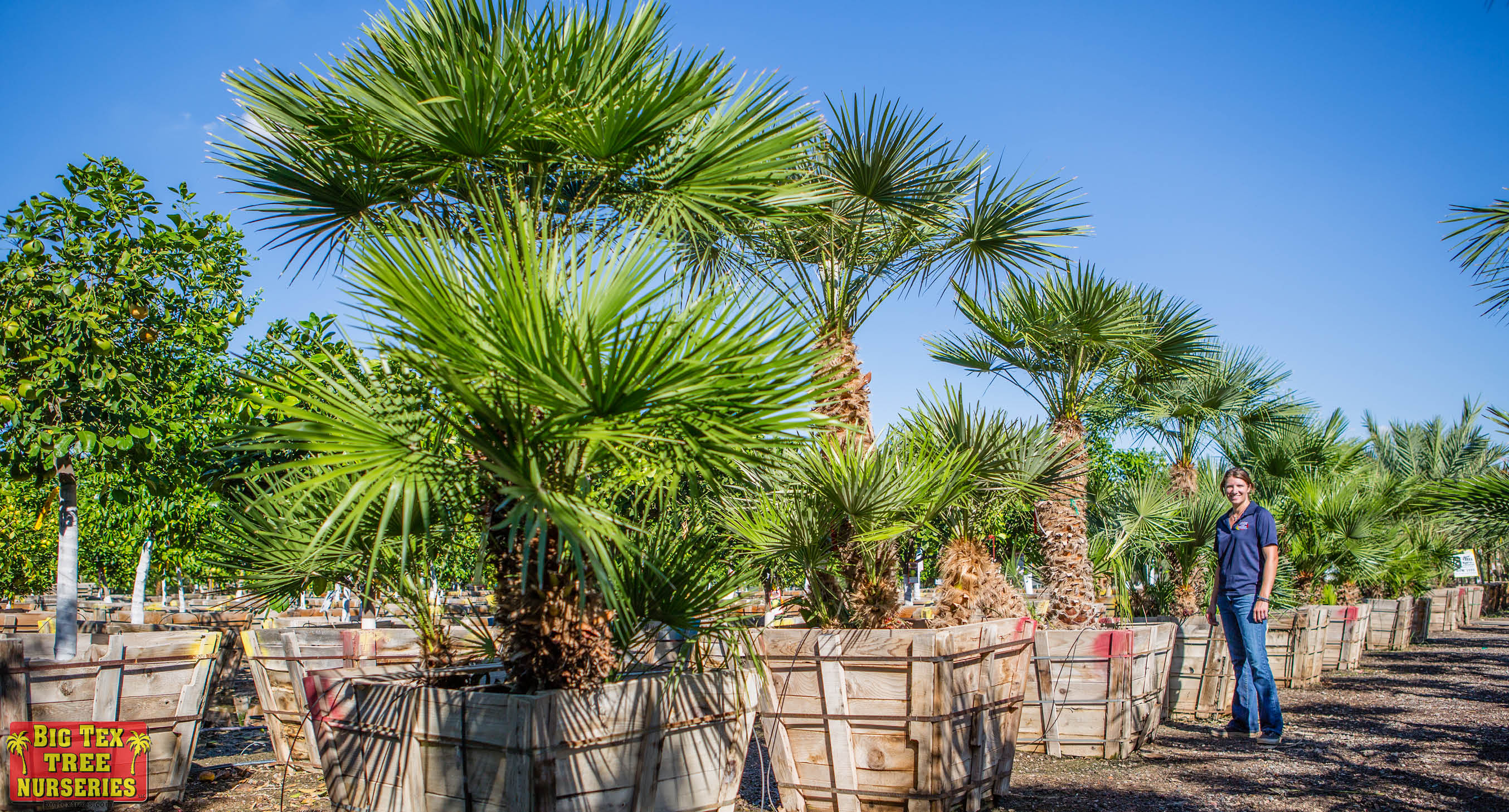
8. Chamaerops humilis (European Fan Palm) – Compact & Versatile 🪴
Multi-trunked, clumping fan palm.
- Hardiness: Zones 8–11 (10°F).
- Height: 10–20 ft.
- Pros: Container-friendly, varied forms.
9. Rhapidophyllum hystrix (Needle Palm) – Ultra-Cold-Hardy Rarity 🔒
Bushy with needle-like spines.
- Hardiness: Zones 6b–11 (-5°F to -20°F+).
- Height: 4–8 ft.
- Pros: Hardiest palm period.
- Cons: Rare, slow, spiny.
10. Brahea armata (Mexican Blue Palm) – Stunning Silver-Blue Foliage for West Texas 💙
Blue fan leaves, drought king.
- Hardiness: Zones 8–11 (10°F–15°F).
- Height: 30–50 ft.
- Pros: Arid-adapted, striking color.
Comparison Table 📊
| Palm Variety | Hardiness Zone | Mature Height | Water Needs | Sun | Growth Rate |
|---|---|---|---|---|---|
| Sabal minor | 6b–11 | 3–6 ft | Low | Part–Full | Slow |
| Trachycarpus fortunei | 7b–11 | 20–40 ft | Moderate | Full | Moderate |
| Washingtonia robusta | 8b–11 | 50–80 ft | Low | Full | Fast |
| Sabal palmetto | 8–11 | 30–50 ft | Moderate | Full | Slow |
| Butia capitata | 8–11 | 15–25 ft | Low | Full | Slow |
| Phoenix canariensis | 8b–11 | 40–60 ft | Moderate | Full | Moderate |
| Sabal mexicana | 8–11 | 30–50 ft | Low | Full | Slow |
| Chamaerops humilis | 8–11 | 10–20 ft | Low | Full–Part | Slow |
| Rhapidophyllum hystrix | 6b–11 | 4–8 ft | Moderate | Shade–Part | Very Slow |
| Brahea armata | 8–11 | 30–50 ft | Very Low | Full | Slow |
Regional Recommendations: Choosing the Right Palm for Your Part of Texas 🗺️
Texas is massive, and microclimates vary dramatically. What thrives in the humid Gulf Coast might struggle in the arid Panhandle or windy North Texas plains. Use the 2023 USDA Hardiness Zone Map (still accurate as of late 2025) as your baseline, but factor in urban heat islands, elevation, and soil type for best results.
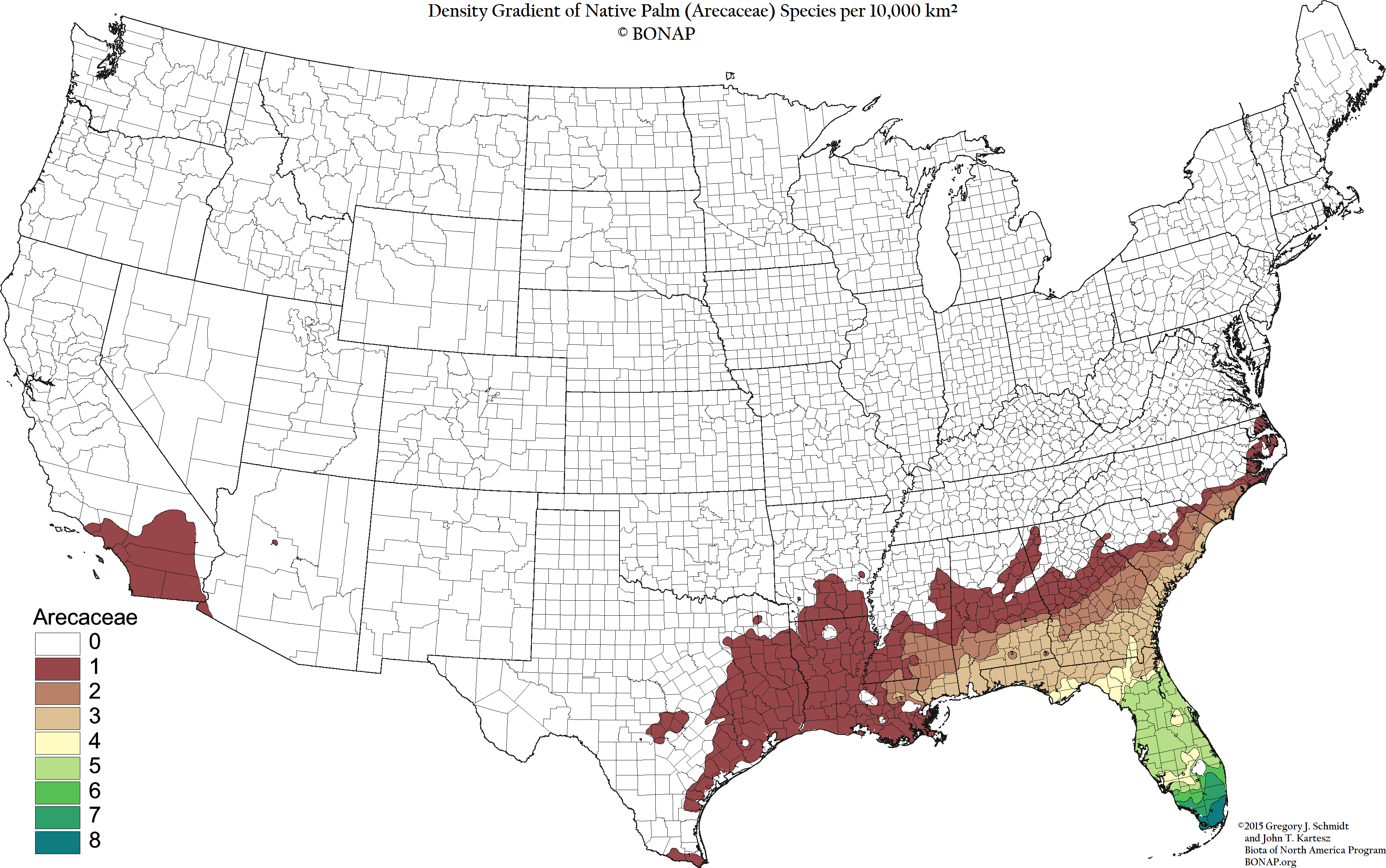
North Texas (Zones 7b–8a: Dallas, Fort Worth, Lubbock, Amarillo) ❄️
Focus on the hardiest: Trachycarpus fortunei (Windmill), Sabal minor (Dwarf Palmetto), Rhapidophyllum hystrix (Needle), and protected Chamaerops humilis. Avoid anything below Zone 8 without serious winter wrapping.
Central Texas (Zones 8b–9a: Austin, San Antonio, Waco, Hill Country) 🌵
More options open up: Add Washingtonia robusta, Butia capitata, Sabal palmetto, and Phoenix canariensis (with occasional protection). Mexican Fan Palms line many Austin streets successfully.
South & Coastal Texas (Zones 9b–10a: Houston, Corpus Christi, Rio Grande Valley) 🌊
Tropical paradise territory: All top 10 work here, plus marginal tries like Queen palms or even protected Coconuts in the Valley. Sabal mexicana and Washingtonia dominate naturally.
West Texas (Zones 8a–9a: El Paso, Midland, Big Bend) 🏜️
Drought is the enemy—prioritize Brahea armata, Washingtonia robusta (filifera hybrid often better), and Butia for low water needs.
Expert Planting & Establishment Tips 🌱
Success starts at planting. Poor establishment kills more palms than cold in Texas.
Best Time to Plant (Spring vs. Fall) 📅
Spring (March–May) after last freeze for root growth before summer heat. Fall (September–November) also excellent—milder stress and winter rains help.
Site Selection: Sun, Wind Protection, Elevation ☀️
Full sun (6+ hours) for most; part shade OK for Sabal minor. Plant on south-facing slopes or near walls for warmth. Avoid low spots where cold air pools.
Soil Preparation & Amendments for Alkaline Texas Dirt 🕳️
Dig hole 2–3x wider than root ball, same depth. Mix native soil 50/50 with compost + expanded shale or pumice for drainage. Add sulfur or pine bark to lower pH slightly if over 8.0.
Proper Hole Size, Root Ball Handling, and Initial Watering Schedule 💦
Don’t plant too deep—keep root flare visible. Water deeply weekly first summer, tapering to bi-weekly once established.
Expert Insight Box: Texas gardeners create microclimates by planting near brick walls (radiate heat) or under mature oaks for wind break. Many in DFW swear by elevated berms for better drainage during wet springs.
Ongoing Care: Watering, Fertilizing, and Pruning 💧
Once established (1–2 years), most hardy palms are low-maintenance.
Watering Strategies for Drought vs. Wet Seasons 🌧️
Deep, infrequent watering encourages deep roots. Established palms need supplemental water only during extended drought (no rain 3+ weeks in summer).
Best Fertilizers (Palm Special vs. Slow-Release) & Schedule 🌿
Use palm-specific fertilizer (8-2-12 + micros like magnesium, manganese) 3x/year: March, June, October. Avoid cheap high-nitrogen lawn fertilizers—causes deficiencies.
Pruning Dos and Don’ts (Avoid the “Hurricane Cut”!) ✂️
Remove only fully brown fronds. Never over-prune—green fronds feed the plant. No “pineapple” topping!
Mulching Tips for Temperature & Moisture Regulation 🪵
3–4 inches organic mulch (hardwood or pine) keeps roots cool in summer, insulated in winter. Keep away from trunk to prevent rot.
Winter Protection Strategies That Actually Work 🧣
Even hardy palms benefit from protection below their rating.
Proven Methods: Wraps, Lights, Anti-Transpirants 🛡️
Wrap trunk/fronds with burlap or frost cloth; add Christmas lights (incandescent for heat) or heat tape inside. Spray with anti-desiccant for wind protection.
When (and When NOT) to Protect
Protect if forecast below 20°F for young or marginal species. Skip for ultra-hardy like established Sabal minor.
Recovery Tips After Freeze Damage 🌱
Wait until spring to prune dead fronds—new growth often emerges from spear if heart unharmed.
Pest, Disease & Nutrient Deficiency Guide 🐛
Prevention beats cure.
Lethal Yellowing, Ganoderma, Fusarium Wilt ⚠️
Lethal yellowing rare in Texas hardy species. Ganoderma butt rot from poor drainage—avoid wounding trunk. Fusarium on Phoenix—choose resistant varieties.
Scale, Mealybugs, and Spider Mites 🕷️
Horticultural oil or systemic insecticides early.
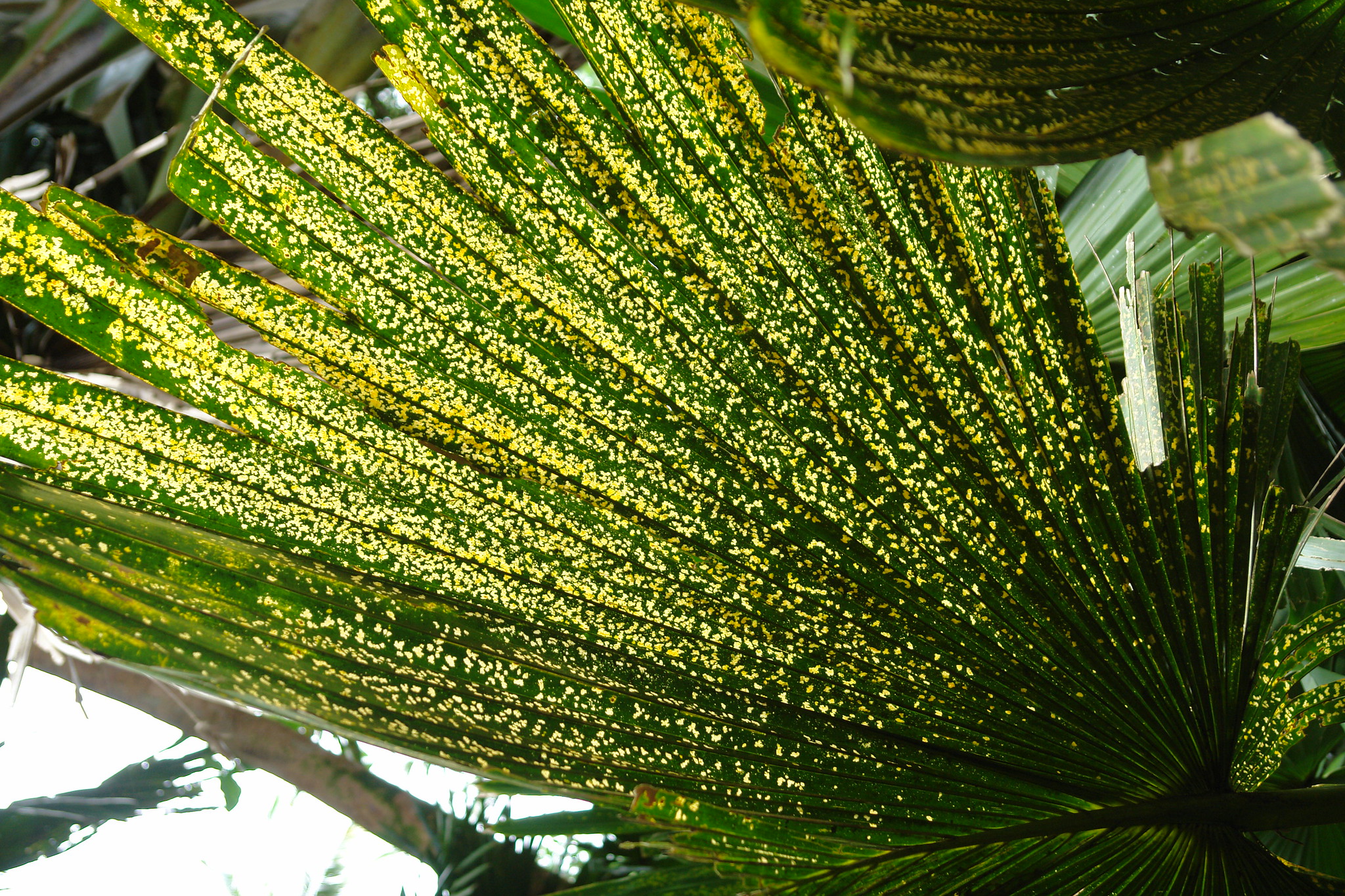
Frizzle Top (Manganese Deficiency) Solutions
Classic in alkaline soils—apply manganese sulfate chelate.
Expert Insights & Pro Tips ✨
From Texas Palm Society meetings and top nurseries: Grow in containers for Zone-pushing (move indoors extreme nights). Companion plant with agaves, yuccas for xeric look. Source ethically—many Sabals field-grown locally.
Frequently Asked Questions (FAQ) ❓
What is the most cold-hardy palm for Texas? Trachycarpus fortunei and Sabal minor tie—both survive below 0°F established.
Can I grow coconut palms in Texas? Only protected microclimates in Zone 10b (Brownsville area)—not practical statewide.
How fast do palm trees grow in Texas? Washingtonia robusta fastest (2–3 ft/year); most hardy ones slower (6–12 inches).
Are palm trees native to Texas? Yes! Sabal mexicana and Sabal minor are natives.
How often should I water my new palm in summer? Deeply 2–3x/week first month, then weekly.
Will palms survive another Uri-level freeze? Top hardy varieties yes—many did in 2021 with minimal damage.
Best palm for containers in Texas? Chamaerops humilis or Sabal minor—compact and movable.
Conclusion: Start Your Texas Palm Paradise Today 🌅
With the right cold-hardy palm plants for Texas and these expert tips, you can create a resilient, tropical oasis that laughs at freezes and drought. Assess your zone, prepare soil properly, and choose from our top 10—you’ll be rewarded with years of beauty.
Share your palm successes below, and subscribe for more Texas-specific plant care guides. Happy planting! 🌴✨











