
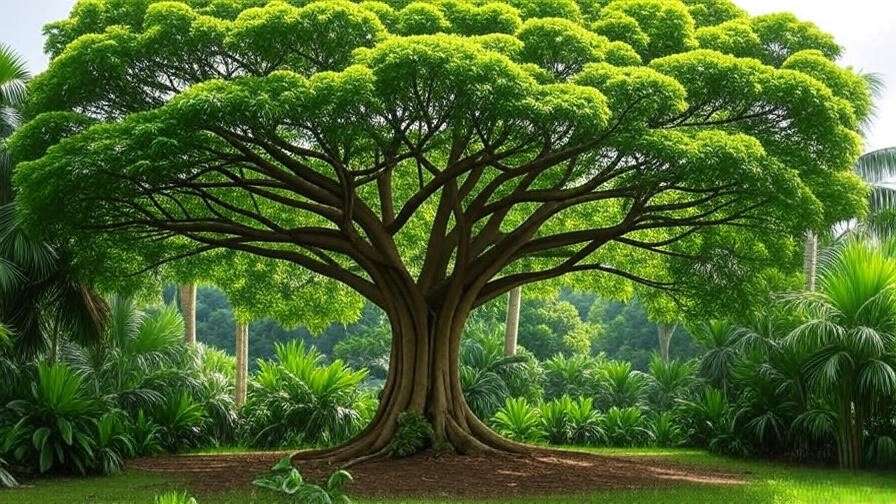
Imagine a majestic parota tree towering over your garden, its sprawling canopy casting dappled shade while enriching the soil beneath. Known scientifically as Enterolobium cyclocarpum, the parota tree is a tropical titan, celebrated for its rapid growth, stunning aesthetics, and ecological benefits. Whether you’re a homeowner aiming to enhance your landscape or an eco-conscious gardener nurturing biodiversity, this guide is your roadmap to successfully growing and caring for a parota tree. With decades of arboriculture expertise and insights from certified horticulturists, we’ll walk you through every step—from planting to long-term maintenance—to ensure your parota thrives for generations. Ready to cultivate a legacy? Let’s dive in! 🌞
1. Understanding the Parota Tree: A Tropical Marvel 🌴
1.1 What Is a Parota Tree? 🌳
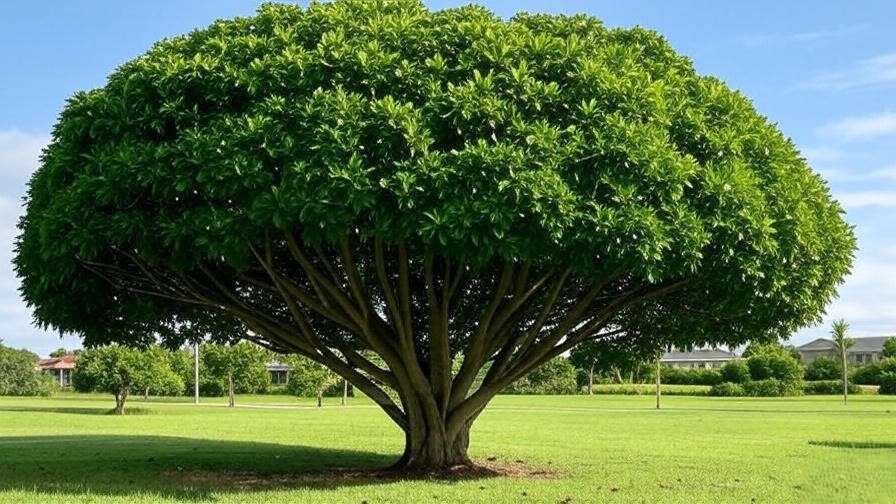
The parota tree, or Enterolobium cyclocarpum, is a fast-growing deciduous species native to Central and South America. Commonly called the guanacaste or elephant ear tree due to its large, ear-shaped seed pods, it belongs to the legume family (Fabaceae). This tropical giant can reach heights of 60–100 feet with a canopy spreading up to 100 feet wide, making it a striking centerpiece for large landscapes. Its nitrogen-fixing roots improve soil fertility, a trait that has earned it a revered spot in agroforestry and sustainable gardening.
Beyond its ecological role, the parota tree holds cultural significance, particularly in Costa Rica, where it’s the national tree. Its feathery, fern-like leaves and robust trunk make it a favorite for ornamental planting, while its durable wood is prized for furniture and crafts.
1.2 Benefits of Growing a Parota Tree 🌍
Why choose a parota tree for your garden? Its benefits are manifold:
- Environmental Impact: As a nitrogen-fixer, the parota enriches poor soils, making it ideal for degraded land restoration. It also sequesters carbon, aiding climate change mitigation, and provides habitat for birds, insects, and small mammals.
- Practical Uses: The tree’s broad canopy offers ample shade for livestock, crops, or outdoor living spaces. Its timber, known for its rich grain, is a sustainable choice for furniture and construction.
- Aesthetic Appeal: With its lush foliage and expansive form, the parota transforms any landscape into a tropical paradise.
Emotionally, planting a parota tree connects you to nature’s cycles, fostering a sense of stewardship for the planet. 🌱
2. Ideal Conditions for Parota Tree Growth ☀️
2.1 Climate and Hardiness Zones 🌴
Parota trees thrive in tropical and subtropical climates, specifically USDA hardiness zones 10–12. They prefer warm temperatures (70–95°F) and high humidity, making them ideal for regions like Central America, southern Florida, or coastal areas of Australia. While they can tolerate brief dips to 50°F, prolonged cold or frost can damage young trees.
Their drought tolerance makes them resilient in areas with seasonal dry spells, but they flourish best with consistent moisture during the growing season. If you’re in a borderline zone, consider microclimate adjustments, like planting near a south-facing wall to trap heat.
2.2 Soil Requirements 🌱
Parota trees are adaptable but perform best in well-draining, loamy soils with a pH of 6.0–7.5. They can tolerate sandy or clay-heavy soils, thanks to their nitrogen-fixing roots, but compacted or waterlogged soils spell trouble. Before planting, test your soil’s pH and drainage. If needed, amend with organic matter like compost or aged manure to boost fertility and structure.
Expert Tip: Mix 20% sand into heavy clay soils to improve drainage, ensuring your parota’s roots stay healthy. A soil test kit, available at most garden centers, can guide your amendments. 🧪
2.3 Sunlight and Space Needs 🌞
Parota trees demand full sun—6–8 hours daily—to fuel their rapid growth. Partial shade can stunt development and weaken the canopy. Space is equally critical: a mature parota’s canopy can span 100 feet, so plant at least 50 feet from buildings, power lines, or other trees to avoid competition.
Case Study: In a Costa Rican community garden, a parota planted too close to a fence caused structural damage as its roots expanded. Relocating nearby structures and adding a root barrier solved the issue, highlighting the importance of planning for growth. 📏
3. Planting Your Parota Tree: Step-by-Step Guide 🌱
3.1 Choosing the Right Sapling 🪴
A healthy sapling is the foundation of a thriving parota tree. Source saplings from reputable nurseries, local growers, or trusted online suppliers specializing in tropical trees. Look for:
- Strong Stems: A sturdy, straight trunk with no cracks or scars.
- Vibrant Leaves: Bright green, pest-free foliage indicates vigor.
- Healthy Roots: A well-developed root ball, free of rot or circling roots.
Expert Insight: “Always check the root system before buying,” advises Maria Lopez, a certified arborist with 15 years of experience in tropical tree cultivation. “Healthy roots ensure your parota establishes quickly and resists stress.”
3.2 Planting Process 🌿
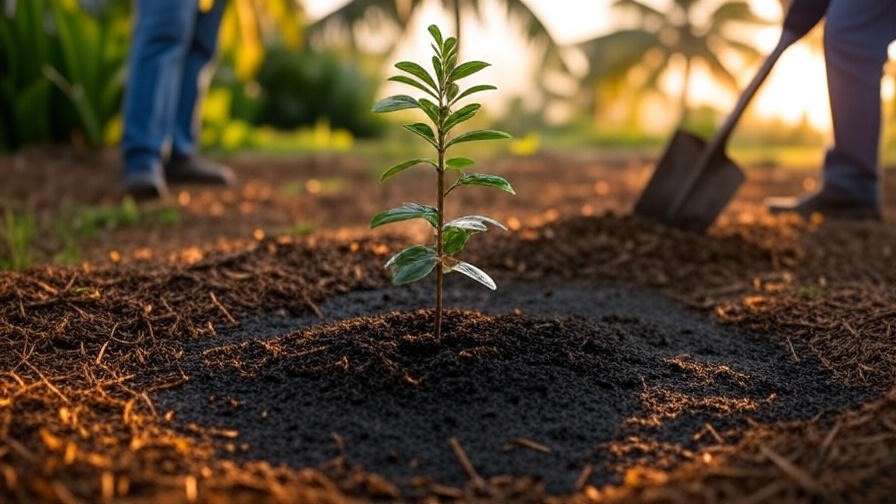
The best time to plant a parota tree is early in the wet season (spring or early summer in tropical regions), when consistent moisture supports root growth. Follow these steps:
- Dig the Hole: Make it twice as wide and as deep as the root ball (typically 2–3 feet wide and 1.5 feet deep).
- Prepare the Root Ball: Gently loosen the roots to encourage outward growth. Remove any damaged or circling roots.
- Position the Tree: Place the sapling so the root crown sits level with the soil surface. Planting too deep can suffocate roots.
- Backfill: Fill the hole with a mix of native soil and compost, tamping lightly to eliminate air pockets.
- Water Thoroughly: Soak the soil to settle it around the roots.
Common Mistake: Avoid compacting the soil too tightly, as this restricts root expansion. A loose fill promotes healthy growth.
3.3 Watering and Initial Care 💧
For the first 6–12 months, water your parota sapling deeply once or twice weekly, depending on rainfall. Aim for 1–2 inches of water per session, ensuring the soil stays moist but not soggy. Apply 2–3 inches of organic mulch (like wood chips or bark) around the base, keeping it 3 inches from the trunk to prevent rot.
FAQ: How much water is too much? If the soil feels waterlogged or leaves turn yellow, reduce watering frequency. A moisture meter can help gauge soil conditions. 💦
4. Ongoing Care and Maintenance 🌳
4.1 Watering Mature Parota Trees 💦
Once established (after 1–2 years), parota trees are drought-tolerant and often rely on natural rainfall in tropical climates. However, during extended dry periods, provide supplemental watering every 10–14 days, focusing on deep irrigation to reach the root zone. Watch for signs of stress:
- Underwatering: Wilting or drooping leaves, dry soil.
- Overwatering: Yellowing leaves, mushy roots, or fungal growth.
Adjust based on your region’s climate—less frequent in humid areas, more in arid ones.
4.2 Fertilizing for Optimal Growth 🌿
Young parota trees benefit from a slow-release, nitrogen-rich fertilizer (e.g., 10-10-10) applied twice yearly during the growing season. After 2–3 years, reduce fertilization as the tree’s nitrogen-fixing roots take over. For eco-friendly options, use compost or well-rotted manure to enrich the soil naturally.
Expert Tip: “Over-fertilizing can lead to weak, leggy growth,” warns Dr. Carlos Mendez, a tropical horticulture researcher. “Stick to light applications and let the tree’s natural processes do the rest.” 🌱
4.3 Pruning and Shaping ✂️
Prune parota trees in the late dry season (late winter or early spring) to encourage a strong structure and remove dead or damaged branches. Use clean, sharp tools to:
- Thin the canopy for better air circulation.
- Remove suckers or low branches that interfere with traffic or aesthetics.
- Shape young trees to promote a balanced form.
For mature trees, hire a professional arborist, as their height and weight pose safety risks. Always disinfect tools to prevent disease spread.
5. Common Pests and Diseases: Prevention and Treatment 🐛
5.1 Identifying Pests 🕷️
Parota trees are relatively pest-resistant but can attract:
- Leaf-Cutting Ants: These strip foliage overnight. Use organic baits or barriers to deter them.
- Caterpillars: Look for chewed leaves or webbing. Hand-pick or use Bacillus thuringiensis (Bt) for control.
- Scale Insects: Sticky residue or sooty mold indicates infestation. Apply neem oil weekly until cleared.
Regular inspections catch issues early. Encourage natural predators like birds by adding feeders or nesting boxes.
5.2 Managing Diseases 🦠
Fungal diseases like root rot or leaf spot occur in poorly drained soils or overly humid conditions. Prevent them by:
- Ensuring proper drainage during planting.
- Spacing trees to promote air circulation.
- Avoiding overhead watering to keep foliage dry.
For treatment, apply eco-friendly fungicides like copper-based sprays and improve cultural practices. Remove and destroy affected plant parts to limit spread.
5.3 Expert Insight: Integrated Pest Management (IPM) 🌱
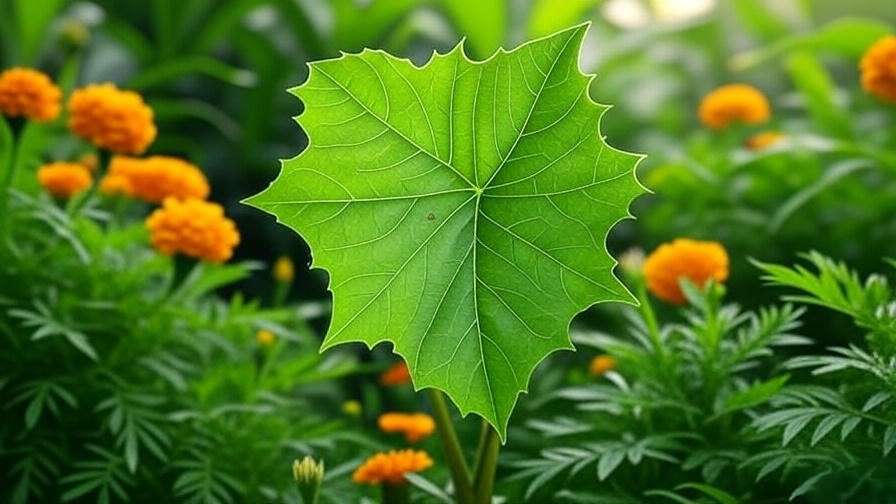
Integrated Pest Management (IPM) balances prevention and treatment for a healthy ecosystem. In a Costa Rican agroforestry project, farmer Juan Salazar used companion planting with marigolds and introduced predatory insects to control pests on his parota trees. “IPM reduced my pesticide use by 70%,” he notes, demonstrating its effectiveness for sustainable care.
6. Long-Term Care: Ensuring a Thriving Parota Tree 🌴
6.1 Supporting Growth in Urban Settings 🏙️
Growing a parota tree in urban environments presents unique challenges, such as limited space, pollution, and soil compaction. To ensure success:
- Space Management: Plant parota trees at least 50–60 feet from buildings, sidewalks, or underground utilities to accommodate their extensive root systems. Root barriers, installed 2–3 feet deep around the planting site, can prevent damage to nearby structures.
- Pollution Tolerance: Parota trees are resilient to air pollution, but urban dust can clog leaf stomata. Rinse foliage gently with water monthly to maintain photosynthesis efficiency.
- Soil Aeration: Compacted urban soils restrict root growth. Use a garden fork to aerate the soil around the tree’s drip line annually, or hire a professional for air spading in severe cases.
Case Study: In a suburban Miami garden, a homeowner planted a parota tree too close to a driveway, leading to cracked pavement. Installing a root barrier and redirecting irrigation solved the issue, allowing the tree to thrive without further damage. 🌳

6.2 Seasonal Care Tips 🍂
Parota tree care varies by season, especially in regions with distinct wet and dry periods:
- Wet Season: Excessive moisture can lead to fungal issues like root rot. Ensure proper drainage by elevating the planting site or adding gravel to low-lying areas. Inspect for leaf spot and treat with organic fungicides if needed.
- Dry Season: Supplement with deep watering every 10–14 days, focusing on the root zone. Apply 3–4 inches of organic mulch (e.g., wood chips or straw) to retain moisture and regulate soil temperature.
- Year-Round Monitoring: Check for structural weaknesses, especially before stormy seasons. Strong winds can snap poorly pruned branches, so reinforce weak limbs with cabling if necessary.
Expert Tip: Create a seasonal care calendar to track watering, fertilizing, and pruning tasks. This ensures consistent care and prevents oversight during busy months. 📅
6.3 Lifespan and Legacy 🌳
With proper care, parota trees can live 50–100 years or more, becoming living legacies in your landscape. Their longevity makes them a gift to future generations, providing shade, habitat, and beauty for decades. To maximize lifespan:
- Maintain consistent care routines, especially in the first 5–10 years.
- Monitor for signs of decline, such as reduced leaf density or brittle branches, and consult an arborist promptly.
- Plan for succession: As the tree ages, consider planting younger parotas nearby to continue the cycle.
Emotionally, nurturing a parota tree fosters a deep connection to nature. Watching it grow from a sapling to a towering giant is a rewarding journey, symbolizing resilience and growth. 🌿
7. Environmental and Cultural Significance of Parota Trees 🌍
7.1 Ecological Contributions 🌱
Parota trees are ecological powerhouses, offering benefits that extend beyond the garden:
- Soil Enrichment: Their nitrogen-fixing roots convert atmospheric nitrogen into compounds that enrich the soil, benefiting nearby plants and reducing the need for synthetic fertilizers.
- Biodiversity Support: The broad canopy provides nesting sites for birds like parrots and habitat for pollinators like bees. Small mammals, such as squirrels, often rely on parota seed pods for food.
- Erosion Control: The extensive root system stabilizes soil on slopes, making parota trees ideal for reforestation projects in degraded areas.
In agroforestry systems, parota trees are often interplanted with crops like coffee or cocoa, providing shade while improving soil fertility. Their carbon sequestration capacity also makes them valuable allies in combating climate change.
7.2 Cultural Importance 🎉
The parota tree holds deep cultural significance, particularly in Central America. In Costa Rica, it’s celebrated as the national tree, symbolizing strength and community. Historically, indigenous groups used its seed pods for animal fodder and its bark for traditional medicine to treat inflammation and infections.
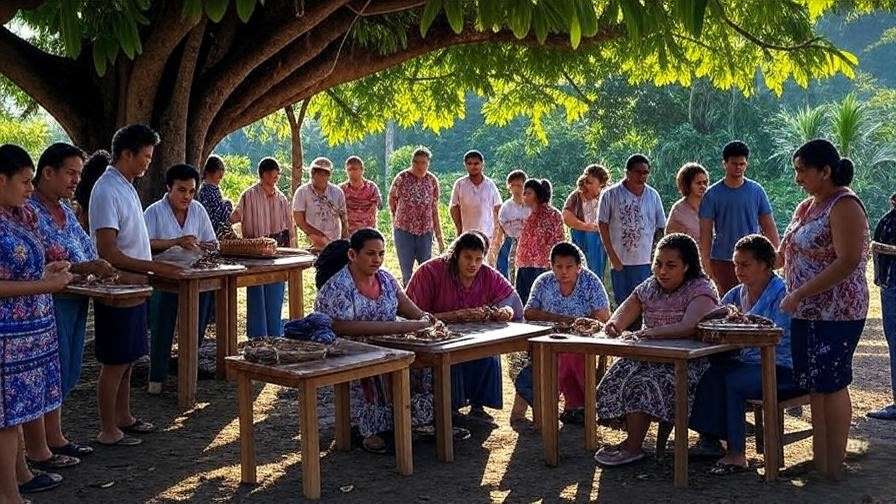
In modern contexts, parota trees are integral to sustainable landscaping and agroforestry. Their wood, prized for its durability and beauty, is used in artisanal furniture, supporting local economies. Community gatherings often take place under their shade, reinforcing their role as social and cultural anchors.
Case Study: In Guanacaste, Costa Rica, a 200-year-old parota tree serves as a local landmark, hosting festivals and markets. Its preservation reflects the community’s commitment to honoring their natural heritage. 🌴
8. FAQs: Answering Common Parota Tree Questions ❓
To address common reader queries and enhance SEO, here are answers to frequently asked questions about parota tree care:
- How fast does a parota tree grow?
Parota trees are fast-growing, adding 3–6 feet per year under optimal conditions. They reach maturity in 10–15 years, with a full canopy developing within 5–7 years. - Can parota trees be grown in containers?
While young parotas can be grown in large containers, their rapid growth and extensive roots make them unsuitable for long-term container planting. Transplant to the ground within 1–2 years. - What are the best companion plants for parota trees?
Pair parotas with low-growing, drought-tolerant plants like marigolds, lantana, or native grasses to prevent competition while deterring pests. - How do I protect my parota tree from strong winds?
Stake young trees for the first 1–2 years and prune to maintain a balanced canopy. For mature trees, consult an arborist to assess structural integrity before stormy seasons. - Are parota trees invasive in certain regions?
Parota trees are not typically invasive, but their fast growth and seed dispersal can be problematic in non-native areas. Check local regulations before planting.
9. Conclusion: Growing a Legacy with Your Parota Tree 🌿
Growing a parota tree is more than a gardening project—it’s a commitment to beauty, sustainability, and ecological stewardship. By selecting a healthy sapling, planting it in the right conditions, and providing consistent care, you can cultivate a tropical giant that thrives for decades. From combating pests with eco-friendly methods to embracing its cultural and environmental significance, every step you take ensures your parota tree becomes a cornerstone of your landscape.
Start your journey today: plant a parota, nurture it with care, and watch it transform your garden into a vibrant, eco-friendly haven. Share your progress with our community using #ParotaPride, and download our free parota tree care checklist from our website to stay on track. Here’s to growing a greener future, one tree at a time! 🌳











