

Have you ever brought home a beautiful peace lily, placed it in your living room, and hoped it would quietly work its magic as a natural air purifier? 😊 You’re not alone. Millions of plant lovers swear by this elegant houseplant with its glossy dark-green leaves and graceful white blooms, often citing the famous NASA study that put it on the map as a top toxin remover. But in our modern homes—with open windows, fans, and constant air exchange—does a peace lily truly make a noticeable difference in removing harmful toxins like formaldehyde, benzene, and trichloroethylene?
The short answer: Peace lily toxin removal effectiveness is real in controlled lab settings, but modest in everyday real-world environments. It shines brightest when combined with good ventilation and other healthy habits. In this in-depth guide, we’ll dive deep into the science (including the iconic 1989 NASA Clean Air Study, recent 2024–2025 research, and balanced critiques), bust common myths, and give you practical, expert-backed tips to get the most out of your peace lilies for better indoor air quality. Whether you’re dealing with stuffy rooms, new furniture off-gassing, or just want a prettier, healthier home, let’s uncover what the evidence really shows. 🌱🔍
What Makes Peace Lilies Special? A Quick Overview 🌸
The peace lily (Spathiphyllum spp., often the ‘Mauna Loa’ cultivar) is a tropical perennial native to Central and South America. It’s beloved for its low-maintenance nature: it tolerates low to medium indirect light, prefers consistently moist (but not soggy) soil, and rewards you with elegant white spathes (the “flowers”) that last for weeks. Beyond looks, peace lilies boost humidity through transpiration, which can ease dry skin and respiratory irritation in air-conditioned spaces—especially helpful in places like Khulna’s humid yet sometimes stuffy indoor environments! 😌
They also contribute to biophilia—the innate human connection to nature—reducing stress and improving mood, according to numerous wellness studies. But the big draw? Its reputation as an air-purifying champion. Let’s explore where that claim originated.

The Famous NASA Clean Air Study: Origins of the Claim 🔬
In the late 1980s, NASA, in collaboration with the Associated Landscape Contractors of America, investigated ways to maintain clean air in sealed spacecraft environments. The 1989 report, “Interior Landscape Plants for Indoor Air Pollution Abatement,” tested common houseplants’ ability to remove volatile organic compounds (VOCs) like benzene, formaldehyde, and trichloroethylene (TCE)—pollutants from paints, adhesives, cleaners, and building materials.
Peace lilies performed impressively in sealed chambers:
- Removed up to 79.5% of benzene in 24 hours (from initial concentrations around 0.166 ppm).
- Absorbed significant formaldehyde (around 674 μg/h per plant in follow-up data).
- Eliminated 1,128 μg/h of TCE in some metrics.
The study ranked peace lily highly among 18+ plants tested, suggesting it could play a role in detoxifying enclosed spaces. This sparked the “NASA-approved air-purifying plants” trend that still dominates blogs and Pinterest today! 🚀
How Peace Lilies Actually Remove Toxins (The Science of Phytoremediation) 🧪
Peace lilies use phytoremediation—a natural process where plants absorb, transport, and break down pollutants. Here’s how it works step by step:
- Leaf absorption: Pollutants enter through stomata (tiny leaf pores) during gas exchange.
- Translocation: Toxins move to roots via the plant’s vascular system.
- Root-zone magic: Soil microbes (bacteria and fungi in the rhizosphere) degrade VOCs into harmless compounds, using them as nutrients or energy.
- Transpiration boost: As the plant “sweats” water vapor, it pulls in more air (and pollutants) while adding humidity.
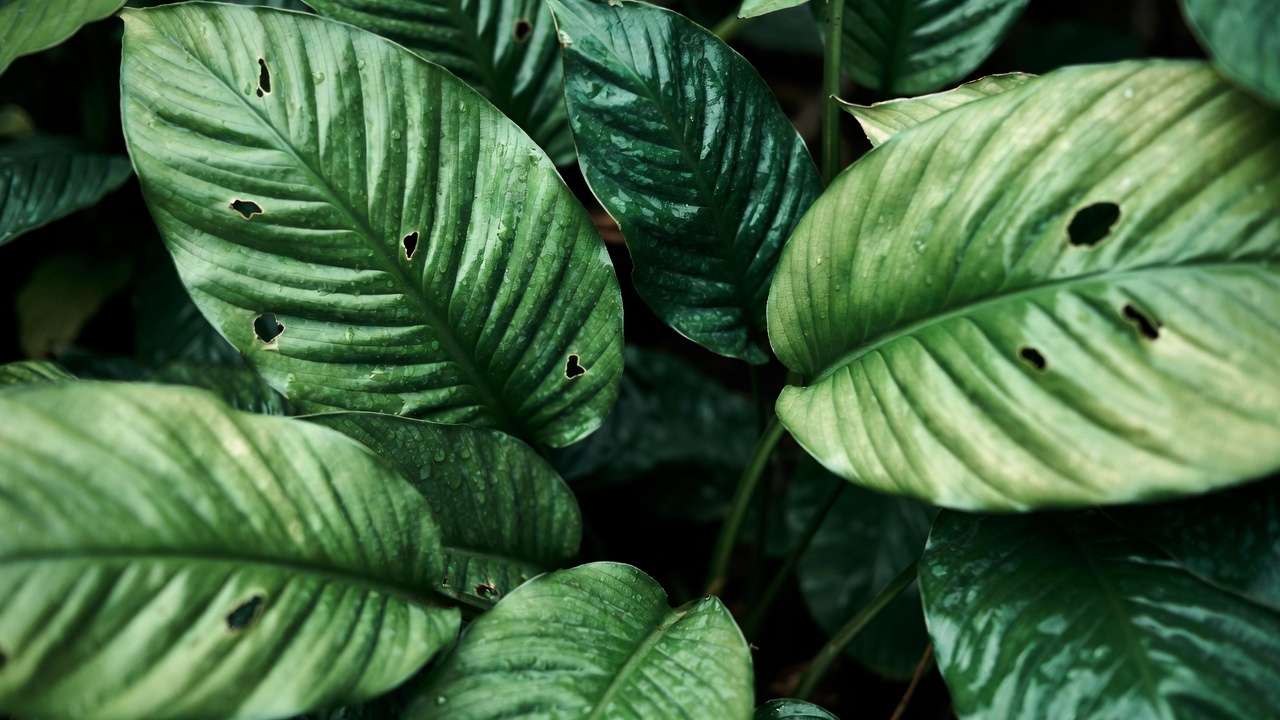
Key pollutants peace lilies target include:
- Formaldehyde 🌿 (from pressed-wood furniture, carpets)
- Benzene (cigarette smoke, paints, plastics)
- Trichloroethylene (TCE) (dry-cleaning solvents, inks)
- Ammonia (cleaning products, fertilizers)
- Xylene & toluene (some evidence from paints/thinners)
- Bonus: Up to 78% reduction in airborne mold spores in certain reports, plus modest particulate capture.
Recent 2025 research (e.g., sealed-chamber studies at high concentrations) showed peace lilies reducing ammonia by 51–64% and demonstrating increased transpiration under stress—proving resilience even in polluted setups. Pretty impressive for a humble houseplant! 🌟
Peace Lily Toxin Removal Effectiveness: Lab Results vs. Real-World Reality ⚖️
Here’s the balanced truth: Lab chambers (sealed, no ventilation) showed dramatic reductions—sometimes 70–90% of VOCs in 24 hours. But real homes aren’t sealed space stations.
Critiques (e.g., 2019 meta-analysis in the Journal of Exposure Science & Environmental Epidemiology, echoed by the American Lung Association) highlight:
- You’d need 100–1,000 plants per 10 square meters (or 10–1,000+ per room) to match ventilation’s natural dilution of pollutants.
- Typical homes exchange air 0.5–3 times per hour, diluting plant effects to modest/localized levels.
Yet newer studies (2022–2025) offer hope:
- Peace lilies in biofilters removed ~43% of cigarette-smoke VOCs in single-pass tests.
- High-ammonia setups saw 50–64% reductions.
- Mold spore drops up to 78% in some indoor trials.
- Combined with microbes, root zones drive most removal.
Verdict? Peace lily toxin removal effectiveness is modest but real—best for localized spots (e.g., near a new couch or in a small bedroom). It supplements ventilation, HEPA filters, and source control, not replaces them. Plus, the humidity and aesthetic perks are undeniable bonuses! 😄
Factors That Influence Peace Lily’s Air-Cleaning Performance 📈
Several key variables determine how effectively your peace lily tackles indoor toxins. Understanding these helps you optimize results in real homes—like those in humid, tropical climates such as Khulna! 😊
- Number of plants & room size — Classic estimates from Wolverton (NASA lead) suggest 2 large plants per 100 sq ft (about 9 m²) for noticeable benefits, but critiques point to 10–16+ for stronger effects in average rooms (e.g., 8×8 m). In practice, cluster 5–10 medium-sized peace lilies in a 200–300 sq ft living area for localized VOC reduction.
- Plant health & leaf surface area — Larger, lush plants with broad leaves absorb more. Healthy specimens (no yellowing) perform best—prune dead leaves to maximize surface exposure.
- Light levels — Peace lilies thrive in low to medium indirect light (perfect for Bangladeshi homes with shaded windows). Too little light slows transpiration; too much scorches leaves.
- Humidity & temperature — They love 40–60% humidity (common in Khulna), boosting stomata function. Warmer temps (20–30°C) enhance microbial activity in soil.
- Soil microbes — The rhizosphere (root zone) is the powerhouse! Healthy potting mix with organic matter fosters bacteria/fungi that break down VOCs—repot every 1–2 years to refresh.
- Airflow — Gentle circulation (fan or open door) helps pollutants reach leaves/soil without over-drying.
Recent 2025 studies (e.g., peace lily in high-ammonia/VOC chambers) showed transpiration jumps 38–48% under stress, proving adaptability. 🌱
How to Maximize Peace Lily Toxin Removal in Your Home (Practical Tips) 🏡💡
Ready to put science into action? Here’s expert guidance to boost your peace lily’s modest but meaningful benefits:
Strategic placement — Put them in high-pollution zones: near new furniture (formaldehyde off-gassing), kitchens (cooking odors/ammonia), or bedrooms (for overnight mold/spore reduction). Bathrooms love them for humidity tolerance!
Optimal care routine:
-
- Water when top 2–5 cm of soil feels dry (droopy leaves are your cue 😅).
- Use filtered/distilled water to avoid fluoride/chlorine buildup.
- Fertilize lightly (half-strength balanced every 6–8 weeks in growing season).
- Wipe leaves monthly to keep stomata clear.
-
- Group planting — Cluster 3–5 peace lilies together (or mix with companions) to create a mini biofilter zone—increases humidity & collective removal power.
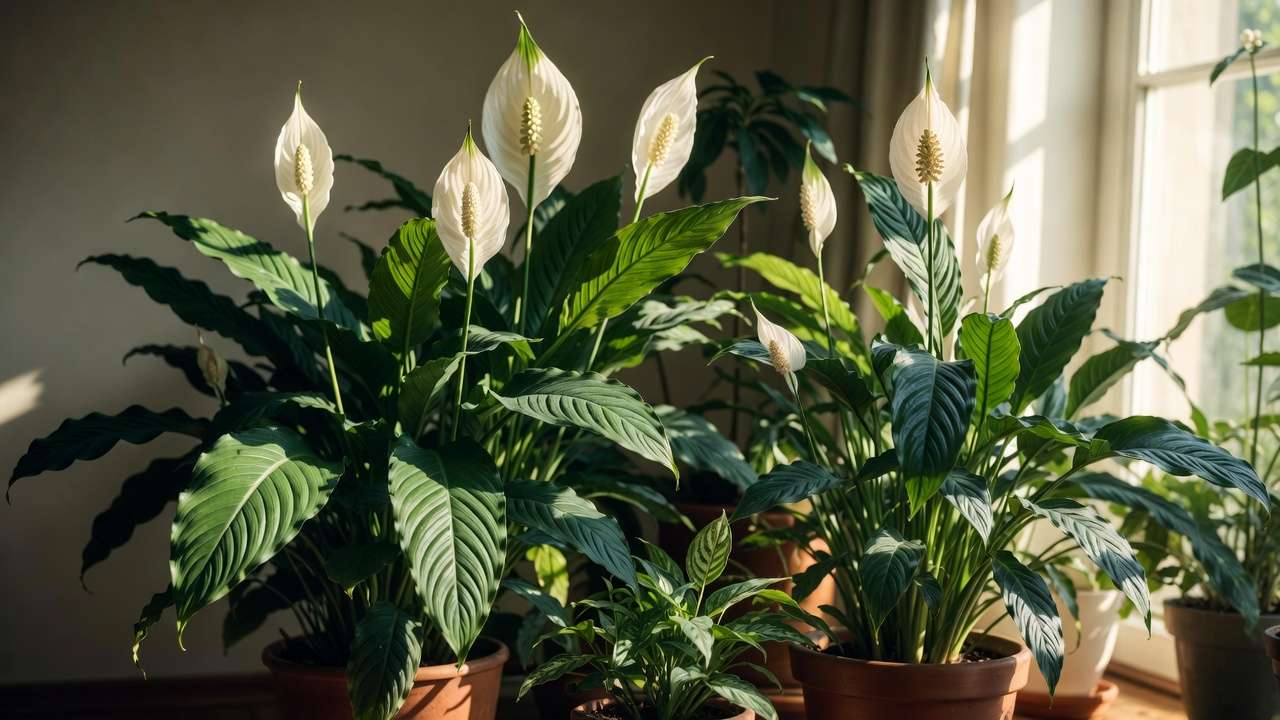
Combine with other plants — Pair with snake plant (nighttime CO₂ absorption), pothos (easy & hardy), or spider plant (formaldehyde champ) for broader coverage.
Enhance with active methods — Place near a small fan for better air movement, or try DIY soil exposure (remove top mulch occasionally) to expose root microbes.
Realistic goals — Use as a supplement: Open windows daily, avoid smoking indoors, choose low-VOC paints. Track improvements with affordable IAQ monitors if curious!
In humid spots like Khulna, peace lilies often thrive naturally—many locals report fresher-feeling rooms with just a few pots. 🌸
Potential Drawbacks & Safety Considerations ⚠️
No plant is perfect! Peace lilies are mildly toxic due to calcium oxalate crystals—if chewed by pets or kids, they cause mouth irritation, drooling, or swelling. Keep out of reach (especially curious cats 🐱). Overwatering leads to root rot (yellow leaves, soggy soil)—always use pots with drainage. Rarely, they trigger allergies in sensitive people. Irony alert: Poor care could ironically increase mold if soil stays too wet!
Peace Lily vs. Other Air-Purifying Plants: Quick Comparison 🆚
Here’s a handy table to see where peace lily stacks up (based on NASA + recent data):
| Plant | Top Toxins Removed | Light Needs | Pet Safety | Care Difficulty | Real-World Notes |
|---|---|---|---|---|---|
| Peace Lily | Formaldehyde, Benzene, TCE, Ammonia | Low–Medium | Toxic | Easy | Great humidity boost, blooms beautifully |
| Snake Plant | Formaldehyde, Benzene, TCE, CO₂ (night) | Low | Toxic | Very Easy | Tough, excellent for bedrooms |
| Pothos | Formaldehyde, Benzene, Xylene | Low–Medium | Toxic | Super Easy | Trailing, fast-growing |
| Spider Plant | Formaldehyde, Xylene, CO | Medium | Safe | Easy | Produces babies, great for beginners |
| Areca Palm | Formaldehyde, Xylene | Bright Indirect | Safe | Medium | Adds tropical vibe, higher maintenance |

Peace lily wins for elegance + ammonia/mold control, but mix for best results! 🌿
Final Verdict: Should You Get a Peace Lily for Cleaner Air? 🌟
Yes—with realistic expectations! Peace lily toxin removal effectiveness is proven in labs (NASA classics + 2025 high-concentration studies showing 51–64% ammonia drops, mold reductions up to 28–78% in reports), but modest in homes due to ventilation. It won’t replace an air purifier or open windows, but it delivers small, cumulative wins: localized VOC/mold reduction, higher humidity, stress relief, and stunning aesthetics.
Ideal for: Apartment dwellers, low-light rooms, humidity-loving spaces like Khulna homes, or anyone wanting beauty + subtle health perks. Skip if you have pets/kids who nibble plants.

FAQs About Peace Lily Toxin Removal Effectiveness ❓
How many peace lilies do I need to purify a room? 🤔 Roughly 5–10 medium plants in a 150–250 sq ft room for modest localized benefits—focus on quality over quantity!
Do peace lilies remove CO₂ or add oxygen at night? They release a tiny amount of CO₂ at night (like most plants), but excel at daytime photosynthesis. Snake plants are better for nighttime O₂.
Are peace lilies still worth it in 2026? Absolutely! Recent 2025 research reaffirms their resilience in polluted setups, plus wellness perks. They’re low-effort value-adds.
Can peace lilies remove cigarette smoke or cooking odors? Yes—modestly! Studies show ~43% single-pass VOC reduction from smoke; great near kitchens for ammonia/odors.
Do they really reduce mold spores? Some reports show up to 78% in chambers, 28% in rooms—helpful in humid climates, but good ventilation is key.
How long until I notice cleaner air? Weeks to months for subtle changes—combine with habits for best results.
Are there pet-safe alternatives? Yes—spider plant, Boston fern, or areca palm offer similar benefits without toxicity risks.
Conclusion 🌿❤️
Peace lilies aren’t magic toxin vacuums, but they’re far from useless hype. Backed by decades of research—from NASA’s pioneering work to cutting-edge 2025 biofiltration trials—they offer genuine, modest air-quality support alongside unmatched beauty and humidity benefits. In a world of indoor living, adding a few healthy peace lilies is an easy, joyful step toward fresher air and a happier home.
Ready to bring one (or five) home? Start with good care, place thoughtfully, and enjoy the subtle glow-up. Share your peace lily wins in the comments—I’d love to hear how they’re working in your space! 💚🌱











