
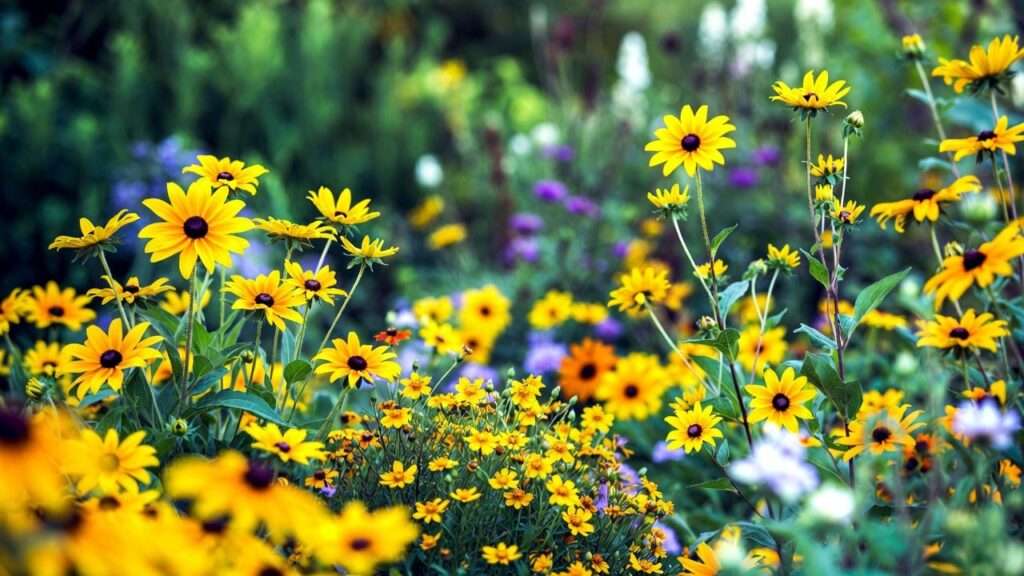
Imagine stepping into your garden on a crisp morning, greeted by a sea of vibrant yellow flowers swaying gently in the breeze—cheerful blooms that return faithfully every year, no replanting required. 🌞 There’s something undeniably uplifting about yellow perennial flowers; they evoke sunshine, joy, and endless summer days, even on cloudy ones. If you’re searching for the best perennial plant with yellow blooms to transform your landscape into a low-maintenance haven of color, you’ve come to the right place.
As a horticulturist with over 15 years of hands-on experience designing and maintaining perennial gardens across USDA zones 3-9—from the harsh winters of the Midwest to the milder coasts—I’ve tested hundreds of varieties in real-world conditions. I’ve seen what thrives, what flops, and what brings the most pollinators buzzing 🐝 and compliments flowing. Yellow-blooming perennials are among my favorites because they’re tough, reliable, and incredibly rewarding. They save time and money compared to annuals, attract bees and butterflies, and provide seasonal interest year after year.
In this comprehensive guide, we’ll dive deep into the top 12 proven performers for yellow perennial flowers. I’ll share detailed care tips, design ideas, common pitfalls, and pro insights to help you succeed—whether you’re a beginner building your first border or a seasoned gardener looking to add more sunshine. By the end, you’ll know exactly which varieties suit your soil, climate, and style, plus how to keep them blooming beautifully for decades. Let’s brighten your garden together! 🌻
:max_bytes(150000):strip_icc()/yellow-perennial-flower-hero-1123-6b83bced386e4d048890f95425275786.jpg)
What Makes a Perennial Plant Truly “Perennial”? 🌱
Before we explore the best yellow-blooming options, let’s clarify what sets true perennials apart. A perennial plant is one that lives for more than two years, dying back to the ground in winter (in cold climates) but regrowing vigorously from roots or crowns each spring. Unlike annuals that complete their life cycle in one season or biennials that take two, hardy perennials like black-eyed Susans or coreopsis can thrive for 10+ years with proper care.
The magic of perennials? They establish deep root systems, becoming more drought-tolerant and robust over time. This means less watering, fewer replacements, and a garden that matures beautifully. Yellow perennial flowers excel here because many are native or adapted to North American conditions, making them eco-friendly choices that support local wildlife. Plus, in my experience trialing plants for clients, reliable yellow perennials often self-seed gently or spread via rhizomes, filling gaps naturally without becoming invasive.
Key to success: Match the plant’s hardiness zone (USDA zones indicate minimum winter temperatures it can survive). Most yellow perennials we’ll discuss are hardy in zones 3-9, but always check labels for your area.
Top 12 Best Perennial Plants with Yellow Blooms 🌼
Here are my handpicked top 12 yellow-blooming perennials—selected for reliability, bloom duration, ease of care, and visual impact. These are the varieties I’ve recommended most often to clients and grown successfully in diverse gardens. Each offers unique traits, from compact dwarfs for containers to tall backdrop plants.
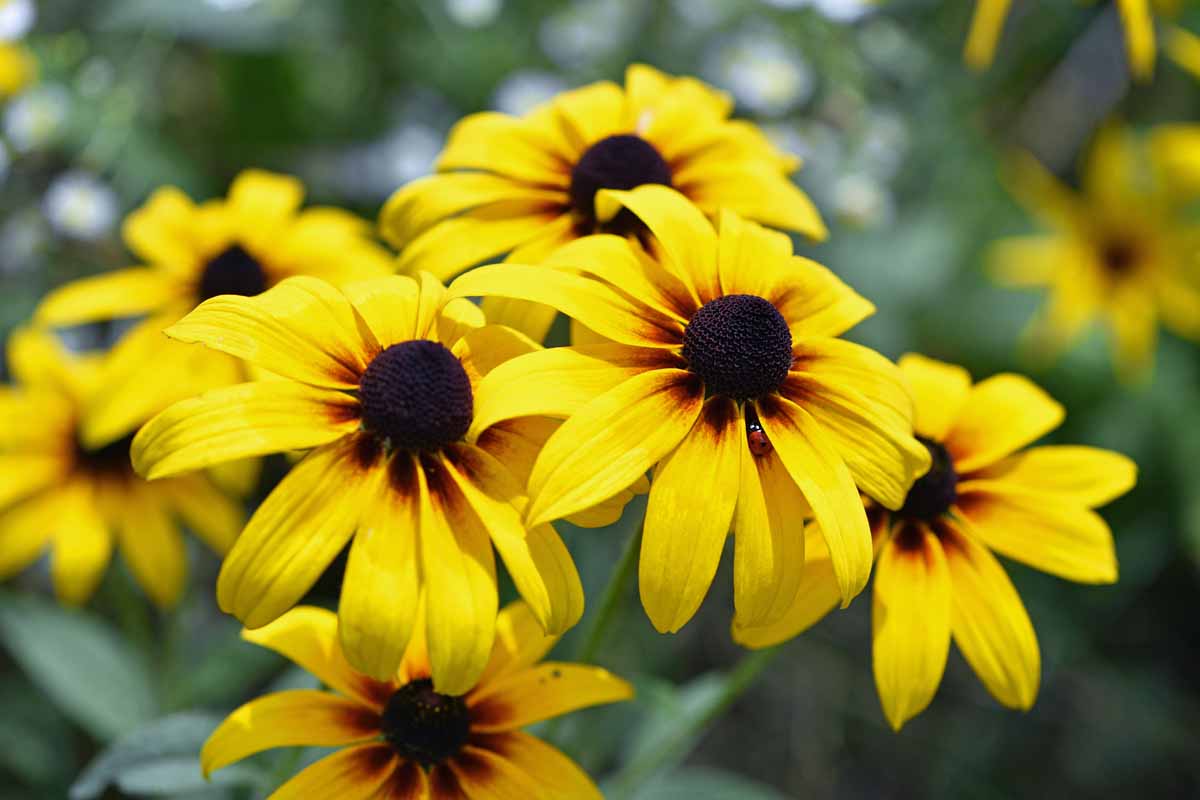
1. Black-Eyed Susan (Rudbeckia hirta or Rudbeckia fulgida) ⭐
The quintessential sunny perennial! Black-eyed Susans feature daisy-like golden-yellow petals surrounding a dark brown center, blooming profusely from midsummer to fall.
- Bloom Time: June to October (often the longest bloomer)
- Height/Spread: 2-3 feet tall, 1-2 feet wide
- USDA Zones: 3-9
- Light/Soil/Water: Full sun; average, well-drained soil; drought-tolerant once established
- Unique Features: Attracts butterflies and birds (goldfinches love the seeds); excellent cut flower; deer-resistant
- Pros/Cons: Extremely tough and low-maintenance; can self-seed vigorously (easy to control)
- Expert Tip: For continuous blooms, choose perennial Rudbeckia fulgida varieties like ‘Goldsturm’—in my gardens, they’ve outlasted others by years.
- Companions: Purple coneflowers, salvia, or ornamental grasses
2. Coreopsis (Tickseed) – ‘Moonbeam’ and ‘Zagreb’
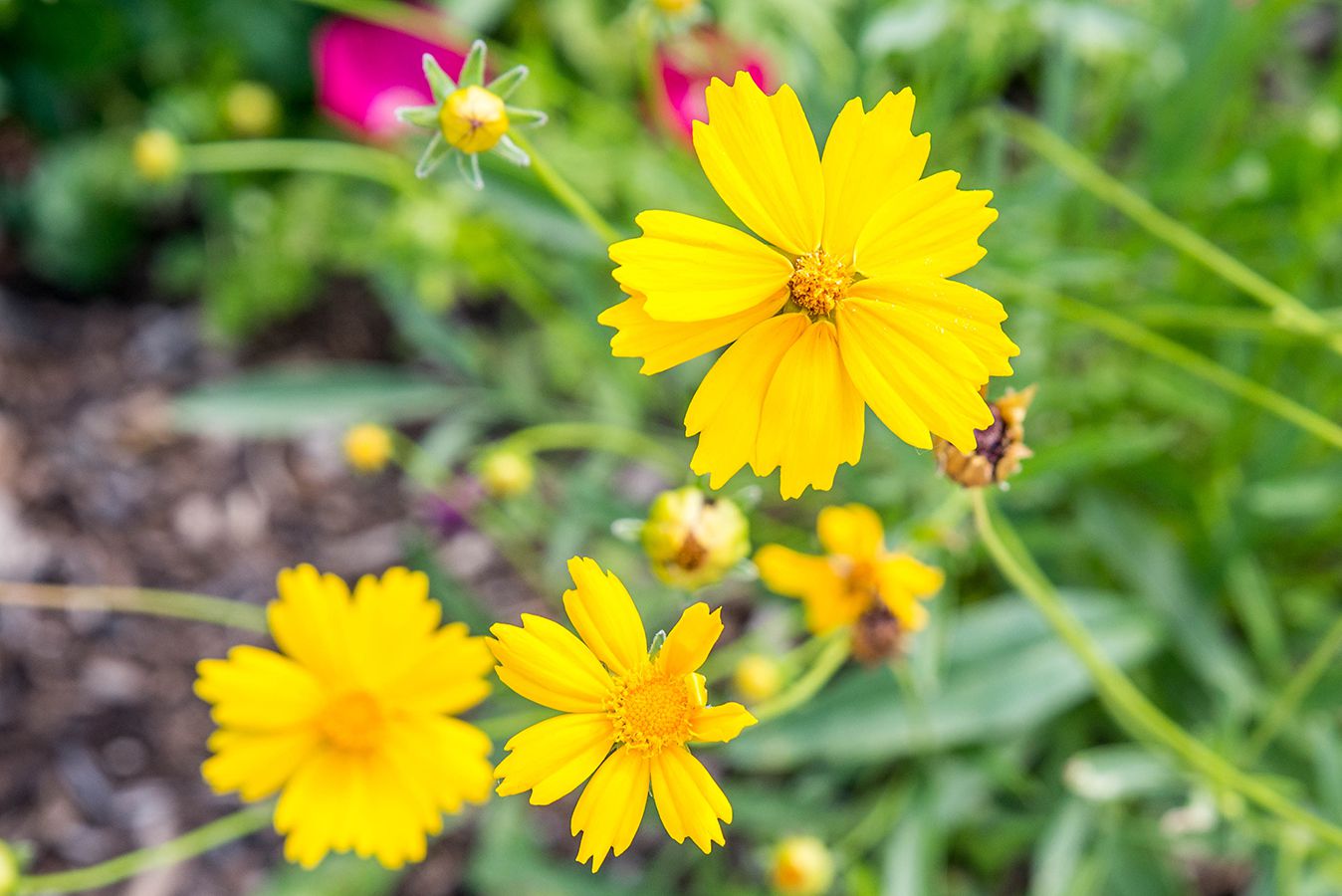
Threadleaf coreopsis varieties like pale yellow ‘Moonbeam’ or golden ‘Zagreb’ deliver delicate, fern-like foliage and masses of star-shaped flowers.
- Bloom Time: Early summer to fall (deadhead for rebloom)
- Height/Spread: 18-24 inches tall, 18-24 inches wide
- USDA Zones: 3-9
- Light/Soil/Water: Full sun; poor to average soil; very drought-tolerant
- Unique Features: Airy texture; pollinator magnet; sterile hybrids don’t self-seed
- Pros/Cons: Non-stop blooms; short-lived in wet soils (3-5 years)
- Expert Tip: Shear back by half in midsummer for a fresh flush—I’ve doubled bloom time this way in client borders.
- Companions: Lavender, catmint, or Russian sage
3. Daylily (Hemerocallis) – ‘Stella de Oro’
The ever-popular ‘Stella de Oro’ is a compact reblooming daylily with trumpet-shaped golden-yellow flowers.
- Bloom Time: Early summer to frost (reblooms reliably)
- Height/Spread: 12-18 inches tall, 18-24 inches wide
- USDA Zones: 3-9
- Light/Soil/Water: Full sun to part shade; adaptable soil; moderate water
- Unique Features: Each flower lasts one day, but plants produce dozens; edible blooms
- Pros/Cons: Tough as nails; can spread quickly
- Expert Tip: Divide every 3-4 years for best performance—I’ve revived tired clumps this way countless times.
- Companions: Hostas, astilbe, or irises
:max_bytes(150000):strip_icc()/stella-de-oro-bloom-big-56a585883df78cf77288afda.jpg)
4. Yarrow (Achillea) – ‘Moonshine’ and ‘Coronation Gold’
Flat-topped clusters of bright lemon-yellow flowers atop silvery foliage make yarrow a standout.
- Bloom Time: June to September
- Height/Spread: 18-36 inches tall, 18-24 inches wide
- USDA Zones: 3-9
- Light/Soil/Water: Full sun; dry, well-drained soil; extremely drought-tolerant
- Unique Features: Aromatic foliage; great dried flower; deer and rabbit resistant
- Pros/Cons: Spreads steadily; can flop in rich soil
- Expert Tip: Stake tall varieties early or cut back in spring for sturdier plants.
- Companions: Echinacea, sedum, or alliums

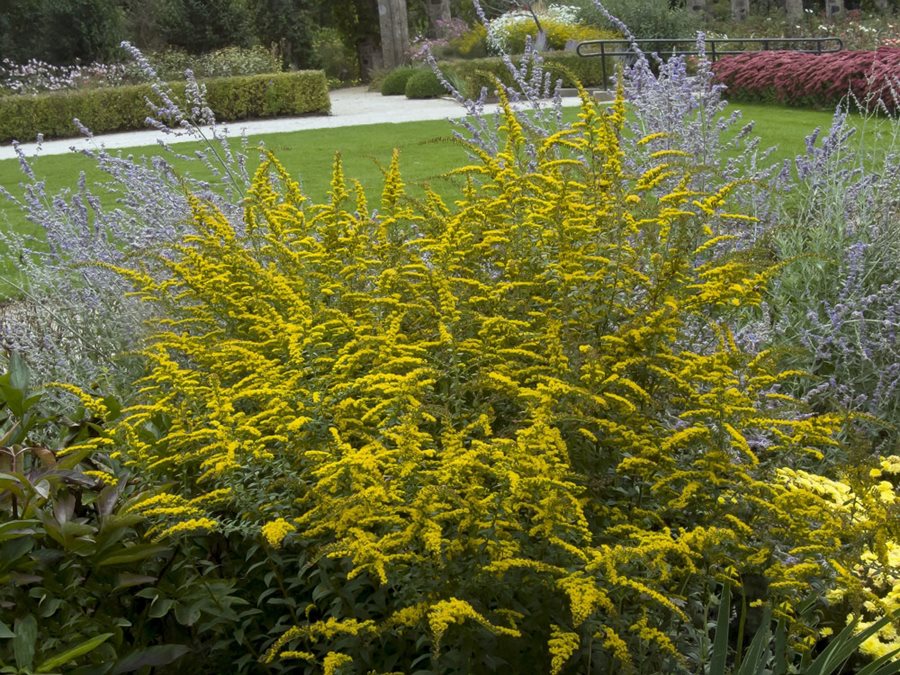
5. Goldenrod (Solidago) – Cultivars like ‘Fireworks’
Late-season golden plumes debunk the allergy myth (ragweed is the culprit!).
- Bloom Time: August to October
- Height/Spread: 3-5 feet tall, 2-3 feet wide
- USDA Zones: 4-9
- Light/Soil/Water: Full sun; average soil; drought-tolerant
- Unique Features: Arching sprays; top pollinator plant
- Pros/Cons: Native and eco-friendly; some older types aggressive
- Expert Tip: Choose compact cultivars like ‘Fireworks’—they’re well-behaved and spectacular in mass.
- Companions: Asters, Joe Pye weed
6. Heliopsis (False Sunflower) – ‘Summer Sun’
Bold, sunflower-like blooms on sturdy stems.
- Bloom Time: July to September
- Height/Spread: 3-4 feet tall, 2 feet wide
- USDA Zones: 3-9
- Light/Soil/Water: Full sun; tolerant of poor soil
- Unique Features: Long-lasting cut flowers
- Expert Tip: No staking needed—great backbone plant.
7. Ligularia – ‘The Rocket’
Spikes of yellow flowers for shady spots.
- Bloom Time: Midsummer
- Height/Spread: 4-5 feet tall
- USDA Zones: 4-8
- Light/Soil/Water: Part to full shade; moist soil
- Expert Tip: Perfect for boggy areas.
8. Evening Primrose (Oenothera fruticosa)
Fragrant flowers open at dusk.
- Bloom Time: June to August
- Height/Spread: 12-24 inches
- USDA Zones: 4-8
- Unique Features: Night-blooming for moon gardens.
9. Blanket Flower (Gaillardia) – Yellow Hybrids
Daisy-like red-yellow bicolor or pure yellow.
- Bloom Time: June to frost
- USDA Zones: 3-10
- Expert Tip: Heat-loving for hot climates.
10. Helenium (Sneezeweed) – Autumn Yellows
Daisy flowers in warm yellows.
- Bloom Time: Late summer to fall
- USDA Zones: 3-8
11. Trollius (Globeflower)
Buttercup-like for moist shade.
- Bloom Time: Spring to early summer
- USDA Zones: 3-7
12. Shasta Daisy Variants with Yellow Centers (e.g., ‘Banana Cream’)
Classic white with sunny centers, but some hybrids lean yellow.
Now that we’ve covered the top varieties…
How to Choose the Right Yellow Perennial for Your Garden 🏡
Factors to Consider
Selecting the perfect perennial plant with yellow blooms starts with your site conditions…
6. Heliopsis (False Sunflower) – ‘Summer Sun’ or ‘Summer Nights’
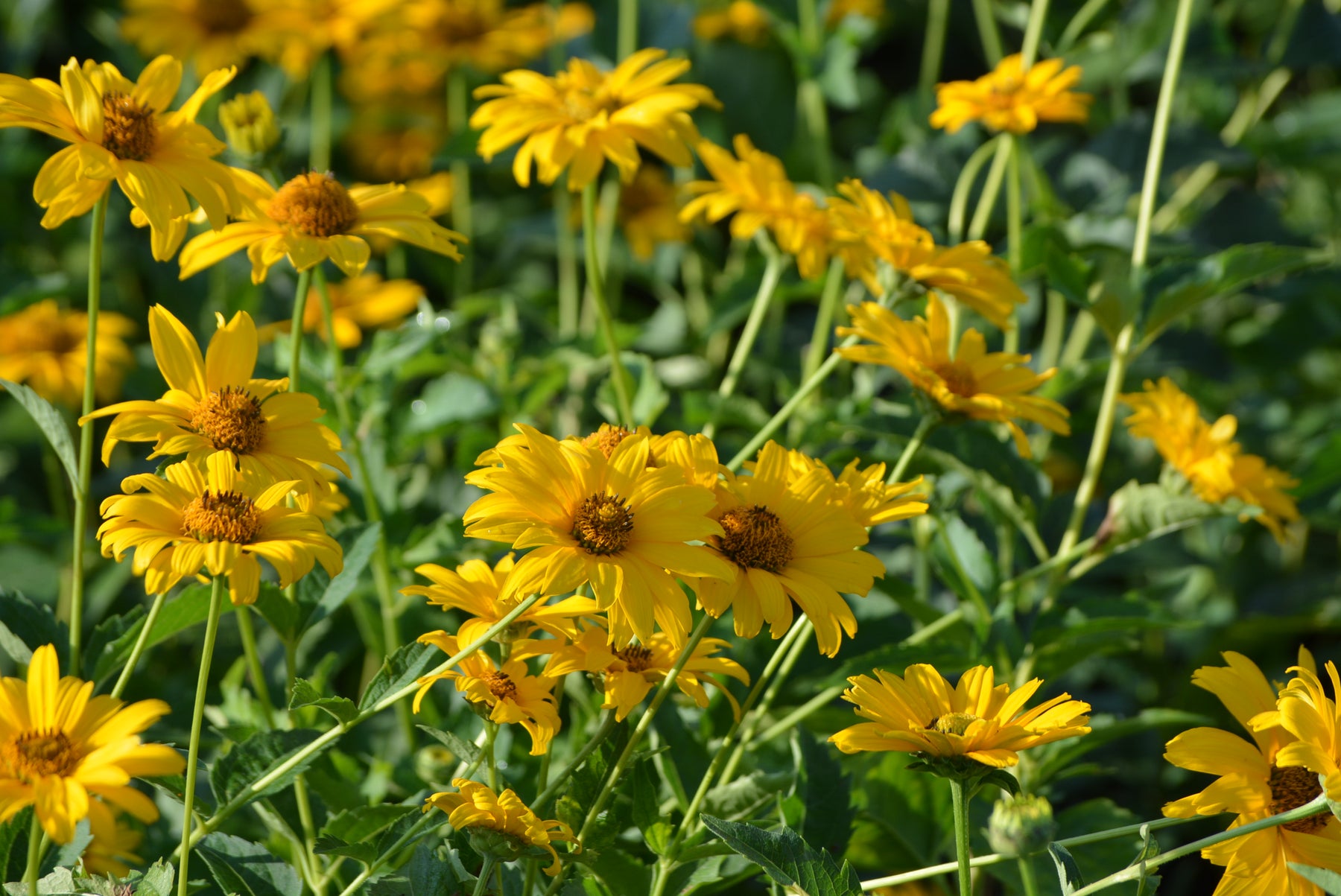
Resembling miniature sunflowers, Heliopsis brings bold, cheerful yellow daisy-like blooms on tall, sturdy stems—perfect for adding height and drama to the back of borders.
- Bloom Time: July to September (often into October with deadheading)
- Height/Spread: 3-4 feet tall, 2-3 feet wide
- USDA Zones: 3-9
- Light/Soil/Water: Full sun; average to poor, well-drained soil; highly drought-tolerant once established
- Unique Features: Long-lasting as cut flowers; attracts birds and butterflies; mildew-resistant varieties available
- Pros/Cons: Rarely needs staking; can self-seed mildly
- Expert Tip: In my prairie-style client gardens, Heliopsis pairs brilliantly as a native alternative to true sunflowers—zero maintenance after year two.
- Companions: Purple liatris, echinacea, or switchgrass
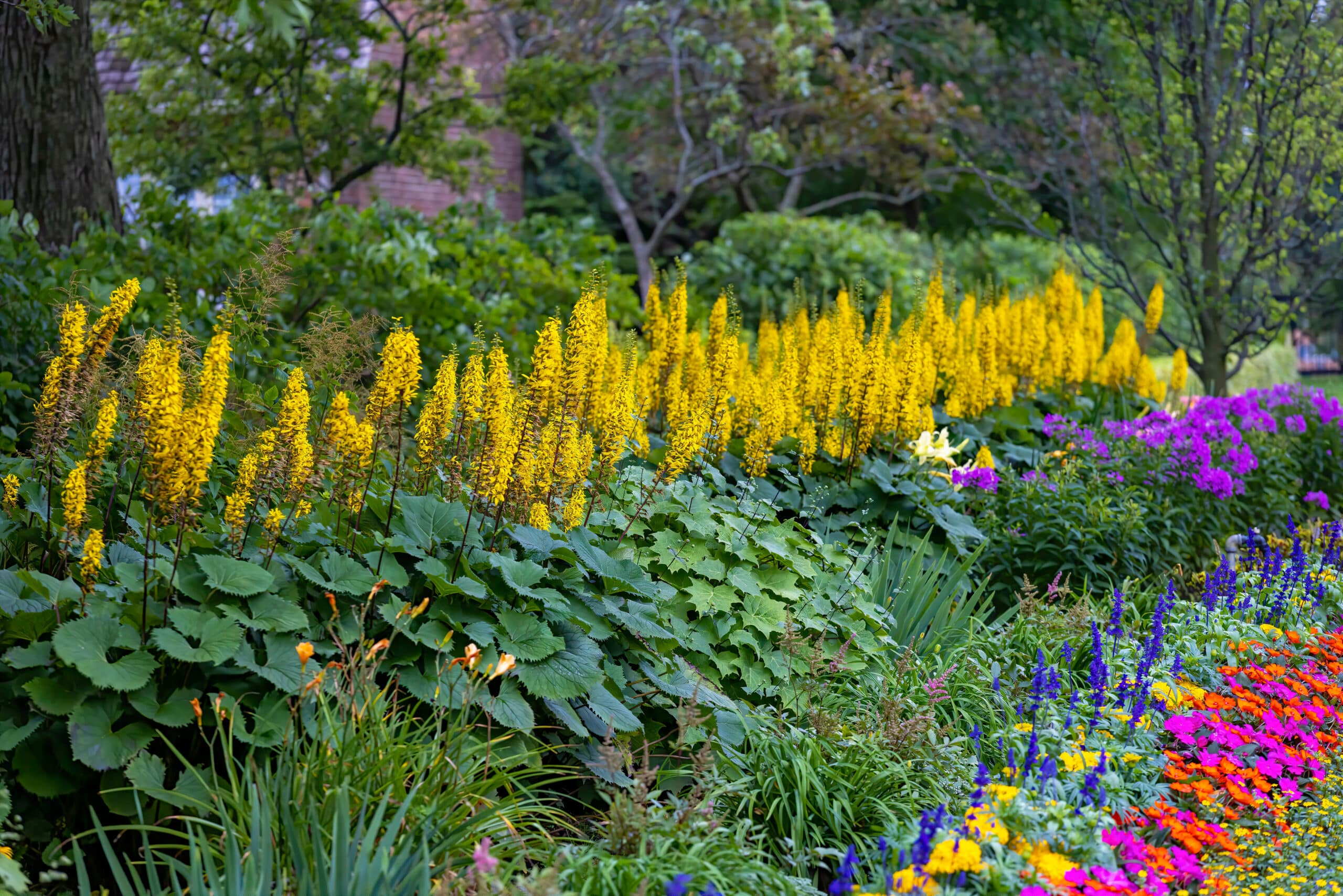
7. Ligularia – ‘The Rocket’ 🌿 (Shade-Loving Option)
For those shady spots where most yellow perennials struggle, Ligularia delivers dramatic spikes of bright yellow flowers above large, bold foliage.
- Bloom Time: Mid to late summer
- Height/Spread: 4-6 feet tall, 3 feet wide
- USDA Zones: 4-8
- Light/Soil/Water: Part to full shade; rich, consistently moist soil (ideal for boggy areas)
- Unique Features: Architectural leaves; striking contrast in woodland gardens
- Pros/Cons: Adds rare yellow to shade; slugs can be an issue in wet conditions
- Expert Tip: Mulch heavily to retain moisture—I’ve used it successfully to light up dark corners under trees.
- Companions: Hostas, astilbe, ferns
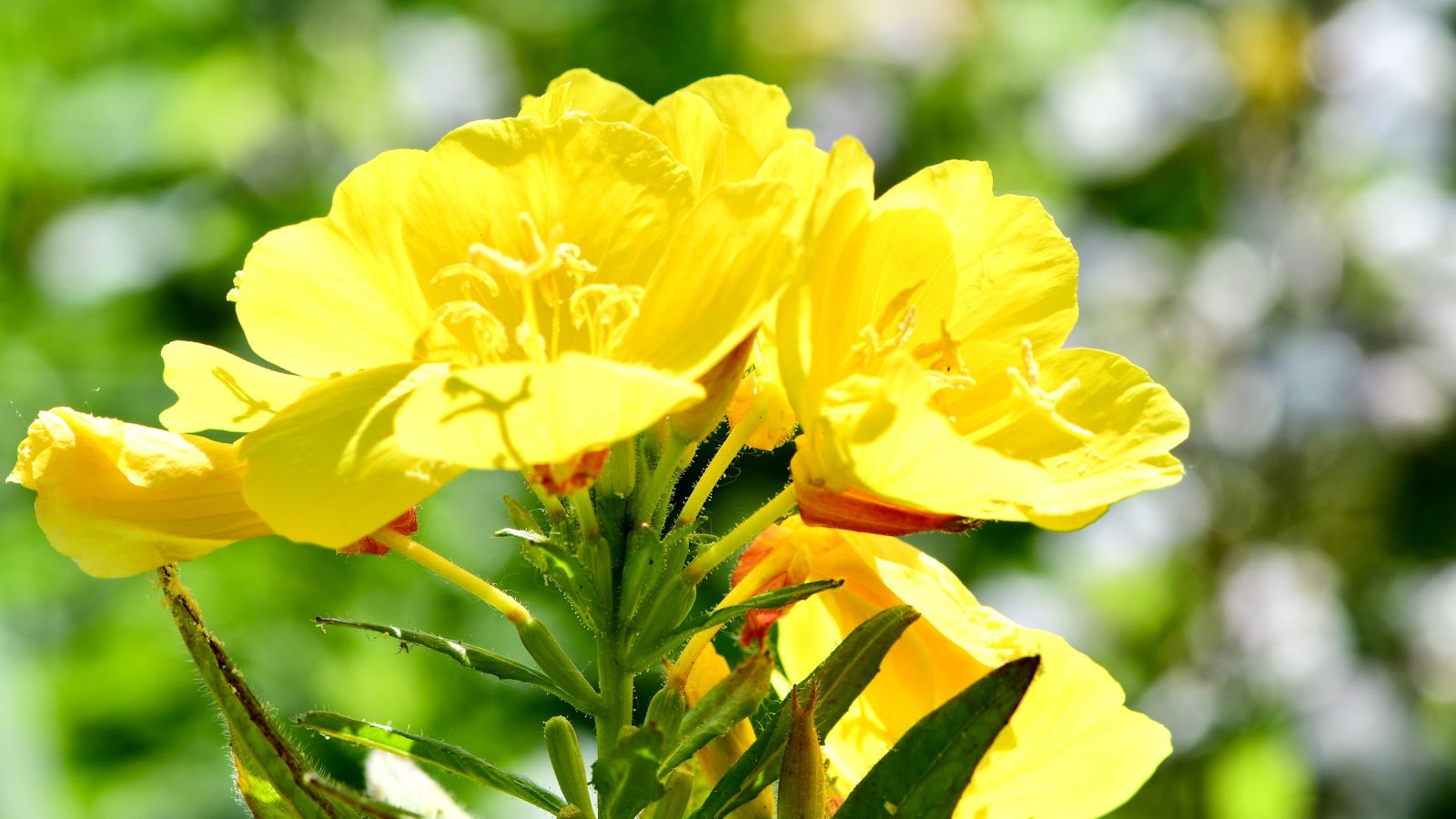
8. Evening Primrose (Oenothera fruticosa)
Bright lemon-yellow cups that open in the evening, releasing a sweet fragrance for night pollinators like moths.
- Bloom Time: June to August
- Height/Spread: 12-24 inches tall, 18 inches wide
- USDA Zones: 4-8
- Light/Soil/Water: Full sun; dry, sandy soil; extremely drought-tolerant
- Unique Features: Flowers open at dusk; native wildflower vibe
- Pros/Cons: Low-growing groundcover potential; can spread aggressively in ideal conditions
- Expert Tip: Plant near patios for evening enjoyment—clients love the glowing effect under moonlight.
- Companions: Penstemon, salvia, or gravel paths
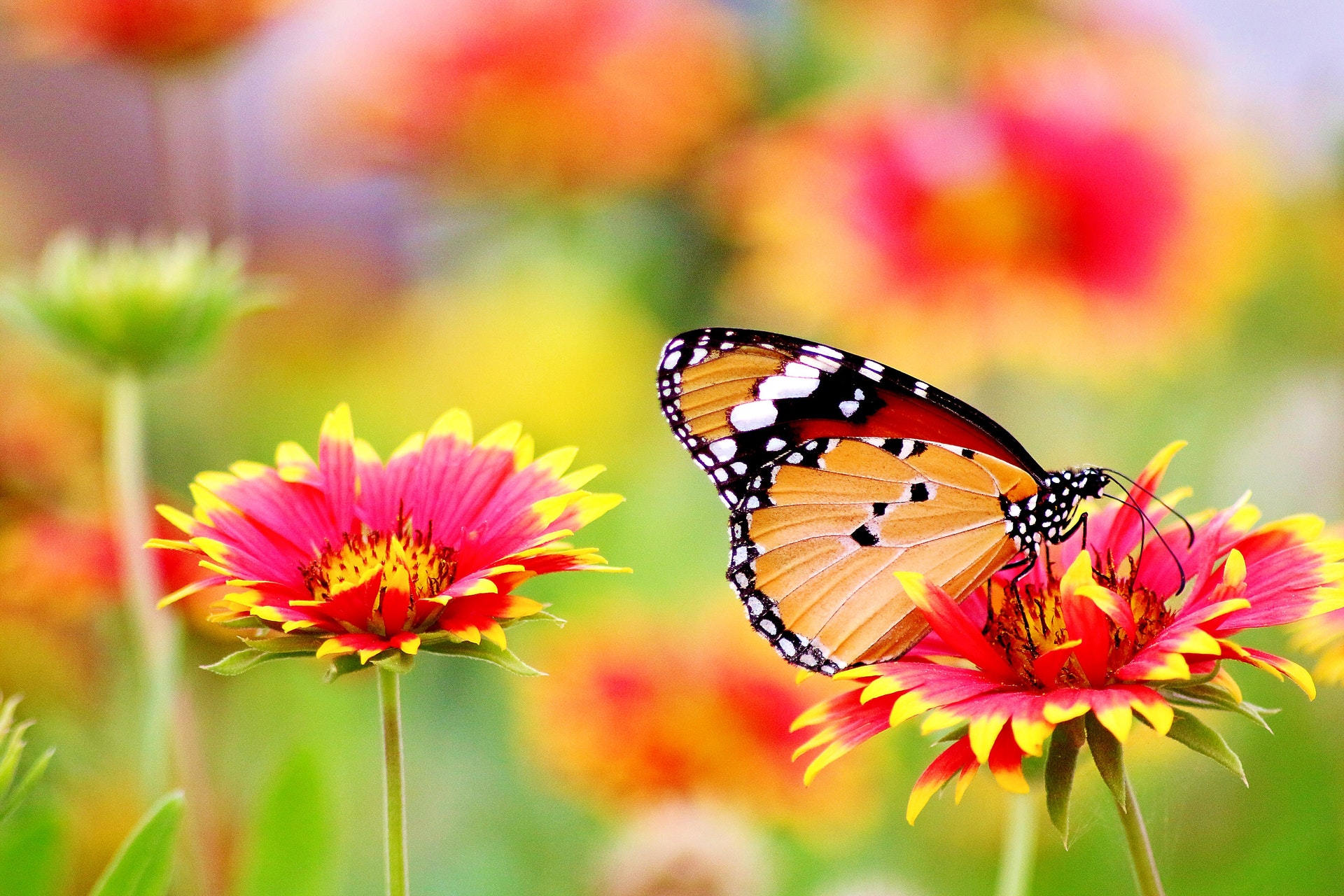
9. Blanket Flower (Gaillardia) – Yellow Hybrids like ‘Goblin’ or ‘Mesa Yellow’
Vibrant daisy-like blooms in pure yellow or bicolor, thriving in hot, sunny spots.
- Bloom Time: June to frost (one of the longest)
- Height/Spread: 12-30 inches tall, 18-24 inches wide
- USDA Zones: 3-10
- Light/Soil/Water: Full sun; poor, well-drained soil; very drought- and heat-tolerant
- Unique Features: Native flair; continuous blooms with deadheading
- Pros/Cons: Short-lived (3-5 years) but self-seeds reliably
- Expert Tip: Excellent for xeriscapes—I’ve used it in coastal and desert-inspired designs with great success.
- Companions: Yarrow, sedum, or blue fescue

10. Helenium (Sneezeweed) – Varieties like ‘Moerheim Beauty’ (Yellow Forms)
Warm yellow to gold daisy flowers for late-season punch.
- Bloom Time: Late summer to fall
- Height/Spread: 3-5 feet tall, 2 feet wide
- USDA Zones: 3-8
- Light/Soil/Water: Full sun; moist, fertile soil
- Unique Features: Extends color into autumn; pollinator favorite
- Pros/Cons: May need staking in wind; dislikes dry soil
- Expert Tip: Pinch in early summer for bushier plants and more blooms.
- Companions: Asters, ornamental grasses
:max_bytes(150000):strip_icc()/helenium-flowers-1316035-05-2a866c4ddd8349b99931bb49db9fb797.jpg)
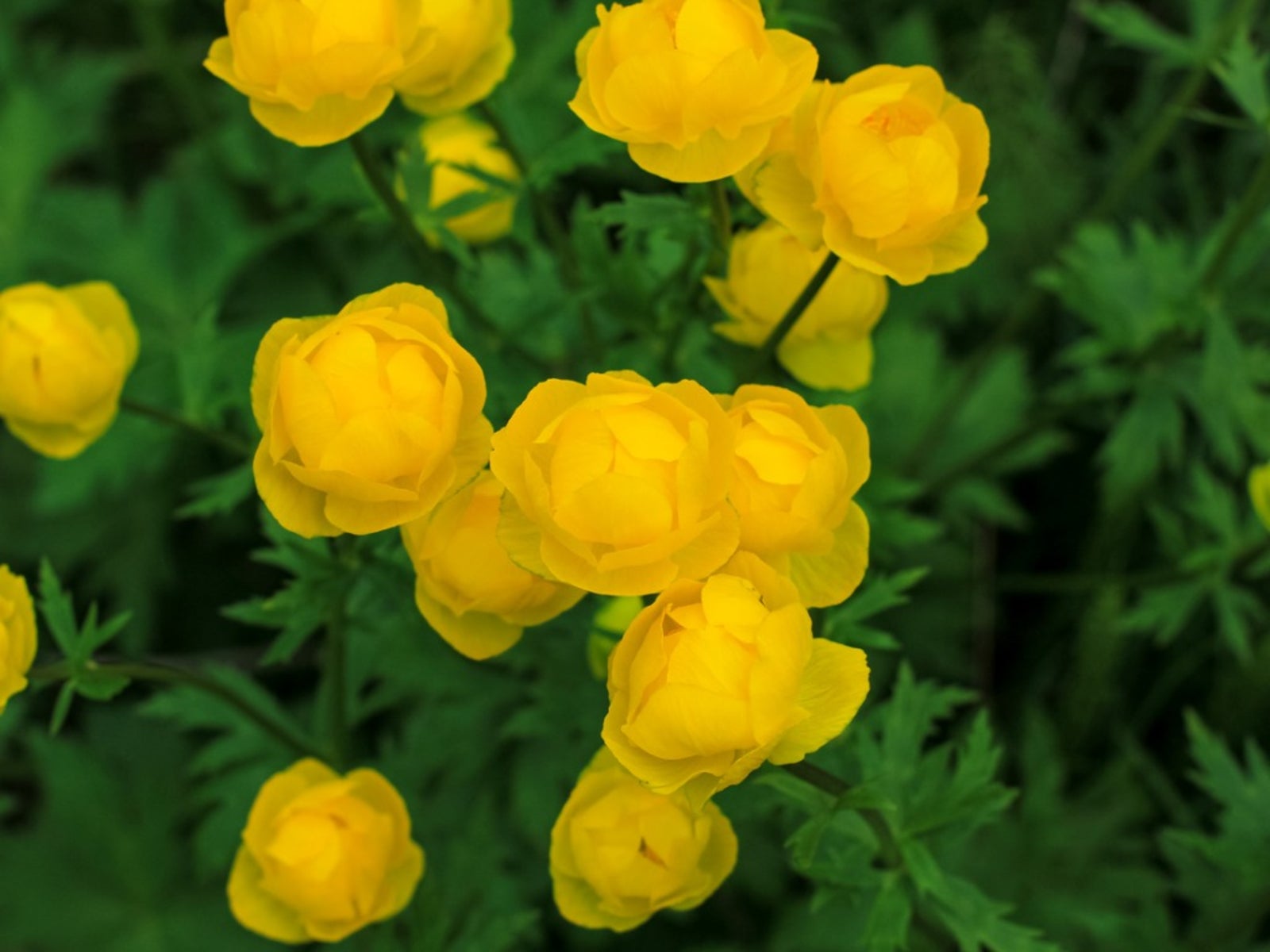
11. Trollius (Globeflower)
Globe-shaped buttercup-yellow flowers for cool, moist areas.
- Bloom Time: Late spring to early summer
- Height/Spread: 18-30 inches tall, 18 inches wide
- USDA Zones: 3-7
- Light/Soil/Water: Part shade; rich, consistently moist soil
- Unique Features: Early season color; great for streamside planting
- Pros/Cons: Dislikes heat/drought; long-lived in right spot
- Expert Tip: Combine with primroses for a spring spectacle in woodland edges.
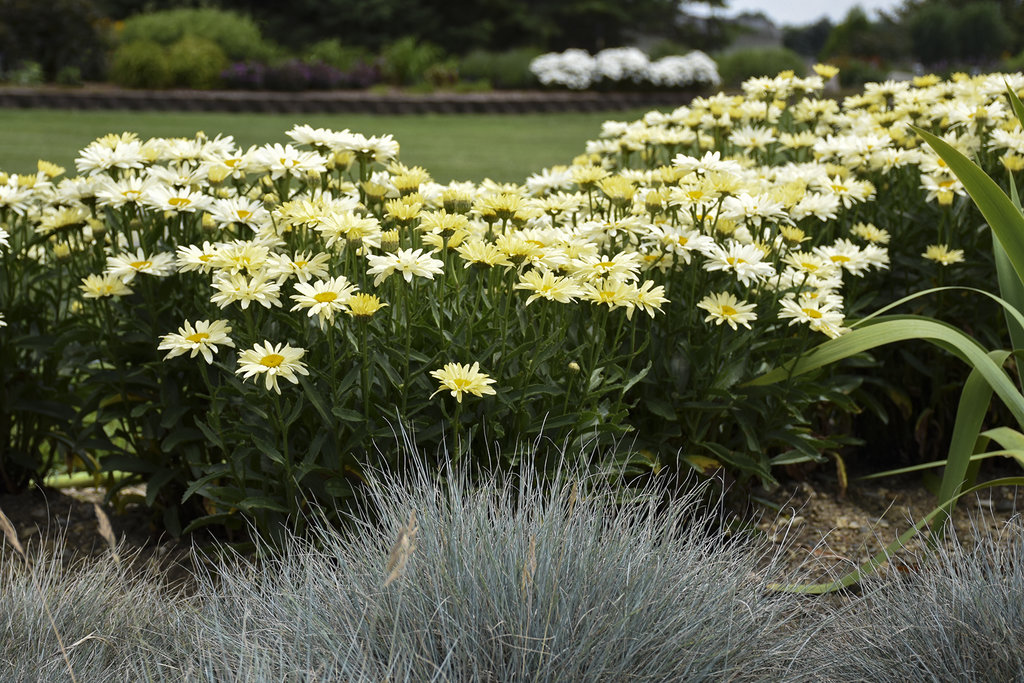
12. Shasta Daisy Variants – ‘Banana Cream’ (Leucanthemum superbum)
Evolving classic with soft lemon-yellow blooms that fade to cream.
- Bloom Time: June to September (reblooms with deadheading)
- Height/Spread: 18-24 inches tall, 18-24 inches wide
- USDA Zones: 4-9
- Light/Soil/Water: Full sun to light shade; average soil
- Unique Features: Improved disease resistance; prolific bloomer
- Pros/Cons: Compact and sturdy; attracts butterflies
- Expert Tip: ‘Banana Cream’ is my go-to for softer yellow tones in cottage gardens—far superior to older varieties.
How to Choose the Right Yellow Perennial for Your Garden 🏡
Choosing the ideal perennial plant with yellow blooms boils down to matching the plant to your specific conditions—avoiding mismatches is the biggest reason gardens fail.
Factors to Consider (H3)
- Sun Exposure: Most yellow perennials demand full sun (6+ hours), but options like Ligularia and Trollius handle part or full shade.
- Soil Type and Drainage: Drought-tolerant picks (coreopsis, gaillardia) love poor, dry soil; moisture-lovers (ligularia, trollius) need rich, wetter ground.
- Climate and USDA Zone: Check your zone—northern gardeners lean on zones 3-5 hardy options like rudbeckia; southerners benefit from heat-tolerant gaillardia.
- Garden Style: Cottage gardens suit black-eyed Susans and daylilies; modern designs favor clean-lined coreopsis or heliopsis.
- Height and Spread: Layer tall (helenium, goldenrod) at the back, medium (rudbeckia) in middle, compact (stella de oro daylily) up front.
- Additional Needs: Pollinator support? Choose natives like goldenrod. Deer issues? Opt for yarrow or rudbeckia.
Best Yellow Perennials by Garden Condition (H3)
- Full Sun & Dry Soil: Coreopsis, Gaillardia, Yarrow, Evening Primrose 🏜️
- Part Shade & Moist Soil: Ligularia, Trollius, Certain Daylilies 💧
- Deer-Resistant Picks: Yarrow, Rudbeckia, Coreopsis (strong scents deter browsers)
- Compact for Containers/Small Spaces: ‘Stella de Oro’ Daylily, ‘Zagreb’ Coreopsis, Dwarf Gaillardia 🪴
Expert Care Guide for Yellow-Blooming Perennials 🌿
Success with these plants comes from mimicking their natural habitats—here’s my proven routine from years of professional installations.
Planting Tips for Success (H3)
- Best Times: Spring or fall (avoid summer heat stress). Fall planting allows roots to establish before winter.
- Site Preparation: Amend heavy clay with compost for drainage; add grit to sandy soils for moisture retention.
- Spacing and Depth: Follow tag recommendations—crowding leads to disease. Plant crown at soil level to prevent rot.
Ongoing Maintenance (H3)
- Watering: Deeply but infrequently during first year; most become drought-tolerant after.
- Fertilizing: Minimal—overfeeding causes leggy growth. Use slow-release organic in spring if soil is poor.
- Deadheading and Pruning: Snip spent blooms on coreopsis, rudbeckia, gaillardia for rebloom. Cut back in late fall or early spring.
- Dividing: Every 3-5 years in spring or fall to rejuvenate—essential for daylilies and rudbeckia.
Winter Care and Overwintering (H3)
- Mulching: 2-3 inches of organic mulch protects roots in zones 3-5.
- Protecting Tender Varieties: Cover ligularia crowns in harsh winters.
- Leave Seedheads: For winter interest and bird food (goldenrod, rudbeckia).
Common Pests and Diseases + Organic Solutions (H3)
- Aphids: Hose off or use insecticidal soap.
- Powdery Mildew: Improve air circulation; choose resistant varieties like ‘Goldsturm’ rudbeckia.
- Slugs: Beer traps or diatomaceous earth around ligularia.
Design Ideas: Incorporating Yellow Blooms into Your Landscape 🎨
Yellow acts as a highlighter in gardens—use sparingly for pop or boldly for cheer.
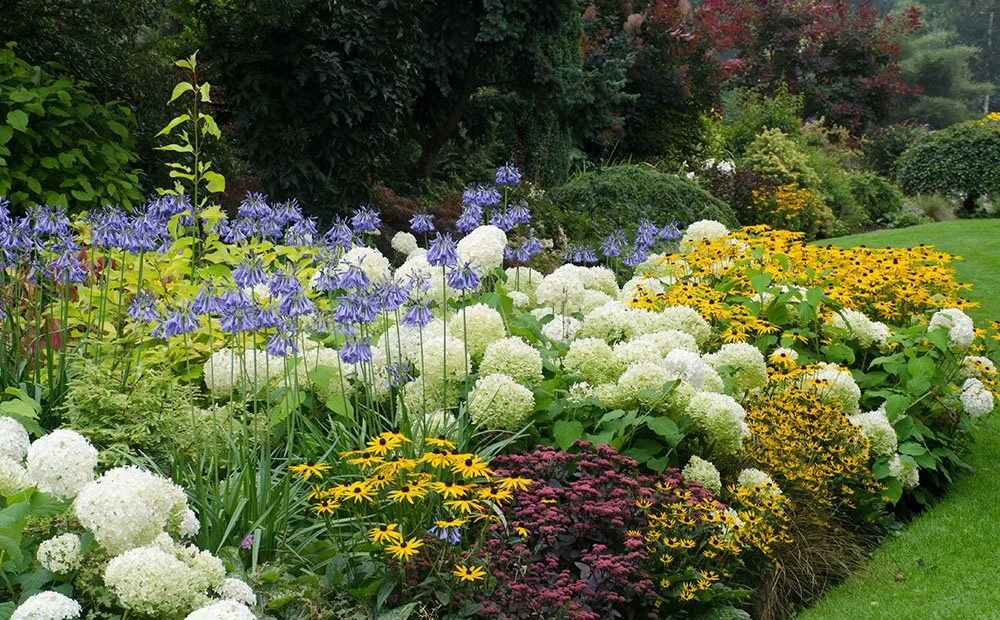
- Color Schemes: Pair with blues (salvia, nepeta) or purples (aster, verbena) for contrast; soften with whites or silvers.
- Curb Appeal: Front borders with coreopsis and daylilies for welcoming vibes.
- Pollinator Hotspots: Mass rudbeckia, goldenrod, heliopsis to draw bees and butterflies 🐝🦋
- Containers: Compact varieties like ‘Stella de Oro’ in pots with trailing vines.
- Seasonal Extension: Combine early trollius, summer coreopsis, fall helenium for yellow from spring to frost.
Common Mistakes to Avoid (And How to Fix Them) ⚠️
- Overwatering: Leads to root rot—fix by improving drainage.
- Too Much Shade: Weak blooms—transplant to sunnier spot.
- Skipping Division: Crowded, poor flowering—divide promptly.
- Invasive Choices: Avoid old goldenrod strains; stick to cultivars.
Expert Insights & Pro Tips ✨
My top 3 favorites: 1. Rudbeckia ‘Goldsturm’ (bulletproof), 2. Coreopsis ‘Moonbeam’ (ethereal texture), 3. Gaillardia (endless color in tough spots).
Pro tip: To extend blooms, deadhead religiously and mulch in spring. Embrace natives for sustainability—yellow perennials support biodiversity effortlessly.
Frequently Asked Questions (FAQs) ❓
What is the longest-blooming perennial plant with yellow blooms? Gaillardia and ‘Stella de Oro’ daylily often bloom from June to frost with deadheading.
Are yellow perennials deer-resistant? Many like yarrow and rudbeckia are, due to texture or scent, but no plant is fully deer-proof.
Can I grow yellow perennials in containers? Yes—choose compact varieties like coreopsis or dwarf daylilies; use well-draining potting mix.
Which yellow perennials tolerate shade? Ligularia ‘The Rocket’ and Trollius excel in part to full shade.
When should I divide my yellow-blooming perennials? Every 3-5 years in early spring or fall when centers die out.
Do yellow perennials attract bees and butterflies? Absolutely—most are pollinator magnets, especially natives like rudbeckia and goldenrod.
Are there low-maintenance yellow perennials for beginners? Start with black-eyed Susan or coreopsis—they forgive mistakes.
How do I prevent yellow perennials from flopping? Provide full sun, avoid rich fertilizer, and pinch early.
Conclusion: Start Planning Your Sunny Perennial Garden Today! 🌻
Adding the best perennial plants with yellow blooms brings reliable joy, color, and wildlife to your garden with minimal effort. From tough rudbeckias to shade-loving ligularias, there’s a perfect match for every space. Choose a few from this list, prepare your soil, and watch them thrive for years.
What’s your favorite yellow perennial? Share in the comments or post photos—I’d love to see your sunny successes! Happy gardening 🌞











