

Imagine stepping into your garden on a warm summer evening, where soft white blooms glow ethereally under the moonlight, creating a serene and magical oasis that feels worlds away from daily stress. 🌕✨ This enchanting effect is the magic of perennial plants with white flowers – reliable beauties that return year after year, demanding little effort while delivering timeless elegance and tranquility.
As a horticulturist with over 15 years of experience designing and maintaining perennial gardens across various climates, I’ve seen firsthand how white-flowering perennials transform ordinary landscapes into sophisticated, low-maintenance havens. Whether you’re aiming for a classic cottage garden, a modern minimalist border, or a dedicated moon garden, these plants offer unmatched versatility, longevity, and visual impact without the annual replanting hassle.
In this comprehensive guide, we’ll explore the 21 best perennial plants with white flowers, carefully selected for their reliability, beauty, and ease of care. I’ll categorize them by light requirements, provide detailed growing tips, design inspiration, and expert advice to help you create a breathtaking garden that thrives with minimal upkeep. Let’s dive in and discover how these gems can elevate your outdoor space! 🌿
Why Choose Perennial Plants with White Flowers? 🌿
White blooms hold a special place in garden design, evoking purity, peace, and sophistication. But beyond aesthetics, choosing perennials with white flowers solves common gardening challenges like high maintenance, short bloom seasons, and lack of year-round interest.
Benefits of White Blooms in Garden Design
White flowers act as neutral anchors, making spaces feel larger and brighter by reflecting light – perfect for small yards or shady corners. They’re ideal for evening gardens, where they “glow” at dusk, extending your enjoyment into the night.
:max_bytes(150000):strip_icc()/white-peony-garden-getty-0423-78da708353e045da95b10364dea662e7.jpg)
They provide subtle contrast against colorful companions without overwhelming the palette, and many carry symbolic meanings of elegance and calm. In my designs, white perennials often serve as the “breathing space” in vibrant borders.
Advantages of Perennials Over Annuals
Perennials are a smart long-term investment: once established, they return stronger each year, saving time and money compared to annuals that need replanting. They build deeper root systems, improving soil health and drought tolerance. Many support pollinators like bees and butterflies 🦋, contributing to biodiversity. Plus, their foliage often provides structure even when not in bloom.
Top 21 Perennial Plants with White Flowers (Core List)
I’ve curated this list based on performance in real gardens, focusing on hardy, low-maintenance varieties suited to USDA zones 3-9 (with notes for specifics). Each includes height, spread, bloom time, zones, and a pro tip from my experience.
Full-Sun Lovers ☀️ (Plants that thrive in 6+ hours of direct sun)
These sun-loving white perennials are tough, drought-tolerant once established, and perfect for borders or meadows.
- Shasta Daisy (Leucanthemum × superbum) The quintessential daisy with bright white petals and golden centers. Height: 2-3 ft | Spread: 1-2 ft | Bloom: June-August | Zones: 5-9 Pro tip: Deadhead regularly for reblooming into fall. Excellent cut flower!

- White Coneflower (Echinacea purpurea ‘White Swan’) Sturdy stems with drooping white petals around copper cones. Attracts butterflies and birds. Height: 2-3 ft | Spread: 1-2 ft | Bloom: July-September | Zones: 3-9 Pro tip: Extremely drought-tolerant – ideal for xeriscaping.
- Candytuft (Iberis sempervirens) Evergreen groundcover smothered in pure white clusters in spring. Height: 6-12 in | Spread: 12-18 in | Bloom: April-May | Zones: 4-8 Pro tip: Shear after flowering for compact growth and occasional rebloom.

- Yarrow (Achillea millefolium ‘White’) Flat-topped umbels on feathery foliage; great for drying. Height: 2-3 ft | Spread: 1-2 ft | Bloom: June-September | Zones: 3-9 Pro tip: Deer-resistant and thrives in poor soil.
- Garden Phlox (Phlox paniculata ‘David’) Fragrant tall clusters; choose mildew-resistant cultivars like ‘David’. Height: 3-4 ft | Spread: 2 ft | Bloom: July-September | Zones: 4-8 Pro tip: Plant in well-drained soil with good air circulation to prevent mildew.
- Baby’s Breath (Gypsophila paniculata) Cloud-like tiny white flowers; classic filler. Height: 2-3 ft | Spread: 2-3 ft | Bloom: June-August | Zones: 3-9 Pro tip: Stake tall varieties to prevent flopping.
Partial Shade Tolerators 🌤 (4–6 hours sun or dappled light)
These bridge sun and shade, offering flexibility for mixed borders.
- Astilbe ‘Deutschland’ Airy white plumes over fern-like foliage; loves moisture. Height: 2 ft | Spread: 1-2 ft | Bloom: June-July | Zones: 4-8 Pro tip: Perfect for boggy areas or near ponds.
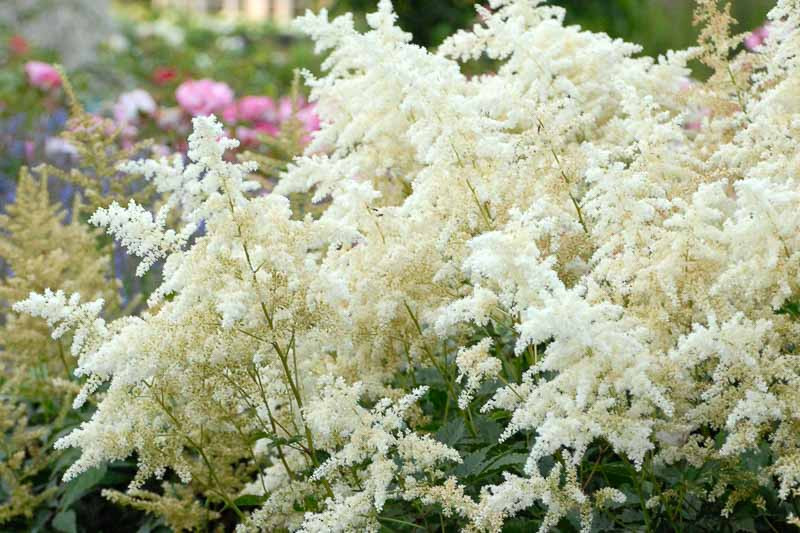
- White Bleeding Heart (Dicentra spectabilis ‘Alba’) Graceful arching stems with pure white heart-shaped blooms. Height: 2-3 ft | Spread: 2 ft | Bloom: May-June | Zones: 3-9 Pro tip: Goes dormant in summer heat – pair with hostas for coverage.
- Foamflower (Tiarella cordifolia) Frothy white spikes over heart-shaped leaves; great groundcover. Height: 8-12 in | Spread: 12 in | Bloom: April-May | Zones: 4-9 Pro tip: Spreads gently to form colonies.
- Japanese Anemone (Anemone × hybrida ‘Honorine Jobert’) Elegant single white flowers on wiry stems; late bloomer. Height: 3-4 ft | Spread: 2 ft | Bloom: August-October | Zones: 5-8 Pro tip: Tolerates dry shade once established.
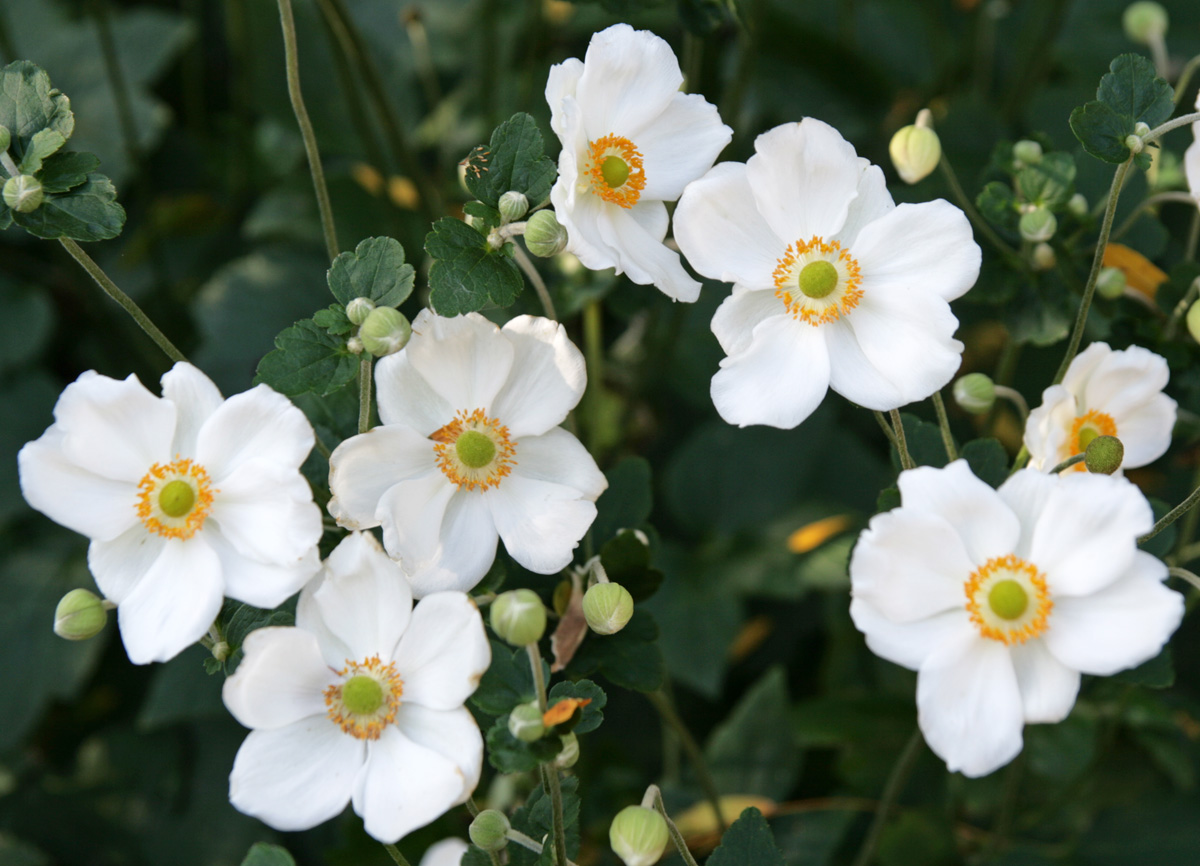
- Solomon’s Seal (Polygonatum odoratum ‘Variegatum’) Arching stems with dangling white bells; variegated foliage bonus. Height: 2 ft | Spread: 1 ft | Bloom: May | Zones: 3-8 Pro tip: Subtle flowers, but foliage shines all season.
Shade-Loving Beauties 🌳 (Less than 4 hours sun)
Perfect for woodland gardens or north-facing beds.
- Hosta (varieties like ‘Patriot’ or those with white flowers, e.g., H. plantaginea) Bold foliage with lavender-white spikes; fragrant in some. Height: 1-3 ft | Spread: 2-4 ft | Bloom: July-August | Zones: 3-9 Pro tip: Slug-resistant varieties like ‘Patriot’ for easier care.
- White Trillium (Trillium grandiflorum) Native woodland treasure with three-petaled white blooms. Height: 12-18 in | Spread: 12 in | Bloom: April-May | Zones: 4-8 Pro tip: Slow to establish but worth the wait; protect from deer.
- Lily of the Valley (Convallaria majalis) Intensely fragrant bell-shaped flowers; aggressive spreader. Height: 6-8 in | Spread: indefinite | Bloom: May | Zones: 3-8 Pro tip: Toxic to pets and children – plant with caution ⚠️.

- Sweet Woodruff (Galium odoratum) Whorls of starry white flowers; vanilla-scented when dried. Height: 6-12 in | Spread: indefinite | Bloom: May-June | Zones: 4-8 Pro tip: Excellent under trees; dries sweetly for potpourri.
- White Corydalis (Corydalis ochroleuca) Delicate ferny foliage with spurred white blooms all summer. Height: 12 in | Spread: 12 in | Bloom: May-frost | Zones: 5-8 Pro tip: Self-seeds politely in shade.
Standout Tall Statement Plants
For drama and height in the back of borders.
- Goatsbeard (Aruncus dioicus) Creamy white astilbe-like plumes; native look. Height: 4-6 ft | Spread: 3-4 ft | Bloom: June-July | Zones: 3-7 Pro tip: Male plants have showier flowers; great shade backdrop.
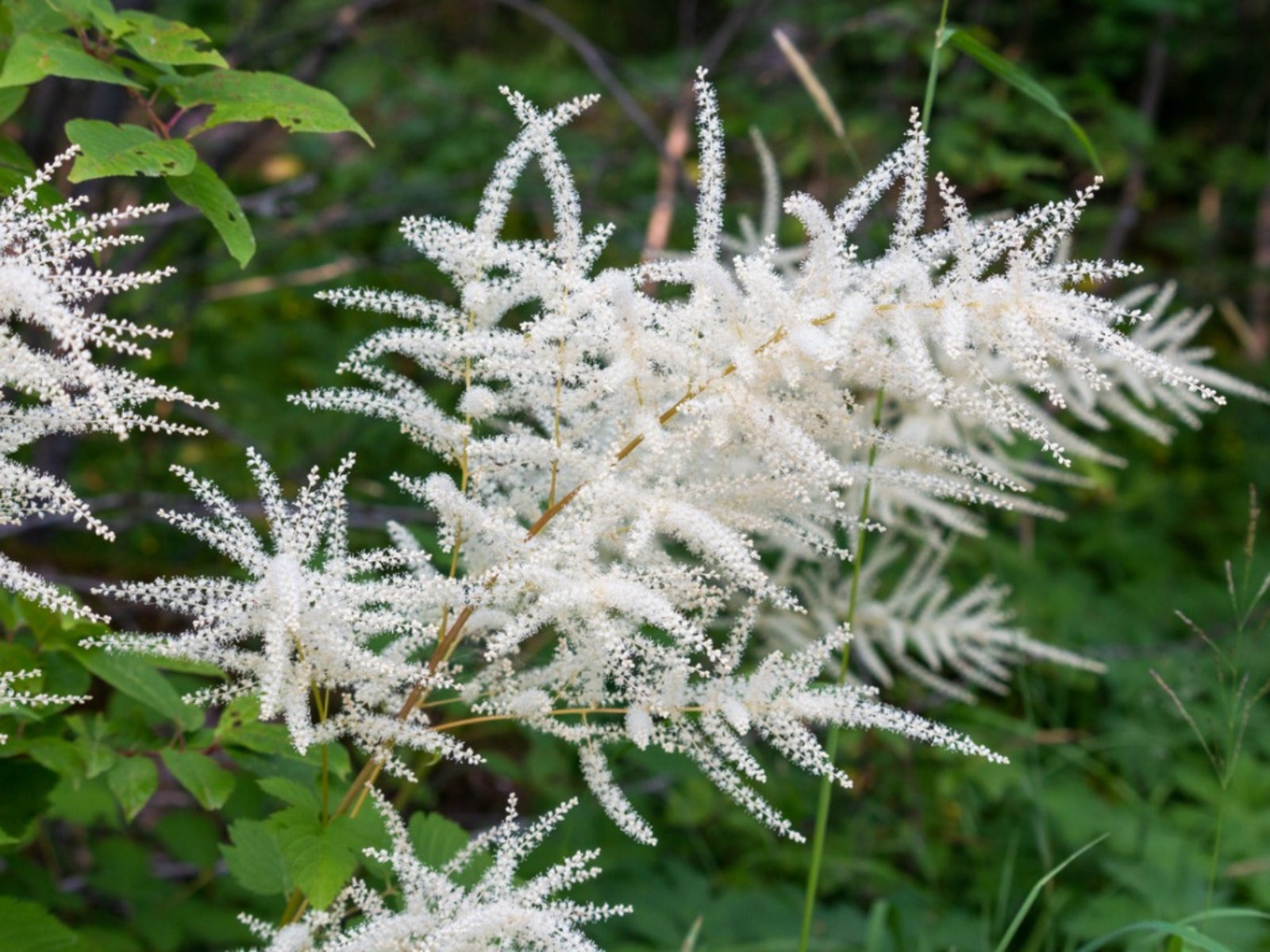
- Bugbane/Black Cohosh (Actaea racemosa) Tall bottlebrush spires; fragrant. Height: 4-7 ft | Spread: 2-4 ft | Bloom: July-August | Zones: 3-8 Pro tip: Late emerger – mark location to avoid disturbing.
- White Boltonia (Boltonia asteroides ‘Snowbank’) Daisy-like cloud in late season. Height: 4-5 ft | Spread: 3 ft | Bloom: August-October | Zones: 4-9 Pro tip: Cut back in June for bushier habit.
Compact & Container-Friendly Options 🪴
Ideal for patios, rock gardens, or edges.
- White Creeping Phlox (Phlox subulata ‘White Delight’) Needle-like foliage carpeted in white spring blooms. Height: 4-6 in | Spread: 18 in | Bloom: April-May | Zones: 3-9 Pro tip: Evergreen in mild climates.
- Snow-in-Summer (Cerastium tomentosum) Silver woolly leaves with white star flowers. Height: 6 in | Spread: 18-24 in | Bloom: May-June | Zones: 3-7 Pro tip: Shear after bloom to refresh foliage.
How to Design a Stunning White Perennial Garden 🎨
Creating an all-white or white-dominant garden is an art that rewards with serenity.

Planning Tips for Maximum Impact
Layer by height: tall plants like goatsbeard at the back, medium like phlox in the middle, low creepers at the front. Vary textures – combine bold hosta leaves with airy baby’s breath and feathery astilbe. Stagger bloom times for continuous interest from spring (candytuft) to fall (Japanese anemone).
Companion Planting Ideas
For a monochromatic scheme, pair with silver foliage plants like lamb’s ear or dusty miller. For contrast, add subtle greens or pops of color sparingly. In moon gardens, include night-scented plants like nicotiana (annual) or fragrant hostas.
Expert Care Guide for Long-Lasting Success 💧
The beauty of perennial plants with white flowers lies not just in their blooms but in how effortlessly they thrive with the right foundational care. In my 15+ years working with clients from coastal Zone 8 to chilly Zone 4, I’ve learned that a little upfront effort yields decades of low-maintenance rewards.
Planting Basics
Timing is everything. The best windows for planting perennials are early spring (after the last hard frost) or early fall (6–8 weeks before the first hard frost). This allows roots to establish without heat or freeze stress.
Soil preparation is non-negotiable:
- Most white perennials prefer well-drained, loamy soil with a pH of 6.0–7.0.
- Amend heavy clay with compost and grit; lighten sandy soils with organic matter.
- For shade lovers like astilbe or goatsbeard, incorporate plenty of leaf mold or well-rotted manure to retain moisture.
- Pro tip: Always plant at the same depth as the nursery pot – planting too deep invites crown rot.
Spacing matters for airflow and future growth. Follow the mature spread guidelines I provided earlier, and remember: it’s better to plant a little sparse and divide later than to crowd from the start.
Ongoing Maintenance (Low-Effort Strategies)
Watering:
- First year: Deep weekly watering to encourage deep roots.
- Established plants: Most in this list are drought-tolerant once settled, needing supplemental water only during prolonged dry spells.
- Exception: Astilbe, bleeding heart, and goatsbeard prefer consistently moist soil – mulch heavily to retain moisture.
Fertilizing: Less is more. A single application of slow-release balanced fertilizer (10-10-10) or compost in early spring is sufficient for most. Avoid high-nitrogen feeds on flowering perennials, as they promote foliage over blooms.
Mulching: Apply 2–3 inches of organic mulch (shredded bark, leaf compost) around plants in late spring. This suppresses weeds, retains moisture, moderates soil temperature, and slowly feeds the soil. Keep mulch away from crowns to prevent rot.
Deadheading & Pruning:
- Remove spent flowers on Shasta daisy, coneflower, yarrow, and phlox to encourage rebloom.
- Leave seed heads on coneflowers and boltonia for winter interest and bird food.
- Cut back tall varieties like Japanese anemone and boltonia by half in early June (the “Chelsea chop”) for sturdier, bushier plants.
Dividing: Every 3–5 years, dig and divide overcrowded clumps in spring or fall. This rejuvenates plants, controls spread, and gives you free new plants. Signs it’s time: reduced blooming or a dead center.
Winter Protection:
- In Zones 3–5, add an extra layer of mulch after the ground freezes.
- Evergreen or semi-evergreen types (candytuft, creeping phlox) benefit from a light cover of pine boughs to prevent winter burn.
- Leave foliage on hostas and other perennials until spring cleanup – it protects crowns and feeds wildlife.
Common Problems & Solutions 🐛
Even the toughest perennials face occasional challenges. Here’s how to handle the most frequent issues I’ve encountered:
Powdery Mildew (common on phlox, astilbe, and Shasta daisy):
- Prevention: Plant resistant cultivars (‘David’ phlox), ensure good airflow, and water at soil level.
- Cure: Spray with baking soda solution (1 tbsp soda + 1 tsp dish soap per gallon water) at first sign, or use organic fungicides.
Deer & Rabbit Browsing:
- Top resistant picks from this list: yarrow, coneflower, lamb’s ear companions, and fragrant types like lily of the valley (toxic deterrent).
- Extra protection: Repellents, fencing, or motion-activated sprinklers.
Slugs & Snails (shade garden nemesis):
- Hand-pick at night, use beer traps, or scatter crushed eggshells/diatomaceous earth around hostas and bleeding hearts.
Japanese Beetles:
- Hand-pick early morning into soapy water, or use neem oil on affected coneflowers and Shasta daisies.
Volunteers & Aggressive Spreaders:
- Baby’s breath, lily of the valley, and sweet woodruff can spread enthusiastically. Contain with edging or grow in defined beds.
Frequently Asked Questions (FAQ) ❓
Which white perennials bloom the longest? Corydalis ochroleuca often blooms from May until frost in shade, while Japanese anemone ‘Honorine Jobert’ and boltonia ‘Snowbank’ carry the show from August through October. Combine them for nearly year-round interest.
Are there deer-resistant white perennials? Yes! Yarrow, coneflower ‘White Swan’, candytuft, and baby’s breath are rarely bothered. Strongly aromatic or fuzzy-leaved plants tend to fare best.
What white perennials are best for containers? Compact choices like creeping phlox ‘White Delight’, snow-in-summer, candytuft, and smaller hostas thrive in pots. Use a well-draining potting mix and ensure containers have drainage holes.
Can I grow white perennials in hot, humid climates (Zones 8–9)? Absolutely. Heat-tolerant standouts include Shasta daisy, white coneflower, yarrow, garden phlox ‘David’, Japanese anemone, and boltonia. Provide afternoon shade and mulch heavily to keep roots cool.
Which white perennials attract pollinators the most? Coneflower ‘White Swan’, yarrow, garden phlox, and Shasta daisy are butterfly and bee magnets. Their open, daisy-like flowers provide easy access to nectar and pollen.
Final Thoughts & Expert Recommendation 🌟
A garden filled with perennial plants with white flowers isn’t just beautiful – it’s peaceful, forgiving, and rewarding. These 21 selections have proven themselves in countless landscapes I’ve designed, from urban courtyards to sprawling country borders. They deliver elegance without demanding constant attention, making them perfect for busy gardeners who want maximum impact with minimum fuss.
Start small: Choose 3–5 varieties suited to your light conditions and hardiness zone, plant them thoughtfully, and watch as they fill in and return stronger each year. Before you know it, you’ll have that glowing, serene garden you’ve been dreaming of – one that feels magical at dusk and sophisticated by day.
I’d love to hear about your white perennial successes! Drop your favorite in the comments below, or share photos of your own moonlit garden. Happy planting! 🌸🌿











