
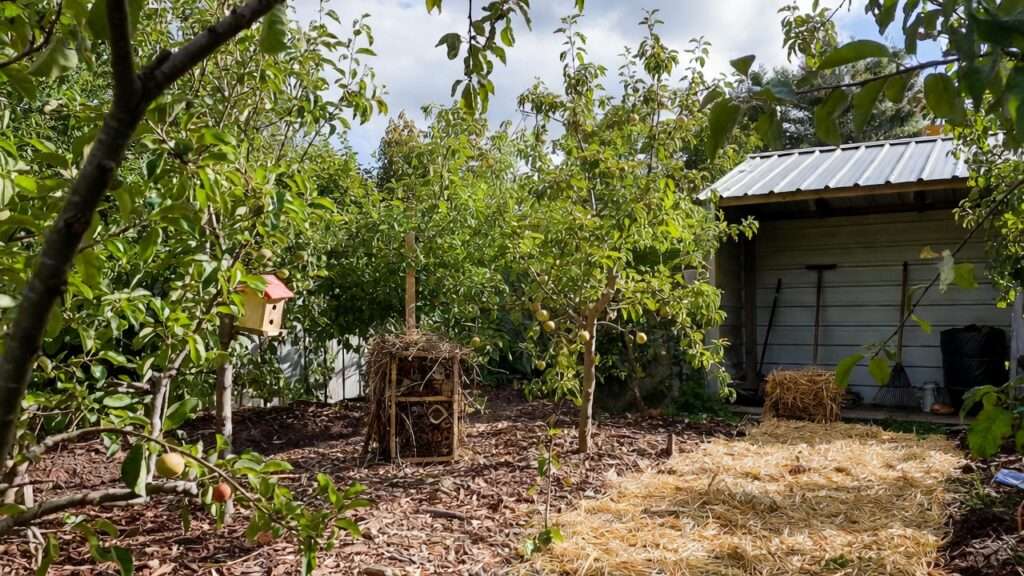
Imagine stepping into your backyard orchard on a warm summer morning, picking a perfectly ripe peach or crisp apple, and biting into it with pure joy—only to discover ugly tunnels, wormy centers, or crescent-shaped scars from sneaky pests. 😩 If you’ve ever experienced the heartbreak of a ruined harvest after months of nurturing your fruit trees, you’re not alone. Many home growers face this exact frustration: pests like codling moth, plum curculio, and apple maggot turning dream crops into disappointing losses.
The good news? You don’t need harsh synthetic chemicals to win the battle. Effective pest control in home orchards is entirely achievable using natural, organic, and integrated pest management (IPM) strategies that prioritize prevention, monitoring, and eco-friendly interventions. These methods protect your trees, preserve beneficial insects like bees and ladybugs, safeguard your family’s health, and help the environment thrive—all while delivering healthier, tastier fruit.
In this in-depth guide, we’ll cover everything from building resilient orchards to identifying common culprits, deploying biological allies, and timing organic sprays precisely. Drawing from university extension resources (like Purdue, NC State, Oregon State, and Utah State), real-world organic practices, and proven IPM principles, this skyscraper-level resource goes beyond basic tips to provide actionable, comprehensive advice that outperforms most online articles. Whether you’re tending a few backyard trees or a small home orchard, you’ll gain the tools to minimize damage, reduce interventions, and enjoy abundant, pest-free harvests. Let’s turn your orchard into a thriving, low-maintenance paradise! 🚀🌿
Why Pests Are a Big Problem in Home Orchards (And Why Natural Methods Win)
Pests don’t just nibble leaves—they can devastate entire crops. Insects bore into fruit (making it inedible), spread diseases, weaken trees through repeated attacks, and cause premature drop or stunted growth. In home settings, small orchards often lack the buffers of commercial operations, making problems feel overwhelming.
Common challenges include:
- Direct fruit damage leading to 50–90% loss in bad years
- Secondary issues like sooty mold from aphid honeydew
- Tree stress that invites more problems over time
Natural and organic approaches shine here because they:
- Avoid chemical residues on edible fruit
- Protect pollinators, birds, and beneficial predators
- Build long-term orchard resilience by fostering healthy soil and ecosystems
- Reduce pest resistance (a growing issue with overuse of synthetics)
IPM philosophy puts prevention first: Monitor closely, intervene minimally, and use multiple tactics. Studies from extension services show cultural practices alone can slash pesticide needs by 50–80%, making natural pest control in home orchards both effective and sustainable. 🌱
Understanding Integrated Pest Management (IPM) for Home Orchards
What Is IPM?
IPM is a smart, science-based system that integrates biological, cultural, physical, and (as a last resort) organic chemical tools to keep pests below damaging levels while minimizing risks to people, wildlife, and the environment.
The four pillars:
- Cultural — Practices like pruning, sanitation, and variety selection
- Mechanical/Physical — Traps, barriers, hand-picking
- Biological — Encouraging natural enemies
- Organic Chemical — Targeted, low-impact sprays only when thresholds are met
Why IPM Outperforms Traditional Spraying
Routine blanket sprays kill beneficials, build pest resistance, and harm ecosystems. IPM focuses on observation and thresholds—only acting when necessary—so you spray less, save money, and grow healthier trees. It’s the gold standard recommended by experts at land-grant universities for sustainable home fruit production.
Step 1: Prevention – Build a Resilient Home Orchard
Prevention is the foundation of natural pest control. Healthy trees resist pests better, so start here!
Choose Resistant Varieties and Proper Site Selection
Select disease- and pest-resistant cultivars whenever possible:
- Apples: Scab-resistant like Enterprise, Liberty, or Freedom
- Peaches: Bacterial spot-resistant varieties like Redhaven or Contender
- Pears: Fire blight-resistant like Harrow Delight
Plant in full sun (6+ hours), with good air circulation and well-drained soil (pH 6.0–6.5). Avoid low spots where frost or moisture collects—key factors in pest and disease pressure.
Cultural Practices for Natural Defense
- Spacing and Pruning — Give trees room (15–20 ft apart for standards) and prune annually in late winter to open the canopy for airflow and sunlight. This reduces fungal issues that attract pests. 🍃
- Mulching and Watering — Apply 2–4 inches of organic mulch (keep away from trunk) to retain moisture and suppress weeds. Water deeply but infrequently to avoid stress.
- Fertilizing Wisely — Excess nitrogen invites aphids and soft growth; use balanced, slow-release organics based on soil tests.
- Sanitation — Crucial! Remove fallen fruit, mummified remains, pruned debris, and leaf litter promptly. This breaks pest and disease cycles—often the single most effective step!
Step 2: Monitoring – Know Your Enemies Before They Strike
You can’t fight what you don’t see. Regular scouting is IPM’s secret weapon.
How to Scout Your Orchard Effectively
- Check weekly from bud swell through harvest
- Use a magnifying glass, beat sheet (shake branches over white cloth), sticky traps, and pheromone lures
- Note damage signs early—entry holes, frass (insect poop), curled leaves, or stings
Common Pests in Home Orchards: Identification Guide
Here are the top troublemakers in backyard settings:
- Codling Moth 🦋 — Small gray moth; larvae tunnel into apples/pears, leaving brown frass at entry holes. One worm can ruin a fruit!
- Apple Maggot 🪰 — Black fly with white bands; lays eggs causing dimples and internal “railroad” tunnels. Common in apples, sometimes plums.
- Plum Curculio 🐞 — Snout beetle; makes crescent cuts on young fruit where eggs are laid—larvae tunnel inside, causing drop. Hits stone fruits hard.
- Aphids & Mites 🕷️ — Clusters on new growth; cause curled leaves, honeydew, and sooty mold. Mites bronze leaves.
- Scale Insects & Borers — Bumps on bark; borers cause wilting branches or oozing.
- Leafrollers & Caterpillars — Rolled leaves with webbing or chewed foliage.
- Stink Bugs — Pierce fruit causing cat-facing deformities.
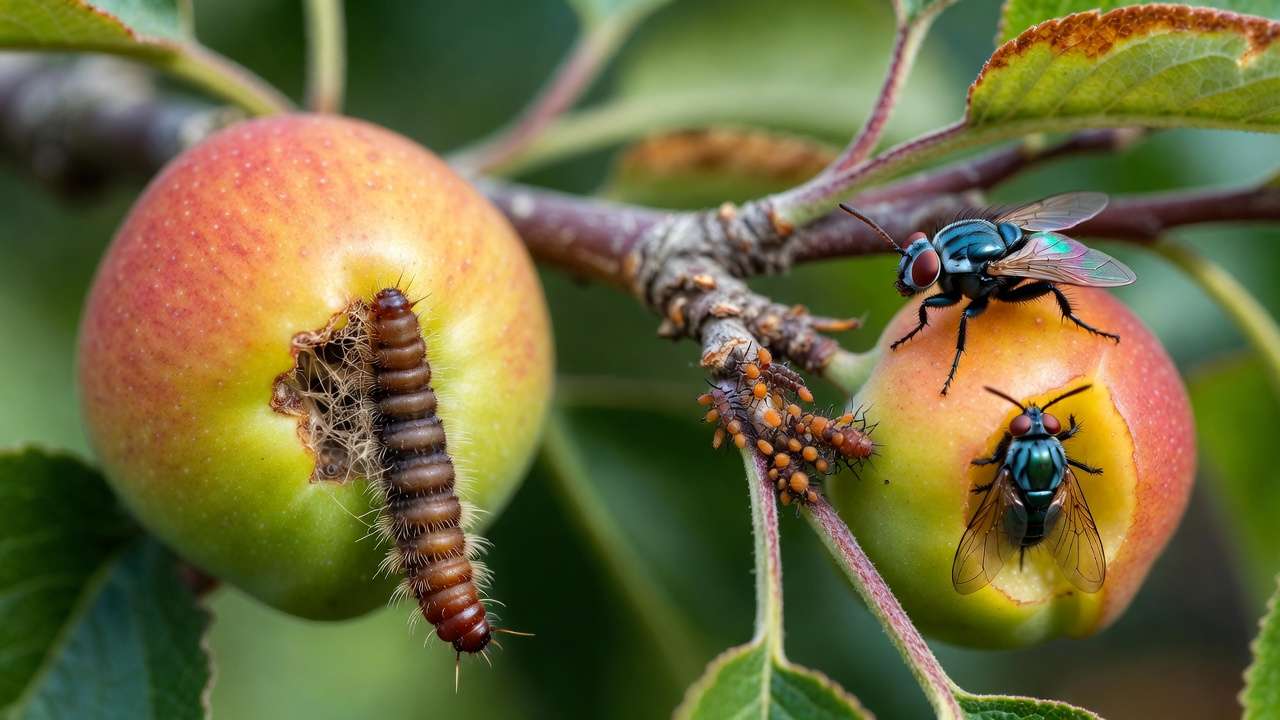
(Pro tip: In the full article, include detailed photos and life cycle diagrams for easy ID.)
Step 3: Mechanical and Physical Controls (No Chemicals Needed!)
Start simple and non-toxic:
- Hand-pick visible pests or drop infested fruit daily
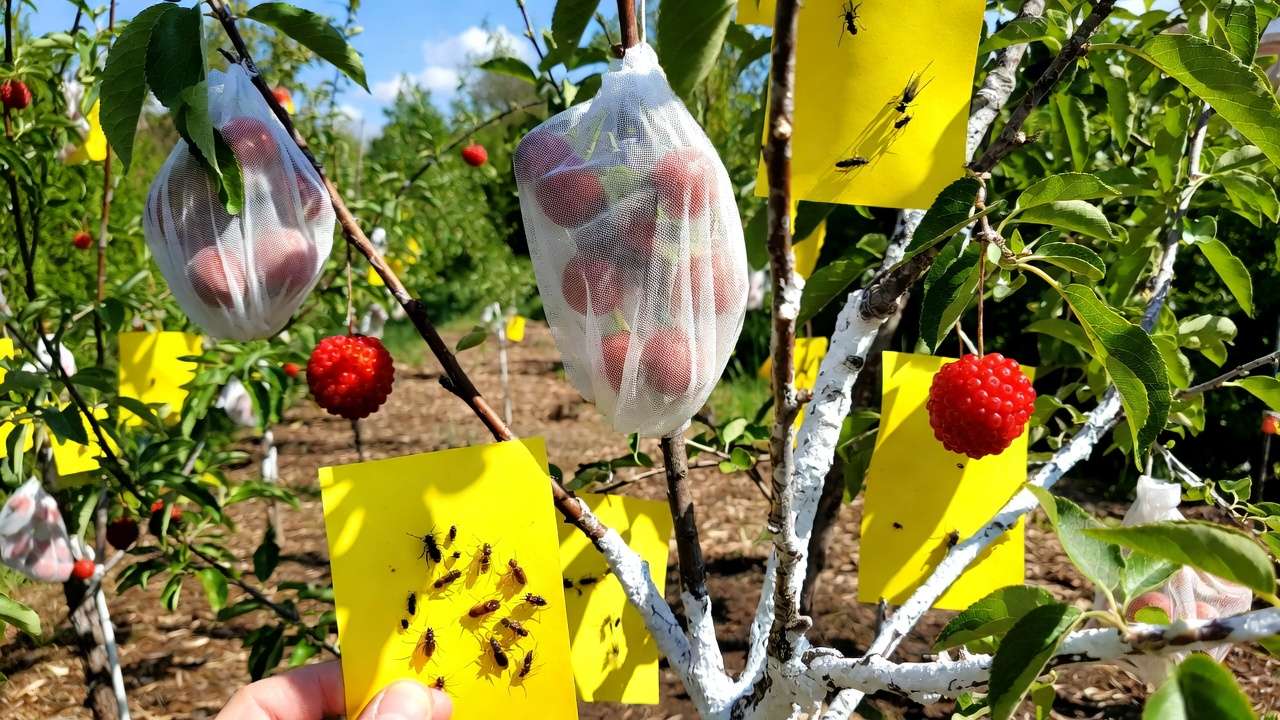
- Use yellow sticky traps for aphids/flies; red sphere traps for apple maggot
- Pheromone traps monitor codling moth flights
- Bag individual fruits with mesh “orchard sox” to block curculio/maggot
- Apply kaolin clay (Surround) as a white barrier film—deters feeding and egg-laying
- Net trees for bird protection (bonus: encourages bats for moth control!)
These methods often reduce damage dramatically without sprays.
Step 4: Biological Controls – Let Nature Do the Work 🐞🦇
Harness beneficials for free, ongoing protection:
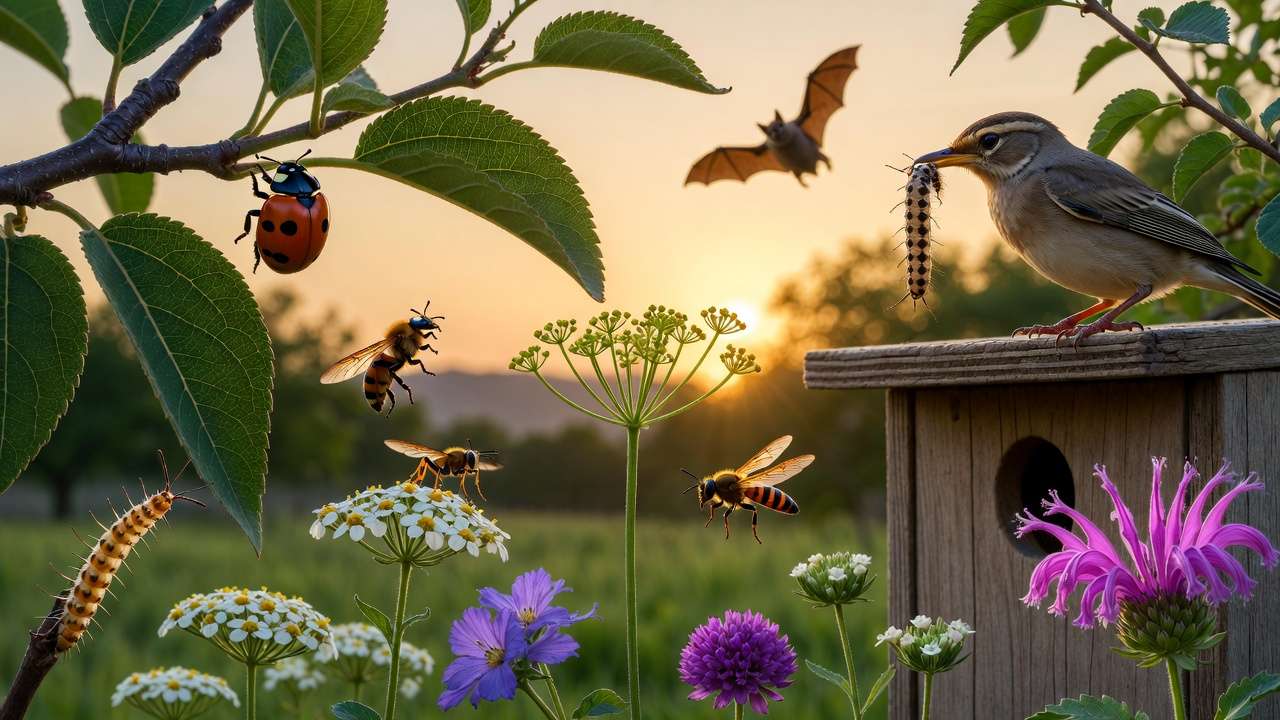
- Attract ladybugs, lacewings, hoverflies, and parasitic wasps with flowers like dill, yarrow, fennel, alyssum, and bee balm
- Plant diverse ground covers to support predators
- Install birdhouses and bat boxes—birds eat caterpillars; bats devour moths at night
- Release predatory mites for spider mite outbreaks if needed
Avoid broad-spectrum sprays to preserve these allies—they can control 70–90% of some pests naturally!
Step 5: Organic Sprays & Treatments – When & How to Use Them Safely
When prevention, monitoring, mechanical, and biological methods aren’t enough—or pest pressure spikes—turn to targeted organic sprays. These are low-impact options derived from natural sources, approved for organic use in many cases, and far safer than synthetics when used correctly. Always follow label instructions, test on a small area first, and prioritize bee-safe timing! 🐝
Key principles for success:
- Apply only when monitoring shows pests exceed thresholds (e.g., 5 apple maggot flies per trap).
- Spray in early morning or evening to minimize harm to pollinators.
- Rotate modes of action to prevent resistance.
- Combine with other IPM tactics for best results.
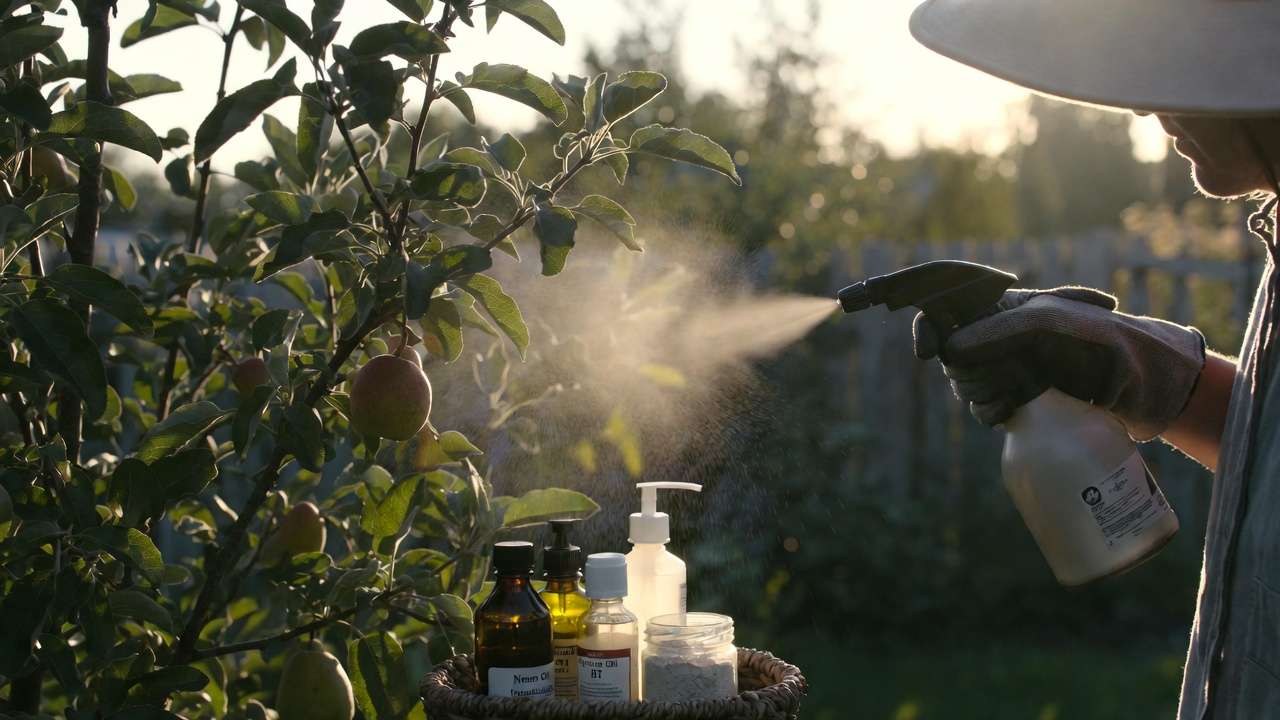
Dormant Season Sprays (Late Winter/Early Spring)
This is prime time for smothering overwintering pests without affecting growing tissues.
- Horticultural/Dormant Oil — Highly refined mineral oil that coats and suffocates scale insects, mite eggs, aphid eggs, and some codling moth overwintering sites. Apply when temperatures are above 40°F (4°C) but before buds swell significantly. Mix at 2–3% concentration; thorough coverage is key!
- Lime Sulfur — A sulfur-lime compound excellent for fungal diseases (like apple scab, peach leaf curl) and some insects (mites, scales). Use in late dormant stage; it has a strong odor and can burn if applied too late. Avoid mixing with oils unless specified.
These dormant applications often reduce early-season pressure dramatically—many growers see 70–90% fewer issues starting here!
Growing Season Organic Options
Target specific pests during active growth:
- Neem Oil — Derived from neem tree seeds; acts as a repellent, feeding deterrent, and insect growth regulator. Great for aphids, mites, leafrollers, and some caterpillars. Use pure, cold-pressed neem (e.g., 70% concentrate) at 1–2 tsp per gallon with a bit of soap as emulsifier. Apply every 7–14 days; avoid hot sun to prevent leaf burn.
- Insecticidal Soaps — Potassium salts of fatty acids that penetrate soft-bodied pests like aphids, mites, and young scales. Quick knockdown; repeat every 5–7 days as needed. Safe for beneficials if not over-applied.
- Bacillus thuringiensis (Bt) — Bacterial toxin specific to caterpillars (leafrollers, codling moth larvae once ingested). Use kurstaki strain (e.g., Dipel, Thuricide); apply when young larvae are present—very safe for bees, birds, and humans!
- Spinosad — From soil bacteria; highly effective against codling moth, apple maggot, leafrollers, and thrips. Products like Entrust or Monterey Garden Insect Spray are OMRI-listed. Apply at petal fall and cover sprays; bee caution during bloom.
- Kaolin Clay (Surround) — Creates a white particle film that repels and confuses pests like plum curculio, codling moth, apple maggot, and stink bugs. Fruit becomes “invisible” or irritating to lay eggs/feed. Start at petal fall or fruit set and reapply after rain (keep trees white!). Washes off easily at harvest.
- Sulfur or Copper-Based — For fungal issues often tied to pest damage (e.g., sooty mold from aphids). Micronized sulfur for powdery mildew; fixed copper for bacterial issues. Rotate and avoid high temps.
Timing & Application Best Practices
- Follow tree phenology (growth stages): e.g., petal fall for curculio/codling moth entry.
- Use pheromone traps to time sprays precisely (e.g., first codling moth flight + degree days).
- Spray evenings/dawn; never during bloom to protect bees.
- Cover all surfaces—undersides of leaves too!
- Rotate: e.g., neem → spinosad → Bt to avoid resistance.
Seasonal Pest Control Calendar for Home Orchards
Use this as a general timeline (adjust for your climate—warmer zones start earlier). Focus on prevention and monitoring first!
- Dormant (Winter – Late Feb/March): Dormant oil + lime sulfur for overwintering pests/diseases. Sanitation: rake leaves, remove mummies. ❄️
- Pre-bloom / Pink (Bud swell to color show): Scout for aphids/mites; insecticidal soap or neem if needed. Sulfur for early fungal prevention.
- Bloom (Flowers open): No sprays! Protect pollinators. Monitor for curculio entry. 🌸
- Petal Fall (Most petals dropped): Critical window! Kaolin clay start, spinosad or Bt for codling moth/leafrollers, Surround for curculio/maggot.
- Summer Cover Sprays (May–August, every 7–14 days as needed): Rotate neem, soap, Bt, spinosad, or kaolin. Reapply after rain. Trap monitoring drives decisions.
- Late Season / Pre-Harvest (August–Harvest): Targeted sprays for late codling moth or maggot generations; stop most by PHI (pre-harvest interval). Focus on sanitation. 🍑
(In the full article, include a table with pests, actions, and products—super helpful for quick reference!)
Troubleshooting Common Problems & Case Studies
- Wormy apples/pears? → Likely codling moth. Solution: Sanitation + traps + Bt/spinosad at petal fall + kaolin barrier. Many reduce damage 80%+ with IPM.
- Curled leaves & sticky residue? → Aphids. Attract ladybugs + soap sprays; avoid excess nitrogen.
- Dimpled/scarred fruit? → Plum curculio or maggot. Bag fruits or use Surround consistently from fruit set.
- Bronzed leaves? → Mites. Dormant oil + predatory mites + avoid broad sprays.
Real example from extension reports: A backyard grower in the Midwest cut codling moth damage from 60% to under 5% by combining sanitation, traps, Bt, and kaolin—no synthetics!
FAQs About Pest Control in Home Orchards
- Can I grow fruit organically without any sprays? Yes, especially with resistant varieties, excellent sanitation, and biological boosts—but expect some losses in high-pressure areas. IPM minimizes sprays dramatically!
- Are neem oil and Bt safe around kids/pets? Very safe when used as directed. Bt targets only caterpillars; neem is low-toxicity but avoid direct contact during application.
- How many sprays per season are realistic? In low-pressure orchards: 3–6 targeted organic applications. High pressure: 8–12, but focus on prevention to reduce this.
- What if I miss a spray timing? Don’t panic—double down on sanitation, traps, and biologicals. Late sprays can still help later generations.
- Best natural way to stop birds from eating my cherries? Netting trees fully when fruit colors; reflective tape or bird scare devices as backup. Bats help with moths too! 🦇
Expert Insights & Pro Tips from Extension Sources
- Purdue, NC State, Oregon State, and Utah State extensions emphasize: “Sanitation is free and powerful—remove every fallen fruit!”
- Common mistake: Over-fertilizing with nitrogen attracts aphids/soft growth. Soil test first!
- “Kaolin clay (Surround) is a game-changer for organic growers—repels without killing beneficials.” (Adapted from OSU and UMaine guides)
- Rotate and observe: “IPM isn’t no-spray; it’s smart-spray.”
Conclusion: Enjoy Your Healthy, Organic Harvest!
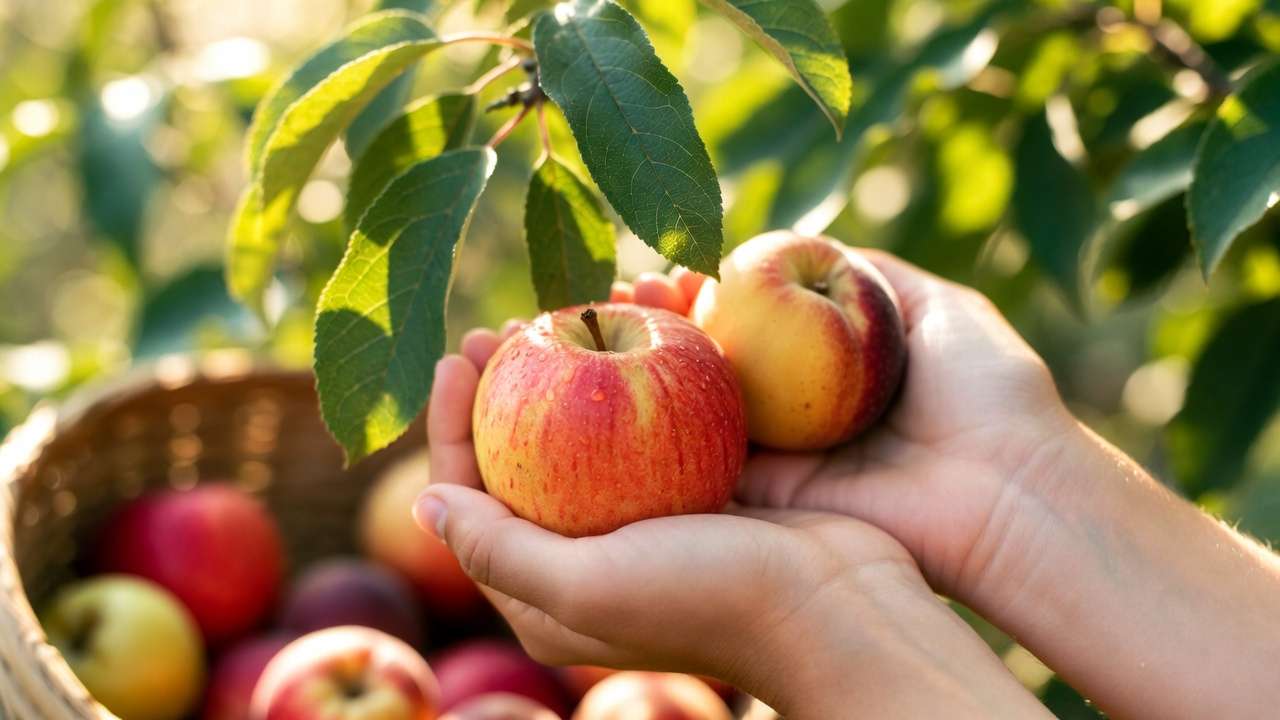
You’ve got this! By layering prevention (resistant varieties, sanitation, pruning), vigilant monitoring, mechanical barriers, biological allies, and judicious organic sprays, you’ll protect your fruit trees naturally and organically. The result? Juicier, healthier homegrown fruit with minimal hassle and maximum satisfaction. Start small—pick one or two tactics this season—and watch your orchard thrive. 🌿🍏
What worked best in your home orchard? Share your tips or questions in the comments—I’d love to hear your successes! Happy growing! 🚀🐞











