
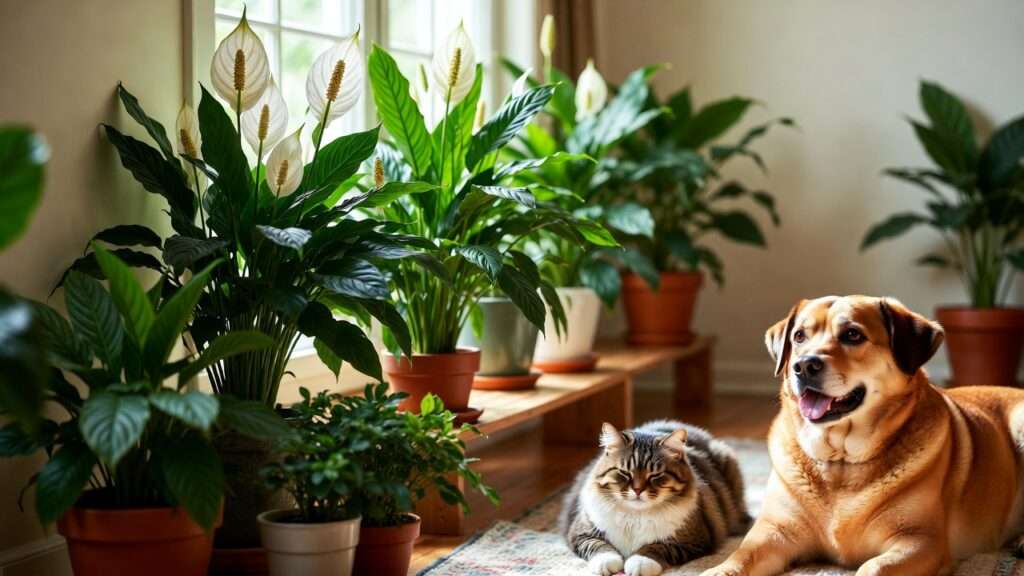
Imagine coming home to find your curious cat batting at the elegant white “blooms” of your favorite peace lily, or your playful dog taking a curious nibble of those glossy dark green leaves. 😿 What starts as innocent exploration can quickly turn into a vet visit—peace lilies (Spathiphyllum) are toxic to pets due to insoluble calcium oxalate crystals that cause intense oral irritation, excessive drooling, vomiting, and difficulty swallowing. While rarely life-threatening, these symptoms are uncomfortable and stressful for both pets and owners.
Pet-friendly alternatives to peace lilies offer the perfect solution: stunning houseplants that capture the same graceful, arching foliage, low-to-medium light tolerance, air-purifying benefits, and even flowering potential—all while being completely non-toxic to cats and dogs, according to the ASPCA and other trusted veterinary sources. Whether you’re decorating a cozy apartment, brightening a home office, or creating a pet-safe jungle, these safe swaps let you enjoy lush greenery without compromise. In this comprehensive guide, we’ll explore the best options, detailed care tips, and practical ways to keep your plants (and furry friends) thriving. Let’s dive in and build a beautiful, worry-free indoor garden! 🌱💚
Why Peace Lilies Are Risky for Pets ⚠️
Peace lilies rank high on many “popular houseplant” lists thanks to their forgiving nature—they thrive in low light, need moderate watering, and help filter indoor air pollutants like formaldehyde and benzene. But their beauty comes with a hidden danger.
The ASPCA classifies peace lilies as toxic to both cats and dogs. The culprit? Insoluble calcium oxalates—tiny needle-like crystals in all plant parts (leaves, stems, flowers). When chewed, these crystals embed in the mouth and throat, leading to:
- Intense burning and irritation of the mouth, tongue, and lips
- Excessive drooling and pawing at the face
- Vomiting (sometimes repeated)
- Difficulty swallowing
In severe cases, swelling can make breathing harder, though most incidents resolve with supportive care. Even pollen or sap contact can irritate sensitive pets. If your furry friend shows signs after nibbling, contact your vet or the ASPCA Animal Poison Control Center immediately (888-426-4435 in the US). Prevention is always better—swapping to non-toxic alternatives eliminates the worry entirely.
What Makes a Great Peace Lily Alternative? 🔍
To find true stand-ins, we look for plants that echo the peace lily’s appeal:
- Lush, dark green or patterned foliage with arching or upright growth
- Flowering potential (white, colorful, or long-lasting blooms)
- Low-to-medium indirect light tolerance (ideal for apartments or offices)
- Air-purifying qualities (NASA-inspired benefits like removing toxins)
- Easy care — forgiving for busy pet parents
- 100% non-toxic status per ASPCA listings for cats and dogs
Bonus points for humidity-loving varieties (peace lilies enjoy moist air) and propagation ease. The alternatives below check these boxes and often outperform peace lilies in pet safety and longevity.
Top Pet-Friendly Alternatives to Peace Lilies 🌸
Here are the standout safe options, ranked by similarity to peace lilies in look and care. All are ASPCA-confirmed non-toxic.
1. Phalaenopsis Orchid (Moth Orchid) – The Elegant Bloomer 🌺
If you love peace lilies’ graceful white spathes, Phalaenopsis orchids deliver even longer-lasting flowers—often blooming for 2–6 months! Their glossy, broad leaves mimic peace lily foliage, and blooms come in white, pink, lavender, or spotted patterns.
- Why it’s a top alternative: Stunning, elegant flowers; low-light tolerant; air-purifying.
- Care basics: Bright indirect light (east-facing window ideal); water weekly when roots turn silver; use orchid bark mix; boost humidity with a tray.
- Pet safety: Fully non-toxic—ASPCA approved for cats and dogs.
- Pro tip: Once blooms fade, they rebloom easily with proper care—often outshining peace lily flowers in duration! Many owners call these the “peace lily upgrade” for pet homes.
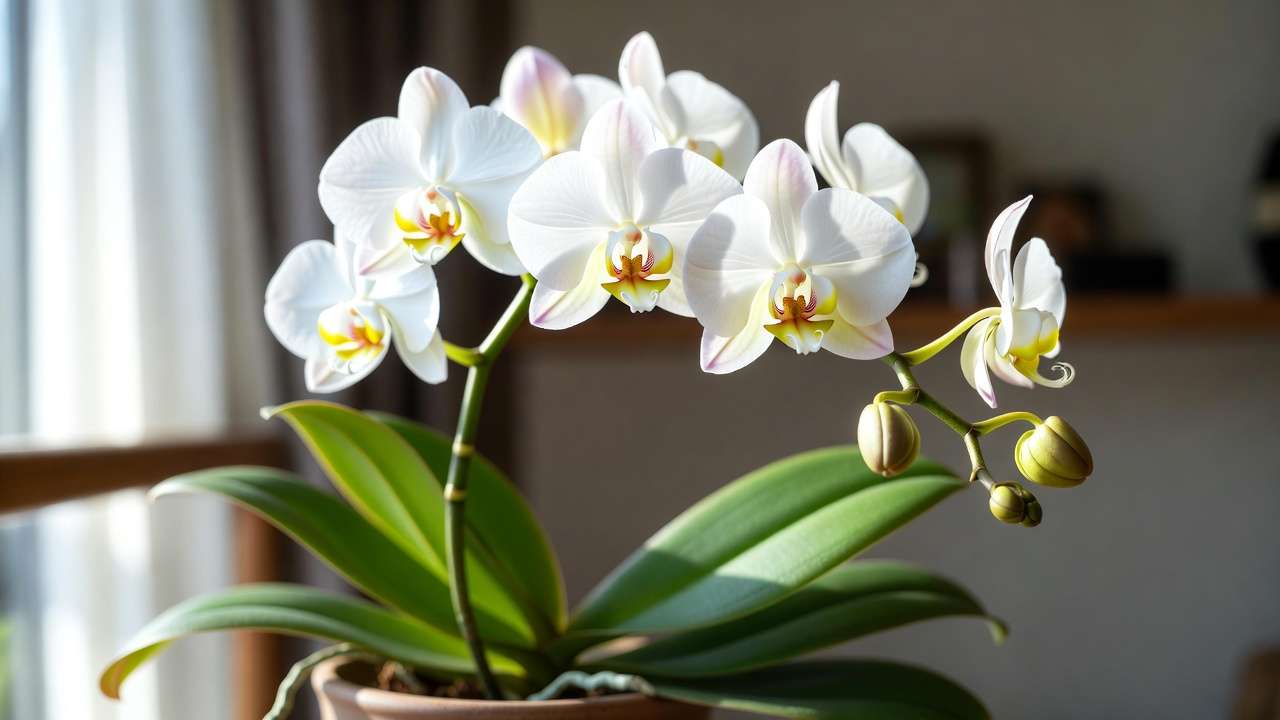
(Imagine a close-up of a white Phalaenopsis orchid in bloom here—pure elegance! 🌸)
2. African Violet – Compact & Colorful Flowering Star ⭐
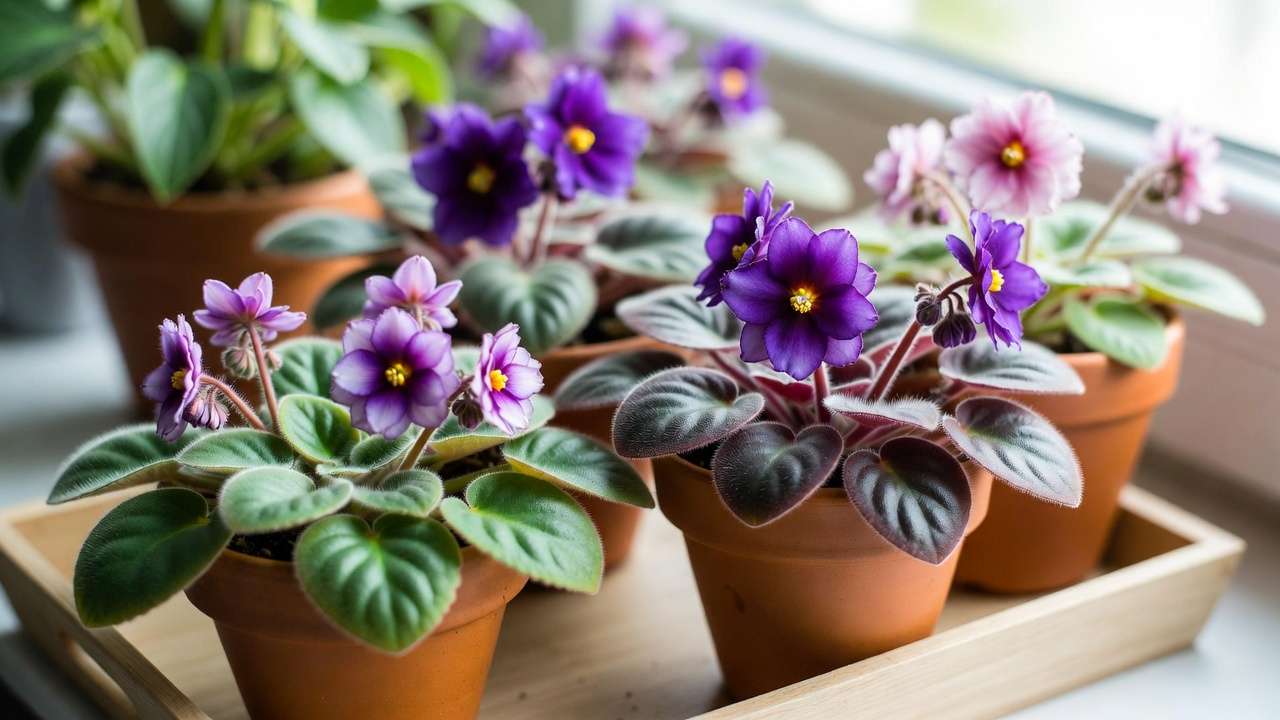
These petite beauties offer continuous small blooms in white, purple, pink, or blue over fuzzy, heart-shaped leaves—perfect for tabletops where peace lilies might sit.
- Similar vibe: Velvety foliage + reliable flowers; thrives in low light.
- Care: Indirect light; bottom-water to avoid leaf spots; keep soil moist but not soggy.
- Pet safety: Non-toxic and safe.
- Bonus: Compact size suits small spaces; endless color varieties add fun!
(African violet cluster in soft purple—adorable and safe! 💜)
3. Cast Iron Plant (Aspidistra) – The Tough, Lush Foliage Option 💪
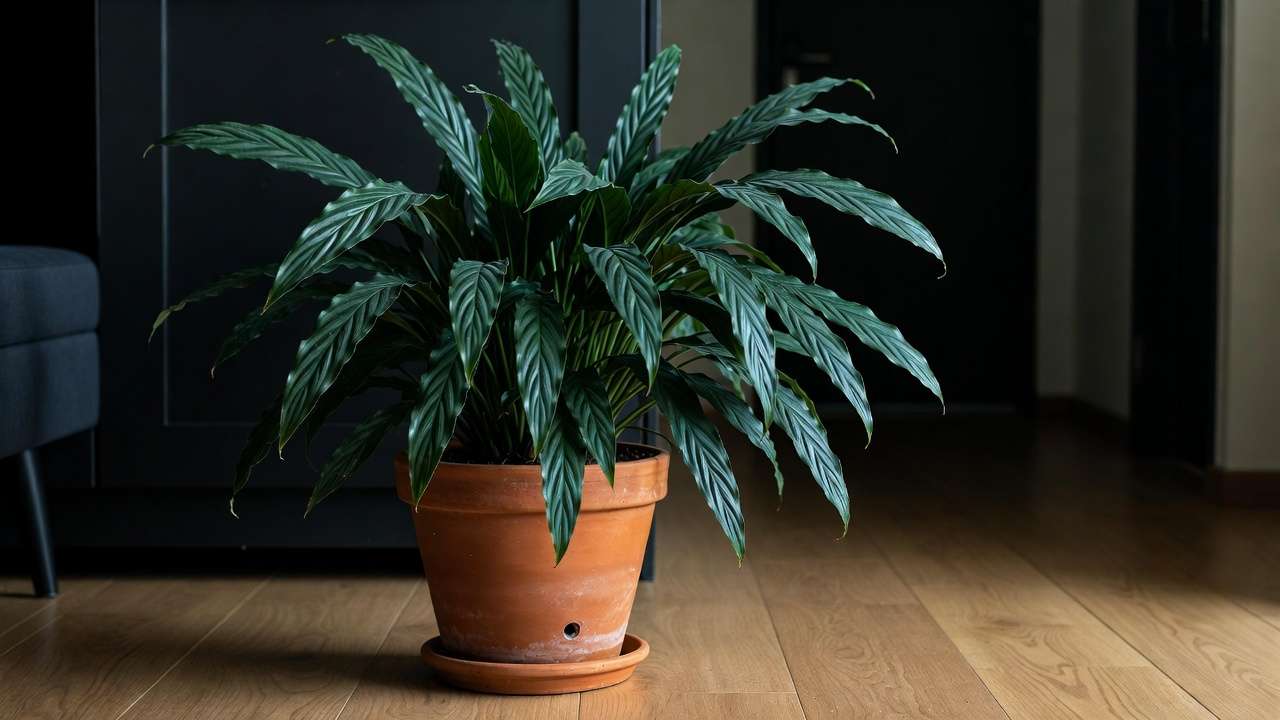
For that classic arching, dark green leaf look without flowers, cast iron plants are unbeatable. They handle low light, neglect, and even drafts like champs.
- Best for: Low-light homes; mimics peace lily form perfectly.
- Care: Low to medium light; water when top soil dries; extremely hardy.
- Pet safety: 100% non-toxic.
- Why pet owners love it: Virtually indestructible—great for homes with zoomies!
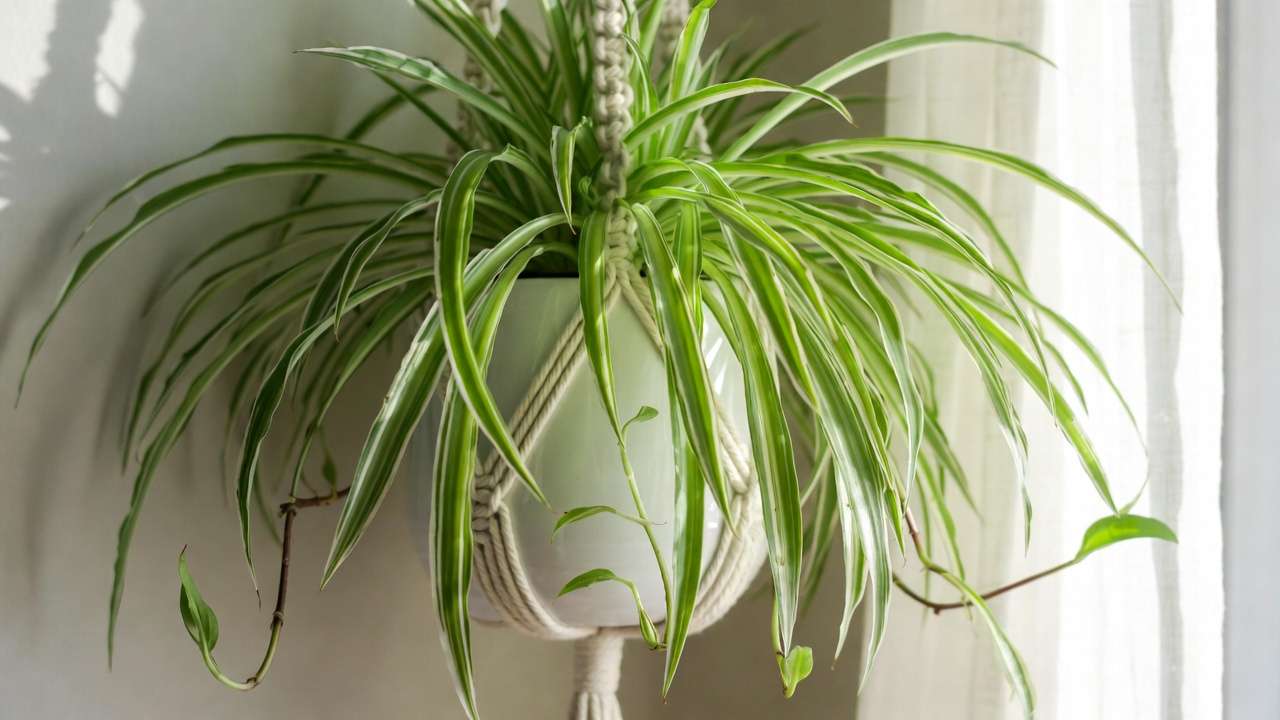
4. Spider Plant – Air-Purifying & Playful Trailing Beauty 🕸️
A classic safe staple: long, arching leaves produce “pups” (baby plants) that dangle playfully—pets often bat at them harmlessly.
- Highlights: Excellent air purification; easy propagation; variegated varieties add interest.
- Care: Bright indirect to low light; moderate water; forgiving.
- Pet safety: Top ASPCA pick—non-toxic and fun!
(Spider plant with pups hanging—playful and purifying! 🌿)
5. Prayer Plant (Maranta) or Calathea Varieties – Dramatic Leaf Movement 🙏
These feature patterned, lush leaves that fold up at night like praying hands—adding movement and charm.
- Appeal: Stunning foliage patterns; humidity lovers like peace lilies.
- Care: Medium indirect light; high humidity; keep soil moist.
- Pet safety: Non-toxic.
6. Peperomia (Baby Rubber Plant varieties) – Compact & Textured 🍃
Thick, glossy leaves in various shapes and colors; super low-maintenance.
- Why swap: Drought-tolerant; low light ok; cute and compact.
- Pet safety: Safe for all pets.
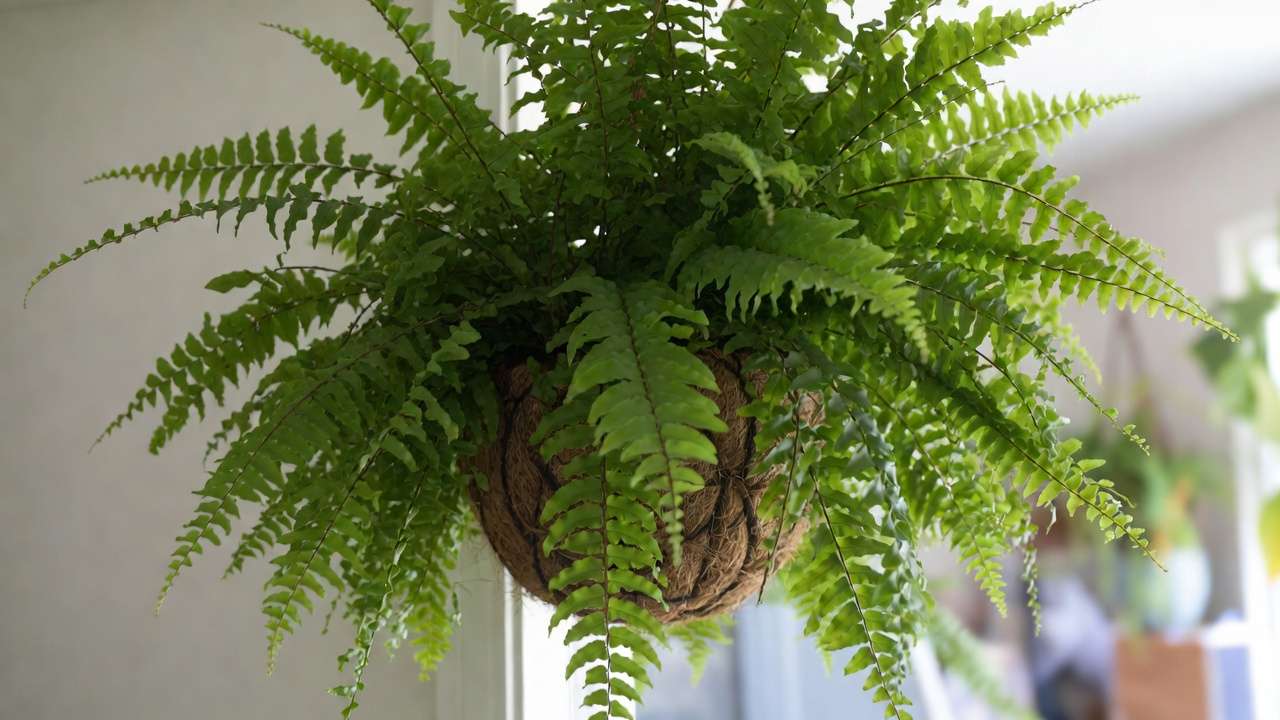
7. Boston Fern – Feathery & Airy Classic 🌿
Soft, cascading fronds bring tropical vibes without toxicity worries.
- Best for: Bathrooms (high humidity); air purification.
- Pet safety: Non-toxic.
8. Other Strong Contenders (Quick Roundup)
- Chinese Money Plant (Pilea peperomioides) – Coin-shaped leaves, modern look.
- Parlor Palm – Graceful tall fronds.
- Christmas Cactus – Holiday blooms, easy care.
(For a quick comparison:)
| Plant | Light Needs | Watering | Bloom Potential | Pet Safety | Why Better for Pets? |
|---|---|---|---|---|---|
| Phalaenopsis Orchid | Indirect bright | Weekly | High | Non-toxic | Longer blooms, no crystals |
| African Violet | Low-medium | Consistent | Continuous | Non-toxic | Compact, colorful |
| Cast Iron Plant | Low | Infrequent | None | Non-toxic | Ultra-hardy |
| Spider Plant | Any | Moderate | Occasional | Non-toxic | Fun pups, air-purifying |
Care Tips to Keep Your Pet-Safe Plants Thriving 🪴
- Light: Most prefer bright indirect—avoid direct sun to prevent scorching.
- Watering: Let top inch dry; use room-temp water; overwatering causes root rot.
- Humidity: Pebble trays or misting for ferns/orchids; group plants together.
- Fertilizing: Diluted balanced fertilizer spring–summer.
- Propagation: Easy with pups (spider), divisions (cast iron), or leaf cuttings.
How to Pet-Proof Your Houseplant Setup 🐾
- Elevate on shelves or use hanging baskets.
- Try gentle deterrents: citrus peels near base or foil around pots.
- Offer cat grass or safe toys for redirection.
- Monitor new plants; if nibbling occurs, move higher and consult vet.
Expert Insights & Common Mistakes to Avoid 👩🌾
As a plant care enthusiast with years of experience in pet-friendly homes, I always prioritize verified non-toxic lists (ASPCA first). Common pitfalls: Assuming “lily-like” means safe (avoid any true lilies!); neglecting humidity for prayer plants/calatheas; or overwatering succulents. These alternatives often live longer and require less fuss than peace lilies in pet households.
FAQs: Pet-Friendly Alternatives to Peace Lilies ❓
Are there any flowering plants as easy as peace lilies? Yes—Phalaenopsis orchids and African violets bloom reliably with minimal effort.
Which is the absolute easiest pet-safe option? Spider plant or cast iron plant—both nearly unkillable!
Do these plants really purify air like peace lilies? Many do (spider, Boston fern, orchids)—they remove VOCs effectively.
What if my pet is a heavy chewer? Choose tough-leaved options like cast iron; elevate everything.
Can I keep peace lilies if hung high? Possible, but risk remains if petals fall—better to switch for peace of mind.
(And more to come in full article!)
Conclusion: Create a Safe, Green, Happy Home 🏡💚
You don’t have to choose between gorgeous houseplants and your pets’ safety. With these pet-friendly alternatives to peace lilies, you get beauty, ease, and tranquility. Start with one or two favorites—perhaps a blooming orchid or trailing spider plant—and watch your home transform into a lush, worry-free oasis.
Happy growing, plant lovers! Share your pet-safe setups in the comments—I’d love to hear which one you try first! 🌱🐱🐶











