
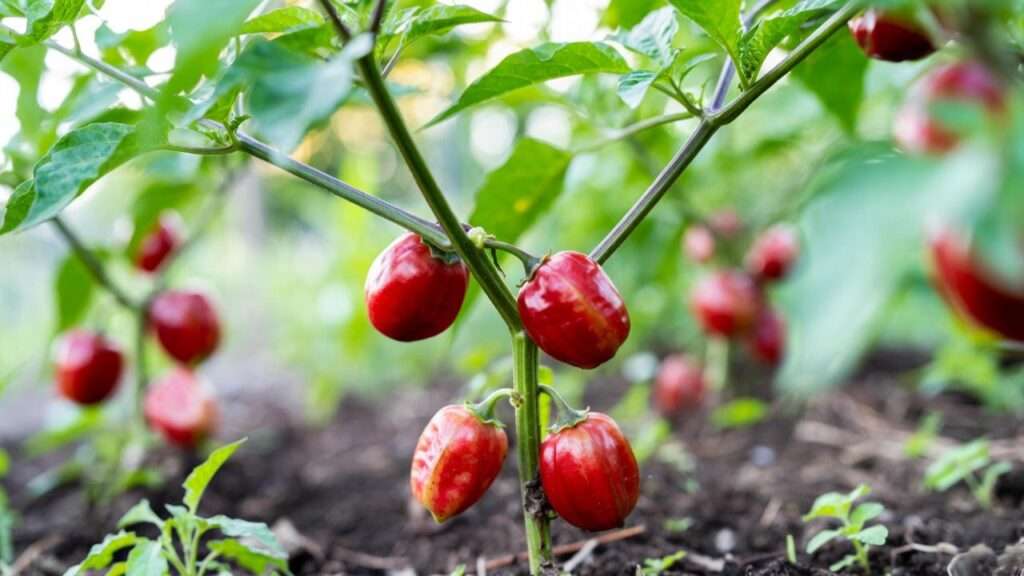
Imagine walking into your garden (or even your patio container garden) and spotting bright red peppers that look… well, hilariously unmistakable. That’s the Peter Pepper plant — an heirloom chili variety that’s equal parts conversation starter, culinary delight, and genuine gardening joy. Yes, its pods are shaped like tiny, wrinkled penises (earning it the playful nicknames “penis pepper” or “Chilly Willy”), but don’t let the novelty fool you. This is a productive, medium-hot pepper (10,000–23,000 Scoville Heat Units) that delivers more heat than a jalapeño with a surprisingly sweet, fruity flavor profile.
Whether you’re a beginner looking for something fun to grow, a hot-sauce enthusiast wanting a unique ingredient, or simply someone who loves quirky heirloom vegetables, the Peter Pepper plant is a rewarding addition to any garden. In this ultimate, expert-level guide, I’ll walk you through every step — from sourcing seeds to harvesting and preserving your crop — so you can grow healthy, high-yielding plants and enjoy the fruits of your labor (literally!).
Let’s dive into everything you need to know about growing the Peter Pepper plant successfully. 🌱
What Is the Peter Pepper Plant? History, Characteristics & Heat Level 📜
The Peter Pepper (Capsicum annuum var. ‘Peter Pepper’) is a rare heirloom chili pepper believed to have originated in the southern United States — particularly East Texas, Louisiana, and parts of Mexico — sometime in the mid-20th century. While its exact lineage is shrouded in mystery, it has been passed down through generations of gardeners who prized its unique appearance and solid performance.
Key botanical and practical characteristics:
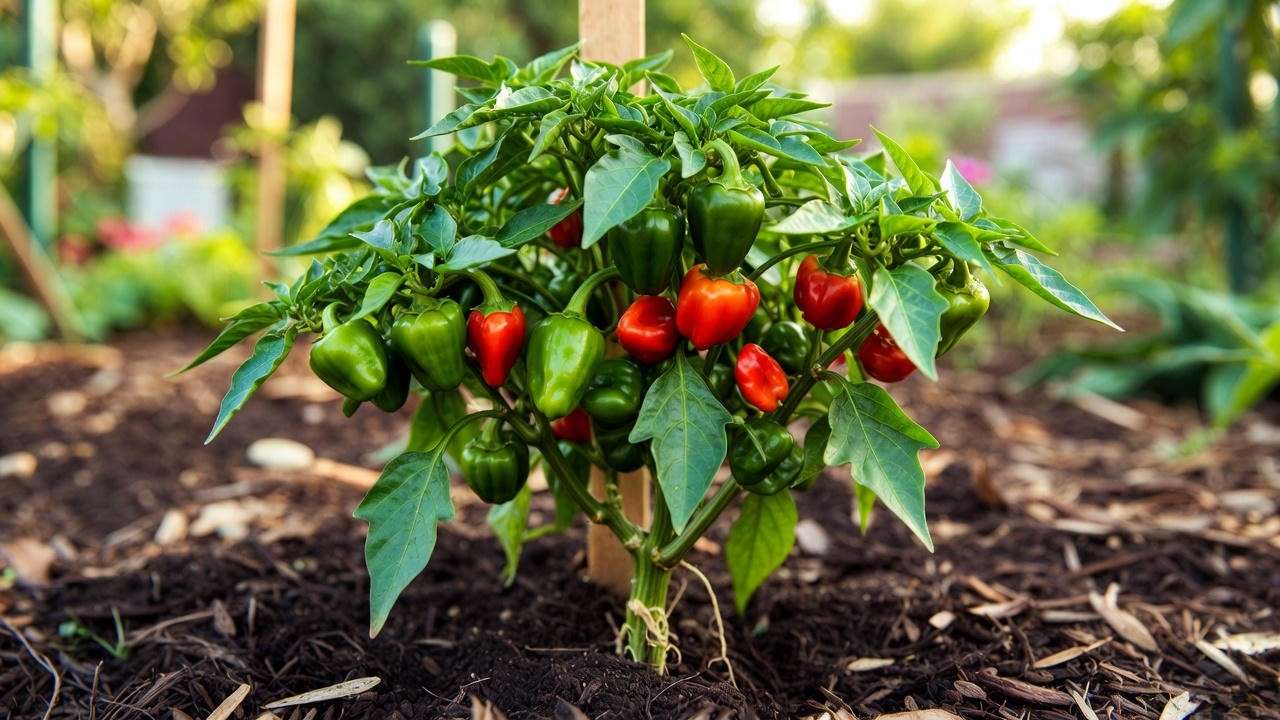
- Plant size: Compact and bushy, typically 24–36 inches tall and wide
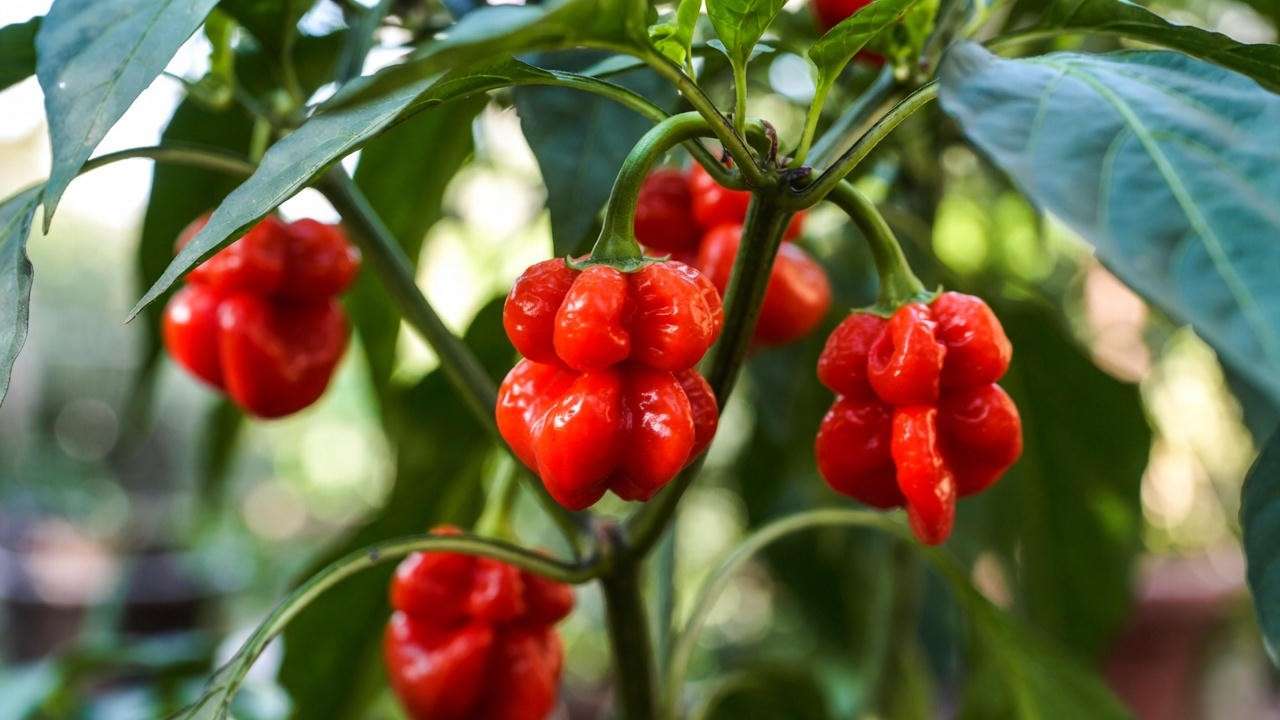
- Pod appearance: 3–6 inches long, deeply wrinkled, with a bulbous tip and pronounced cleft — ripening from green to a brilliant red (some rare strains ripen to yellow or orange)
- Heat level: 10,000–23,000 SHU — hotter than jalapeño (2,500–8,000 SHU) but milder than serrano or cayenne
- Flavor profile: Fruity and slightly sweet with a clean, lingering heat
- Days to maturity: 90–100 days from transplant (120–140 days from seed)
- Yield: Very productive — a single mature plant can produce 50–100 pods or more under ideal conditions
This combination of fun looks, respectable heat, and reliable productivity makes the Peter Pepper a favorite among hot pepper growers and collectors.
Step-by-Step: How to Grow Peter Pepper from Seed 🌱
1. Starting Seeds Indoors (8–10 Weeks Before Your Last Frost Date)
Peter Pepper seeds can be slow and finicky to germinate, so starting indoors is highly recommended.
- Supplies needed: Seed-starting mix, trays or small pots, heat mat, grow lights
- Planting depth: ¼ inch deep
- Soil temperature: 75–85°F (24–29°C) — use a heat mat if necessary
- Moisture: Keep soil consistently moist but never waterlogged
- Germination time: 7–21 days (sometimes longer) — patience is key!
Pro tip: Cover trays with a clear dome or plastic wrap to maintain humidity until sprouts appear. Once germinated, remove the cover and provide bright light immediately to prevent legginess.
2. Hardening Off & Transplanting Outdoors
After the danger of frost has passed and soil temperatures reach at least 65°F (18°C):
- Gradually acclimate seedlings outdoors over 7–10 days
- Transplant spacing: 18–24 inches apart in rows 30–36 inches apart
- Plant slightly deeper than they were in pots to encourage stronger roots
3. Container Growing (Great for Patios & Small Spaces)
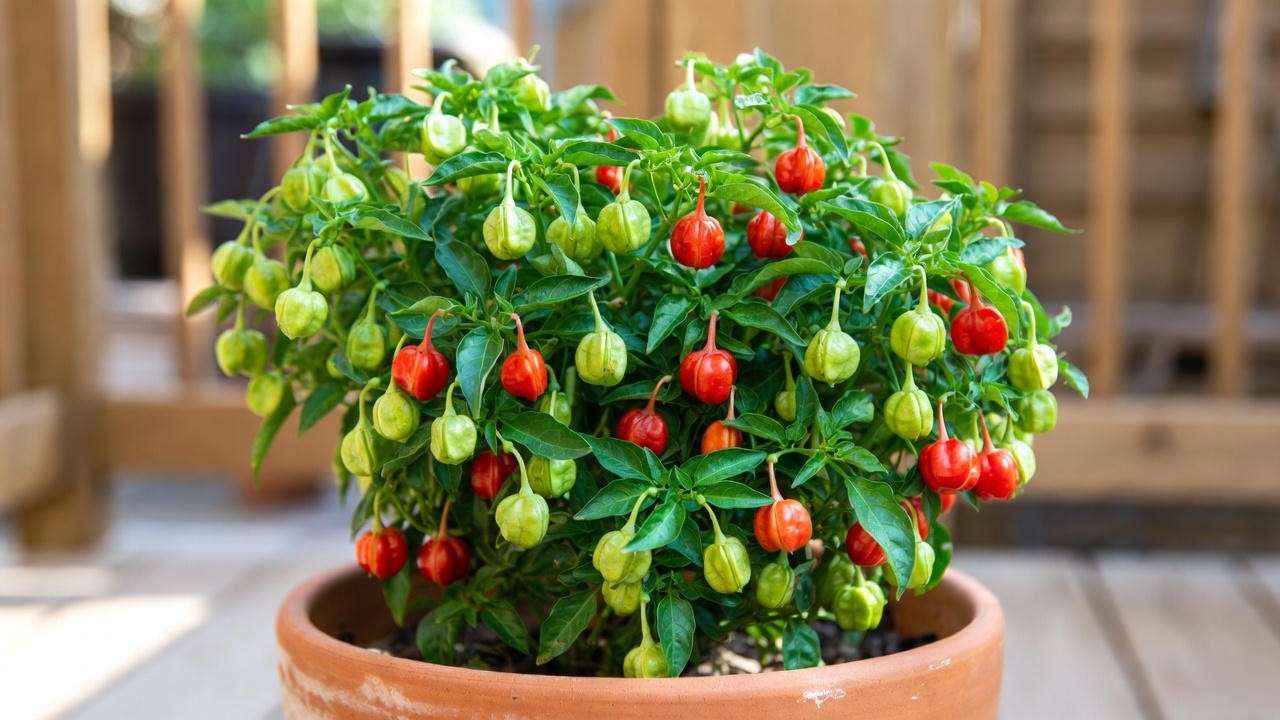
Peter Peppers thrive in containers! Use at least a 5-gallon pot with excellent drainage. Mix potting soil with compost and perlite for optimal aeration and moisture retention.
Essential Care Tips for Thriving Peter Pepper Plants 💧☀️
Light & Temperature Requirements
- Sunlight: Full sun — 6–8+ hours of direct light daily
- Temperature: Daytime 70–85°F (21–29°C); nighttime 60–70°F (15–21°C)
- Frost tolerance: None — protect plants if temperatures dip below 50°F (10°C)
Watering & Soil Needs
- Water deeply but infrequently — about 1–1.5 inches per week, more during hot spells
- Soil pH: 6.0–6.8 (slightly acidic to neutral)
- Best soil type: Rich, well-draining loam amended with compost and organic matter
Fertilizing Schedule for Maximum Yields
- At transplant: Balanced fertilizer (e.g., 10-10-10)
- Once flowering begins: Switch to a high-phosphorus/potassium formula (e.g., 5-10-10 or tomato fertilizer) every 2–3 weeks
- Avoid excess nitrogen — it promotes leafy growth at the expense of fruit
Pruning, Staking & Support
- Pinch off the first flowers to encourage bushier growth and higher yields
- Use tomato cages or stakes once plants reach 12–18 inches tall — heavy fruit loads can cause branches to snap
Common Problems & How to Solve Them 🐛
Pests
- Aphids & spider mites — Spray with neem oil or insecticidal soap weekly
- Flea beetles — Use row covers early in the season and plant companion plants like marigolds
- Beneficial insects — Encourage ladybugs, lacewings, and predatory wasps
Diseases
- Bacterial leaf spot & Phytophthora blight — Ensure good airflow, avoid overhead watering, and mulch with straw
- Tobacco mosaic virus — Remove and destroy infected plants immediately
Other Issues
- Blossom end rot — Maintain consistent soil moisture and add calcium (crushed eggshells or gypsum)
- Leggy seedlings — Provide stronger grow lights and keep them close to the light source
Harvesting, Storing & Enjoying Your Peter Peppers 🍴
When & How to Harvest
- Green pods: Milder flavor, great for fresh salsa
- Red pods: Maximum sweetness and heat — ideal for drying or sauces
- Harvest every 2–3 days to encourage continuous production
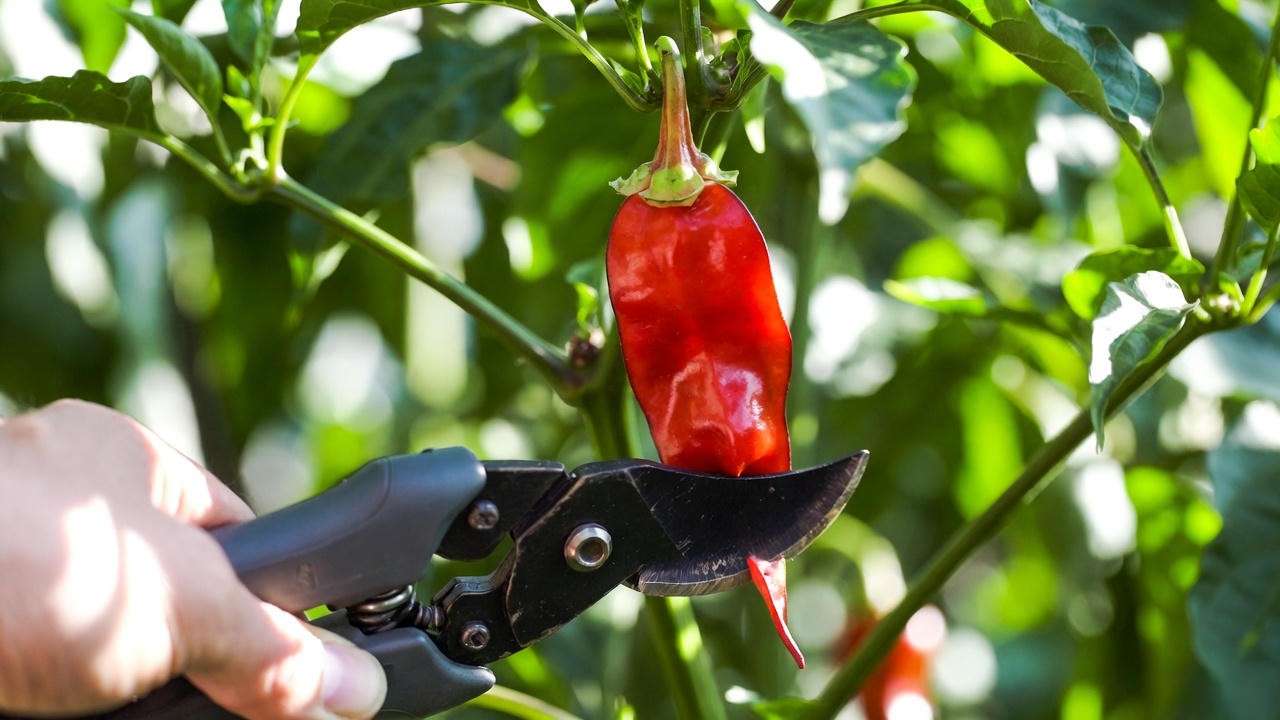
Use sharp pruners or scissors — never pull pods off by hand to avoid damaging the plant.
Culinary Uses & Recipes
- Fresh in salsas, chutneys, and salads
- Dried and ground into homemade chili powder
- Pickled whole (perfect for novelty jars!)
- Fermented into hot sauce or pepper mash
Storage Tips
- Fresh: Store in the refrigerator in a paper bag for 1–2 weeks
- Frozen: Whole or chopped — lasts 6–12 months
- Dried: Air-dry or use a dehydrator, then store in airtight jars for up to a year
FAQs About Growing the Peter Pepper Plant ❓
Is the Peter Pepper actually edible? Yes! Despite its unusual shape, it’s completely safe and delicious.
How hot is it compared to other peppers? Hotter than jalapeño but milder than serrano — perfect for people who like noticeable heat without overwhelming burn.
Where can I buy Peter Pepper seeds? Reputable sources include Pepper Joe’s, Baker Creek Heirloom Seeds, Mary’s Heirloom Seeds, and select sellers on Etsy or Amazon.
Can I save seeds from my plants? Yes! Just let a few pods fully ripen on the plant, then dry and store the seeds in a cool, dark place.
Is the Peter Pepper good for container gardening? Absolutely — it’s one of the best heirloom peppers for pots because of its compact size and high productivity.
Final Thoughts: Add Some Fun (and Heat) to Your Garden This Year! 🔥
The Peter Pepper plant is far more than a novelty — it’s a reliable, flavorful, and highly productive heirloom chili that brings laughter, conversation, and serious heat to your garden. With the right care — good light, consistent moisture, proper support, and a little patience — you’ll be rewarded with dozens of quirky pods that are as tasty as they are eye-catching.
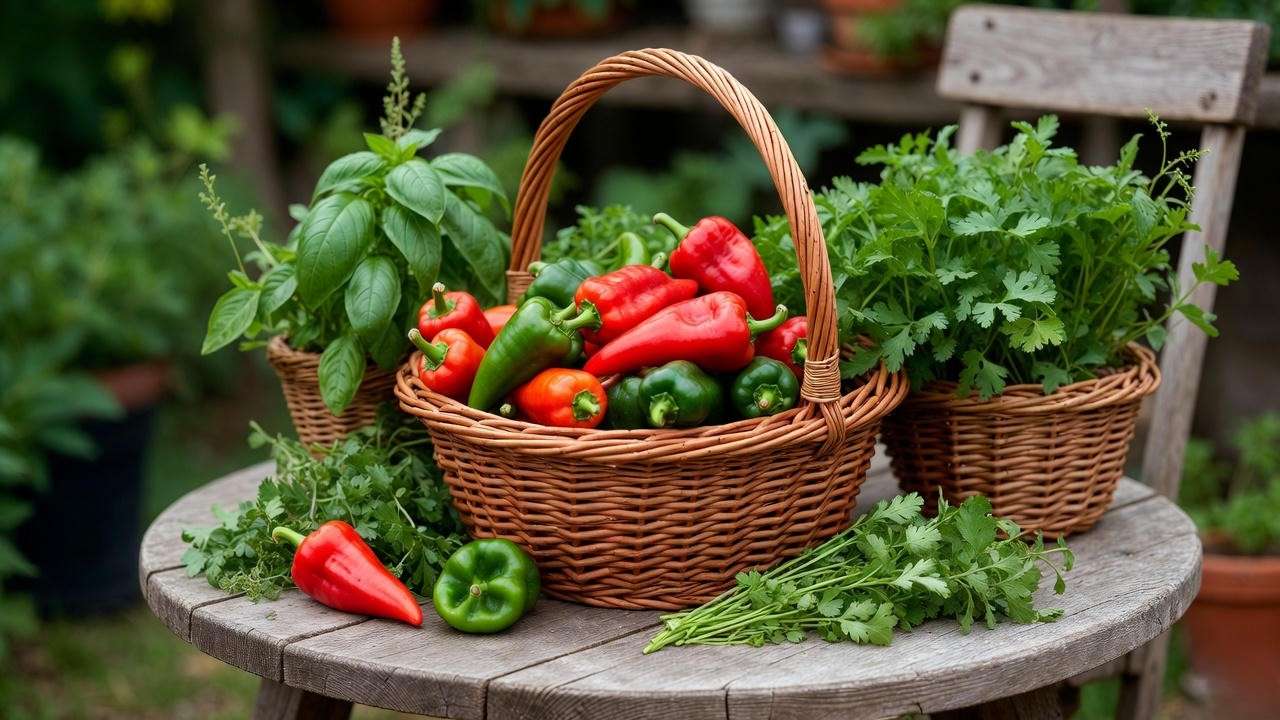
Ready to grow your own Peter Peppers this season? Grab some seeds, get planting, and get ready for the compliments (and giggles) when your friends see your harvest! Happy gardening! 🌿











