
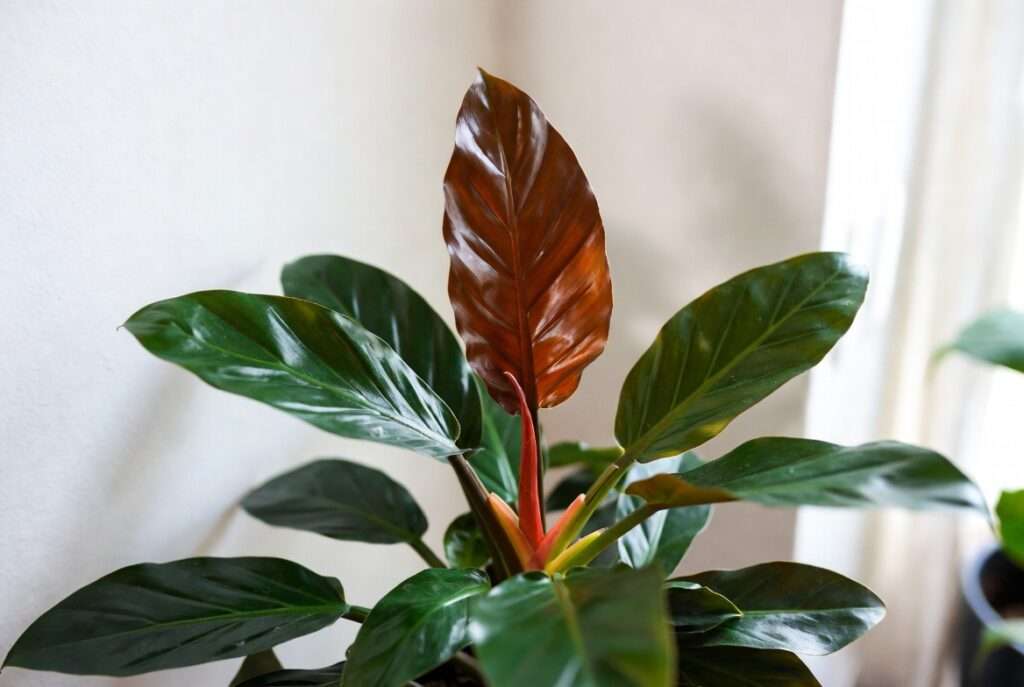
Have you ever walked into a room and been instantly drawn to a plant with massive, glossy leaves that seem to radiate life and tropical energy? That’s the magic of the philodendron congo plant. With its bold, upright growth and stunning foliage, this beauty has become a favorite among plant lovers seeking a statement piece that’s surprisingly forgiving for beginners.
Whether you’re a new plant parent struggling with yellowing leaves or an experienced collector wanting bigger, more vibrant growth, this comprehensive guide will help you master philodendron congo plant care. As a houseplant specialist with over 12 years of hands-on experience growing hundreds of philodendron varieties, I’ve seen what works and what doesn’t. This guide draws from real-world results, university extension research, and proven techniques to help your plant not just survive — but truly thrive with lush, healthy leaves. ✨
In this skyscraper-level resource, you’ll discover everything from ideal lighting and soil mixes to troubleshooting common issues and propagation methods. Let’s turn your philodendron congo into the showstopper it’s meant to be! 🪴
What Is the Philodendron Congo Plant? 🌱
The Philodendron Congo, often called Green Congo or its popular cousin Rojo Congo, is a stunning hybrid self-heading philodendron. It was developed by crossing Philodendron tatei with Imperial Red varieties, resulting in a robust, non-vining plant perfect for indoor spaces.
Key Characteristics:
- Growth Habit: Self-heading (upright and bushy) rather than trailing or climbing like many other philodendrons.
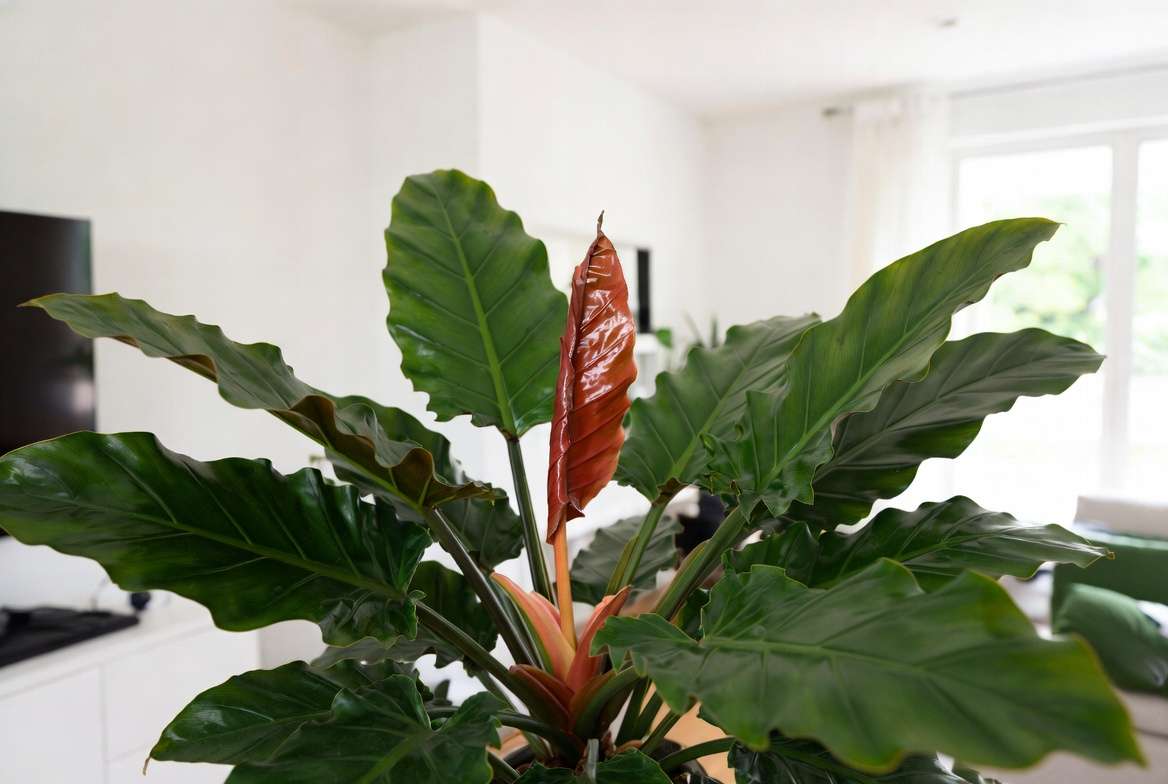
- Mature Size: Reaches 3–4 feet tall and wide indoors, with individual leaves growing up to 18–24 inches long.
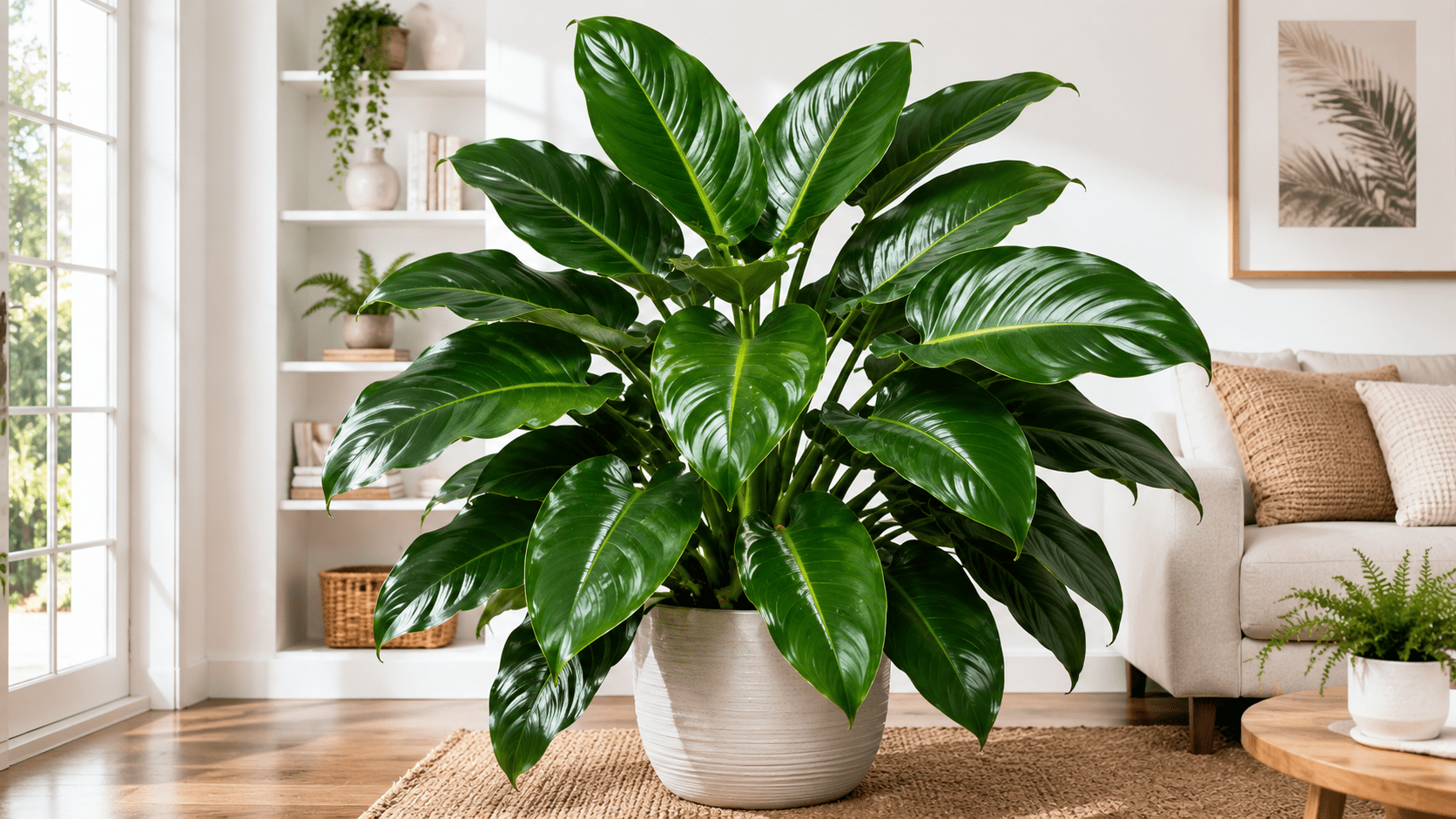
- Foliage: Thick, glossy, oval to heart-shaped leaves. Green Congo features deep emerald leaves, while Rojo Congo offers dramatic new red growth that matures to dark green with reddish undertones and bright red petioles.
This plant stands out for its architectural form and air-purifying qualities, making it ideal for living rooms, offices, and bedrooms. Unlike delicate varieties, the Congo is relatively hardy and fast-growing under the right conditions, rewarding attentive owners with impressive size in just a few years.
Fun Fact: The “Rojo” variety was specifically bred for more vigorous growth and striking color compared to its parent, Imperial Red. Its broader, platter-like leaves give it a fuller, more tropical appearance.
Ideal Light Requirements for Thriving Growth ☀️
Proper lighting is one of the most critical factors for a happy philodendron congo plant. These tropical beauties evolved under the dappled sunlight of rainforest canopies, so they crave bright but filtered light.
Best Lighting Conditions The sweet spot is bright, indirect light for several hours daily. Place your plant a few feet from an east- or west-facing window where it receives gentle morning or afternoon sun. South-facing windows work well with sheer curtains to diffuse intense rays.
How Much Light Does a Philodendron Congo Need?
- Optimal: 6–8 hours of bright indirect light.
- Medium Light: Acceptable, though growth will be slower with smaller leaves.
- Low Light: Tolerable short-term, but expect leggy stems, smaller foliage, and faded color.
Signs of Insufficient Light
- Leggy, stretched growth toward the light source.
- Smaller, thinner new leaves.
- Yellowing or dropping older leaves.
Avoiding Direct Sunlight Harsh direct sun can scorch the beautiful glossy leaves, causing brown crispy patches. If you notice scorching, move the plant back and trim damaged foliage cleanly with sterilized shears.
Pro Placement Tips:
- Use grow lights (full-spectrum LED) during winter or in dark apartments — 12–14 hours daily works wonders.
- Rotate your plant every 1–2 weeks for even growth.
- Seasonal adjustments: Move closer to windows in winter when light levels drop.
With the right light, your philodendron congo will produce those coveted massive, vibrant leaves that make the plant so desirable. 🌟
Soil and Potting Mix: The Foundation of Healthy Roots 🪴
Never underestimate the importance of proper soil for philodendrons. The Congo hates “wet feet,” so a well-draining, airy mix is essential to prevent root rot while retaining enough moisture and nutrients.
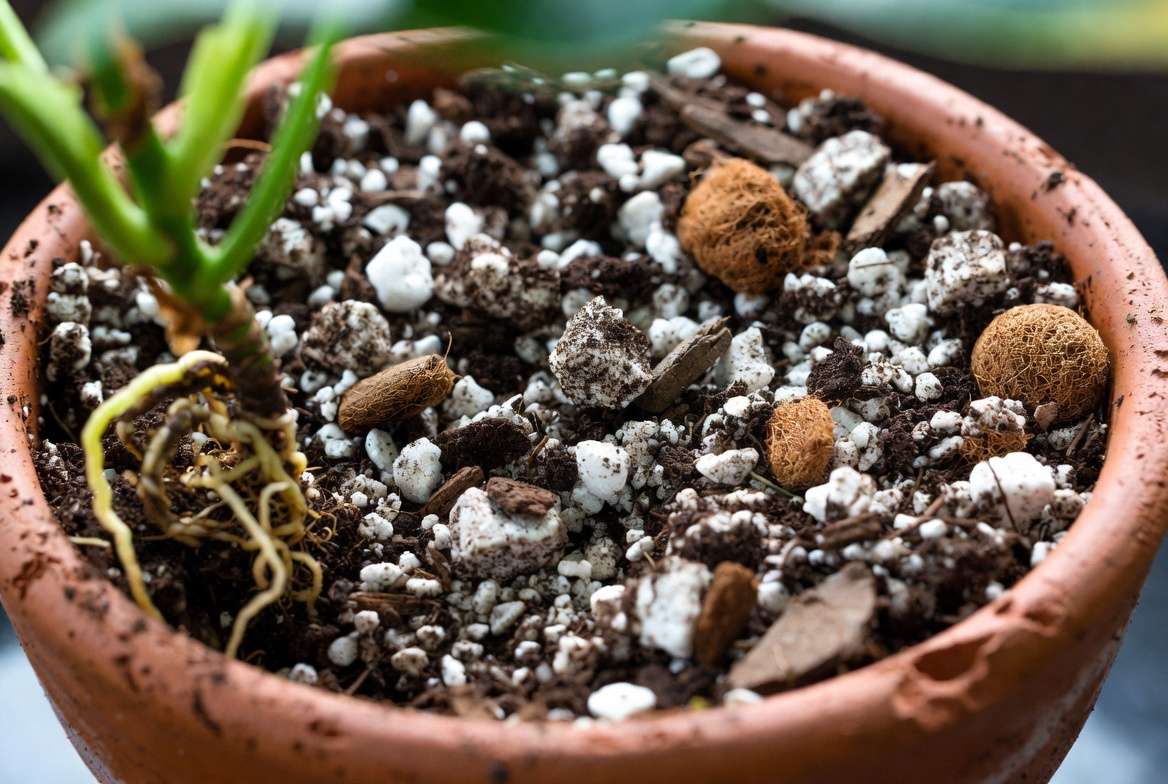
Best Soil for Philodendron Congo Aim for a chunky, organic-rich blend that mimics the loose forest floor. Ideal pH is slightly acidic to neutral (5.5–7.0).
Recommended DIY Soil Mix (my go-to recipe):
- 40% high-quality peat moss or coco coir (for moisture retention)
- 30% perlite or pumice (for aeration)
- 20% orchid bark or chunky charcoal (for drainage and airflow)
- 10% worm castings or compost (for natural nutrients)
This mix provides the perfect balance — it drains quickly but holds just enough humidity around the roots.
DIY vs Commercial Options Commercial mixes labeled for aroids or monstera work well. I recommend adding extra perlite if the bag feels too dense. Avoid heavy garden soil or cheap potting mixes that compact easily.
Pot Selection and Repotting Always choose pots with multiple drainage holes. Terracotta or ceramic pots are excellent as they allow soil to breathe. Repot every 1–2 years in spring when roots start circling the bottom or emerging from drainage holes. When repotting, gently loosen old soil and trim any mushy roots before placing in a pot 1–2 inches larger.
A strong root system in the right soil is the secret to those big, glossy leaves you’re dreaming of!
Watering Schedule and Techniques 💧
Watering is often where new plant owners struggle most with the philodendron congo plant. Get this right, and you’ll avoid the majority of common problems like yellow leaves and root rot.
How Often to Water Your Philodendron Congo The golden rule: Water thoroughly only when the top 1–2 inches of soil feel dry to the touch. In average indoor conditions, this usually means every 7–10 days in spring and summer, and every 10–14 days in fall and winter. Always adjust based on your specific environment — brighter light and warmer temperatures mean more frequent watering.
Use the finger test or a reliable moisture meter for accuracy. When watering, pour slowly until it drains freely from the bottom holes. Never let the plant sit in standing water.
Overwatering vs Underwatering – Signs and Fixes
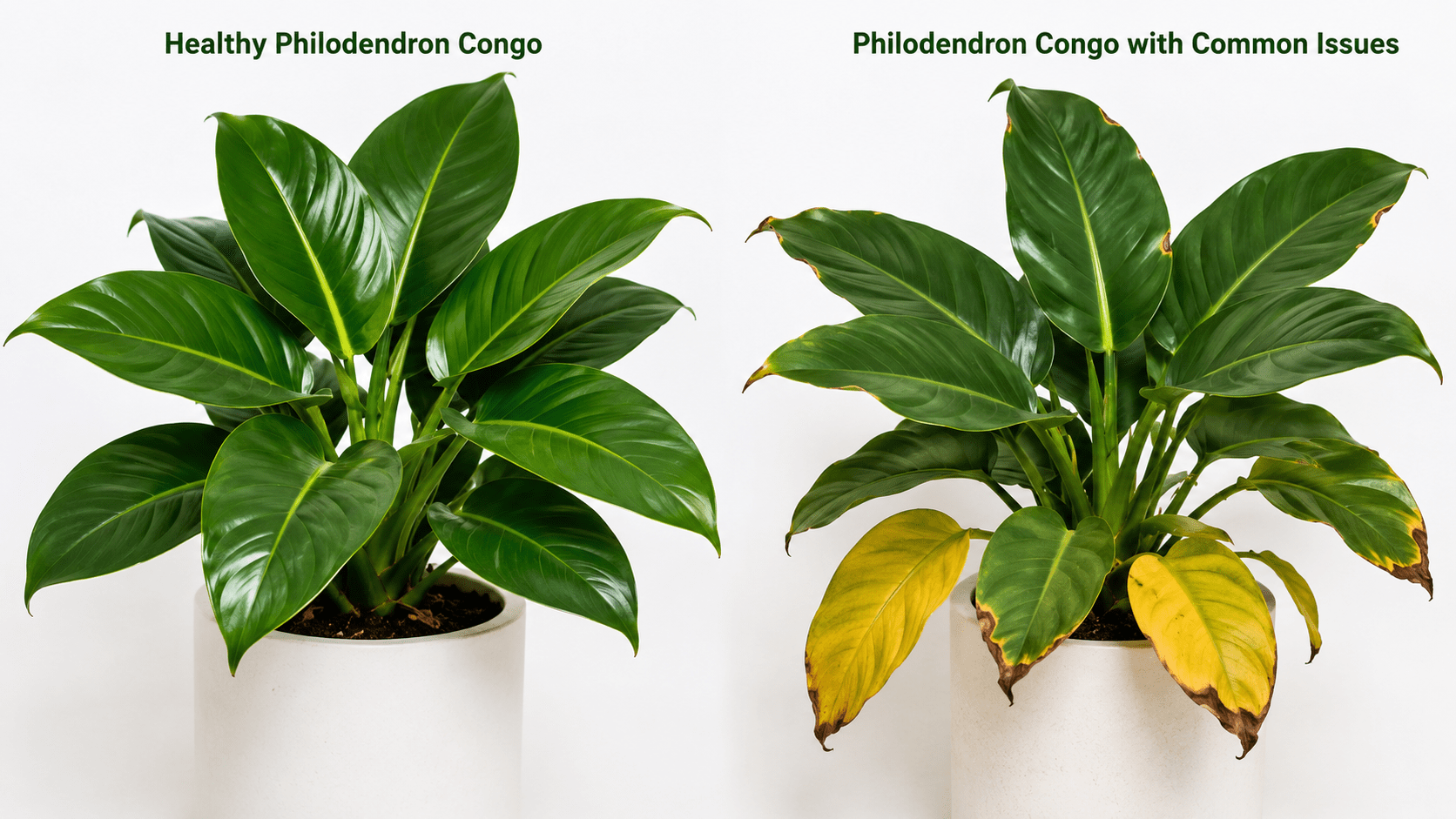
- Overwatering (most common issue): Yellowing lower leaves, mushy stems, or soil that stays wet for days. Fix: Let soil dry out more between waterings, improve drainage, and trim affected roots if repotting.
- Underwatering: Drooping leaves, crispy brown edges, and dry, pulling-away soil. Fix: Water more consistently and increase humidity.
Water Quality and Humidity Needs Use room-temperature water — preferably filtered or rainwater — to avoid mineral buildup. Philodendron congo plants love humidity levels between 50–65%. In drier homes, especially during winter heating season, use these methods:
- Place a pebble tray filled with water beneath the pot.
- Group plants together to create a humid microclimate.
- Run a cool-mist humidifier nearby.
- Mist leaves occasionally (avoid over-misting to prevent fungal issues).
Pro Tip: Bottom watering once a month can encourage deeper root growth while keeping the top soil drier. Your philodendron congo will reward you with bigger, glossier leaves when moisture is balanced perfectly. 💦
Temperature, Humidity, and Environment 🌡️
As a tropical native, the philodendron congo thrives in warm, stable conditions that mimic its rainforest origins.
Optimal Temperature and Humidity Levels
- Ideal daytime temperature: 65–80°F (18–27°C).
- Nighttime: No lower than 60°F (15°C). Avoid placing near cold drafts, heating vents, or air conditioners, which can cause leaf drop and stress.
Seasonal Care Adjustments
- Summer: Protect from extreme heat above 85°F. Increase watering and humidity.
- Winter: Reduce watering, move closer to brighter windows, and watch for dry indoor air. Supplement with grow lights if natural light is limited.
Creating the right environment is key to vibrant foliage and fast growth. Many owners see dramatic improvement simply by relocating their plant away from temperature fluctuations.
Fertilizing for Lush, Vibrant Leaves 🌱
Proper nutrition makes the difference between a mediocre philodendron congo and one with massive, richly colored leaves.
Best Fertilizer and Feeding Schedule During the active growing season (spring through early fall), feed every 2–4 weeks with a balanced liquid fertilizer (such as 20-20-20 or 10-10-10) diluted to half strength. For Rojo Congo varieties, a fertilizer with added iron can help maintain those stunning reddish tones.
Organic vs Synthetic Options
- Organic favorites: Fish emulsion, seaweed extract, or worm casting tea — gentler and great for long-term soil health.
- Synthetic: Fast-acting and convenient for quick greening.
Signs of Nutrient Deficiency
- Pale or yellow new leaves: Nitrogen deficiency.
- Brown crispy edges: Potassium or magnesium shortage.
- Slow growth: Overall lack of balanced nutrients.
Always fertilize on moist soil to prevent root burn. Pause feeding in winter when growth naturally slows. With consistent feeding, expect noticeably larger leaves and stronger stems within 4–6 weeks.
Pruning, Cleaning, and Maintenance ✂️
Regular maintenance keeps your philodendron congo looking its best and encourages bushier growth.
How to Prune and Clean Philodendron Congo Leaves
- Remove yellow, brown, or damaged leaves at the base using clean, sharp shears.
- For leggy growth, prune just above a node to stimulate new branches.
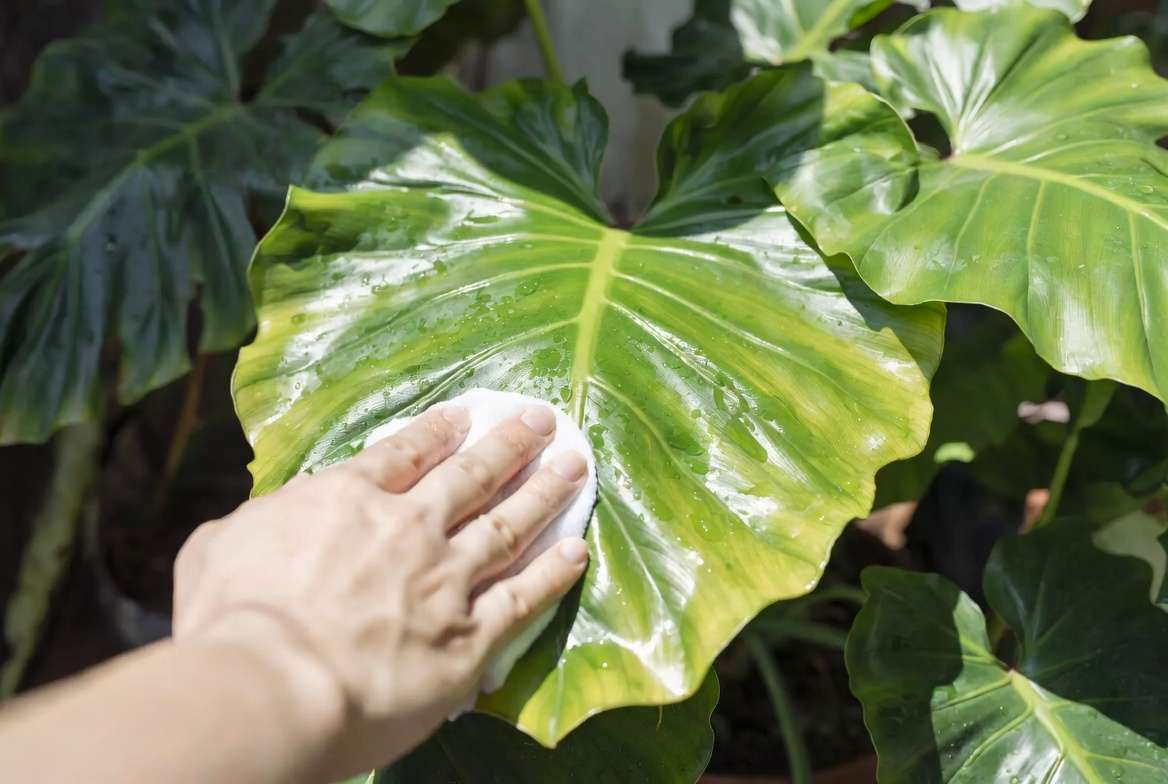
- Wipe leaves gently with a damp microfiber cloth every 1–2 weeks to remove dust. This improves photosynthesis and keeps the glossy shine.
Although mostly self-supporting, taller specimens may benefit from a discreet moss pole or stake for stability as they mature. Pruning in spring gives the plant time to recover during peak growth season.
Propagation Methods for More Plants! 🌿
One of the joys of philodendron congo care is how easily it propagates, allowing you to create new plants for yourself or friends.
Easy Ways to Propagate Philodendron Congo Stem Cuttings (Water or Soil Method):
- Choose a healthy stem with 2–3 nodes and at least one leaf.
- Cut below a node at a 45-degree angle.
- Place in a jar of clean water or directly into moist propagation mix.
- Keep in bright indirect light and change water weekly. Roots typically appear in 3–6 weeks.
- Transplant to soil once roots are 2–3 inches long.
Division for Mature Plants: During repotting, gently separate the root ball into sections, ensuring each has roots and foliage. This method produces larger plants faster.
Success rate is high with the Congo compared to vining types. Always use sterilized tools to prevent disease spread.
Common Problems and Troubleshooting 🛠️
Even experienced growers face challenges. Here’s how to diagnose and fix the most frequent philodendron congo plant issues.
Why Are My Philodendron Congo Leaves Turning Yellow? Usually overwatering or poor drainage. Other causes include low light, nutrient imbalance, or sudden temperature changes. Check soil moisture first — it’s the #1 culprit.
Brown Tips, Spots, and Other Issues
- Brown tips: Low humidity or tap water chemicals.
- Brown spots: Fungal issues from over-misting or poor airflow.
- Drooping: Underwatering or root problems.
Pests (Spider Mites, Mealybugs, Scale) Inspect regularly, especially leaf undersides. Treat early with neem oil, insecticidal soap, or a strong water spray. Isolate affected plants to prevent spread.
Root Rot Prevention and Recovery Prevention is best: Use well-draining soil and proper watering. If rot occurs, remove the plant from soil, trim black roots, treat with fungicide, and repot in fresh mix.
This troubleshooting section alone can save most struggling Congo plants.
Repotting, Transplanting, and Long-Term Care 🪴
Repotting is a vital step in the long-term success of your philodendron congo plant. Done correctly, it refreshes nutrients and gives roots room to support those impressive large leaves.
When and How to Repot Repot every 12–24 months in spring or early summer. Key signs it’s time: roots emerging from drainage holes, soil drying out extremely fast, or slowed growth despite good care.
Step-by-Step Repotting Guide:
- Gently remove the plant from its current pot.
- Shake off old soil and inspect roots — trim any soft, brown, or rotten sections with sterilized scissors.
- Place in a new pot 1–2 inches larger with fresh, well-draining mix (using the recipe from the soil section).
- Firm the soil gently and water thoroughly.
- Keep in bright indirect light and avoid fertilizing for 3–4 weeks while it settles.
For plants coming from nursery pots, transplant as soon as possible using the same method. Long-term, consistent repotting combined with proper care can help your philodendron congo reach its full mature size of 3–4 feet with lush, vibrant foliage that becomes a true focal point in any room.
Toxicity Note: Like most philodendrons, the Congo contains calcium oxalate crystals and is toxic if ingested by pets or humans. Keep out of reach of curious cats, dogs, and children. 🐾
Expert Tips for Maximum Growth and Vibrancy ✨
After years of cultivating philodendron congo plants, here are my top professional insights to take your plant to the next level:
10 Pro Tips for Philodendron Congo Success: 🌟 1. Use a moisture meter — it takes the guesswork out of watering. 🌟 2. Rotate your plant weekly for symmetrical, balanced growth. 🌟 3. For Rojo Congo, brighter indirect light helps maintain those beautiful reddish hues longer. 🌟 4. Add a weak compost tea monthly during growing season for organic boosts. 🌟 5. Group with other tropicals like monstera or calathea to naturally raise humidity. 🌟 6. Wipe leaves with diluted neem oil solution — it cleans and protects from pests. 🌟 7. Use rain or distilled water if your tap water is hard to prevent mineral spots. 🌟 8. In low-light homes, full-spectrum grow lights on a 12-hour timer work wonders. 🌟 9. Prune strategically in spring to encourage bushier, fuller form. 🌟 10. Be patient — with consistent care, new leaves will get progressively larger and glossier.
Companion Plants: Pair beautifully with Bird of Paradise, Fiddle Leaf Fig, or Pothos for a stunning indoor jungle look.
These advanced techniques have consistently produced award-worthy specimens in my collection and for my clients.
Frequently Asked Questions (FAQs) ❓
Is Philodendron Congo toxic to cats and dogs? Yes, it is mildly toxic if chewed due to calcium oxalate. Keep it in elevated spots or choose pet-safe alternatives like Calathea if you have furry friends.
How fast does Philodendron Congo grow? Under ideal conditions, it’s a moderate to fast grower, producing 4–8 new leaves per year and reaching mature size in 3–5 years indoors.
Can Philodendron Congo survive in low light? It can tolerate low light for short periods but will grow slower with smaller leaves. Bright indirect light is best for vibrant, healthy foliage.
Why are my Philodendron Congo leaves turning yellow? Most often due to overwatering. Check soil moisture, improve drainage, and ensure proper lighting.
What is the best fertilizer for Philodendron Congo? A balanced liquid houseplant fertilizer (20-20-20) diluted to half strength, applied every 2–4 weeks in growing season. Organic options like worm castings are excellent too.
How big does Philodendron Congo get? Indoors: Typically 3–4 feet tall and wide. Leaves can reach 18–24 inches long with proper care.
Should I mist my Philodendron Congo? Occasional misting helps with humidity, but avoid daily misting to prevent leaf fungus. Pebble trays or humidifiers are more effective.
Can I put my Philodendron Congo outside in summer? Yes, in shaded or dappled light areas once temperatures stay above 60°F. Gradually acclimate and bring indoors before cooler nights.
Conclusion: Enjoy Your Thriving Philodendron Congo 🌟
The philodendron congo plant is a rewarding, architectural beauty that brings tropical elegance to any space. By following this detailed care guide — from proper lighting and soil to troubleshooting and expert tips — you’ll enjoy lush, vibrant growth and massive glossy leaves for years to come.
Remember, every plant has its own personality. Observe yours closely, adjust care as needed, and celebrate the small wins like each new unfurling leaf. Your dedication will be rewarded with a stunning, healthy philodendron congo that becomes a cherished part of your home.
If you found this guide helpful, share your before-and-after photos in the comments, tell me about your own philodendron congo journey, or explore my other plant care guides for more species. Happy growing! 🪴✨











