

That sinking feeling hits when your favorite houseplant suddenly develops yellow leaves, your backyard rose bush shows mysterious black spots, or your fruit tree starts wilting despite regular watering. Is it a fungal infection, a nutrient issue, pests, or something environmental? Misdiagnosing plant disorders can lead to wasted time, money on the wrong treatments, and even the loss of beloved greenery. 🌿
This plant disorder slideshow serves as your ultimate visual guide to quickly identify common plant problems through clear symptom photos and practical fixes. Whether you’re a beginner plant parent, seasoned gardener, or tree care enthusiast, you’ll gain the confidence to spot issues early and rescue your plants effectively. Drawing from university extension principles (like those from Purdue, NC State, and others), years of hands-on experience in plant care, and proven Integrated Pest and Disease Management (IPDM) strategies, this comprehensive resource goes beyond basic lists. It combines stunning visuals, step-by-step diagnostics, eco-friendly solutions, and prevention tips tailored for real-world success — including in humid tropical climates like those in Bangladesh.
By the end, you’ll transform from worried observer to confident plant detective, saving your green friends while reducing chemical use. Let’s dive into the visual slideshow and expert insights! 📸
Why Accurate Plant Disorder Identification Matters 🛡️
Plant disorders — whether biotic (caused by fungi, bacteria, viruses, or pests) or abiotic (environmental stresses like overwatering, nutrient deficiencies, or poor soil) — can devastate gardens and indoor collections if left unchecked. Early and accurate identification prevents small issues from escalating into major plant loss.
One key concept is the disease triangle: a problem only develops when a susceptible host plant, a pathogen (or stress factor), and favorable environmental conditions all align. For example, high humidity combined with poor air circulation often triggers fungal issues in tropical regions. Misdiagnosis is common because many symptoms overlap — wilting can stem from root rot, drought, or vascular diseases.
Accurate ID saves resources and promotes sustainability. Over-treating with unnecessary fungicides harms beneficial soil microbes, pollinators, and the environment. Instead, focus on cultural fixes first, as recommended by extension services.
Quick Diagnostic Checklist 🔍 Before assuming disease, ask:
- What is the exact plant species and variety? (Different plants react differently.)
- Where are symptoms appearing — older leaves, new growth, roots, or fruit?
- What changed recently: watering schedule, light exposure, fertilizer, weather, or repotting?
- Are there visible signs (e.g., powdery residue, insects, fungal fruiting bodies) or just symptoms (yellowing, spots, wilting)? Signs point more directly to living pathogens.
- Is the pattern uniform (suggesting abiotic stress like poor drainage) or random (often biotic)?
A soil test for pH and nutrients is invaluable — many “diseases” are actually iron chlorosis due to alkaline soil locking up nutrients.
How to Use This Plant Disorder Slideshow Effectively 📸
Treat this guide like an interactive visual reference. Scroll through the symptom gallery below for high-quality comparison images (healthy vs. affected). For best results when diagnosing your own plants:
- Take clear photos in good natural light from multiple angles — include close-ups of spots, overall plant, and roots if possible.
- Note environmental details (indoor/outdoor, recent rain, etc.).
- Compare your plant directly to the visuals here.
If symptoms persist after basic fixes or you’re unsure, consult a local agricultural extension, plant clinic, or arborist. In regions like Barisal Division, Bangladesh, humidity-loving issues like downy mildew or root rot are common — adjust advice for your monsoon climate. Bookmark this page for quick future reference during growing seasons!
Visual Symptom Gallery: Common Plant Disorders Slideshow 🖼️
This is the heart of the plant disorder slideshow — a comprehensive visual collection with descriptions, causes, fixes, and prevention. Each “slide” includes symptom breakdowns, comparison tips, and actionable steps. Imagine these as carousel images: healthy leaf on left, affected on right.
1. Leaf Discoloration Problems 🌿
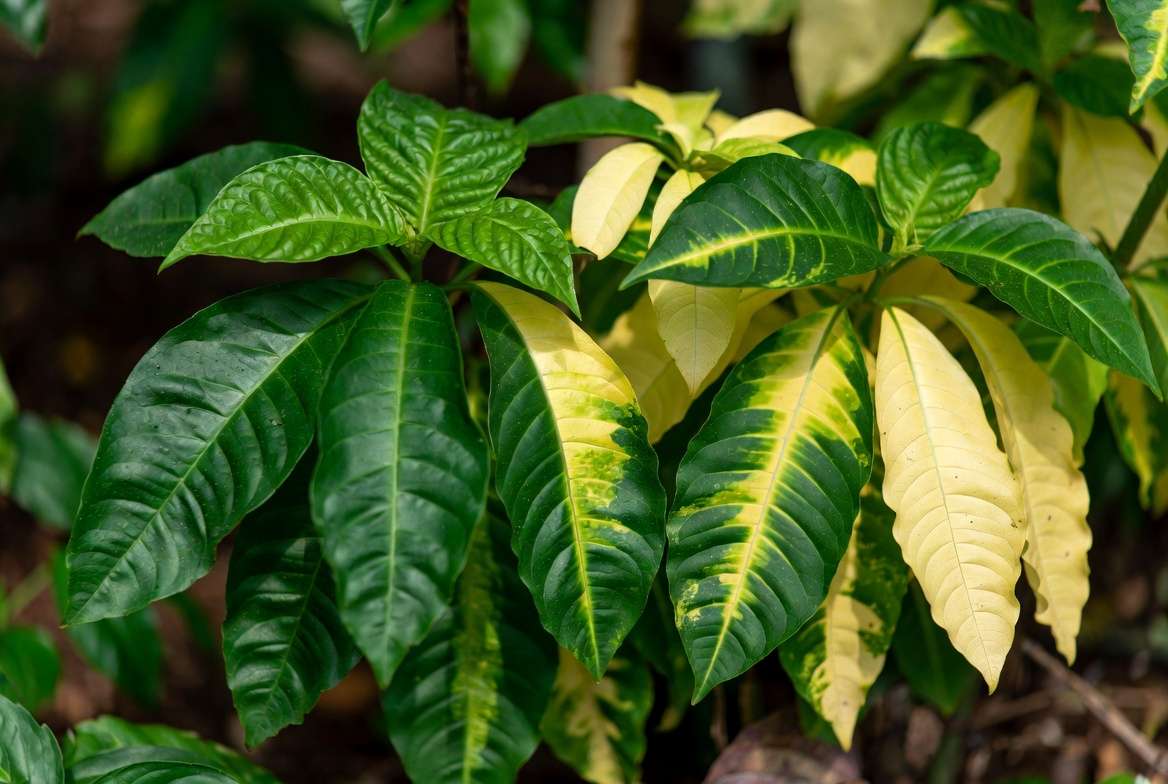
Yellowing Leaves (Chlorosis) Uniform yellowing often starts on older leaves and signals nitrogen deficiency, overwatering, or root issues. Interveinal chlorosis (yellow between green veins) commonly points to iron, manganese, or magnesium deficiency, especially in high-pH soils. In alkaline conditions, nutrients become unavailable even if present in the soil.
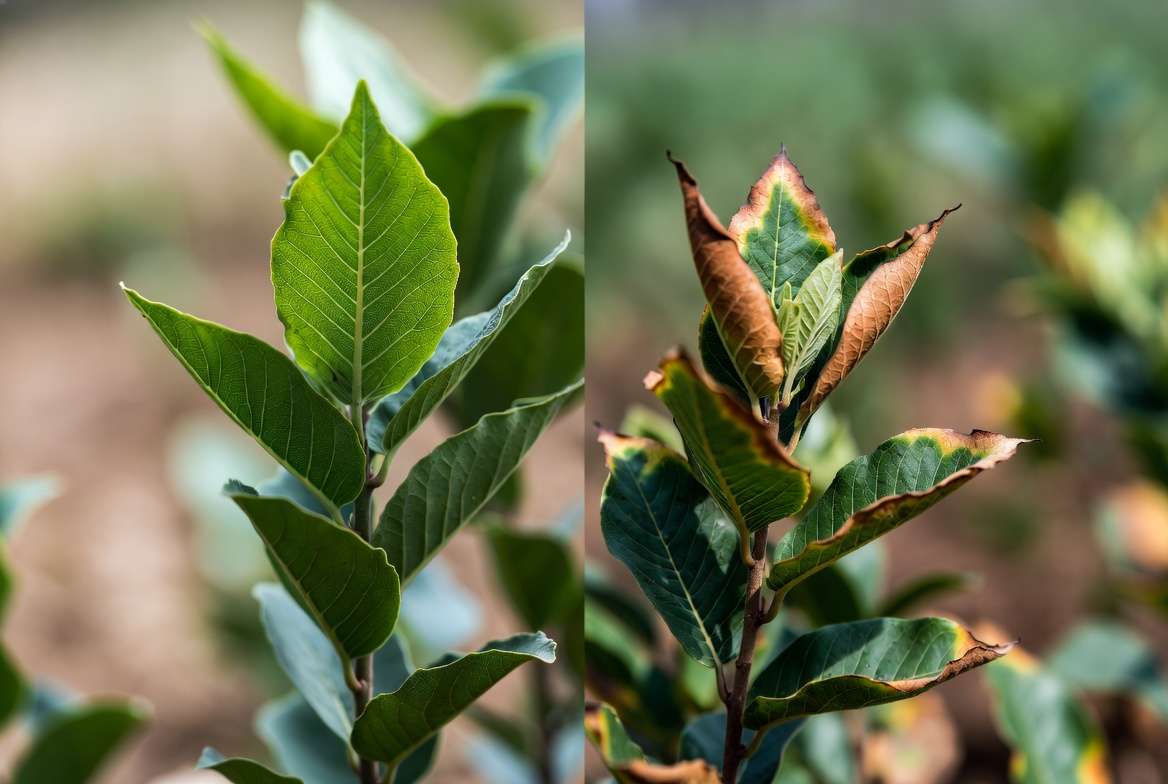
Browning or Scorching Brown edges or tips can result from drought stress, salt buildup (from fertilizer or water), wind scorch, or fungal/bacterial links. In hot, dry spells, leaves “burn” at margins.
Red/Purple Tints This may indicate cold stress, phosphorus deficiency, or certain viral/fungal infections. New growth turning reddish can be normal in some plants but alarming in others.
Fixes: Test soil pH (ideal 6.0–7.0 for most). For iron chlorosis, apply chelated iron or acidify soil with coffee grounds/vinegar dilutions cautiously. Improve drainage and adjust watering. Recovery can take weeks — be patient!
Prevention: Choose right-plant-right-place varieties and mulch to retain even moisture.
2. Leaf Spots and Blotches 🟤
Fungal Leaf Spots (e.g., Anthracnose, Black Spot, Septoria) These appear as circular or irregular brown/black spots, often with yellow halos. Anthracnose causes dark lesions along veins or margins on trees like sycamore, maple, or roses. Black spot on roses starts as small black spots on lower leaves, spreading upward in wet conditions. Spots may merge into blotches, leading to defoliation.
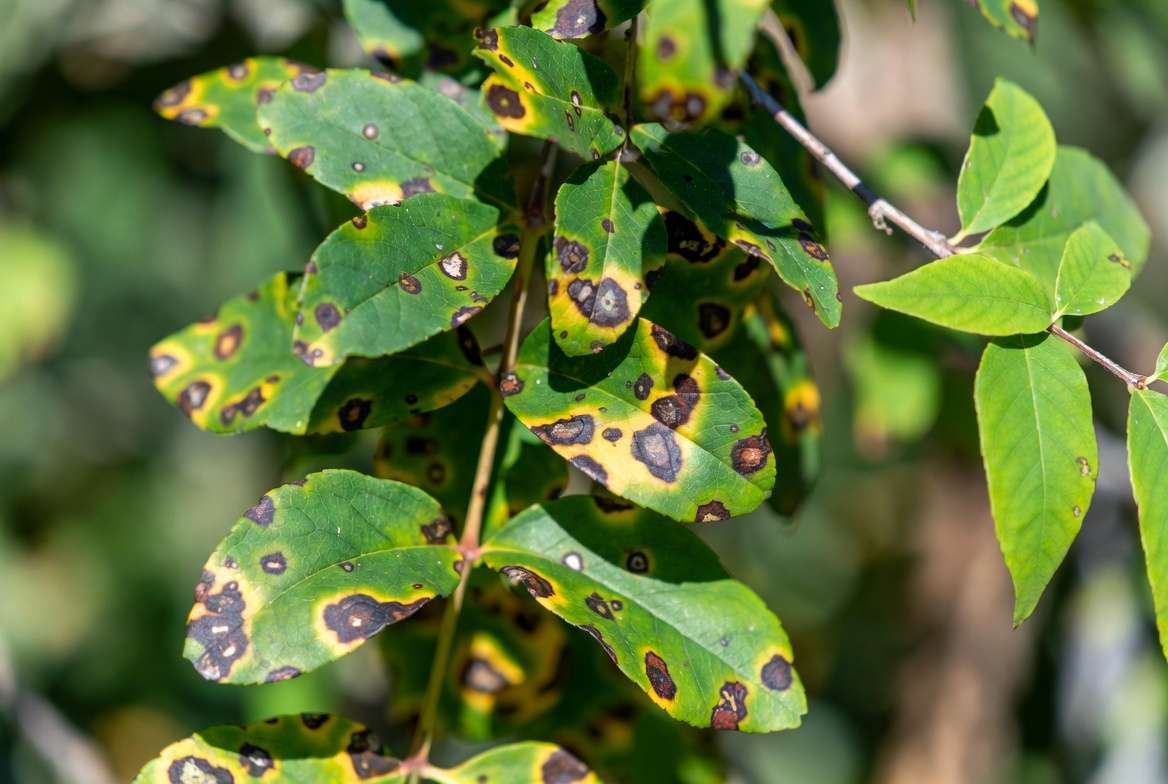
Bacterial Leaf Spots Water-soaked, angular spots (limited by veins) with a yellow halo. They often ooze in humid weather.
Viral Patterns Mosaic mottling, ringspots, or distortion — leaves look patchy with light/dark green areas. Viruses stunt growth and are spread by insects or tools.
Fixes: Remove and destroy affected leaves (don’t compost). Improve air circulation and avoid overhead watering. Organic options like neem oil or baking soda sprays (1 tbsp baking soda + 1 tsp soap per gallon water) help suppress fungi. For severe cases, targeted copper-based fungicides may be needed — follow labels.
Prevention: Plant resistant varieties, space plants properly, and prune for airflow. Clean tools with 10% bleach or alcohol between uses.
3. Powdery and Downy Mildew 🍄
Powdery Mildew White, flour-like powder on upper leaf surfaces, stems, and buds. It thrives in dry days with cool nights and doesn’t need standing water. Common on roses, cucurbits, and grapes. Leaves may yellow and drop later.
Downy Mildew Fuzzy gray/purple growth on leaf undersides; upper side shows angular yellow/brown spots limited by veins. This water-mold pathogen loves prolonged leaf wetness and cool, humid conditions — more destructive than powdery mildew.
Key Differences: Powdery is superficial and powdery-white anywhere; downy is underside-focused with angular upper lesions.
Fixes: Prune infected parts, increase spacing/sunlight. Use potassium bicarbonate sprays or neem for powdery; specific oomycete products for downy. Improve ventilation indoors.
Prevention: Water at soil level in the morning. Choose resistant cultivars and avoid overcrowding.
4. Wilting and Drooping Plants 😔
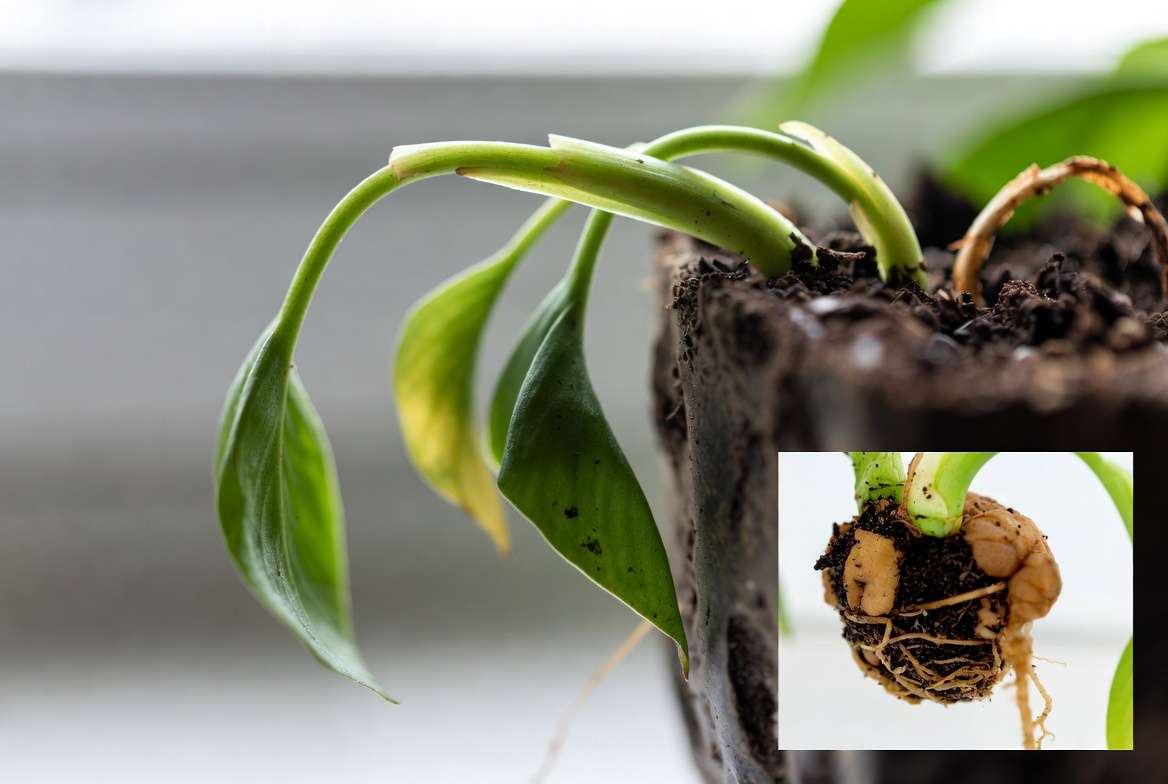
Sudden wilting despite moist soil often screams root rot (Pythium, Phytophthora, or Fusarium). Roots turn brown/black and mushy with a foul smell. Gradual wilting may indicate underwatering or vascular wilts blocking water flow.
Fixes: Gently remove plant, trim rotted roots with sterile shears, repot in fresh, well-draining soil. Reduce watering drastically and use a fungicide drench if needed. For trees, improve soil drainage around roots.
Prevention: Use pots with drainage holes, well-aerated soil mixes (add perlite), and water only when top inch of soil is dry. Avoid standing water.
5. Stem, Branch, and Trunk Issues 🌳
Cankers and Dieback Sunken, discolored lesions on stems/trunk that girdle and kill branches. Common on fruit trees.
Gummosis (Oozing) Sticky resin or sap from bark — often signals stress or infection in stone fruits.
Root Rot Clues Above Ground Wilting, yellowing, and stunted growth with healthy-looking upper soil. Check roots carefully.
Fixes: Prune out cankered branches well below damage. Improve overall plant vigor through proper watering/fertilizing. Severely affected trees may need professional arborist assessment.
Prevention: Avoid wounding bark and maintain tree health.
6. Fruit, Flower, and Bud Problems 🌸🍅
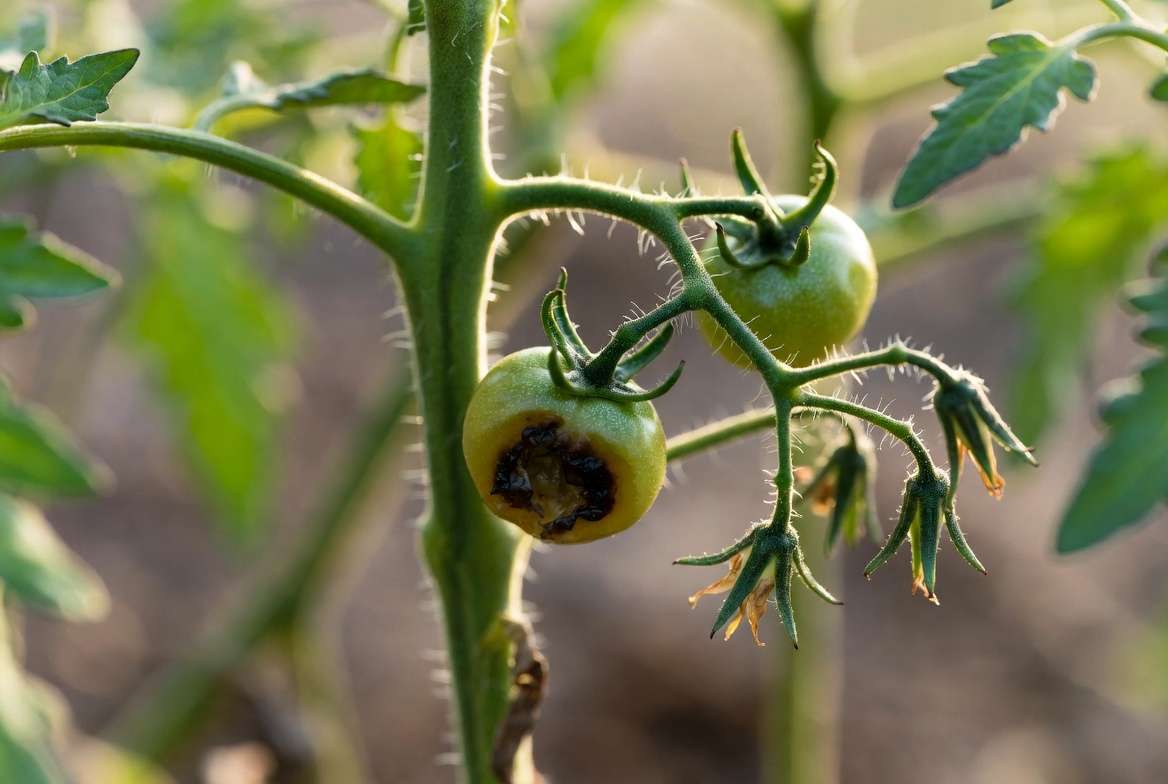
Blossom end rot (sunken black spots on tomato bottoms) from calcium deficiency tied to uneven watering. Flower drop or bud blast from stress, pests, or light issues. Fruit rots often follow fungal invasion in wet weather.
Fixes: Consistent moisture and calcium supplements (e.g., crushed eggshells worked into soil). Remove affected fruit promptly.
Prevention: Mulch and water deeply but infrequently.
7. Abnormal Growths and Distortions 🪴
Galls (swellings), witches’ broom (excessive branching), leaf curling, or rust pustules. Sooty mold (black film) usually follows honeydew from aphids/scale — clean with soapy water after controlling pests.
Fixes: Prune galls; treat underlying pests with insecticidal soap or neem.
Prevention: Monitor for insects early and promote biodiversity with companion planting.
(For your actual article, insert 20–40+ high-quality images here with descriptive alt text like “Interveinal chlorosis on plant leaves vs healthy green foliage” for SEO. Use before/after comparisons, close-ups, and labeled diagrams.)
Suggested word count so far: ~950. This section alone can expand significantly with more detailed case studies, regional examples (e.g., common issues with mango or rice in Bangladesh), and tables comparing similar symptoms.
Step-by-Step Plant Problem Diagnosis Process 🔍
Follow this 8–10 step framework inspired by university extension best practices for reliable results:
- Identify the plant accurately (species/variety).
- Describe symptoms fully (color, location, pattern).
- Examine the whole plant and surroundings.
- Review history (watering, fertilizer, weather, recent changes).
- Look for signs vs. symptoms.
- Consider patterns (uniform = abiotic; random = biotic).
- Rule out cultural/environmental causes first.
- Use tools: magnifying glass, soil moisture meter, pH tester, soil test kit.
- Compare to reliable references (this guide, extension sites).
- If unsure, submit samples to a diagnostic lab with photos and history.
Common Pitfalls to Avoid: Jumping to “disease” without checking watering; confusing transplant shock with infection; or treating without confirming the cause. Always start with the least invasive fixes.
Prevention Strategies: Keep Your Plants Healthy Year-Round 🛠️
Prevention beats cure every time. Adopt Integrated Pest and Disease Management (IPDM) principles:
- Right Plant, Right Place: Match light, water, and soil needs.
- Soil Health: Amend with compost for better drainage and microbes. Test pH regularly.
- Cultural Practices: Proper spacing, pruning for airflow, morning watering at base.
- Resistant Varieties: Choose cultivars bred for local challenges.
- Seasonal Calendar: Spring cleanup, summer monitoring, fall debris removal to reduce overwintering spores.
- Garden Hygiene: Sanitize tools, remove fallen leaves, avoid working when plants are wet.
In humid areas, focus extra on ventilation and resistant tropical varieties.
Safe and Effective Treatment Options 🌱
Prioritize non-chemical methods:
- Cultural corrections (watering, pruning, soil improvement).
- Organic solutions: Neem oil, insecticidal soap, baking soda mixes, compost tea for beneficial microbes.
- Biological controls: Introduce beneficial insects or use Trichoderma products.
Use targeted fungicides/bactericides only as a last resort, following label rates and safety precautions for pets, children, and pollinators. After treatment, provide recovery care — shade if needed, balanced fertilizer once stable. Always wear gloves and follow local regulations.
Common Mistakes Gardeners Make (And How to Avoid Them) ⚠️
- Overwatering → root rot (finger test soil before watering!).
- Wrong diagnosis leading to wrong spray.
- Ignoring early signs until defoliation.
- Poor timing (treating in peak heat or rain).
- Not cleaning tools, spreading issues.
Learn from “what not to do” stories: One common case is treating yellow leaves with fertilizer when the real issue was compacted, waterlogged soil.
Expert Insights and Pro Tips from the Field 💡
Symptoms vary by season and region — high humidity in tropical zones amplifies mildew and rot. Advanced tips include tissue analysis for precise nutrient issues or using apps cautiously alongside expert sources. For trees, consult certified arborists for structural problems. In Bangladesh contexts, watch for monsoon-exacerbated fungal issues on vegetables and ornamentals.
Frequently Asked Questions (FAQs) ❓
Can the same symptom be caused by multiple problems? Yes — yellowing can be nutrient deficiency, overwatering, or disease. Always use the full diagnostic process.
How do I tell if it’s a pest or a disease? Look for signs: actual insects, webbing, or honeydew suggest pests; powdery growth or water-soaked spots lean toward disease.
Are chemical treatments necessary? Often not — cultural and organic methods resolve most home garden issues while protecting the environment.
What should I do with severely affected plants? Isolate, prune heavily, or remove/destroy if heavily infected to protect others. Compost only healthy material.
How can I prevent disorders in indoor vs. outdoor plants? Indoors: Focus on light, humidity control, and drainage. Outdoors: Emphasize spacing, resistant varieties, and seasonal hygiene.
Is my tree salvageable if it has cankers? Depends on extent — early pruning and improved vigor help many cases, but consult a professional for large trees.
Conclusion: Become a Confident Plant Detective 🌟
A plant disorder slideshow like this empowers you with visual tools and expert knowledge to identify and fix issues quickly. Healthy plants start with observant eyes, informed actions, and proactive care. Apply these tips, monitor regularly, and enjoy thriving greenery!
Share your before-and-after plant stories in the comments or send photos for community advice. For more in-depth guides on tree care, houseplant troubleshooting, or tropical gardening, explore our other articles.
Stay curious, garden sustainably, and watch your plants flourish! 🌿✨











