
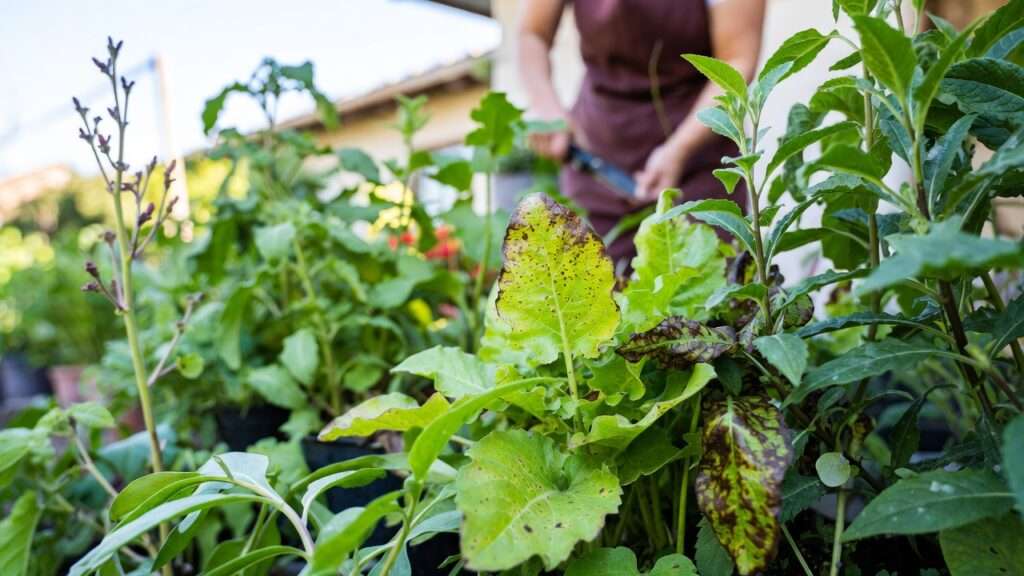
Imagine stepping into your garden one sunny morning, excited to harvest those juicy tomatoes or admire your blooming roses, only to find leaves covered in mysterious spots, plants wilting dramatically, or fruits rotting before they ripen. 😩 Heartbreaking, right? This happens to almost every home gardener at some point — and the culprit is usually a plant disease.
Plant pathology basics for gardeners aren’t just for scientists in white coats; they’re essential tools for anyone who grows flowers, vegetables, fruits, or trees at home. Plant pathology is the study of plant diseases — what causes them, how they spread, and most importantly, how to stop them before your entire crop or flower bed suffers.
Understanding these basics can save you time, money, and countless plants. According to university extension services, up to 80-90% of common garden plant losses come from preventable fungal, bacterial, or viral issues rather than pests or poor weather alone. By learning to spot early signs, apply smart prevention, and manage problems effectively, you shift from reactive frustration (“Why is my plant dying?!”) to proactive confidence (“I’ve got this under control!”). 💪
In this comprehensive guide, we’ll break down the fundamentals using the classic Disease Triangle (host plant + pathogen + favorable environment = disease outbreak ⚠️), walk through diagnosis like a pro, share prevention strategies backed by real extension research, and dive deep into the top common diseases with practical, organic-leaning solutions. Whether you’re in a humid tropical area like parts of Bangladesh or a temperate zone, these timeless principles will empower your home garden success. Let’s turn potential disasters into thriving greenery! 🌈
What Is Plant Disease? The Fundamentals Every Gardener Should Know 📚
A plant disease isn’t just “something wrong” — it’s a harmful alteration in a plant’s normal functions caused by a living pathogen (biotic) or non-living stress (abiotic). True diseases come from pathogens like fungi, bacteria, viruses, or nematodes, while disorders (like nutrient deficiencies or drought stress) mimic them but need different fixes. 🤔
The cornerstone concept is the Disease Triangle — explained simply: Disease only occurs when three things align perfectly:
- A susceptible host plant (your tomato, rose, or veggie that’s vulnerable to that specific issue).
- A virulent pathogen (the disease-causing organism present and ready to infect).
- Favorable environmental conditions (warmth, humidity, poor air circulation, wet leaves for days, etc.).
Break any side of the triangle, and disease can’t take hold! Gardeners control this most easily by choosing resistant varieties (host), improving soil and spacing (environment), and practicing sanitation to reduce pathogen buildup. This simple model, taught by university extensions worldwide, is your secret weapon for prevention.
Signs vs. Symptoms — quick tip:
- Symptoms are what the plant shows (yellowing leaves, wilting, spots).
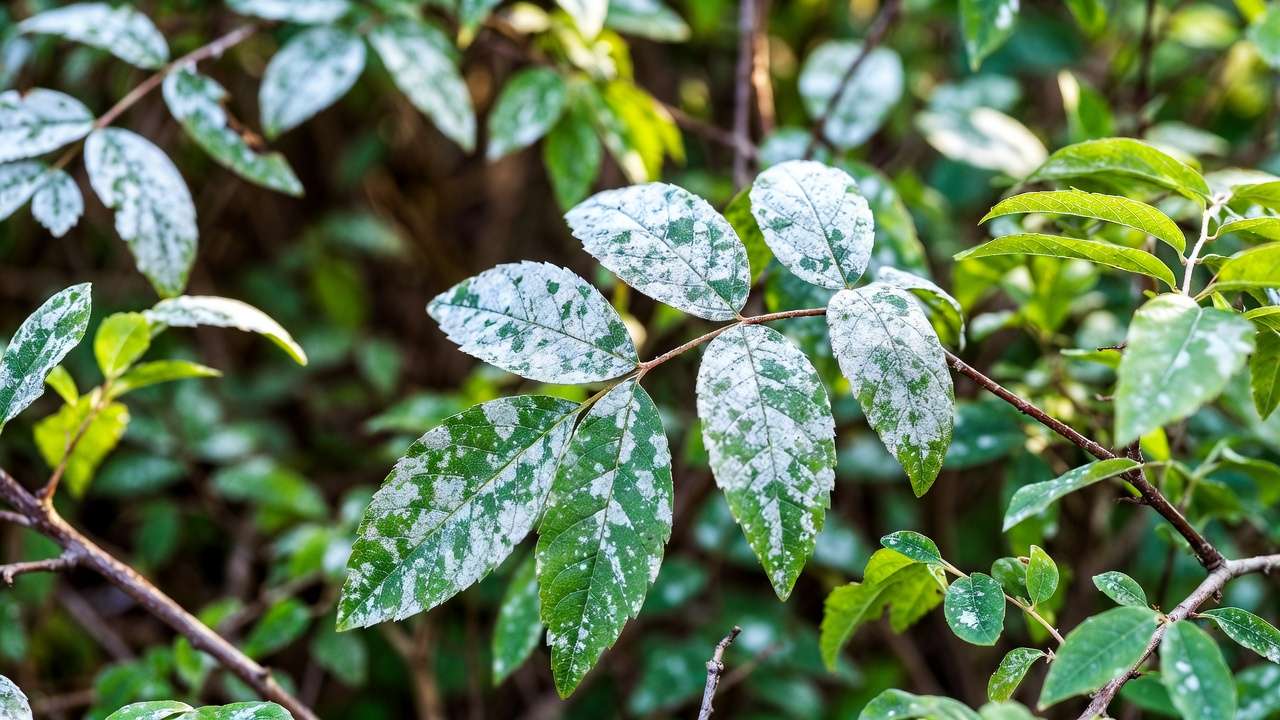
- Signs are evidence of the pathogen itself (white powdery coating = fungal mycelium, orange pustules = rust spores). Spotting signs early gives you a huge advantage! 🔎
Fun fact: Fungi cause about 70-80% of plant diseases in home gardens, thriving in moist, warm conditions common during rainy seasons.
The Main Culprits: Types of Plant Pathogens 🦠🍄
Knowing your enemy helps you fight smarter. Here’s a breakdown:
- Fungi (most frequent offenders): Microscopic organisms that produce spores. Examples: Powdery mildew (white dust-like coating), rust (orange spots), black spot (dark leaf lesions), early/late blight (target-like rings on tomatoes). They love humidity and poor airflow.
- Bacteria: Tiny, single-celled invaders entering through wounds. Common: Fire blight (blackened shoots like burned), bacterial wilt (sudden collapse), soft rots (mushy decay). Spread by splashing water or tools.
- Viruses: Not living organisms but infectious particles. Mosaic viruses cause mottled, distorted leaves (tomato mosaic, cucumber mosaic). Spread by aphids, contaminated tools, or seeds — no cure, only prevention/removal.
- Other pathogens: Oomycetes (like Phytophthora causing root rot/downy mildew — water molds), nematodes (microscopic worms attacking roots), parasitic plants (rare in home gardens).
Quick comparison table (imagine this in your mind or sketch it!):
| Pathogen Type | Common Examples | How It Spreads | Loves These Conditions |
|---|---|---|---|
| Fungi | Powdery mildew, rust | Spores in air/water | High humidity, shade |
| Bacteria | Fire blight, soft rot | Splashing rain, tools | Wet foliage, wounds |
| Viruses | Mosaic viruses | Insects, handling | Stress + vectors |
| Oomycetes | Downy mildew, root rot | Wet soil, splashing | Poor drainage, overwatering |
Understanding these helps you target fixes — fungicides rarely work on bacteria/viruses!
Step-by-Step: How to Diagnose Plant Problems Like a Pro 🕵️♂️
Don’t guess — diagnose systematically to avoid wasting effort on the wrong fix. Follow this 5-step process inspired by extension experts:
- Observe the big picture: Is the issue widespread or isolated? Pattern matters — uniform yellowing might be nutrient/abiotic; random spots suggest disease.
- Check the environment first: Recent heavy rain? Over/under watering? Poor soil drainage? Heat stress? Rule out non-disease causes.
- Examine closely: Use a magnifying glass or phone zoom. Look for signs (fuzzy mold, pustules) vs. symptoms. Note affected parts (leaves only? Roots too?).
- Rule out abiotic issues: Compare to nutrient deficiency charts (e.g., yellow between veins = magnesium lack). Test soil pH if possible.
- Confirm with reliable resources: Take clear photos, note dates/weather. Use university extension sites, apps like PlantVillage, or submit samples to local diagnostics (many offer free/cheap services).
Common misdiagnoses: Treating drought-wilted plants with fungicide (worsens it!) or assuming all leaf spots are fungal when bacterial spots look similar.
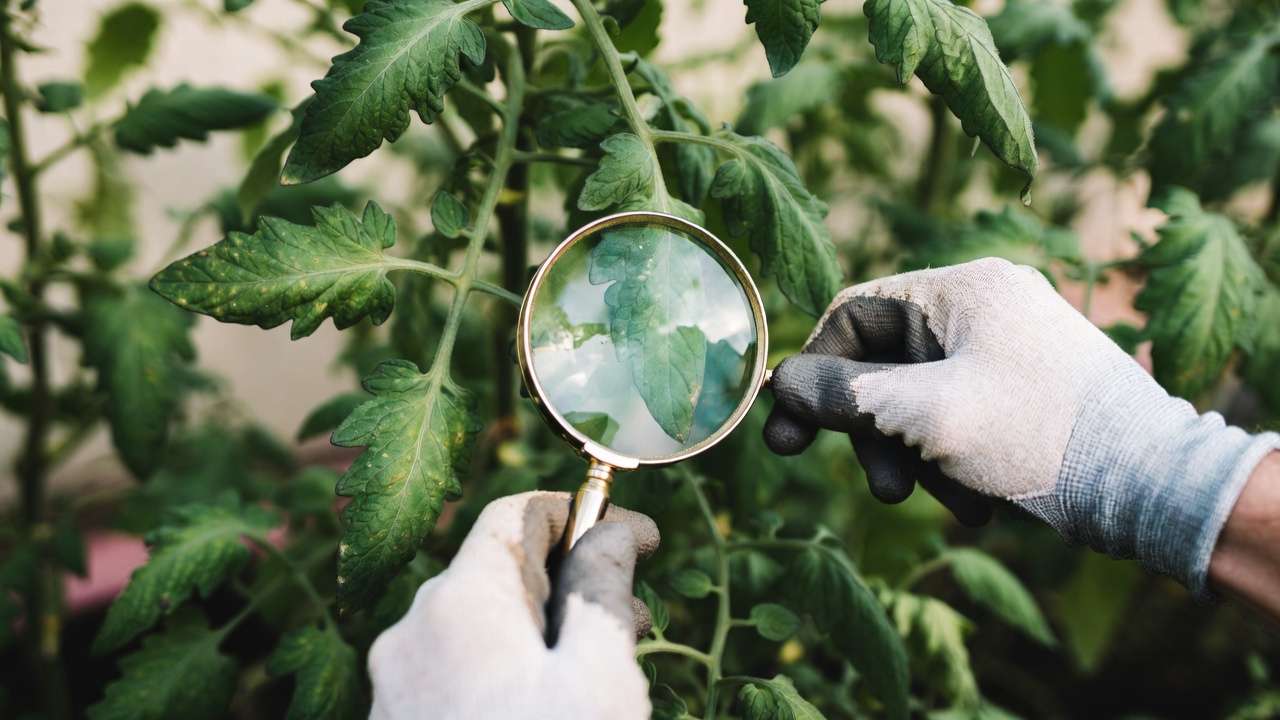
Essential tools: Hand lens, pruning shears (sterilize with alcohol), notebook/journal, camera. Start a simple garden log — dates, weather, observations — it’s gold for future seasons! 📓
Prevention: Your Best Defense – Cultural Practices That Work 🌟
Prevention beats cure every time — especially in humid, tropical climates like Barisal Division, Bangladesh, where high rainfall, warmth, and humidity create perfect conditions for fungal and bacterial outbreaks. By focusing on cultural practices, you disrupt the Disease Triangle before problems start. These methods are low-cost, organic-friendly, and backed by university extension research worldwide.
- Build healthy soil — The foundation of disease resistance. Test your soil pH (aim for 6.0–7.0 for most veggies/fruits; slightly acidic for some like potatoes). Add plenty of organic matter — compost, well-rotted manure, or leaf mold — to improve drainage and nutrient availability. In waterlogged areas common during monsoons, raised beds or adding sand/organic matter helps prevent root rots. Healthy roots = resilient plants! 🪴
- Choose resistant varieties — This is one of the easiest wins. Look for labels like “VFN” on tomatoes (resistant to Verticillium, Fusarium, Nematodes) or “PMR” for powdery mildew resistance. In Bangladesh, local hybrids or varieties resistant to bacterial wilt (common in brinjal/eggplant) or late blight work wonders. Seed companies and local agricultural offices often recommend region-specific options.
- Smart planting strategies — Space plants properly for airflow (crowding invites mildew and blight). Practice crop rotation — don’t plant the same family (e.g., Solanaceae: tomatoes, brinjal, potatoes) in the same spot for 3–4 years to starve soil-borne pathogens. Companion planting helps too — marigolds deter nematodes, basil repels some fungal issues.
- Water wisely — Overhead watering spreads bacteria/fungi via splashing. Water at the base in the morning so leaves dry quickly. Use drip irrigation or soaker hoses — especially valuable in rainy seasons to avoid excess moisture on foliage.
- Sanitation basics — Remove and destroy (don’t compost) infected plant parts immediately. Clean tools with 10% bleach or alcohol between cuts. At season’s end, clear debris — many pathogens overwinter in old leaves/stems.
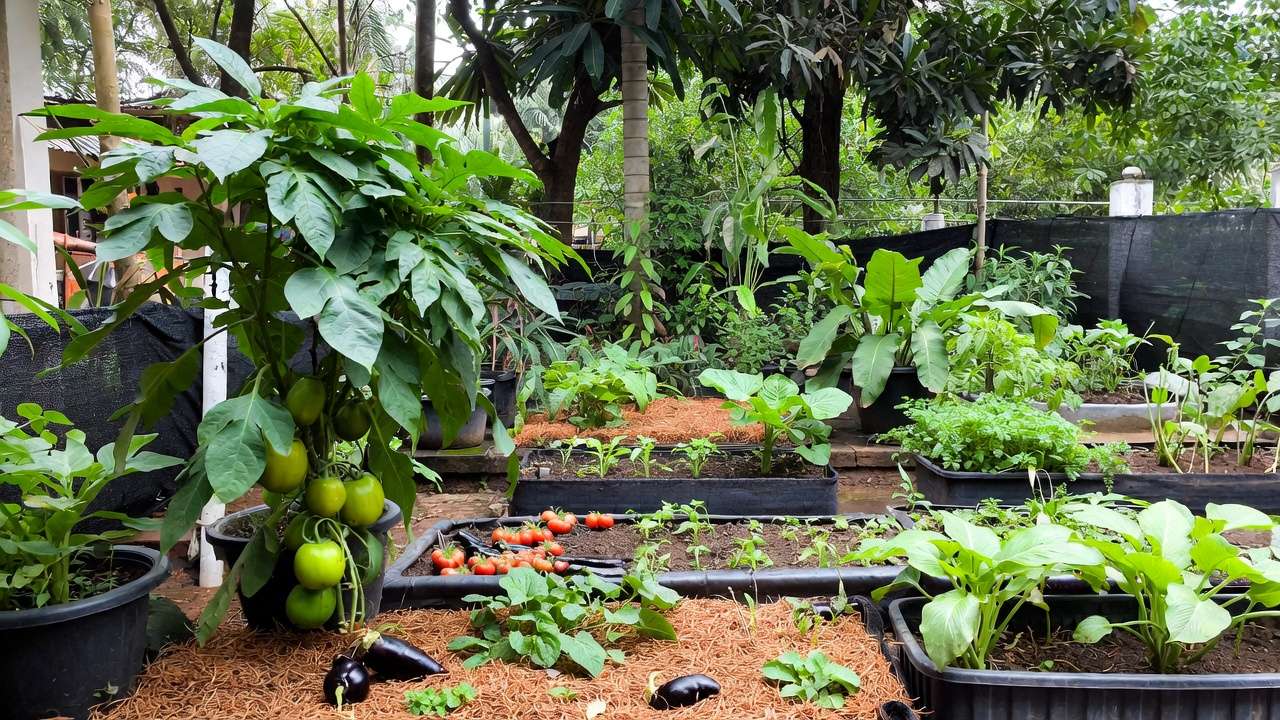
- Mulching magic — A 2–4 inch layer of organic mulch (straw, dried leaves, coconut coir) suppresses soil splash (big disease vector), retains moisture evenly, and feeds soil microbes that compete with pathogens. In tropical humidity, mulch also moderates soil temperature.
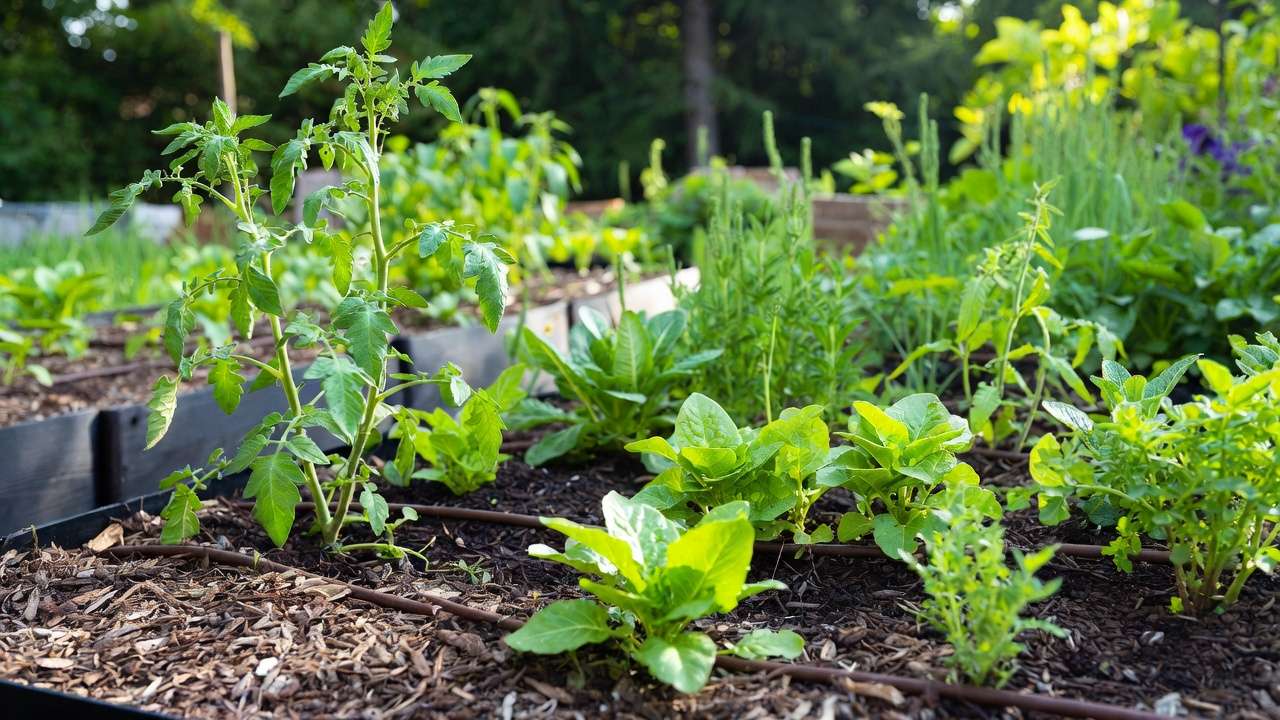
Implement these, and you’ll dramatically reduce disease pressure — often eliminating the need for sprays entirely. 🌱
Identifying and Managing the Top 10 Common Home Garden Diseases 🏆
Here are the most frequent culprits in home gardens (with extra relevance for humid tropical/subtropical areas like Barisal, where fungal and bacterial issues spike during monsoon). For each, I’ll cover symptoms, conditions that favor it, prevention, and management — prioritizing organic/low-impact options.
- Powdery Mildew 🌫️ White powdery coating on leaves/flowers (often upper surfaces first). Thrives in warm, humid days + cool nights, poor airflow. Common on cucurbits, roses, beans. Prevention: Good spacing, morning sun, resistant varieties. Management: Baking soda spray (1 tbsp baking soda + 1 tsp dish soap in 1 gallon water), neem oil, or sulfur-based products early. Prune affected parts.
- Black Spot (roses especially) ⚫ Dark purple-black spots with yellow halos; leaves drop. Loves wet foliage + moderate temps. Prevention: Morning watering, mulch to reduce splash, resistant rose varieties. Management: Remove fallen leaves, neem oil or copper fungicide preventively.
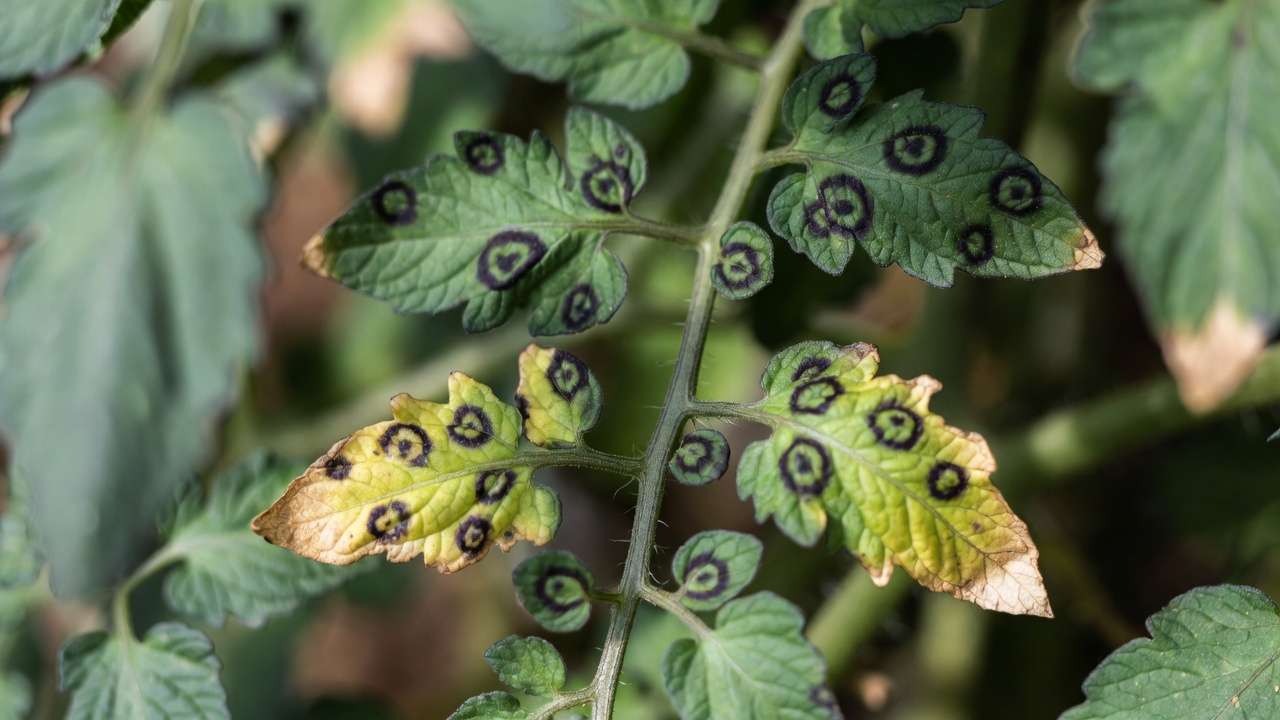
- Early Blight & Late Blight (tomatoes, potatoes, brinjal) 🍅 Early: concentric rings on lower leaves. Late: dark, greasy spots; white mold in humid weather (devastating in rainy seasons). Prevention: Resistant varieties (e.g., ‘Defiant’ for late blight), crop rotation, staking for airflow. Management: Copper sprays early; remove infected plants quickly in late blight cases (it’s highly contagious).
- Rust 🟠 Orange/yellow pustules on undersides of leaves. Alternate hosts (e.g., some weeds). Common on beans, roses. Prevention: Remove alternate hosts, good airflow. Management: Sulfur or neem; prune severely affected parts.
- Downy Mildew 💧 Purple/gray fuzzy growth underneath leaves; yellow patches above. Loves prolonged leaf wetness. Prevention: Ventilation, avoid overhead watering. Management: Copper-based products, baking soda sprays.
- Fire Blight (apples, pears, some ornamentals) 🔥 Shoots blacken, wilt like burned; “shepherd’s crook” tip. Bacterial, spreads in warm, wet spring. Prevention: Prune in dry weather, resistant varieties. Management: Sterilize tools; prune 12 inches below infection; copper sprays at bloom.
- Root Rot / Damping Off 🌱 Seedlings collapse at soil line; roots mushy/dark. Overwatering + poor drainage. Prevention: Well-drained soil, avoid overwatering, sterile seed-starting mix. Management: Improve drainage; beneficial microbes (Trichoderma products).
- Anthracnose & Botrytis Blight (Gray Mold) Sunken lesions on fruits/leaves; gray fuzzy mold. Wet, cool conditions. Prevention: Space plants, harvest promptly. Management: Remove debris; neem or sulfur.
- Fusarium Wilt & Verticillium Wilt Yellowing one side, wilting despite water; vascular browning. Soil-borne, no cure once advanced. Prevention: Resistant varieties, crop rotation, solarization in hot months. Management: Remove plants; avoid stressing them.
- Mosaic Viruses Mottled, distorted leaves; stunted growth. Aphid-spread, incurable. Prevention: Control aphids, buy certified virus-free seed/transplants, remove weeds. Management: Rogue infected plants immediately.
(Pro tip: Always take photos and compare to reliable sources like university extension galleries for accurate ID!)
Integrated Disease Management (IDM): Beyond Just Spraying 🛡️
IDM combines everything: prevention first, then cultural fixes, biological controls, and chemicals only as last resort.
- Organic favorites: Neem oil (broad-spectrum), copper/sulfur (for fungi/bacteria), baking soda sprays, compost teas with beneficial microbes.
- Biological controls: Introduce Trichoderma or Bacillus subtilis products to soil/foliage — they outcompete pathogens.
- Fungicide use (if needed): Follow labels strictly, rotate modes of action to prevent resistance, apply preventively or at first sign. In veggies, use sparingly and respect pre-harvest intervals.
Seasonal Checklist: Year-Round Plant Health Strategy 📅
Tailored for tropical/subtropical climates (e.g., Barisal’s hot, humid, monsoon-heavy pattern):
- Pre-monsoon/Spring 🌸: Soil test + amend, plant resistant varieties, mulch beds, start preventive copper sprays on vulnerable crops.
- Monsoon/Rainy Season ☔: Monitor for leaf wetness diseases, ensure drainage, avoid overhead watering, scout daily for early signs.
- Post-monsoon/Autumn 🍂: Remove debris, prune for airflow, apply compost, rotate crops.
- Winter/Dry Season ❄️: Water deeply but infrequently, watch for wilts in stressed plants, protect tender crops from occasional cold snaps.
Adapt based on your microclimate — heavy rain years mean extra vigilance for blights!
Expert Insights & Real Gardener Stories 🌟
University extensions emphasize: “Prevention through cultural practices is 80–90% of successful disease management.” A common story from tropical gardeners: “I lost my entire brinjal crop to bacterial wilt one year — now I rotate rigorously and use resistant rootstocks. No losses since!”
Myth bust: “You can’t compost diseased plants” — actually, hot composting breaks down most pathogens; just avoid if viral or if compost doesn’t heat up properly.
FAQs: Quick Answers to Gardener Questions ❓
- Is it disease or nutrient deficiency? — Nutrient issues usually show uniform patterns (e.g., yellow older leaves = nitrogen lack); diseases are spotty/random.
- Can I compost diseased plants? — Yes for fungal/bacterial in hot compost; no for viruses or if unsure.
- Safest fungicide for veggies? — Copper or sulfur-based, used sparingly; neem for broad protection.
- How do I know if it’s viral? — Mottled/distorted growth, no cure — remove plant to stop spread.
Conclusion: Empower Your Garden with Knowledge 🌈
Mastering plant pathology basics for gardeners turns scary wilts and spots into manageable (often preventable) issues. Focus on the Disease Triangle, prioritize prevention, diagnose carefully, and act early — your plants will reward you with healthier growth and bigger harvests. Start a simple garden journal today to track what works in your space. You’ve got this! 💚
If you spot something unusual, reach out to local agricultural extension offices — they’re gold for region-specific advice.
Happy gardening, and may your beds stay disease-free! 🌱✨











