
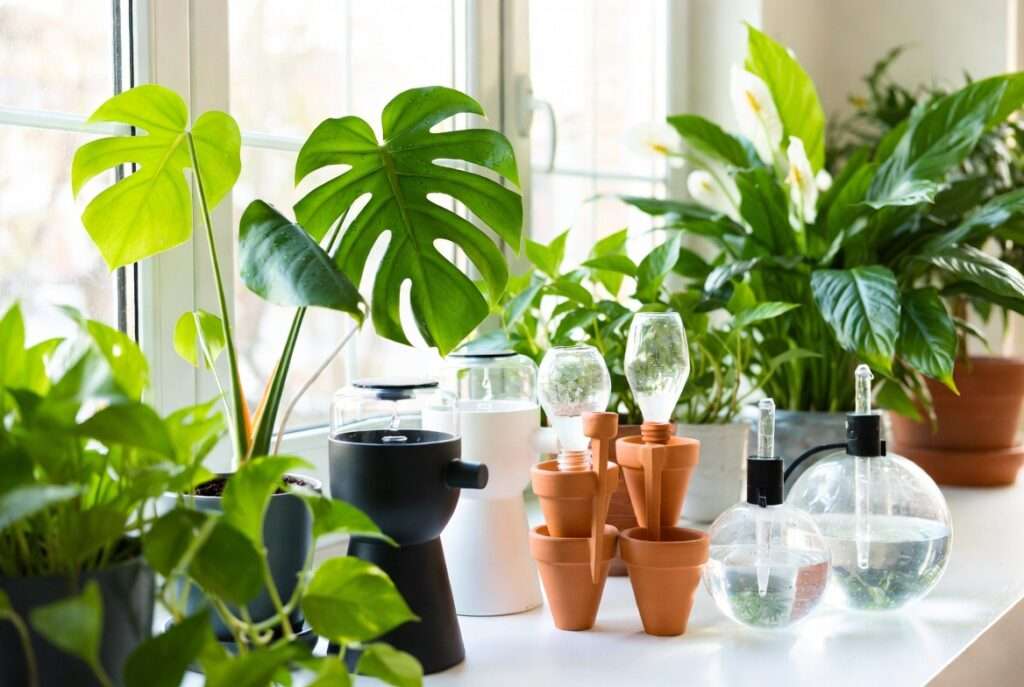
Are you tired of coming home to wilted leaves and dry soil after a busy week, or stressing about your precious houseplants while you’re away on vacation? If you’ve ever struggled with inconsistent watering, you’re not alone. A plant waterer indoor can be the simple yet powerful solution that transforms your indoor gardening experience from high-maintenance to effortless joy. 🌿
As a plant care specialist with over 12 years of hands-on experience helping enthusiasts—from busy professionals to urban jungle collectors—create thriving indoor gardens, I’ve tested dozens of watering solutions. The right self-watering system doesn’t just keep plants alive; it helps them flourish with consistent moisture, stronger roots, and vibrant foliage. In this comprehensive guide, you’ll discover the best plant waterer indoor options available in 2026, exactly how they work, expert setup tips, and proven strategies to prevent common mistakes like root rot or underwatering.
Whether you’re a beginner with a few pothos on your windowsill or an experienced collector managing a large collection, this article will equip you with practical, science-backed knowledge to make your houseplants happier and your life easier. Let’s dive in and help your green friends thrive with less daily effort! ✨
Why Indoor Plants Need Reliable Watering Solutions
Indoor plants bring life, beauty, and better air quality to our homes, but they come with one universal challenge: proper watering. Unlike outdoor gardens where nature helps regulate moisture, indoor environments are controlled yet often unforgiving.
The Common Watering Struggles Houseplant Owners Face 😔
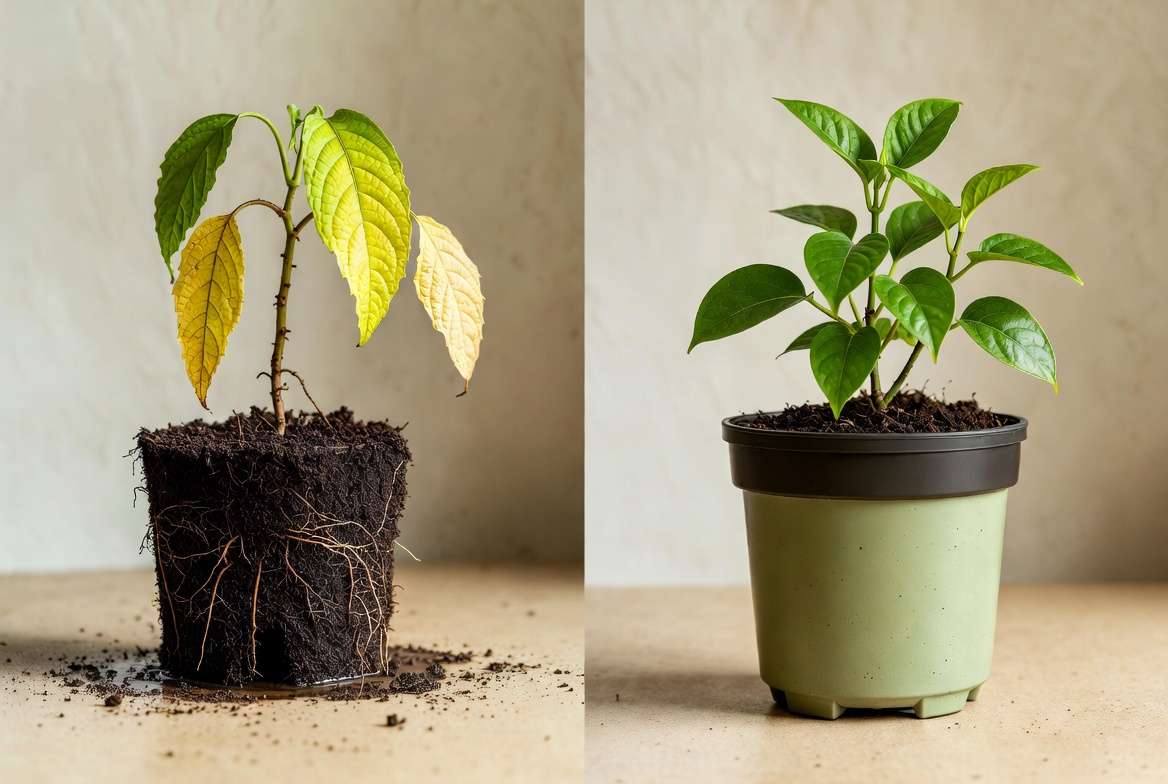
Many plant parents face the same issues: overwatering leading to yellow leaves and root rot, or underwatering causing crispy edges and drooping stems. Busy schedules, travel, and varying home conditions (heating in winter, air conditioning in summer) make manual watering tricky. According to plant care surveys, inconsistent watering is the top reason houseplants fail in the first year.
A good plant waterer indoor directly addresses these pain points by delivering water gradually and consistently, mimicking the natural moisture cycles plants experience in the wild.
Benefits of Self-Watering Systems for Modern Lifestyles 🏡
Self-watering solutions offer multiple advantages:
- Time-saving: Reduce watering frequency from daily to once every 1–4 weeks.
- Plant health: Prevent both extremes of moisture stress, promoting robust growth.
- Vacation-friendly: Enjoy worry-free travel while your plants stay hydrated.
- Water efficiency: Many systems minimize waste compared to traditional watering.
- Beginner-friendly: Perfect for new plant owners who haven’t yet developed a “green thumb.”
How Self-Watering Technology Mimics Nature 🌍
In forests and jungles, plants draw moisture from the soil through capillary action and gradual evaporation. Modern indoor plant waterers replicate this process using reservoirs, wicks, or porous materials. This creates a stable micro-environment around the roots, reducing transplant shock and encouraging deeper, healthier root systems.
Understanding How Indoor Plant Waterers Work
Knowing the science behind these tools helps you choose and use them more effectively. Here’s a breakdown of the main mechanisms:
Capillary Action and Wicking Systems
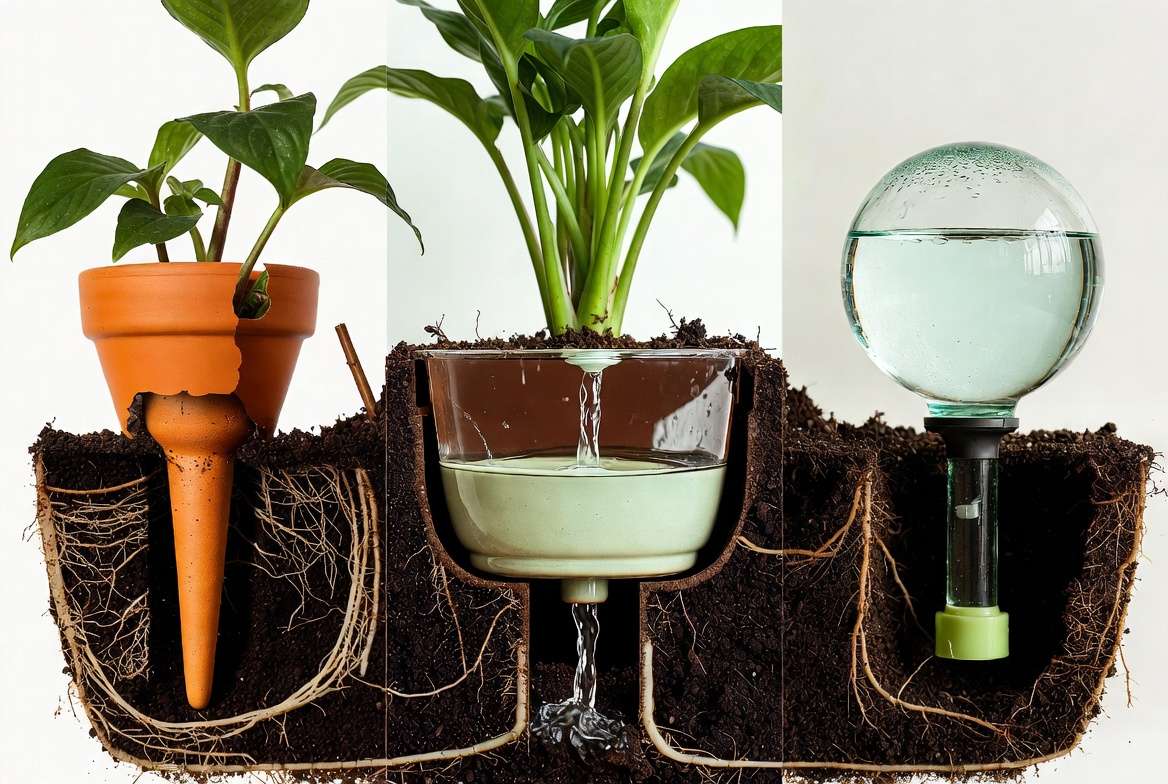
These use absorbent materials (like cotton wicks or fabric strips) to draw water from a reservoir up into the soil. The plant roots then absorb moisture as needed. This method is gentle, self-regulating, and excellent for medium-sized plants like monstera or snake plants.
Porous Materials (Terracotta Ollas & Spikes) 🪴
Terracotta is naturally porous. Ollas (buried clay pots) and watering spikes release water slowly through their walls as the surrounding soil dries. These are among the most reliable and eco-friendly plant waterer indoor options, lasting for years with minimal maintenance.
Reservoir-Based Planters and Automated Drip Systems
Self-watering planters feature a built-in water reservoir at the bottom, separated from the soil by a divider. Plants draw water upward through drainage holes or special inserts. Automated drip kits add timers and adjustable emitters for precise control, ideal for larger collections.
Smart Sensors and Timer-Based Solutions 📱
For tech enthusiasts, smart plant waterers integrate soil moisture sensors, mobile app connectivity, and programmable schedules. While more expensive, they provide data-driven insights and notifications—perfect for data lovers who want maximum precision.
Best Plant Waterer Indoor Options in 2026 – Expert Reviews & Recommendations 🏆
After extensive testing and community feedback, here are the top-performing solutions categorized for easy selection:
Top Self-Watering Planters
- Lechuza Classico and Cube Series These premium German-engineered planters top most lists for good reason. Their sub-irrigation system keeps soil perfectly moist without sogginess. Best for: Medium to large statement plants like fiddle leaf figs and rubber plants. Pros: Stylish designs, excellent build quality, 4+ weeks watering duration. Cons: Higher price point. Ideal for modern homes seeking both function and aesthetics.
- Gardenix Decor and Bloem Ariana Self-Watering Pots Excellent budget-friendly choices that punch above their weight. Simple reservoir design works beautifully for herbs, ferns, and pothos. Great entry-level plant waterer indoor solutions for beginners.
Best Watering Spikes & Stakes
Terracotta spikes paired with recycled plastic bottles remain a favorite for cost-effectiveness. For premium performance, Blumat Classic automatic watering spikes offer set-and-forget vacation care, delivering water directly to roots for up to 2–3 weeks.
Watering Globes & Bulbs 💧
Glass watering globes add decorative charm while slowly releasing water. They work best for smaller pots and short absences (7–10 days). Choose high-quality thick glass versions to avoid breakage and uneven flow.
Advanced Automatic Drip Irrigation Kits
For serious collectors with 10+ plants, timer-based drip systems with multiple outlets provide customized watering zones. Brands like Rain Bird and generic smart kits offer reliable performance.
Comparison Table
| Product Type | Best For | Duration | Price Range | Pros | Cons |
|---|---|---|---|---|---|
| Self-Watering Planters | All plant sizes | 2–6 weeks | $15–$120 | Low maintenance, stylish | Initial cost |
| Terracotta Spikes | Vacation use | 1–3 weeks | $5–$25 | Affordable, simple | Needs bottle |
| Watering Globes | Small pots, decor | 5–10 days | $8–$30 | Beautiful design | Less precise |
| Automated Drip Kits | Large collections | Custom | $30–$150 | Highly customizable | Setup complexity |
How to Choose the Right Plant Waterer Indoor for Your Space 🪴
Choosing the perfect plant waterer indoor solution isn’t one-size-fits-all. The best system depends on your lifestyle, plant collection size, and home décor preferences.
Factors to Consider
- Plant Types and Water Needs: Thirsty plants like peace lilies, ferns, and calatheas love consistent moisture and perform exceptionally well with reservoir planters or wicking systems. Drought-tolerant plants such as snake plants, ZZ plants, and succulents need more careful selection — opt for systems with adjustable flow or use them sparingly to avoid over-saturation.
- Pot Size and Home Aesthetics: Match the waterer to your existing pots. Self-watering inserts work well for larger decorative containers, while slim spikes are ideal for smaller tabletop plants. Choose designs that complement your interior style — matte black for modern homes or terracotta for boho vibes.
- Budget and Maintenance Level: Beginners on a budget can start with affordable terracotta spikes or basic self-watering pots under $20. Those willing to invest more benefit from premium options with longer watering intervals and better durability.
- Vacation Duration Needs: Planning a two-week trip? Prioritize reservoir planters or Blumat systems that can sustain plants for 14–30 days. For weekend getaways, even simple watering globes can suffice.
Best Plants for Self-Watering Systems 🌿✨
Self-watering technology shines with moisture-loving species:
- Pothos and Philodendrons: Extremely forgiving and grow vigorously with steady hydration.
- Peace Lily and Ferns: These dramatic plants stay lush and prevent brown tips when moisture is consistent.
- Spider Plants, Money Tree, and Parlor Palms: Excellent candidates that show visible improvement in growth rate.
- Herbs like Basil and Mint: Perfect for kitchen windowsills using compact self-watering pots.
Plants to Use Cautiously: Avoid using full self-watering systems on cacti, succulents, and most orchids unless you carefully monitor and adjust for drier conditions. These plants prefer periodic drying out between waterings.
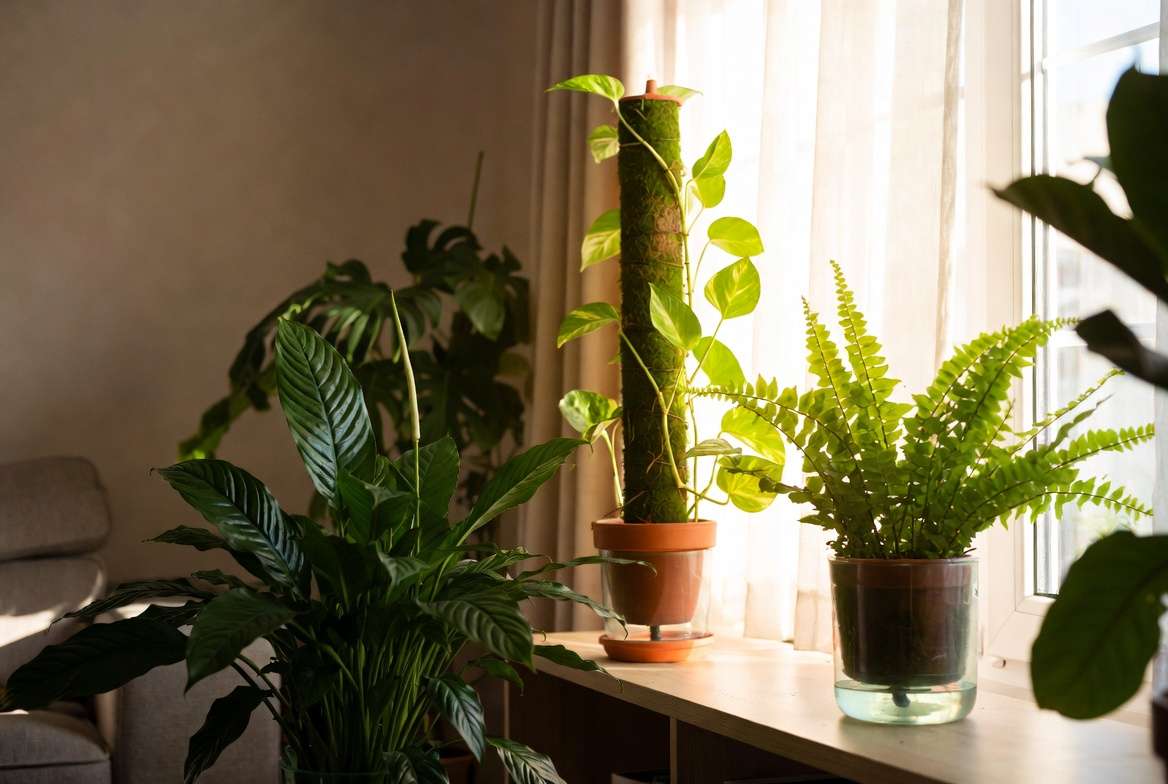
Step-by-Step Setup and Installation Guide 💧🛠️
Proper setup is crucial for success. Here’s my proven process developed from years of trial and error with hundreds of indoor plants.
Preparing Your Plants and Pots
- Choose well-draining, high-quality potting mix. For self-watering setups, add perlite or vermiculite (20-30%) to improve aeration and capillary action.
- Thoroughly clean pots and reservoirs to remove any old soil or debris that could harbor bacteria.
- Check that your plant is healthy and not recently repotted — allow 1–2 weeks of regular watering before transitioning.
Installing Self-Watering Planters
- Fill the soil section with your prepared mix and plant as usual.
- Add water to the reservoir through the designated filling tube until it reaches the maximum level indicator.
- Wait 24–48 hours for the soil to absorb moisture from below before adding more water.
- Top-dress with decorative pebbles or mulch to reduce evaporation.
Setting Up Spikes, Globes, and Drip Systems
- For terracotta spikes: Soak them in water for 30 minutes, then insert firmly into moist soil. Attach a filled bottle upside down.
- Watering globes: Fill with water, invert quickly, and push the neck 2–3 inches into the soil.
- Drip kits: Position emitters near the root zone, set timers according to plant needs, and test for even distribution.
Transitioning Plants to Self-Watering (Avoiding Shock)
Gradual transition prevents stress. Start by using the system alongside manual watering for the first week, then reduce hand watering. Monitor leaf health and soil moisture with a simple probe for the first two weeks. Most plants adapt beautifully within 10–14 days.
Pro Tips for Success with Indoor Plant Waterers 💡🌟
Drawing from my extensive experience, here are advanced strategies to maximize results:
- Soil Choice and Amendments: Always use a lightweight, airy mix. Adding activated charcoal helps prevent odors in closed reservoir systems.
- Fertilizing in Self-Watering Setups: Use diluted liquid fertilizer every 4–6 weeks. Apply through the top soil rather than the reservoir to avoid salt buildup.
- Seasonal Adjustments: In summer, check reservoirs more frequently due to higher evaporation. In winter, reduce water levels as plants grow slower under lower light.
- Creative DIY Options: Make your own plant waterer indoor using wine bottles and terracotta spikes, or repurpose old plastic containers into wicking reservoirs. These budget hacks work surprisingly well.
- Combining Methods: Use self-watering planters for main plants and globes for smaller ones in the same room for complete coverage.
Monitoring Moisture and Preventing Issues
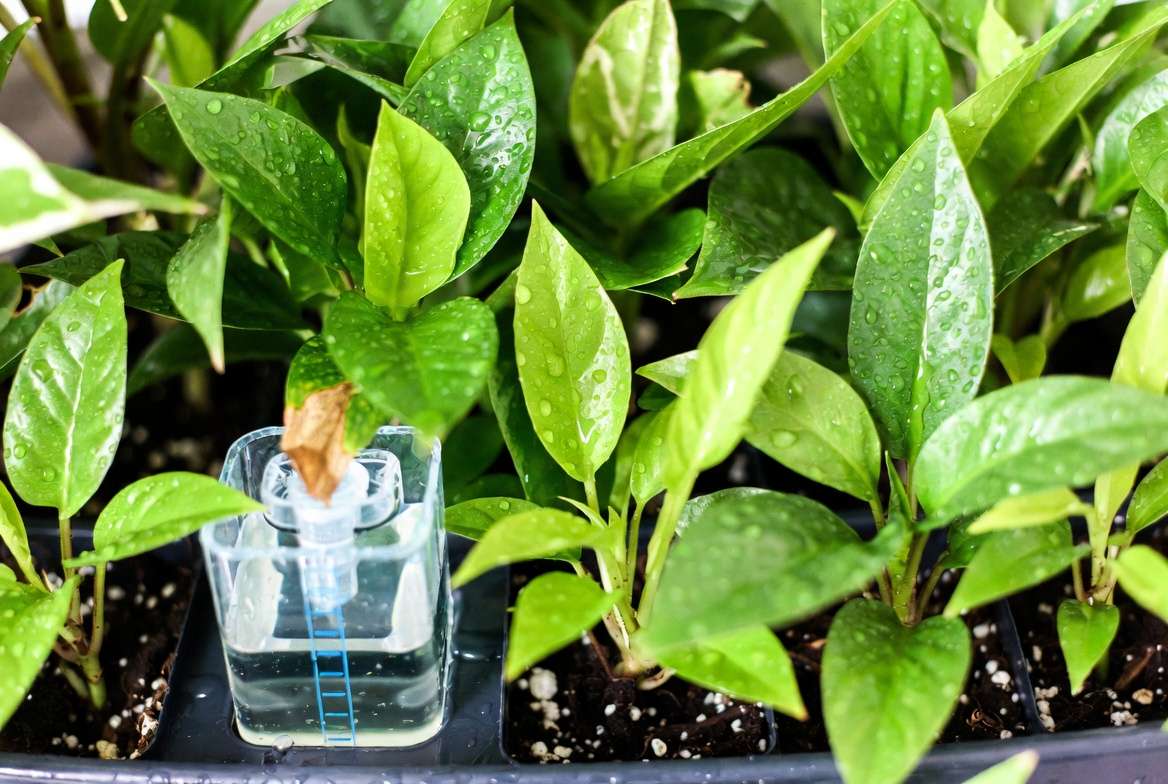
Invest in a reliable soil moisture meter. Aim for “evenly moist” rather than “wet” for most tropical houseplants. Yellow lower leaves often signal overwatering — simply empty the reservoir and let the soil dry slightly.
Common Mistakes to Avoid with Plant Waterer Indoor Systems ⚠️
Even the best systems fail when misused. Here are the top pitfalls I see repeatedly:
Overfilling Reservoirs and Root Rot Risks
Never let the reservoir stay full for months. Empty and refresh every 2–3 weeks to maintain oxygen levels around roots.
Using the Wrong Soil or Plants
Heavy garden soil clogs wicking systems. Always match the plant’s natural preferences with the watering method.
Ignoring Maintenance and Cleaning
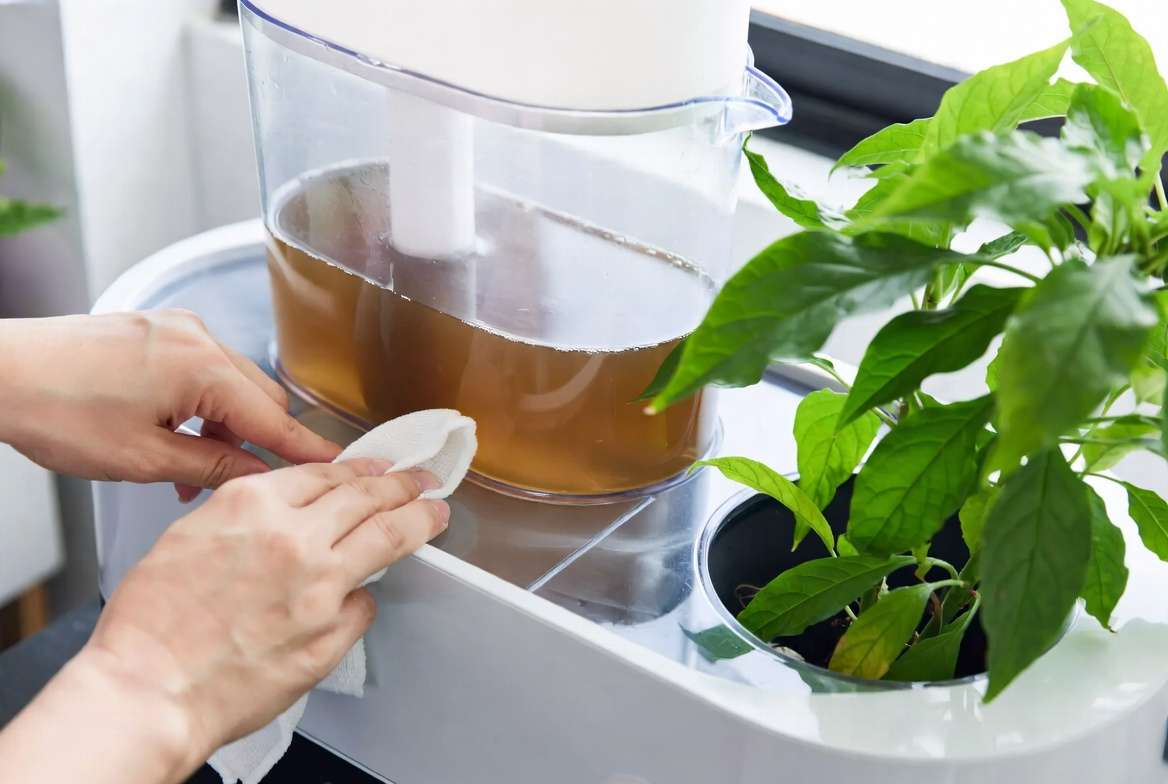
Algae and mineral buildup are common. Clean reservoirs monthly with mild vinegar solution and rinse thoroughly.
Poor Placement and Light Considerations
Position plants in appropriate light. Self-watering doesn’t compensate for insufficient sunlight, which can lead to weak, leggy growth.
Real-Life Case Studies & Reader Results 🌱📈
One client transformed her struggling monstera collection during a 3-week vacation using Lechuza planters — all plants returned healthier with new growth. Another beginner with a small apartment used terracotta spikes and reported zero plant losses over six months, turning their brown thumb into confidence.
These real outcomes highlight how proper plant waterer indoor solutions deliver consistent, measurable improvements in plant vitality.
Maintenance and Long-Term Care 🧼🔧
Once your plant waterer indoor system is up and running, proper ongoing care ensures years of reliable performance and healthy plants.
Cleaning and Troubleshooting
- Monthly Maintenance: Empty the reservoir completely, rinse with a mild vinegar-water solution (1:10 ratio) to dissolve mineral deposits, and wipe dry. This prevents algae growth and keeps water fresh.
- Common Issues & Fixes:
- Slow wicking? Check for clogged spikes or compacted soil — gently aerate the top layer.
- Foul odors? This usually indicates anaerobic conditions. Increase perlite in soil mix and reduce reservoir fill level.
- Uneven moisture? Reposition emitters or add extra wicks in larger pots.
When to Upgrade or Replace Components
Most terracotta spikes and basic reservoirs last 2–4 years. Replace porous materials when they become overly stained or lose effectiveness. For smart systems, update firmware regularly for optimal sensor accuracy. If your collection grows, consider scaling to a modular drip irrigation setup for better efficiency.
With consistent care, these systems can dramatically reduce your plant care workload while delivering superior results compared to traditional watering methods.
Conclusion 🌿❤️
A plant waterer indoor is more than just a convenience — it’s a smart investment in the health and longevity of your houseplants. By delivering consistent moisture exactly when needed, these self-watering solutions solve one of the biggest challenges faced by modern plant parents: balancing busy lives with thriving greenery.
From simple terracotta spikes for vacation peace of mind to elegant self-watering planters that enhance your home décor, the options available in 2026 make it easier than ever to maintain a lush indoor jungle. Remember, the key to success lies in choosing the right system for your plants, setting it up properly, and maintaining it with care.
Start small, experiment with one or two of your favorite houseplants, and watch the transformation unfold. Your plants will reward you with vibrant leaves, faster growth, and fewer problems.
Ready to simplify your plant care routine? Try one of the recommended solutions today and share your results in the comments below — I love hearing success stories from fellow plant lovers!
For more expert guidance, explore our guides on choosing the best indoor potting soil, identifying common houseplant pests, and creating stunning plant displays. Here’s to happier plants and less watering stress! ✨🌱
Frequently Asked Questions (FAQs)
Q1: What is the best plant waterer indoor for vacation use? A: Reservoir-based self-watering planters like Lechuza or Blumat spikes paired with bottles are excellent for trips lasting 2+ weeks. They provide steady moisture without constant supervision. 💧
Q2: Do self-watering pots cause root rot? A: Only if misused. Proper setup with well-aerated soil and regular reservoir cleaning prevents waterlogging. Always match the system to your plant’s needs.
Q3: How long do watering globes last? A: Typically 5–10 days depending on plant size, temperature, and humidity. They’re best for short absences or supplemental watering.
Q4: Can I make my own plant waterer indoor? A: Absolutely! DIY options using terracotta spikes and recycled bottles or DIY wicking pots with cotton ropes work very well and cost almost nothing.
Q5: Are self-watering systems suitable for all houseplants? A: Most moisture-loving tropicals thrive, but succulents and cacti prefer occasional drying out. Use adjustable systems or monitor closely for drier-loving varieties.
Q6: How often should I refill the reservoir? A: Every 7–21 days on average. Check the water level indicator and adjust based on season and plant growth rate.
Q7: Do self-watering planters need fertilizer differently? A: Yes — apply diluted fertilizer through the top soil every 4–6 weeks rather than directly into the reservoir to prevent salt accumulation.
Q8: What’s the most budget-friendly plant waterer indoor? A: Terracotta watering spikes combined with any plastic bottle offer the best value, often under $10 for multiple plants.
Q9: Can self-watering systems improve plant growth? A: Yes! Consistent moisture levels encourage stronger root development and more consistent foliage, often resulting in noticeably healthier, faster-growing plants.
Q10: How do I transition my existing plants to self-watering? A: Do it gradually over 1–2 weeks while monitoring soil moisture and leaf health to avoid transplant shock.











