
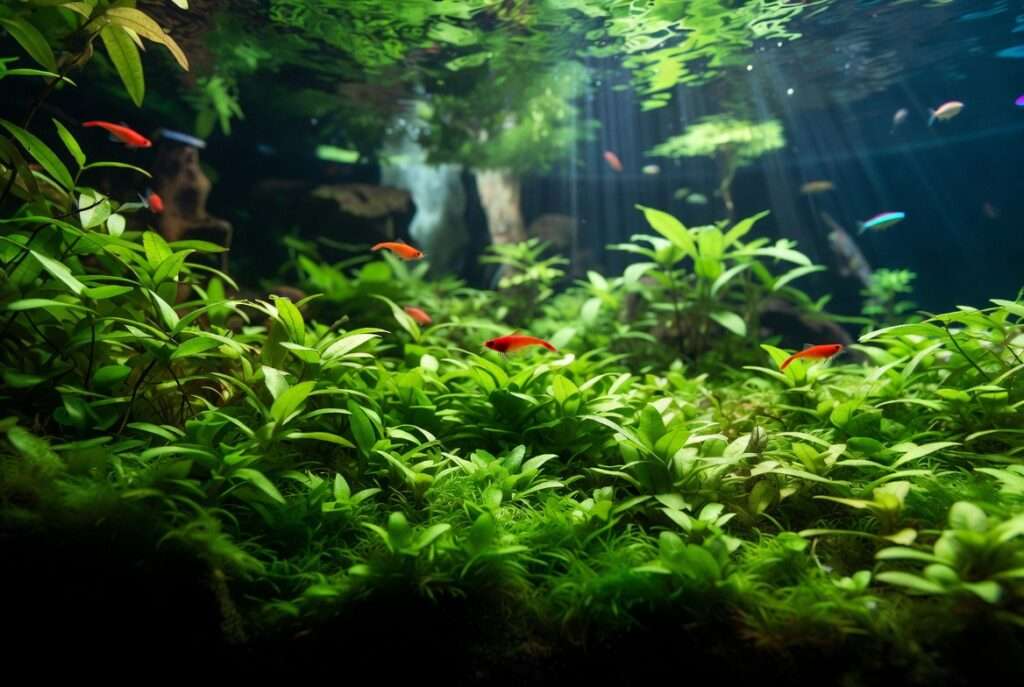
Imagine lifting the lid of your aquarium and being greeted by a vibrant, velvety green meadow that sways gently with the water current. Tiny shrimp dart between the blades, while schooling fish glide gracefully above this living carpet. This isn’t a dream—it’s the beauty of a successfully planted aquarium carpet.
If you’ve been searching for planted aquarium carpet plants, you’re not alone. Many aquarists struggle with patchy growth, melting leaves, or carpets that never quite fill in. After 12+ years of maintaining everything from low-tech nano tanks to high-tech aquascapes, I’ve learned exactly what works. This ultimate guide shares proven techniques, the best species, step-by-step instructions, and troubleshooting secrets to help you create and maintain a lush, healthy foreground that transforms your tank. 🌿
Whether you’re a beginner or an experienced hobbyist, you’ll find practical, actionable advice here that goes far beyond basic lists. Let’s dive in and build the underwater garden you’ve always wanted.
What Are Planted Aquarium Carpet Plants? 🌾
Planted aquarium carpet plants are low-growing, foreground species specifically suited for creating a dense, lawn-like effect at the bottom of your tank. Unlike taller stem plants that reach toward the surface, these stay compact—usually under 5–10 cm tall—and spread horizontally through runners, stolons, or dense branching.
How They Differ from Other Aquarium Plants Carpet plants focus on the foreground and midground transition. Stem plants add height and color in the background, while mosses like Java Moss tend to grow in clumps or on hardscape. True carpet plants form a continuous “grass” layer that mimics natural riverbeds or lake bottoms. This creates depth, perspective, and a natural biotope feel in aquascaping.
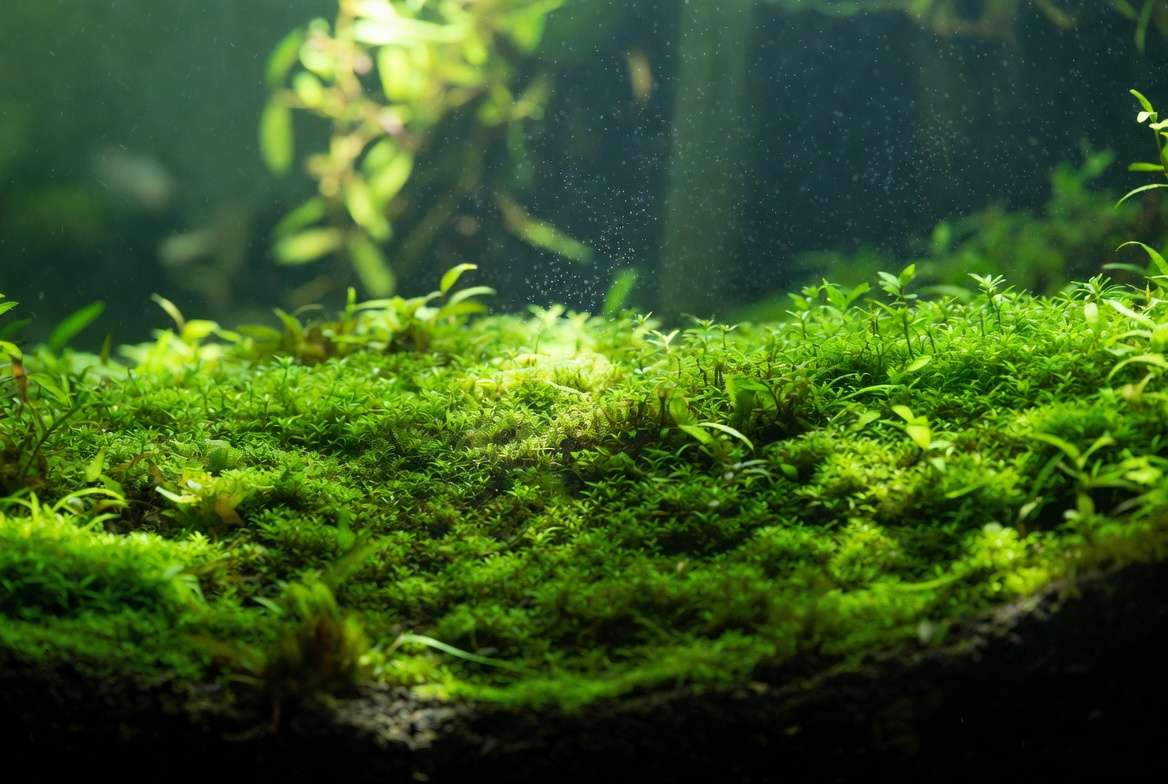
Key Benefits of a Healthy Carpet 🐠
- Stunning Aesthetics: A lush carpet instantly elevates your aquascape from “nice” to “wow.”
- Natural Habitat: Shrimp and bottom-dwelling fish (like Corydoras or Otocinclus) thrive in the shelter and foraging opportunities.
- Biological Filtration: Dense root systems help consume excess nutrients, reducing algae outbreaks.
- Algae Control: A thriving carpet outcompetes algae for light and nutrients.
- Behavioral Enrichment: Fish display more natural foraging and breeding behaviors.
Many aquarists report that a successful carpet brings a sense of calm and accomplishment to the hobby. It’s one of the most rewarding challenges in planted tanks.
Top 12 Best Planted Aquarium Carpet Plants for Every Setup ⭐
Choosing the right species is crucial. Here’s a handpicked selection based on real-world performance across different lighting, CO₂, and experience levels.
Easy Beginner-Friendly Options
1. Dwarf Hairgrass (Eleocharis acicularis) 🌱 This classic remains a favorite for good reason. It forms fine, grass-like blades and spreads reliably with moderate light and nutrients. Ideal for low-tech setups. Height: 5–15 cm. Growth: Moderate.
2. Monte Carlo (Micranthemum tweediei) Faster-growing than Hairgrass and more forgiving. It produces bright green, rounded leaves and creates a beautiful carpet even with medium lighting. Excellent for beginners.
3. Glossostigma elatinoides Tiny leaves and rapid spreading make it perfect for nano tanks. Requires good lighting and CO₂ for best results, but rewards you with a dense emerald lawn.
Medium-Difficulty Favorites
4. Hemianthus callitrichoides ‘Cuba’ (HC Cuba) The gold standard for high-tech carpets. Small leaves and strong runners create a true “pearl” effect when grown densely. Demands high light and CO₂.
5. Marsilea minuta / Marsilea crenata (Four Leaf Clover) Unique clover-shaped leaves add texture. Very adaptable and can grow in lower light. Great for variety.
6. Staurogyne repens Broader leaves than most carpets. It offers a lush, bushy look and tolerates a range of conditions well.
Advanced & Rare Carpet Plants
7. Utricularia graminifolia Delicate, carnivorous (on micro-organisms), and incredibly beautiful when established. Challenging but rewarding.
8. Lilaeopsis novae-zelandiae Similar to Hairgrass but with slightly broader leaves. Excellent for natural-looking aquascapes.
9. Riccia fluitans (tied down) Though typically floating, when attached to substrate it forms an interesting foreground. Low-tech friendly.
Low-Tech & Low-Light Alternatives
- Cryptocoryne parva
- Anubias nana ‘Petite’ (for very shaded areas)
- Java Fern runners (limited carpet effect)
Comparison Table (visualize in full article with proper formatting):
| Plant | Difficulty | Light | CO₂ | Growth Speed | Best For |
|---|---|---|---|---|---|
| Dwarf Hairgrass | Easy | Medium | Low | Moderate | Beginners |
| Monte Carlo | Easy | Medium | Low-Medium | Fast | All levels |
| HC Cuba | Advanced | High | High | Fast | High-tech |
How to Choose the Right Planted Aquarium Carpet Plants for Your Tank
Success starts with honest assessment of your setup.
Key Factors to Consider
- Lighting: High PAR lighting (e.g., LED fixtures with 50+ PAR at substrate) is essential for demanding species like HC Cuba.
- CO₂ Injection: Many carpets grow dramatically better with stable CO₂ levels of 25–35 ppm.
- Substrate: Nutrient-rich aquasoil (e.g., ADA Amazonia, Fluval Stratum) gives the best results.
- Livestock: Avoid aggressive diggers if possible. Shrimp and small fish are ideal companions.
- Experience Level: Start with Monte Carlo or Dwarf Hairgrass if you’re new.
High-Tech vs Low-Tech High-tech setups (strong light + CO₂ + ferts) allow for the densest, fastest carpets. Low-tech relies on patience, aquasoil, and easier species. Both can succeed with the right plant choices.
Budget Tips: Tissue culture plants from reputable brands are often cleaner and pest-free, though more expensive initially.
Step-by-Step Guide to Planting Your Carpet 🌱
Proper planting is where most people fail. Here’s the proven process:
1. Preparing the Aquarium Substrate Use 5–8 cm of aquasoil. Add a thin layer of sand or gravel on top if you want a natural look and to prevent clouding. Root tabs can supplement nutrients.
2. Plant Selection and Preparation
- Tissue cultures: Rinse gently, separate into small portions.
- Potted plants: Remove rockwool carefully.
- Dry Start Method (DSM): Highly recommended for carpets.
3. Planting Techniques Use aquascaping tweezers to plant small bunches or individual stems every 1–2 cm in a grid pattern. This encourages faster spreading and prevents gaps.
4. Dry Start Method (DSM) Mastery
- Plant emersed, cover with plastic wrap or lid.
- Keep moist with misting for 2–4 weeks.
- Flood the tank gradually once roots are established. This method dramatically reduces melting and speeds carpet formation.
5. Initial Ramp-Up Start with moderate lighting and gradually increase over 2–3 weeks. Add CO₂ slowly to avoid shocking plants.
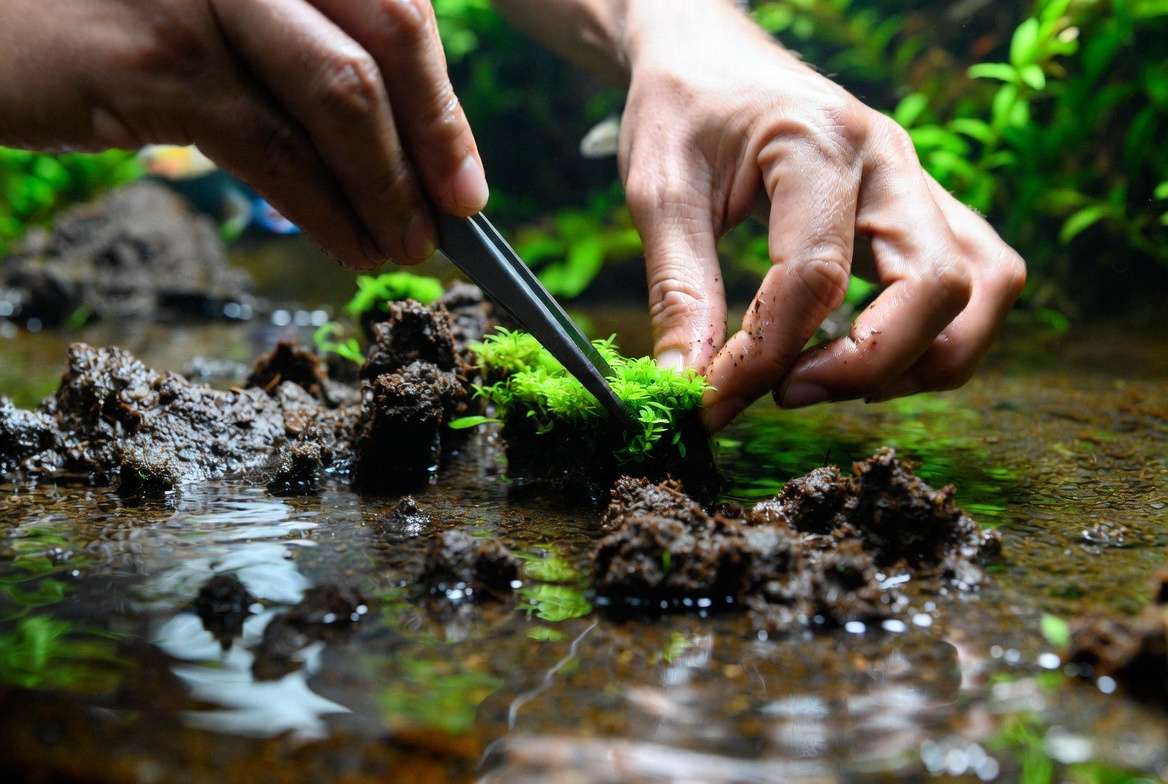
Essential Care and Maintenance for Thriving Planted Aquarium Carpet Plants 🌿
Consistent care separates patchy disappointments from breathtaking underwater lawns. Here’s the expert routine I’ve refined over hundreds of hours of tank maintenance.
Lighting Requirements and Photoperiod Aim for 8–10 hours of light per day. High-quality LEDs with adjustable intensity and spectrum (full-spectrum 6500K) work best. Too little light leads to leggy growth; too much invites algae. Use a timer for consistency—plants love routine!
CO₂, Fertilization & Nutrient Balance
- CO₂: Target 25–35 ppm in high-tech tanks. Drop checkers and reliable regulators are essential.
- Fertilizers: Use a complete liquid fertilizer (e.g., Easy Green or homemade EI dosing) and root tabs every 4–6 weeks. Monitor for deficiencies: yellowing often means iron or nitrogen shortage.
- Water Changes: 30–50% weekly helps maintain stable parameters and prevents nutrient buildup.
Optimal Water Parameters
- Temperature: 22–26°C (72–78°F)
- pH: 6.0–7.5 (species dependent)
- Hardness: Soft to moderately hard water preferred by most carpets
Pruning and Trimming Techniques ✂️ Trim with sharp aquascaping scissors every 2–4 weeks. Cut just above the substrate to encourage new growth from the base. Never let the carpet grow too tall—it blocks light to the roots and creates dead zones underneath.
Weekly Maintenance Routine Checklist
- Visual inspection for algae or melting
- Trim overhanging leaves
- Gentle substrate vacuum (avoid disturbing roots)
- Dose fertilizers after water change
- Check CO₂ levels and equipment
Substrate Maintenance Over time, detritus builds up. Use a turkey baster or gentle siphoning to remove debris without uprooting plants.
Common Problems with Carpet Plants and How to Fix Them ⚠️
Even experienced aquarists face setbacks. Here’s how to diagnose and recover quickly.
Melting After Planting Common cause: Transition shock from emersed to submersed growth. Solution: Use the Dry Start Method, maintain stable parameters, and be patient—new growth usually appears within 1–3 weeks.
Patchy Growth and Bald Spots
- Insufficient planting density
- Poor lighting in corners
- Nutrient deficiency or competing algae Fix: Replant small portions into gaps, improve flow, and add targeted root tabs.
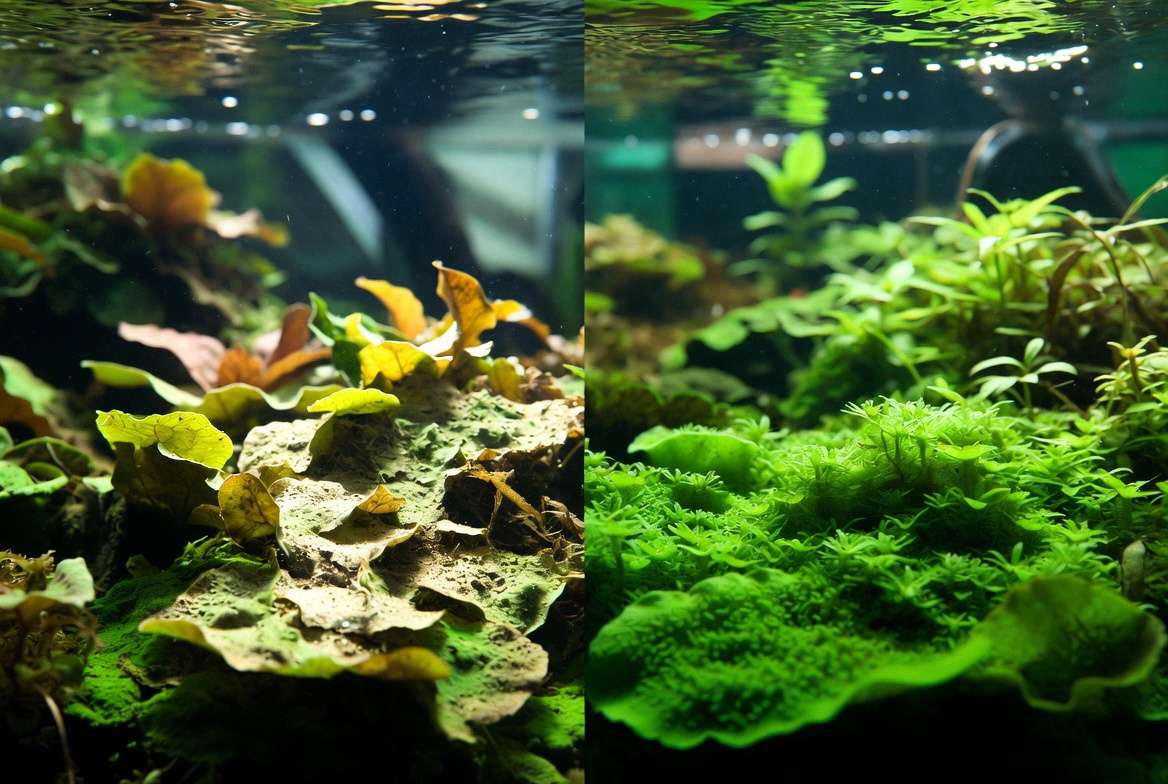
Algae on Carpet Plants Black beard algae, green dust, or cyanobacteria often signal imbalance. Increase water changes, reduce light duration, add Siamese algae eaters or Amano shrimp, and manually remove with a toothbrush.
Slow Growth or Stunted Plants Check CO₂, lighting, and iron levels. Many carpets respond dramatically to increased PAR and consistent fertilization.
Pests and Snail Damage Ramshorn and bladder snails can nibble new growth. Manually remove or use traps. Avoid copper-based treatments as they harm shrimp and snails.
Expert Troubleshooting Table (in full article)
| Symptoms | Likely Cause | Quick Fix |
|---|---|---|
| Yellow tips | Iron deficiency | Add Seachem Flourish Iron |
| White roots floating | Poor substrate contact | Replant deeper |
| Holes in leaves | Nutrient deficiency or pests | Check parameters + manual removal |
Advanced Aquascaping Tips for a Professional-Looking Carpet
Creating Depth and Perspective Plant taller carpet species toward the back and shorter ones in front. Use hardscape (rocks, driftwood) to frame sections and create “paths” through the carpet.
Combining Multiple Species Mix Monte Carlo with Glossostigma or Hairgrass for texture variation and insurance against total failure.
Foreground-to-Midground Transitions Use Cryptocoryne or Bucephalandra to create a smooth gradient that makes the tank feel larger.
Compatible Hardscape and Background Plants Pair carpets with Java Fern, Anubias, and stem plants like Ludwigia or Rotala for balanced aquascapes.
Seasonal Maintenance and Long-Term Sustainability Every 6–12 months, consider a light substrate refresh or replanting session to rejuvenate the carpet.
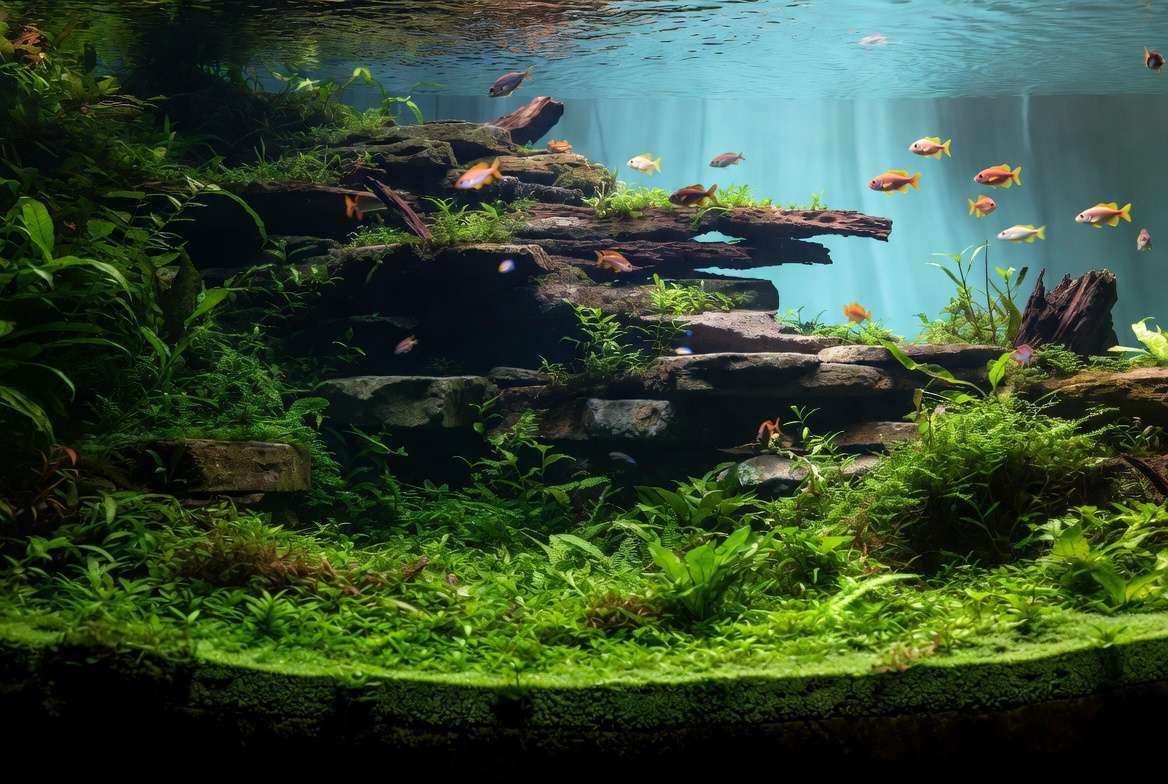
Real-Life Case Studies & Expert Insights
Case Study 1: Low-Tech 20-Gallon Started with Monte Carlo on Fluval Stratum. After 3 months of DSM and weekly 40% water changes, achieved full coverage without CO₂ injection. Key lesson: Patience beats high-tech equipment.
Case Study 2: High-Tech Iwagumi HC Cuba under strong Chihiros LED + pressurized CO₂. Reached pearl-like density in 6 weeks. Emphasized the importance of consistent CO₂ levels.
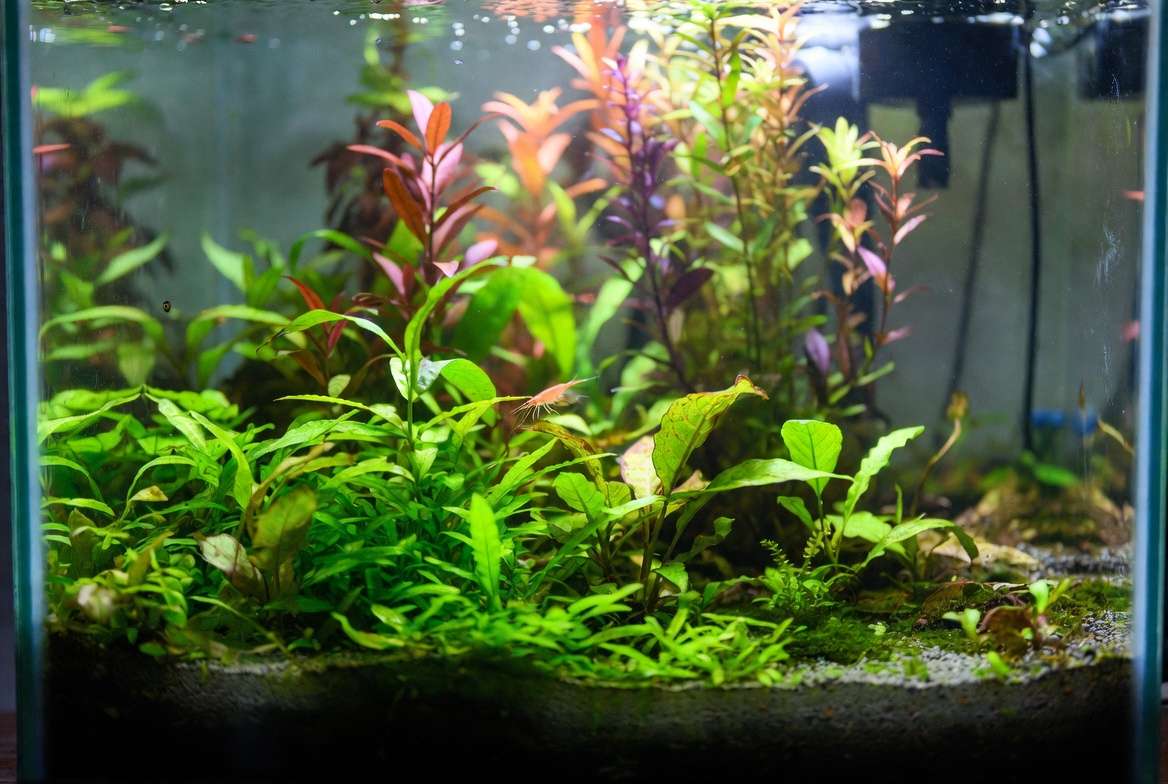
Case Study 3: Nano Shrimp Tank Dwarf Hairgrass with Marsilea in a 5-gallon. Perfect for cherry shrimp breeding. Low maintenance once established.
Pro Tips from the Trenches
- Always quarantine new plants.
- Track your dosing and parameters in a simple log.
- Join aquascaping communities for feedback on your progress.
Frequently Asked Questions (FAQs) ❓
What is the best carpet plant for beginners? Monte Carlo or Dwarf Hairgrass offer the best success rate for new aquarists.
Can I grow a carpet without CO₂? Yes! Choose low-tech friendly species like Monte Carlo, Marsilea, or Dwarf Hairgrass and use nutrient-rich substrate. Growth will be slower but still rewarding.
How long does it take for a carpet to fill in? Expect 2–6 months depending on species, lighting, and technique. Dry Start Method significantly speeds this up.
Are carpet plants safe for shrimp and snails? Absolutely. Most are excellent for invertebrate-friendly tanks and provide biofilm for grazing.
What substrate is best for planted aquarium carpet plants? Aquasoils like ADA Amazonia, UNS Controsoil, or Fluval Stratum perform exceptionally well due to their nutrient content and granularity.
How do I prevent algae while growing a carpet? Maintain balanced lighting, regular water changes, proper nutrient dosing, and introduce algae-eating livestock.
Should I use liquid fertilizers or root tabs? Both! Root tabs for heavy root feeders and liquid for water column supplementation.
Conclusion
Creating a beautiful planted aquarium carpet is one of the most satisfying achievements in the hobby. With the right species, proper planting techniques, consistent care, and a bit of patience, you can enjoy a lush green foreground that enhances your tank’s beauty and supports a thriving ecosystem. 🌟
Remember: every expert was once a beginner who didn’t give up. Start small, observe your tank closely, and celebrate the progress. Your fish and shrimp will thank you!
Share your carpet journey in the comments below—what species are you trying first? For more expert guides on aquascaping, planted tank maintenance, and troubleshooting, explore our other articles on plant care.











