
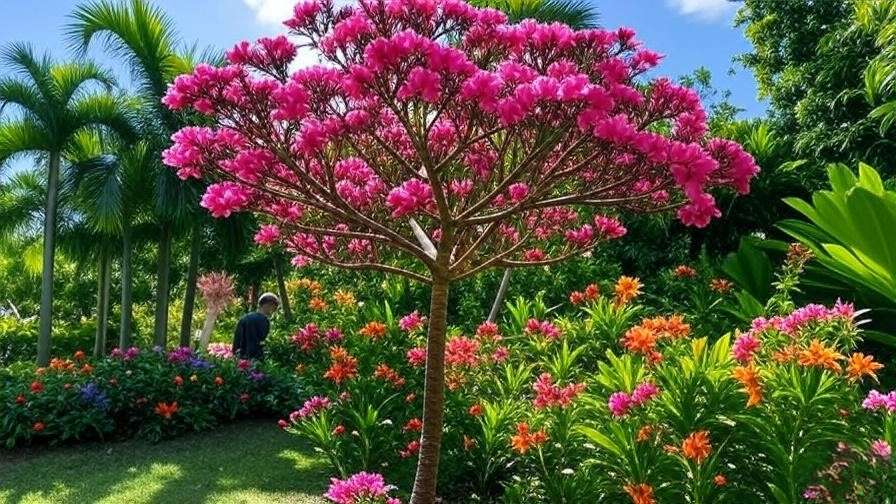
Imagine stepping into your garden, greeted by the sweet fragrance and vibrant blooms of a frangipani tree, its lush flowers painting your space with tropical elegance. Planting a frangipani tree is not just about adding a plant to your yard—it’s about creating a stunning focal point that thrives with minimal effort. Whether you’re a seasoned gardener or a beginner dreaming of a tropical oasis, this guide will walk you through every step to successfully plant and care for a frangipani tree. With expert insights and practical tips, you’ll learn how to nurture this iconic plant to achieve breathtaking results. Ready to transform your garden? Let’s dive in!
As a horticulturist with over 15 years of experience cultivating tropical plants, I’ve helped countless gardeners bring frangipani’s beauty to life. This comprehensive guide draws on my expertise and trusted sources, like the Royal Horticultural Society, to ensure you have everything you need for success.
1. Understanding the Frangipani Tree 🌿
1.1 What Is a Frangipani Tree?
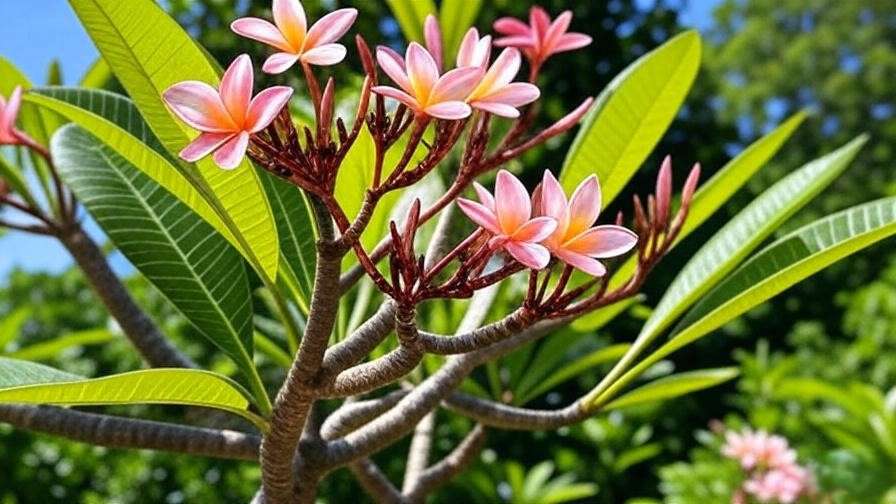
The frangipani, scientifically known as Plumeria, is a tropical gem renowned for its vibrant, star-shaped flowers and intoxicating fragrance. Native to Central America, the Caribbean, and parts of Asia, frangipani trees thrive in warm climates and are a staple in tropical and subtropical gardens. Their blooms come in shades of pink, white, yellow, and red, often with a golden center, making them a visual delight.
Popular varieties include Plumeria rubra, known for its bold colors and large flowers, and Plumeria obtusa, prized for its glossy leaves and white blooms. These trees typically grow 15–25 feet tall but can be kept smaller in containers, perfect for patios or small yards. Beyond aesthetics, frangipani trees are low-maintenance, drought-tolerant, and adaptable, making them ideal for gardeners seeking beauty without fuss.
1.2 Why Plant a Frangipani Tree?
Planting a frangipani tree offers multiple benefits. Its vibrant blooms and sweet scent create a tropical ambiance, elevating any garden’s appeal. Frangipanis are also versatile, thriving in coastal areas, urban settings, or suburban backyards. For gardeners seeking low-maintenance plants, frangipanis are a dream—they require minimal water once established and can withstand dry spells. Plus, their ability to bloom for months adds long-lasting color to your landscape. Whether you want a statement tree or a potted beauty, frangipani delivers.
2. Preparing to Plant Your Frangipani Tree 🌞
2.1 Choosing the Right Frangipani Variety
Selecting the right frangipani variety is key to success. Consider your climate, available space, and desired bloom color. For instance, Plumeria rubra ‘Aztec Gold’ offers golden-yellow flowers, while ‘Singapore White’ (Plumeria obtusa) boasts elegant white blooms. Below is a quick comparison:
| Variety | Bloom Color | Height | Best For |
|---|---|---|---|
| Plumeria rubra | Pink, red, yellow | 15–25 ft | Large gardens, bold colors |
| Plumeria obtusa | White, yellow | 10–15 ft | Containers, compact spaces |
| Plumeria pudica | White | 10–12 ft | Fast growth, evergreen leaves |
Expert Tip: Source saplings or cuttings from reputable nurseries to ensure disease-free plants. Local botanical gardens or online suppliers like Plumeria Paradise are great options.
2.2 Selecting the Perfect Location
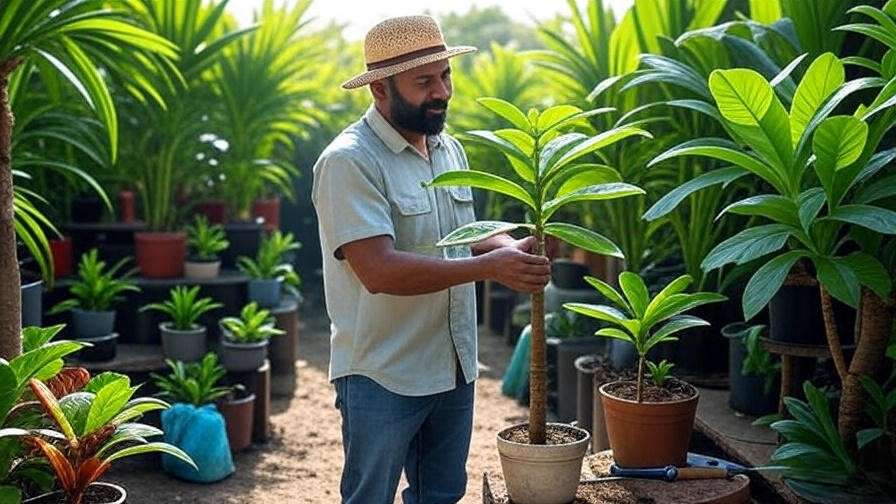
Frangipanis crave sunlight—at least 6 hours of direct sun daily. Choose a spot with well-draining soil to prevent root rot, a common issue in waterlogged areas. Avoid planting near walls or under heavy shade, as this can stunt growth or reduce blooming. If you’re in a windy area, consider a location with natural windbreaks, like a fence or other plants, to protect young trees.
Common Mistake: Planting in low-lying areas where water pools. Test drainage by digging a hole, filling it with water, and ensuring it drains within a few hours. If not, amend the soil or opt for raised planting.
2.3 Timing Your Planting
The best time to plant a frangipani tree is in spring or early summer when temperatures are consistently above 60°F (15°C). This allows the tree to establish roots before cooler weather. In tropical climates, planting is flexible year-round, but in subtropical or temperate zones, avoid winter to prevent frost damage.
FAQ: Can you plant frangipani in cooler climates? Yes, but consider growing in pots to bring indoors during winter, or choose cold-hardy varieties like Plumeria pudica.
3. Step-by-Step Guide to Planting a Frangipani Tree 🌱
3.1 Gathering Supplies
Before planting, gather these essentials:
- Frangipani sapling or cutting: Healthy, with no signs of rot or pests.
- Potting mix: Sandy loam with perlite or compost for drainage.
- Tools: Shovel, trowel, and gloves (frangipani sap can irritate skin).
- Mulch: Organic mulch like bark to retain moisture.
- Optional: Rooting hormone for cuttings to boost root growth.
Expert Insight: A well-draining soil mix is non-negotiable. Combine 50% potting soil, 30% sand, and 20% compost for optimal results.
3.2 Preparing the Planting Site
Test your soil’s pH (ideal: 6.0–7.0) using a home testing kit. If too acidic, add lime; if too alkaline, incorporate sulfur. Dig a hole twice as wide and as deep as the root ball (typically 12–18 inches for saplings). For cuttings, a 6–8-inch deep hole suffices. Ensure proper spacing—10–15 feet apart for mature trees—to allow for growth.
Visual Aid Idea: Include a diagram showing a planting hole 18 inches wide and 12 inches deep, with a layer of gravel at the bottom for drainage.
3.3 Planting the Frangipani
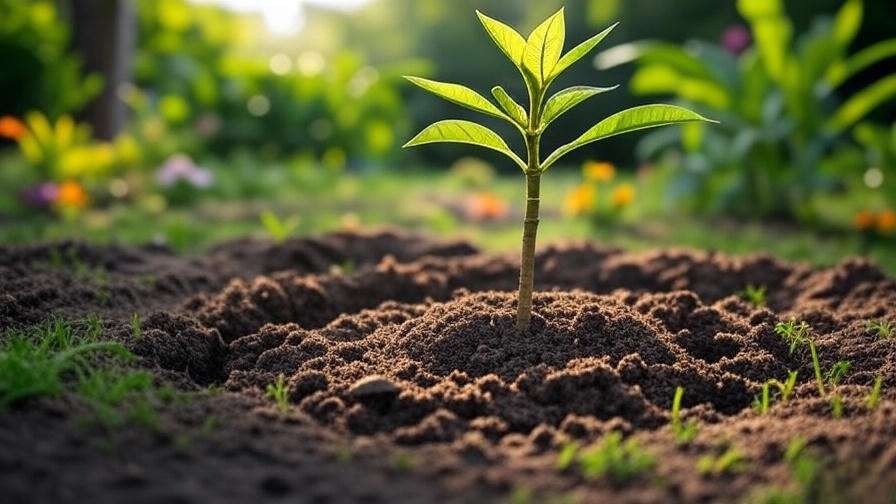
For saplings:
- Place the tree in the hole, ensuring the root ball’s top is level with the soil surface.
- Backfill with soil mix, gently pressing to eliminate air pockets.
- Water thoroughly to settle the soil.
For cuttings:
- Let cuttings callus for 7–10 days in a dry, shaded area to prevent rot.
- Dip the cut end in rooting hormone (optional) and plant 4–6 inches deep.
- Stake the cutting for stability and water sparingly until roots form.
Pro Tip: Water deeply but infrequently to encourage deep root growth, which enhances drought tolerance.
4. Caring for Your Frangipani Tree After Planting 🌼
4.1 Watering Needs
Newly planted frangipanis need regular watering to establish roots—about once a week for the first 6–12 months, depending on rainfall. Water deeply until the soil is moist but not soggy. Once established, frangipanis are drought-tolerant and require watering only during prolonged dry spells.
Seasonal Adjustments:
- Dry Season: Water every 10–14 days.
- Rainy Season: Reduce or skip watering to avoid waterlogging.
Warning: Overwatering is the leading cause of root rot. Check soil moisture by inserting a finger 2 inches deep—if it’s dry, water.
4.2 Fertilizing for Vibrant Blooms
To encourage lush blooms, use a low-nitrogen, high-phosphorus fertilizer (e.g., 10-30-10) every 4–6 weeks during the growing season (spring to early fall). Apply granular fertilizer around the tree’s drip line or dilute liquid fertilizer in water. Avoid fertilizing in winter when the tree is dormant.
Expert Warning: Over-fertilization can cause leaf burn or excessive foliage with few blooms. If leaves turn yellow or brown, reduce fertilizer and flush the soil with water.
4.3 Pruning and Maintenance
Prune frangipanis in late winter or early spring to shape the tree and remove dead or damaged branches. Use clean, sharp shears to make angled cuts just above a node. Wear gloves, as frangipani sap can irritate skin or eyes. Regular maintenance includes removing fallen leaves to prevent pests and checking for signs of stress.
Maintenance Checklist:
- Monthly: Inspect for pests or yellowing leaves.
- Seasonally: Prune lightly and fertilize during growth periods.
- Annually: Check soil drainage and amend if needed.
5. Troubleshooting Common Frangipani Problems 🐛
5.1 Pests and Diseases
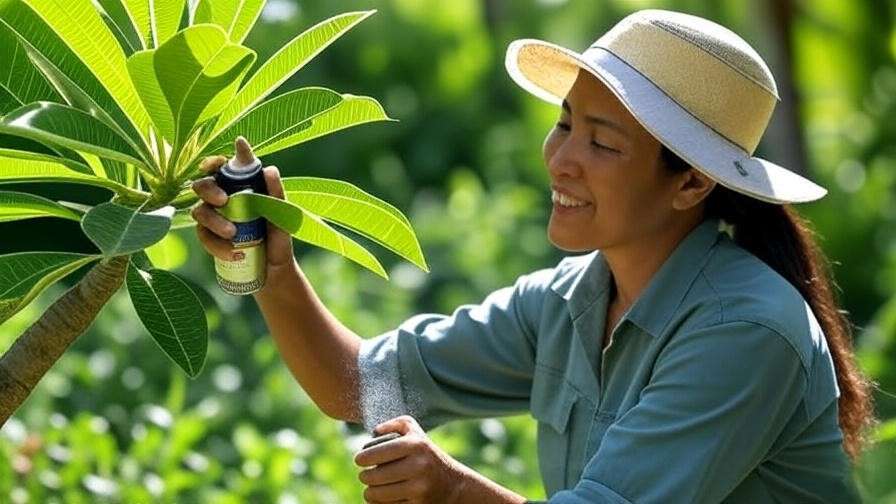
Frangipani trees are relatively hardy, but they can face pest and disease challenges. Common pests include spider mites, which cause stippling on leaves, and scale insects, which appear as small, waxy bumps on stems. To control pests organically:
- Spray leaves with a mixture of water and neem oil (1 tsp per quart of water) weekly until pests are gone.
- Introduce beneficial insects like ladybugs, which prey on soft-bodied pests.
Fungal issues, such as rust (orange spots on leaves) or black tip (darkened branch tips), often arise in humid conditions. Prevent these by ensuring good air circulation and avoiding overhead watering. If rust appears, remove affected leaves and apply a copper-based fungicide as directed.
Case Study: A gardener in Florida noticed yellowing frangipani leaves due to spider mites. After applying neem oil biweekly and improving air flow by pruning nearby plants, the tree regained its vigor within a month.
5.2 Environmental Challenges
Frangipanis may face issues like leaf drop, poor blooming, or stunted growth due to environmental stress. Common causes include:
- Insufficient Sunlight: Move potted frangipanis to sunnier spots or trim overhanging branches.
- Nutrient Deficiency: Yellow leaves may indicate a lack of phosphorus or potassium. Apply a balanced fertilizer to correct this.
- Frost Exposure: In cooler climates, frangipanis may drop leaves in winter. Protect them by covering with frost cloth or moving potted trees indoors when temperatures dip below 50°F (10°C).
FAQ: Why isn’t my frangipani blooming? Lack of blooms often stems from inadequate sunlight, overwatering, or insufficient phosphorus. Ensure 6+ hours of sun, reduce watering, and use a high-phosphorus fertilizer.
6. Enhancing Your Garden with Frangipani 🌴
6.1 Companion Planting
Frangipanis shine when paired with complementary plants to create a tropical paradise. Consider these companions:
- Hibiscus: Adds vibrant color and thrives in similar conditions.
- Bougainvillea: Offers climbing or sprawling growth for visual contrast.
- Lantana: Provides low-growing, colorful ground cover.
When designing your garden, place frangipanis as focal points, with shorter plants like lantana at their base and taller shrubs like hibiscus nearby. Ensure all plants have similar sun and drainage needs to avoid competition.
Design Tip: Create a tropical vignette by surrounding your frangipani with a gravel bed and decorative stones, mimicking a coastal aesthetic. Add a bench nearby to enjoy the fragrance.
6.2 Propagating Frangipani for More Plants
Propagating frangipani from cuttings is a cost-effective way to expand your collection or share with friends. Follow these steps:
- Take a Cutting: In spring, cut a 12–18-inch healthy branch just below a node using clean shears.
- Cure the Cutting: Let it dry in a shaded, dry area for 7–10 days until the cut end forms a callus.
- Plant the Cutting: Dip the callused end in rooting hormone (optional) and plant 4–6 inches deep in a mix of sand and potting soil.
- Care for the Cutting: Water sparingly (every 7–10 days) until roots form, typically in 4–8 weeks. Stake for support if needed.
Expert Insight: For rare varieties like Plumeria rubra ‘Vera Cruz Rose,’ propagate during warm months to maximize rooting success. Keep cuttings in a warm spot (70–80°F) for best results.

7. Long-Term Care for a Thriving Frangipani Tree 🌞
7.1 Seasonal Care Tips
Frangipanis require tailored care throughout the year to stay healthy and bloom consistently. Here’s a seasonal care calendar:
- Spring: Prune lightly, fertilize with a high-phosphorus blend, and resume regular watering as growth begins.
- Summer: Water during dry spells, monitor for pests, and deadhead spent blooms to encourage more flowers.
- Fall: Reduce watering and fertilization as growth slows. In cooler climates, prepare for dormancy.
- Winter: For dormant trees, stop watering and protect from frost. Potted frangipanis can be moved indoors to a sunny window.
Pro Tip: To boost blooming, apply a bloom-booster fertilizer (e.g., 5-50-17) in late spring, just as flower buds form.
7.2 Repotting and Transplanting
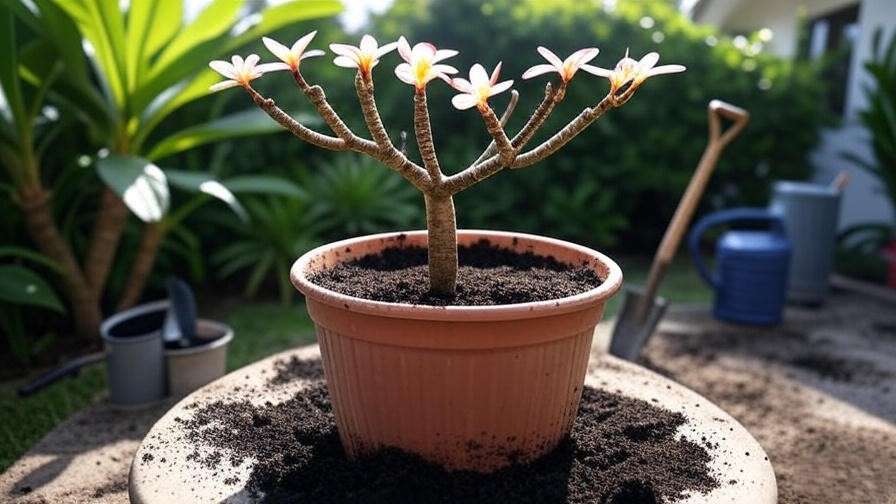
Container-grown frangipanis need repotting every 2–3 years or when roots become crowded. Choose a pot 2–4 inches larger in diameter with drainage holes. Use a fresh mix of sandy loam and perlite, and water sparingly for the first month to avoid root shock.
To transplant a mature frangipani:
- Dig a wide circle around the tree (at least 2 feet from the trunk) to preserve roots.
- Lift the tree carefully, keeping the root ball intact.
- Replant in a prepared hole with well-draining soil, staking if needed for stability.
Real-World Example: A gardener in California successfully transplanted a 5-year-old frangipani by digging during early spring and watering minimally for the first month. The tree bloomed vibrantly the following season.
8. FAQs About Planting and Caring for Frangipani Trees ❓
- Q1: How long does it take for a frangipani tree to bloom after planting?
Saplings typically bloom within 1–2 years, while cuttings may take 2–3 years. Ensure proper sunlight and fertilization to speed up blooming. - Q2: Can frangipani grow in pots? What size is best?
Yes, frangipanis thrive in pots. Start with a 10–15-gallon pot for young trees, upgrading to 20–25 gallons for mature ones. - Q3: What should I do if my frangipani leaves turn yellow?
Yellow leaves may indicate overwatering, nutrient deficiency, or pests. Check soil moisture, test for nutrients, and inspect for pests like spider mites. - Q4: Are frangipani trees toxic to pets or humans?
Frangipani sap is mildly toxic and can irritate skin or eyes. It’s also toxic to pets if ingested. Keep pets away and wear gloves when handling. - Q5: How do I protect my frangipani from frost?
Cover with frost cloth or burlap during cold snaps. For potted trees, move indoors to a sunny spot when temperatures drop below 50°F.
Conclusion 🌺
Planting a frangipani tree is a rewarding journey that brings tropical beauty and fragrance to your garden. By choosing the right variety, preparing the perfect site, and following expert care tips, you’ll enjoy vibrant blooms for years to come. Whether you’re planting in the ground or a pot, this guide equips you with everything you need to succeed. Start your frangipani adventure today and watch your garden transform into a tropical paradise!
As a certified horticulturist with a passion for tropical plants, I’ve seen frangipanis thrive in diverse settings. For more tips, check out our articles on tropical garden design or soil improvement, and share your frangipani journey in the comments below!











