
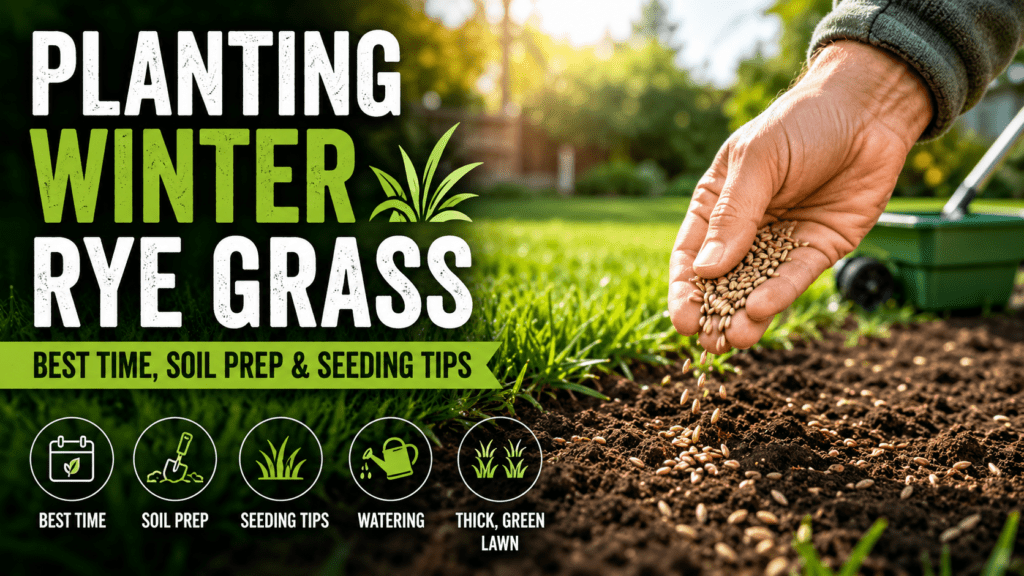
A dull, patchy lawn can make even the healthiest landscape look tired. But here’s the good news: with the right timing and techniques, planting winter rye grass can completely transform your yard into a lush, green carpet during the cooler months. 🌿
Winter rye grass is one of the fastest-growing and most reliable cool-season grasses for homeowners who want a thicker lawn, better soil protection, and vibrant winter color. Whether you’re overseeding a warm-season lawn, repairing bare patches, or improving garden soil, winter rye grass offers impressive results with relatively little effort.
In this expert guide, you’ll learn:
- The best time to plant winter rye grass 🗓️
- How to prepare your soil properly 🌱
- Proven seeding techniques for thick growth 🌾
- Watering and fertilizing tips 💧
- Common mistakes to avoid ❌
- Professional lawn care secrets for long-lasting success ⭐
By the end of this article, you’ll know exactly how to grow a dense, healthy lawn that stays beautiful throughout fall and winter.
🌱 What Is Winter Rye Grass?
Winter rye grass is a fast-germinating cool-season grass commonly used for:
- Overseeding lawns
- Preventing soil erosion
- Improving soil quality
- Cover cropping in gardens and farms
- Adding temporary winter color to dormant lawns
Many homeowners confuse winter rye grass with cereal rye or perennial ryegrass, but they serve different purposes.
🌾 Winter Rye Grass vs Perennial Ryegrass
Annual Winter Rye Grass
- Grows quickly during cool weather
- Often used for temporary winter lawns
- Dies off naturally when summer heat arrives
- Excellent for erosion control and overseeding
Perennial Ryegrass
- Returns year after year
- More durable for permanent lawns
- Better traffic tolerance
- Common in cool-climate turf blends
If your goal is a green winter lawn or quick lawn repair, annual winter rye grass is usually the best option. 🌿
🌟 Benefits of Planting Winter Rye Grass
Homeowners, landscapers, and gardeners love winter rye grass for several important reasons.
✅ Fast Germination
Winter rye grass can sprout in as little as 5–10 days under ideal conditions. That makes it one of the quickest lawn solutions available.
✅ Prevents Soil Erosion
Its dense root system helps hold soil in place during heavy rain and winter weather.
✅ Improves Soil Structure
As rye grass grows and decomposes, it adds organic matter that improves soil texture and drainage.
✅ Suppresses Weeds
A thick rye grass lawn naturally blocks sunlight from reaching weed seeds.
✅ Keeps Lawns Green in Winter
Warm-season lawns like Bermuda grass often turn brown during cooler months. Overseeding with rye grass keeps your lawn vibrant and attractive. 🌱
✅ Helps Repair Damaged Lawns
Bare spots, thinning grass, and summer stress can all be improved with winter rye overseeding.
📍 Where Winter Rye Grass Grows Best
Winter rye grass thrives in cool and moderate climates.
🌡️ Ideal Temperature Range
- Soil temperature: 50°F–65°F
- Air temperature: 60°F–75°F
These conditions encourage rapid germination and strong root growth.
☀️ Sunlight Needs
Winter rye grass performs best with:
- Full sun
- Partial shade
- At least 4–6 hours of sunlight daily
🌱 Best Soil Conditions
The grass grows best in:
- Well-draining soil
- Loamy soil
- Slightly acidic to neutral pH (6.0–7.0)
🗓️ Best Time for Planting Winter Rye Grass
Timing is one of the most important factors for successful winter rye grass growth.

🍂 Ideal Planting Season
The best time for planting winter rye grass is typically:
- Late summer
- Early fall
- Mid-fall in warmer climates
Regional Guidelines
Northern Regions
- Late August to September
Transitional Zones
- September to October
Southern Regions
- October to November
The goal is to plant before the first hard frost so roots can establish properly.
🌡️ Why Timing Matters
Planting too early exposes seedlings to excessive summer heat. Planting too late risks frost damage before roots develop.
Perfect timing allows:
- Faster germination
- Strong root establishment
- Better drought resistance
- Reduced disease stress
👀 Signs Your Lawn Is Ready for Overseeding
Your lawn may benefit from winter rye grass if you notice:
- Thin grass coverage
- Brown patches
- Soil compaction
- Summer heat damage
- Weed invasion
- Bare spots after heavy foot traffic
These are strong indicators your turf needs rejuvenation.
🪴 How to Prepare Soil Before Planting Winter Rye Grass
Proper soil preparation dramatically improves germination success and lawn thickness.
🧪 Test Your Soil First
Healthy lawns begin with healthy soil.
Ideal Soil pH
Winter rye grass prefers a pH between:
- 6.0 and 7.0
Use a simple soil testing kit to determine:
- pH level
- Nitrogen levels
- Phosphorus deficiencies
- Potassium balance
How to Correct Soil Problems
- Add lime to raise pH
- Add sulfur to lower pH
- Apply compost to improve nutrient balance
Healthy soil creates stronger root systems and greener growth. 🌿
🧹 Remove Weeds and Lawn Debris
Before seeding:
- Remove sticks and leaves
- Pull existing weeds
- Clear dead grass
- Remove excessive thatch
This ensures rye grass seed reaches the soil directly.
Why This Matters
Seeds that sit on debris often fail to germinate properly.
🌬️ Aerate Compacted Soil
Compacted soil prevents:
- Root expansion
- Water penetration
- Oxygen circulation
Aeration solves these problems.
🛠️ Best Aeration Methods
Core Aeration
Removes small plugs of soil to improve airflow.
Spike Aeration
Creates holes but may not relieve heavy compaction effectively.
Core aeration is usually the better option for thick lawn establishment.
🌱 Add Compost or Organic Matter
Adding organic material improves:
- Drainage
- Moisture retention
- Nutrient availability
- Microbial activity
Spread:
- ¼ to ½ inch of compost
before seeding.
This step significantly improves seed success. 🌾
🌾 Step-by-Step Guide to Planting Winter Rye Grass
Now it’s time for the most important part: proper planting.

🌱 Step 1: Choose High-Quality Rye Grass Seed
Always purchase:
- Certified seed
- Weed-free seed blends
- Fresh seed from trusted suppliers
Cheap seed often contains:
- Weed contamination
- Poor germination rates
- Inconsistent growth
What to Look For
- Germination rate above 85%
- Minimal weed seed content
- Disease resistance
📏 Step 2: Use the Correct Seeding Rate
Applying the right amount of seed prevents overcrowding and patchiness.
Recommended Rates
Overseeding Existing Lawns
- 5–10 pounds per 1,000 sq. ft.
Bare Soil Applications
- 10–15 pounds per 1,000 sq. ft.
Too much seed creates competition for nutrients and water.
🌾 Step 3: Spread the Seed Evenly
Use:
- Broadcast spreaders
- Drop spreaders
- Hand spreaders for small areas
Pro Tip ⭐
Spread half the seed in one direction and the other half perpendicular for better coverage.
🌱 Step 4: Lightly Cover the Seed
Rake gently so seeds are covered with:
- ¼ inch of soil or compost
Avoid burying seeds too deeply.
Optional Straw Mulch
A thin layer of straw:
- Retains moisture
- Prevents erosion
- Protects seeds from birds
💧 Step 5: Water Properly After Seeding
Watering is critical during germination.
First 10 Days
Keep soil consistently moist but not soggy.
Best Watering Schedule
- Light watering 2–3 times daily
- Early morning and late afternoon are ideal
Once seedlings establish:
- Water deeply
- Reduce frequency
This encourages deeper root growth. 🌿
⏳ How Long Does Winter Rye Grass Take to Grow?
One reason homeowners love rye grass is its rapid establishment.
🌱 Germination Timeline
Most winter rye grass seeds sprout within:
- 5–10 days
Full lawn establishment usually occurs within:
- 3–6 weeks
🌿 Growth Stages Explained
Stage 1: Germination
Tiny green shoots emerge.
Stage 2: Root Establishment
Roots begin spreading underground.
Stage 3: Thickening
Grass blades multiply and fill gaps.
Stage 4: Mature Lawn
A dense green lawn forms with proper care.
✂️ When to Mow New Rye Grass
Wait until the grass reaches:
- 3–4 inches tall
Then mow carefully.
Best Mowing Practices
- Never remove more than one-third of blade height
- Use sharp mower blades
- Avoid mowing wet grass
Proper mowing encourages thicker turf growth.
🌿 Essential Winter Rye Grass Care Tips
Growing rye grass successfully requires ongoing maintenance.
💧 Watering Practices
During Establishment
Keep soil evenly moist.
After Establishment
Water deeply 1–2 times weekly.
Deep watering helps roots grow stronger and improves drought tolerance.
🌱 Best Fertilizer for Winter Rye Grass
Use a balanced starter fertilizer rich in:
- Nitrogen
- Phosphorus
- Potassium
Recommended Fertilizer Timing
- At planting
- 4–6 weeks after germination
Avoid overfertilizing, which can encourage disease.
✂️ Mowing Tips for a Thick Lawn
Ideal mowing height:
- 2–3 inches
Taller grass:
- Retains moisture better
- Reduces weeds
- Improves root strength
Keeping mower blades sharp also prevents lawn stress.
❌ Common Mistakes When Planting Winter Rye Grass
Even experienced homeowners sometimes struggle with patchy growth or weak germination because of a few avoidable mistakes. Understanding these issues can save you time, money, and frustration. 🌱

🚫 Planting Too Late in the Season
One of the biggest mistakes is waiting until temperatures are too cold.
Why It’s a Problem
Cold soil slows germination and weakens root development. Young seedlings may die before becoming established.
Expert Fix ⭐
Plant when soil temperatures remain consistently between:
- 50°F and 65°F
This typically means:
- Early fall in northern climates
- Mid-to-late fall in southern regions
🚫 Using Poor-Quality Seed
Cheap seed blends often contain:
- Weed seeds
- Invasive grasses
- Low germination rates
Expert Fix ⭐
Always choose:
- Certified rye grass seed
- Reputable lawn brands
- Fresh seed with high germination percentages
High-quality seed produces thicker and healthier turf.
🚫 Overwatering or Underwatering
Both extremes can damage new seedlings.
Signs of Overwatering
- Mushy soil
- Fungus growth
- Yellow seedlings
Signs of Underwatering
- Dry soil
- Poor germination
- Thin growth
Expert Fix ⭐
Keep the soil:
- Moist during germination
- Never soaked
Once established, switch to deeper, less frequent watering.
🚫 Skipping Soil Preparation
Many lawn failures begin below the surface.
Without proper preparation:
- Roots struggle to expand
- Nutrients become unavailable
- Water drains poorly
Expert Fix ⭐
Always:
- Aerate compacted soil
- Remove weeds
- Add compost
- Test soil pH before planting
Healthy soil equals healthy grass. 🌿
🚫 Seeding Too Heavily
Applying too much seed may seem helpful, but overcrowding creates competition.
Problems Caused by Overseeding
- Weak root systems
- Increased fungal disease
- Uneven growth
Expert Fix ⭐
Follow recommended seeding rates carefully for balanced lawn density.
🌱 Winter Rye Grass for Overseeding Existing Lawns
Overseeding is one of the most popular uses for winter rye grass.
It helps homeowners maintain a green lawn even when warm-season grasses go dormant.

🌟 Why Homeowners Overseed with Rye Grass
✅ Keeps Lawns Green During Winter
Warm-season grasses like Bermuda and Zoysia turn brown during cooler months. Rye grass provides temporary winter color.
✅ Thickens Thin Turf
Overseeding fills:
- Bare spots
- Thin patches
- Damaged lawn areas
✅ Reduces Weed Growth
Dense grass crowds out weeds naturally.
🌾 Best Grass Types to Overseed
Winter rye grass works especially well with:
- Bermuda grass
- Zoysia grass
- Bahia grass
- Centipede grass
These warm-season lawns benefit from cool-season winter coverage.
🪴 Step-by-Step Overseeding Process
✂️ Step 1: Mow Existing Grass Low
Short grass helps seed reach the soil surface.
Recommended mowing height:
- 1–1.5 inches
🍂 Step 2: Remove Thatch and Debris
Dethatching improves:
- Seed-to-soil contact
- Water penetration
- Germination rates
🌱 Step 3: Spread Rye Grass Seed Evenly
Use a broadcast spreader for uniform coverage.
Recommended overseeding rate:
- 5–10 pounds per 1,000 sq. ft.
💧 Step 4: Water Consistently
Keep the topsoil moist until seedlings establish.
Most overseeded lawns germinate within:
- 7–10 days
🌾 Using Winter Rye Grass as a Cover Crop
Winter rye grass isn’t only for lawns. Gardeners and farmers also use it as a powerful cover crop.

🌱 Benefits for Vegetable Gardens
✅ Prevents Soil Erosion
Roots stabilize soil during heavy winter rain.
✅ Improves Soil Fertility
As rye grass decomposes, it adds organic matter and nutrients.
✅ Suppresses Weeds
Dense growth blocks sunlight from reaching weed seeds.
✅ Retains Nutrients
Winter rye helps reduce nitrogen loss from the soil.
🚜 How Farmers Use Winter Rye Grass
Professional growers often plant rye grass between growing seasons to:
- Improve soil structure
- Reduce compaction
- Enhance microbial activity
- Increase long-term fertility
This sustainable farming method improves crop productivity naturally.
✂️ When and How to Terminate Rye Grass
Before spring planting, rye grass must usually be removed.
Common Termination Methods
Mowing
Repeated mowing weakens grass gradually.
Tilling
Mixes organic matter into the soil.
Smothering
Covering with tarps or mulch blocks sunlight.
Timing matters. Terminate rye grass:
- 2–3 weeks before planting vegetables
This prevents nutrient competition.
⭐ Expert Tips for Growing a Thick, Healthy Rye Grass Lawn
Want professional-looking results? These expert lawn care techniques can dramatically improve your lawn quality. 🌿

🌱 Double-Pass Seeding Method
Professional landscapers often apply seed in two directions:
- Horizontal pass
- Vertical pass
This improves coverage and reduces patchiness.
🌿 Topdressing for Better Germination
Apply a thin layer of:
- Compost
- Peat moss
- Screened topsoil
Benefits include:
- Better moisture retention
- Improved seed protection
- Faster establishment
💧 Water Smart, Not More
Frequent shallow watering creates weak roots.
Instead:
- Water deeply
- Allow slight drying between watering sessions after establishment
This encourages stronger turf.
🌬️ Aerate Annually
Compacted lawns struggle to absorb nutrients and water.
Annual aeration:
- Improves airflow
- Enhances drainage
- Encourages deeper roots
Fall is often the best time to aerate before overseeding.
🌱 Feed Your Lawn Properly
Healthy lawns require nutrients.
Recommended Fertilization Schedule
- Starter fertilizer at planting
- Nitrogen boost 4–6 weeks later
- Slow-release fertilizer for sustained growth
Avoid excessive fertilizer, which may encourage fungal diseases.
🍂 Seasonal Lawn Maintenance Checklist
Fall 🍁
- Aerate soil
- Overseed lawn
- Apply starter fertilizer
Winter ❄️
- Minimize foot traffic on frozen grass
- Monitor moisture levels
Early Spring 🌷
- Transition back to warm-season grass
- Reduce rye grass watering gradually
❓ Frequently Asked Questions About Planting Winter Rye Grass
🌱 Can I Plant Winter Rye Grass Over Existing Grass?
Yes. Winter rye grass is commonly used for overseeding warm-season lawns like Bermuda grass and Zoysia grass.
🌡️ How Late Can You Plant Winter Rye Grass?
Ideally, plant at least:
- 30 days before the first hard frost
Late planting reduces root establishment success.
🔄 Does Winter Rye Grass Come Back Every Year?
Annual winter rye grass usually dies off in summer heat. Perennial ryegrass can return yearly under suitable conditions.
💧 How Often Should I Water New Rye Grass Seed?
During germination:
- Water lightly 2–3 times daily
After establishment:
- Deep watering 1–2 times weekly is better.
❄️ Will Winter Rye Grass Survive Frost and Snow?
Yes. Winter rye grass tolerates cool temperatures and mild frost extremely well.
🌿 Can Winter Rye Grass Choke Out Weeds?
A thick rye grass lawn naturally suppresses many weeds by limiting sunlight and space.
🐶 Is Winter Rye Grass Safe for Pets and Kids?
Yes. Rye grass is generally safe for:
- Children
- Dogs
- Backyard play areas
Avoid chemical overuse for the safest lawn environment.
🌿 Final Thoughts
Planting winter rye grass is one of the easiest and most effective ways to create a greener, healthier, and more resilient lawn during cooler months. Whether you’re overseeding a dormant warm-season lawn, repairing bare patches, or improving garden soil, rye grass offers fast results and long-term benefits. 🌱
By focusing on:
- Proper planting timing 🗓️
- Healthy soil preparation 🌿
- Correct seeding methods 🌾
- Consistent watering 💧
- Ongoing lawn maintenance ✂️
…you can achieve a lush, thick lawn that stands out all season long.
Even beginners can grow beautiful winter rye grass successfully with the right approach and a little patience. 🌟











