
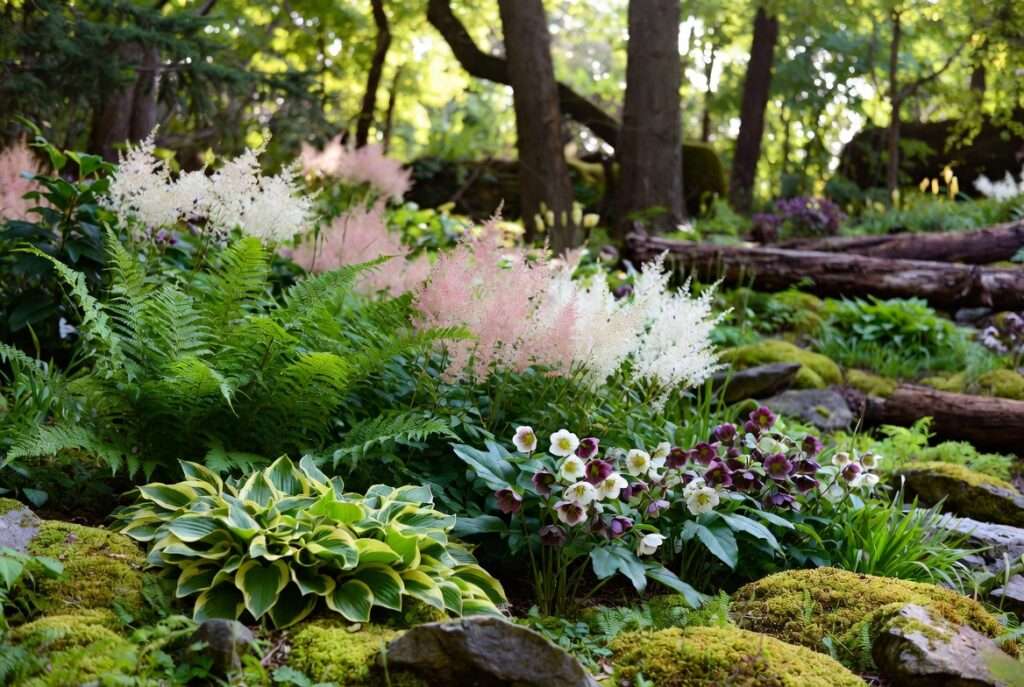
Imagine stepping into your backyard shade garden only to discover your once-lush plants reduced to ragged stubs overnight. If you’ve ever mourned the loss of your favorite hostas or other tender shade perennials to hungry deer, you’re not alone. Many gardeners in deer-prone areas struggle with the same frustrating challenge: finding beautiful plants that actually thrive in low-light conditions under trees, along north-facing walls, or in dappled woodland settings—while remaining largely untouched by deer. 🌱😩
Plants for shade deer resistant options solve this exact problem. These tough, reliable choices offer stunning foliage, seasonal flowers, and structural interest without becoming a deer buffet. After years of working with shade gardens and observing real-world performance (backed by university extension trials like those from Rutgers), I’ve compiled 15 standout performers that deliver year-round beauty with minimal fuss.
No plant is 100% deer-proof—especially when deer are starving in winter or early spring—but the selections below rank among the most resistant due to leathery textures, fuzzy or bitter leaves, strong scents, or natural compounds that deer find unappealing. In this comprehensive guide, you’ll discover detailed profiles, design ideas, planting tips, and proven strategies to create a thriving, low-maintenance shade oasis that deer tend to ignore. Let’s turn your shady spots into a peaceful, deer-resistant haven! ✨
Why Shade Gardens Often Become Deer Buffets (And How to Change That) 🦌🌳
Deer seek out tender, succulent new growth, especially in shaded areas where moisture lingers and plants stay lush longer. Popular shade favorites like hostas, impatiens, and certain lilies are highly palatable, drawing deer repeatedly. The result? Frustration, wasted money, and bare patches that ruin your landscape design.
The good news? By choosing plants for shade deer resistant varieties with less appealing characteristics—such as tough, evergreen foliage or aromatic compounds—you can dramatically reduce browsing while supporting pollinators, improving soil health, and adding four-season interest. These plants also help with erosion control under trees and create habitat for beneficial insects and birds.
Building a deer-resistant shade garden brings multiple benefits:
- Lower maintenance (fewer replacements and repairs)
- Enhanced biodiversity
- Year-round visual appeal, even in winter
- Peace of mind knowing your garden will look beautiful morning after morning
Understanding deer behavior is key: They prefer easy, nutritious bites and learn to avoid consistently unpalatable plants over time. Combining resistant plants with smart design and occasional deterrents creates a multi-layered defense.
Understanding Deer Resistance in Shade Plants 🌿🔬
What makes a plant deer-resistant? It’s rarely a single trait but a combination:
- Texture: Leathery, fuzzy, or prickly leaves are harder and less enjoyable to eat.
- Taste and Chemistry: Bitter, toxic, or strongly aromatic compounds (e.g., in hellebores or certain ferns) deter browsing.
- Scent: Strong herbal or pungent aromas overwhelm a deer’s sensitive nose.
- Growth Habit: Tough, woody, or slow-growing plants recover better from occasional nibbles.
Shade tolerance varies too. Some plants handle deep shade (less than 2 hours of direct sun), while others prefer dappled or part shade (3–4 hours of filtered light). Soil moisture matters—many shade lovers need consistent moisture but good drainage to avoid root rot.
University resources, such as Rutgers Cooperative Extension’s deer resistance ratings, classify plants as “Rarely Damaged” (A) or “Seldom Severely Damaged” (B). The picks below draw from such reliable data, gardener reports, and field performance. Always remember: Local deer populations, hunger levels, and your specific microclimate influence results. Start with a few plants and observe.
15 Top Plants for Shade Deer Resistant: Detailed Profiles ✨
Here are 15 proven performers, organized for easy reference. Each includes hardiness zones (USDA), light/soil needs, size, standout features, deer resistance reasons, and care tips. These create beautiful combinations for moist or dry shade.
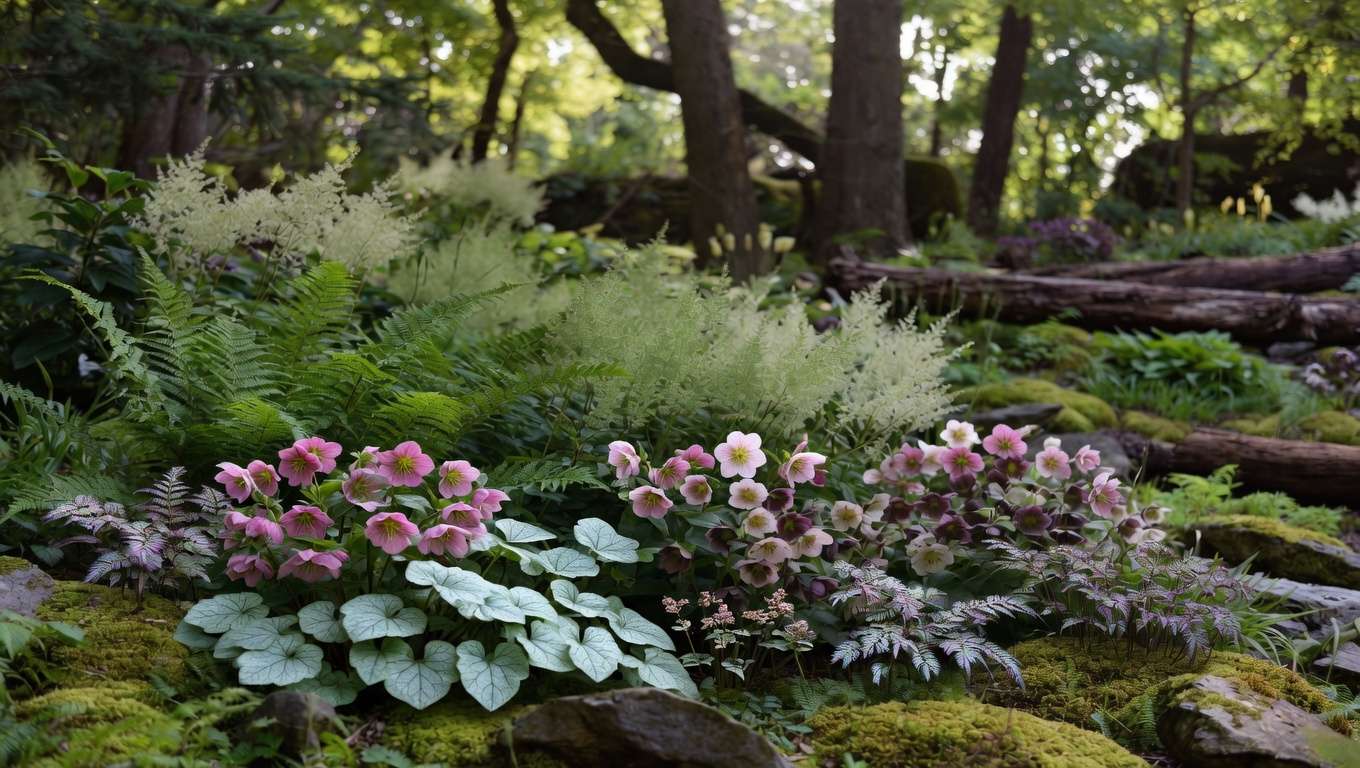
- Hellebores (Lenten Rose – Helleborus spp. and hybrids) ❄️🌸 Zones: 4–9 Light: Part to full shade | Soil: Rich, well-drained, slightly alkaline Height/Spread: 12–18 inches tall and wide Key Features: Evergreen leathery foliage with nodding winter-to-early-spring flowers in white, pink, purple, or green. Long-lasting blooms. Why Deer Usually Leave It Alone: Toxic compounds and tough leaves make it unpalatable (often rated “Rarely Damaged”). Care Tips: Plant in fall or spring. Mulch to retain moisture. Divide every 5–7 years if crowded. Excellent for dry shade once established. Design Ideas: Pair with ferns or brunnera for contrasting texture. Perfect under deciduous trees. Bonus: One of the earliest bloomers, bringing hope to late-winter gardens! 🌟
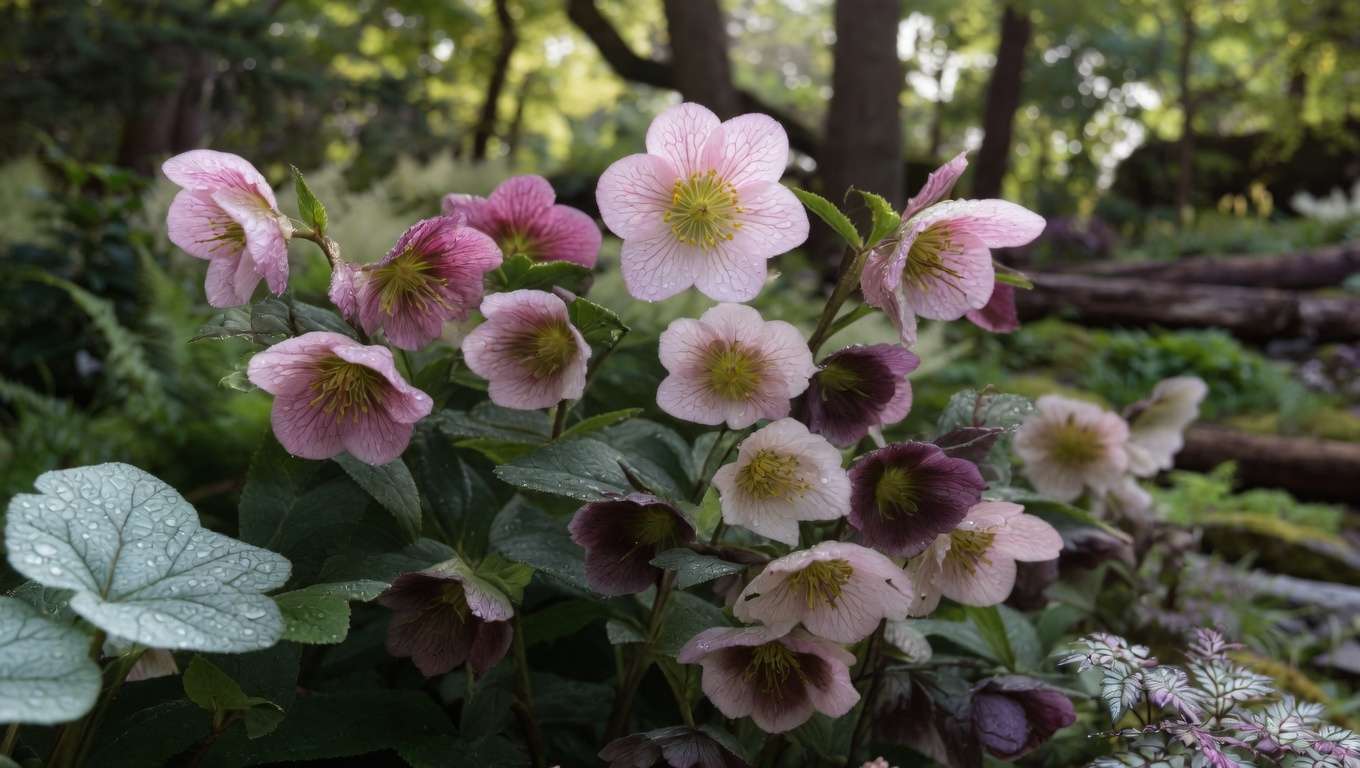
- Barrenwort (Epimedium spp.) 🌸🍃 Zones: 4–8 Light: Part to full shade | Soil: Average to dry, well-drained Height/Spread: 8–12 inches tall, spreads 12–24 inches Key Features: Delicate spring fairy-like flowers in pink, yellow, or white; heart-shaped leaves with red tints in spring/fall. Semi-evergreen in milder climates. Why Deer Usually Leave It Alone: Tough, leathery foliage and low appeal; excellent drought-tolerant groundcover. Care Tips: Cut back old foliage in late winter. Very low maintenance and deer-resistant perennial ground cover. Design Ideas: Great for edging or massing under trees. Combines beautifully with hellebores and ferns.
- Lungwort (Pulmonaria spp., e.g., ‘Spot On’ or ‘Pink-a-Blue’) 🌺💙 Zones: 3–9 Light: Part to full shade | Soil: Moist, rich Height/Spread: 8–12 inches Key Features: Silvery-spotted leaves; tubular flowers open pink and shift to blue. Fuzzy texture. Why Deer Usually Leave It Alone: Hairy leaves and name-derived reputation keep deer away; often listed as highly resistant.Care Tips: Divide in spring or fall. Remove spent flowers for neatness. Attracts early pollinators.
- Astilbe (Astilbe spp.) 🌾🦋 Zones: 4–8 Light: Part shade to full shade (prefers some light for best blooms) | Soil: Moist to wet, rich Height/Spread: 18–36 inches depending on variety Key Features: Feathery plumes in pink, white, red, or lavender; fern-like foliage. Why Deer Usually Leave It Alone: Bitter taste and texture deter browsing. Care Tips: Keep consistently moist. Divide every 4–5 years. Wonderful for moist shade gardens and pollinators.
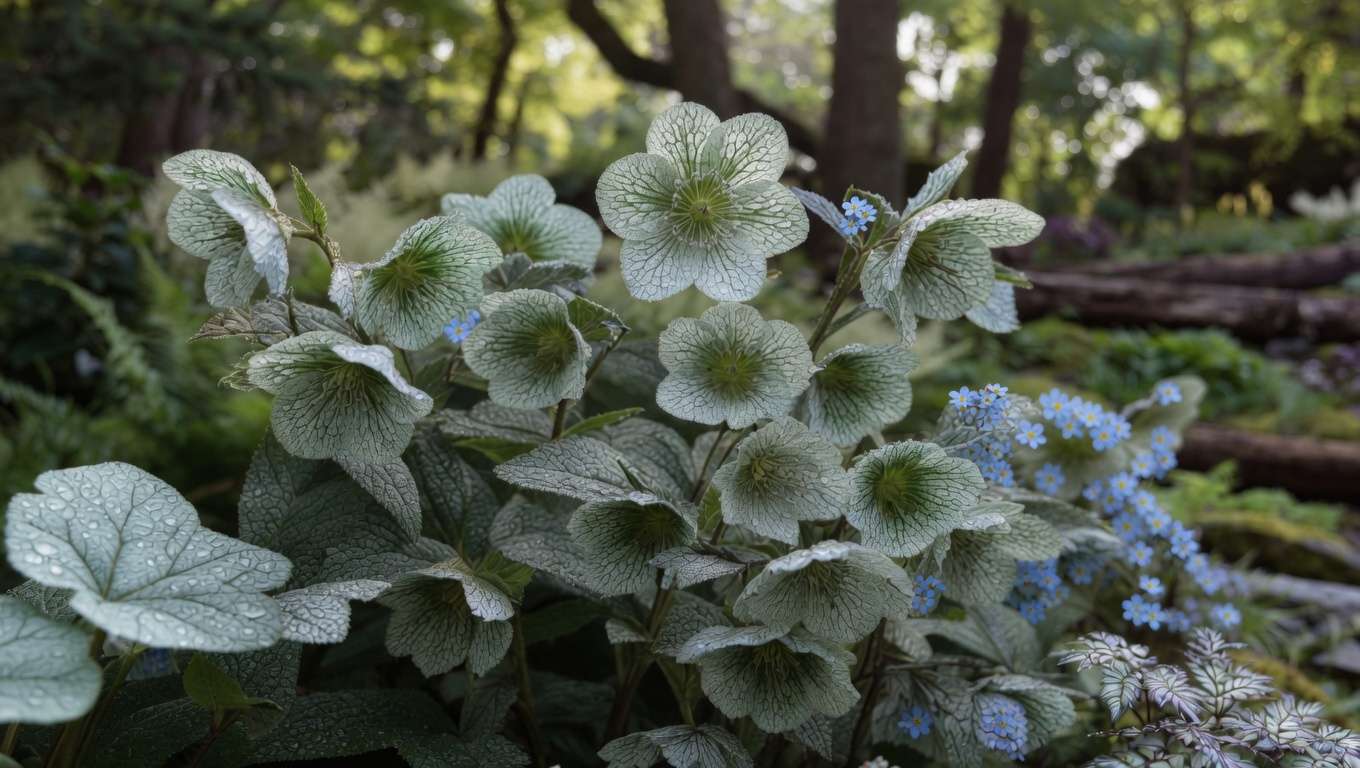
- Brunnera (Siberian Bugloss, e.g., ‘Jack of Diamonds’ or ‘Jack Frost’) 💙❤️ Zones: 3–8 Light: Part to full shade | Soil: Moist, well-drained Height/Spread: 12–18 inches Key Features: Large heart-shaped silver or variegated leaves; delicate blue forget-me-not flowers in spring. Why Deer Usually Leave It Alone: Fuzzy, textured foliage; excellent deer-resistant shade perennial.Care Tips: Mulch to retain moisture. Great hosta alternative!
Continuing directly from where we left off…
- Japanese Painted Fern (Athyrium niponicum ‘Pictum’) 🎨🌿 Zones: 4–8 Light: Part to full shade | Soil: Moist, well-drained, humus-rich Height/Spread: 12–18 inches tall and wide Key Features: Striking silvery-gray fronds with hints of green, red, and maroon. Delicate, arching texture that lights up dark corners. Why Deer Usually Leave It Alone: Ferns in general are rarely browsed; the fine texture and lack of succulent foliage make them unappealing. Many sources, including recent gardening guides, confirm Japanese painted fern as a top deer-resistant choice for shade. Care Tips: Keep soil consistently moist, especially in the first year. Mulch heavily to retain moisture. Divide in spring if clumps become too large. Excellent for moist woodland settings. Design Ideas: Pair with bold-leaved plants like brunnera or bergenia for beautiful contrast. Use in mass plantings or as a focal point along shaded paths.
- Wild Ginger (Asarum canadense or europaeum) 🍃🌼 Zones: 4–8 Light: Full to part shade | Soil: Moist, rich, slightly acidic Height/Spread: 6–12 inches tall, spreads 12–24 inches as groundcover Key Features: Glossy, heart-shaped or kidney-shaped evergreen or semi-evergreen leaves; hidden maroon flowers at ground level in spring. Why Deer Usually Leave It Alone: Tough, leathery foliage and low-growing habit; deer tend to ignore it in favor of more tender options. Care Tips: Plant in groups for quick coverage. Water regularly until established. Watch for slugs in very moist areas. Design Ideas: Perfect dense groundcover under trees or in woodland gardens. Combines well with ferns and hellebores.
- Bleeding Heart (Dicentra spectabilis or fringed types like Dicentra eximia) ❤️🌸 Zones: 3–9 Light: Part shade to full shade | Soil: Moist, well-drained, rich Height/Spread: 12–36 inches (depending on variety) Key Features: Graceful arching stems with heart-shaped pink or white flowers in spring; ferny foliage on some varieties. Why Deer Usually Leave It Alone: Bitter compounds and delicate structure deter most browsing, especially on native or fringed types. Care Tips: Goes dormant in summer heat—pair with later-emerging plants. Divide every few years. Design Ideas: Classic woodland look; excellent with ferns and lungwort.
- Bergenia (Pig Squeak – Bergenia cordifolia) 🐷🌸 Zones: 3–8 Light: Part to full shade | Soil: Average to moist, well-drained Height/Spread: 12–18 inches Key Features: Large, leathery evergreen leaves that turn reddish in winter; pink or white spring flower clusters. Leaves “squeak” when rubbed. Why Deer Usually Leave It Alone: Thick, tough foliage is unpalatable. Often rated highly resistant. Care Tips: Very low maintenance. Remove old leaves in spring. Tolerates dry shade once established. Design Ideas: Great for edging or front of borders. Provides strong evergreen structure.
- Columbine (Aquilegia spp. and hybrids) 🦋🌼 Zones: 3–8 Light: Part shade | Soil: Well-drained, average Height/Spread: 12–36 inches Key Features: Delicate spurred flowers in many colors; attractive lobed foliage. Why Deer Usually Leave It Alone: Toxic compounds make it unappealing to deer. Care Tips: Allow self-seeding for natural drifts. Deadhead for longer bloom if desired. Attracts hummingbirds and pollinators. Design Ideas: Adds airy movement to shade gardens; pair with hosta alternatives.
- Lady Fern or Other Reliable Ferns (Athyrium filix-femina) 🌿 Zones: 4–8 Light: Part to full shade | Soil: Moist, rich Height/Spread: 18–36 inches Key Features: Lacy, bright green fronds; elegant upright or arching form. Why Deer Usually Leave It Alone: Ferns are consistently listed as deer-resistant due to texture and taste. Care Tips: Keep moist. Cut back dead fronds in early spring. Many varieties available for different conditions.
- Lilyturf (Liriope muscari) 🌿🌾 Zones: 4–10 Light: Part to full shade | Soil: Average, well-drained Height/Spread: 12–18 inches Key Features: Grass-like evergreen foliage; purple or white flower spikes in late summer followed by black berries. Why Deer Usually Leave It Alone: Tough, strap-like leaves and overall structure. Care Tips: Cut back in late winter. Divide every 3–4 years. Excellent edging or groundcover.
- Pieris (Andromeda or Lily-of-the-Valley Bush – Pieris japonica) 🌸🌳 Zones: 5–8 Light: Part shade | Soil: Acidic, moist, well-drained Height/Spread: 3–6 feet (dwarf varieties available) Key Features: Evergreen shrub with drooping clusters of white or pink urn-shaped flowers in spring; new growth often bronze/red. Why Deer Usually Leave It Alone: Leathery leaves and strong structure. Care Tips: Protect from harsh winds. Prune lightly after flowering if needed.
- Boxwood (Buxus spp., dwarf varieties) 📦🌳 Zones: 5–9 Light: Part shade to full sun (tolerates shade) | Soil: Well-drained Height/Spread: Varies; dwarfs stay 1–3 feet Key Features: Dense evergreen foliage for structure and hedging. Why Deer Usually Leave It Alone: Tough, small leaves; often used in deer-prone areas. Care Tips: Shear for shape. Ensure good drainage to prevent root issues.
- Foamflower (Tiarella spp.) or Sweet Woodruff (Galium odoratum) ☁️🌸 Zones: 4–8 Light: Part to full shade | Soil: Moist, rich Height/Spread: 6–12 inches, spreading Key Features: Delicate white or pink flower spikes resembling foam; attractive lobed or whorled leaves. Why Deer Usually Leave It Alone: Astringent properties and fine texture. Care Tips: Great groundcover. Divide as needed. Sweet woodruff has a pleasant scent when crushed.
These 15 plants for shade deer resistant selections give you a strong foundation. Mix evergreen and deciduous types for year-round interest, and combine textures (bold leaves with fine ferns) for visual depth. Many also support pollinators and beneficial wildlife.
How to Design a Beautiful Deer-Resistant Shade Garden 🏡🌲
Successful shade gardens layer plants by height and spread:
- Backdrop/Tall Layer: Pieris, taller astilbe, or ferns for structure.
- Mid Layer: Hellebores, brunnera, bleeding heart, bergenia for flowers and bold foliage.
- Ground Layer: Barrenwort, wild ginger, foamflower, lilyturf for coverage and weed suppression.
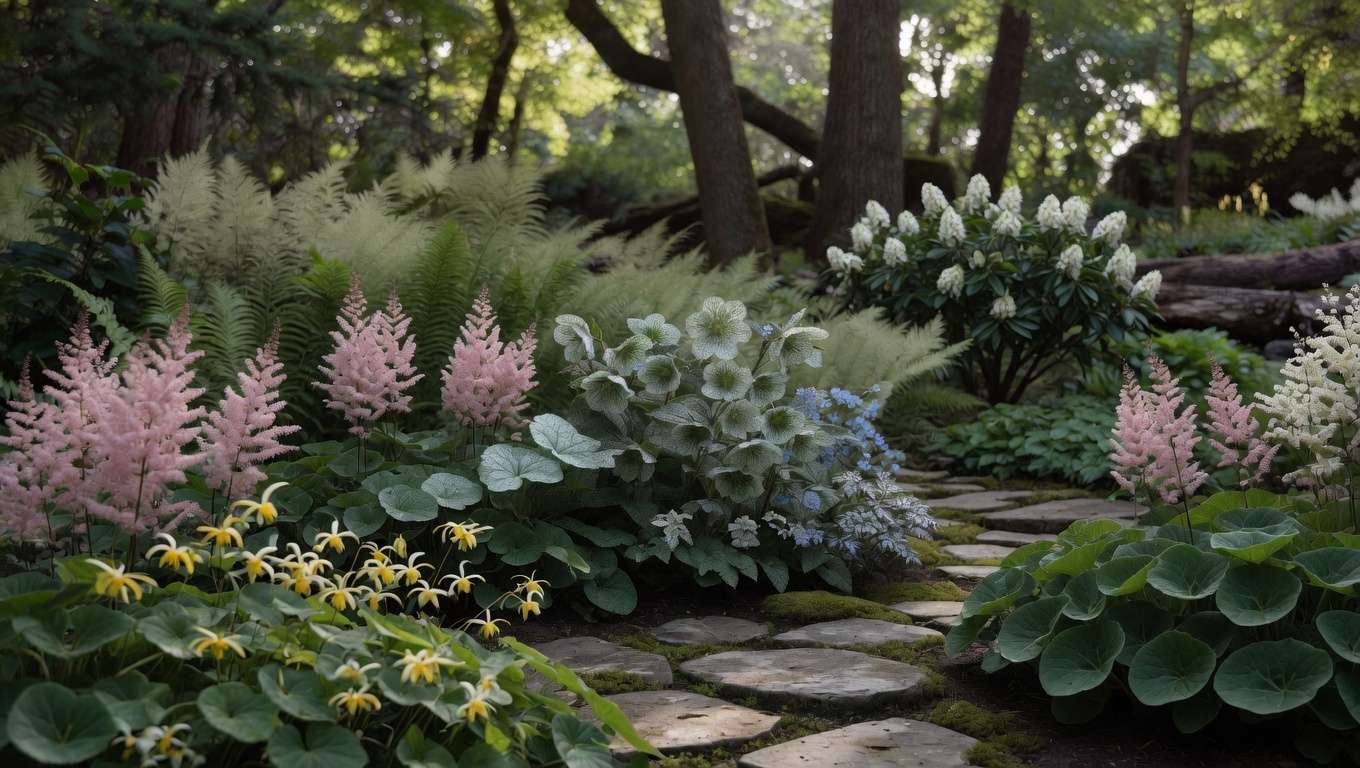
Plan for seasonal interest: early hellebore and lungwort blooms, spring columbine and barrenwort, summer astilbe plumes, fall color from epimedium and bergenia, and evergreen presence in winter.
For dry shade under mature trees, prioritize barrenwort, hellebores, and bergenia. In moist areas, lean on astilbe, ferns, and brunnera. Use organic mulch (2–3 inches) to retain moisture and moderate soil temperature. Add paths or stepping stones for access without compacting soil.
Example Layout: Under a large maple—plant hellebores and pieris toward the back, brunnera and Japanese painted fern in the middle, and wild ginger or foamflower as groundcover. This creates a low-maintenance, deer-resistant woodland vignette.
Planting and Care Tips for Success 🌱💧
- Site Preparation: Test soil pH and drainage. Amend with compost or leaf mold for organic matter—shade plants love humus-rich soil.
- Best Planting Times: Spring or early fall for most perennials. Plant shrubs in spring.
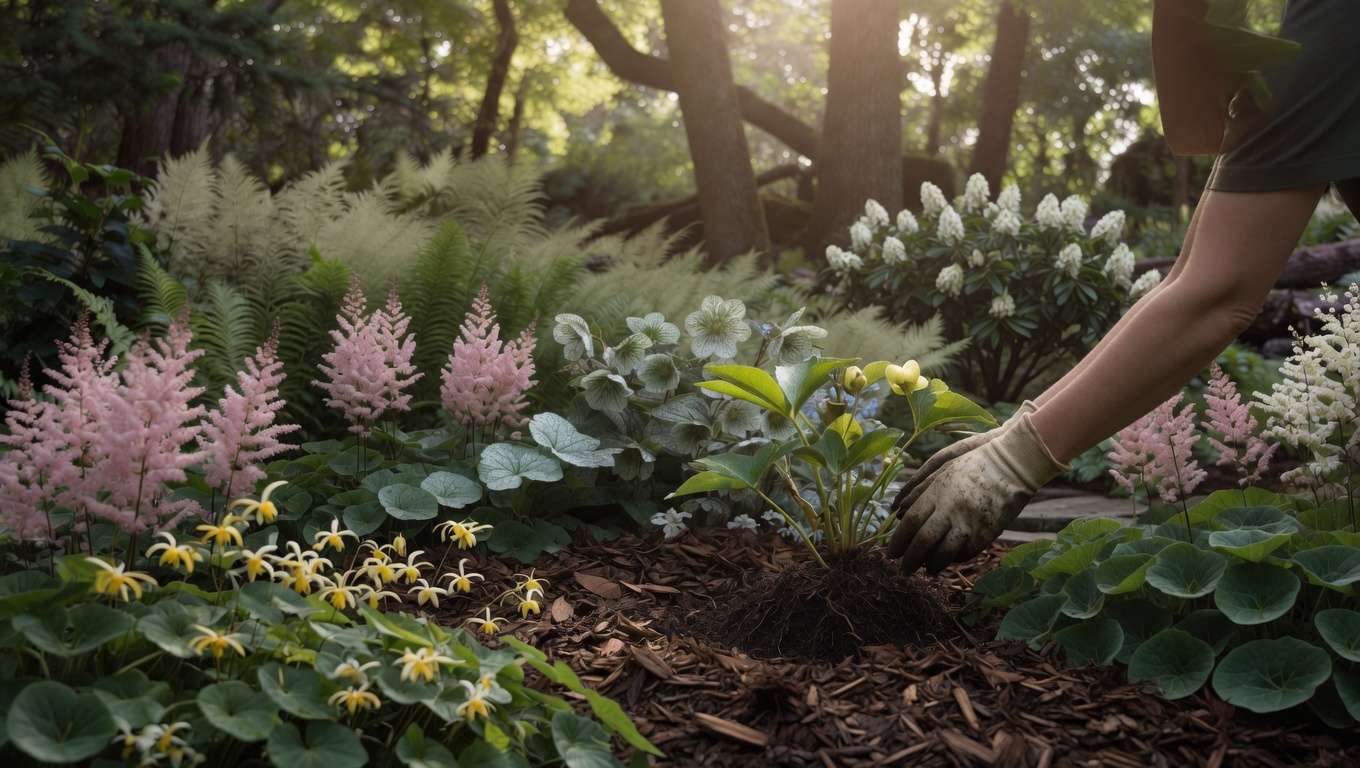
- Planting Technique: Dig holes twice as wide as the root ball. Set crown at soil level. Water deeply after planting.
- Watering: Consistent moisture the first 1–2 years. Once established, many (like barrenwort and hellebores) tolerate drier conditions.
- Mulching: Use shredded leaves or bark to conserve water and suppress weeds.
- Fertilizing: Light application of balanced, slow-release fertilizer in spring. Over-fertilizing can encourage tender growth deer prefer.
- Maintenance Calendar:
- Late winter: Cut back old foliage on hellebores, barrenwort, liriope.
- Spring: Divide crowded clumps.
- Summer: Monitor moisture; deadhead spent blooms if desired.
- Fall: Plant new additions.
Additional Ways to Protect Your Shade Garden from Deer 🛡️
While these plants are highly resistant, combine strategies for best results:
- Use deer repellents (rotating scents like garlic or soap-based) on new plantings.
- Install motion-activated sprinklers or lights in high-pressure areas.
- Physical barriers like temporary fencing for the first season.
- Encourage natural predators and reduce attractants (fallen fruit, bird feeders near garden).
- Plant in larger drifts—deer are less likely to target big groups of resistant plants.
Common Problems and Expert Solutions 🤔
- Slugs/Snails: Common in shade. Use iron phosphate baits or beer traps.
- Poor Blooming: Increase filtered light or divide overcrowded plants.
- Dry Shade Failure: Choose drought-tolerant options like epimedium and add thick mulch.
- Occasional Nibbling: Protect new growth with netting temporarily. Most plants recover quickly.
With patience and observation, your shade garden will become more resistant over time as deer learn to avoid the area.
Frequently Asked Questions (FAQs) ❓
Are there any truly deer-proof shade plants? No plant is 100% deer-proof, but hellebores, barrenwort, and many ferns come closest due to toxicity or texture.
Will these plants work in dry shade under trees? Yes—hellebores, barrenwort, bergenia, and Japanese painted fern perform well once established. Amend soil and mulch generously.
Do deer ever eat hellebores or brunnera? Rarely. Their fuzzy or toxic qualities usually deter browsing, especially when better options exist.
What are the best evergreen options? Hellebores, bergenia, liriope, pieris, boxwood, and some wild ginger varieties provide winter structure.
How do I replace hostas with deer-resistant alternatives? Swap in brunnera, Japanese painted fern, or barrenwort for similar foliage impact with far less deer pressure.
Which of these attract pollinators in shade? Astilbe, columbine, lungwort, hellebores, and foamflower support bees, butterflies, and hummingbirds.
Can I use these in containers? Yes—many (hellebores, brunnera, ferns) thrive in large shaded pots with quality potting mix.
Conclusion: Create Your Dream Deer-Free Shade Oasis 🌟
Choosing the right plants for shade deer resistant transforms frustrating bare spots into lush, beautiful, low-maintenance gardens. These 15 picks offer flowers, foliage, texture, and reliability while standing up to deer pressure better than traditional shade favorites.
Start small: Pick 3–5 varieties that match your conditions, plant thoughtfully, and watch your garden thrive season after season. With proper site prep, layering, and a few supporting strategies, you can enjoy peaceful mornings in a garden that looks as good as it feels.
Have you tried any of these in your own shade garden? Share your experiences or favorite deer-resistant combinations in the comments—I’d love to hear what works in your region!
For more plant care guidance, explore our guides on growing hellebores, shade garden design, or mulching techniques for better results.











