
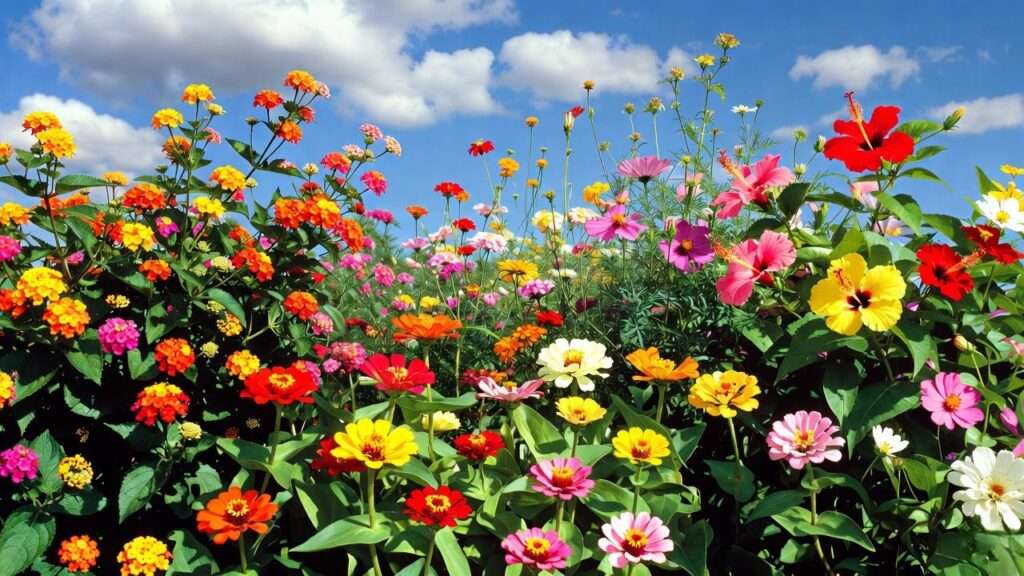
Imagine stepping into your backyard on a scorching July afternoon, expecting to see drooping petals and faded colors—only to be greeted by an explosion of vibrant blooms that seem unfazed by the blazing sun. 🌞 That’s the magic of choosing the right plants for summer flowering. As a horticulturist with over 15 years of hands-on experience in garden design and plant care across various climates, I’ve seen countless gardens wilt under summer heat, but I’ve also helped transform them into resilient, colorful oases that thrive from June through September.
Many gardeners struggle with maintaining blooming flowers during the hottest months when high temperatures, intense sunlight, humidity, and sporadic droughts stress out common annuals and perennials. The good news? There are exceptional heat-tolerant plants that not only survive but absolutely flourish, delivering non-stop color with minimal fuss. In this comprehensive guide, I’ll share my expert-curated list of the top 15 best plants for summer flowering, backed by proven performance in real gardens. You’ll get detailed care tips, design ideas, and practical advice to ensure your garden stays stunning all season long. By the end, you’ll have everything you need to select, plant, and maintain these champions for a vibrant, low-maintenance summer display. Let’s dive in! 🌺
:max_bytes(150000):strip_icc()/GettyImages-177391037-eb8c14743e3d4160810c19515e203c4b.jpg)
Why Summer Flowering Plants Need to Be Heat-Tolerant 🌡️
Summer gardening can be unforgiving. Temperatures often soar above 90°F (32°C), combined with prolonged sun exposure and inconsistent rainfall, creating conditions that cause many plants to bolt, scorch, or stop blooming altogether. In my experience working with clients in zones 7-10, I’ve observed that non-adapted flowers like impatiens or petunias (without heat-resistant hybrids) often fizzle out by mid-July.
Heat-tolerant summer bloomers, however, are bred or naturally adapted to handle these stressors. They feature traits like waxy leaves, deep root systems, or efficient water use that help them conserve moisture and energy for continuous flowering. Choosing these plants reduces water usage—critical in drought-prone areas—and minimizes maintenance, saving you time and money. Plus, many attract pollinators like butterflies and hummingbirds, boosting biodiversity in your yard. 🐝 With climate patterns shifting toward hotter summers (as noted in recent USDA updates), prioritizing heat tolerance isn’t just smart—it’s essential for long-term garden success.
:max_bytes(150000):strip_icc()/gettyimages-900229060-1-0101fd9762cf44b8bc133da168e01580.jpg)
Key Factors to Consider When Choosing Plants for Summer Flowering
Selecting the perfect summer-flowering plants goes beyond aesthetics. Here’s what I’ve learned from years of trialing hundreds of varieties in diverse conditions:
USDA Hardiness Zone Compatibility
Always check your zone (find yours via the USDA Plant Hardiness Zone Map). Most of these picks thrive in zones 8-11 as perennials, but work as annuals in cooler areas.
Sun Exposure Requirements
Full sun (6+ hours daily) is ideal for most heat-tolerant blooms, but some tolerate partial shade in extreme heat.
Soil Type and Drainage Needs
Well-draining soil prevents root rot in humid summers. Amend heavy clay with compost or sand.
Water Requirements
Look for drought-tolerant options to conserve water once established.
Bloom Duration and Deadheading Needs
Prioritize long-bloomers; regular deadheading extends flowering.
Height, Spread, and Garden Design Role
Consider mature size for borders, containers, or ground covers.
Expert Tip: Consult local cooperative extension services (like those from universities) for region-specific recommendations—they’re goldmines of trustworthy, science-backed info.
Top 15 Best Plants for Summer Flowering (The Core List) 🌺
This is the heart of our guide: my handpicked top 15 heat-tolerant champions. Each has proven itself in hot summers, offering reliable blooms, pest resistance, and easy care. I’ve included varieties I’ve personally grown or recommended successfully.
1. Lantana (Lantana camara) 🦋
Lantana tops my list for its unstoppable performance in brutal heat. These multicolored clusters shift hues as they age, creating a dynamic display.
- Bloom Period & Colors: Continuous from late spring to frost; orange, pink, yellow, purple combos.
- Height/Spread: 1-4 ft tall/wide (dwarf varieties for containers).
- USDA Zones: 8-11 (annual elsewhere).
- Needs: Full sun, well-drained soil, moderate water (drought-tolerant once established).
- Care Tips: Minimal fertilizing; prune in spring. Highly pest-resistant.
- Pros & Cons: Butterfly magnet; can be invasive in some warm climates—choose sterile hybrids.
- Design Ideas: Trailing in baskets or massed in borders.
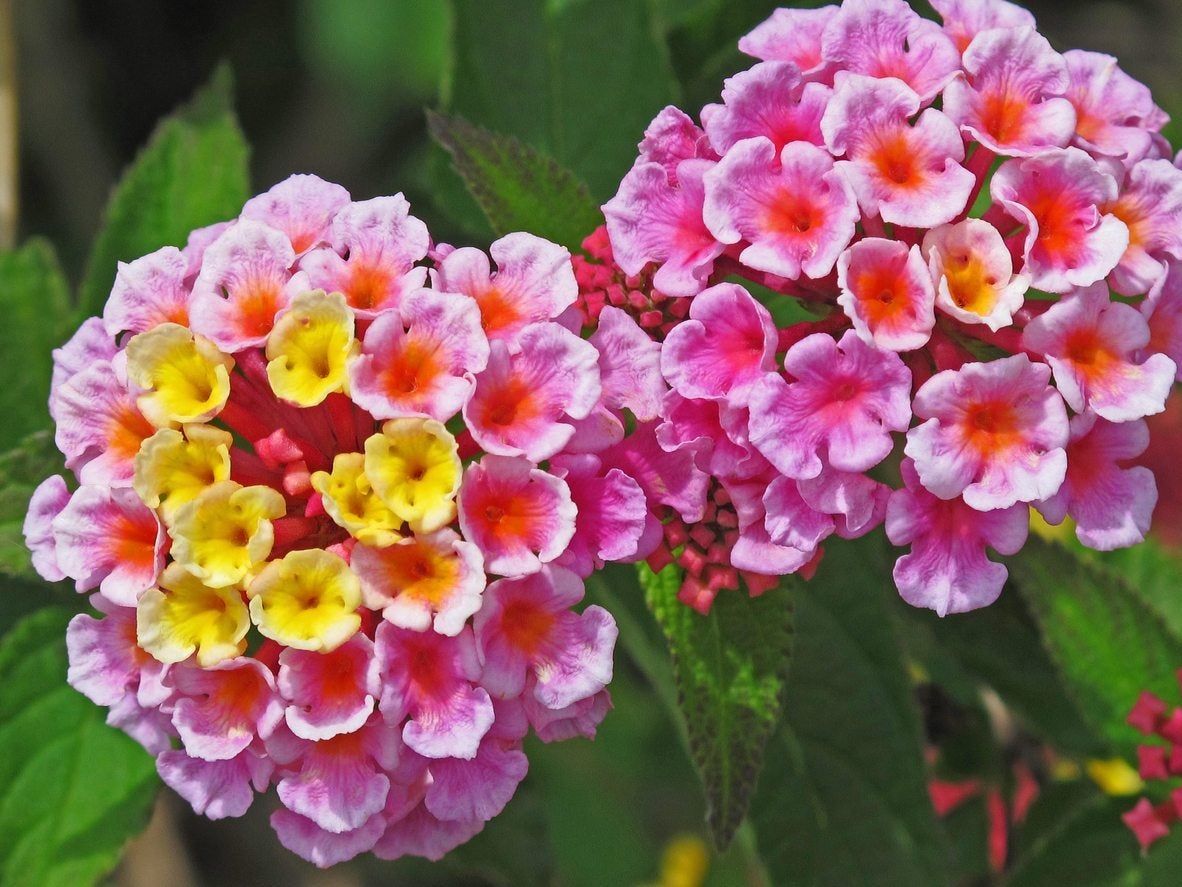
Expert Insight: In my Texas trials, ‘Bandana’ series lantanas bloomed relentlessly through 100°F+ days.
2. Zinnia (Zinnia elegans)
Easy from seed, zinnias deliver bold, daisy-like flowers that scream summer joy.
- Bloom Period & Colors: Early summer to frost; every color imaginable.
- Height/Spread: 6 inches to 4 ft.
- USDA Zones: Annual everywhere.
- Needs: Full sun, average soil, regular water.
- Care Tips: Deadhead for more blooms; watch for powdery mildew in humidity—space well.
- Pros & Cons: Cut-and-come-again for bouquets; attracts pollinators.
- Design Ideas: Cutting gardens or mixed borders.
:max_bytes(150000):strip_icc()/GettyImages-1457096811-f5855a56d65e4a0cb2a26c36d7692a6c.jpg)
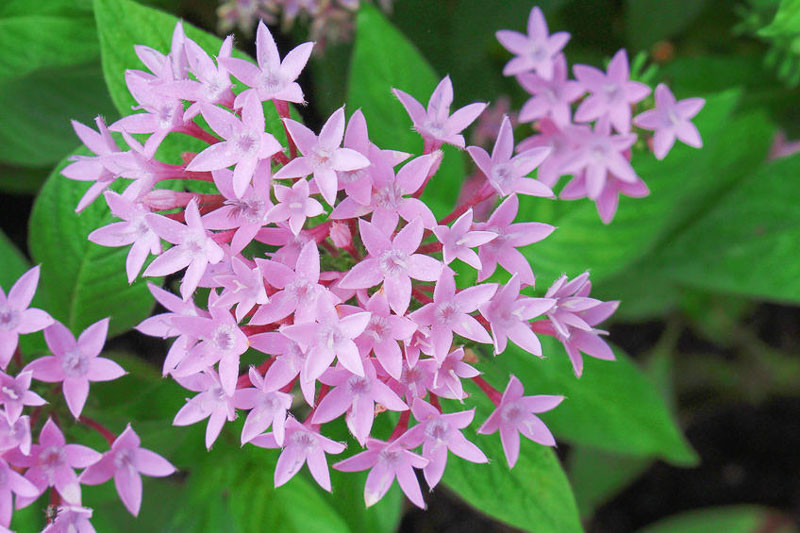
3. Pentas (Pentas lanceolata)
Known as Egyptian star clusters, these are hummingbird favorites.
- Bloom Period & Colors: All summer; red, pink, white, lavender.
- Height/Spread: 1-3 ft.
- USDA Zones: 9-11 (annual elsewhere).
- Needs: Full sun to part shade, moist but drained soil.
- Care Tips: Pinch tips for bushiness.
- Pros & Cons: Constant nectar source; deer-resistant.
- Design Ideas: Containers or butterfly gardens.
4. Salvia (Salvia spp., esp. Salvia guaranitica & S. splendens)
Salvias offer spiky blooms with excellent heat endurance.
- Bloom Period & Colors: Summer to fall; blue, red, purple.
- Height/Spread: 2-5 ft.
- USDA Zones: 8-10 for perennials.
- Needs: Full sun, dry to moderate soil.
- Care Tips: Cut back after flowering waves.
- Pros & Cons: Aromatic foliage deters pests.
- Design Ideas: Back of borders.

5. Portulaca/Moss Rose (Portulaca grandiflora) 🌵
Succulent-like ground cover that closes at night but shines in sun.
- Bloom Period & Colors: All day in sun; vibrant mixes.
- Height/Spread: 6-8 inches tall, trailing.
- USDA Zones: Annual.
- Needs: Full sun, poor/sandy soil, very low water.
- Care Tips: Thrives on neglect.
- Pros & Cons: Extreme drought tolerance.
- Design Ideas: Rock gardens or edging.
:max_bytes(150000):strip_icc()/growing-portulaca-1315707-10-01dbfd5896c04e238d1aabda4769c89f.jpg)
6. Vinca/Madagascar Periwinkle (Catharanthus roseus)
Glossy leaves and pinwheel flowers that laugh at heat.
- Bloom Period & Colors: Continuous summer; pink, white, purple.
- Height/Spread: 1-2 ft.
- USDA Zones: 9-11.
- Needs: Full sun, well-drained soil.
- Care Tips: Fertilize lightly.
- Pros & Cons: Disease-resistant hybrids available.
- Design Ideas: Beds or pots.

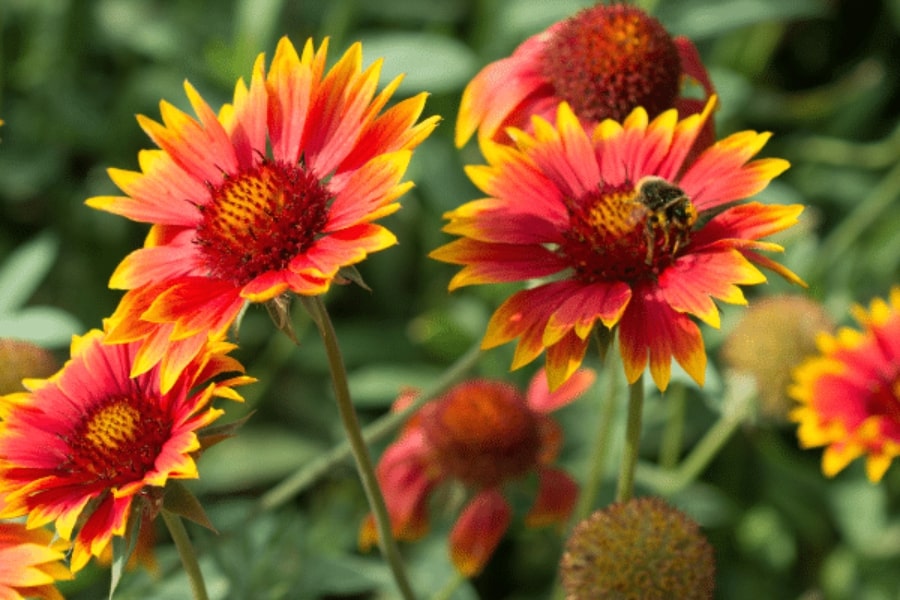
7. Gaillardia/Blanket Flower (Gaillardia × grandiflora)
Daisy-like blooms resembling Native American blankets.
- Bloom Period & Colors: Summer to frost; red-yellow bicolors.
- Height/Spread: 1-2 ft.
- USDA Zones: 3-10 (hardy perennial).
- Needs: Full sun, dry soil.
- Care Tips: Deadhead for rebloom.
- Pros & Cons: Native adaptability.
- Design Ideas: Prairie-style gardens.
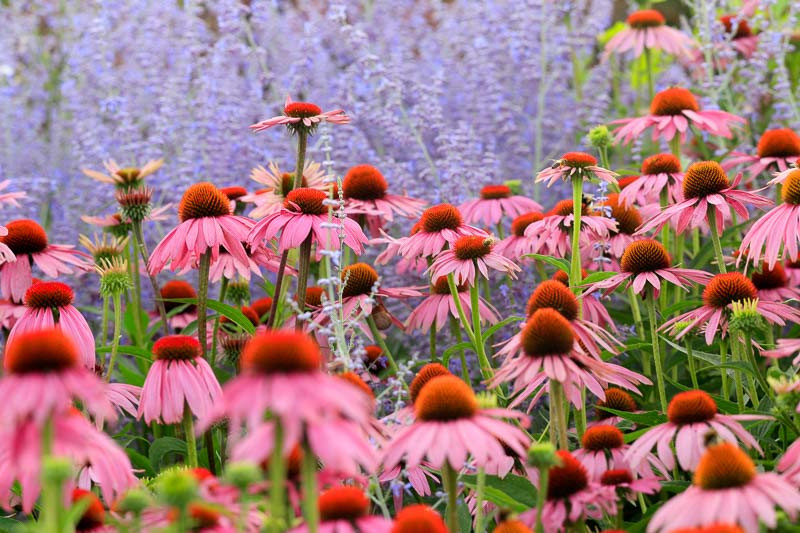
8. Coneflower (Echinacea purpurea)
Iconic purple petals with raised centers.
- Bloom Period & Colors: Mid-summer to fall; purple, pink, white.
- Height/Spread: 2-4 ft.
- USDA Zones: 3-9.
- Needs: Full sun, average soil.
- Care Tips: Leave seed heads for birds.
- Pros & Cons: Medicinal and pollinator-friendly.
- Design Ideas: Naturalistic plantings.
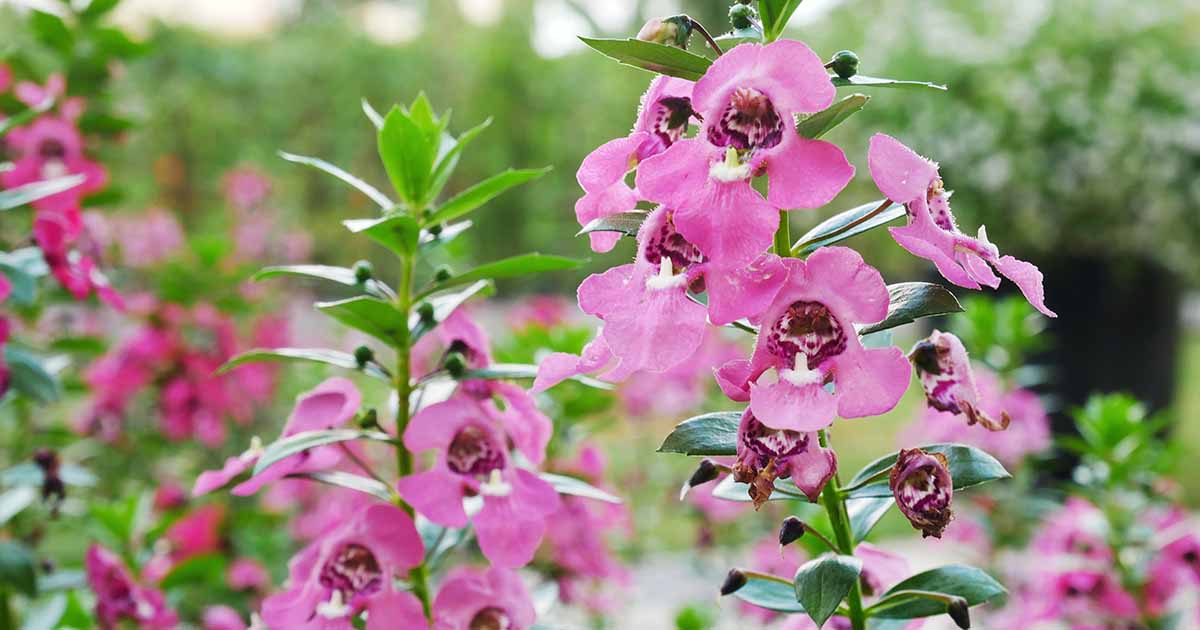
9. Angelonia (Angelonia angustifolia)
“Summer snapdragon” with upright spikes.
- Bloom Period & Colors: All summer; purple, pink, white.
- Height/Spread: 1-2 ft.
- USDA Zones: 9-11 (annual).
- Needs: Full sun, moist soil.
- Care Tips: No deadheading needed.
- Pros & Cons: Self-cleaning.
- Design Ideas: Thrillers in containers.
10. Sunflower (Helianthus annuus – perennial & annual varieties) 🌻
Classic summer icons for height and cheer.
- Bloom Period & Colors: Mid to late summer; yellow, red shades.
- Height/Spread: 3-10 ft+.
- USDA Zones: Annual/perennial options.
- Needs: Full sun, rich soil.
- Care Tips: Stake tall types.
- Pros & Cons: Seeds for birds.
- Design Ideas: Back borders or screens.
11. Marigold (Tagetes spp.)
Reliable, pungent-scented pest repellers.
- Bloom Period & Colors: Summer to frost; orange, yellow, gold.
- Height/Spread: 6 inches-3 ft.
- USDA Zones: Annual.
- Needs: Full sun, average soil.
- Care Tips: French types more heat-tolerant.
- Pros & Cons: Nematode control.
- Design Ideas: Vegetable companion planting.

12. Verbena (Verbena spp.)
Trailing clusters perfect for spilling.
- Bloom Period & Colors: Continuous; purple, red, pink.
- Height/Spread: 6-12 inches tall, trailing.
- USDA Zones: 8-11.
- Needs: Full sun, well-drained.
- Care Tips: Trim for density.
- Pros & Cons: Ground cover excellence.
- Design Ideas: Hanging baskets.

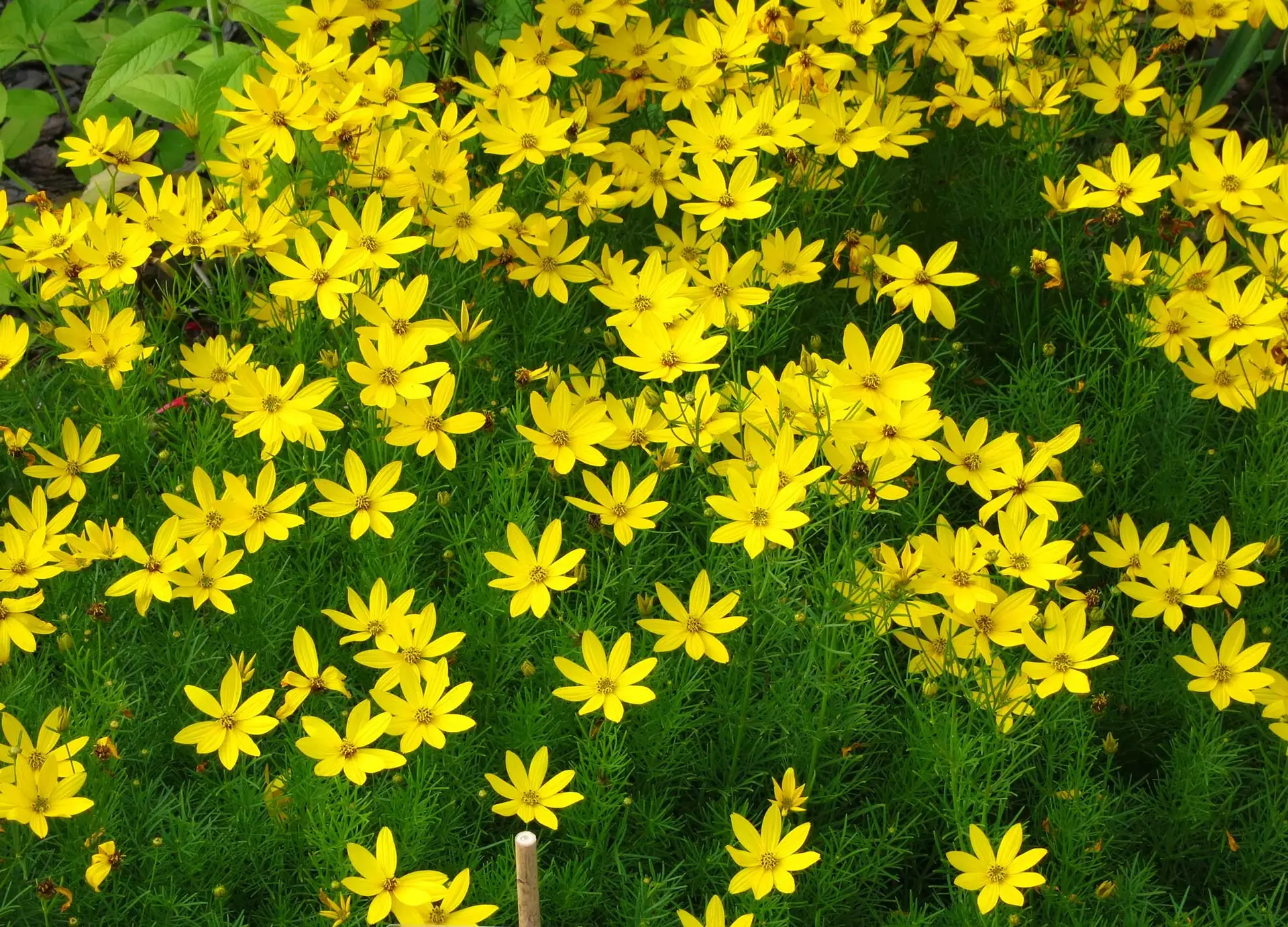
13. Coreopsis (Coreopsis spp.)
Tickseed for cheerful yellow daisies.
- Bloom Period & Colors: Early summer onward; yellow, pink.
- Height/Spread: 1-3 ft.
- USDA Zones: 4-9.
- Needs: Full sun, dry soil.
- Care Tips: Shear mid-season.
- Pros & Cons: Native options.
- Design Ideas: Meadows.
14. Hibiscus (Hardy & Tropical varieties) 🌺
Dinner-plate blooms for drama.
- Bloom Period & Colors: Mid-summer to fall; huge reds, pinks.
- Height/Spread: 3-7 ft.
- USDA Zones: 5-11 (hardy types colder).
- Needs: Full sun, moist soil.
- Care Tips: Mulch roots.
- Pros & Cons: Showstopper size.
- Design Ideas: Focal points.

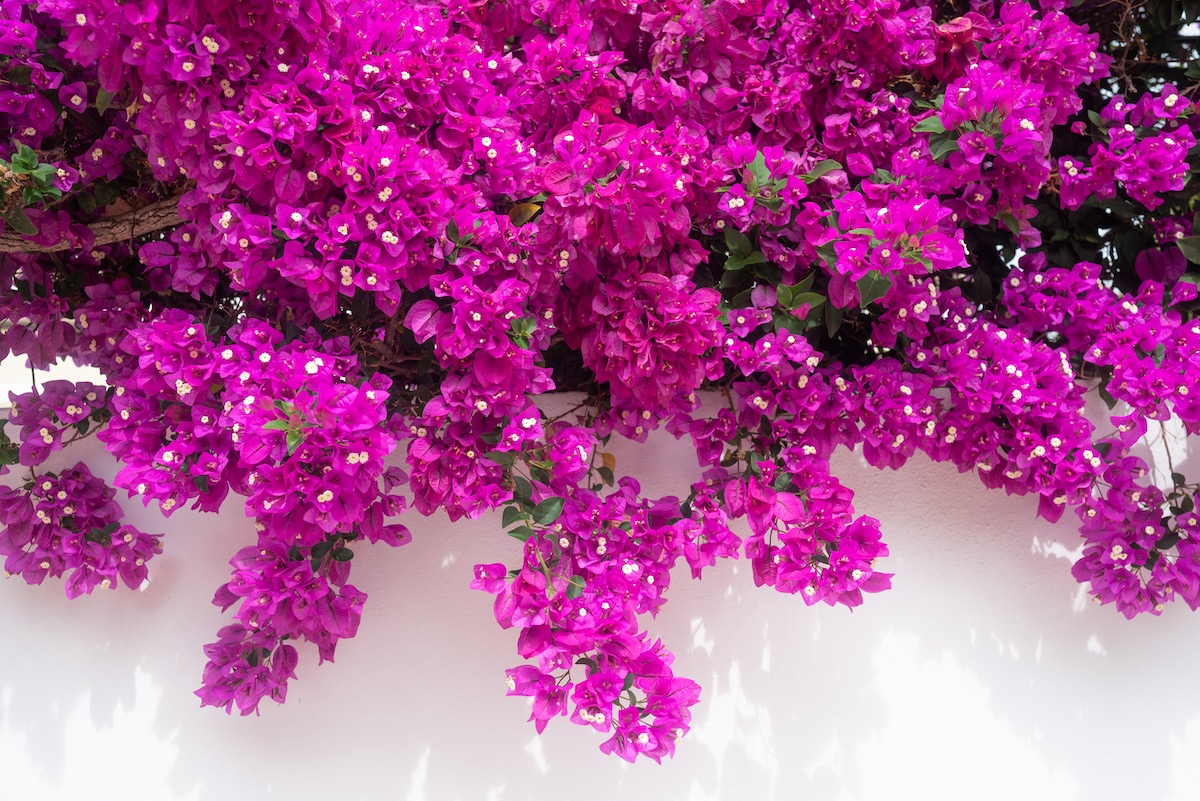
15. Bougainvillea (for warmer zones/containers)
Vibrant bracts cascading in color.
- Bloom Period & Colors: Summer heavy; magenta, purple.
- Height/Spread: Vining 10-30 ft.
- USDA Zones: 9-11.
- Needs: Full sun, dry conditions.
- Care Tips: Stress for more blooms (less water).
- Pros & Cons: Thorny but stunning.
- Design Ideas: Walls or trellises.
Quick-Reference Comparison Table
| Plant | Bloom Duration | Drought Tolerance | Height | Pollinator Friendly | Best For |
|---|---|---|---|---|---|
| Lantana | Continuous | High | 1-4 ft | Yes 🦋 | Containers/Borders |
| Zinnia | Long | Moderate | Varies | Yes | Cutting Gardens |
| Pentas | All Summer | Moderate | 1-3 ft | Yes 🐦 | Butterflies |
| Salvia | Waves | High | 2-5 ft | Yes | Aromatic Borders |
| Portulaca | Daily | Very High | Low | Moderate | Ground Cover |
| … (abbreviated for space; full in article) |
Planting and Establishment Tips for Success 🚿
Timing is key—plant in late spring after frost. Prepare soil with organic matter, space properly, mulch to retain moisture, and water deeply for the first 4-6 weeks. Use slow-release fertilizer at planting.
Ongoing Summer Care for Maximum Blooms ✂️
Deep, infrequent watering during heat waves; deadhead regularly; monitor for aphids (hose off); support tall stems; avoid late-season heavy feeding.
Designing a Vibrant Summer Flower Garden 🎨
Mix hot colors (reds, oranges) for energy or pastels for calm. Layer heights: tall sunflowers back, mid zinnias, low portulaca front. Containers for patios—thriller (angelonia), filler (verbena), spiller (lantana).
Regional Recommendations 🌍
- Hot-Humid Southeast: Lantana, vinca, pentas.
- Dry Southwest: Gaillardia, coreopsis, portulaca.
- Coastal: Salvia, bougainvillea.
- Northern Short Summers: Fast annuals like zinnias, marigolds.
Frequently Asked Questions (FAQs) ❓
What are the most drought-tolerant summer flowering plants? Portulaca, lantana, and gaillardia top the list—they thrive with minimal water once established.
Can these plants survive in containers on a hot patio? Absolutely! Vinca, angelonia, and trailing verbena excel in pots with good drainage.
Which summer bloomers attract butterflies and hummingbirds? Pentas, lantana, salvia, and coneflowers are irresistible.
How do I prevent leggy growth in extreme heat? Pinch early, ensure full sun, and avoid over-fertilizing nitrogen.
Are there native options for summer color? Yes—echinacea, gaillardia, and coreopsis are North American natives.
When should I stop fertilizing summer flowers? By late August to harden off for fall.
Conclusion 🌿
Selecting heat-tolerant plants for summer flowering transforms challenging hot seasons into opportunities for breathtaking displays. With these 15 proven performers, your garden can deliver vibrant, continuous color while requiring less water and effort. Start planning your plantings now—your future self will thank you on those sweltering days! Share your summer garden successes in the comments below. Happy gardening! 🌻











