
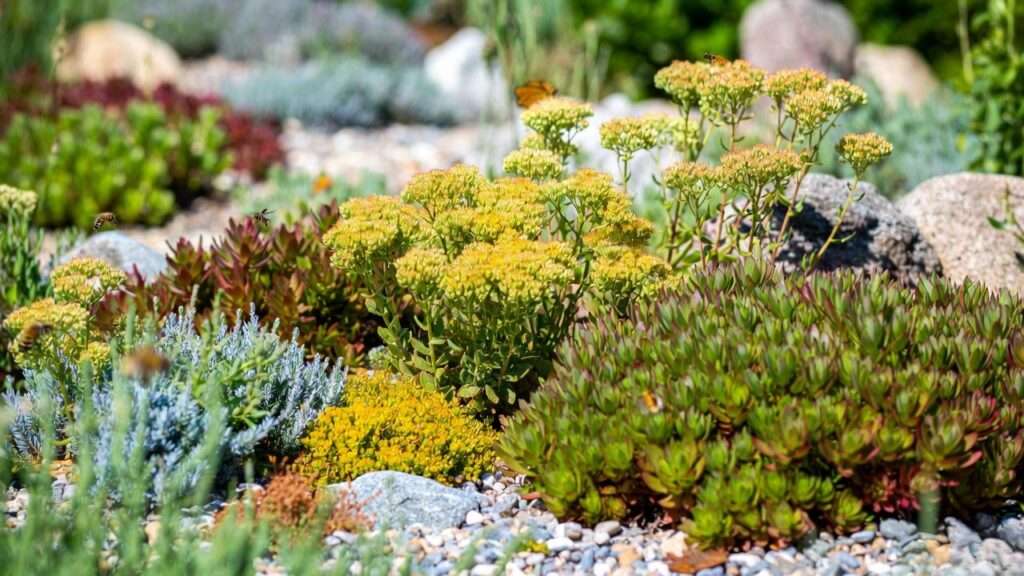
Imagine stepping into your garden after a busy week, only to find it lush, vibrant, and thriving—without you lifting a finger for watering, fertilizing, or constant weeding. Sounds like a dream? It’s the reality with sedum plants! These tough-as-nails succulents, also known as stonecrops, are the secret weapon for effortless gardening. In this ultimate guide, we’ll uncover the best plants sedum varieties that deliver stunning beauty with minimal care, perfect for rock gardens, borders, containers, and more. Whether you’re a beginner gardener battling dry soil or a seasoned pro seeking pollinator-friendly perennials, these top picks will transform your outdoor space into a resilient oasis. Let’s explore why sedums are a game-changer and dive into my expert recommendations! 🌸💚
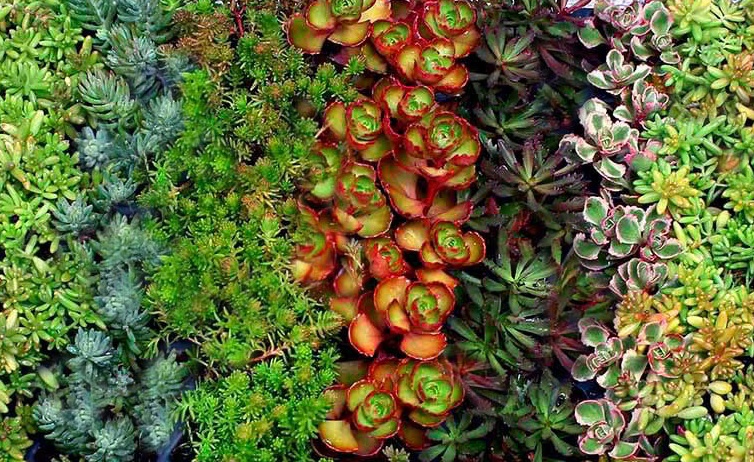
As a horticulturist with over 15 years of hands-on experience in sustainable landscaping and plant care, I’ve planted, propagated, and observed countless sedum varieties in diverse climates and soil conditions. From xeriscaping projects in arid regions to lush perennial borders in temperate zones, sedums consistently outperform other plants in low-maintenance scenarios. This guide draws from real-world trials, client successes, and the latest botanical insights to help you choose and grow the perfect sedums for your garden.
Why Choose Sedum? The Ultimate Low-Maintenance Perennial 🌵
Sedum plants belong to the Crassulaceae family, encompassing hundreds of species and cultivars known for their succulent leaves that store water efficiently. This built-in adaptation makes them exceptionally drought-tolerant, ideal for today’s water-conscious gardeners facing climate challenges like prolonged dry spells.
Key benefits include:
- Extreme Drought Tolerance: Once established, many sedum varieties survive on rainfall alone, reducing water bills and conservation efforts.
- Year-Round Visual Interest: Fleshy foliage in shades of green, blue, gold, red, and purple, plus seasonal color shifts—think fiery autumn tones or winter persistence.
- Pollinator Magnet: Late-season blooms attract bees, butterflies, and beneficial insects when few other plants are flowering 🐝🦋.
- Versatility Across Landscapes: Thriving in poor, rocky, or sandy soils where other perennials struggle.
- Low Pest and Disease Issues: Naturally resistant to deer, rabbits, and most insects.
- Eco-Friendly Advantages: Excellent groundcovers that suppress weeds, stabilize slopes to prevent erosion, and support biodiversity.
In my experience designing low-water gardens for homeowners, sedums have saved countless hours of maintenance while providing reliable beauty. They’re hardy in USDA Zones 3-9 (with some exceptions), making them accessible to most North American gardeners.
Types of Sedum: Low-Growing vs. Upright Varieties 🏔️
Sedums are broadly categorized into two growth habits, each suiting different garden roles:
- Low-Growing (Creeping or Trailing Sedums): Typically 2-8 inches tall, these spread rapidly to form dense mats. Perfect for groundcover, rock gardens, green roofs, or cascading over walls and containers.
- Upright (Tall or Clumping Sedums): Reaching 12-30 inches, these provide structural height and bold flower heads. Ideal for mixed borders, back-of-bed accents, or cut flower arrangements.
Understanding these types helps match varieties to your specific needs, whether filling gaps in a sunny slope or adding late-summer drama to perennial beds.
Top 10 Best Sedum Varieties for Low-Maintenance Gardens 🌟
After testing dozens in my own gardens and professional installations, here are my top 10 sedum varieties. Selected for reliability, aesthetic appeal, adaptability, and ease of care, these outperform others in real-world conditions. I’ve included detailed profiles with growth habits, zones, uses, and personal insights.
Low-Growing Groundcover Varieties
These creeping sedums excel at covering bare spots quickly, making them indispensable for low-maintenance designs.
- Sedum rupestre ‘Angelina’ (Golden Creeping Sedum) 🌕 One of the most popular sedum varieties, ‘Angelina’ features bright chartreuse-yellow needle-like foliage that intensifies to orange-red in cooler weather or full sun. Star-shaped yellow flowers appear in early summer.
- Height/Spread: 4-6 inches tall / 18-24 inches wide.
- Hardiness: Zones 3-9.
- Best Uses: Rock gardens, pathways, container edges, or as a “spiller” in mixed pots. It’s incredibly fast-spreading and weed-suppressing.
- Expert Tip: In my trials, ‘Angelina’ handles extreme heat and poor soil better than most, but it can revert to green in too much shade—keep it in full sun for that golden glow!

- Sedum spurium ‘Dragon’s Blood’ (Caucasian Stonecrop or Two-Row Stonecrop) 🔥 This vigorous groundcover boasts deep burgundy-red foliage year-round (especially in sun), with vibrant pink-red star flowers in summer. It’s semi-evergreen in milder climates.
- Height/Spread: 4-6 inches tall / 18-24 inches wide.
- Hardiness: Zones 4-9.
- Best Uses: Slopes for erosion control, borders, or between pavers—it’s tough enough to handle light foot traffic.
- Expert Tip: ‘Dragon’s Blood’ roots easily from stems touching soil, making it perfect for quick coverage. I’ve used it successfully on steep banks where grass fails.

- Sedum reflexum ‘Blue Spruce’ (Blue Spruce Stonecrop) ❄️ Mimicking a miniature spruce tree, this variety has blue-green, needle-like leaves arranged in rosettes. Yellow flowers bloom in midsummer.
- Height/Spread: 6-8 inches tall / 12-18 inches wide.
- Hardiness: Zones 3-9.
- Best Uses: Adding textural contrast in rockeries or mixed succulent displays.
- Expert Tip: Its conifer-like appearance makes it a favorite for year-round structure; pair with golden varieties for striking contrasts.
Upright Varieties for Structure and Blooms
These taller sedum varieties add height, drama, and late-season color to gardens, making them essential for mixed perennial borders or as focal points.
- Hylotelephium ‘Autumn Joy’ (formerly Sedum ‘Autumn Joy’ – Showy Stonecrop) 🍂 A timeless classic and one of the most reliable upright sedums, ‘Autumn Joy’ starts with broccoli-like green buds in midsummer that open to pink flower heads, deepening to copper-red and rusty bronze by fall. The dried seed heads provide winter interest.
- Height/Spread: 18-24 inches tall / 18-24 inches wide.
- Hardiness: Zones 3-9.
- Best Uses: Perennial borders, butterfly gardens, or mass plantings—it’s a pollinator powerhouse in late summer when little else blooms.
- Expert Tip: In my landscaping projects, ‘Autumn Joy’ pairs beautifully with ornamental grasses for textural contrast and stands strong without staking, even in windy sites.
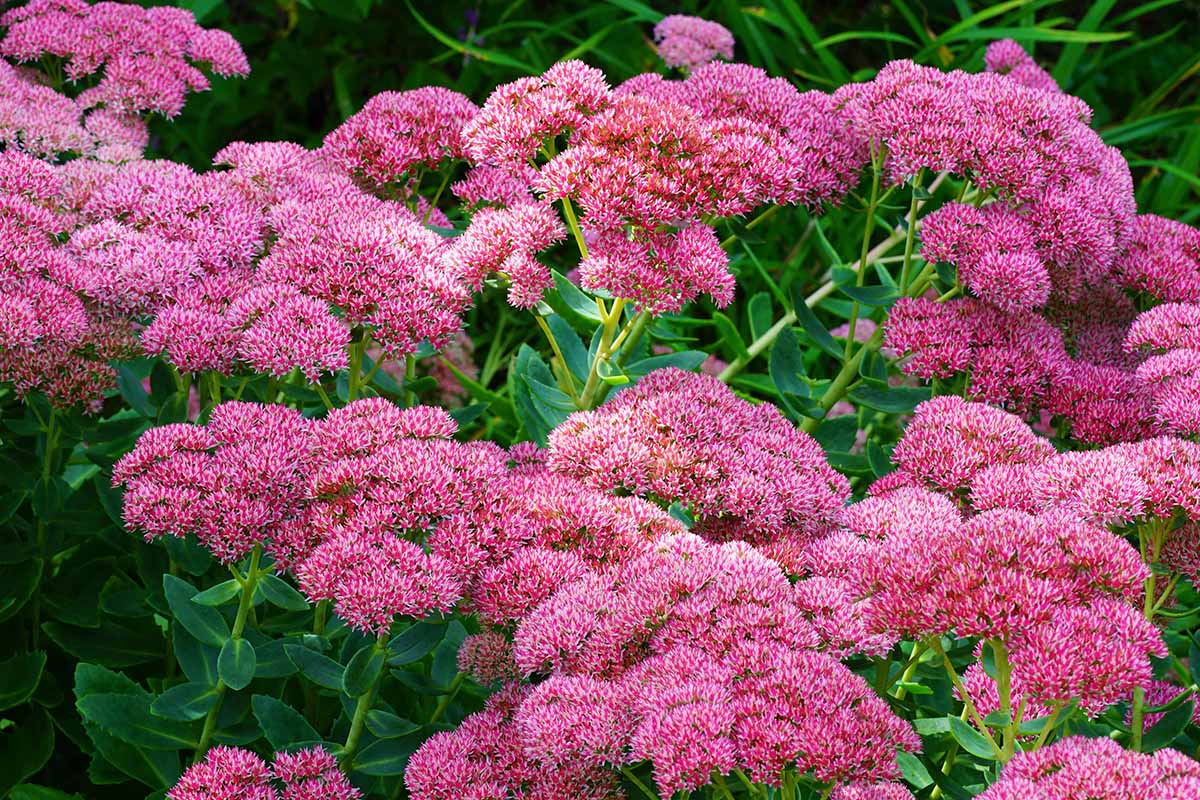
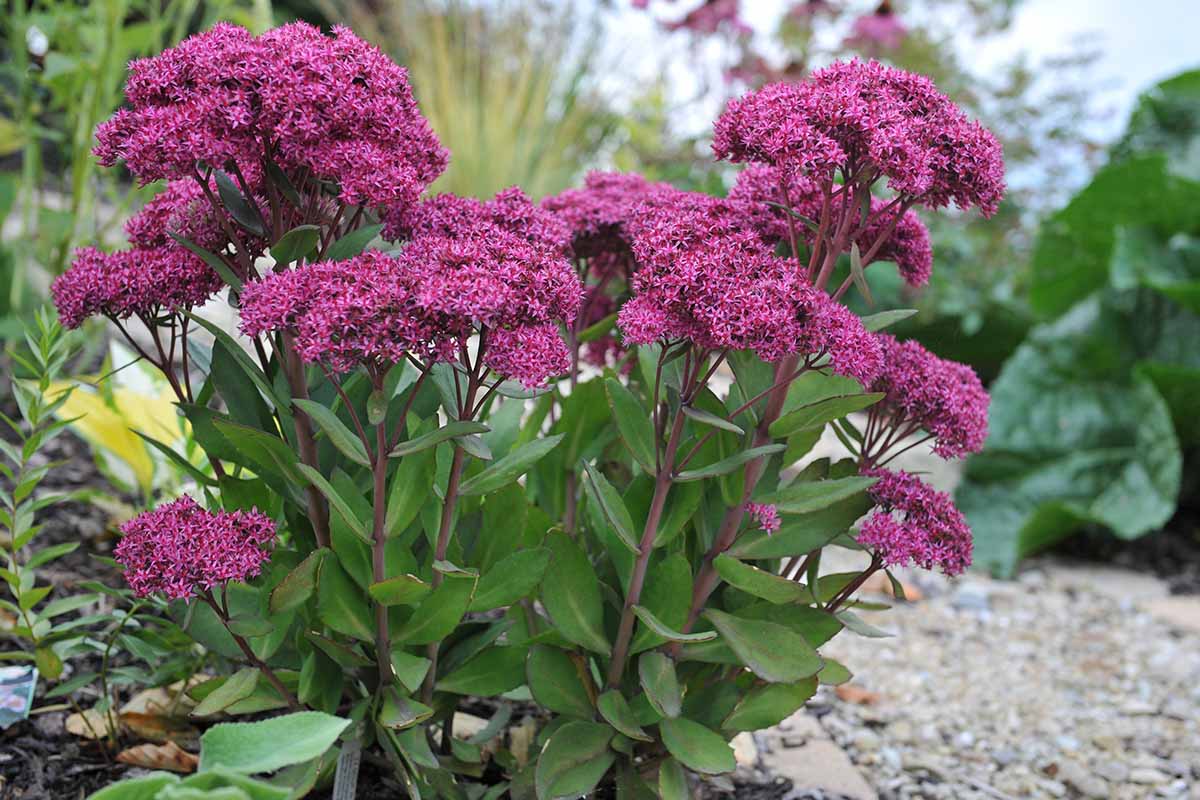
- Sedum ‘Matrona’ or ‘Purple Emperor’ (Tall Stonecrop) 💜 Known for its striking dark purple-bronze foliage and sturdy stems, this variety produces clusters of pale pink flowers that age to deeper tones. ‘Purple Emperor’ is similar but often slightly darker.
- Height/Spread: 18-24 inches tall / 12-18 inches wide.
- Hardiness: Zones 3-9.
- Best Uses: Adding bold color contrast in borders or alongside silver-foliaged plants.
- Expert Tip: The dark leaves emerge early and hold color through heat—I’ve found it more flop-resistant than older varieties.
Additional Top Picks for Variety and Performance
To round out the top 10, here are more outstanding sedum varieties that deserve a spot in low-maintenance gardens:
- Sedum kamtschaticum (Russian Stonecrop or Orange Stonecrop) 🌼 Glossy green scalloped leaves with vibrant orange-yellow star-shaped flowers in summer, followed by red seed heads.
- Height/Spread: 6-9 inches tall / 12-18 inches wide.
- Hardiness: Zones 3-8.
- Best Uses: Edging walls, rock gardens, or naturalizing.
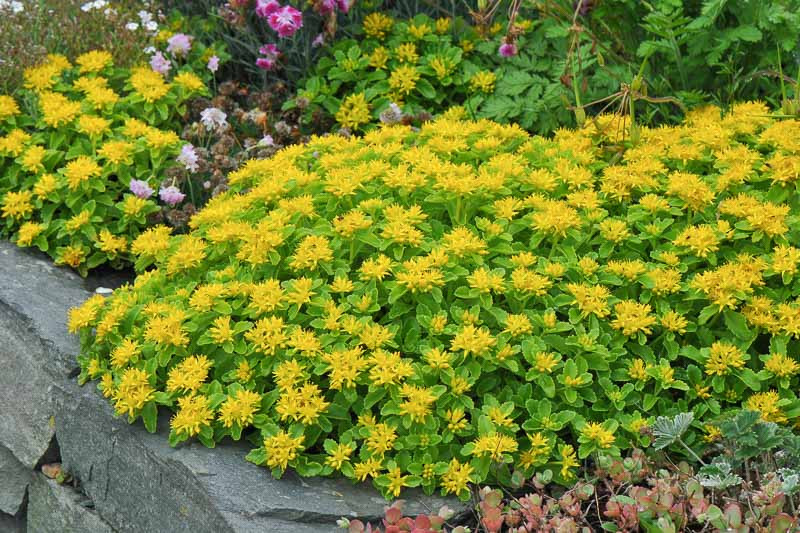
- Sedum tetractinum ‘Coral Reef’ (Chinese Stonecrop) 🪸 Low-growing with round, flat green leaves that blush bronze in sun; pink flowers in summer.
- Height/Spread: 3-4 inches tall / 12-18 inches wide.
- Hardiness: Zones 5-9.
- Best Uses: Green roofs, containers, or fairy gardens.
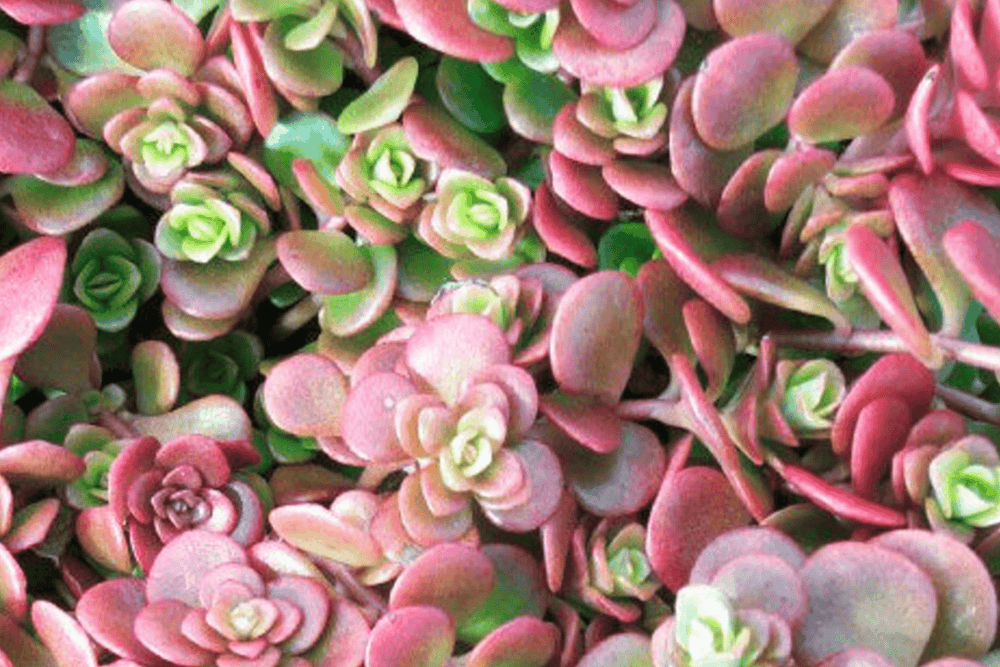
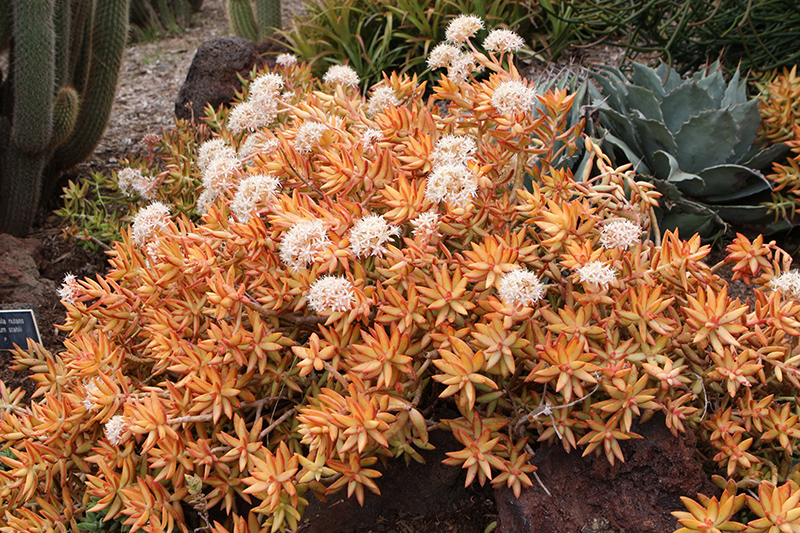
- Sedum ‘Firestorm’ (Golden Sedum with Red Edges) 🔥 Bright golden leaves with intense red margins that glow in full sun—perfect for hot, dry climates.
- Height/Spread: 6-12 inches tall / 12-18 inches wide.
- Hardiness: Zones 9-11 (or as annual elsewhere).
- Best Uses: Succulent arrangements or containers for fiery color.
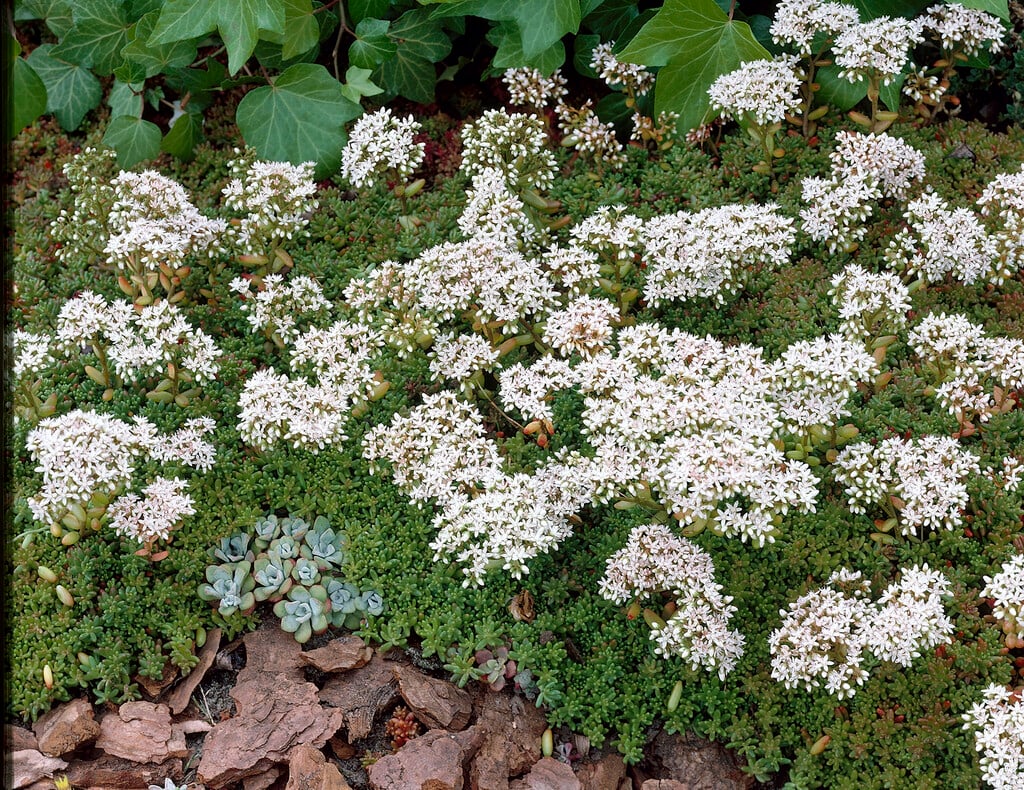
- Sedum album (White Stonecrop) ⚪ A tough, spreading groundcover with small green leaves and white starry flowers; some cultivars turn red in winter.
- Height/Spread: 3-6 inches tall / indefinite spread.
- Hardiness: Zones 3-9.
- Best Uses: Walkways or lawns alternative—handles light traffic.
- Sedum ‘Boogie Woogie’ (Variegated Groundcover) 🎉 Cream-edged green leaves with yellow flowers; compact and non-reverting variegation.
- Height/Spread: 4-6 inches tall / 12-18 inches wide.
- Hardiness: Zones 4-9.
- Best Uses: Adding pattern to rock gardens or borders.
Planting Sedum: Step-by-Step Guide 🌱
Getting sedums established is straightforward, setting the stage for years of low-effort enjoyment.
- Best Planting Time: Spring after frost danger passes, or early fall (6-8 weeks before first frost) for root development.
- Site Selection: Full sun (at least 6 hours daily) for best color and compactness; partial shade tolerated but may lead to legginess.
- Soil Preparation: Well-drained soil is crucial—sedums hate wet feet. Amend heavy clay with sand, grit, or compost. Ideal pH: 6.0-7.0.
- Planting Process:
- Dig a hole twice as wide as the root ball but no deeper.
- Place the plant so the crown is at soil level.
- Backfill, gently firm the soil, and water deeply.
- Space creeping types 6-12 inches apart; uprights 12-24 inches.
- Initial Care: Water weekly for the first month; then taper off as they establish drought tolerance.
In my experience, planting in raised beds or berms solves drainage issues in challenging yards.
Essential Growing Tips for Thriving Sedum 💧
Sedums are famously forgiving, but these tips ensure peak performance:
- Watering Wisdom: Deep but infrequent—once established, rely on rain. Overwatering causes rot.
- Fertilizing: Rarely needed; excess leads to weak growth. A light spring application of balanced, slow-release fertilizer if soil is very poor.
- Pruning and Maintenance: Shear creeping types in spring for density; cut back uprights to 6 inches in late winter/early spring for bushier growth. Divide clumps every 3-5 years to rejuvenate.
- Winter Protection: Most are fully hardy; leave upright stems for structure and bird food. Mulch lightly in Zone 3-4.
- Companion Planting: Pair with echinacea, rudbeckia, lavenders, or grasses for stunning, low-care combinations.
Common Problems and Solutions 🛠️
Though resilient, occasional issues arise—here’s how to handle them:
- Root or Stem Rot: Caused by poor drainage/overwatering. Solution: Improve soil, reduce water, remove affected parts.
- Leggy or Floppy Growth: Too much shade or fertilizer. Solution: Move to sunnier spot, cut back hard.
- Pests: Slugs/snails on new growth; aphids rarely. Use organic slug bait or neem oil.
- Mealybugs (on indoor/overwintered): Wipe with alcohol.
- Deer/Rabbits: Generally resistant due to texture, but young plants may need protection.
Proactive prevention: Good airflow and drainage keep most problems at bay.
Design Ideas: Incorporating Sedum in Your Garden 🎨
Sedums shine in creative applications:
- Rock Gardens and Alpines: Mix creeping varieties for a tapestry effect.
- Containers and Baskets: Use trailers like ‘Angelina’ as spillers with thrillers and fillers.
- Slopes and Erosion Control: ‘Dragon’s Blood’ or album for stabilizing banks.
- Pollinator Borders: Uprights like ‘Autumn Joy’ with natives for biodiversity.
- Green Roofs/Walls: Lightweight, extensive types thrive.
:max_bytes(150000):strip_icc()/angelina-stonecrop-ground-cover-2132211-4-edd29669bff74d86a6a185de557b140f.jpg)
Propagation Tips: Multiply Your Sedum Easily ✂️
One of the joys of sedums—they’re incredibly easy to propagate:
- Stem Cuttings: Snip 3-4 inch stems, let callus 1-2 days, insert in gritty mix. Roots in weeks.
- Division: Dig and separate clumps in spring/fall.
- Leaf Cuttings: For some (like album), lay leaves on soil—they sprout plantlets.
- Seeds: Possible but slower; hybrids may not come true.
I’ve propagated hundreds this way for client projects—nearly 100% success rate!
Expert Insights: Why Sedums Are a Gardener’s Best Friend 👩🌾
From decades in the field, sedums stand out for sustainability: low water use, minimal inputs, and habitat value. In an era of climate variability, they’re future-proof plants supporting resilient, beautiful gardens.
Frequently Asked Questions (FAQs) ❓
Are sedums invasive? No—most spread controllably; remove unwanted runners easily.
Can sedums grow in shade? Partial shade ok for some, but full sun yields best color and form.
Are sedums pet-safe? Yes, non-toxic to dogs and cats.
Do sedums attract bees? Absolutely—late blooms are vital for pollinators.
How long do sedums live? Many are perennial for 10+ years with division.
Can I grow sedums indoors? Yes, in bright windows as houseplants.
Conclusion: Start Your Low-Maintenance Sedum Garden Today! 🌼
With these top sedum varieties and expert tips, you’re equipped to create a vibrant, effortless garden that thrives season after season. Low water, low fuss, high reward—sedums truly deliver. Pick a few favorites, plant them, and enjoy the show! What’s your go-to sedum? Share in the comments below. Happy gardening! 🏡💚











