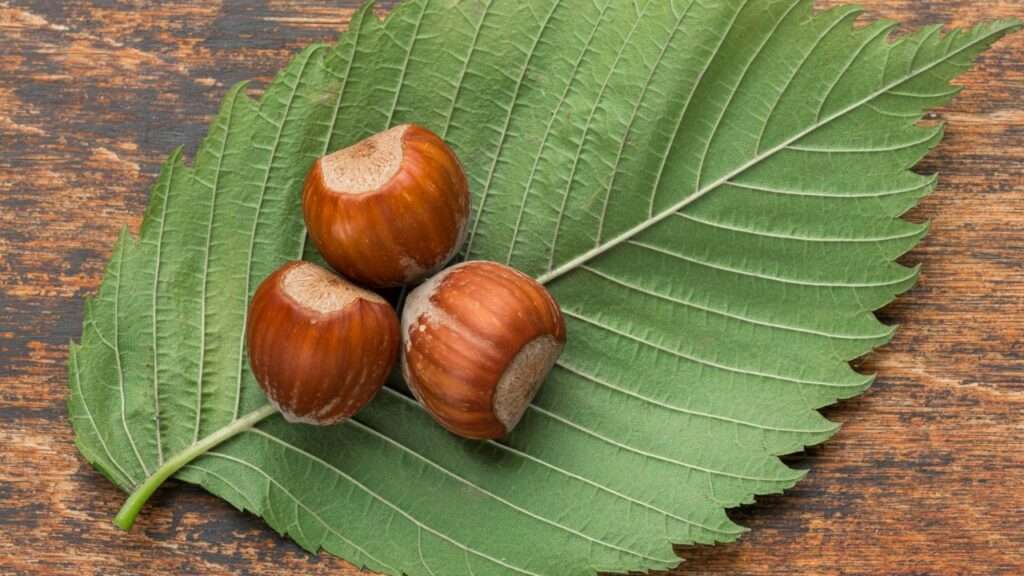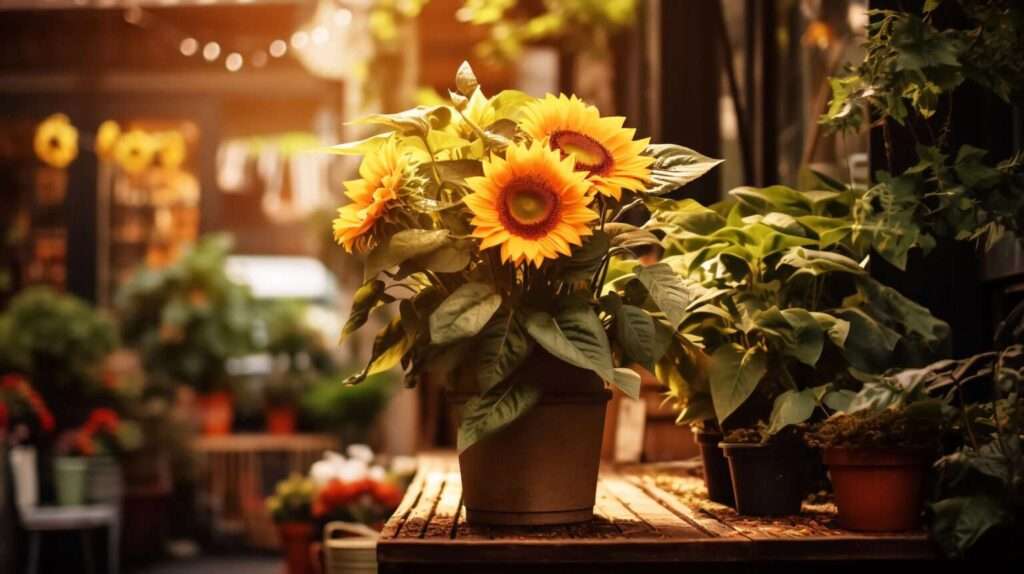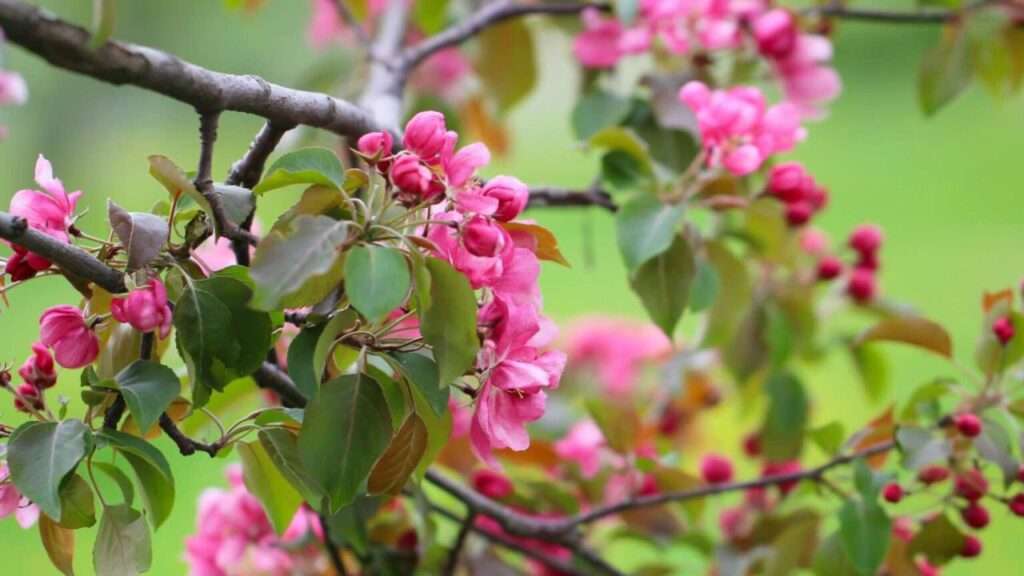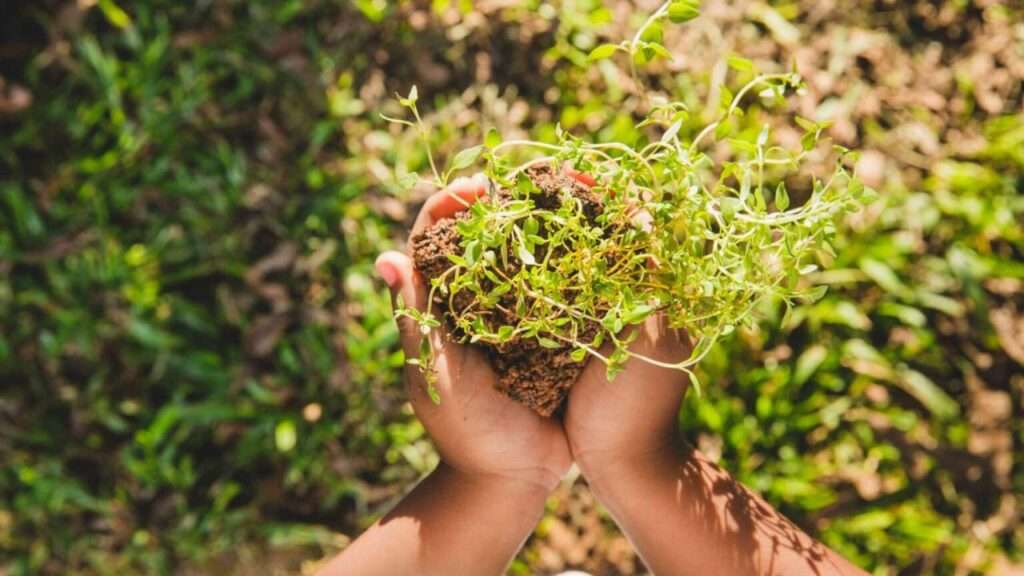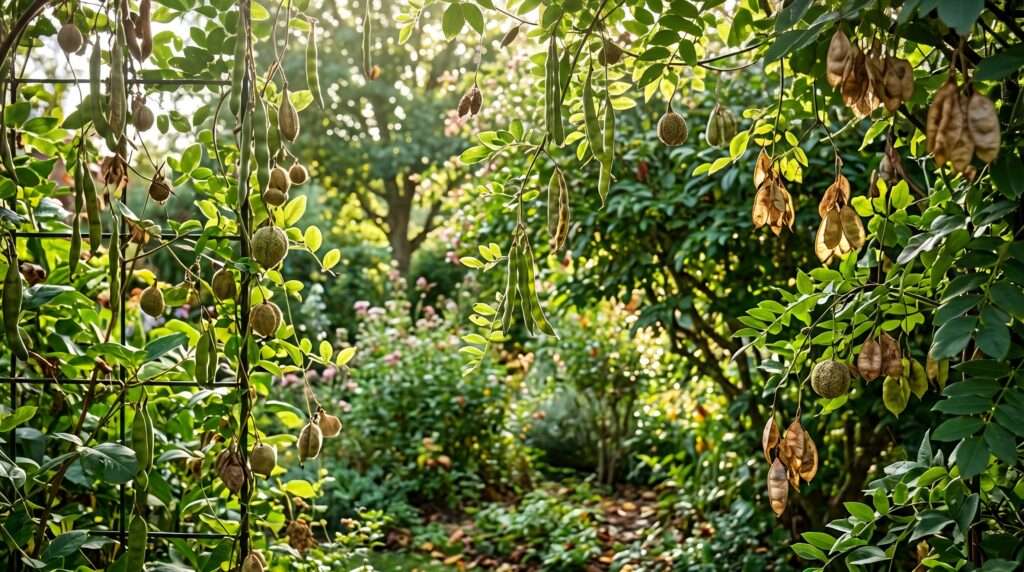
Have you ever been wandering through a garden—perhaps enjoying the warmth of a Central Texas afternoon or assessing your spring beds in a brisk USDA Zone 6—only to spot a bizarre, dangling seed case hanging from a vine or branch? You certainly aren’t alone. Unraveling the botanical mystery of plants with pods is a true rite of passage for every gardener, landscaping enthusiast, and nature lover.
As a horticulturist who has spent years identifying, cultivating, and propagating these unique botanical structures, I can assure you that discovering a new pod is like finding hidden garden treasure. But it also comes with immediate questions: Are they edible? Are they invasive weeds? Should I harvest them now or leave them alone? In this comprehensive skyscraper guide, we are going to unlock the secrets behind these fascinating seed vessels. From detailed identification charts to specialized soil microbiology tips, you will learn exactly how to care for these plants and harvest their bounty safely and effectively. 🕵️♀️🌿
What Exactly is a Seed Pod? (A Quick Botany Lesson for Gardeners) 🧬📖
Before we can master the care and harvesting of these plants, we need to understand what we are actually looking at. In the botanical world, a pod is a specialized type of fruit. While we culinary enthusiasts might think of “fruit” as sweet and fleshy like an apple, botanically speaking, a fruit is simply the seed-bearing structure that develops from the ovary of a flowering plant.
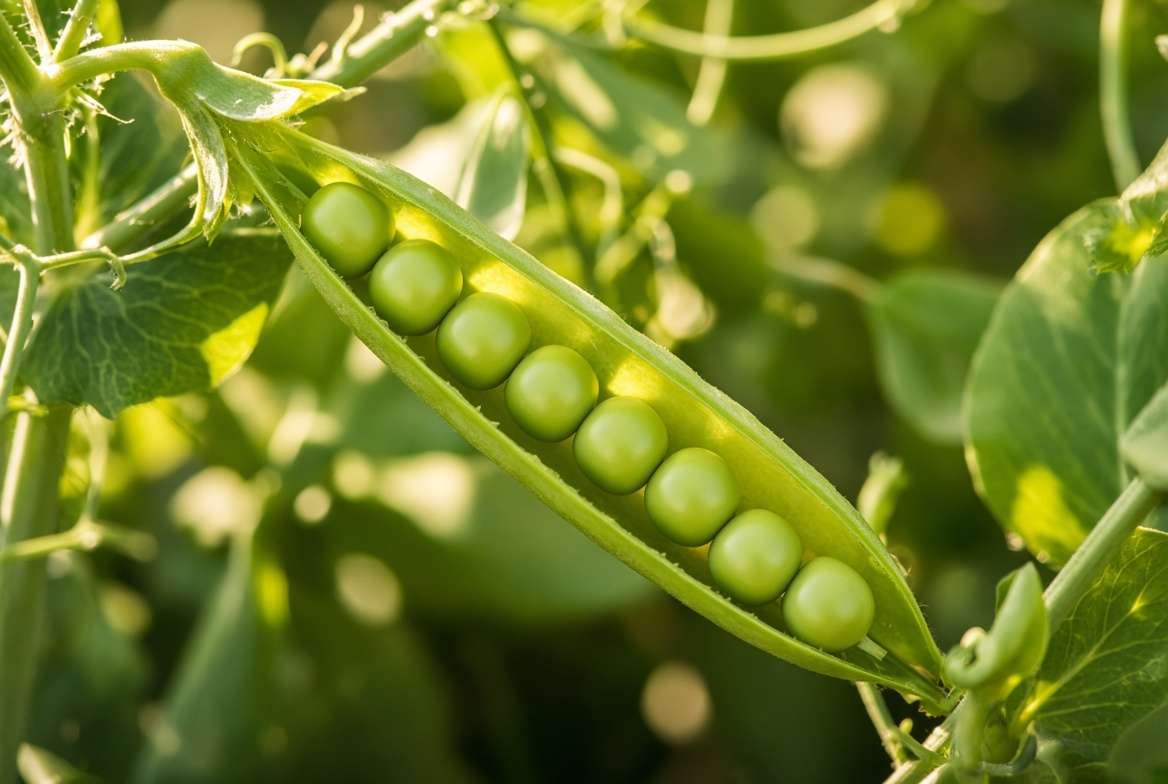
The Anatomy of a Pod 🔍
Technically, most pods fall into one of two botanical categories: legumes or capsules. A legume is a simple dry fruit that develops from a single carpel and usually dehisces (splits open) along a seam on two sides. A capsule, on the other hand, can split in multiple different ways to release its internal seeds.
The evolutionary purpose of the pod is twofold: ultimate protection and strategic seed dispersal. The tough outer casing protects the developing embryonic seeds from harsh weather, pests, and premature dropping. Once the seeds are mature, the pod’s structure dictates how those seeds will travel to establish the next generation of plants.
Why Do Only Some Plants Produce Pods? 🌸
Not all plants are capable of producing these distinct cases. Pod production is heavily concentrated in a few specific plant families. The most famous is the Fabaceae family (the legume, pea, or bean family), which is the third-largest land plant family in the world. Another prominent group is the Asclepiadaceae subfamily (the milkweeds), known for their unique, latex-producing stems and large, teardrop-shaped capsules.
Expert Insight: “A plant’s pod is a marvel of evolutionary engineering. Some pods, like those of the wisteria, build up incredible surface tension as they dry in the autumn sun, eventually exploding with an audible ‘pop’ to catapult their seeds meters away. Others, like milkweed, wait for the perfect breeze to crack open and release seeds attached to fluffy, parachute-like silks.”
The Ultimate Identification Guide to Plants with Pods 🪴🔎
When you spot a mystery pod, the first critical step is proper identification. Treating a toxic ornamental vine like an edible garden bean is a dangerous mistake. Here is your definitive guide to identifying the most common pod-bearing plants across various climates.
Edible Garden Favorites 🫛🥗
Peas (Sweet, Snow, Snap) Pea plants are delicate, climbing annuals that use slender tendrils to grip trellises and supports. Their pods are typically bright, vibrant green, smooth to the touch, and somewhat translucent when held up to the sunlight. Depending on the variety, they might be flat (snow peas) or plump and cylindrical (sugar snap peas). The plants prefer cooler weather and will often stop producing pods once the intense summer heat sets in.
Beans (Bush, Pole, Runner) Beans are incredibly diverse, but their pods share a common structure: an elongated, seamed casing that houses kidney-shaped, oval, or round seeds. Bush beans produce their pods in clusters low to the ground, while pole beans and runner beans will aggressively climb any available support. The pods can be green, vibrant yellow (wax beans), or even deep purple. A distinct feature of bean pods is the slight “snap” they make when broken in half at peak ripeness.
Okra While not a legume (it belongs to the mallow family, related to hibiscus), okra is famous for its edible pods. Okra pods are distinctively ribbed, slightly fuzzy, and point upward toward the sky on thick, robust stalks, rather than hanging downward like peas or beans. They must be harvested when they are small and tender (about 3 to 4 inches long); if left on the plant, the pods become incredibly woody, fibrous, and inedible.
Stunning Ornamental Vines & Flowers 🌺🦋
Wisteria Wisteria is a breathtakingly beautiful, vigorous woody vine famous for its cascading purple, pink, or white spring blooms. By late summer, these flowers give way to long, velvety, bean-like pods that dangle gracefully from the vines. Warning: While they look remarkably similar to edible beans, wisteria pods and the seeds inside are highly toxic to humans and pets if ingested, causing severe gastrointestinal distress.
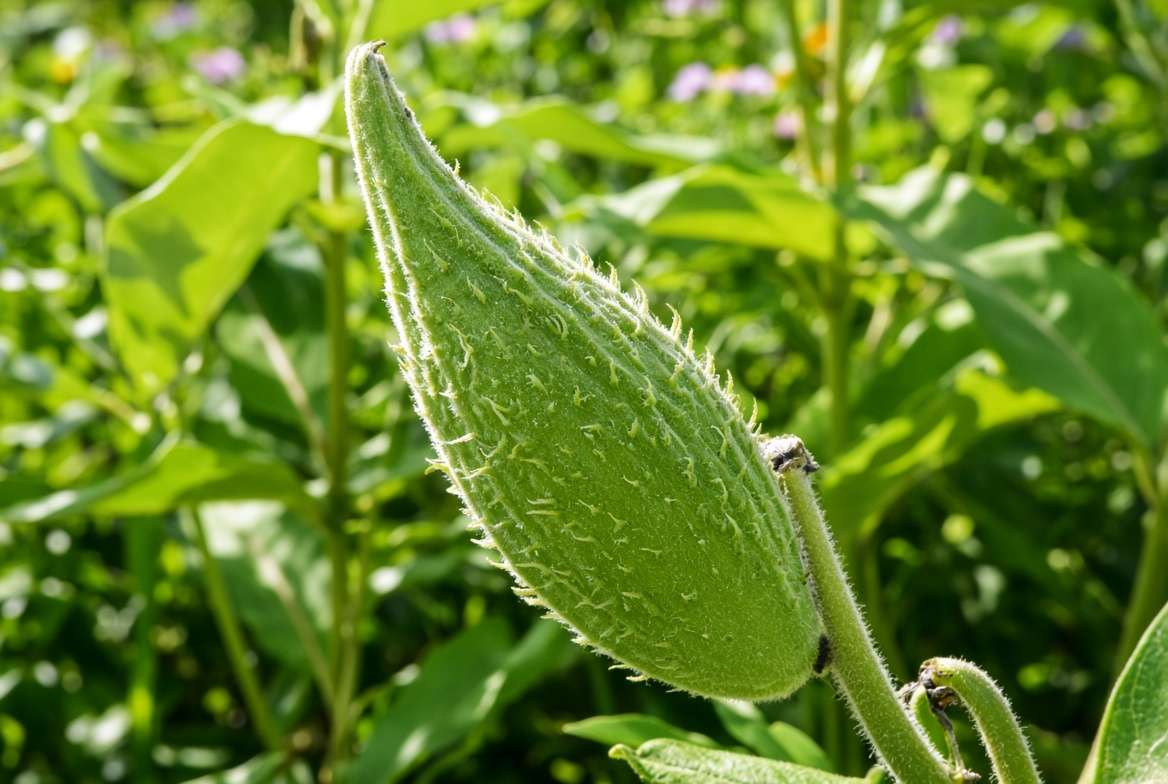
Milkweed (Asclepias) Milkweed is the absolute crown jewel of the pollinator garden and the sole host plant for the endangered Monarch butterfly caterpillar. After its clusters of star-shaped flowers fade, the plant produces large, teardrop-shaped green pods. As autumn approaches, these pods turn brown, dry out, and split open along one side to release hundreds of flat brown seeds, each attached to a tuft of silky, white fluff (pappus) that catches the wind.
Lupine A staple in cottage gardens and wildflower meadows, lupines produce tall spikes of vibrant, pea-like flowers. Once pollinated, these flowers form clusters of small, incredibly fuzzy seed pods that look almost like furry caterpillars climbing up the stem. Like wisteria, lupine seeds contain toxic alkaloids and are strictly for ornamental appreciation and seed saving, not for snacking.
Majestic Trees and Shrubs 🌳🍂
When we move from the vegetable garden to arboriculture, seed cases take on massive, architectural proportions. Identifying tree pods is a crucial skill for any homeowner or landscape manager, as it often dictates maintenance schedules and weed management.
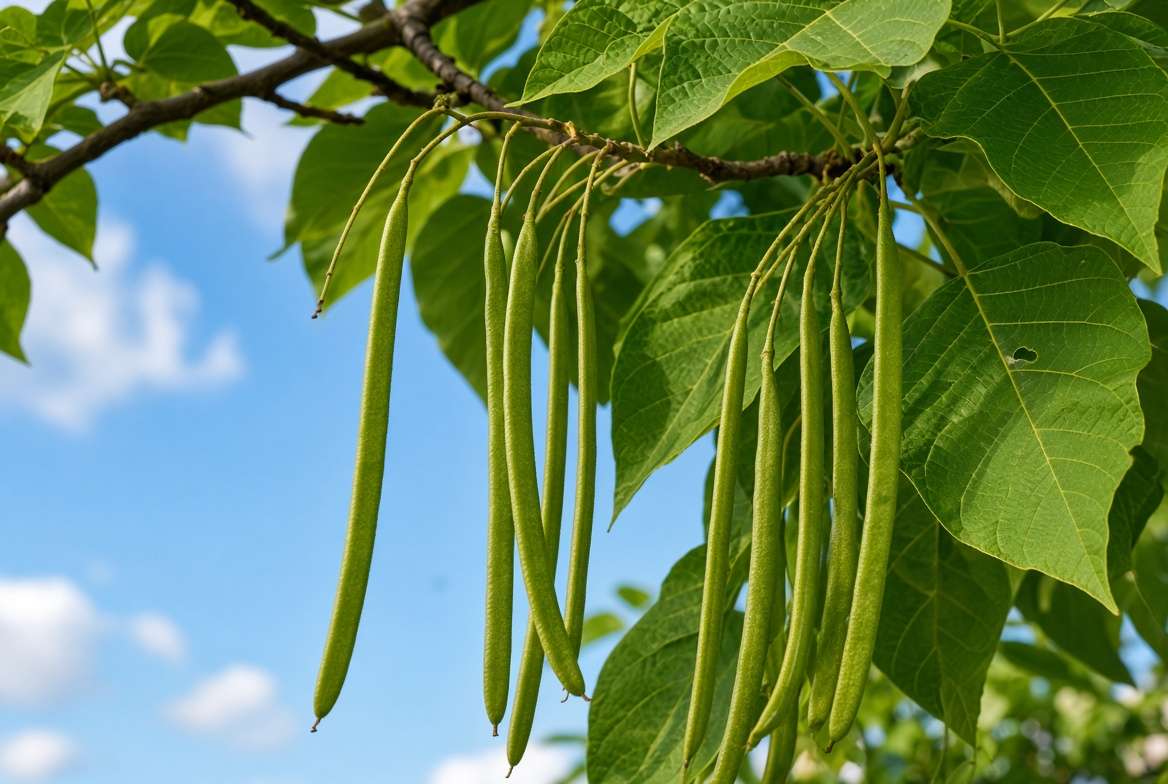
Catalpa Tree (Cigar Tree) The Catalpa is an imposing, fast-growing shade tree famous for its massive heart-shaped leaves and gorgeous, orchid-like spring flowers. By late summer, it develops its unmistakable “cigars”—long, slender, green cylindrical pods that can reach up to two feet in length. As autumn sets in, these turn dark brown and eventually split open to release winged seeds. While messy to clean up, the pods are a favorite among crafters and nature enthusiasts.
Redbud Tree (Cercis canadensis) A beloved native across many USDA Hardiness Zones, the Eastern Redbud is an understory tree that bursts into stunning pinkish-purple blooms before its leaves even appear in the spring. Because it is a member of the legume family, those early flowers transition into flat, papery, brown pods by late summer. These clusters often persist on the bare branches straight through the winter, providing excellent visual interest and forage for wildlife.
Mimosa Tree (Silk Tree) With its fern-like foliage and fluffy, pink, Dr. Seuss-like flowers, the Mimosa tree is undeniably striking. However, it produces heavy clusters of flat, brownish seed cases that rattle in the wind. In many regions, this tree is highly invasive; the seeds germinate rapidly, allowing the plant to quickly overtake native vegetation. Recognizing these pods early is essential for responsible land management.
Is My Pod Plant Edible, Ornamental, or Invasive?
Note: Always consult a local horticultural extension before consuming any unknown garden plant, as many toxic ornamental pods closely mimic edible varieties.
Essential Care Guide: How to Grow Thriving Plants with Pods ☀️💧
Cultivating plants with pods requires a slightly different approach than growing leafy greens or root vegetables. The production of the seed vessel is the final, most energy-intensive stage of a plant’s reproductive cycle.
Sunlight and Temperature Requirements 🌡️
To generate the immense amount of energy required to form flowers and subsequently swell into heavy seed cases, the vast majority of these plants require full sun—meaning a minimum of six to eight hours of direct, unobstructed sunlight per day. Insufficient sunlight will result in “leggy” vines or branches that produce lush foliage but absolutely no blooms. Furthermore, temperature plays a critical role. Cool-season legumes like peas will stop pod production and die back when temperatures consistently exceed 80°F, while heat-loving okra thrives in sweltering Southern summers.
Soil Microbiology and Fertilizer Needs 🪱
One of the most fascinating aspects of growing legumes (peas, beans, redbuds) is their relationship with soil microbiology. These plants have a symbiotic relationship with Rhizobium bacteria. The bacteria attach to the plant’s roots, forming small nodules that pull nitrogen directly from the atmosphere and convert it into a usable form for the plant.
Because of this nitrogen-fixing ability, you must be incredibly careful with fertilizers. If you apply a heavy, nitrogen-rich fertilizer to your beans or peas, the plant will prioritize vegetative growth over reproduction. You will end up with a massive, beautiful green vine that yields zero pods. Instead, amend your soil with rich, organic compost and consider applying a powdered inoculant (containing beneficial bacteria) to your seeds right before planting to boost root nodulation.
The Critical Role of Pollination 🐝
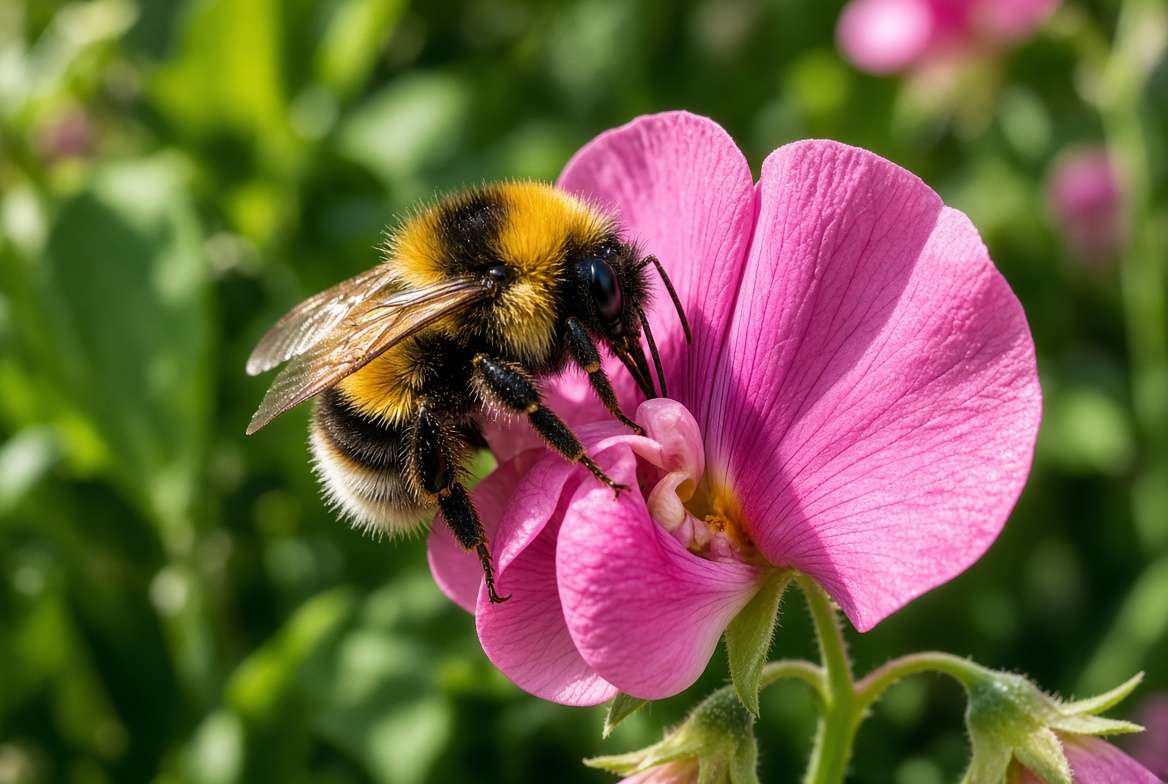
A pod is simply the swollen ovary of a pollinated flower. Therefore, zero pollination equals zero pods. While some plants, like certain tomatoes, are self-pollinating through wind vibration, many pod-producing plants rely heavily on beneficial insects.
If you notice your vines are producing magnificent flowers that simply dry up and fall off without ever forming a pod, you likely have a pollinator deficit. To combat this, practice companion planting. Interplanting brightly colored, nectar-rich flowers like marigolds, zinnias, and alyssum near your pod plants will draw native bees, bumblebees, and butterflies directly into your crop canopy, ensuring a bountiful harvest.
The Harvest: When and How to Collect Seed Pods ✂️🧺
Whether you are harvesting for tonight’s dinner table or saving seeds to replant next spring, timing and technique are everything.
Timing is Everything ⏳
The optimal harvest time depends entirely on your end goal.
-
Harvesting for Eating: If you want tender, sweet, edible pods (like green beans or snow peas), you must harvest them while they are immature, vibrant green, and before the seeds inside have fully swelled. If you wait too long, the casing becomes tough, stringy, and starchy.
-
Harvesting for Seed Saving: If your goal is to collect seeds for propagation, you must exercise patience. Leave the pods on the plant until they are fully mature. The visual cues for this are universal across most species: the pod will change from green to brown, yellow, or tan; the outer casing will become dry and papery; and in many cases, you will be able to hear the seeds rattling inside when you gently shake it.
Step-by-Step Seed Saving Process 📥
-
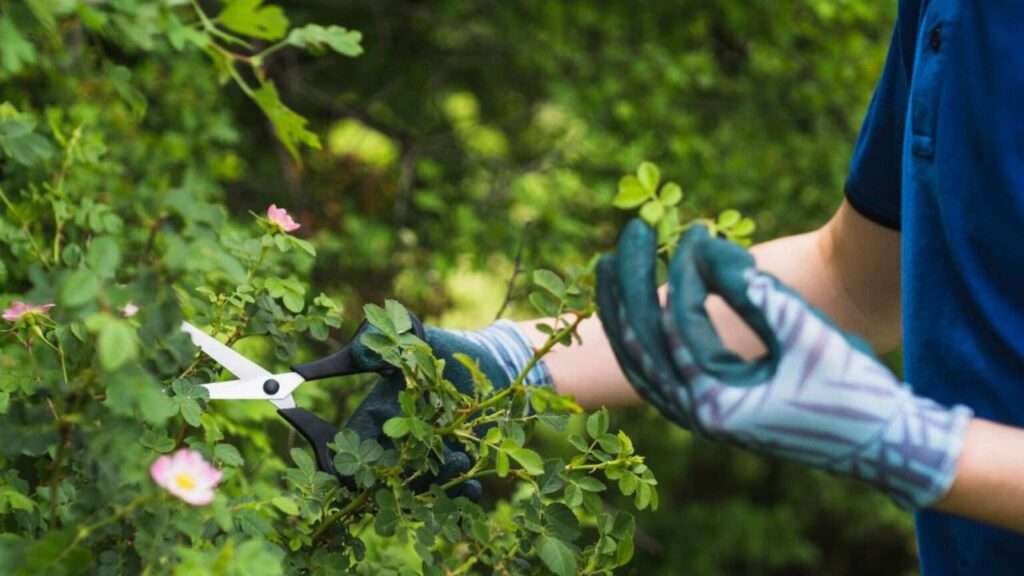
Cut, Don’t Pull: Always use sterile pruning shears to snip the dry case from the stem. Pulling it by hand can easily snap delicate vines or damage the host tree’s bark.
-
The Curing Phase: Even if they feel dry on the vine, spread your harvested pods out on a mesh screen or newspaper in a warm, dry, well-ventilated room for an additional week. This prevents mold growth during storage.
-
Threshing and Winnowing: Gently crack open the dry casings using your thumbs, being careful not to crush the seeds inside. Discard the outer husks (they make excellent brown matter for the compost bin).
-
Proper Storage: Place your completely dry seeds into small paper envelopes (paper allows for microscopic airflow) and store them in a cool, dark, dry place—like a glass mason jar kept in the back of a climate-controlled pantry.
A Generational Success Story: My grandfather saved the seeds of a specific, drought-tolerant pole bean for over forty years. By continuously selecting the largest, driest pods from the healthiest vines each autumn, he naturally bred a micro-variety perfectly adapted to our local soil conditions. Those same seeds still produce incredible yields in my garden today, proving the profound value of understanding the harvest cycle.
Troubleshooting: Why Are My Plant’s Pods Dropping or Empty? 🥀🛑
Even the most experienced horticulturist will occasionally run into issues where a plant looks completely healthy, yet the pods are either failing to form, dropping off prematurely, or turning out to be completely empty. Before you reach for harsh chemicals, let’s diagnose the root cause using organic, E-E-A-T aligned principles.
Blossom End Rot and Calcium Deficiencies 🥛
While blossom end rot is most commonly associated with tomatoes, it can absolutely affect pod-producing plants like beans and okra. It presents as a dark, sunken, leathery spot at the bottom end of the developing seed case. This is rarely caused by a true lack of calcium in the soil; rather, it is usually caused by inconsistent watering that prevents the plant’s roots from effectively taking up the available calcium.
-
The Fix: Maintain deep, consistent soil moisture using a heavy layer of organic mulch (like straw or shredded leaves). Avoid shallow, daily watering; instead, water deeply at the base of the plant once or twice a week to encourage deep root growth.
Heat Stress and Water Fluctuations 🥵
“Blossom drop” is perhaps the most frustrating issue for gardeners. Your plant is covered in beautiful flowers, but a few days later, they all wither and fall off, leaving bare stems behind. The culprit is almost always severe heat stress or extreme fluctuations in soil moisture. When temperatures spike dramatically, the plant goes into survival mode, aborting its reproductive efforts (the flowers/pods) to conserve energy and water for its core vascular system.
-
The Fix: If an extreme heatwave is forecasted, deploy 30% shade cloth over delicate vines to lower the ambient canopy temperature. Ensure the soil is thoroughly watered before the heat of the day sets in.
Common Pests That Attack Pods 🐛
Because seed cases are packed with nutrient-dense, embryonic energy, they are a primary target for a variety of garden pests.
-
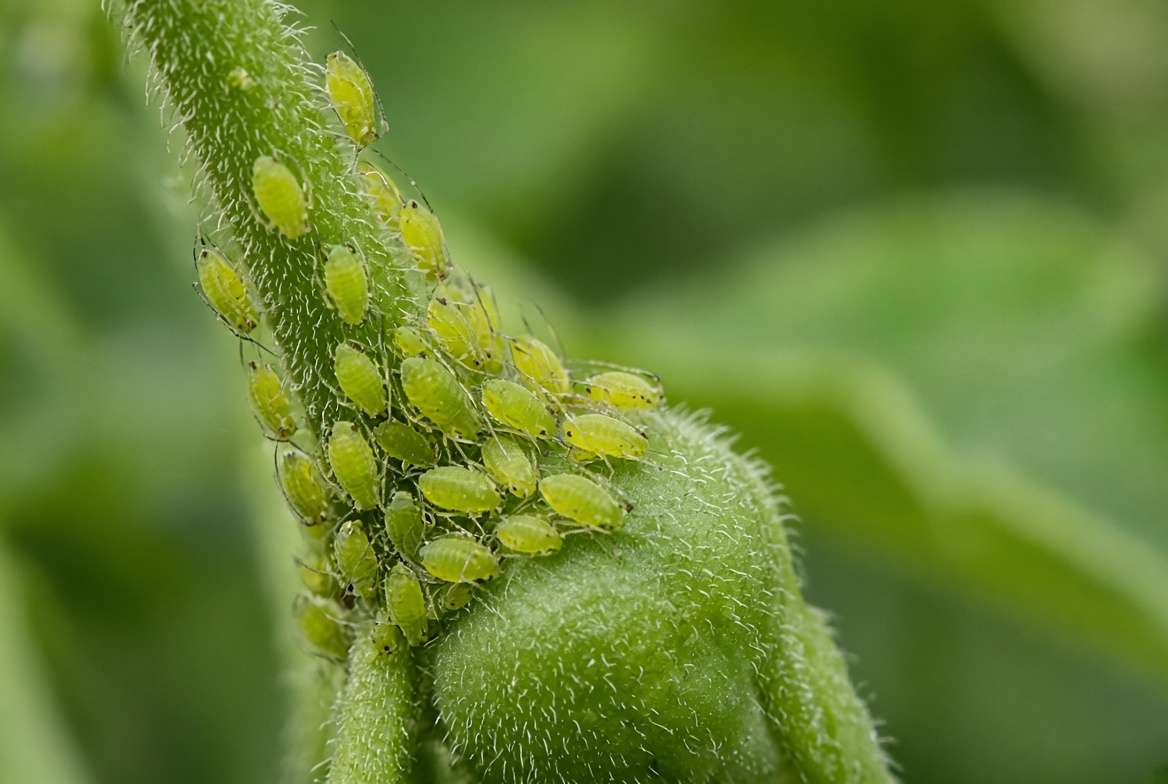
Aphids: These tiny sap-suckers congregate on the tender, new growth near the top of the plant and along the stems of developing pods, causing them to become stunted and deformed.
-
Stink Bugs: These shield-shaped insects possess piercing mouthparts that they use to suck the juices directly out of the developing seeds through the pod wall, leaving behind dimpled, cloudy, or corky spots.
-
The Fix: Avoid broad-spectrum insecticides that will kill your essential pollinators. Instead, use targeted bursts from the garden hose to knock aphids off the plants. For heavier infestations, apply cold-pressed Neem oil or insecticidal soap early in the morning or late in the evening when bees are not active.
Frequently Asked Questions (FAQs) About Pod Plants 🙋♂️💬
Are all plants with pods legumes? No. While the vast majority of edible garden pods (peas, beans, peanuts) and many ornamental trees (redbuds, wisteria) are legumes belonging to the Fabaceae family, there are notable exceptions. Okra belongs to the mallow family, and milkweed produces pods but belongs to the Asclepiadaceae family.
Are the seed pods on my Wisteria vine poisonous? Yes. Every part of the Wisteria plant, but especially the fuzzy seed pods and the seeds inside them, contains toxic saponins and a glycoside called wisterin. Ingestion can cause severe nausea, vomiting, stomach pain, and diarrhea in both humans and pets. Always keep them away from curious children and foraging dogs.
Can I plant a seed straight from a fresh, green pod? Generally, no. If a pod is still green and fleshy, the seeds inside have not finished their embryonic development. In nature, seeds must fully mature and dry down before they are viable. You must wait until the casing is brown and dry before attempting to harvest and plant the seeds.
Why did my plant grow pods this year but not last year? This is often related to the plant’s maturity, the weather patterns of that specific season, or a lack of pollinators. Many woody perennials and trees (like Catalpas or Wisteria) require several years of root establishment before they have the energy reserves necessary to bloom and set seed. Alternatively, a late spring frost last year may have killed the delicate flower buds before they could ever form into seed vessels.
Conclusion: Embrace the Pod Life 🌍💚
Whether you are trying to maximize the yield of your sugar snap peas, responsibly manage the architectural seed cases of your landscape trees, or harvest milkweed seeds to support your local Monarch butterfly population, understanding plants with pods is an essential gardening skill.
These incredible botanical structures are far more than just a gardener’s curiosity. They are nature’s highly engineered packaging, designed to protect the next generation of life and ensure the continuation of complex ecosystems. By learning how to properly identify, care for, and harvest them, you move beyond simply watering a plant—you become an active participant in the natural cycle of propagation and growth.
Have you spotted a strange, mystery seed case dangling in your yard recently? Snap a photo and describe it in the comments below! I’d love to help you identify it. And if you are ready to start saving your own heirloom seeds this season, be sure to check out our comprehensive affiliate buying guide for “The Best Seed Saving Kits, Glass Vials, and Breathable Envelopes for Home Gardeners.” Happy harvesting! 🌻📥