
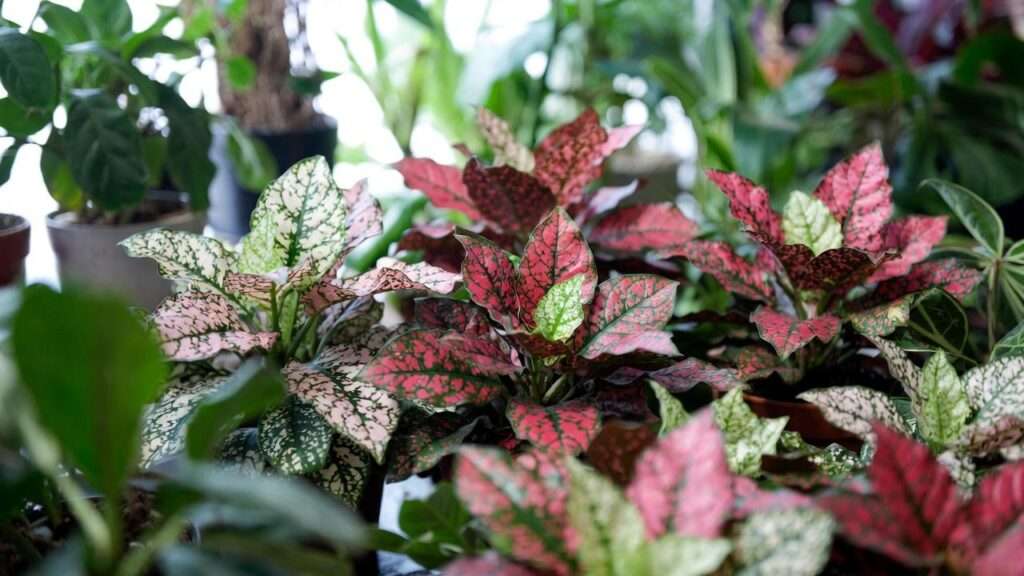
Imagine transforming a handful of tiny polka dot plant seeds into a lush collection of freckled foliage that adds playful pops of pink, red, and white to your home or garden. These charming polka dot plants (Hypoestes phyllostachya), also known as freckle face plants, are beloved for their speckled leaves that bring instant joy and color to any space. Starting from polka dot plant seeds is not only incredibly rewarding and budget-friendly but also allows you to experience the full magic of growth—from germination to vibrant, bushy plants. In this expert guide, I’ll walk you through every step, drawing from years of hands-on horticultural experience, to help you achieve stunning results even if you’re a beginner. 🌱🎉

Understanding the Polka Dot Plant 🌸
Botanical Background and Native Habitat 🗺️
The polka dot plant, scientifically known as Hypoestes phyllostachya, hails from the warm, humid rainforests of Madagascar, with related species found in South Africa and Southeast Asia. In its native habitat, it grows as a tender evergreen perennial on the shaded forest floor, reaching up to 30 inches tall and wide. This tropical origin explains its love for indirect light, high humidity, and consistent moisture—key factors for success when growing indoors or in temperate climates.
As a member of the Acanthaceae family, it’s prized purely for its ornamental foliage rather than flowers, which are small and inconspicuous (lavender or pink spikes that we often pinch off to encourage leaf growth).
Popular Varieties and Color Options 🎨
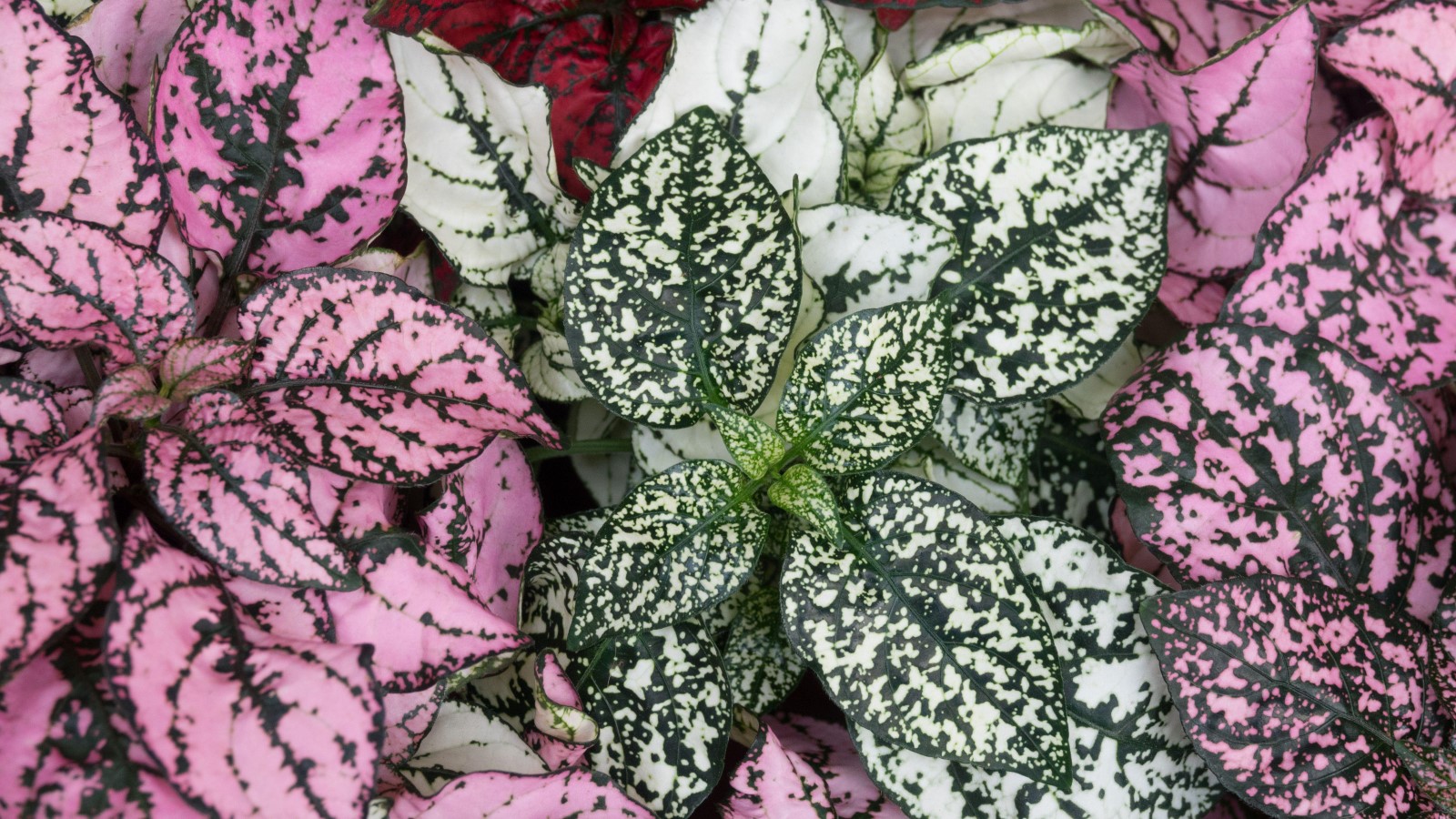
Modern hybrids offer an exciting array of colors beyond the classic pink-splashed green leaves. Popular series like ‘Splash Select’ come in mixes of pink, red, white, and even rose. Look for:
- Pink: The most common, with vibrant bubblegum freckles.
- Red: Bold, deep crimson spots for dramatic contrast.
- White: Soft ivory speckles on green for a subtle, elegant look.
- Confetti or Carmina: Intense red or mixed patterns.
- Tricolor blends for multi-hued pots.
Growing from seeds often yields delightful variations, making each plant unique!
:max_bytes(150000):strip_icc()/various-colored-leaves-in-polka-dot-plants-1339911937-6b3c3ce179bf4f62a18fdffdb9b2eb7b.jpg)
Benefits of Growing from Seeds vs. Buying Nursery Plants 💚
Starting polka dot plant seeds is cost-effective (a packet yields dozens of plants) and lets you select specific color mixes. It’s also more rewarding—watching plain green cotyledons transform into spotted true leaves is pure magic. Seed-grown plants are often hardier and adapt better to your conditions compared to store-bought ones, which may struggle with transition stress. Plus, seeds ensure freshness and avoid potential pests from nursery stock.
When to Start Polka Dot Plant Seeds 🗓️
Best Timing for Indoor vs. Outdoor Growing ☀️
For indoor houseplants, start polka dot plant seeds any time of year—winter sowing under grow lights is perfect for spring-ready foliage. If planning outdoor use as annuals in shade beds (USDA zones 10-11 perennial; elsewhere annual), sow 8-12 weeks before your last frost date.
Seasonal Considerations and Germination Windows ❄️
Seeds germinate best in warm conditions (70-75°F/21-24°C), so avoid cold drafts. In cooler climates, use a heat mat for consistent warmth.
Expert Tip: Starting Seeds Year-Round Indoors 🏠
With supplemental lighting and humidity control, you can propagate year-round. I recommend fall starts for lush winter greenery when other plants dorm.
Gathering Supplies: What You’ll Need 🛠️
Essential Tools and Materials 🪴
To start polka dot plant seeds successfully, gather these basics:
- High-quality polka dot plant seeds (look for fresh packets from reputable suppliers).
- Seed-starting trays or small pots with drainage holes.
- Clear plastic domes or bags for humidity.
- Seed-starting mix (fine, sterile medium).
- Spray bottle for gentle misting.
- Heat mat (optional but recommended for consistent warmth).
- Grow lights or a bright windowsill.

Recommended Seed Sources and Quality Checks 🌟
Choose seeds from trusted brands like Outsidepride, Burpee, or specialty sellers on Etsy for vibrant ‘Splash Select’ mixes. Check for high germination rates (80%+), recent harvest dates, and customer reviews. Avoid old stock—polka dot seeds lose viability after 1-2 years.
Budget-Friendly Alternatives for Beginners 💰
Use recycled yogurt cups with poked holes as pots, plastic wrap instead of domes, and natural window light to keep costs low. A simple LED shop light works wonders over fancy grow setups.
Preparing the Perfect Seed-Starting Mix 🪴
Ideal Soil Composition for Optimal Drainage and Nutrients 🌍
Polka dot plants need a light, well-aerating mix to prevent rot. Use a sterile seed-starting blend with peat moss, vermiculite, and perlite for excellent drainage and moisture retention. Avoid heavy garden soil—it compacts and harbors pathogens.
DIY vs. Commercial Seed-Starting Mixes 🔄
Commercial mixes like Pro-Mix or Espoma are convenient and pre-sterilized. For DIY: Mix 1 part coco coir, 1 part perlite, and 1 part vermiculite. Add a touch of compost for subtle nutrients, but keep it light.
Sterilizing Soil to Prevent Damping-Off 🛡️
Damping-off (fungal collapse of seedlings) is a common killer. Bake homemade mix at 180°F for 30 minutes or microwave moist soil for 10 minutes to kill pathogens. Always start clean!
Step-by-Step Guide to Sowing Polka Dot Plant Seeds 🌱
Surface Sowing Technique (Why Not Bury Them?) ✨
Polka dot plant seeds are tiny and require light to germinate—do not bury them! Simply scatter evenly on the moistened surface and press lightly for good contact.

Spacing, Depth, and Moisture Levels 💧
Space seeds about ½ inch apart for easy thinning later. Mist thoroughly after sowing until the surface glistens—keep consistently moist but not soggy.
Creating a Mini Greenhouse with Humidity Domes 🏕️
Cover trays with a clear dome or plastic bag to trap humidity (aim for 80-90%). Vent daily to prevent mold once sprouts appear.
Optimal Temperature and Light for Germination 🔥💡
Place in 70-75°F warmth—use a heat mat if needed. Provide bright indirect light or grow lights 12-16 hours daily. Germination typically occurs in 7-14 days.
Germination and Early Seedling Care 👶
What to Expect: Timeline from Sowing to Sprouts (7-14 Days) ⏳
Tiny green cotyledons emerge first, followed by true spotted leaves in 2-4 weeks. Be patient—uneven germination is normal with hypoestes seeds.

First Leaves vs. True Polka-Dotted Leaves 🍼
Initial leaves are plain green—don’t panic! The signature freckles appear on subsequent leaves as the plant matures under good light.
Thinning Seedlings for Stronger Growth ✂️
Once seedlings have 2-3 true leaves, thin to 2-3 inches apart. Snip weaker ones at soil level to avoid disturbing roots.
Providing Bottom Heat and Consistent Moisture 🌡️
Continue bottom heat until established. Mist daily or bottom-water to maintain even moisture without disturbing delicate roots.
Transplanting Your Polka Dot Seedlings 🪴
When and How to Prick Out Seedlings 🔍
Once seedlings have 3-4 true polka-dotted leaves and are about 2-3 inches tall (usually 4-6 weeks after germination), they’re ready for transplanting. Gently lift them with a spoon or fork, holding by the leaves (never the stem) to avoid crushing delicate roots.
Potting Up into Individual Containers 🏺
Use 3-4 inch pots filled with a well-draining houseplant mix (add extra perlite for aeration). Make a small hole, place the seedling at the same depth as before, and firm gently. Water from the bottom to settle soil and encourage deep rooting.
Hardening Off for Outdoor Planting 🌤️
If moving outdoors as annuals, harden off over 7-10 days: start with 1-2 hours in dappled shade, gradually increasing time and sun exposure. Protect from wind and intense midday rays.
Grouping Multiple Seedlings for Bushier Pots 👯
For fuller, more dramatic displays, plant 3-5 seedlings together in a 6-8 inch pot. This creates a lush, mounded effect faster than single plants.
Ongoing Care for Vibrant, Healthy Growth 💪
Light Requirements: Bright Indirect for Maximum Color ☀️
Polka dot plants thrive in bright, indirect light—east or west windows are ideal. Too little light causes leggy growth and faded spots; direct sun scorches leaves. Aim for 4-6 hours of filtered light daily. Under insufficient natural light, supplement with full-spectrum LED grow lights 12-14 hours a day.
Watering Schedule and Humidity Tips 💦
Keep soil consistently moist but never waterlogged—water when the top ½ inch feels dry. Use room-temperature water to avoid shock. These Madagascar natives adore humidity (50-70%); group plants, use pebble trays, or run a humidifier. Misting works temporarily but can encourage fungal issues if overdone.
Temperature and Air Circulation Needs 🌬️
Ideal range: 65-80°F (18-27°C). Avoid cold drafts below 60°F or hot spots above 85°F. Good air circulation prevents mildew—use a gentle fan on low if growing in enclosed spaces.
Fertilizing Young Plants for Lush Foliage 🥗
Start feeding 4 weeks after transplanting with a balanced, water-soluble fertilizer (e.g., 10-10-10) diluted to half strength every 2-4 weeks during spring-summer. Reduce to monthly in fall-winter. Over-fertilizing causes salt buildup and leaf tip burn—flush pots occasionally.
Pinching and Pruning for Bushy, Compact Shape ✂️
To prevent legginess and encourage branching, pinch tips regularly once plants reach 6 inches. Remove any flower spikes immediately—they sap energy and cause stretching. Regular pinching results in dense, colorful mounds perfect for tabletops or hanging baskets.
Advanced Tips for Show-Stopping Polka Dot Plants 🌟
Enhancing Color Intensity with Grow Lights 💡
For the most vivid freckles, use full-spectrum LEDs with a slight red bias (6500K daytime + 3000K warm). Position lights 6-12 inches above plants for 14-16 hours daily. I’ve seen pink varieties turn almost neon under quality lighting!
Companion Planting Ideas Indoors and Outdoors 👥
Indoors: Pair with nerve plants (Fittonia), ferns, or pilea for a tropical terrarium vibe. Outdoors in shade: Combine with impatiens, coleus, or begonias for a colorful understory effect.
Overwintering and Long-Term Perennial Care ❄️
In zones 10-11, mulch lightly outdoors. Elsewhere, bring potted plants inside before frost. Cut back leggy growth in late winter and repot annually in fresh mix for continued vigor.
Propagating from Your Seed-Grown Plants 🔄
Once mature, take 3-4 inch stem cuttings in spring-summer. Root in water or moist soil—success rate is nearly 100%. This lets you multiply favorites or refresh aging plants.
Common Problems and Troubleshooting 🛠️
Even with the best care, challenges can arise when growing polka dot plants from seeds. Drawing from years of experience rescuing countless hypoestes, here are the most frequent issues and proven solutions.
Leggy Growth: Causes and Fixes 📏
Legginess—long, stretched stems with sparse leaves—is almost always due to insufficient light. Seedlings reach for any available source, losing their compact charm.
Fixes:
- Move immediately to the brightest indirect spot or under grow lights (keep lights 6-8 inches above).
- Pinch back stems aggressively to encourage branching.
- Increase light duration to 14-16 hours daily.
Fading Colors or Leaf Curling 🎨
Faded freckles or curled leaves signal stress.
Common causes & solutions:
- Low light → Boost brightness gradually.
- Low humidity → Raise to 50%+ with humidifier or pebble tray.
- Nutrient deficiency → Apply balanced fertilizer at half strength.
- Cold drafts → Maintain 65°F+ temperatures.
Root Rot, Damping-Off, and Overwatering Issues 😟
Overwatering is the #1 killer of young polka dot seedlings.
Prevention & cure:
- Use well-draining mix and pots with holes.
- Water only when top soil feels dry.
- If damping-off strikes (seedlings collapse at base), remove affected plants, improve airflow, and treat remaining soil with chamomile tea or cinnamon sprinkle as natural antifungals.
- For root rot in older plants: Unpot, trim black roots, repot in fresh mix, and withhold water until recovery.
Pests Like Aphids, Whiteflies, and Mealybugs 🐛
These sap-suckers love tender new growth.
Control methods:
- Inspect undersides weekly.
- Blast with water shower.
- Apply insecticidal soap or neem oil weekly until clear.
- Introduce beneficials like ladybugs indoors if infestation is heavy.
Expert Insights: Preventing Powdery Mildew 🌫️
In humid conditions without airflow, white powdery spots can appear.
Pro tips:
- Space plants for circulation.
- Water at base, not overhead.
- Use milk spray (1 part milk : 9 parts water) as preventive.
Harvesting Seeds from Your Own Plants 🔄
One of the joys of growing polka dot plants is closing the cycle by saving seeds.
Allowing Flowers and Collecting Mature Seeds 🌼
Let a few stems flower (small lavender spikes). After pollination, seed pods form and dry on the plant. Wait until pods turn brown and papery, then snip and collect over a sheet.
Storing Seeds for Future Seasons 📦
Dry pods fully indoors for 1-2 weeks. Gently crush to release tiny black seeds. Store in labeled envelopes in a cool, dark place (refrigerator ideal). Viability lasts 1-3 years with proper storage.
Creative Display Ideas and Styling Tips 🖼️
Indoor Arrangements and Terrariums 🏡
Polka dot plants shine in:
- Mixed foliage planters with trailing ivy or peperomia.
- Open terrariums for humidity boost.
- Hanging baskets for cascading color.
Outdoor Shade Garden Uses 🌳
In warm climates, mass-plant under trees with hostas, caladiums, or ferns for a tropical understory look. Their bright freckles pop against darker greens.
Mixing Colors for Stunning Contrast 🎭
Plant pink, red, and white varieties together for a confetti effect. Pair with chartreuse sweet potato vine or silver dusty miller for extra wow.
Frequently Asked Questions (FAQs) ❓
How long do polka dot plants live when grown from seeds? ⏳ Typically 1-2 years as houseplants, though with regular pinching and repotting they can last longer. They naturally get leggy with age—refresh via cuttings or new seeds.
Can I grow polka dot plants outdoors year-round? 🌍 Yes, in USDA zones 10-11 as perennials. Elsewhere, treat as annuals or bring indoors for winter.
Why aren’t my seedlings showing polka dots yet? 🍼 First leaves (cotyledons) are plain green. True freckled leaves appear starting with the second or third set—be patient!
Are polka dot plants toxic to pets? 🐶🐱 Mildly toxic—can cause vomiting if ingested. Keep out of reach of curious cats and dogs.
How do I make my plant bushier? ✂️ Pinch tips every few weeks and provide bright light. Grouping multiple seedlings in one pot also creates instant fullness.
Do polka dot plants need direct sunlight? ☀️ No—bright indirect or filtered light is best. Direct sun scorches leaves.
Can I grow them in water like cuttings? 💧 Cuttings root easily in water, but long-term growth requires soil for nutrients.
Why is my plant flowering? 🌸 Usually a sign of maturity or stress (low light/age). Pinch flowers to redirect energy to foliage.
How often should I repot? 🪴 Every 12-18 months or when roots fill the pot. Spring is ideal.
Will seeds from hybrids come true to color? 🎨 Mixed results—F1 hybrids may vary, but you’ll still get beautiful spotted plants.
Conclusion: Enjoy Your Vibrant Polka Dot Paradise! 🎊
You’ve now got everything needed to successfully grow stunning polka dot plants from polka dot plant seeds—from surface sowing those tiny specks to harvesting your own seeds years later. With bright light, consistent moisture, high humidity, and regular pinching, you’ll be rewarded with lush, colorful foliage that brings joy to any space.
Start your seeds today, watch the magic unfold, and soon you’ll have a freckled paradise of your own. Happy growing! 🌿✨











