
Pollarding vs. coppicing differences have puzzled many home gardeners for years — especially when your favorite willow is casting too much shade over the patio or your hazel is bursting with potential for crafts but taking over the border. As a certified arborist with more than 15 years helping homeowners across the UK and beyond turn overgrown trees into thriving, beautiful features, I’ve seen both techniques work wonders when chosen correctly. One keeps trees at a manageable height without killing them; the other delivers a flush of fresh stems right at ground level. By the end of this guide you’ll know exactly which method suits your garden, how to do it safely, and why these ancient practices are more relevant (and eco-friendly) today than ever. 🌿✨

What Is Pollarding? The High-Altitude Tree Makeover 🌱✂️
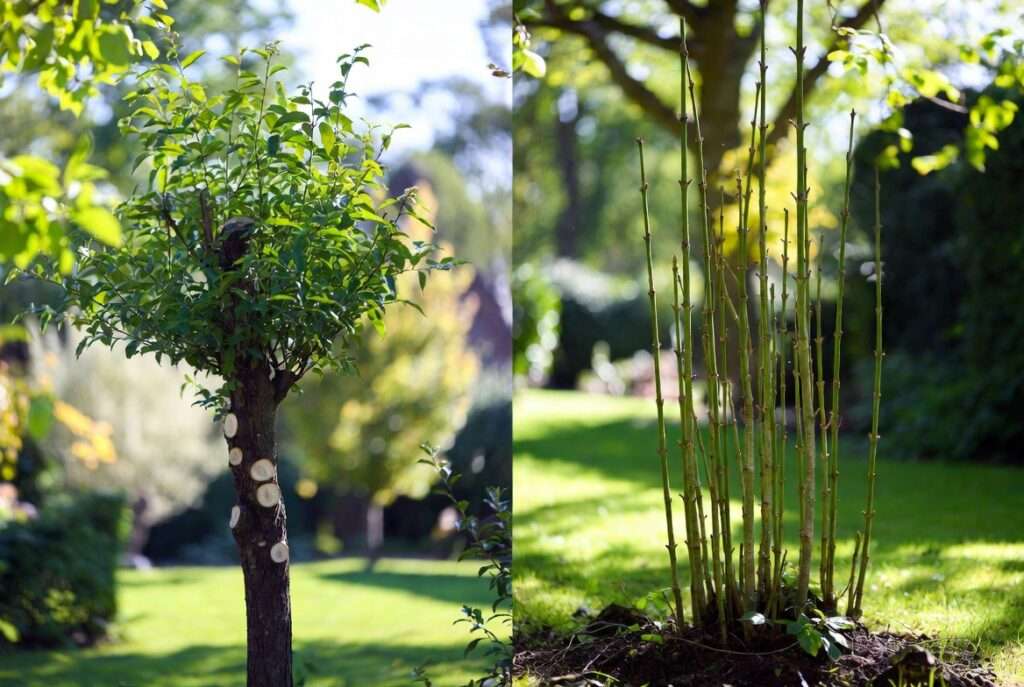
Pollarding is a traditional tree pruning technique where branches are cut back hard to a “knuckle” or specific height on the main trunk — usually 2–3 metres (6–10 feet) above ground. This is done above the reach of grazing animals or people, encouraging the tree to send out vigorous new shoots from dormant buds every few years. The result? A distinctive rounded, lollipop-like canopy that stays compact and controlled.

Unlike harsh “topping,” proper pollarding is sustainable and keeps the tree healthy for decades. Historically used in medieval pastures to provide fodder and wood without felling entire trees, it’s now a go-to method in urban tree management and small gardens. Gardeners love it because it dramatically reduces shade, prevents roots from competing with lawns or flower beds, and creates striking ornamental shapes that add year-round structure.
When and Why Pollarding Works Wonders in Gardens
- Perfect for tiny urban plots or courtyards where space is precious.
- Ideal under power lines or near buildings — no more expensive emergency pruning!
- Gives a formal, tidy look that pairs beautifully with modern landscaping.
- Extends tree lifespan by keeping it in a juvenile growth phase (some ancient pollarded limes are over 2,000 years old!).
What Is Coppicing? The Ground-Level Regeneration Powerhouse 🌿🔄
Coppicing cuts stems right down to a low “stool” near ground level (just 5–15 cm or 2–6 inches high). The existing root system stays intact and immediately pushes up multiple straight, vigorous new shoots — often called “rods” or “poles.” This creates a bushy clump that can be harvested repeatedly.

It’s one of the oldest sustainable woodland management methods in Europe and still powers traditional crafts like hurdle-making, basketry, and even biomass fuel. In modern gardens, coppicing shines for colorful winter stems (think dogwood or willow), wildlife habitat, and easy harvesting of garden stakes or kindling.
The Science Behind Both Techniques Both pollarding and coppicing trick the tree into staying “juvenile.” Trees produce the strongest, straightest growth when young — these methods keep resetting the clock. The root system remains massive and healthy, so regrowth is explosive and the tree often lives far longer than if left untouched. Ancient examples prove it: many coppiced hazels and pollarded oaks have thrived for centuries while providing endless resources.
Pollarding vs. Coppicing: Key Differences at a Glance 📊
Understanding the pollarding vs. coppicing differences is the key to choosing wisely. Here’s a clear comparison:
| Aspect | Pollarding | Coppicing |
|---|---|---|
| Cut Height | 2–3 m (6–10 ft) on the trunk | Ground level (5–15 cm / 2–6 in) |
| Best For | Urban gardens, size control, ornamental appeal | Woodlands, crafts, biodiversity, small harvests |
| Animal Protection | Excellent (above browse line) | Needs temporary fencing |
| Maintenance | Ladder or pole pruner required | Easy at ground level |
| Regrowth Cycle | Every 1–5 years | Every 3–25 years (depends on species) |
| Visual Result | Lollipop or cloud-pruned canopy | Bushy multi-stem clump |
These aren’t just technical details — they directly affect how your garden looks and functions year after year.
Pros & Cons: Honest Breakdown So You Choose Wisely ⚖️
Pollarding Pros 🌟 • Keeps large trees garden-sized forever • Dramatic aesthetic impact • Safer around children and pets
Pollarding Cons • Requires height access (ladders or professionals for big trees) • Can look stark in winter until new growth fills in
Coppicing Pros 🌟 • Super easy to do yourself at ground level • Produces useful straight stems for crafts or garden use • Creates wonderful low-level wildlife habitat
Coppicing Cons • Needs protection from deer/rabbits in the first year • Can look messy until new shoots establish
Neither technique is universally “better” — it all comes down to your space, goals, and the tree species you already have.
Which Trees Thrive with Each Technique? Your Species Cheat Sheet 🌳🍃
Not every tree responds well, so choosing the right species is crucial for success.
Top trees for pollarding: Willow, lime (linden), oak, hornbeam, London plane, mulberry, horse chestnut. These species tolerate repeated hard pruning at height and regrow vigorously.
Top trees for coppicing: Hazel, ash, sweet chestnut, alder, birch, willow, dogwood (for those gorgeous winter colors). They produce the straightest, most useful rods from the base.
Some overlap (like willow) gives you flexibility — pollard for height control or coppice for harvest. Important warning: Never attempt either technique on conifers or on mature trees that have never been trained this way. It can cause serious stress or even kill the tree.
Which Technique Is Best for Your Garden? Decision-Making Guide 🏡
This is the heart of the article — the exact answer most gardeners searching pollarding vs. coppicing differences are looking for.
Ask yourself these simple questions:
- Is your garden small or urban? → Pollarding wins for keeping trees compact.
- Do you love crafting or need garden stakes? → Coppicing gives you free material every few years.
- Is wildlife and biodiversity your priority? → Coppicing creates low thickets perfect for birds and insects.
- Do you have grazing animals or deer? → Pollarding keeps new growth safely out of reach.
- Is the tree already tall and established? → Pollarding is usually safer.
Real-life scenarios: • Tiny patio garden with an oversized willow → Pollard it every 2–3 years for a perfect lollipop shape. • Backyard wildlife haven with hazel → Coppice on rotation for a productive edible hedge and bird nesting spots. • Craft-loving family → Coppice dogwood and willow for colorful stems and weaving projects.
Pro tip from 15 years in the field: Always start these techniques on young trees (under 10–15 years old) for the best long-term results. Most common mistake? Trying to pollard or coppice an old, untrained tree — it rarely ends well.
Step-by-Step Guide to Safe Pollarding (With Tools & Timing) 🛠️
Best time: Late winter or very early spring while the tree is dormant (February–March in most temperate climates).
Tools you’ll need:
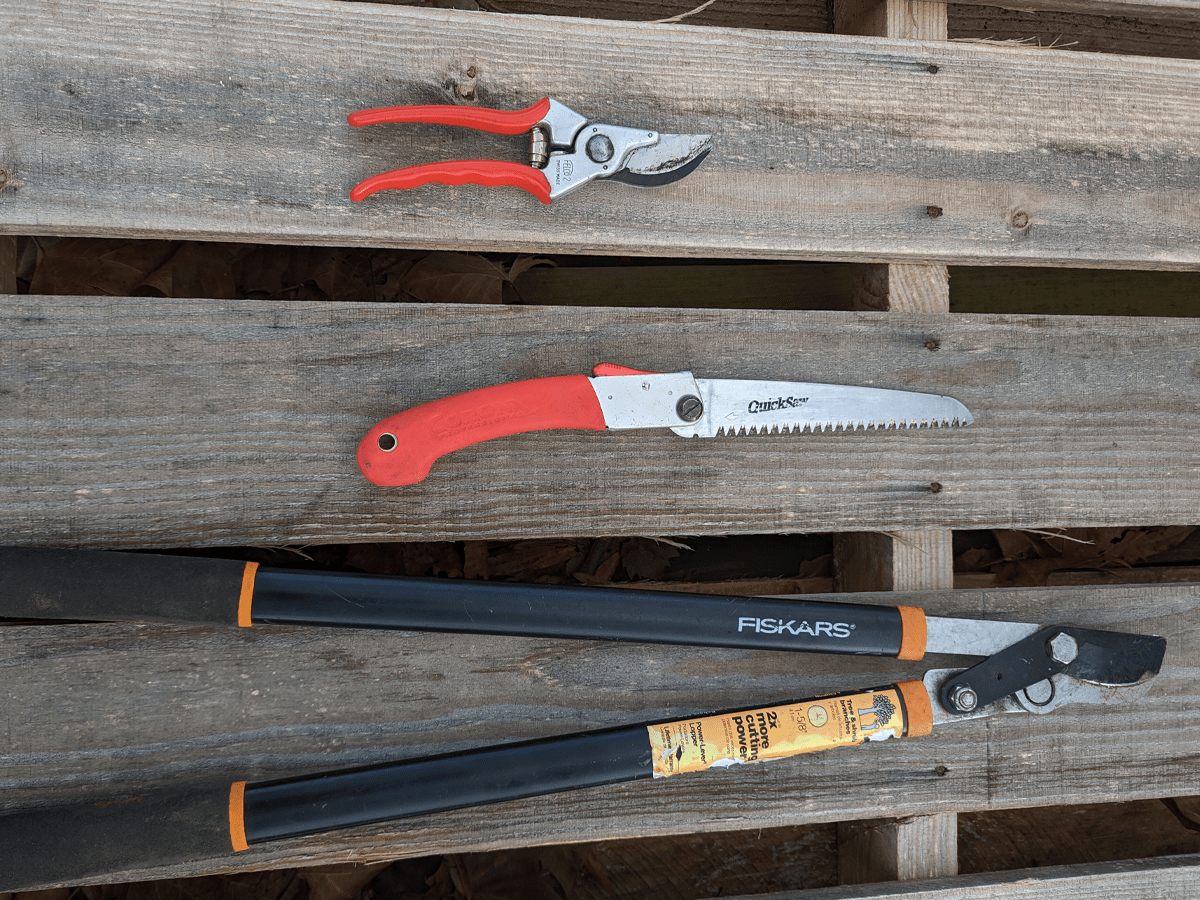
- Sharp pruning saw or pole pruner
- Loppers for smaller branches
- Gloves, safety glasses, and sturdy boots
- Ladder or cherry picker for taller trees (hire a professional if unsure!)
Step-by-step:
- Assess the tree and mark the knuckle height (keep previous cuts if already pollarded).
- Cut just above the knuckle at a slight angle to shed water.
- Remove all branches cleanly — no stubs!
- Seal large wounds only if disease is present (modern advice is usually to let them heal naturally).
- Mulch heavily and water well the first season.
Aftercare is simple: monitor for water sprouts and thin them if too crowded next year. Your tree will thank you with lush new growth by summer! 🌱
Step-by-Step Guide to Successful Coppicing 🌱
Timing: Same dormant season — late winter is ideal.
Tools: Same as above but no ladder needed — everything happens at ground level.
Step-by-step:
- Cut every stem cleanly just above the stool using a sharp saw.
- Angle cuts slightly so water runs off.
- Protect the stool with mesh or fencing for the first 1–2 years if rabbits or deer are around.
- Mulch and water — new shoots appear within weeks!
- Harvest rods every 3–7 years depending on what you need them for.
Bonus: Create a “coppice rotation” by dividing your stool into sections and cutting one part each year — you’ll have continuous supply without ever having a bare patch.
Common Mistakes (and How Expert Arborists Avoid Them) ❌
- Cutting at the wrong time (summer = stress city).
- Leaving ragged stubs that invite disease.
- Attempting either technique on the wrong species or age of tree.
- Ignoring aftercare — new growth needs water and protection.
- Doing it yourself on very tall trees without proper safety gear.
Follow the steps above and you’ll avoid every one of these pitfalls. Your trees will stay healthier and more productive than ever.
Environmental & Garden Benefits: Why These Methods Are Eco-Friendly Heroes 🌍
Both techniques are stars of sustainable tree care. They lock up carbon in the root system while producing renewable wood, support massive biodiversity (coppice stools become insect hotels), improve soil health through leaf drop, and help gardens adapt to climate change by creating resilient, fast-regrowing trees. In permaculture and urban forestry, pollarding and coppicing are making a huge comeback — and for good reason. They reduce the need for chemical interventions and give you free resources right in your backyard. 🌎💚
Expert Insights & Real Garden Case Studies 📖
Last summer I helped a neighbor pollard an 80-year-old willow that was shading their entire vegetable patch. Within one season the garden was flooded with sunlight again — and the tree looked healthier than ever. Another client coppiced a hazel hedge; she now harvests enough straight rods every winter for her own basketry business and has the most charming wildlife-filled border in the street.
These aren’t just techniques — they’re living traditions that connect us to centuries of wise gardeners before us.
Frequently Asked Questions (FAQs) ❓
Can I pollard a mature tree? Only if it has been pollarded before. Otherwise, consult a professional arborist first.
Is pollarding the same as topping? No! Topping is harmful and cuts indiscriminately; pollarding follows the knuckle and keeps the tree healthy.
How often should I coppice willow? Every 3–5 years for vibrant stems and size control.
Will it hurt my tree? Done correctly at the right time, no — it actually extends the tree’s life and vigor.
Which is better for a small garden? Usually pollarding for height control and neat appearance.
Do I need permission to pollard street trees? Always check with your local council — many protected trees require consent.
Can conifers be coppiced or pollarded? Generally no — they don’t respond well and may die.
What’s the best tool for beginners? A good quality folding pruning saw plus loppers — keep them razor sharp.
Conclusion: Pick Your Pruning Adventure and Watch Your Garden Thrive! 🎉
The pollarding vs. coppicing differences boil down to one simple truth: both are powerful, sustainable tree pruning techniques — but only one will perfectly match your garden’s needs. Whether you choose the high-altitude elegance of pollarding or the ground-level bounty of coppicing, you’re joining a tradition that has kept trees healthy and gardens productive for centuries.
Ready to transform your trees? Tell me in the comments: what species do you have, and which technique are you leaning toward? I’d love to help you choose the perfect path.
Your garden (and your trees) will thank you for years to come. Happy pruning! 🌳✨🪓











