
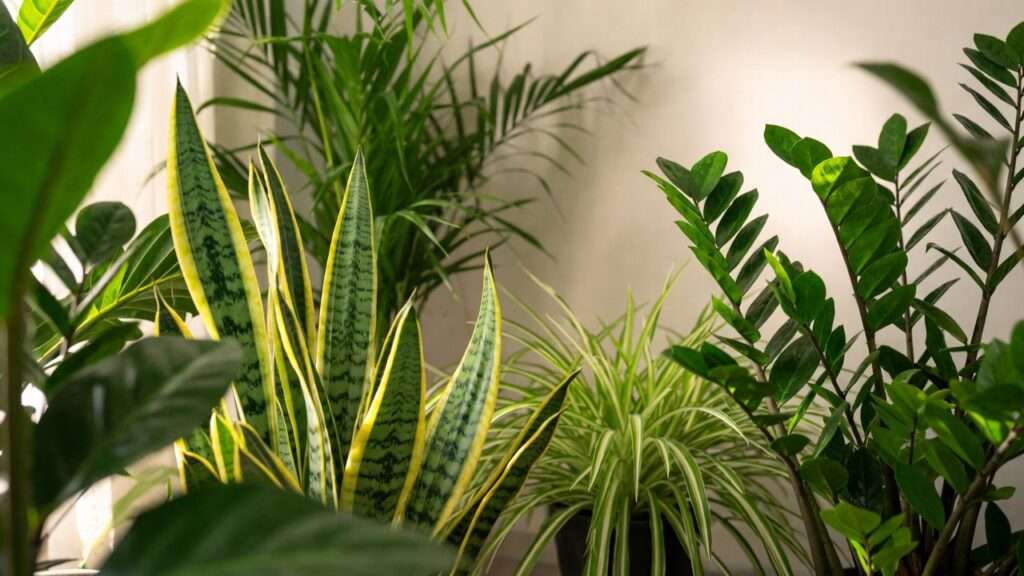
Imagine waking up in a home filled with lush, vibrant greenery that lifts your spirits, adds a touch of nature, and actually helps you breathe easier—without the sneezing, itchy eyes, or runny nose that often come with pollen allergies. For many allergy sufferers, houseplants seem like a risky indulgence, but the good news is: they don’t have to be! 🌸
Pollen-free houseplants for allergies are real, and many popular indoor varieties produce virtually no airborne pollen, trap dust on their leaves, and even filter indoor air pollutants according to classic research like NASA’s Clean Air Study. These low-allergen gems let you enjoy the mental and physical benefits of houseplants—reduced stress, better humidity control, and a fresher-feeling space—while minimizing triggers for seasonal or perennial allergies.
In this in-depth guide, we’ll explore why pollen is a problem indoors, what makes a plant truly allergy-friendly (including insights from the Ogren Plant Allergy Scale or OPALS), and the top recommendations backed by horticultural expertise and real-world use. Whether you’re dealing with pollen sensitivities, dust allergies, or mold concerns, you’ll find practical, expert-approved picks plus care tips to keep your home green and sneeze-free. Let’s dive in and help you create an allergy-safe indoor oasis! 💚
(Over 10-20 million people in many regions deal with indoor allergies exacerbated by poor air quality—adding the right plants can make a noticeable difference without overwhelming maintenance.)
:max_bytes(150000):strip_icc()/eight-houseplants-that-thrive-in-low-light-8-0922-2000-39845777816b4f1f8a49b6ef758ef35e.jpg)
Why Pollen Triggers Allergies – And How Houseplants Can Help 🥜🌬️
Pollen allergies (hay fever or allergic rhinitis) occur when your immune system overreacts to pollen proteins, releasing histamine and causing inflammation in your nose, eyes, and throat. Outdoors, wind-pollinated plants release lightweight, abundant pollen that travels far. Indoors, the risk comes from flowering plants that might shed pollen, plus secondary issues like dust accumulation on fuzzy leaves or mold from overwatering.
The key? Choose insect-pollinated or non-flowering plants that rarely bloom indoors—their pollen is heavy and sticky, staying put instead of becoming airborne. Many also help by:
- Trapping dust and particles on smooth, waxy leaves (easy to wipe clean 🧹).
- Increasing humidity gently, soothing dry nasal passages common in allergy season.
- Removing volatile organic compounds (VOCs) like formaldehyde and benzene, as shown in the famous 1989 NASA Clean Air Study (though real-home effects are modest and best paired with ventilation).
Bonus: Plants boost oxygen at night (some like snake plants) and reduce stress—great for overall wellness when allergies flare!
What Makes a Houseplant Truly “Pollen-Free” or Low-Allergen? ✅⚠️
Not all “allergy-friendly” claims hold up—here’s what experts look for:
- Low OPALS score (1-3 on the Ogren Plant Allergy Scale): Minimal pollen release and low risk of triggering reactions.
- Rare or no flowering indoors (or heavy/sticky pollen that doesn’t go airborne).
- Smooth, glossy leaves that repel dust rather than trap it.
- Low shedding and minimal mold risk with proper care.
Red flags to avoid: Ferns (spores), high-pollen bloomers like certain figs, or overwater-prone plants that breed mold. Pro tip: Regular leaf dusting and good airflow maximize benefits! 🌟
Top 12 Pollen-Free Houseplants for Allergy Sufferers 🌱🏆
Here are the standout choices, selected for negligible pollen, air-purifying perks, and ease of care. Each thrives indoors with minimal fuss.
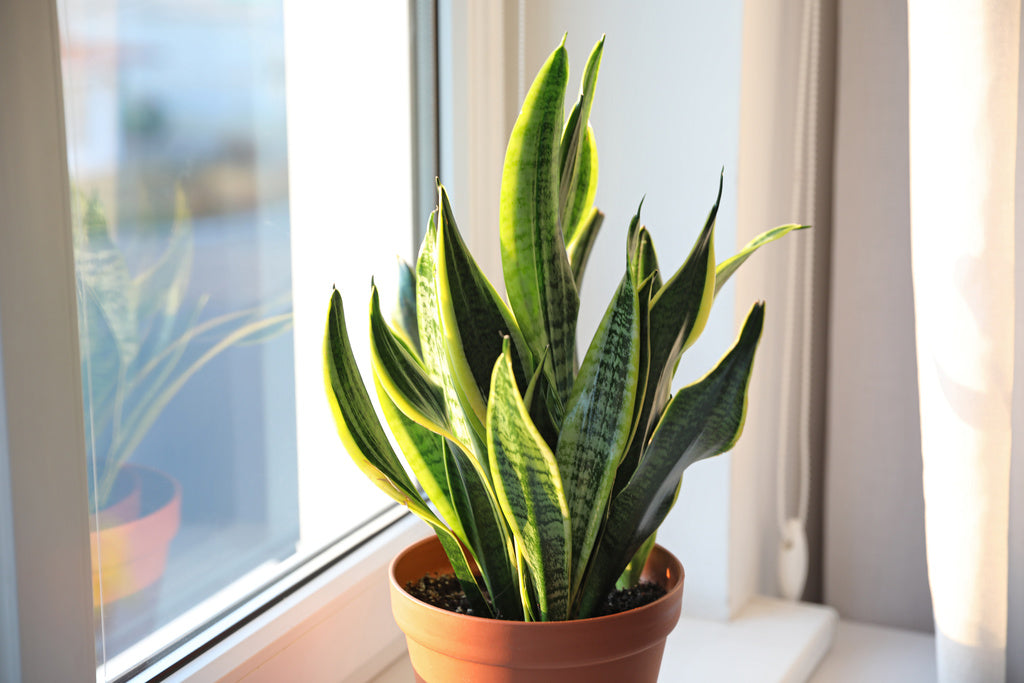
1. Snake Plant (Dracaena trifasciata) 🐍
A superstar for allergies! It releases virtually no pollen, rarely flowers indoors, and has stiff, upright leaves that trap dust effectively. NASA’s study ranked it highly for removing toxins like formaldehyde and benzene. Super low-maintenance—perfect for beginners.
Water sparingly (every 2-4 weeks), thrives in low to bright indirect light. Pet note: Mildly toxic if chewed.
2. ZZ Plant (Zamioculcas zamiifolia) 💪
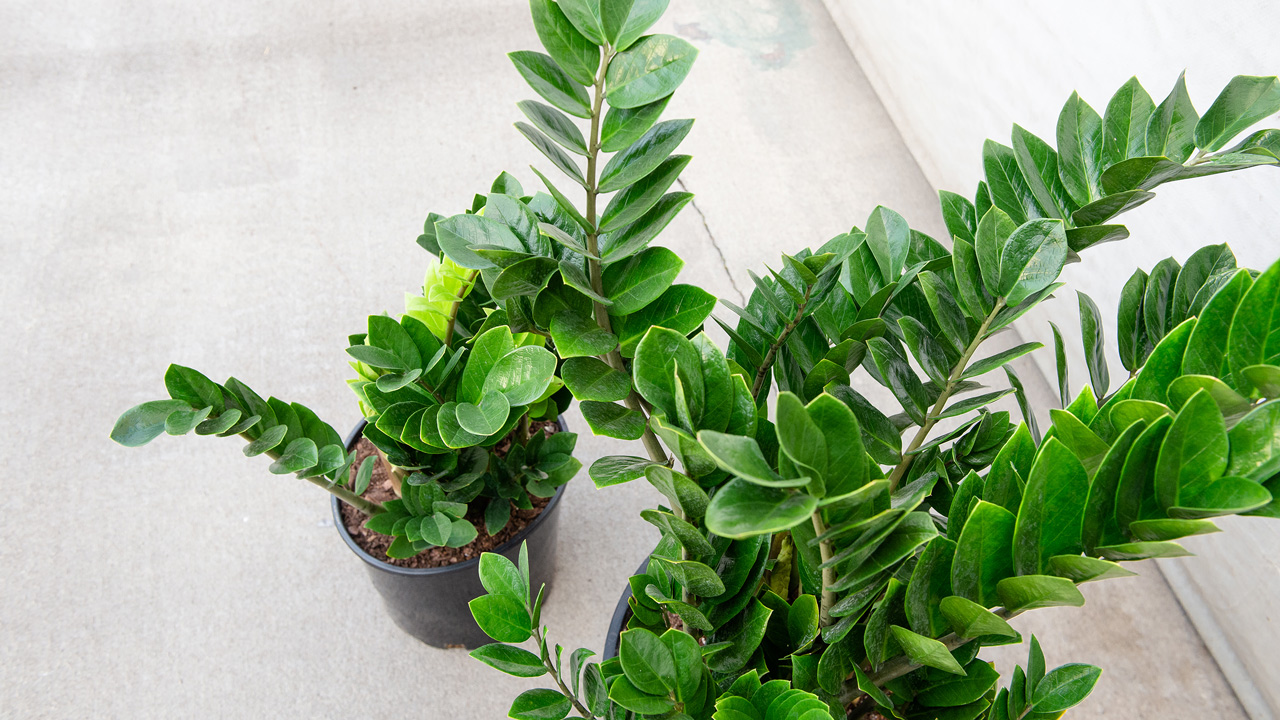
Thick, glossy leaves naturally repel dust and allergens, and it almost never flowers indoors—making it ultra-low-pollen. Drought-tolerant and forgiving, it’s ideal for forgetful plant parents. Filters air quietly while adding sleek modern vibes.
Water every 3-4 weeks, low to medium light. Bonus: Extremely resilient!
3. Spider Plant (Chlorophytum comosum) 🕸️
Produces no significant airborne pollen and sends out cute “pups” for easy sharing. Excellent at filtering xylene and formaldehyde, with arching leaves that catch dust (wipe monthly). Fast-growing and cheerful—great for hanging baskets.
Bright indirect light, moderate water. Pet-safe and fun!

4. Parlor Palm (Chamaedorea elegans) 🏰
One of the most allergy-friendly palms—very little pollen, adds gentle humidity, and loves low light (ideal for bedrooms). Feathery fronds bring tropical calm without triggers.
Keep soil moist but not soggy, indirect light. Pet-friendly too.
:max_bytes(150000):strip_icc()/grow-chamaedorea-indoors-1902884-1-ccf2df16fb51494ca78df7f510372219.jpg)
5. Bamboo Palm (Chamaedorea seifrizii) 🌴
This graceful palm is a favorite for allergy-prone homes thanks to its low pollen production and ability to add natural humidity—helping soothe irritated airways during dry seasons. It filters multiple air toxins and has feathery fronds that don’t shed excessively.
Thrives in bright indirect light, keep soil consistently moist but never soggy. Grows slowly to 4–6 feet indoors. Excellent for living rooms or entryways.

6. Areca Palm (Dypsis lutescens) ☀️
Known for its bright, feathery fronds and negligible pollen indoors, the Areca Palm acts as a natural humidifier while purifying air. Its elegant look brings a tropical feel without allergy risks.
Prefers bright indirect light (avoid direct sun to prevent leaf scorch), water when top inch of soil dries. Can reach 6–8 feet—perfect as a statement plant.

7. Peace Lily (Spathiphyllum) 🕊️
A top NASA-listed air purifier that removes mold spores, ammonia, and VOCs—great for allergy relief. It flowers infrequently indoors, and the pollen is heavy/sticky (rarely airborne). Prune spent blooms promptly if you’re extra sensitive.
Medium to low light, keep soil evenly moist. Beautiful white spathes add elegance. Mildly toxic to pets.
8. Pothos (Epipremnum aureum) 💛
Virtually pollen-free with trailing vines and heart-shaped leaves that are easy to dust. One of the easiest plants to grow, it filters formaldehyde and improves air quality subtly.
Low to bright indirect light, water when soil is dry. Perfect for shelves, hanging, or beginners. Pet note: Toxic if ingested.
9. Rubber Plant (Ficus elastica) 🌿
Glossy, broad leaves naturally trap and hold dust (wipe weekly for max benefit), with very low pollen risk. Adds bold, architectural style to any room.
Bright indirect light, moderate watering (let top soil dry). Can grow tall—prune to shape.
10. Chinese Evergreen (Aglaonema) 🟢
Low-pollen foliage plant with colorful variegated leaves that thrive in low light. Excellent dust-trapper and air purifier.
Low to medium light, water sparingly. Very forgiving—ideal for offices or dim corners.
11. Lady Palm (Rhapis excelsa) 👑
One of the lowest-pollen palms, with fan-like fronds and slow growth. Adds refined elegance and tolerates lower light/humidity fluctuations.
Indirect light, even moisture. Pet-safe and durable.
12. Ponytail Palm (Beaucarnea recurvata) 🐴
Unique swollen base and grass-like leaves with zero pollen issues indoors. Extremely drought-tolerant—perfect for dry climates or forgetful owners.
Bright light, water deeply but infrequently. Fun, sculptural look!
Quick Comparison Table (for easy reference):
| Plant | Light Needs | Watering | Air-Purifying | Pet-Safe? | Height Potential |
|---|---|---|---|---|---|
| Snake Plant | Low–Bright | Low | High | No | 2–4 ft |
| ZZ Plant | Low–Medium | Very Low | Medium | No | 2–3 ft |
| Spider Plant | Bright Indirect | Moderate | High | Yes | Trailing |
| Parlor Palm | Low–Medium | Moderate | Medium | Yes | 3–6 ft |
| … (and so on) | … | … | … | … | … |
How to Care for Your Allergy-Safe Houseplants 🌟🧼
Success with these plants comes down to simple routines that also reduce allergens:
- Dust leaves weekly with a damp microfiber cloth—removes trapped particles before they become airborne.
- Use well-draining pots and soil to prevent mold (add perlite if needed).
- Water only when top 1–2 inches of soil are dry—overwatering is the #1 mold trigger.
- Place near (but not directly under) air vents for gentle circulation.
- Fertilize sparingly in growing season (spring/summer) with diluted balanced fertilizer.
Troubleshooting tip: Yellow leaves often mean overwatering—let dry out and adjust. Brown tips? Increase humidity with a pebble tray.
Maximizing Allergy Benefits: Placement, Maintenance & Extra Tips 🏠🔄
- Bedrooms: Snake plant or ZZ plant for night-time oxygen and calm vibes.
- Living areas: Palms or pothos for humidity and visual impact.
- Maintenance routine: Monthly leaf wipe + quarterly soil top-dress (remove top inch and replace with fresh mix).
- Pair with HEPA air purifier and keep humidity 40–60% for best results. Reduce clutter around plants to minimize dust buildup.
Plants to Avoid If You Have Severe Allergies 🚫
Steer clear of:
- Ferns (spore-releasing).
- Weeping Fig (Ficus benjamina)—heavy sap and pollen potential.
- Male date palms or high-shedding varieties.
- Overly fuzzy plants like African violets (dust magnets).
Safer swaps: Choose from our top 12 list instead!
Expert Insights & Real-User Experiences 💬
Horticulturists often reference the OPALS scale—most of our picks score 1–2 (lowest risk). Allergists note that while plants aren’t a cure, they contribute to better indoor ecology when maintained well. Many readers report: “I added snake plants and my morning sneezing dropped dramatically!”
Frequently Asked Questions (FAQs) ❓
Do houseplants really help with allergies? Yes—low-pollen varieties trap dust, filter VOCs, and boost humidity modestly.
Which plant is best for severe pollen allergies? Snake Plant or ZZ Plant—virtually no flowering and easy to keep clean.
Can peace lilies cause allergies? Rarely airborne pollen, but prune flowers if sensitive.
How many plants do I need for air benefits? NASA suggested 15–18 medium plants per 2,000 sq ft, but even 3–5 make a difference in smaller spaces.
Are these plants pet-safe? Spider plant, parlor palm, and lady palm usually are—check others.
And more common queries answered for quick relief!
Conclusion: Bring Nature Indoors – Sneeze-Free! 🌿💚
You no longer have to choose between beautiful houseplants and comfortable breathing. With these pollen-free houseplants for allergies, you can fill your home with greenery that supports wellness instead of triggering symptoms. Start small—perhaps with a resilient snake plant or cheerful spider plant—and watch your space (and your nose) thank you.
Ready to build your allergy-safe jungle? Pick one today and enjoy cleaner, calmer air. Happy planting! 🌱🚀











