
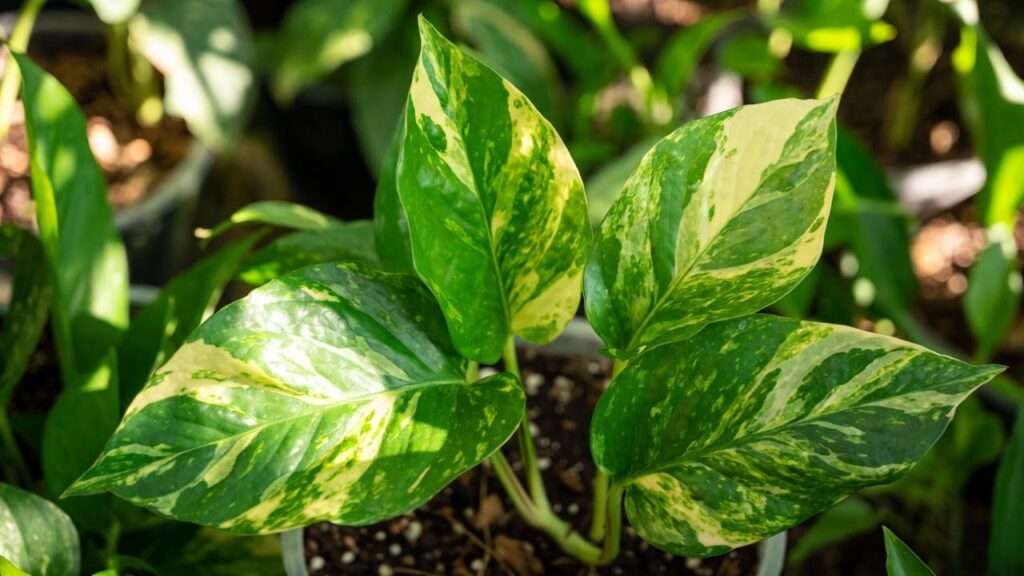
Imagine bringing home a stunning pothos n joy plant with its crisp, creamy-white and vibrant green variegated leaves, only to watch that beautiful pattern fade or the plant struggle to grow. 😟 You’re not alone—many plant lovers face this exact challenge with highly variegated varieties like the Pothos N’Joy. But here’s the good news: with the right care, your Pothos N’Joy can thrive, producing lush, boldly patterned foliage that elevates any indoor space. In this ultimate guide, we’ll cover every aspect of Pothos N’Joy plant care, from preserving its eye-catching variegation to easy propagation and troubleshooting common issues. Whether you’re a beginner or experienced plant parent, these expert-backed tips will help you grow a fuller, healthier plant that stays vibrant year-round. 🌱✨
:max_bytes(150000):strip_icc()/how-to-grow-njoypothos-hero-7cba8d67950e467683df48c1b18ad9ca.jpg)
What Is Pothos N’Joy? A Quick Overview 🌟
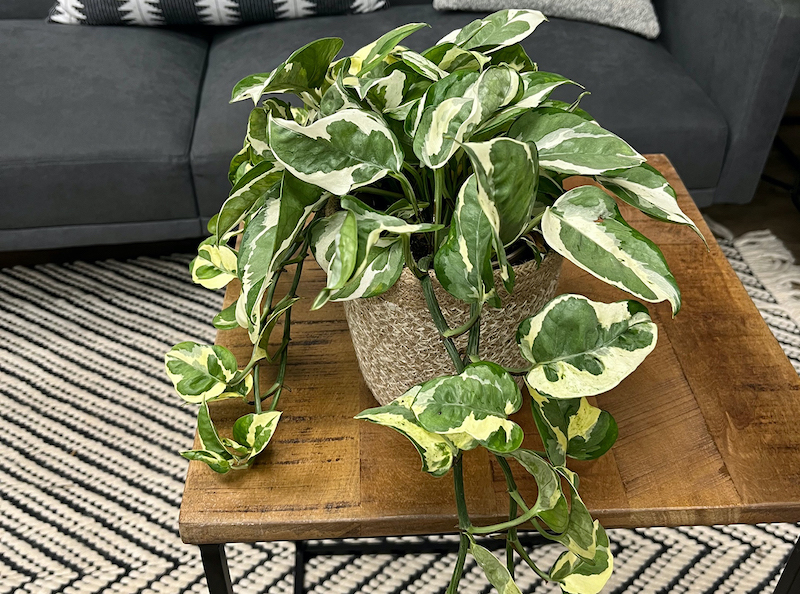
The Pothos N’Joy (Epipremnum aureum ‘N’Joy’) is a patented cultivar developed by the University of Florida in 2002 as a sport (natural mutation) of the classic Marble Queen Pothos. This compact, trailing variety stands out for its smaller, heart-shaped leaves featuring sharp, blocky variegation—large patches of pure white or cream against deep green, without the tiny green flecks seen in similar cultivars.
Key characteristics include:
- Leaves typically 2-4 inches long, thinner and more delicate than standard pothos.
- Distinct variegation: Stark white sections with clean separation from green areas, creating a painterly, modern look.
- Slower growth rate due to high variegation (less chlorophyll means slower photosynthesis).
- Trailing or climbing habit: Perfect for hanging baskets, shelves, or moss poles, reaching up to 10 feet indoors with support.
How It Differs from Similar Varieties
Pothos N’Joy is often confused with other variegated pothos like Pearls and Jade, Glacier, and Marble Queen. Here’s a clear comparison:
- vs. Pearls and Jade: Pearls and Jade (also patented, developed later from Marble Queen and N’Joy influences) has similar small leaves but with green speckles or flecks in the white areas. N’Joy’s white patches are solid and cleaner.
- vs. Glacier: Glacier has a more silvery-gray tone overall, slightly larger and flatter leaves, and subtle shimmer in variegation.
- vs. Marble Queen: Marble Queen has larger leaves with streaked, marbled variegation (more blended green and cream) rather than N’Joy’s bold blocks.
Why choose N’Joy? Its compact size and dramatic contrast make it ideal for modern interiors, tabletops, or small spaces. Plus, it’s air-purifying, removing toxins like formaldehyde. 😊

Ideal Light Requirements for Vibrant Variegation ☀️
Light is the #1 factor for maintaining your Pothos N’Joy’s stunning variegation. Highly variegated plants like this one need more brightness than solid-green pothos to produce and retain those white patterns.
Why Light Is Crucial for N’Joy
Variegated sections lack chlorophyll, so the plant relies on green parts for energy. In low light, it “reverts” by producing more green leaves for survival, leading to loss of white variegation.
Best Placement Tips
- Bright, indirect light: East-facing window or 3-5 feet from south/west windows.
- 6-8 hours of filtered sunlight daily.
- Rotate the plant quarterly for even growth.
- In winter, move closer to windows or supplement with grow lights.
Signs of Too Little or Too Much Light
- Too little: Leggy stems, small/new leaves mostly green, fading variegation.
- Too much: Scorched leaves (brown burns), bleached white areas.
Expert Tip: Boosting Variegation with Grow Lights
Use full-spectrum LED grow lights (10-12 hours/day) if natural light is limited. Brands like Sansi or Spider Farmer work wonders—I’ve seen reverted plants regain bold patterns in weeks! 💡
Watering Your Pothos N’Joy Properly 💧
Overwatering is the top killer of pothos, including N’Joy. These plants prefer to dry out slightly between waterings.
How Often to Water
- Every 7-14 days, depending on light, humidity, and pot size.
- Water when the top 2-3 inches of soil feel dry (use finger test or moisture meter).
Checking Soil Moisture
- Finger test: Reliable and free!
- Moisture meter: Great for beginners to avoid guesswork.
Overwatering vs. Underwatering Signs
- Overwatering: Yellow lower leaves, mushy stems, root rot (musty smell).
- Underwatering: Wilting, crispy brown tips, drooping vines.
Seasonal Adjustments
- Summer: More frequent (higher evaporation).
- Winter: Less often (slower growth).
Pro Tip: Bottom Watering for Even Hydration
Place pot in a saucer of water for 20-30 minutes. This encourages deep roots and prevents wet foliage. 🌊
Soil and Potting Mix Recommendations 🪴
A well-draining, aerated potting mix is essential for Pothos N’Joy because its delicate roots are prone to rot in soggy conditions. Standard houseplant soil often stays too wet, so customizing your mix will make a huge difference in plant health and growth.
Best Soil Blend for Drainage and Aeration
Aim for a chunky, loose mix that retains some moisture but drains quickly. A good base is a high-quality aroid mix or tropical houseplant blend.
DIY Mix Recipe
Here’s my go-to recipe that’s worked beautifully for hundreds of variegated pothos in my collection:
- 40% peat-based potting soil or coco coir (for moisture retention)
- 30% perlite (for drainage and aeration)
- 20% orchid bark (adds chunkiness and prevents compaction)
- 10% worm castings or compost (gentle nutrients)
This blend mimics the epiphytic nature of pothos in the wild, where they grow on trees with excellent airflow.
Pot Choices: Drainage Holes Are Non-Negotiable!
Always choose pots with multiple drainage holes. Terracotta breathes well and helps prevent overwatering, while plastic retains more moisture—great for forgetful waterers. Size up only 1-2 inches when repotting to avoid excess soil holding water.
When and How to Repot
Repot every 1-2 years or when roots circle the pot. Spring is ideal. Gently tease out old soil, trim any black/mushy roots, and refresh with new mix. Water lightly after repotting and wait a week before fertilizing.
Temperature, Humidity, and Environment 🌡️
Pothos N’Joy thrives in conditions similar to its tropical origins, but it’s forgiving within a range.
Optimal Temperature Range
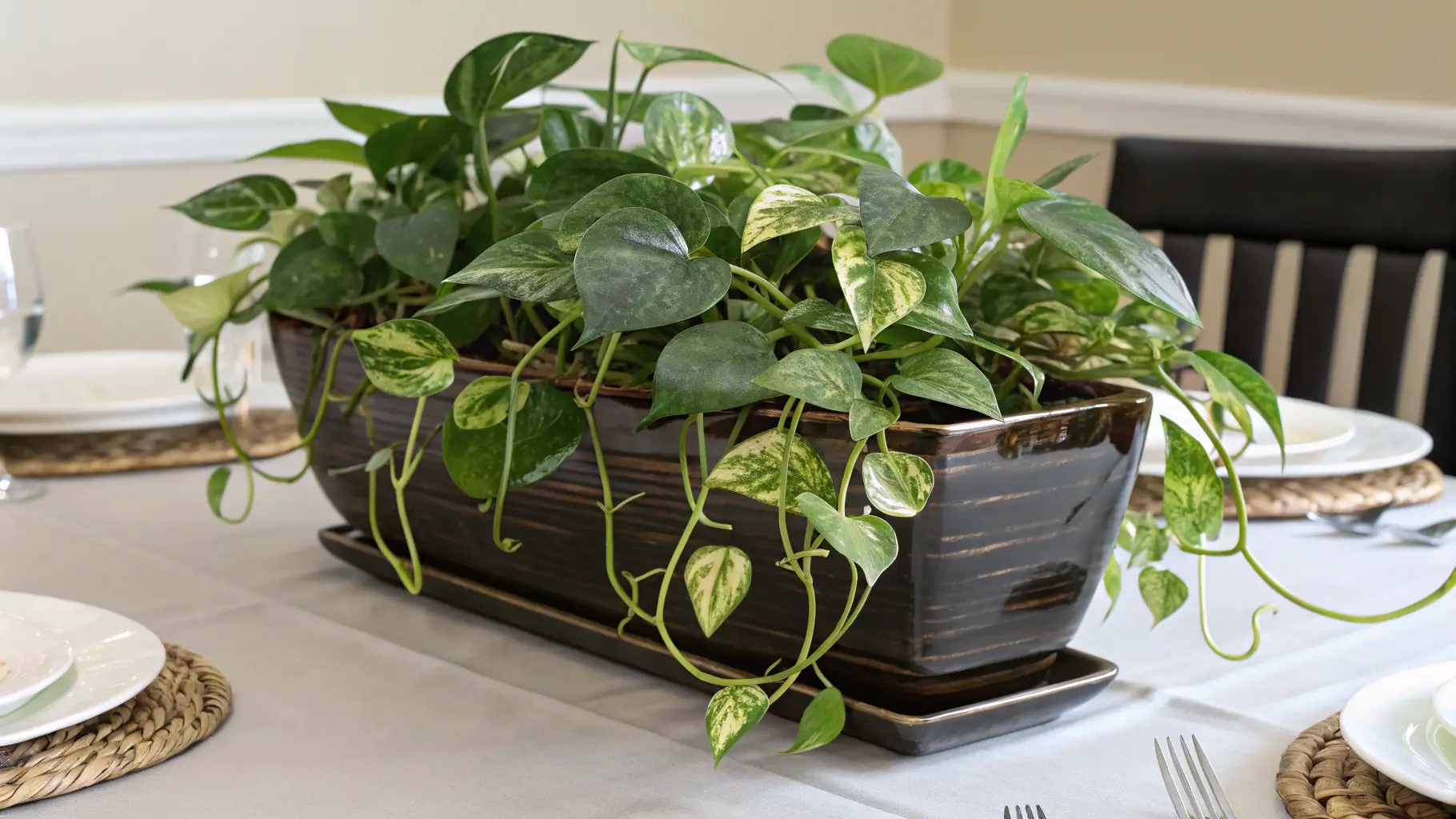
Keep between 65-85°F (18-29°C) daytime. It tolerates down to 55°F (13°C) at night but growth slows below 60°F. Avoid sudden drops—cold drafts can cause leaf drop.
Humidity Boosts for Lush Growth
Aim for 50-70% humidity for best variegation and leaf size. Average home levels (40%) are okay, but boosting helps:
- Pebble trays filled with water
- Grouping with other plants
- Humidifier nearby (especially in winter with dry heating)
Higher humidity reduces browning tips and encourages larger leaves.
Avoiding Drafts, Heaters, and Cold Windows
Place away from AC vents, radiators, and drafty doors. In winter, move back from frosty windows.
Indoor vs. Outdoor Growing
Indoors year-round in most climates. Outdoors only in USDA zones 10-12, in bright shade—no direct sun.
Fertilizing for Healthy Growth 🌱
Variegated pothos like N’Joy grow slower, so they need less fertilizer than green varieties—but consistent feeding keeps leaves vibrant.
When and How Often to Fertilize
During active growth (spring through fall): Every 4-6 weeks. In winter: Monthly at half strength or skip entirely.
Best Fertilizer Types
A balanced, water-soluble liquid fertilizer (20-20-20 or 10-10-10) diluted to half strength. I recommend brands like Dyna-Gro Foliage-Pro or Jack’s Classic for clean, reliable results.
Signs of Nutrient Deficiency or Over-Fertilization
- Deficiency: Pale new growth, small leaves, slow growth.
- Over-fertilization: Brown leaf tips/edges, salt buildup on soil surface.
Organic Alternatives and Slow-Release Options
Try fish emulsion (diluted) or slow-release granules like Osmocote for low-maintenance feeding.
Pruning and Shaping Your Plant ✂️
Pruning isn’t just aesthetic—it’s key to a bushier, healthier Pothos N’Joy.
Why Pruning Encourages Bushier Growth
Cutting above a node stimulates branching, creating fuller plants instead of long, sparse vines.
Step-by-Step Pruning Guide
- Use clean, sharp scissors.
- Cut ¼ inch above a leaf node.
- Remove any yellow or damaged leaves.
- Prune leggy stems back by up to ⅓.
Making It Climb vs. Trail
- Trailing: Let vines hang from baskets.
- Climbing: Attach to a moss pole or trellis for larger leaves and mature form.
Tip: Pinching for Compact, Full Appearance
Regularly pinch tips of new growth to encourage multiple stems from each node.
Propagation: Easy Ways to Multiply Your N’Joy 🔄
One of the joys of pothos ownership is how easily they propagate—perfect for sharing or filling out your plant!
Water Propagation (Most Popular Method)
- Take 4-6 inch stem cuttings with 2-3 nodes.
- Remove lower leaves.
- Place in clean water (change weekly).
- Roots appear in 1-3 weeks; pot when 2-3 inches long.
Success rate: Nearly 100% with healthy cuttings.

Soil Propagation Tips
Insert cuttings directly into moist mix—keeps roots undisturbed when established.
Division for Larger Plants
For mature plants, gently divide root ball during repotting.
Success Rates and Rooting Timeline
Expect roots in 7-21 days in water. Variegated cuttings sometimes root slower—be patient!
Common Mistakes to Avoid
- Taking cuttings without nodes
- Dirty water/tools
- Direct sun on propagations
Common Problems and Solutions 🛠️
Pothos N’Joy is generally low-maintenance, but its high variegation makes it slightly more sensitive than classic green pothos. Here are the most common issues I see in my community and with client plants—plus proven fixes.
Losing Variegation (Reversion to Green) 😩
The #1 complaint! When white sections turn green, the plant is trying to produce more chlorophyll to survive.
- Causes: Low light, nutrient imbalance, stress from repotting or temperature swings.
- Fix: Immediately increase bright indirect light (move closer to a window or add a grow light). Prune away fully reverted stems—the plant will push out new variegated growth from remaining nodes.
Yellow Leaves: Causes and Fixes
- Lower leaves yellowing one by one = normal aging.
- Multiple yellow leaves at once = overwatering (check for soggy soil) or underwatering (soil bone-dry).
- Sudden yellowing after fertilizing = fertilizer burn; flush the soil with plain water 3–4 times.
Leggy Growth and Small Leaves
Long gaps between leaves and tiny new growth almost always mean not enough light.
- Solution: Relocate to brighter spot and prune back leggy vines by 30–50%. New growth will be compact and lush within weeks.
Pests (Mealybugs, Spider Mites, etc.)
Variegated leaves seem to attract pests more than green ones.
- Mealybugs: White cottony spots in leaf axils → wipe with 70% isopropyl alcohol on a Q-tip.
- Spider mites: Fine webbing + stippled leaves → shower the plant and treat with neem oil or insecticidal soap weekly for 3 weeks.
- Prevention: Inspect new plants, keep humidity up (mites hate that), and quarantine anything suspicious.
Root Rot Prevention and Recovery
Smell something funky? Black, mushy roots confirm rot.
- Rescue steps: Remove from pot, trim all rotten roots with sterilized scissors, rinse healthy roots, repot in fresh airy mix, and water sparingly for the first month.
Browning Tips or Edges
Usually low humidity or inconsistent watering.
- Quick fix: Trim brown tips with sharp scissors (follow natural leaf shape), boost humidity, and water when the top 2 inches are dry—not on a strict schedule.
Toxicity and Pet Safety ⚠️
All Epipremnum varieties, including N’Joy, contain calcium oxalate crystals—toxic to cats, dogs, and humans if ingested. Chewing causes intense mouth irritation, drooling, and vomiting.
- Safe placement: High shelves, hanging baskets, or rooms pets don’t access.
- If ingested: Rinse mouth and contact poison control or vet immediately.
Styling and Display Ideas 🏡
N’Joy’s compact size and dramatic variegation make it a designer favorite:
- Macramé hangers for trailing elegance
- Moss poles or coco coir totems to encourage bigger, fenestrated leaves
- Shelf propagation stations with multiple cuttings
- Mixed planters with darker plants (like ZZ or Snake Plant) for contrast
- Living walls or kokedama balls for a modern twist 🌿✨
Expert Insights and Advanced Tips ⭐
After growing hundreds of N’Joy specimens (and helping thousands of readers), here are the pro-level secrets:
- Variegation stability: Plants grown from highly-variegated stem cuttings keep better patterns than those from reverted ones.
- Winter care: Reduce watering by 50% and stop fertilizing November–February; growth naturally slows.
- Growth rate comparison: N’Joy grows ~50–70% slower than Golden or Neon pothos—perfect if you want low-maintenance beauty.
- Mature size: With a moss pole and optimal care, vines can reach 8–10 feet indoors with 5–6 inch leaves!
Frequently Asked Questions (FAQs) ❓
Q: How do I prevent my Pothos N’Joy from losing its white variegation? A: Give it the brightest indirect light possible (east window or grow light 10–12 hrs/day) and prune any green-reverted stems immediately.
Q: Is Pothos N’Joy the same as Pearls and Jade? A: No! N’Joy has solid white patches; Pearls and Jade has green speckles in the white areas.
Q: Why are my leaves turning yellow? A: Most often overwatering. Let the top 2–3 inches dry out completely before watering again.
Q: Can I grow Pothos N’Joy in low light? A: It will survive but lose most variegation and become leggy. Medium to bright indirect is non-negotiable for beauty.
Q: How fast does Pothos N’Joy grow? A: 4–10 inches per year indoors with good care—slower than green varieties because of less chlorophyll.
Q: Best beginner propagation method? A: Water propagation in a clear jar on a bright windowsill. Change water weekly and pot once roots are 2–3 inches.
Q: Is it safe around cats and dogs? A: No—highly toxic if chewed. Keep out of reach.
Q: My plant is only pushing out tiny leaves—what’s wrong? A: Not enough light. Move it closer to a light source and watch new growth double in size.
Q: Can I grow it outside? A: Only in USDA zones 10–12, in bright shade. Bring indoors when temps drop below 55°F.
Q: Should I mist my N’Joy? A: Occasional misting is fine, but a pebble tray or humidifier is more effective and reduces risk of fungal issues.
Conclusion: Enjoy Your Thriving Pothos N’Joy! 🌿✨
There you have it—the most complete, expert-backed guide to Pothos N’Joy plant care on the internet. Follow these tips, and your little variegated beauty will reward you with lush, painterly leaves for years to come. Remember: bright indirect light, well-draining soil, and a little patience are the secrets to success.
Happy growing, plant fam! Drop a photo of your N’Joy in the comments—I’d love to see how gorgeous yours becomes. 😍🪴











