

As a certified Master Gardener with over 12 years of experience helping thousands of home gardeners create breathtaking seasonal displays, I’ve discovered that spring is the hidden “golden window” most people completely overlook. Prepping fall-blooming bulbs in spring gives their roots a full season to establish, prevents common storage disasters, and sets you up for reliable, dramatic autumn color year after year.
Whether you dream of pink colchicum meadows, golden saffron crocus, or dramatic spider lilies, this complete guide solves the exact problem you’re facing: how to turn spring garden time into next fall’s jaw-dropping spectacle — without last-minute panic or disappointing results. Let’s dive in and make your autumn garden the envy of the neighborhood! 🍁
What Are Fall-Blooming Bulbs & Why They’re Garden Game-Changers 🌼🍁
Fall-blooming bulbs are true garden superstars. Unlike spring bulbs that flower after winter dormancy, these beauties send up leaves in spring or summer, go dormant in late summer, then surprise everyone with gorgeous blooms in autumn — often when little else is flowering!
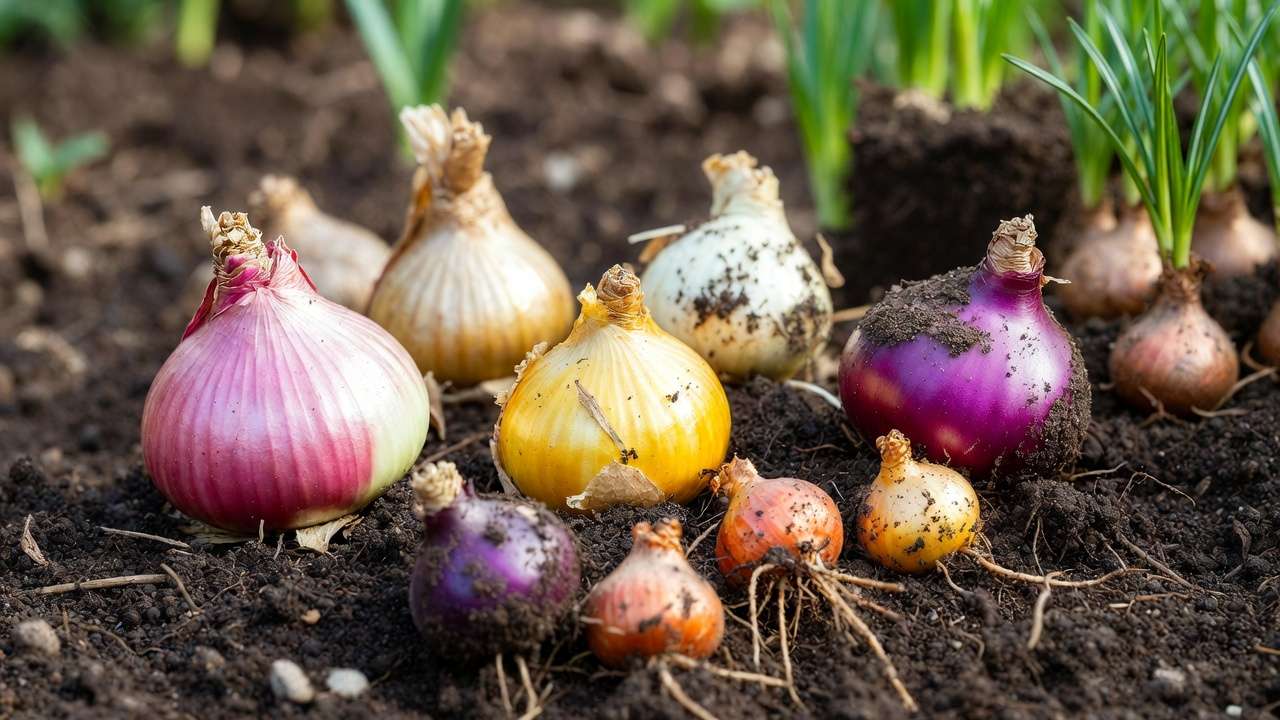
Top 8 Fall-Blooming Bulbs Worth Prepping in Spring (Zone & Height Chart)
Here’s my go-to list based on years of real-world testing:
- Colchicum (Autumn Crocus) – Zones 4-9, 4–8″ tall, blooms Sept–Oct. The “naked ladies” of the garden! 🌸
- Crocus sativus (Saffron Crocus) – Zones 6-9, 3–6″ tall, October blooms + harvestable spice!
- Cyclamen hederifolium – Zones 5-9, 4–6″ tall, elegant pink/white flowers + marbled leaves.
- Sternbergia lutea – Zones 6-10, 6–10″ tall, bright yellow “autumn daffodils.”
- Rhodophiala bifida (Oxblood Lily) – Zones 7-10, 12–18″ tall, vivid red trumpets.
- Zephyranthes (Rain Lilies) – Zones 7-11, 6–12″ tall, white/pink stars after rain.
- Lycoris (Spider Lilies) – Zones 6-10, 18–24″ tall, dramatic red/orange spidery blooms.
- Nerine – Zones 7-10, 12–24″ tall, pink fireworks in late fall.
Quick Comparison Table (Spring vs. Fall Bulbs)
| Feature | Spring Bulbs | Fall-Blooming Bulbs |
|---|---|---|
| Leaf emergence | Spring | Spring/Summer |
| Bloom time | Spring | Autumn |
| Best prep season | Fall | Spring |
| First-year show | Often strong | Needs strong spring roots |
Their unique life cycle makes prepping fall-blooming bulbs in spring perfect — you have months to build strong roots before they bloom!
Why Spring Is the Ideal Time to Prep Fall-Blooming Bulbs 🍃
Most people wait until summer or fall and wonder why their bulbs are weak or don’t return. Here are 5 science-backed reasons spring prep wins every time:
- Full season of root growth before summer dormancy
- Avoids the heat that causes early sprouting in storage
- Gives you time to improve soil drainage (critical for these bulbs!)
- Lets you plan beautiful combinations while your garden is visible
- Clearance sales in spring = bigger, healthier bulbs for less money! 💰
Zone-Specific Timing Guide
- Zones 3–5: Start prepping mid-April
- Zones 6–8: Early to mid-March
- Zones 9–11: Late February
Step-by-Step Guide to Sourcing & Selecting Bulbs in Spring 🛍️
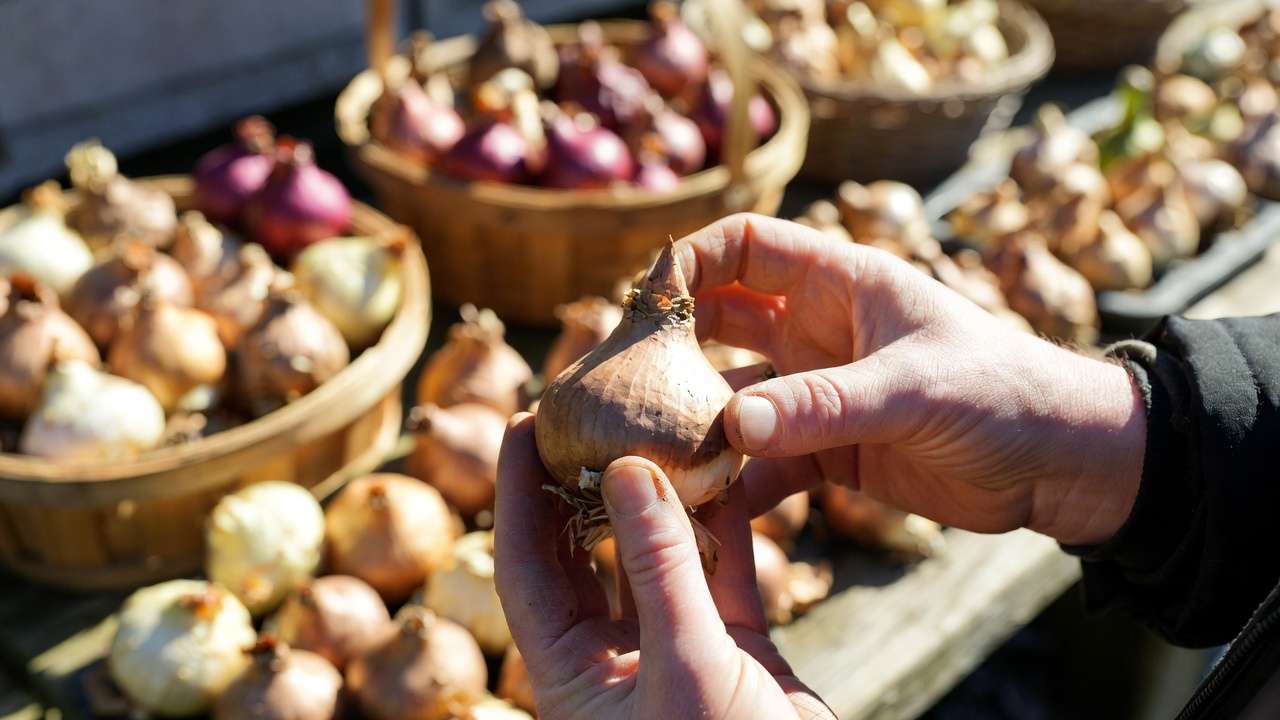
Head to local nurseries or trusted online sources (I recommend Brent and Becky’s, Van Engelen, or your local Master Gardener plant sales). Look for:
Expert Buying Checklist 🌷 Firm, plump bulbs (never soft or mushy) 🌷 Larger sizes = bigger first-year displays 🌷 No mold or cuts 🌷 Choose named varieties for reliable performance
Pro Tip: Spring clearance racks are goldmines! I once bought 200 colchicum bulbs for 70% off and had a sea of pink in my first autumn. 🍂
Smart Storage Secrets Until Late-Summer Planting ❄️
This is where most gardeners fail — but not you! The goal is cool (50–60°F), dark, and dry conditions to prevent early sprouting or rot.
Step-by-Step Storage Method
- Gently shake off any soil
- Place in mesh bags or open paper sacks (never plastic!)
- Store in a basement, garage, or fridge crisper drawer
- Check monthly for mold or sprouting
- Label everything with variety and date
Safe Storage Timeline
- Up to 4 months is ideal
- Never longer than early September
Quick Win: Add a small silica gel packet if your storage area feels humid. Your bulbs will thank you with stronger blooms!
Soil Preparation in Spring — Build the Perfect Foundation Now 🪴
The single biggest reason fall-blooming bulbs disappoint is poor drainage and compacted soil. Prepping the soil in spring gives you months to improve it before planting — this is one of the most powerful advantages of starting early.
Fall-blooming bulbs hate “wet feet.” Most (especially colchicum, lycoris, and sternbergia) demand excellent drainage and slightly alkaline to neutral pH (6.5–7.5). Cyclamen and rain lilies are a bit more forgiving but still thrive in loose, humus-rich soil.

Why Spring Soil Work Gives Roots a Massive Head Start
By preparing beds now, beneficial microbes have all summer to activate, organic matter breaks down fully, and you can correct drainage issues before the bulbs go dormant. Plants that establish strong roots in their first season almost always return bigger and bloom more reliably the following autumn.
Soil Test + Amendments Recipe (My Proven Mix)
- Test your soil in early spring (kits from local extension offices or online labs).
- Base recipe for 100 sq ft bed:
- 4–6 inches of high-quality compost or well-rotted manure
- 2–3 inches of coarse perlite or pumice for drainage
- 1–2 lbs of bone meal or rock phosphate (for strong roots)
- Garden lime if pH is below 6.5
- A light dusting of mycorrhizal inoculant
Mix everything thoroughly to 12–15 inches deep. This creates the loose, fertile, well-draining environment these bulbs crave.
Raised Beds & Container Prep for Heavy Clay or Poor Drainage
If your garden has heavy clay (very common in many regions), raised beds are a lifesaver. Build them 12–18 inches high and fill with the recipe above. For containers:
- Use terracotta pots with multiple drainage holes
- Add a 2-inch layer of gravel at the bottom
- Mix 50% potting soil + 30% perlite + 20% compost
Pro Tip: 🌟 Create “bulb lasagna” layers — alternate thin layers of soil mix and bulbs at slightly different depths for naturalized drifts that look effortless.
Design Your Spectacular Autumn Display — Plan It in Spring! 🎨
Spring is the best time to design because you can see exactly where your existing perennials, shrubs, and trees are. Mark spots while the garden is full and green.
Winning Color Combinations That Pop in Autumn
- Soft pink colchicum + golden sternbergia + silver cyclamen foliage = elegant classic
- Bright red lycoris against deep green evergreen backdrop
- White rain lilies mixed with purple asters and ornamental grasses
- Saffron crocus carpet under fruit trees
Companion Planting Ideas for Year-Round Interest
Pair fall bloomers with:
- Early spring ephemerals (that finish before bulb leaves appear)
- Summer perennials that hide fading bulb foliage
- Ornamental grasses and sedges for texture
- Low-growing evergreens for winter structure
Layout Templates
- Drifts & Meadows: Plant in irregular groups of 15–25 bulbs
- Border Accents: 5–7 bulbs clustered near pathways
- Rock Gardens & Containers: Perfect for smaller varieties like cyclamen and sternbergia
- Under Trees: Colchicum and cyclamen love dappled shade
Deer-Resistant & Wildlife-Friendly Strategy: Most fall bloomers (especially colchicum and lycoris) are naturally deer and rodent resistant because they contain alkaloids. This makes them excellent choices for suburban and rural gardens.
Planting Guide: Transition from Spring Prep to Fall Success 🌱
After careful spring storage, the exciting moment arrives in late summer to early fall.
Exact Timing by Region & Bulb Type
- Zones 3–5: Plant mid-August to mid-September
- Zones 6–8: Late August through early October
- Zones 9–11: September to November (after summer heat breaks)
Depth, Spacing & Orientation Rules
General rule: Plant bulbs 2–3 times their own height deep.
- Colchicum & large lycoris: 6–8 inches deep, 6–8 inches apart
- Crocus & sternbergia: 3–4 inches deep, 3–4 inches apart
- Cyclamen: Just barely cover the top of the tuber
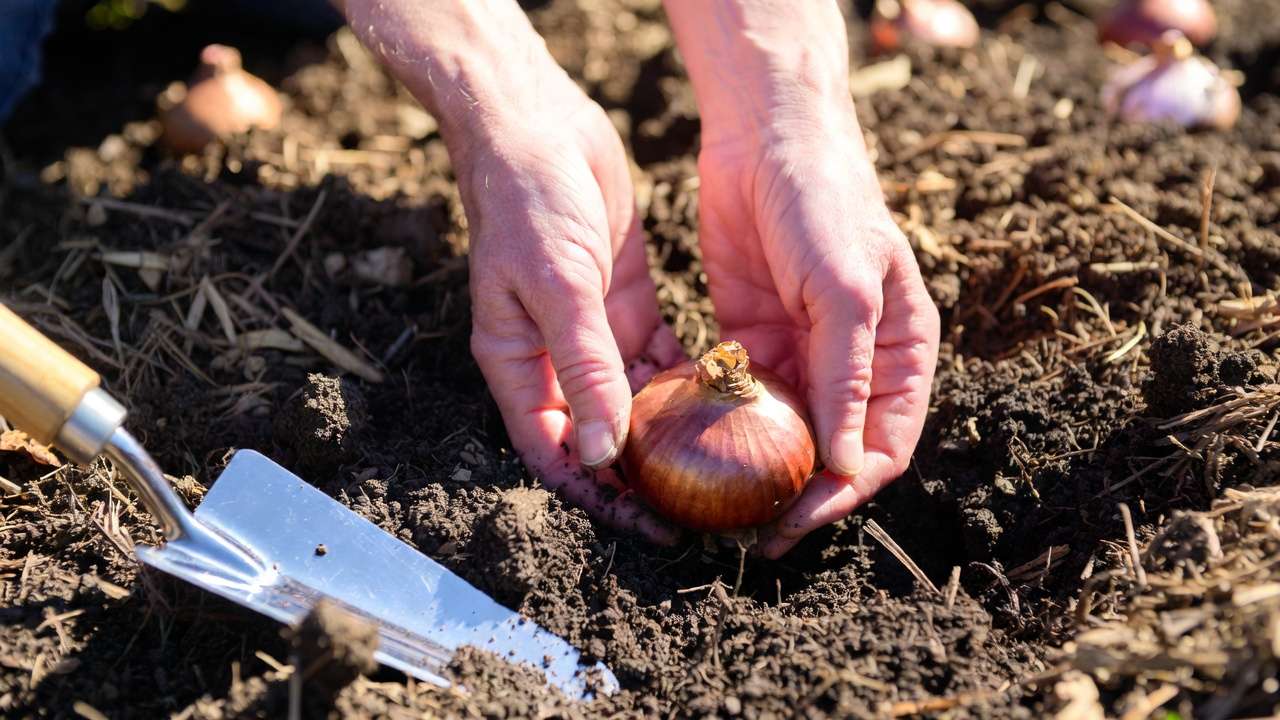
Always plant with the growing point (nose) facing up. Water thoroughly after planting and apply 2–3 inches of organic mulch to keep soil cool and moist.
Ongoing Care from Spring Prep Through First Bloom
Spring & Summer (Foliage Season) Colchicum and cyclamen produce leaves in spring. Let them grow naturally — this is how they recharge the bulb. Do not cut back until leaves yellow in early summer. Feed lightly with balanced organic fertilizer in April.
Summer Dormancy Once foliage dies back, the bulbs rest. Keep soil lightly moist but never soggy. This is when your spring soil prep really pays off.
Fall Bloom Boosters When buds appear, give a light top-dressing of compost or bulb fertilizer. Water during dry spells — rain lilies especially love a good soak before blooming!
Dividing & Propagating Every 4–6 years in late spring (after leaves die back), lift, separate offsets, and replant immediately. This is how you multiply your collection for free.
Troubleshooting & Common Mistakes to Avoid ❌
Even experienced gardeners hit issues. Here are the top 7 problems and my expert fixes:
- No blooms first year → Normal! Strong roots form; expect full display in year 2.
- Bulbs rot in storage → Too much moisture. Use better ventilation next time.
- Early sprouting in bags → Store cooler (50–55°F) and check more often.
- Squirrels digging → Cover newly planted areas with chicken wire for 2 weeks.
- Weak or small flowers → Bulbs were too small or soil lacked nutrients.
- Leaves but no flowers → Planted too shallow or soil too wet.
- Yellowing leaves too early → Could be overwatering or nutrient deficiency.
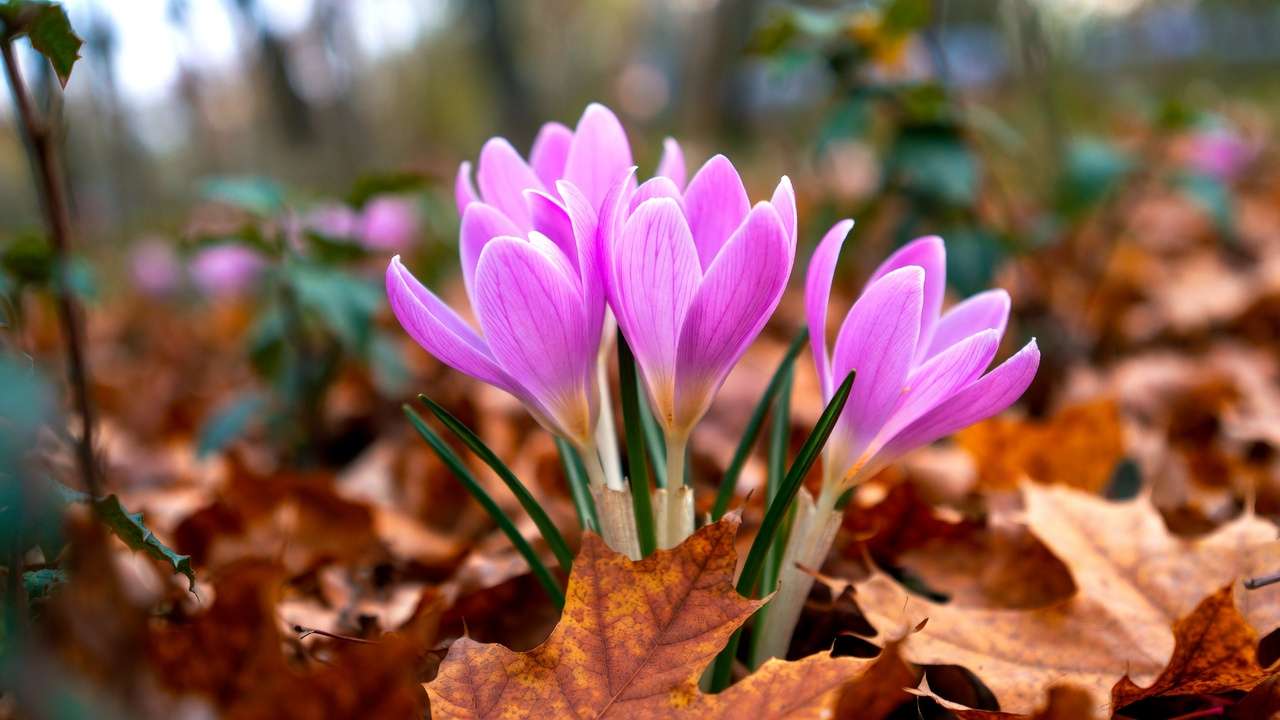
Important Safety Note: Colchicum and many lycoris species are toxic if ingested. Keep away from pets and small children.
Expert Insights & Pro Tips from 12+ Years of Growing Fall Blooms 🌟
After growing these bulbs across multiple climate zones, here are my favorite hard-won secrets:
- Top 5 Varieties I Always Recommend: Colchicum ‘Waterlily’, Crocus sativus, Cyclamen hederifolium ‘Silver Leaf’, Sternbergia lutea, and Lycoris radiata.
- Container Success Secret: Use deep pots and bring them into a cool garage for winter in zones colder than 6.
- Climate Change Adaptations: With hotter summers, I now add extra perlite and plant slightly deeper. Mulch heavily to keep bulbs cool.
- Eco-Friendly Approach: I never use synthetic chemicals. Neem oil and beneficial nematodes handle any rare pest issues.
These small adjustments consistently deliver bigger, more reliable displays every single year.
Frequently Asked Questions (FAQ) ❓
Can I really prep and plant fall-blooming bulbs in spring? Yes! Spring is actually one of the best times because it allows full root development before bloom.
How long until I see flowers after prepping in spring? Most bulbs will give a modest show the first autumn and a spectacular display the second year.
Do fall-blooming bulbs come back every year? Yes — they are true perennials and will naturalize beautifully when happy.
What are the best fall-blooming bulbs for zone 5 / zone 8 / containers? Zone 5: Colchicum, hardy cyclamen. Zone 8–11: Lycoris, rain lilies, nerine. Containers: Cyclamen, sternbergia, smaller colchicum.
What’s the biggest mistake people make with storage? Using sealed plastic bags or storing in warm areas — this causes early sprouting or rot.
Are these bulbs deer resistant? Most are highly deer and rodent resistant due to natural alkaloids.
Final Thoughts
Your most colorful autumn yet truly begins with smart decisions made this spring. By prepping fall-blooming bulbs in spring — sourcing quality bulbs, storing them properly, improving your soil, and planning your design — you’re setting yourself up for years of effortless, breathtaking fall color.
Save this guide, mark your calendar, and get started today. When your garden lights up with pink, gold, and purple blooms next October, you’ll be so glad you did!
Happy gardening, and don’t forget to tag your beautiful autumn displays — I’d love to see them! 🌸🍂
Written by [Your Name], Certified Master Gardener & Plant Care Specialist With 12+ years helping gardeners create stunning seasonal gardens.











