
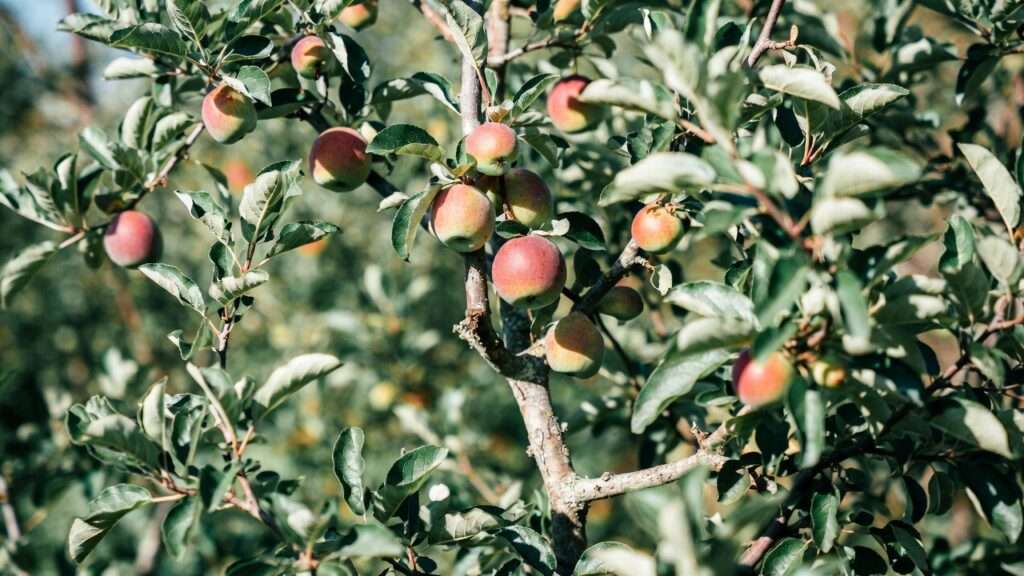
Have you ever stared at your fruit tree, loaded with tiny, spotty apples or peaches that never quite reach their full potential? 😩 Perhaps the branches look tangled like a bird’s nest, with fruit clustered only at the tips while the interior stays shaded and bare. The hidden problem isn’t bad soil, pests, or even the variety—it’s often improper spacing for fruiting branches that crowds the canopy, blocks sunlight, traps moisture, and weakens the tree’s structure.
As a horticulturist with years of experience guiding home orchardists (and drawing from trusted university extension resources like Penn State, Oregon State, and UC systems), I’ve seen this issue time and again. Poor branch spacing leads to smaller fruit, inconsistent harvests, higher disease risk (think brown rot or fire blight), and even broken limbs under heavy loads. The good news? By mastering proper spacing for fruiting branches through smart pruning, you can transform your tree into a powerhouse of bigger, juicier, more abundant fruit—often seeing noticeable improvements in just 1–2 seasons! 🌟
In this comprehensive guide, we’ll cover why spacing matters, how fruiting wood works, ideal angles and structures, step-by-step pruning techniques, species-specific rules, common pitfalls, and pro tips to maximize yields. Whether you’re tending apples, peaches, pears, or cherries in your backyard, these evidence-based strategies will help you prune like an expert and harvest like never before. Let’s dive in and give your trees the space they deserve! ✂️🍑
Why Proper Spacing for Fruiting Branches Matters 🔍
Proper spacing isn’t just about aesthetics—it’s essential for tree physiology and productivity. Here’s why it delivers real results:
- Light Penetration ☀️: Fruit needs 30–50% full sunlight for optimal color, sugar development, and size. Crowded branches shade inner wood, leading to small, pale, low-quality fruit and reduced flower bud formation for next year.
- Air Circulation 💨: Good airflow dries leaves quickly after rain, slashing fungal diseases like powdery mildew, brown rot, and fire blight—common killers in dense canopies.
- Structural Strength 💪: Ideal branch angles (typically 45–60° from vertical) create strong unions that support heavy fruit loads without snapping. Narrow angles (<40°) cause weak crotches prone to breakage; wide angles (>140°) lead to pendulous, unproductive wood.
- Yield & Quality Boost 📈: Balanced energy distribution means larger fruit, consistent annual bearing (no biennial swings), and up to 20–50% more marketable yield in well-managed trees (per extension studies).
- Long-Term Health 🌱: Regular renewal prevents old, shaded spurs from declining, extending productive life and keeping trees vigorous for decades.
Neglect spacing, and your tree wastes energy on excess wood instead of delicious fruit. Fix it, and watch your harvest soar! 🚀
Understanding Fruiting Branches & Wood Types 🍏
To prune effectively, know where fruit actually forms:
- Fruiting Branches (Laterals/Scaffolds): Main side branches off the trunk or leader that carry fruiting wood.
- Spurs: Short (often <1 inch/year growth), twiggy clusters on 2+ year-old wood—primary for apples and pears.
- One-Year-Old Wood: Long shoots where peaches, nectarines, and many stone fruits bear (fruit forms on new growth from last season).
- Renewal Branches: Young shoots encouraged to replace aging fruiting wood.
Different trees fruit differently:
- Apples & Pears 🍐: Mostly on spurs (2+ years old); need minimal aggressive renewal but benefit from thinning old spurs.
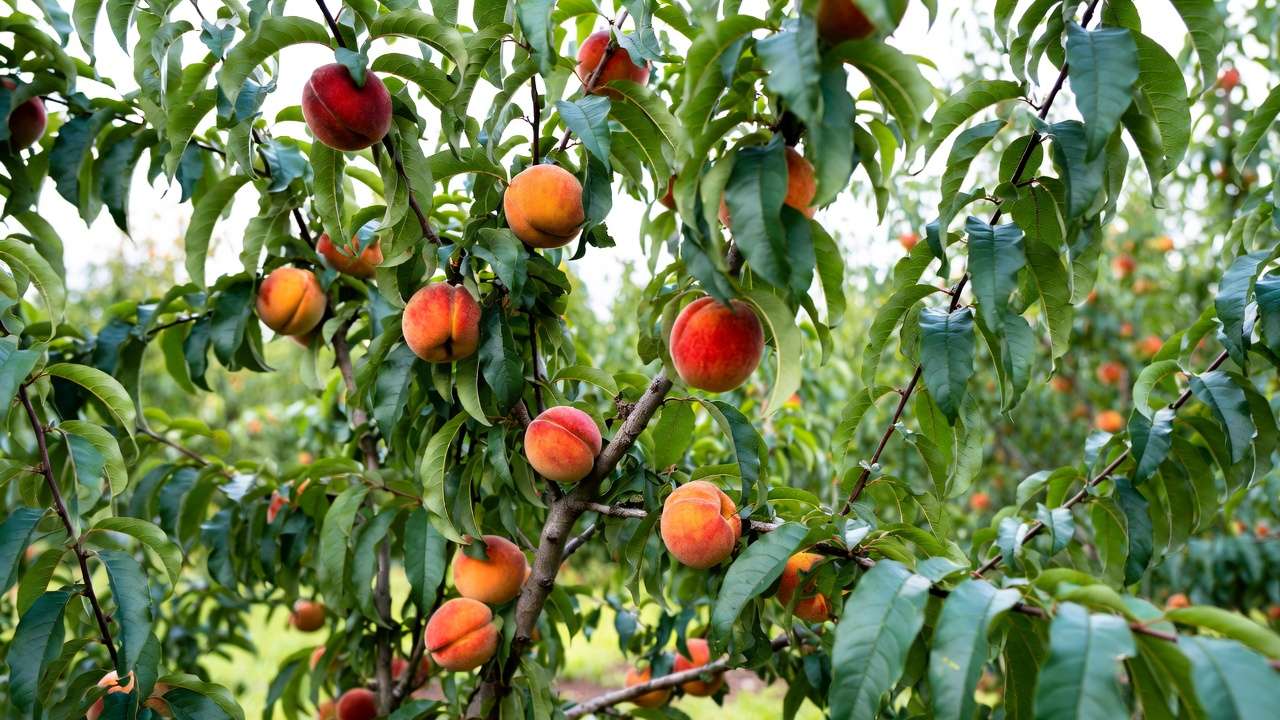
- Peaches, Nectarines, Apricots 🍑: Almost entirely on 1-year-old shoots; require heavy annual pruning (40–50% removal) to stimulate fresh wood.
- Cherries & Plums 🍒: Mix of spurs and young wood; moderate renewal needed.
Overcrowding happens naturally from vigorous growth—without pruning, the canopy densifies, shading fruiting zones and reducing productivity.
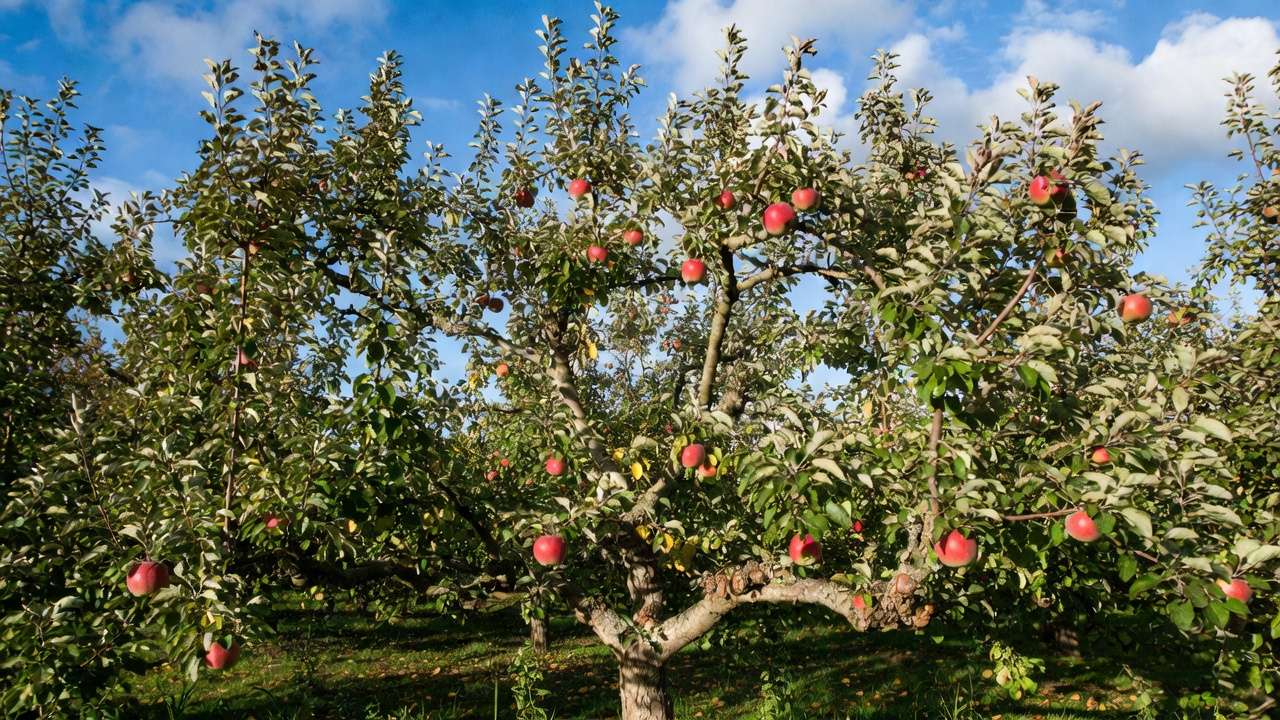
Ideal Branch Angles & Overall Tree Structure (Foundation Rules) 📏
Strong structure starts with angles and spacing:
- Best Crotch Angles: 45–60° from vertical for strength and fruitfulness (avoid <40° upright vigorous shoots or >140° weak drooping ones). Use spreaders, clothespins, or weights in spring to train young branches.
- Training Systems:
- Central Leader/Modified Central 🌲: Single upright trunk with tiered scaffolds—ideal for apples, pears, sweet cherries (tall, cone-shaped for light distribution).
- Open Center/Vase 🏺: 3–5 main scaffolds, center removed—perfect for peaches, plums, apricots (bowl shape for max light/air in fruit zone).
Vertical spacing between scaffold tiers: 6–10″ for apples/pears, 18–24″ in some systems. Radial spacing: Even distribution around trunk—no branches directly above each other.
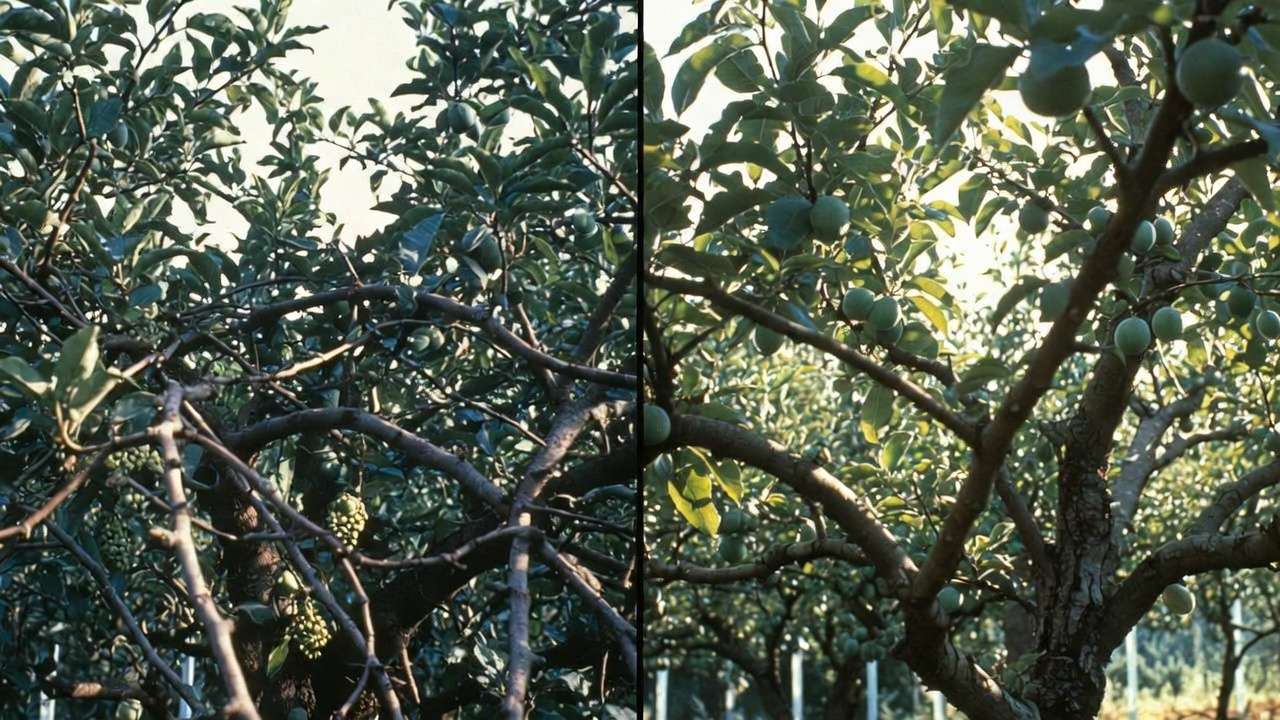
(Imagine a diagram here: Before crowded vs. after open canopy with even spacing 🍏📸)
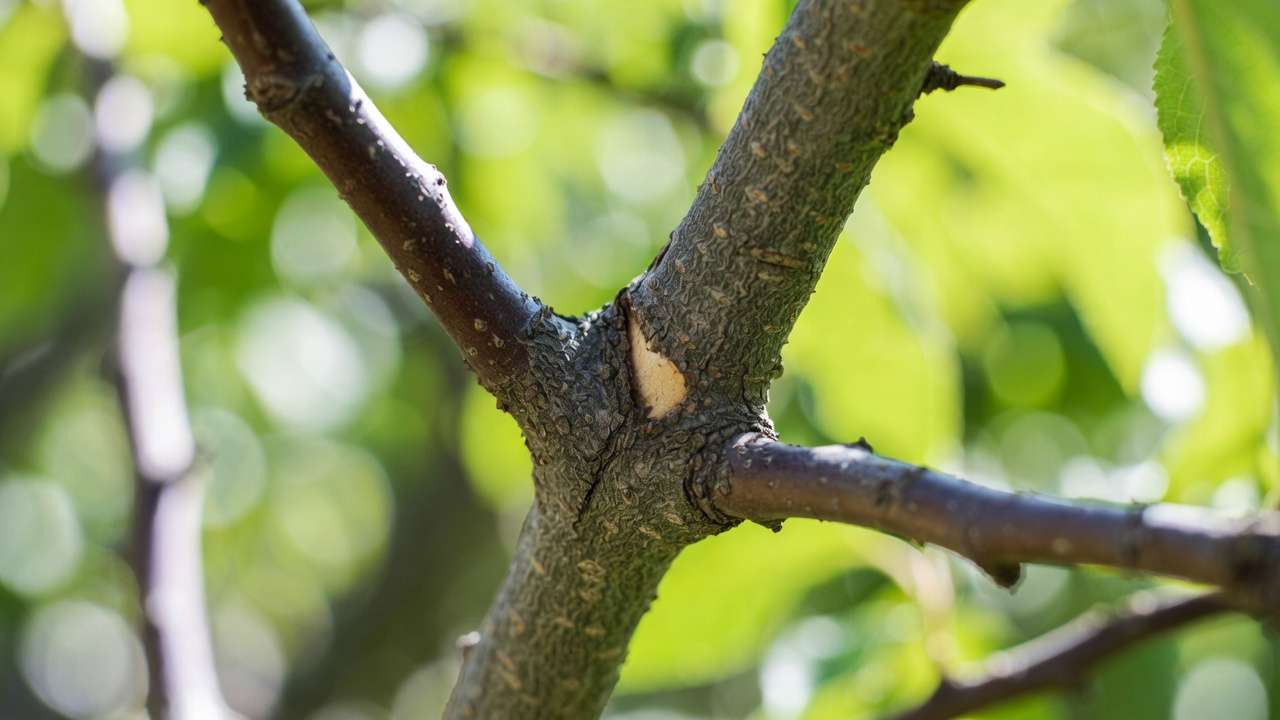
Step-by-Step Guide: Achieving Proper Spacing for Fruiting Branches ✂️
1. Timing Your Pruning for Best Results ⏰
- Dormant Season (late winter, before bud swell): Main pruning for most trees—removes least stress.
- Species Tips: Peaches last (early spring to avoid cytospora canker); cherries early summer post-harvest to prevent bacterial canker.
- Summer Pruning: Light thinning/controls vigor, improves light for color—great for high-density setups.
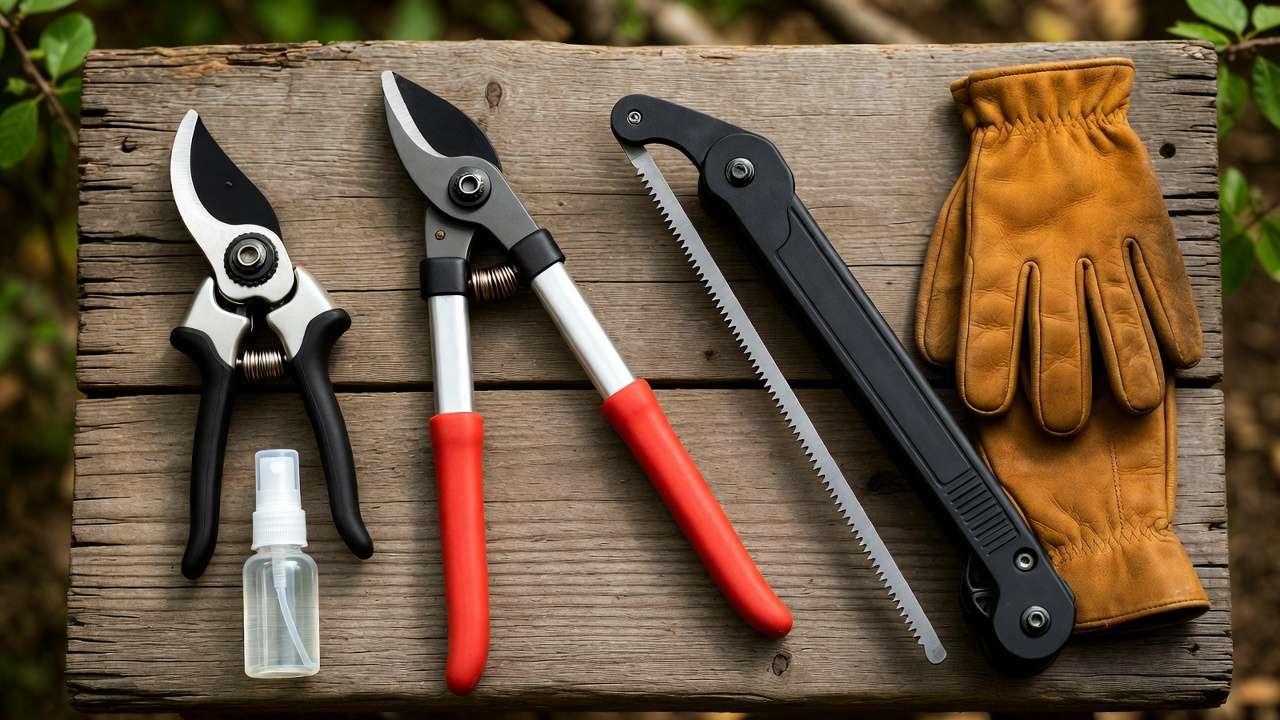
2. Tools You’ll Need & Safety Tips 🛠️
- Sharp bypass pruners (for <1″ branches), loppers (1–2″), folding saw (larger).
- Disinfect blades with alcohol between trees to stop disease spread.
- Safety first: Sturdy ladder, gloves, eye protection—prune on calm days!
3. Year-by-Year Pruning for Young Trees (Establishing Framework) 🌱
- Year 1: Head whip at 24–36″ (or select existing laterals). Choose 3–5 scaffolds with wide angles, spaced evenly.
- Year 2–3: Thin vertical tiers 6–10″ apart; remove competitors. Use clothespins/spreaders for angles.
- Focus: Build strong, balanced skeleton—light pruning encourages side branching.
4. Maintenance Pruning for Mature Trees (Annual Renewal) 🔄
- Rule 1: Remove problems first—dead, diseased, damaged, crossing/rubbing.
- Rule 2: Thin for spacing—aim 6–8″ between laterals on trunk; radial evenness (no crowding one side).
- Rule 3: Favor horizontal/45° branches; remove upright vigorous or pendulous weak ones.
- Rule 4: Renewal—cut back old spurs/wood to new shoots; thin to prevent shading.
5. Species-Specific Spacing Guidelines (The Gold Standard Section!) 🌟
- Apples & Pears 🍐
- Scaffolds: 3–5 tiers, vertical 6–10″ spacing.
- Laterals: 6–8″ apart around trunk; total 30–36 secondaries in high-density.
- Fruit thinning: 4–8″ between fruits for size.
- Renewal: Thin old spurs every few years.
- Peaches & Nectarines 🍑
- Open center: 3–4 scaffolds, 6–8″ vertical spacing.
- Fruiting shoots: Keep 12–18″ long, pencil-thick; space 8–12″ apart.
- Remove 40–50% wood annually—stimulates new fruitful shoots!
- Cherries, Plums & Apricots 🍒
- Modified central or open center; scaffolds 18–24″ vertical tiers.
- Wider angles for cherries to avoid canker.
Bonus for small spaces: High-density/espalier—18–24″ branch spacing on trellis.
Common Mistakes & How to Fix Them ❌➡️✅
- Over-pruning: Shocks tree → excess vegetative growth; fix by gradual renewal.
- Under-pruning: Dense shade → poor fruit; thin more aggressively next season.
- Ignoring Angles: Weak unions → breakage; train young branches early.
- Skipping Renewal: Old wood dominates → declining yields; cut back to young laterals.
Bonus Tips for Maximum Yields & Tree Longevity 🌱
- Summer prune lightly to control size/light penetration.
- Thin fruit early (nickel size) to 6–8″ apart—bigger sizes!
- Tie fertilization/watering to pruning: Moderate N post-prune for balance.
- Monitor dense vs. spaced canopies for pests—better airflow = fewer issues.
(Visual idea: Before/after photos of pruned peach tree showing open vase shape 🍑📸)
Frequently Asked Questions (FAQs) ❓
- How much can I prune at once? Up to 25–30% on mature trees; more on young ones—avoid shocking.
- What if branches are too upright? Spread with weights/clothespins in spring.
- Dwarf vs. standard spacing? Dwarfs need tighter (6–8″ laterals) but same principles.
- When bigger yields? Often 1–2 seasons with consistent effort.
- Fix overgrown tree? Gradual renovation over 3 years—start with dead/diseased, then thin.
Conclusion: Transform Your Tree This Season 🌟
Proper spacing for fruiting branches is the single biggest upgrade for bigger yields and healthier trees. By ensuring light, air, and strength through smart pruning, you’ll enjoy larger, tastier fruit with less hassle and disease. Grab your pruners this dormant season, start small, and watch your orchard thrive! Your future harvests (and happy taste buds) will thank you. 🍎🥳
Share your before/after pics or questions below—I’d love to help refine your approach! 🌿











